- Yes
- No
History: Estonia wanted to modernise it’s air force after the Spanish civil war, looking towards potential aircraft like the Fokker DXX.I, G.I and Supermarine Spitfires (using the funds raised by selling Bristol Bulldogs and Potez 25s + acting as transit country for Czechoslovakian planes going to the Spanish republican government). However none of which entered Estonian service. Instead, Estonia sought to modernise it’s air fleet by making it’s own aircraft.
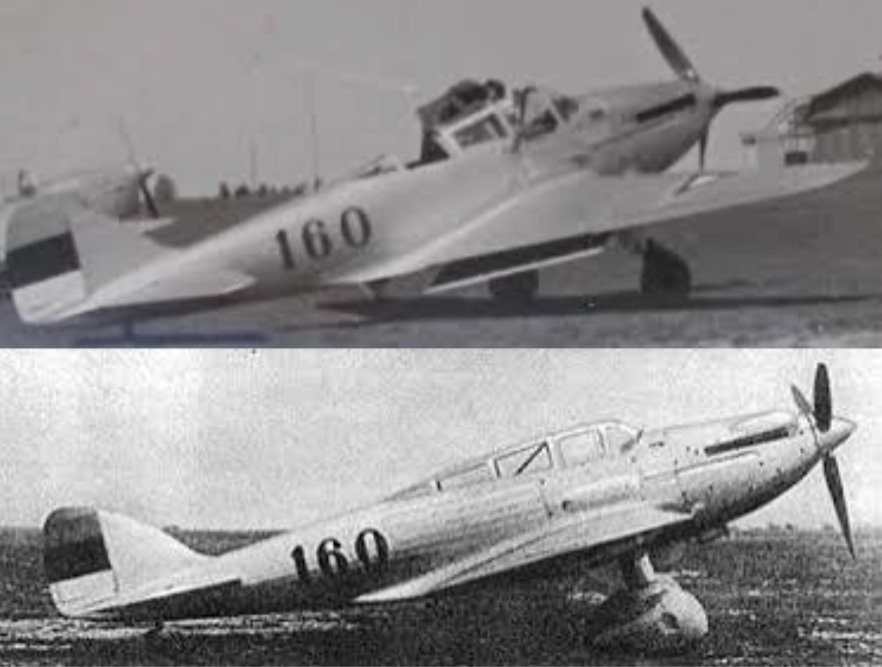
The PN-3 was designed by V. Post & R. Neudorf from the Estonian Aero Club to be a trainer while also filling the roles of both a fighter and reconisence plane.
The plane was made in January 1939 (while also being unofficially dubbed as “Isamaa pästja” (savior of the fatherland)) and had it’s first flight in the summer of that year. The flight done by Lieutenant Peeter Olf resulted in satisfactory results (note the prototype is was unarmed but had provisions for it’s arms).
Although this plane wouldn’t reach production, there were plans to make a version of the plane with a retractable landing gear which never came to fruition.
When the Soviet Union annexed Estonia, what happened to the PN-3 is said to be that the prototype was used by the Soviet Union as a target or was scrapped with most of the Estonian air force due to being obsolete. Regardless, the plane only was in service for 1 year before it met it’s untimely end.
Specification:
Crew:2 (pilot and rear gunner)
Length: 9 meters
Height: 3.2 meters
Wingspan: 10.65 m
Propulsion : 1xRolls Royce Kestrel XI (570 hp)
Max speed: 395km
Armament: 2x 7.62mm fixed machine guns in the wings + 1x defensive 7.62mm machine gun
Sources:
https://airwar.ru/enc/spyww2/pn3.html
https://web.archive.org/web/20140701073731/http://aviarmor.net/aww2/aircraft_exp/other/post_pn3.htm
Ants Künnapuu. On the Road to the Open Spaces.
Gerdessen, Frederik 2001: “Time Men Planes”.