Would you like to see this in-game?
- Yes
- No
0
voters
Where would you like to see this vehicle?
- Indonesia (independent naval/coastal tree)
- Indonesia (sub- naval/coastal tree)
- Southeast Asia subtree
- Other
- No/negative
0
voters
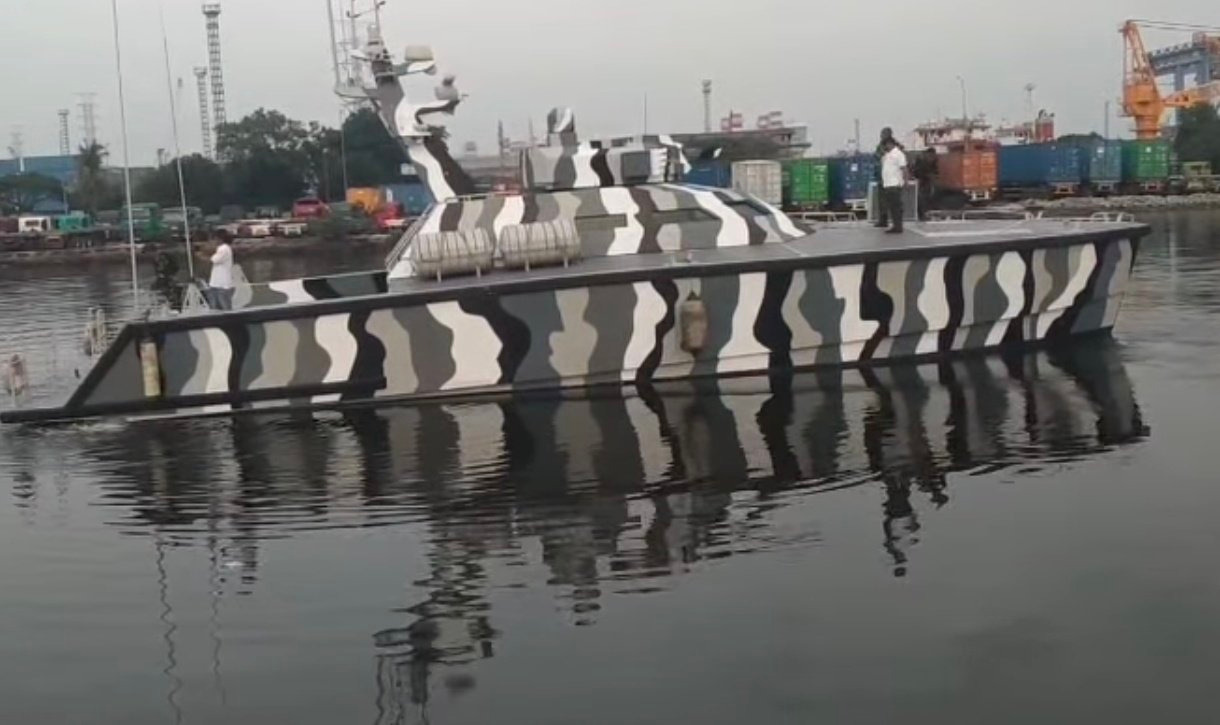
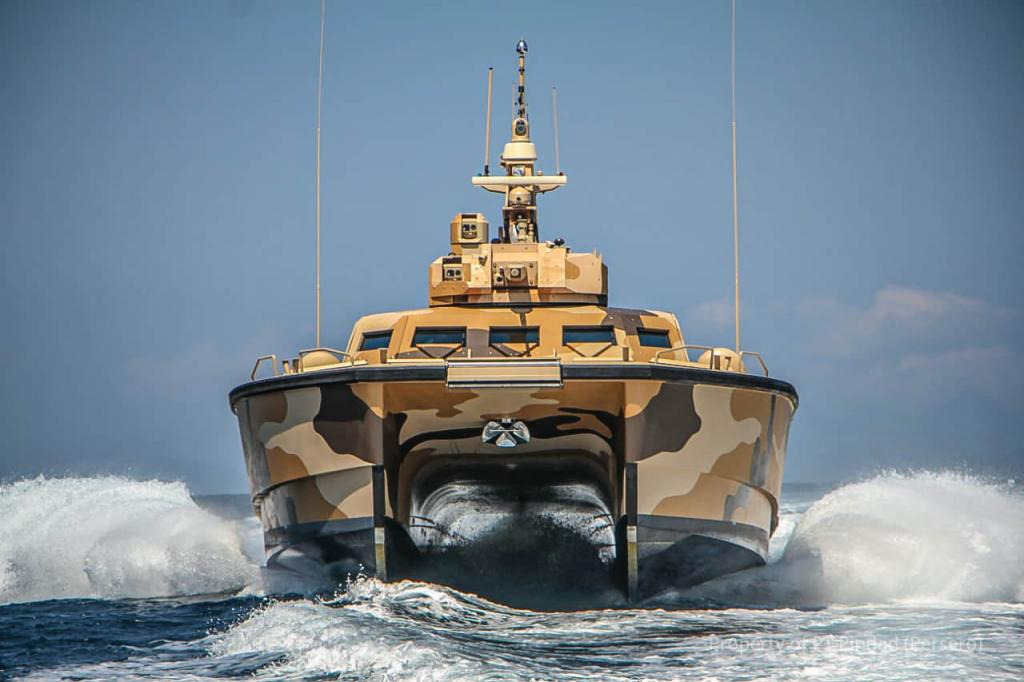
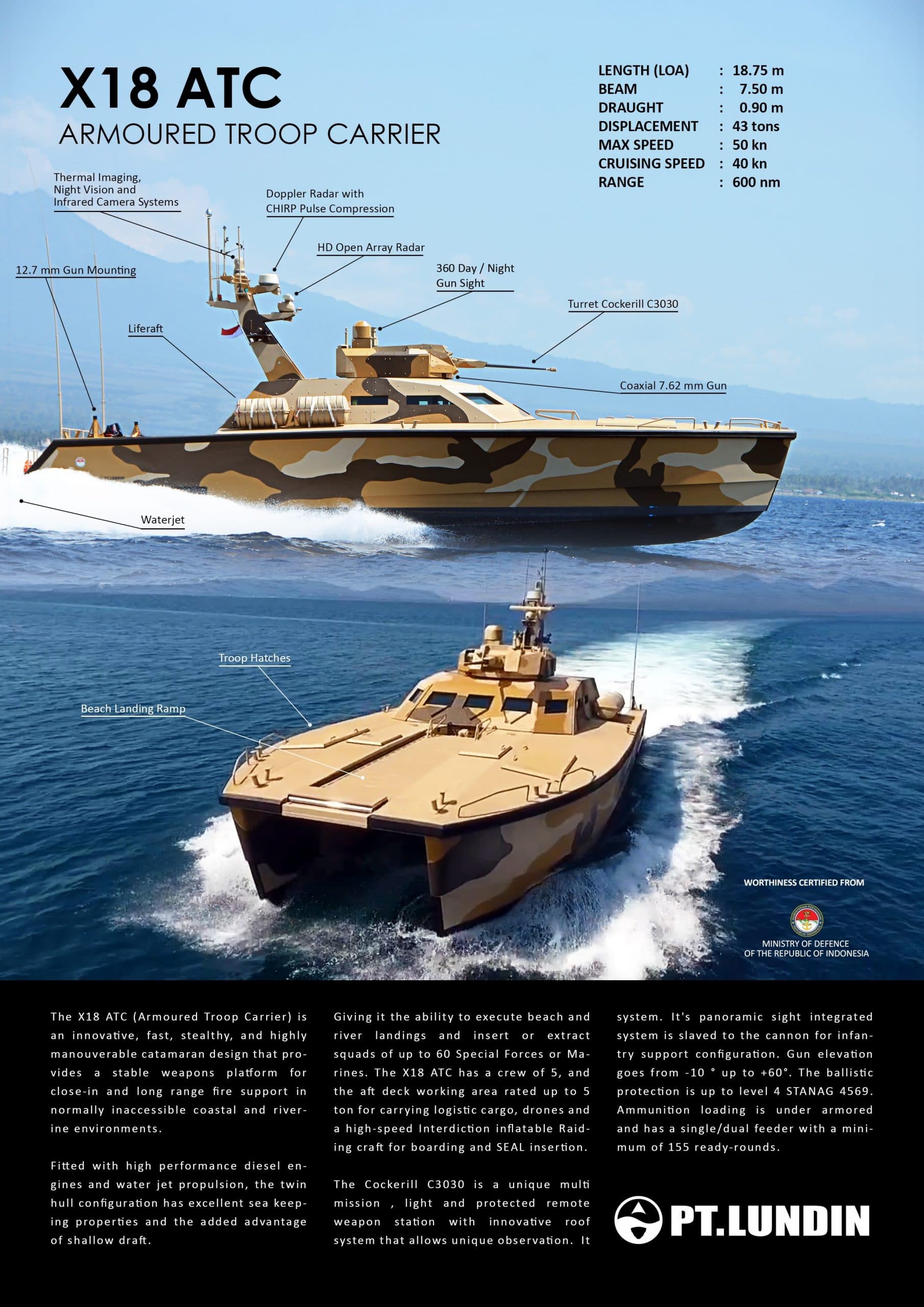
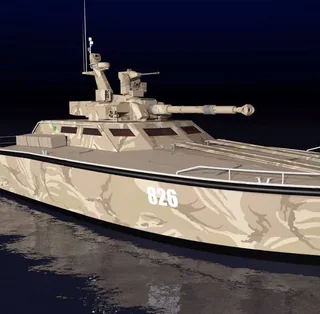
The Antasena-class combat boats, also known under the X18 “Tank Boat” designation, are a family of modern Indonesian-built high-speed coastal and riverine combat craft designed for operations in shallow waters, confined littoral zones, and inland waterways. Unlike conventional patrol boats, the Antasena-class is conceived as a modular fighting platform, capable of mounting heavily armed, stabilized turrets normally found on armored land vehicles. This gives the class a unique combination of mobility, firepower, and flexibility, making it one of the most unconventional modern combat boats developed in the 21st century.
Developed by PT Lundin (North Sea Boats) in cooperation with Indonesian defense industry partners and John Cockerill Defense, the Antasena family was intended to support Indonesia’s need for fast, survivable vessels capable of operating across its vast archipelagic territory. Depending on configuration, Antasena-class boats can fulfill patrol, escort, amphibious support, and direct-fire assault roles, ranging from a 30 mm autocannon–armed combat boat to a fully fledged 105 mm gun-armed “tank boat.”
TL;DR: A modern Indonesian modular combat boat family combining extreme speed with armored-vehicle firepower (30 mm, 105 mm, or modular weapon stations).
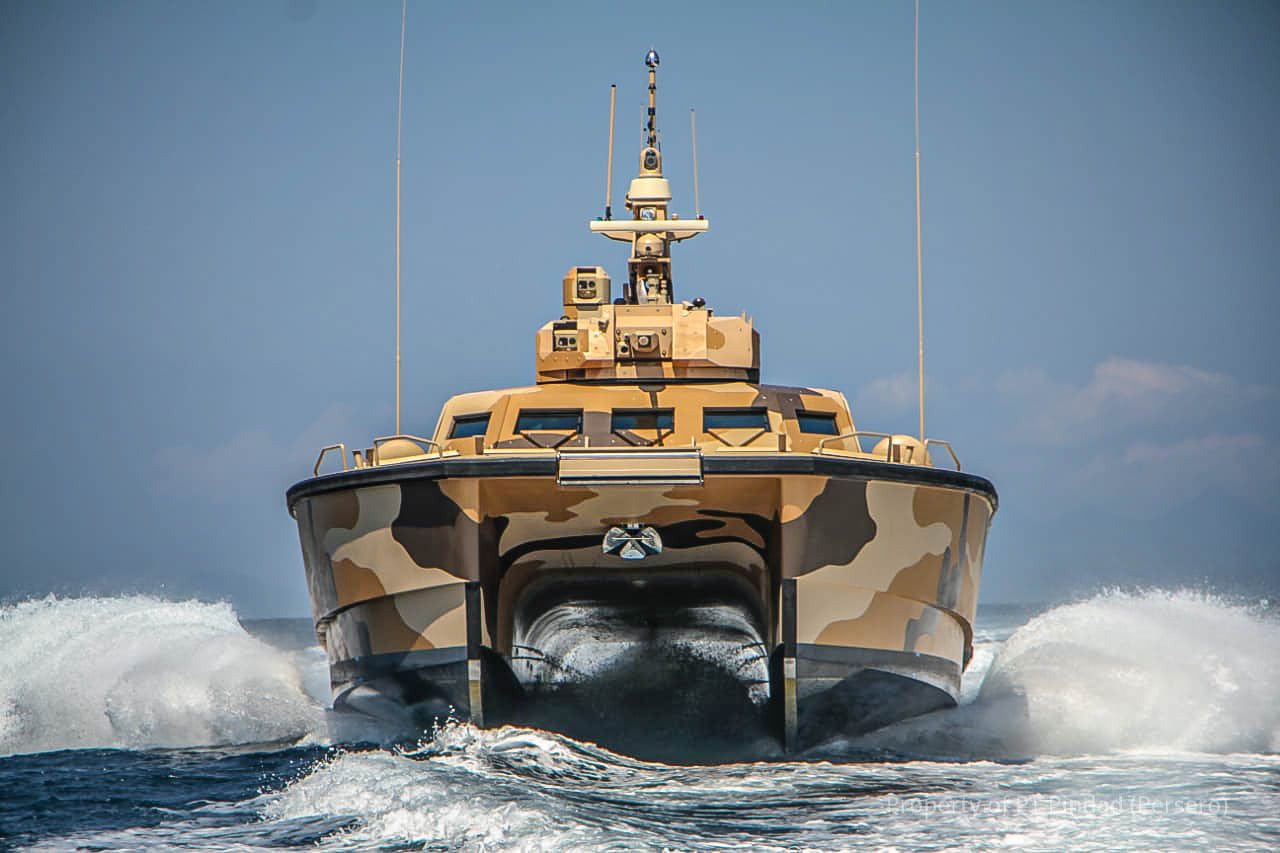
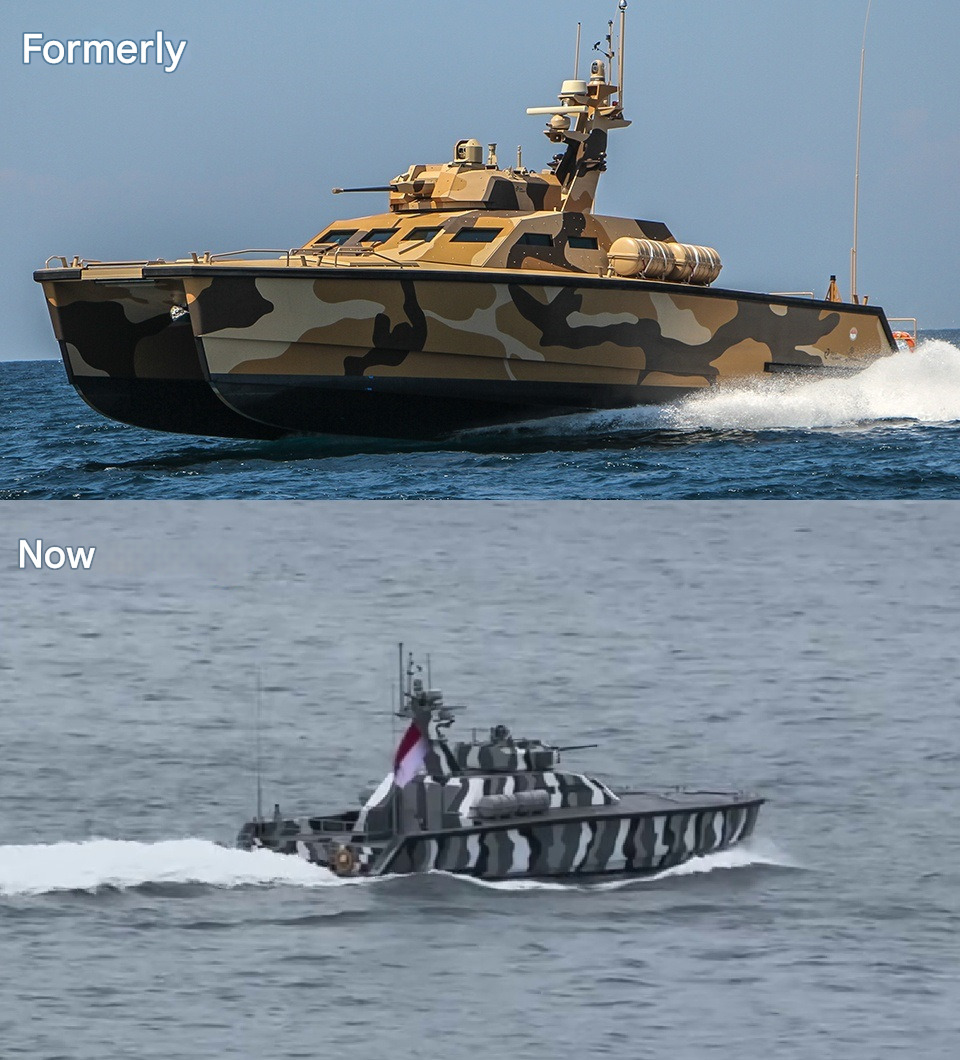
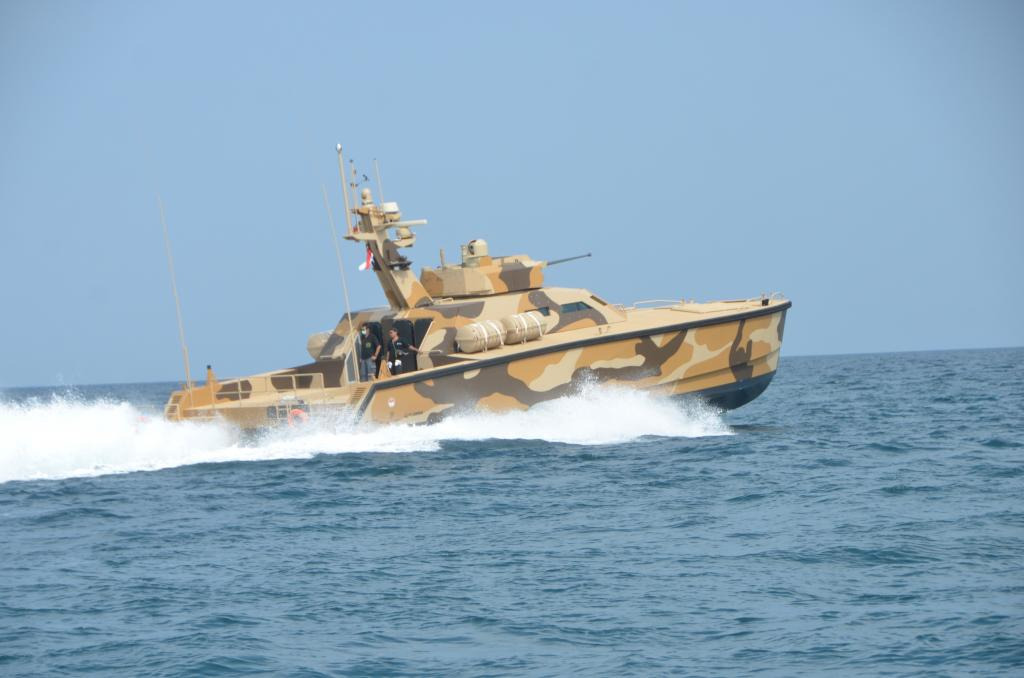
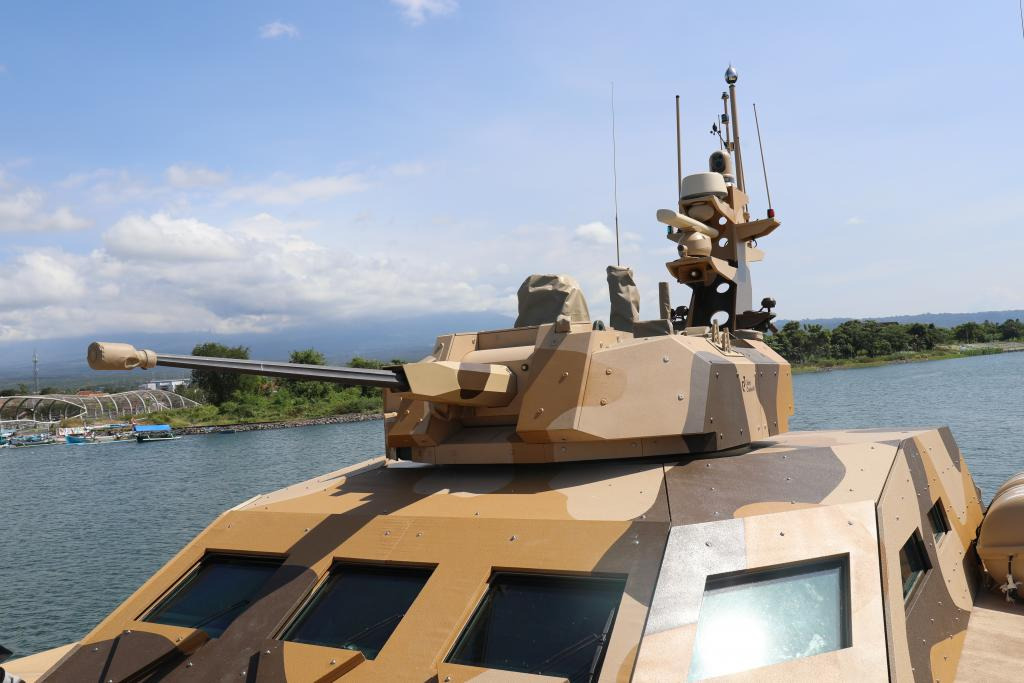
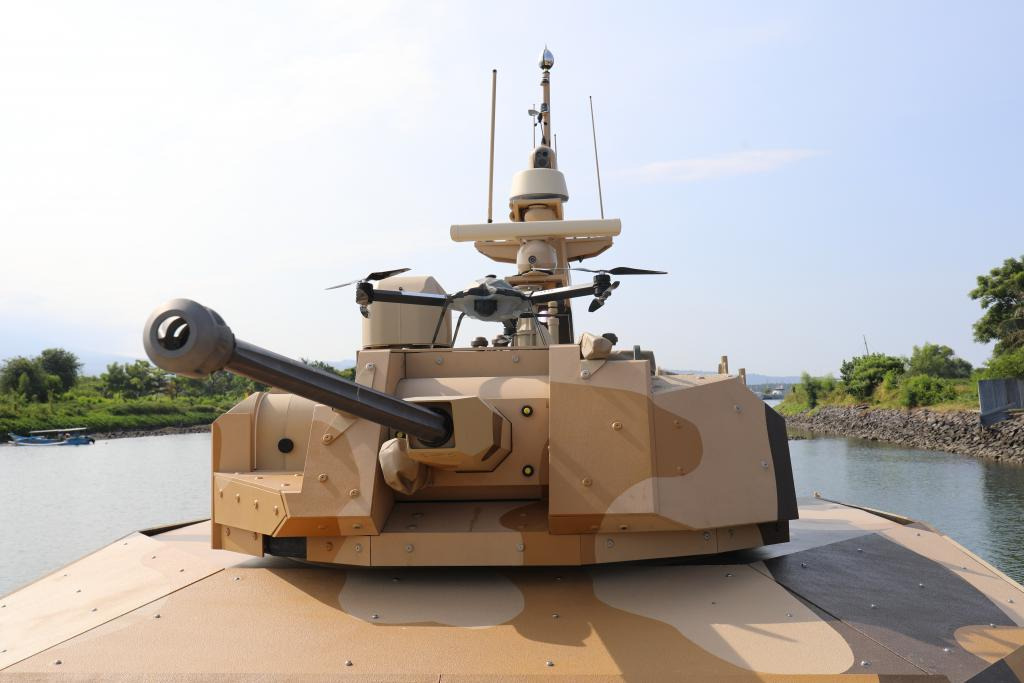
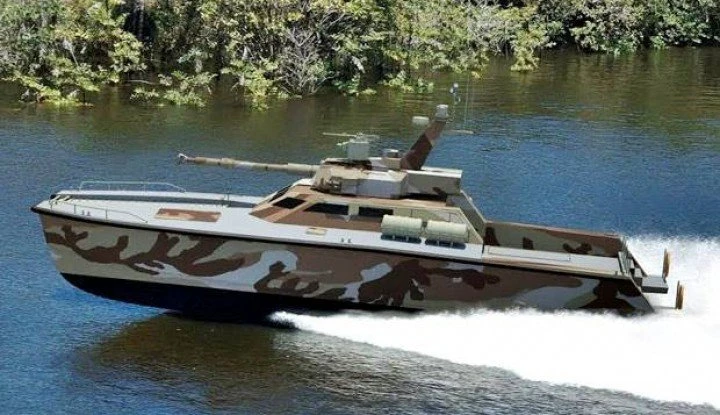
Antasena-class X18 combat boat during trials, note the armored 3030 turret integration.
History
History
The origins of the Antasena-class lie in Indonesia’s unique maritime geography and security challenges. With over 17,000 islands, countless rivers, and extensive shallow coastal regions, Indonesia requires naval platforms that can operate where conventional warships are either inefficient or entirely unable to reach. At the same time, experiences from counter-insurgency, maritime security, and amphibious operations highlighted the limitations of lightly armed patrol craft when facing fortified shore positions or well-equipped hostile forces.
In response, Indonesian shipbuilder PT Lundin — internationally known for its composite-hull, high-speed catamarans — began developing a new concept in the early 2010s: a high-speed combat boat capable of carrying the firepower of armored vehicles. This project evolved into what would become the Antasena-class, named after a heroic figure from Javanese wayang mythology, symbolizing strength and adaptability.
Rather than designing a single fixed configuration, the Antasena platform was deliberately engineered around modularity. A common 18-meter foil-assisted catamaran hull would serve as the basis for multiple mission-specific variants. The hull’s shallow draft, lightweight composite construction, and waterjet propulsion allowed operations in rivers and coastal waters while still maintaining speeds of up to 50 knots, enabling rapid deployment and withdrawal.
Development and Construction
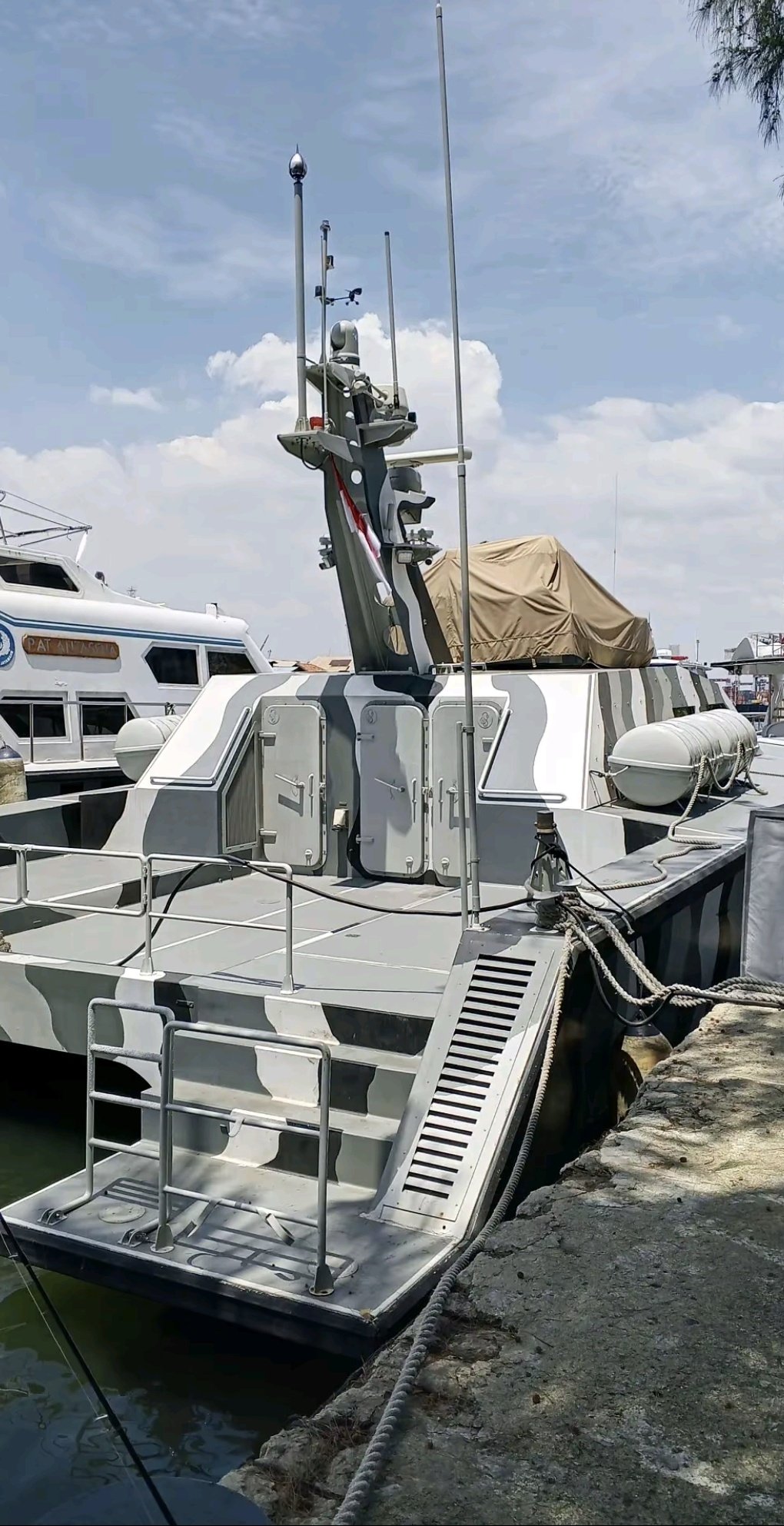
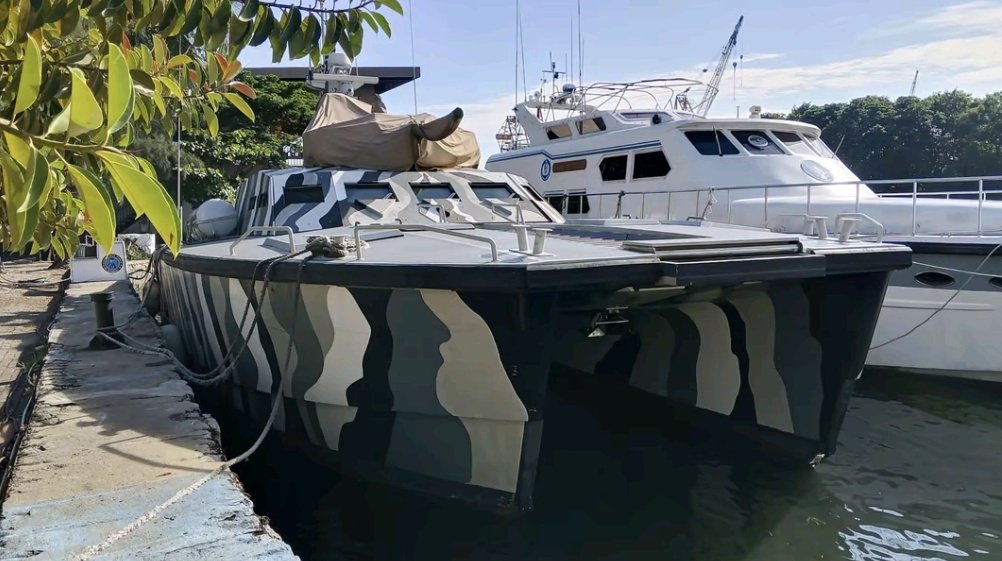
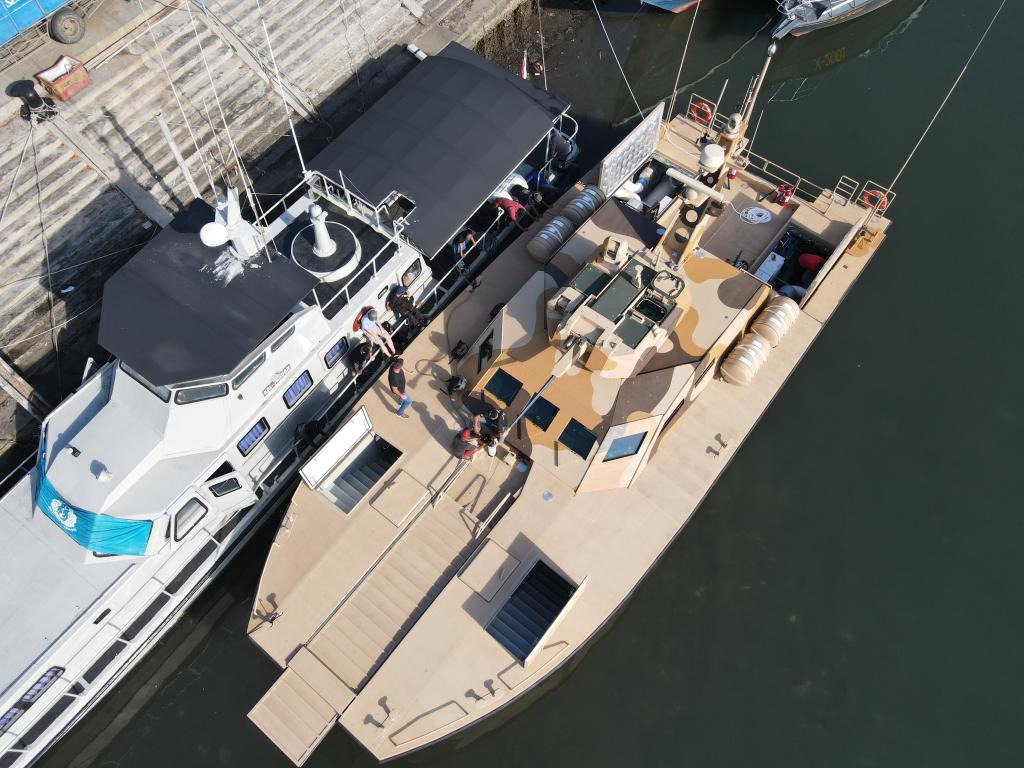
The Antasena hull is constructed primarily from fire-resistant composite materials, offering a balance between structural strength, reduced weight, and corrosion resistance. The catamaran layout improves stability at high speed and provides a wide deck area for turret integration. The design also incorporates ballistic protection around critical systems and crew spaces, depending on configuration.
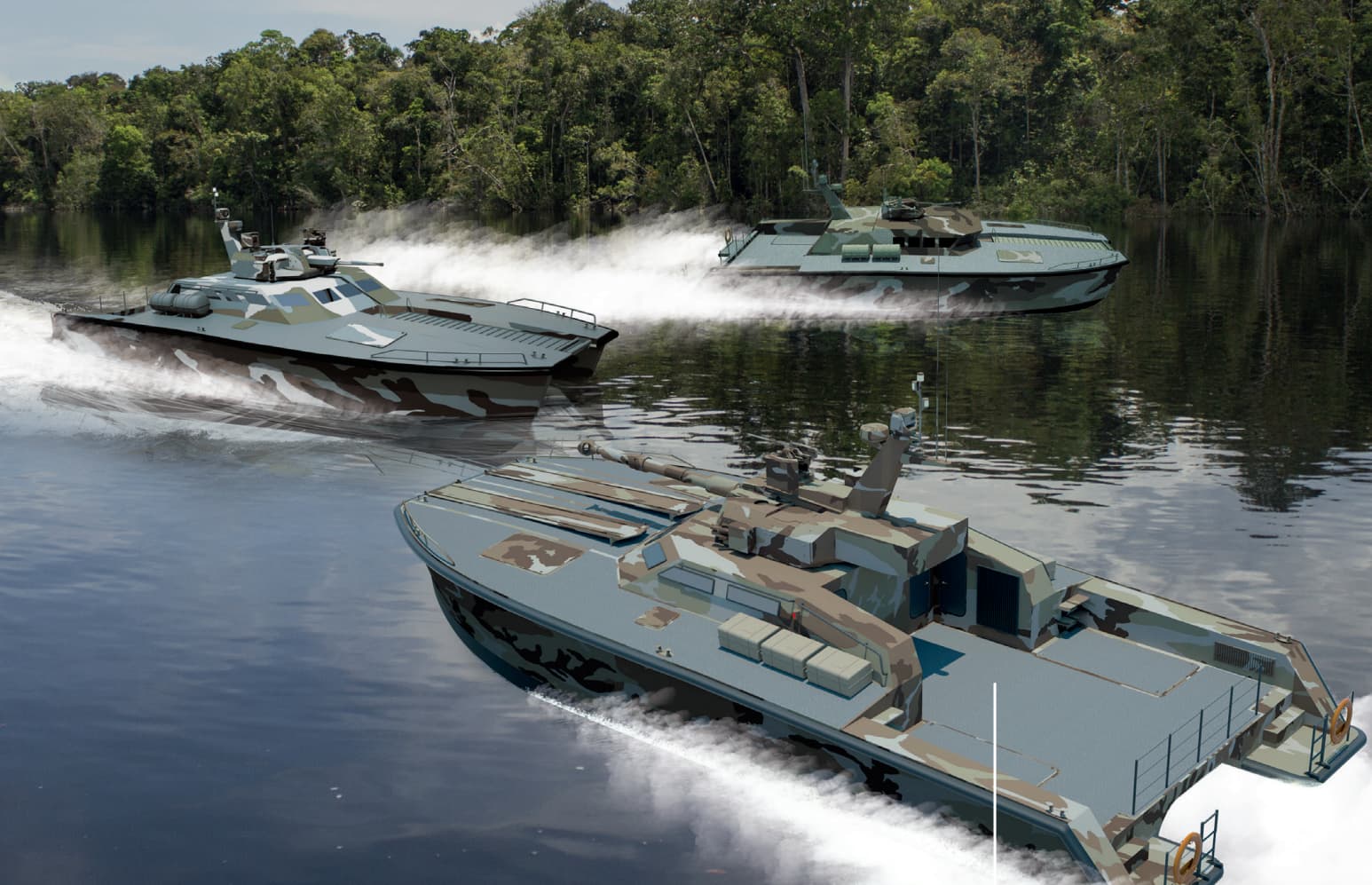
From back to front: the CWPS, the 3030 and the 3105 by Cockerill.
Early prototypes focused on validating the platform’s ability to carry heavier weapon systems without compromising speed or seaworthiness. These trials demonstrated that the hull could successfully support turrets well beyond what is typical for boats of similar size, paving the way for the integration of advanced weapon stations from John Cockerill Defense.
Operational Concept
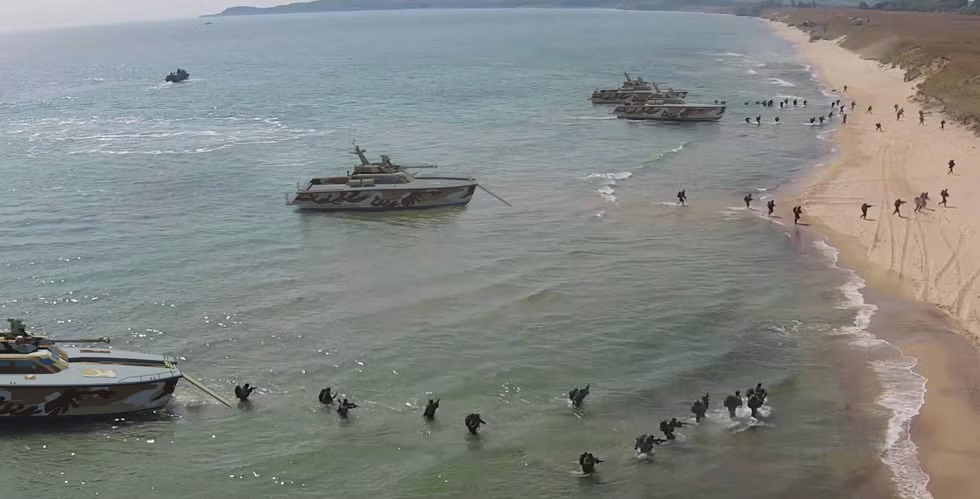
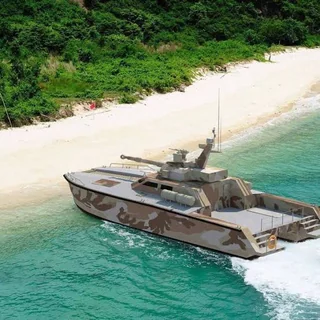
The Antasena-class is intended primarily for brown-water and littoral combat, including river patrols, coastal security, amphibious landing support, and rapid-response missions. In Indonesian doctrine, such vessels would operate in coordination with infantry, special forces, and larger naval units, using speed and firepower to dominate confined maritime spaces.
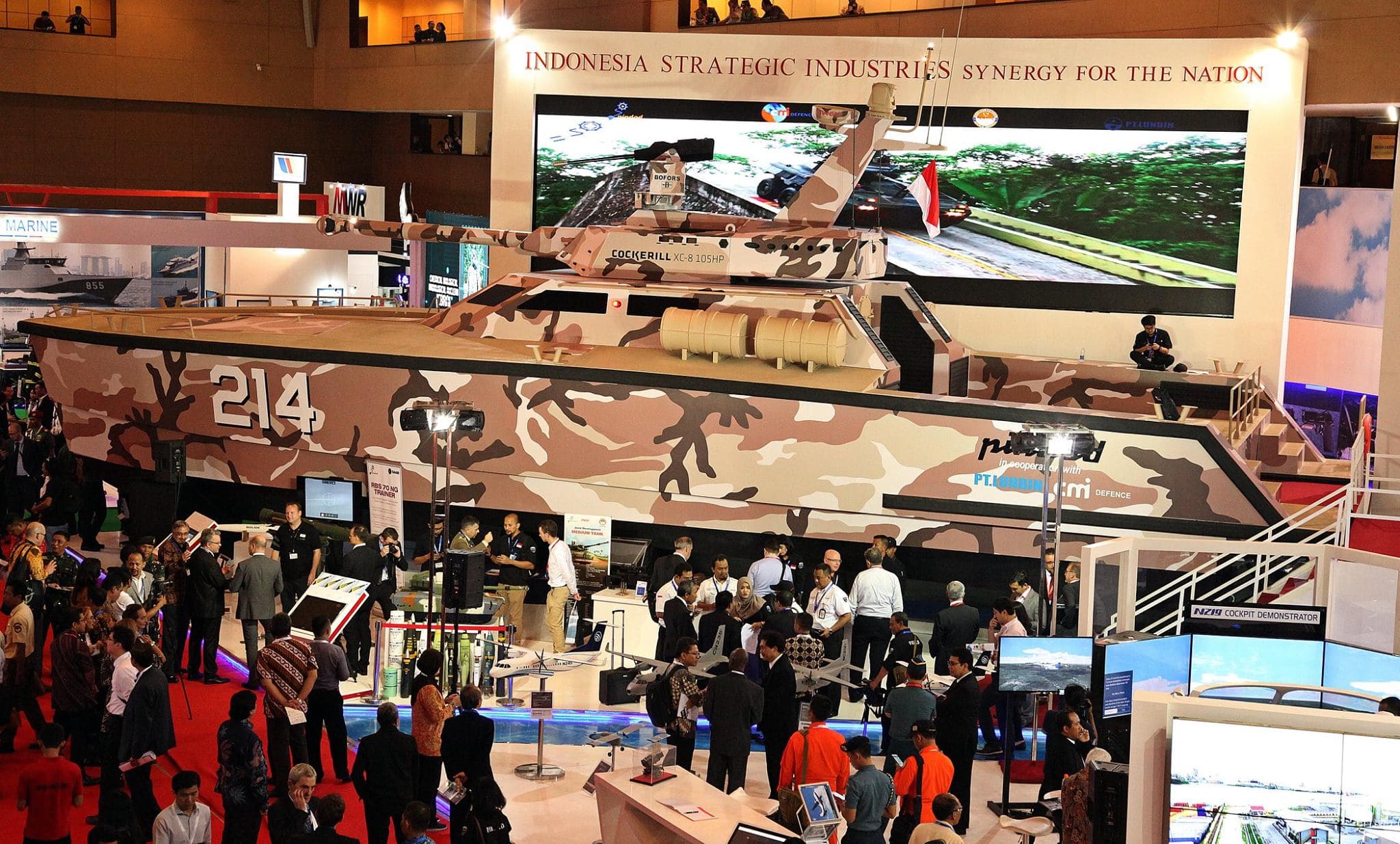
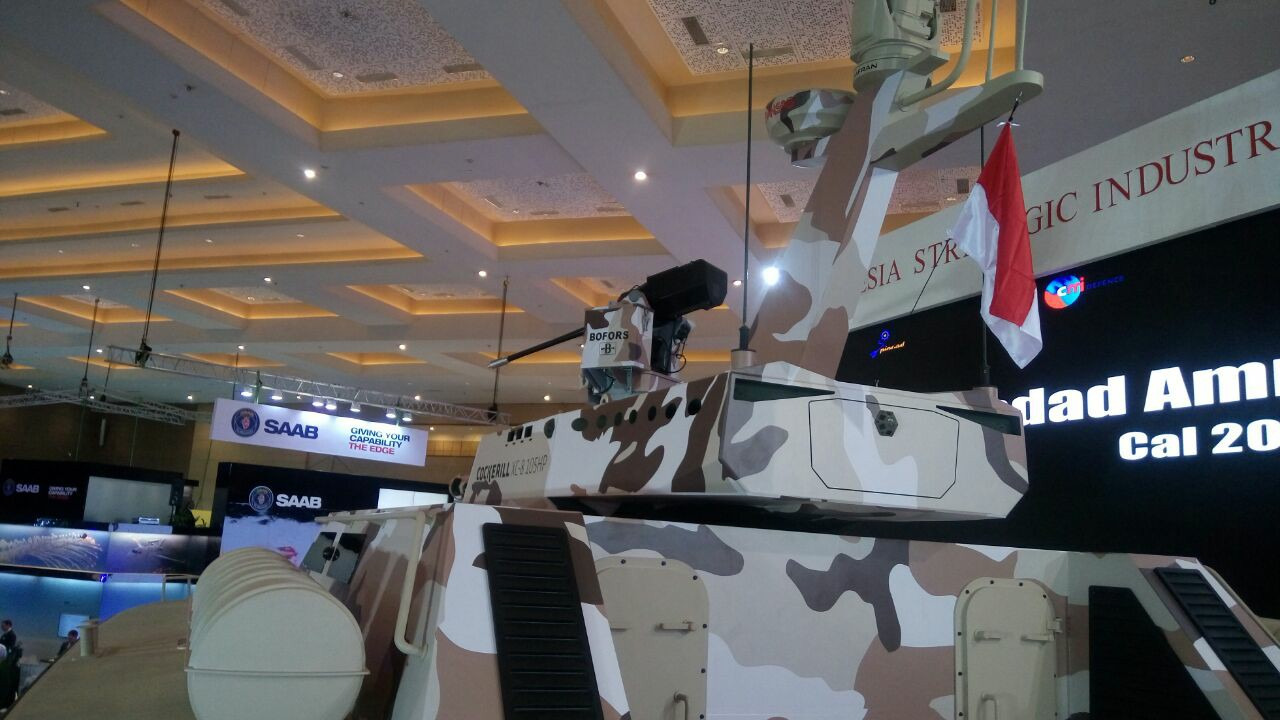
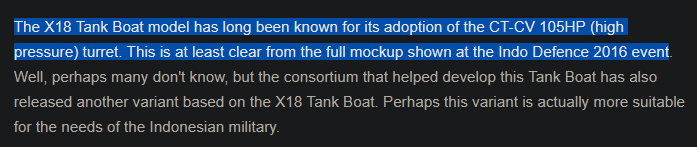
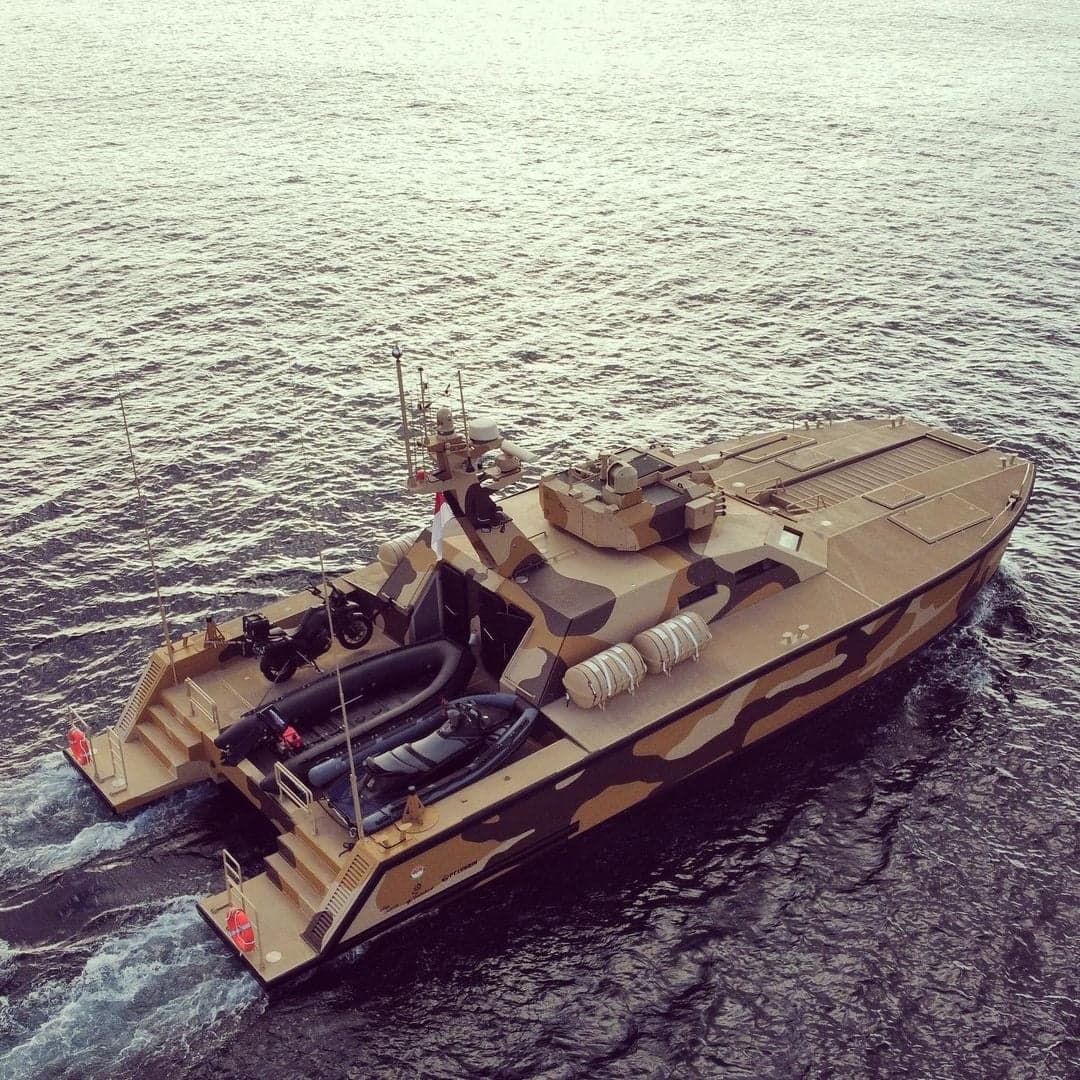
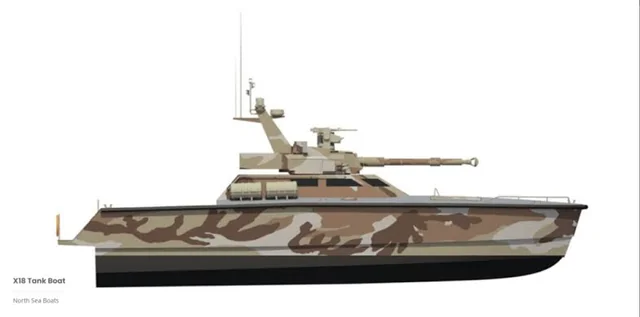
The class gained international attention through public demonstrations and defense exhibitions, where multiple weapon configurations were shown, including the X18 ATC with a 30 mm turret, the heavily armed X18 Tank Boat with a 105 mm gun, and conceptual variants featuring lighter modular weapon stations such as the Cockerill® CPWS.
Specifications
General characteristics (Antasena / X18 hull)
Length: ~18.75 m
Beam: ~7.5 m
Draft: ~0.9 m
Displacement: ~43–45 t (depending on configuration)
Hull: Fire-resistant composite catamaran
Propulsion: 2× diesel engines with waterjet propulsion
Maximum speed: up to ~50 knots
Crew: 5–6
Additional (landing)troops seating: 20 (Tank Boat) - 42 (ATC)
Diagrams
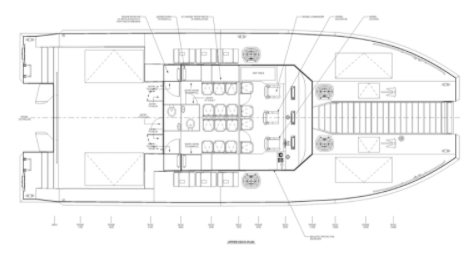
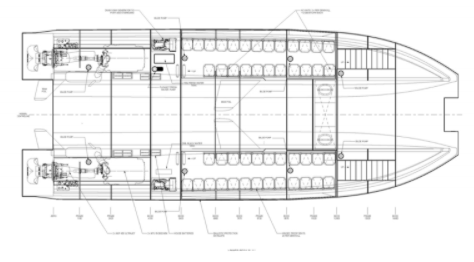
X18 ATC ( Armoured Troop Carrier ) – Cockerill 3030
Armament Main gun 1× 30 mm Mk44 / Mk44S / XM813 autocannon Ammunition 255 rounds (dual-feed) Secondary 7.62 mm coaxial or pintle-mounted MG AT capability Turret-launched AT systems (optional) Elevation –10° / +60° Protection Up to STANAG 4569 Level 5 (turret)
Sensors Optics Stabilized commander & gunner sights Day D/R/I 18 / 9 / 5 km Thermal D/R/I 15 / 7 / 3.5 km Situational awareness 360° external camera coverage
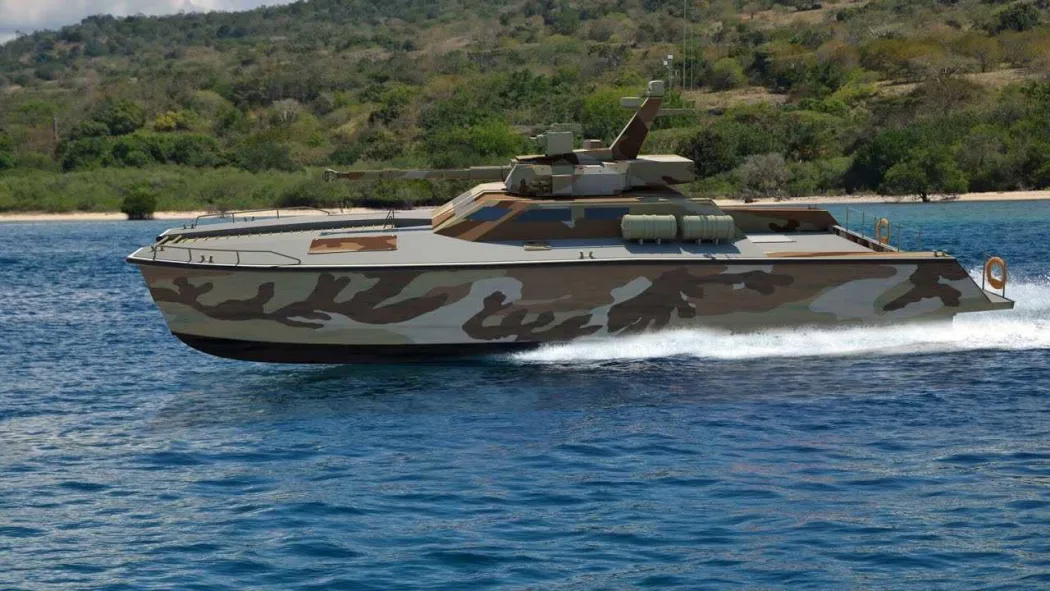
X18 Tank Boat – Cockerill 3105
Armament Main gun 1× 105 mm Cockerill HP gun (NATO standard) Autoloader 12–16 ready rounds Ammunition APFSDS, HEAT, HE, HESH, GLATGM Secondary 7.62 mm coaxial or pintle mount Elevation –10° / +42° Protection Up to STANAG 4569 Level 5 (turret)
Sensors Sights Dual-axis stabilized hunter-killer system Day D/R/I 18 / 9 / 5 km Thermal D/R/I 15 / 7 / 3.5 km Defensive aids Smoke launchers, APS options
Concept Variant – Cockerill® CPWS
Armament Main gun 25×137 mm or 30×113 mm Ammunition ≥155 ready rounds, reload under armour Secondary 7.62 mm coaxial AT capability Turret-launched AT systems Elevation –10° / +60° Protection STANAG 4569 Level 2
Sensors Day cameras 16.8 / 8.3 / 4.5 km Thermal 13.5 / 6.1 / 3.1 km Smoke 2×4 grenade launchers

Place in War Thunder
The Antasena-class would introduce a new style of brown-water combat vessel to War Thunder, similar to swedish coastal ships, bridging the gap between patrol boats and armored fighting vehicles. Its shallow draft and extreme maneuverability make it ideal for riverine and coastal maps, while its turret-mounted weaponry offers modern direct-fire gameplay rarely seen in naval battles.
Suggested ranks and roles:
- X18 ATC (30 mm): Rank III–IV coastal combat craft focused on patrol and fire support
- X18 Tank Boat (105 mm): Rank IV–V heavy assault craft providing devastating autoloaded direct fire
- CPWS variant: Premium or event vehicle at rank III-IV showcasing modular weapon concepts
Strengths
- Exceptional speed and acceleration
- Stabilized armored-vehicle-grade firepower
- Excellent close-range lethality
Weaknesses
- Light hull protection compared to larger ships, but still heavily armoured compared to conventional coastal ships.
- Vulnerable when exposed to sustained large-calibre naval gunfire
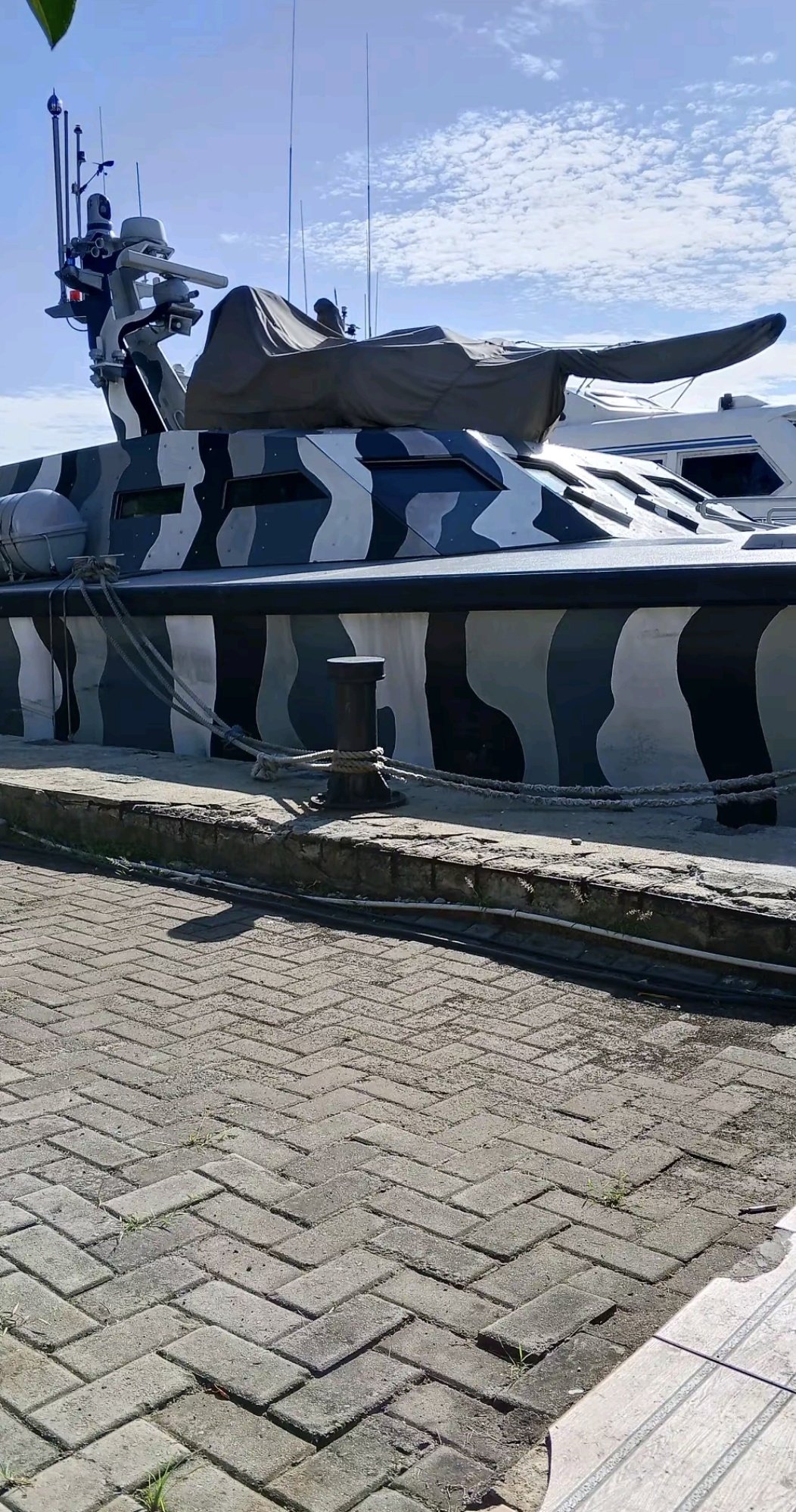
Pictures
Sources
Sources
- Army Recognition. (2025). Indonesia presents X18 Tank Boat with Cockerill 3030 turret.
- John Cockerill Defense. (2021). Tank Boat X18 specification sheet.
- North Sea Boats. (n.d.). Antasena / Tank Boat program overview.
- Wikipedia contributors. (n.d.). Antasena-class combat boat.
- Tank Boat About - TankBoat.com