- Yes
- No
Introduction
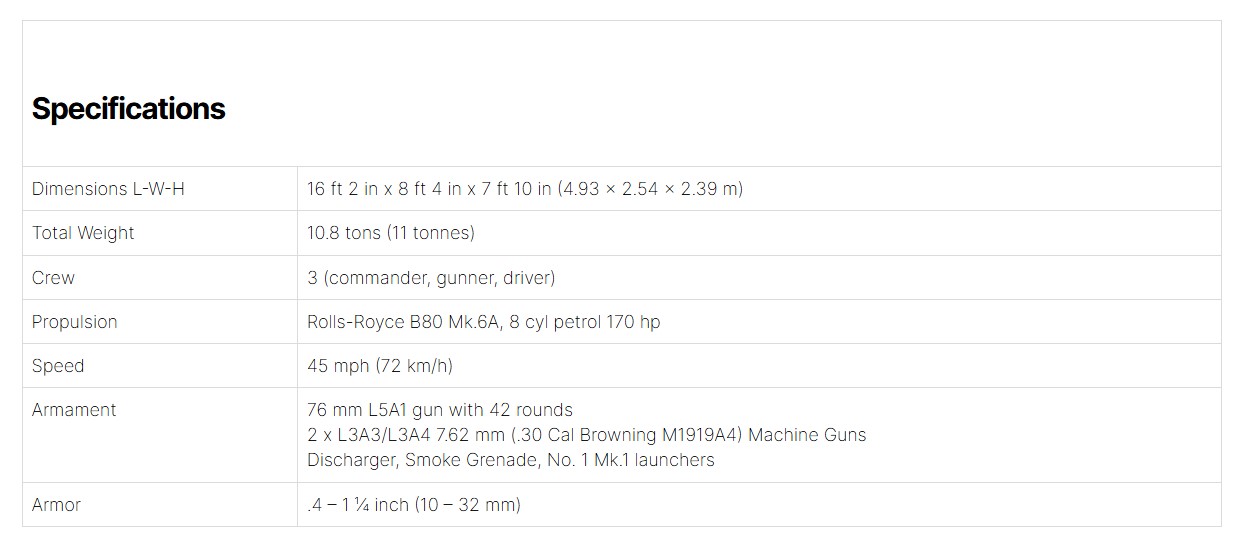
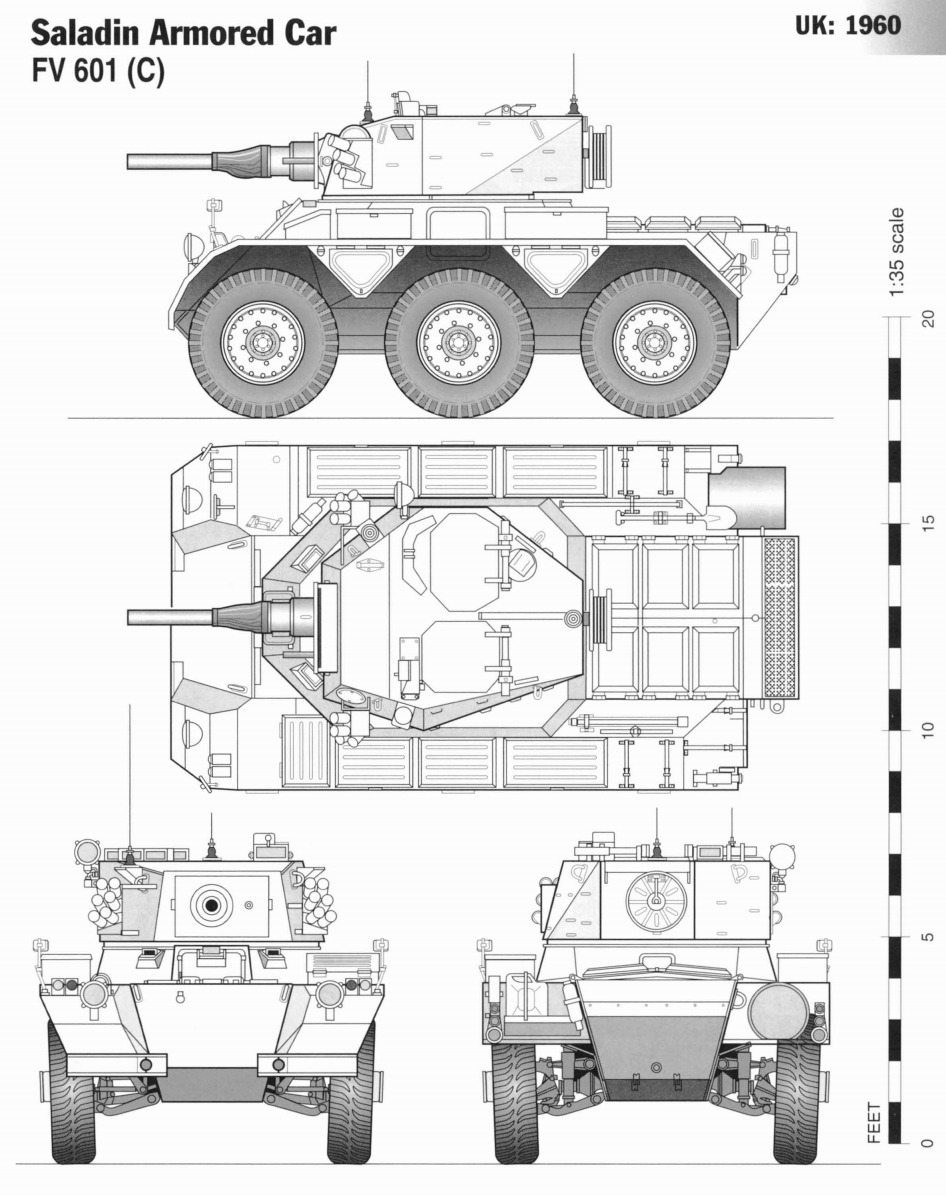
The FV601 Saladin is a British armoured car developed in the 1950s as a replacement for Britain’s aging fleet of WW2-era AEC armoured cars. Production was assigned to Alvis, and designing was outsourced to Crossley Motors. Design work began in 1947, although development was delayed due to Alvis shifting their focus to the Saracen APC, which was urgently needed for operations in Malaya. Nonetheless, production of the Saladin commenced in 1958, shortly after which it entered service with the British Army. Only weighing 11 tonnes, the Saladin has a crew of 3 and an impressive top speed of 72 km/h. The base model Saladin is typically armed with a low pressure 76mm cannon capable of firing HESH and smoke shells.
The Saladin saw reasonable success in the export market, with over 20 countries purchasing the vehicle throughout the 20th century, including Germany, Australia, Portugal, Indonesia, Kuwait, Jordan and more. The Saladin remains in service with over 15 nations today, and is praised for its reliable performance in harsh conditions, such as the deserts of the Middle East.
However, the Saladin was notably outperformed in the export market by the French Panhard AML. The AML was both cheaper and better armed (in its 90mm variant) than the Saladin. The base model Saladin, only firing 76mm low velocity HESH and smoke, could only engage infantry and light targets. The AML 90, however, could engage much heavier and more armoured targets with its 90mm HEAT-FS, which was seen very favourably in the eyes of export customers.
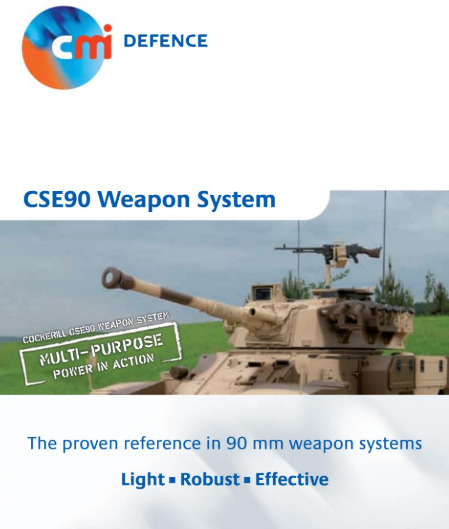
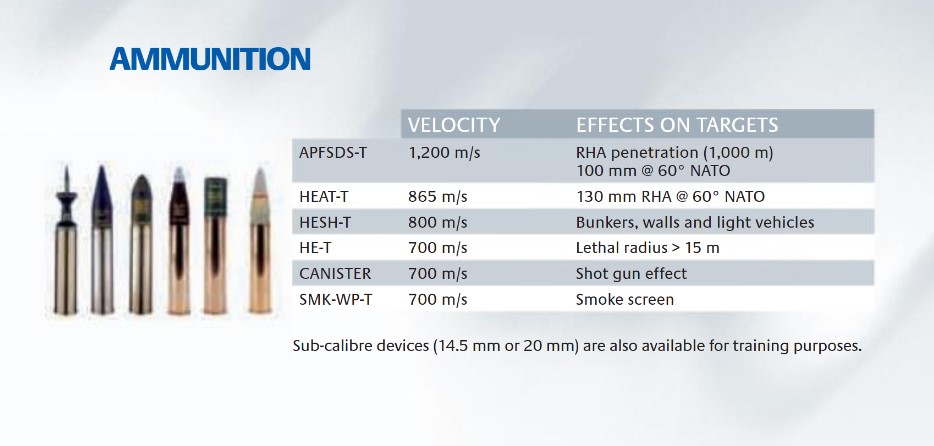
The Cockerill Mk III A1 is a 90 mm low-pressure gun for use on light tracked and wheeled platforms developed in the 1980s, able to fire APFSDS, HEAT, HESH, and HE. It is a direct upgrade from the older Mk III cannon, which was unable to fire APFSDS, and can be distinguised from the Mk III by the single baffle muzzle brake, as opposed to the triple baffle. The Mk III cannons were a huge export success for Cockerill, fitted to a very wide variety of light vehicles from across the entire world.
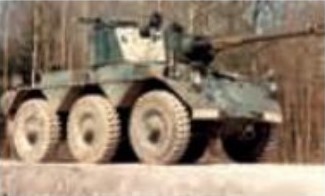
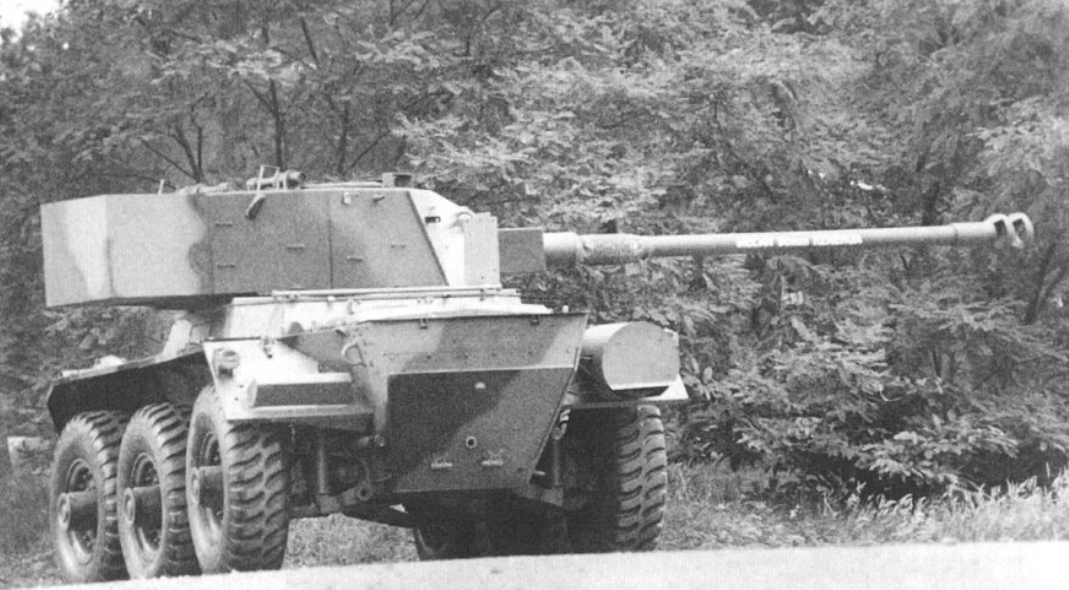
For trials and marketing, the Cockerill Mk IIIA1 was fitted to the Alvis Saladin, likely during the 1980s/1990s when the 76mm Saladin was beginning to show its age, but still held a large customer base that would be keenly interested in any upgrades that would keep it relevant. The upgunning to Saladin 90 (Cockerill Mk III A1) would significantly improve the lethality of the Saladin against heavier armoured targets, one of the main drawbacks of the low-pressure cannon. Very little is known about the Saladin 90 (Cockerill Mk III A1), with only a single picture of the system known (as far as I’m aware). It is not to only project existing to upgun the Saladin, with the Saladin 90 (KEnerga Mk 8) being the more well-known, but this can be easily distinguished from the vehicle in this suggestion by the barrel, mantlet, and turret geometry, as the Saladin turret was extended significantly backwards for the KEnerga Mk 8.
Specifications
Images
Spoiler
The only known image of Saladin 90 (Cockerill Mk III A1). If anyone knows of any more I’d love to see them.

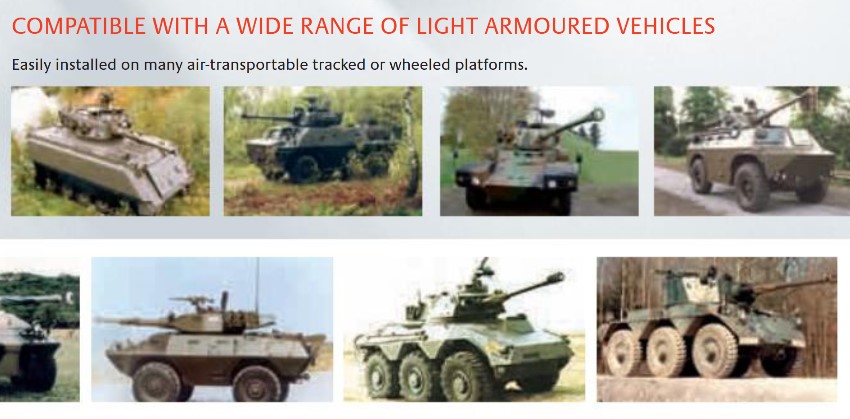
The Saladin 90 as fitted with the larger KEnerage Mk 8. Note the larger turret, longer barrer, and different mantlet shape.
Sources
Spoiler
Armoured Car, 6x6, FV601 Saladin - Tank Encyclopedia
CSE90 Brochure (available here)
Additional CSE90 Brochure (available here)
Cockerill LCTS 90mm Marketing Brochure (the table on the final page shows the Saladin in this config - available here)