Would you like to see Al-Kafil-1 in-game?
- Yes
- No
0
voters
Al-Kafil-1 (Al-Kafeel-1)
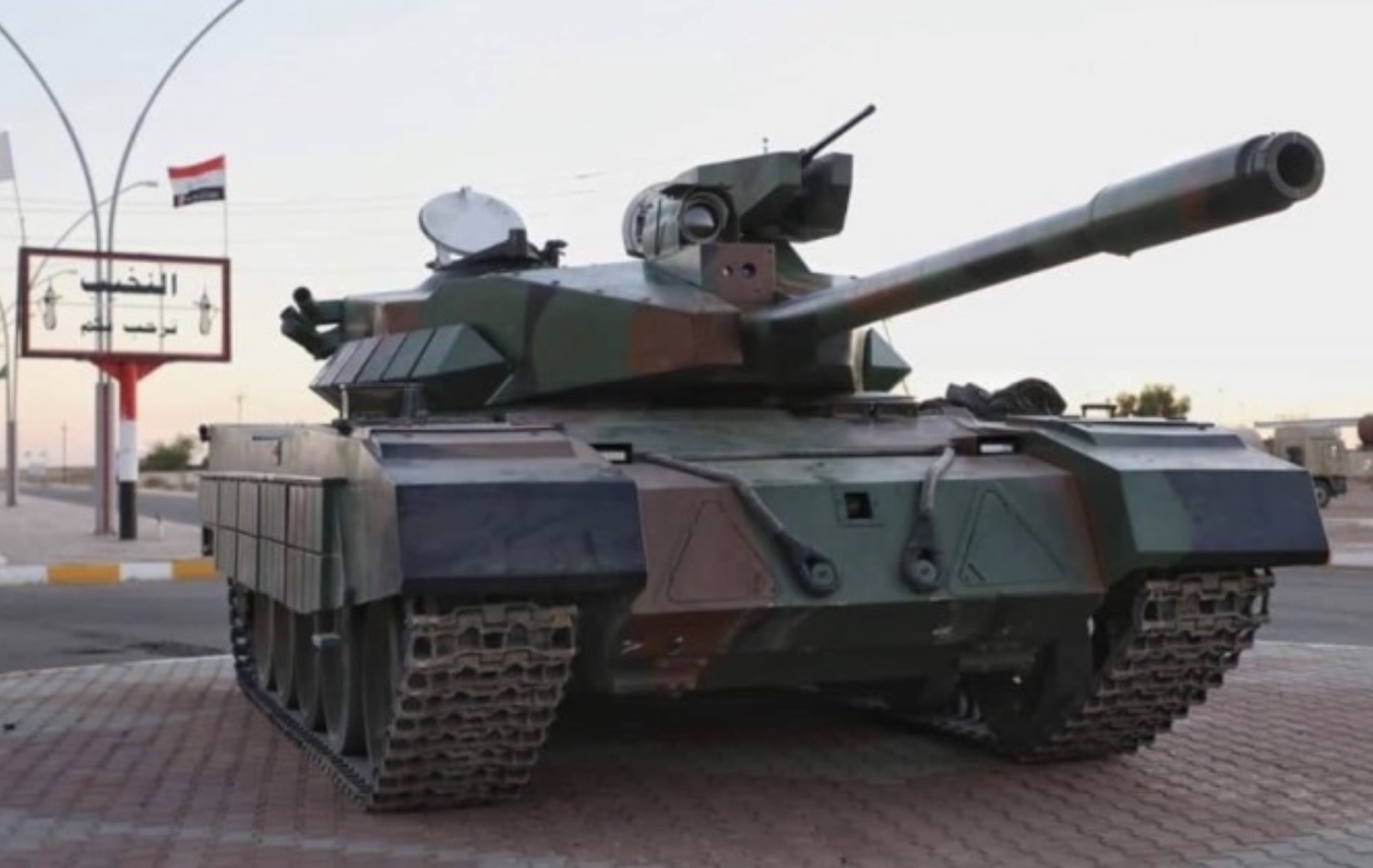
The Al-Kafil-1 is a modern Iraqi modernization of the T-55 family developed by the Al-Abbas Fighting Squad. It was unveiled on 13 June 2019 and presented as a domestic Iraqi project designed and implemented by the squad’s research and development center. The vehicle is based on a T-55-family chassis, with sources describing it as either a T-55, Type 59, or wider T-55-family upgrade. The modernization was shaped by Iraq’s combat experience against ISIS and by the study of foreign tanks already used in Iraq, including the M1A1M Abrams. Its main purpose was to make an old Cold War tank more useful in urban and irregular warfare by improving protection, visibility, internal control, and crew survivability.
This is one of the rare serious Iraqi tank projects to emerge from post-Saddam Iraq, making it historically significant beyond being just another T-55 modernization. If Iraq is ever represented in War Thunder, the Al-Kafil-1 should definitely be near the top of the candidate list.
Short History of Iraqi T-54/55 Tanks
Spoiler
Iraq’s T-55, Type 59, and Type 69 tanks formed a major part of its armored forces from the 1970s onward, especially during the Iran-Iraq War, where their simplicity, ruggedness, and availability made them valuable in a long war of attrition. Soviet T-55s served alongside Chinese Type 59 and Type 69 tanks, all of which shared the same basic T-54/T-55 design lineage. By the 1991 Gulf War and the 2003 invasion, these tanks were badly outdated and heavily outmatched by modern Western armor, airpower, and fire-control systems, but surviving vehicles continued to be used because they were still available, repairable, and useful for secondary roles such as infantry and artillery support. This long service life eventually made them suitable platforms for Iraqi modernization projects such as the Al-Kafil-1, which attempted to turn an old T-55-family chassis into a more survivable urban-combat vehicle.
Al-Kafil-1 In-Depth
Spoiler
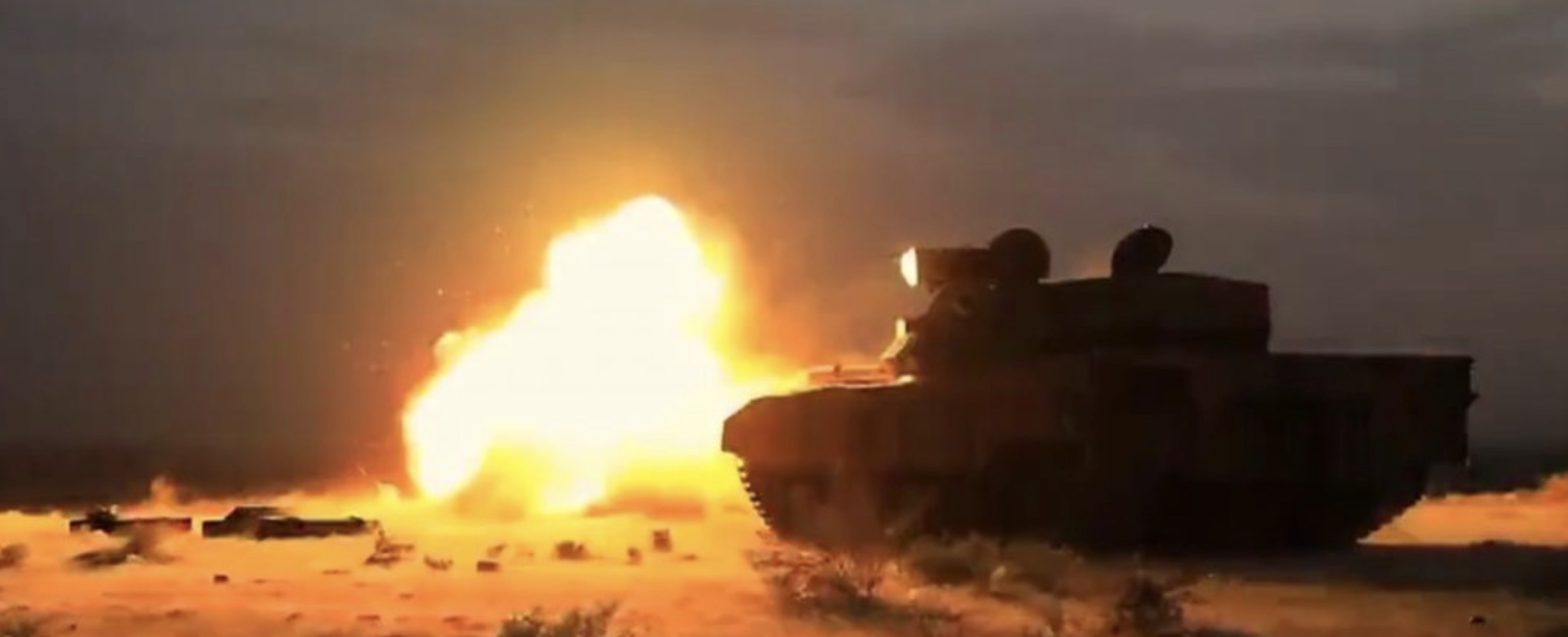
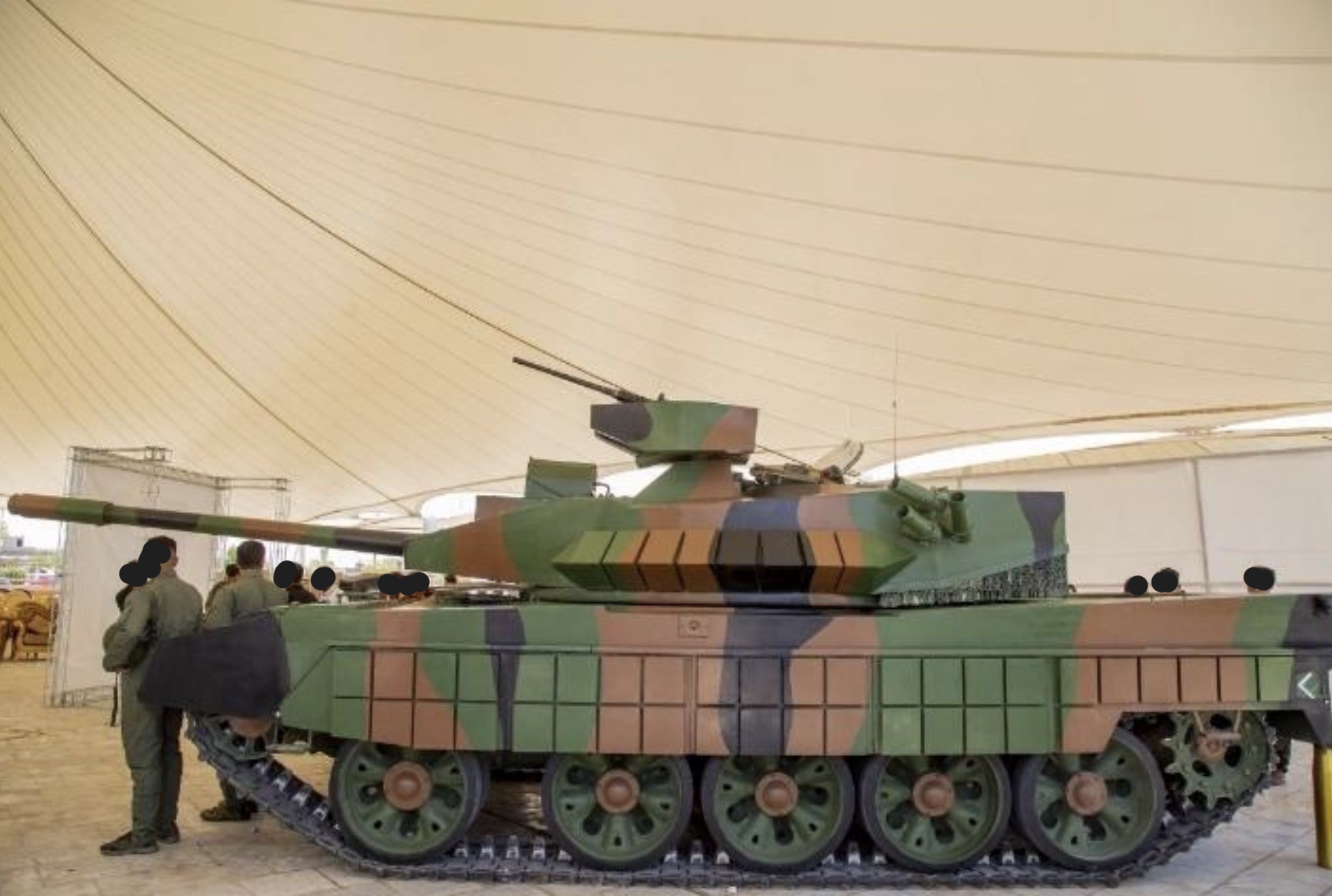
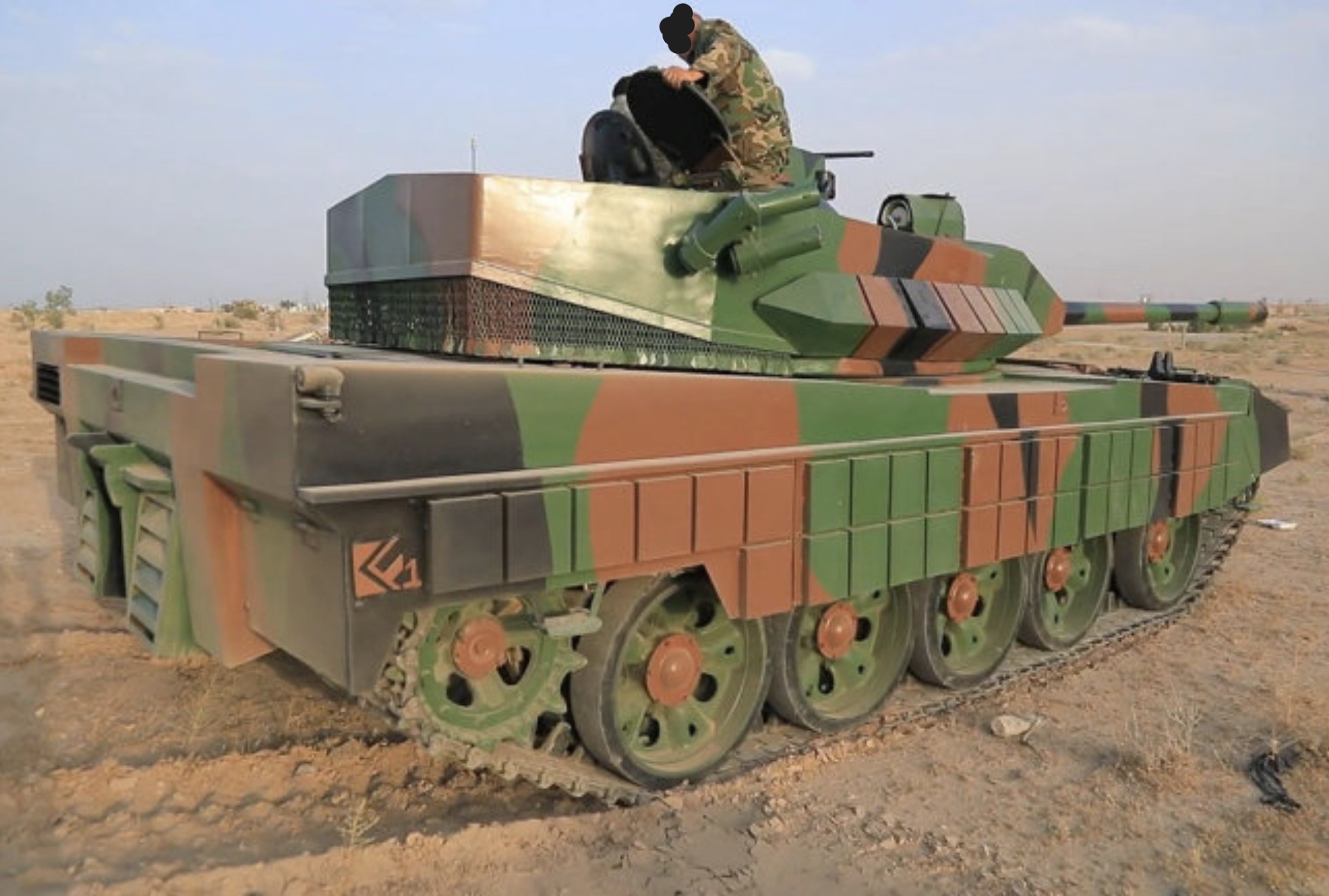
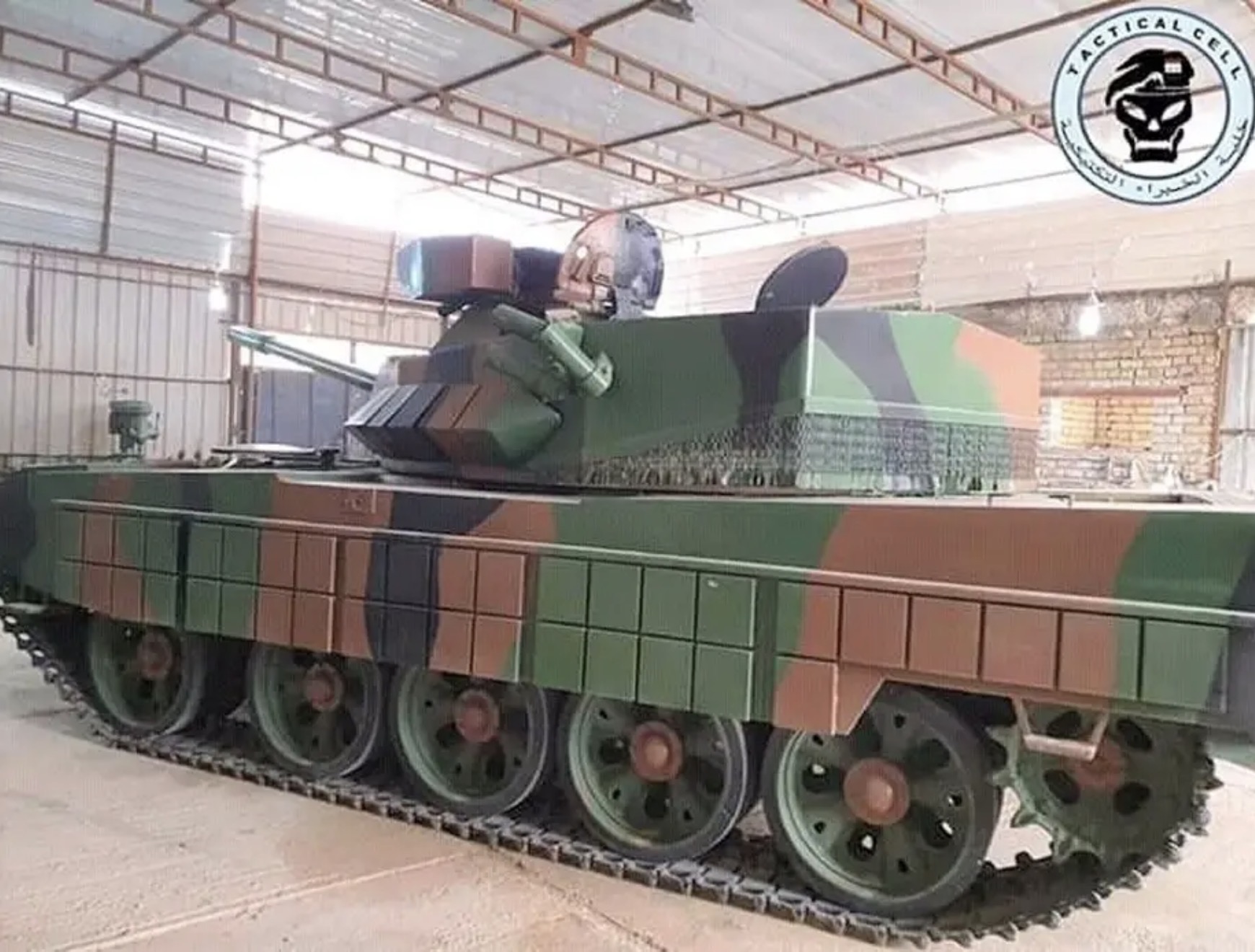
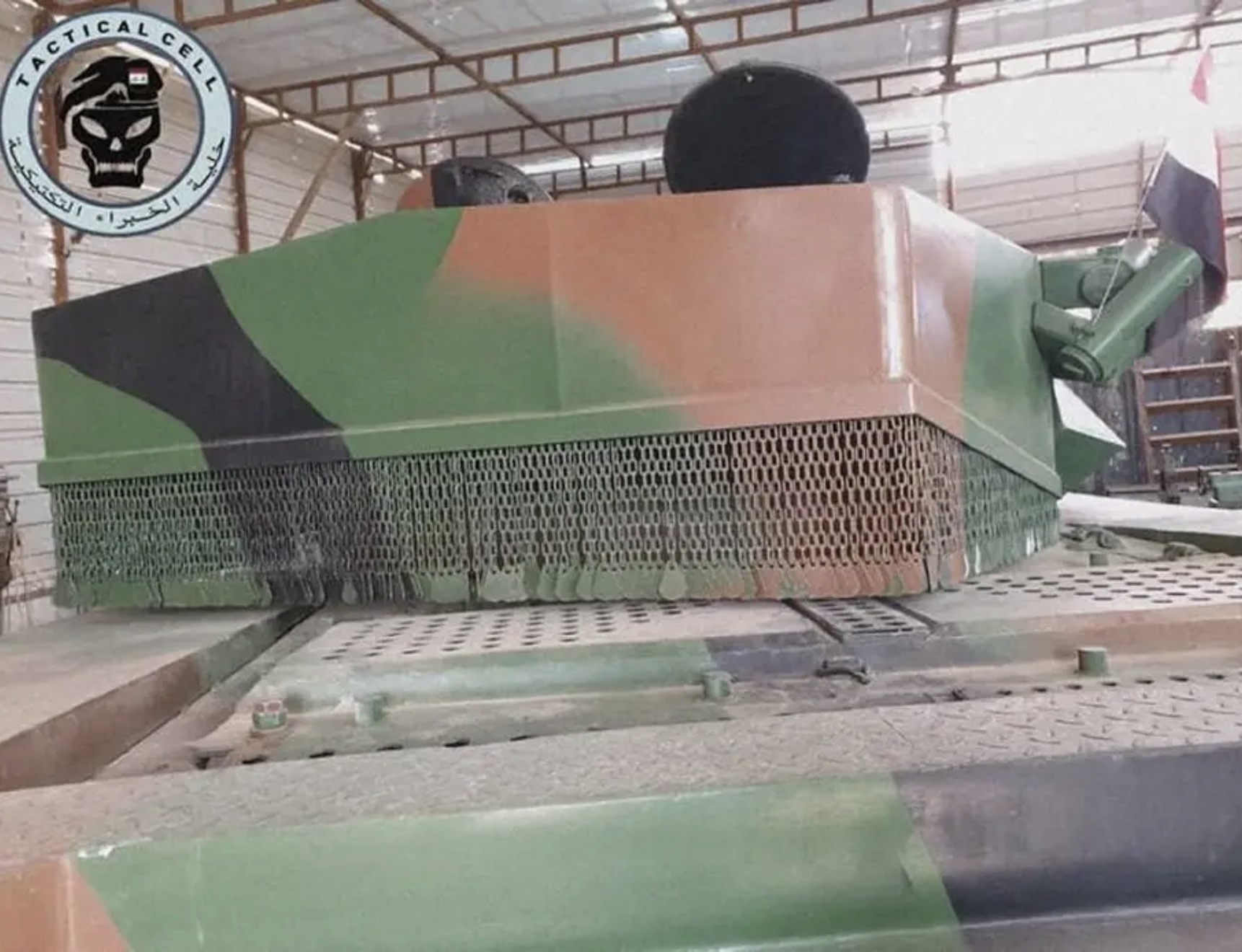
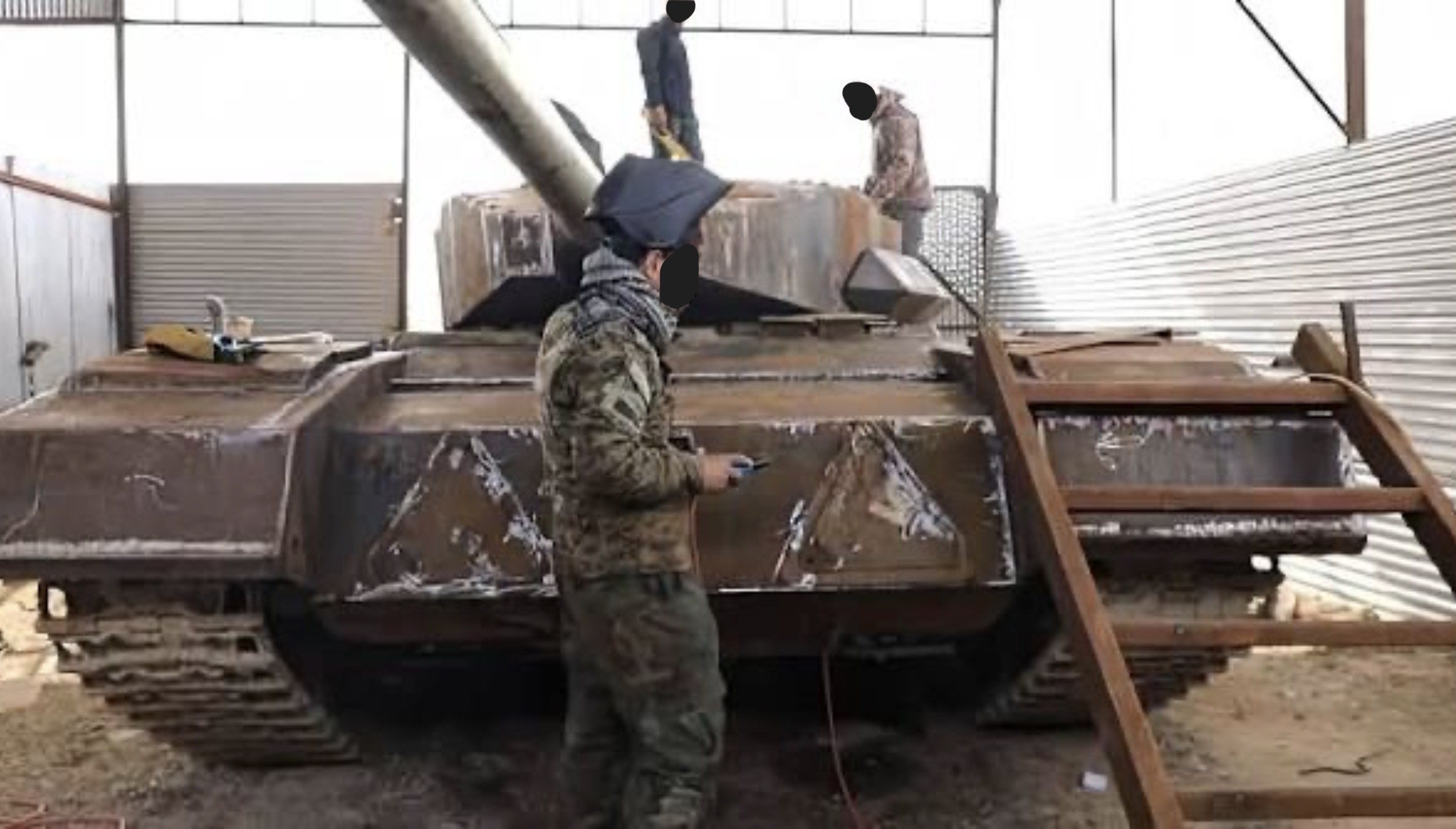
The armor package includes modern shields made from alloy steel with carbon composite, along with additional armor, reactive armor, and anti-RPG chain protection. The turret was heavily modified with a new angular structure, while the hull received additional protective elements and new mudguards.
The optics package includes day, night, and thermal panoramic systems with 360-degree detection. The tank uses a FLIR day/thermal camera with a range of up to 14 km, supported by multiple cameras installed on the electric turret and around the hull. This gives the crew much better all-around visibility than a standard T-55. The Al-Kafil-1 uses a local computerized fire-management system. Its the first local system of its kind, designed to process multiple inputs, improve situational awareness, and increase accuracy against targets, including fast-moving ones.

The main gun is a 100 mm D-10T rifled gun with accurate direct fire to 3 km and arcing fire to 12 km. The official English Al-Kafeel source lists the gun as a Russian D-1T cannon with a range of 4–17 km. The secondary armament includes an internally controlled electric turret with an American M2 .50 cal and a hidden 7.62 mm PK coaxial machine gun. Ammunition storage was changed from the traditional T-55 layout. The ammunition is separated and isolated in two areas: below the hull and behind the turret. The layout was influenced by the Abrams concept of separating ammunition from the crew.
The tank uses a Ukrainian 12-cylinder diesel engine producing 580 hp, paired with an automatic transmission with five forward gears and one reverse gear. The tank includes air conditioning, an internal storage tank, and other undisclosed smart systems.
Al-Kafil-1 Analysis
Spoiler
In the previous section, I summarized what the available sources report about the Al-Kafil-1. In this section, I will provide my own analysis based on the images currently available.
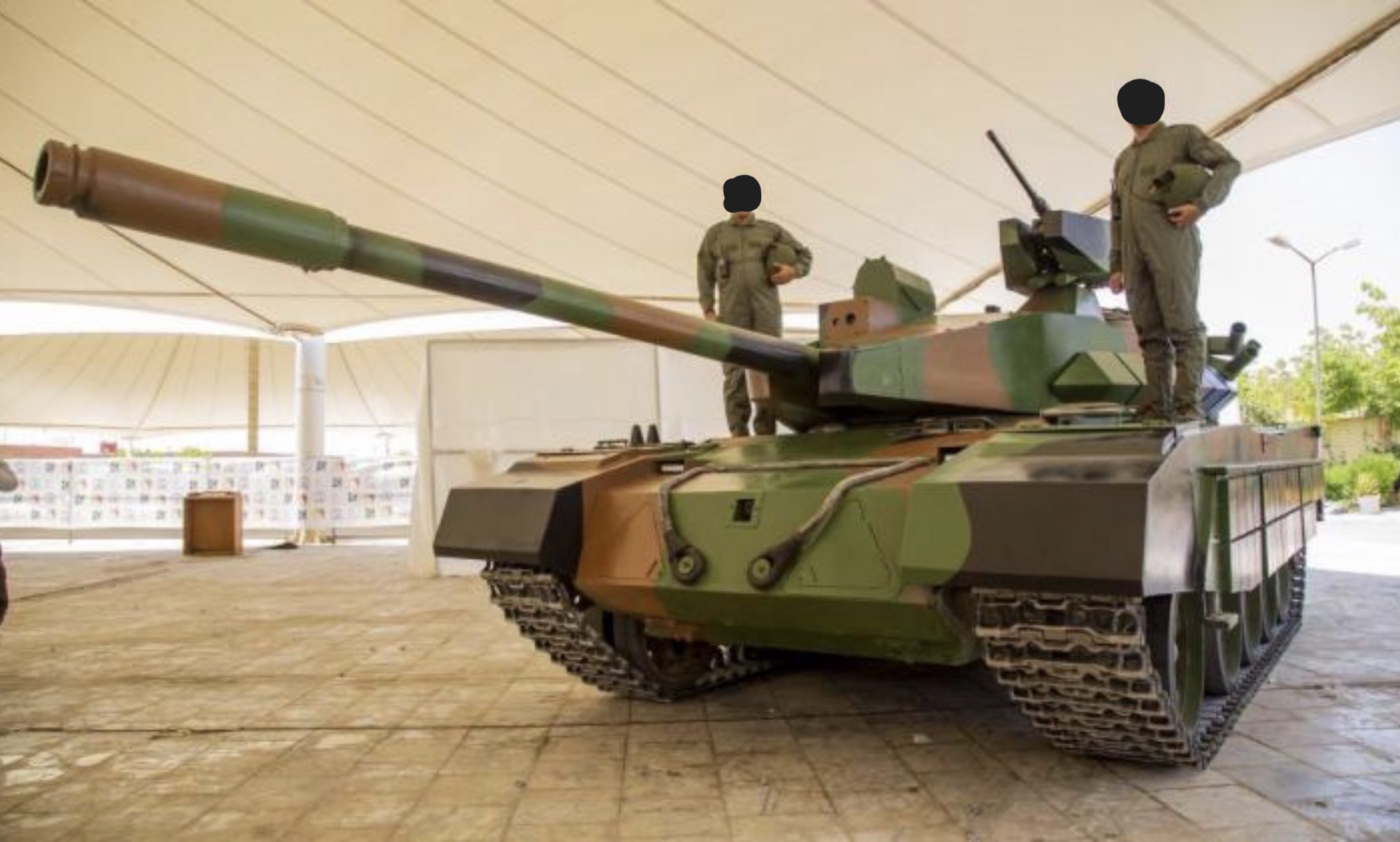
In my opinion, the Iraqis appear to have taken a base T-54/T-55-family vehicle and welded additional armor plates over the existing hull and turret structure. I am not certain about the exact thickness of these plates, but judging by the visible hatches on the front turret sections, some of them may be relatively thin. It is possible that these sections do not function purely as armor, but also act as housings for electronic equipment mentioned by the sources. The exact armor thickness remains unknown, as does whether the add-on armor contains any true composite elements. While sources mention alloy steel and carbon-composite materials, the available images do not allow the internal structure or real protection level of the armor package to be confirmed.
I also cannot confirm whether the tank has proper blowout panels, or whether the rear turret ammunition compartment would actually protect the crew in the event of an ammunition cook-off. The sources mention separated ammunition storage, but the real effectiveness of this arrangement is impossible to judge from images alone. It is also unclear what was done with the original ammunition storage space in the front of the hull. It may have been repurposed for non-explosive storage, electronics, or other internal equipment.
The exact type of ERA used on the tank is also unknown. Personally, I am not fully convinced that all of the visible blocks are functional explosive reactive armor. It is possible that some of them are simply armor plates or dummy blocks, similar to what Iraq previously did with vehicles such as the BMP-1 “Saddam.” However, this remains speculation, and I may be wrong. The tank is also fitted with a smoke grenade launcher system, providing the crew with a rapid means of deploying a smoke screen. This is a welcome addition and significantly improves the vehicle’s battlefield survivability.
The tank appears to have additional external cameras, with at least one camera mounted on each side of the hull. I suspect these are part of a 360-degree camera system intended to help the driver maneuver the vehicle in tight spaces. If so, they would be very useful in urban environments. Alternatively, they may simply serve as general surveillance cameras to improve the crew’s situational awareness.
I will not comment too deeply on the quality of the optics or fire-control system, and I will leave the reader to form their own opinion based on the available evidence. I cannot identify the exact type or model of optics used by either the main gun or the remote machine-gun turret. What is known from the images is that the .50 caliber machine gun can be controlled from inside the tank and is fitted with its own camera. The loader’s hatch area also appears to retain mounts for a 12.7 mm DShK-type machine gun, although this weapon may have been removed because it would interfere with the operation of the Browning heavy machine gun mounted on the remote weapon station. The coaxial machine gun also appears to have been removed, as I cannot identify a visible firing port for it anywhere on the vehicle. It may have been deleted to free up internal space for new electronic equipment, or simply because the redesigned turret armor interfered with the original coaxial gun installation.
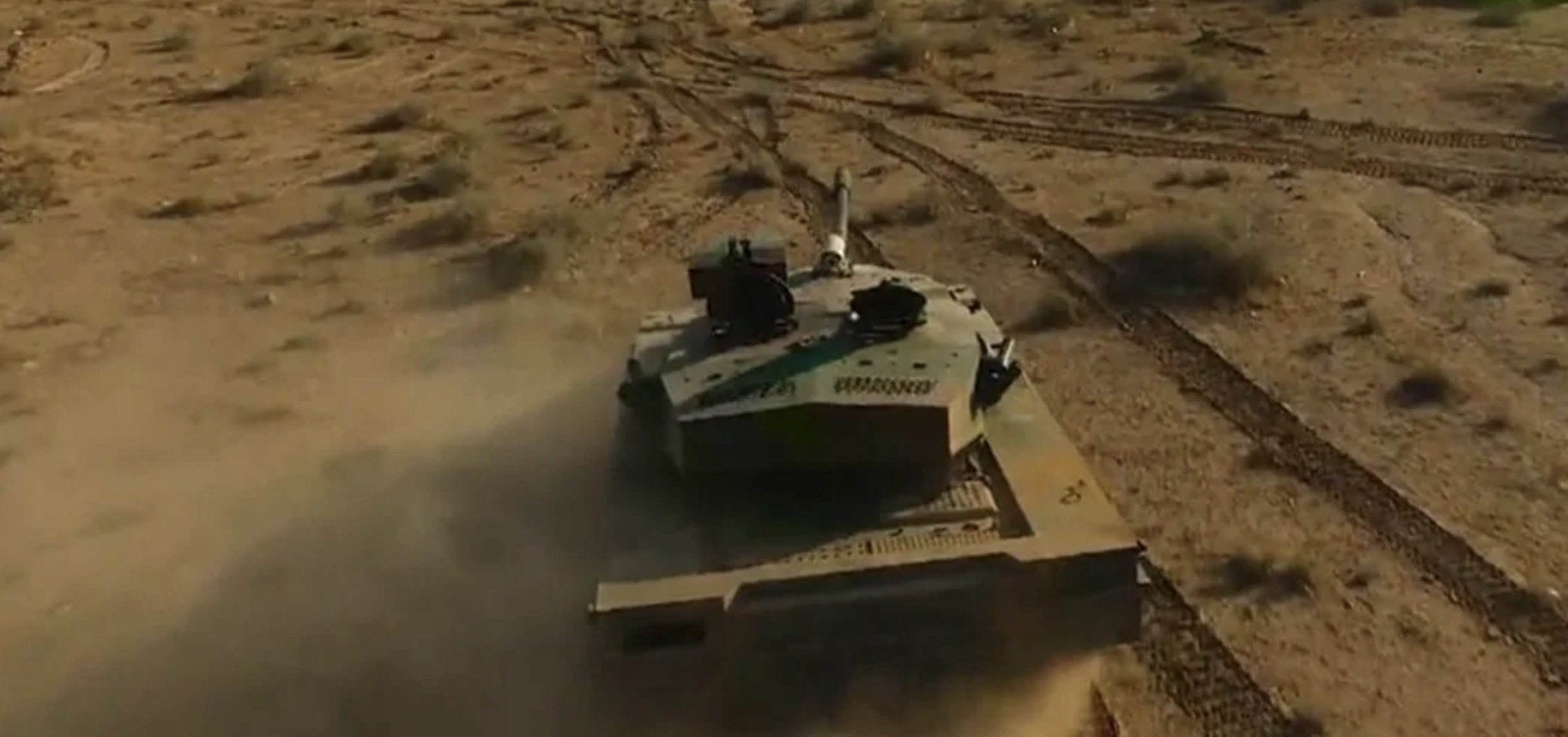
The added armor and equipment would almost certainly increase the vehicle’s weight, so an improved engine would be logical and, in my opinion, very believable. Even with an improved engine, I believe the tank likely retains a maximum road speed similar to the original T-55. The added armor, new turret structure, cameras, remote weapon station, and internal equipment would increase the vehicle’s weight, which would offset much of the benefit of the more powerful engine. As a result, the engine upgrade probably serves more to preserve mobility and improve drivability rather than to significantly increase top speed. The reported automatic transmission is also a useful addition, especially for maneuvering in tight urban environments where constant gear changes would otherwise place more strain on the driver.
Finally, there is no confirmed information regarding the exact ammunition types used by this tank. Since it retains the 100 mm gun of the T-55 family, it likely uses standard ammunition compatible with that weapon, but the exact Iraqi loadout remains unknown.
Images


Specifications
Spoiler
| Category | Known information |
|---|---|
| Name | Al-Kafil-1 / Al-Kafeel-1 |
| Country | Iraq |
| Base vehicle | T-55-family chassis; described as T-55, Type 59, or T-55-family modernization |
| Armor | Alloy steel with carbon composite; additional armor; reactive armor; anti-RPG chain protection |
| Main gun | 100 mm D-10T rifled gun |
| Direct-fire range | 3 km |
| Indirect/arcing-fire range | 12 km |
| Official gun range claim | 4–17 km |
| Secondary weapons | M2 .50 cal 12.7 mm, another 12.7 mm roof machine gun (loader’s DShK), 7.62 mm PK coaxial machine gun (may have been removed) |
| Remote weapon station | Electric turret / internally controlled heavy machine gun station |
| Optics | Day, night, and thermal panoramic optical systems |
| Thermal camera | FLIR day/thermal camera |
| Detection/viewing range | Up to 14 km |
| Situational awareness | 360-degree panoramic coverage with multiple cameras |
| Fire-control system | First local computerized fire-management system |
| Ammunition storage | Ammunition separated under the hull and behind the turret |
| Engine | Ukrainian 12-cylinder diesel, 580 hp |
| Transmission | Automatic, 5 forward gears and 1 reverse gear |
| Internal equipment | Air conditioning, internal storage, undisclosed smart systems |
Sources
Spoiler
T-55 по-иракски. Танк "Аль-Кафил-1" - Альтернативная История
Iraq unveils indigenous T-55 Al-Kafil-1 MBT main battle tank
فرقة العباس تزيح الستار عن دبابة ’’الكفيل 1’’ وتكشف مواصفاتها » وكالة بغداد اليوم الاخبارية
بالصور.. العراق يكشف عن دبابة محلية الصنع.. وهذه قدراتها القتالية | أخبار | الجزيرة نت