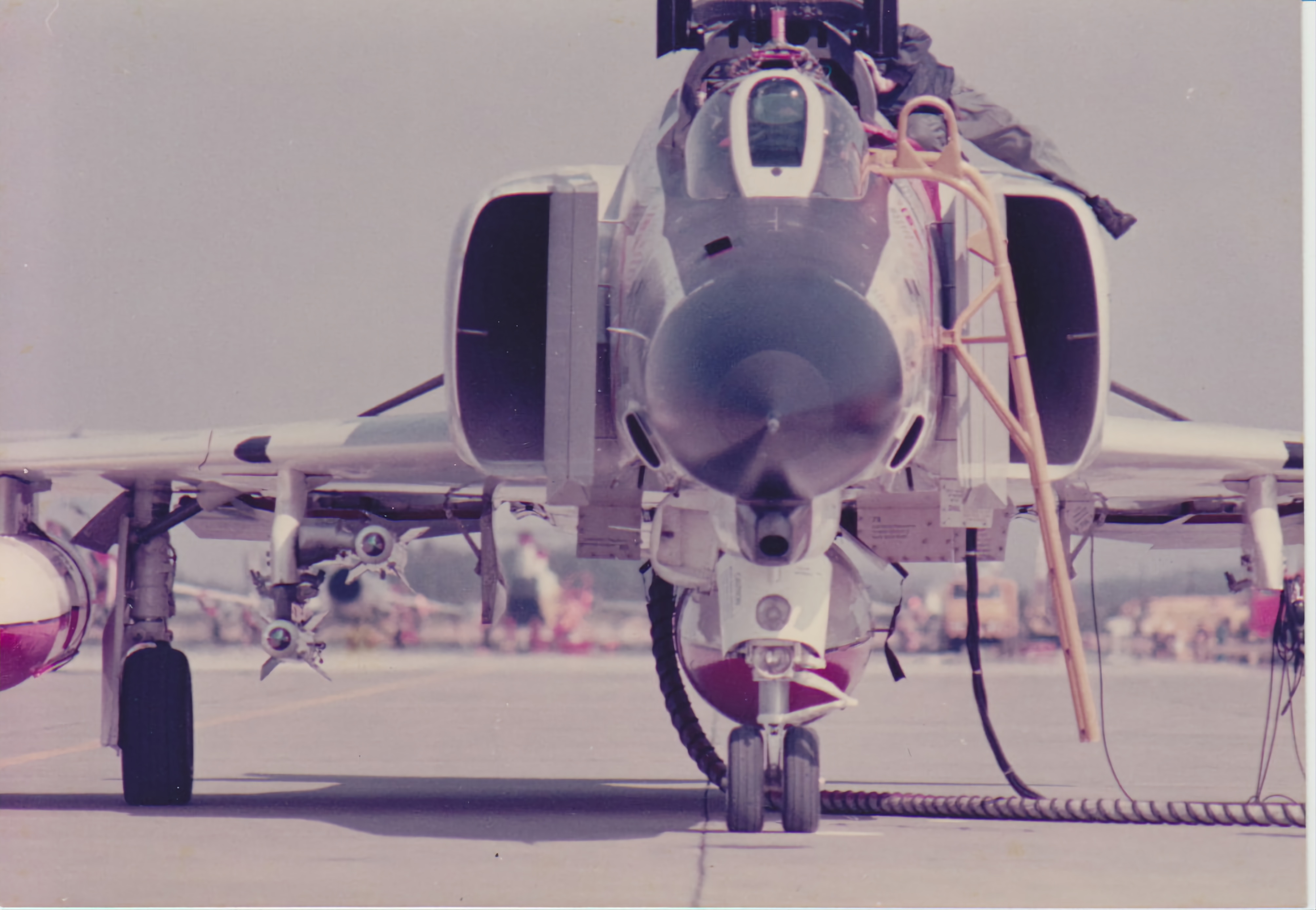
Hell yeah, thank you.
My hero.
the XAIM-4H had FOV IRCCM
But what about the other models?
no others, i am only pointing out a possible source of the confusion. even swedish RB.28 or finnish RB.8 did not use IRCCM, just XAIM-4H
Btw i’m like 90% sure it using liquid fuel is incorrect, given that the actual diagram of the missile very clearly shows a solid rocket engine.
I would think it wouldn’t use liquid fuel. Do you have a picture of the diagram you could show?
Its the one already included in the suggestion, under the sketch drop down.
Oh sheet. That’s cool.
tbh it would be nice if it did since sure it gets a lower TWR but muuuch better ISP and thus more range
The document in the image below is not material concerning the performance of the AAM-2; rather, it is documentation from when launch tests were conducted.
It may not be useful for implementation in the game, but since this is a topic that is currently being discussed, I am providing it for reference.
※For the parties concerned: (※関係者の方へ)
If this text poses any copyright issues, please contact me. I will remove it.
(この文章が著作権上問題がある場合は連絡をください。削除をします。)
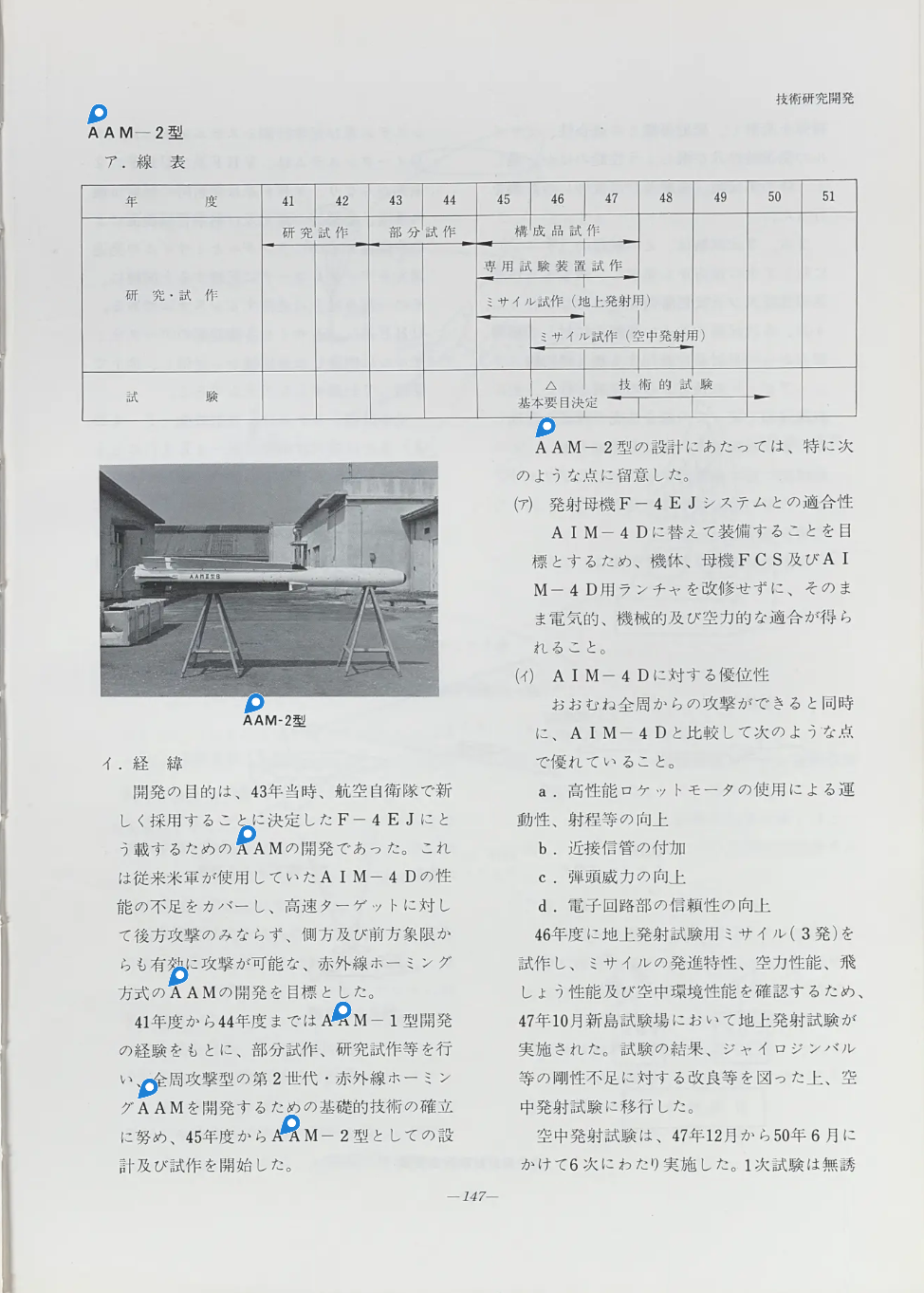
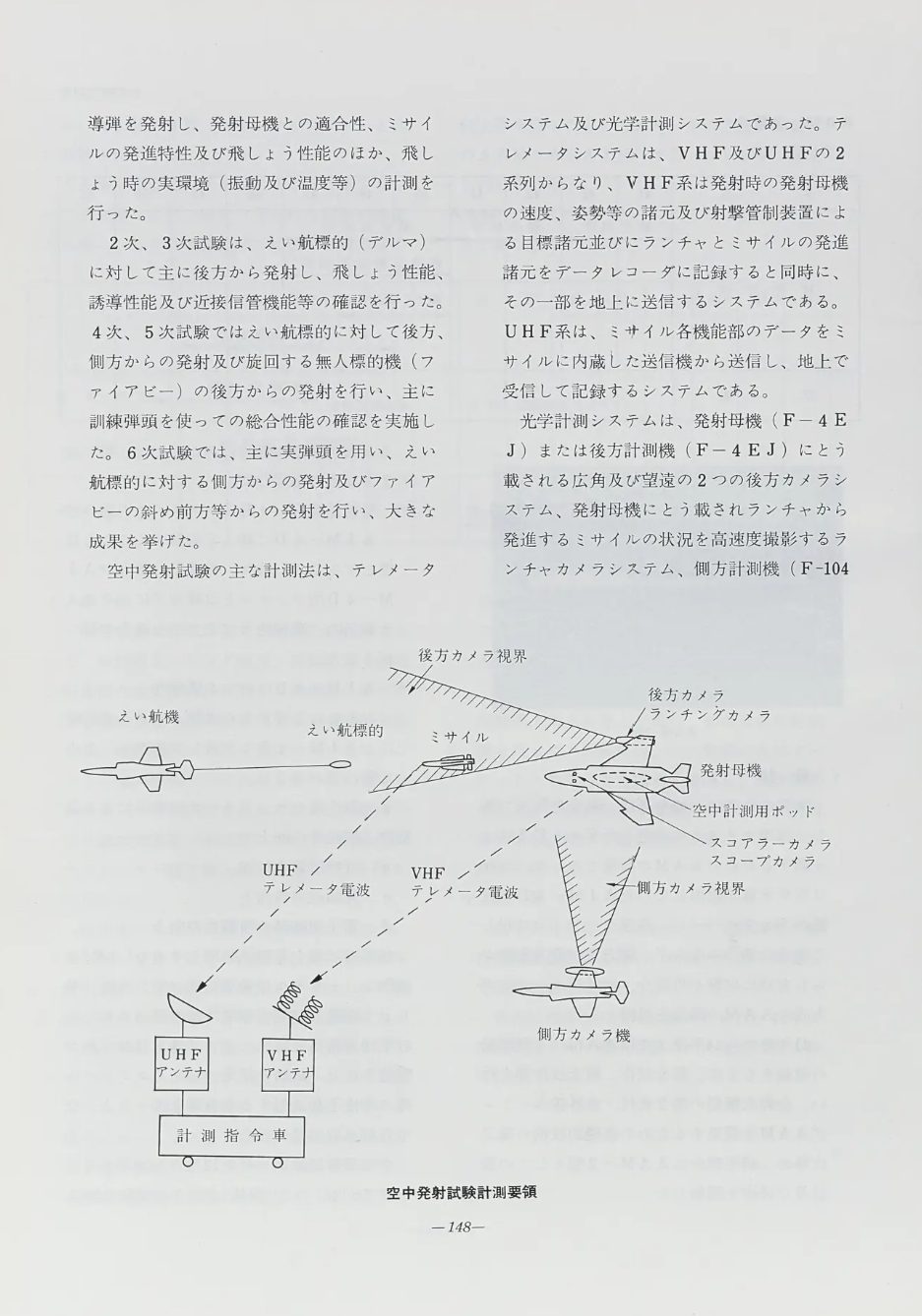
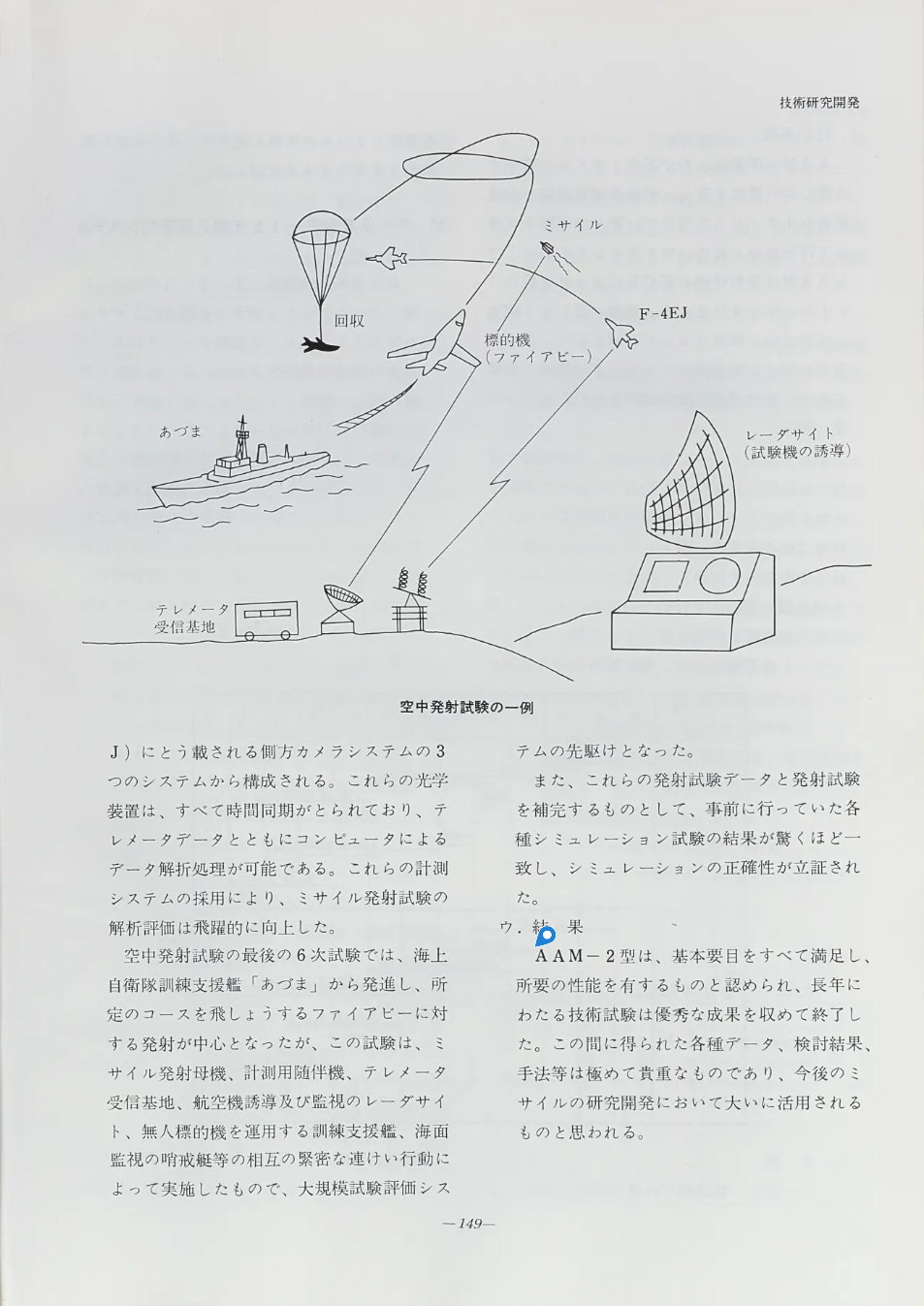
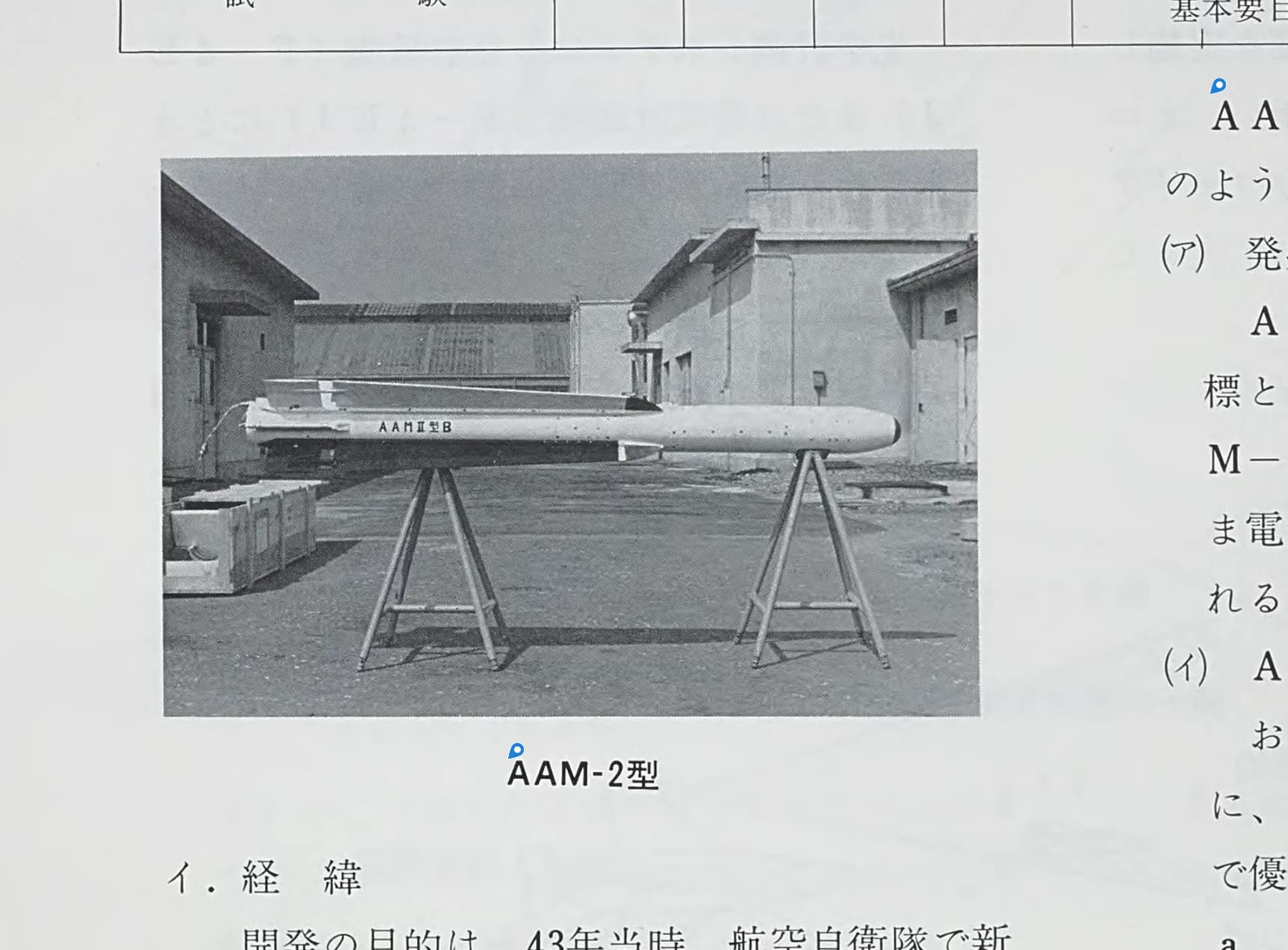
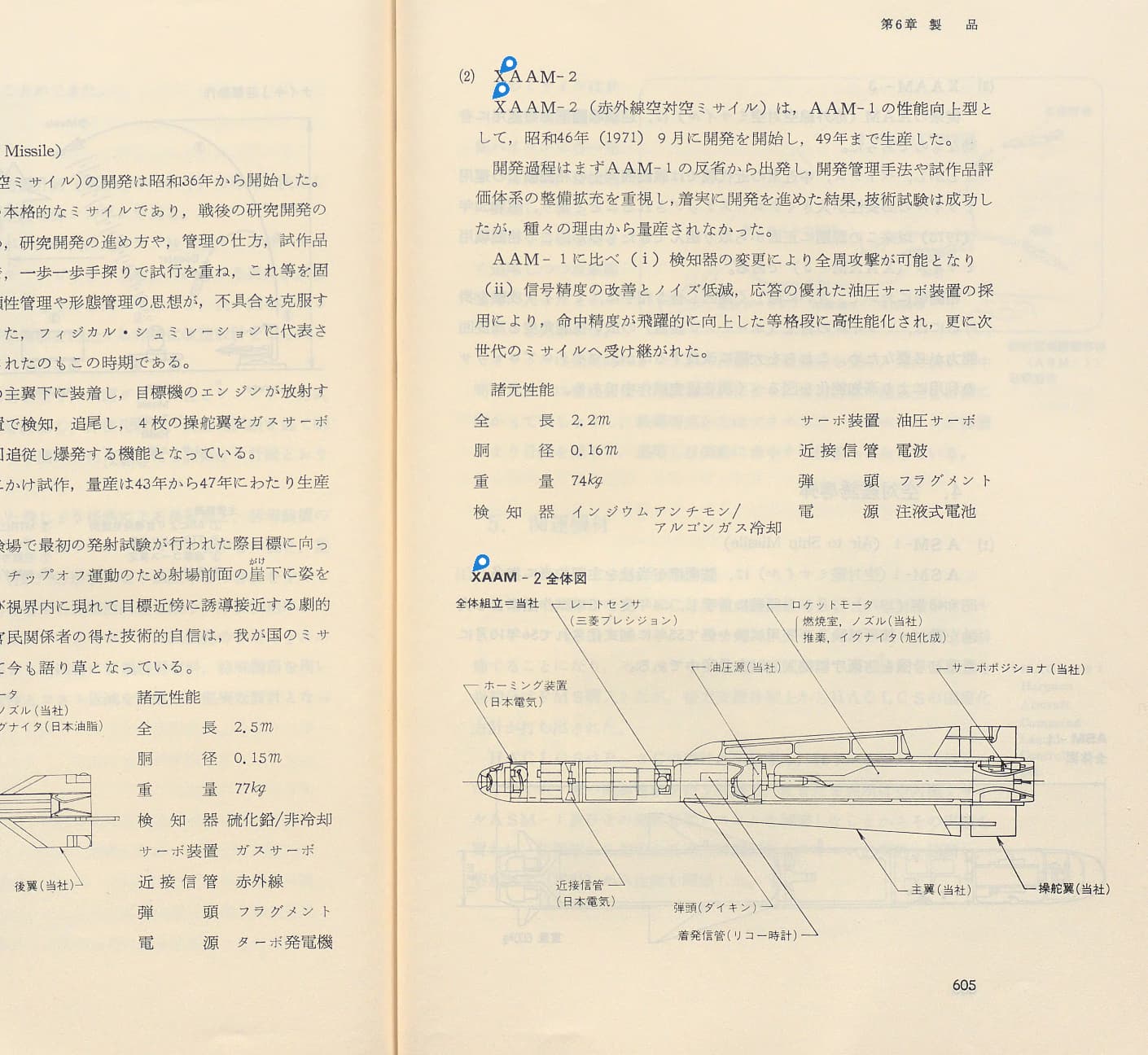
Interestingly, it says that compared to the aim-4d they improved the rocket motor, increased the size of the warhead, added a proxy fuse, and improved the reliability of the electrics but it DOESN’T say that they improved the seeker itself, and yet they considered that they obtained all aspect capability - showing that the seeker for aim-4D (and thus the aim-4G) was already all aspect. It’s not a simple omission, as they do explicitly state they improved the seeker compared to the AAM-1, which was an AIM-9b derivative.
Physical dimensions indicate it has the same diameter as an aim-4D, an extra 0,2 meters of length and an extra 13kg of weight, no doubt to fit the extra powerful warhead and motor. Top speed is given as an extra mach 1,9 compared to the aim-4d’s mach 1,5; as the later has about 513 m/s of delta-v, that means aam-2 would have about 650 m/s of delta v, which for reference is slightly less than the shafrir.
TBF, Aim-4 variants were already known to have limited all aspect. Their seekers were actually sensitive enough to lock onto the thermal emissions of canopies heated from surface friction. It should be like how the red top is, although in game its only about the same as late series rear aspect sidewinders.
The aim-4d smc specifies a kill range between 4000 and 10 000 feet (1.2 km and 3.5 km) for a direct head on/180º from tail shot against a subsonic, non afterburning bomber (a b-47, to be exact), so while it’s a shorter detection range than an AIM-9L i’m not seeing what’s exactly limited in the all aspect seeker - it should be more like the ingame r60m in terms of detection range, or maybe even the r-23T.
The reason given by the moderators to reject the report on the seeker was because they won’t accept calculated performance figures, which means that until they add the b-47 to the game i can’t show them wrong. Then again, the swedish have data on the rb-28/aim-4d against the su-17/20/22, so maybe i should try that one…
I’d like Red Top to have better frontal aspect ranges. It’s sub 1km for most aircraft and 1.5 at best for a few.
As usual, I cannot disclose detailed specification information, but I will add some materials obtained from several books.
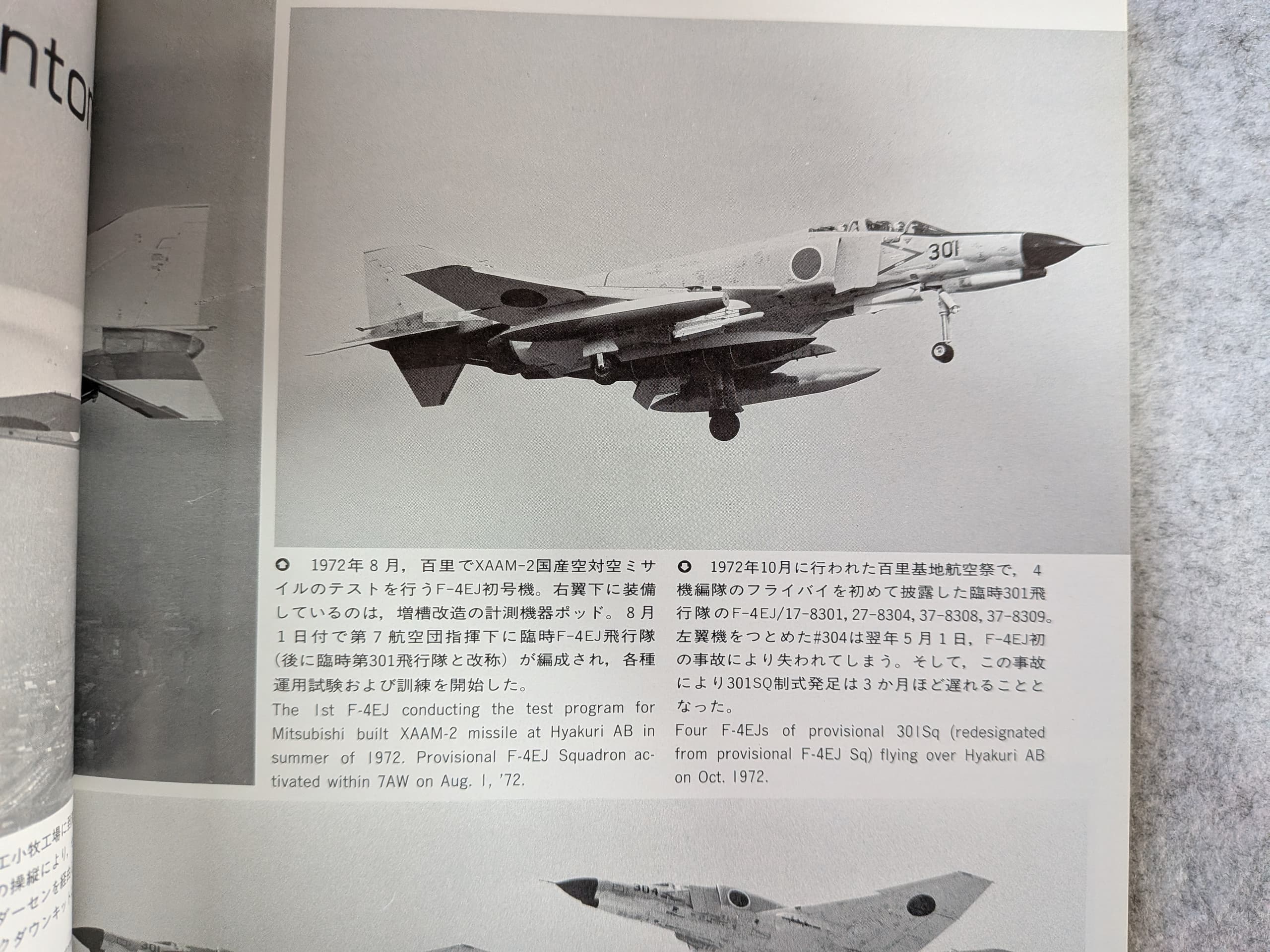
The first image shows a photo (and accompanying text) of an aircraft carrying two AAM-2 missiles. You can see quite detailed features.
The second image is material from NEC, which developed the AAM-2’s homing device. It shows only the homing section.
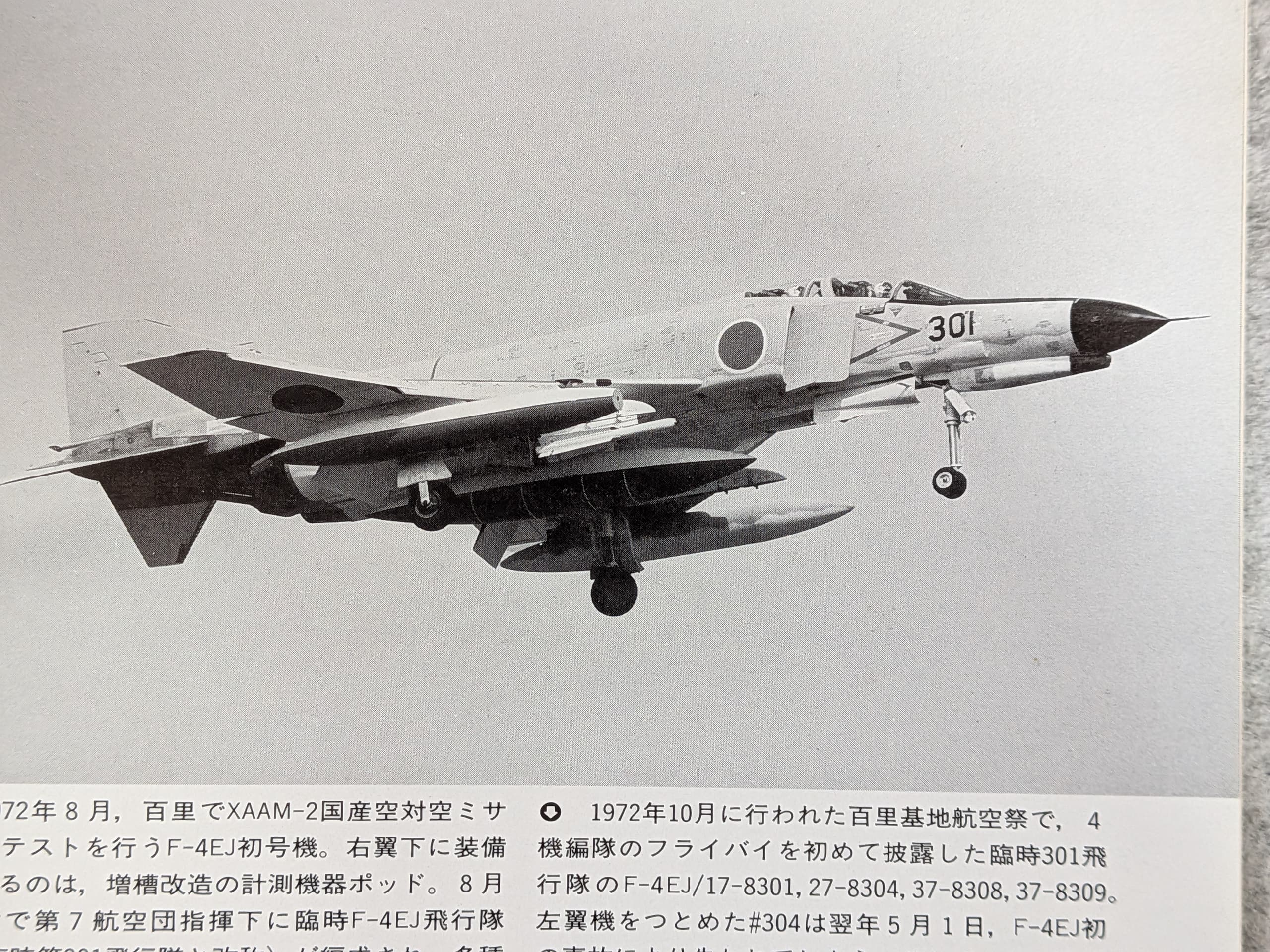
The third image shows the first F-4EJ flying while carrying the AAM-2. (Photographed with a camera because I do not want to cut up the book.)
In the third image, the two-tone colored object mounted next to the AAM-2 is a camera module. It is a modified drop tank with cameras mounted on the side and front, used to confirm the trajectory of released bombs or missiles (it is not a targeting pod).
If I find any additional materials, I will post them as well.
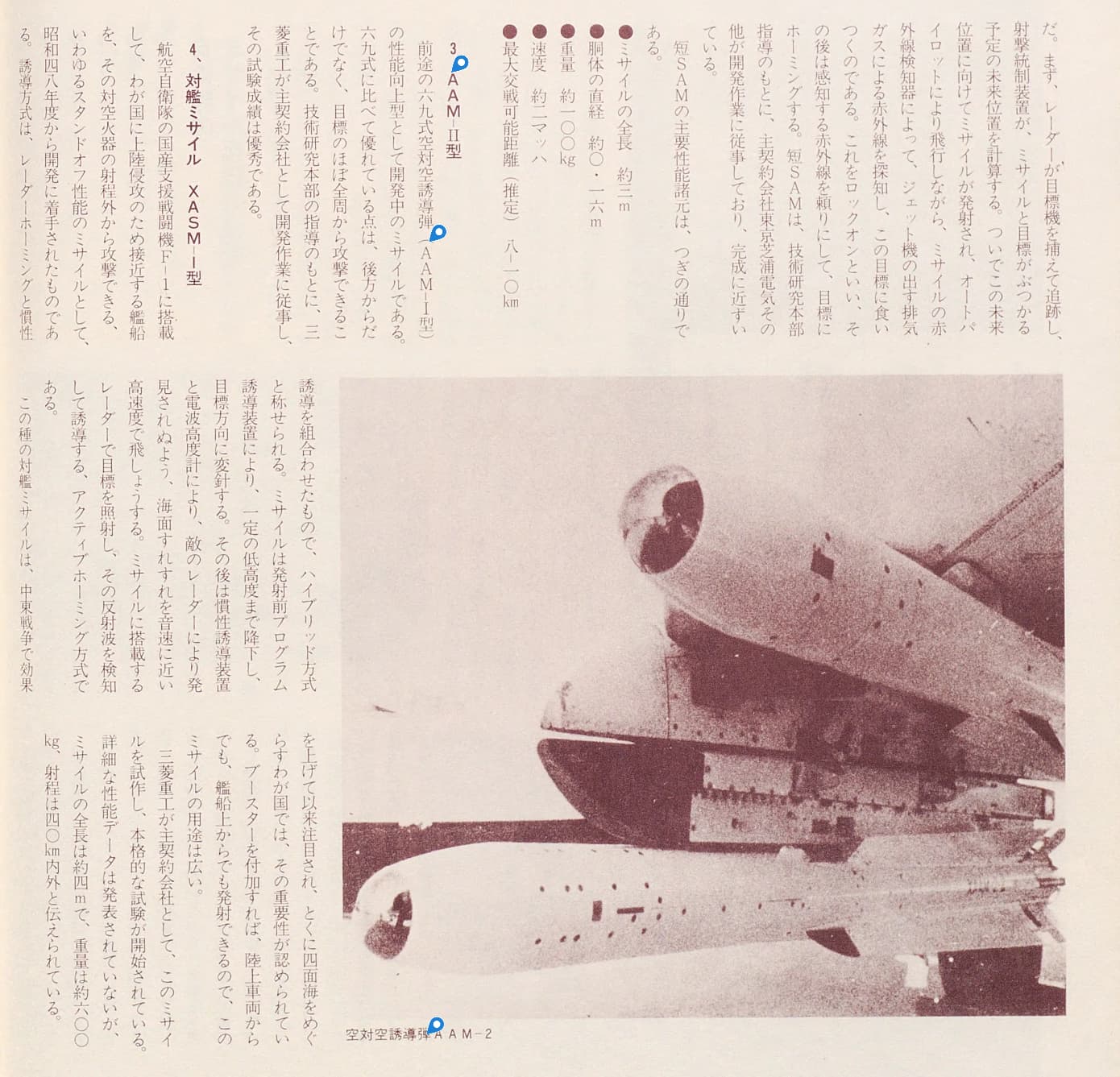
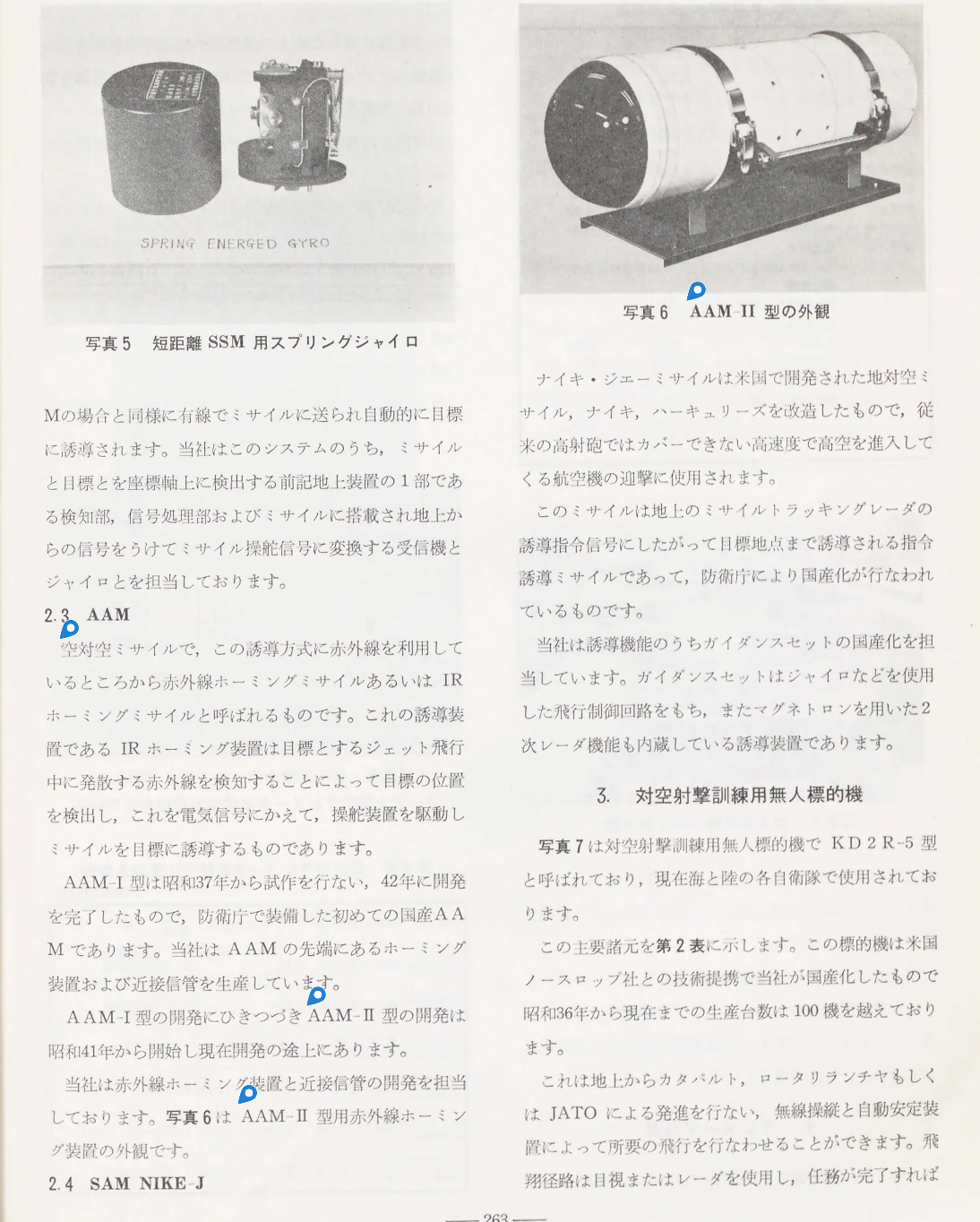
Nice photos of missile and info!
I wonder if Japan can get another phantom variant for this? or would this be slapped on the ADTW which would be nice to prevent it from being a copy paste of the tech tree version.
I found a primary source on the XXM-2 that is being sold at a used bookstore. It appears to summarize the test results and the Front-Quarter Attack in a blueprint format.
However, the price is an extremely high 399 USD, and since it is a 1970 document, there is also the possibility that—like the materials I previously submitted—it only compiles required performance specifications rather than actual performance data. (I wish DMM would buy it for me!)
There is also a primary source on the 1974 proximity fuze tests, but this one is also expensive at 155 USD, and there is no guarantee that it contains information about the XAAM-2.
In any case, I can’t purchase them casually, so please don’t get your hopes up too much.
In addition to the materials I submitted nearly a year ago, I have found another document that describes the performance of the AAM-II.
Please note that these are target performance specifications.
This document includes a diagram related to tracking angles, which I will provide as well.
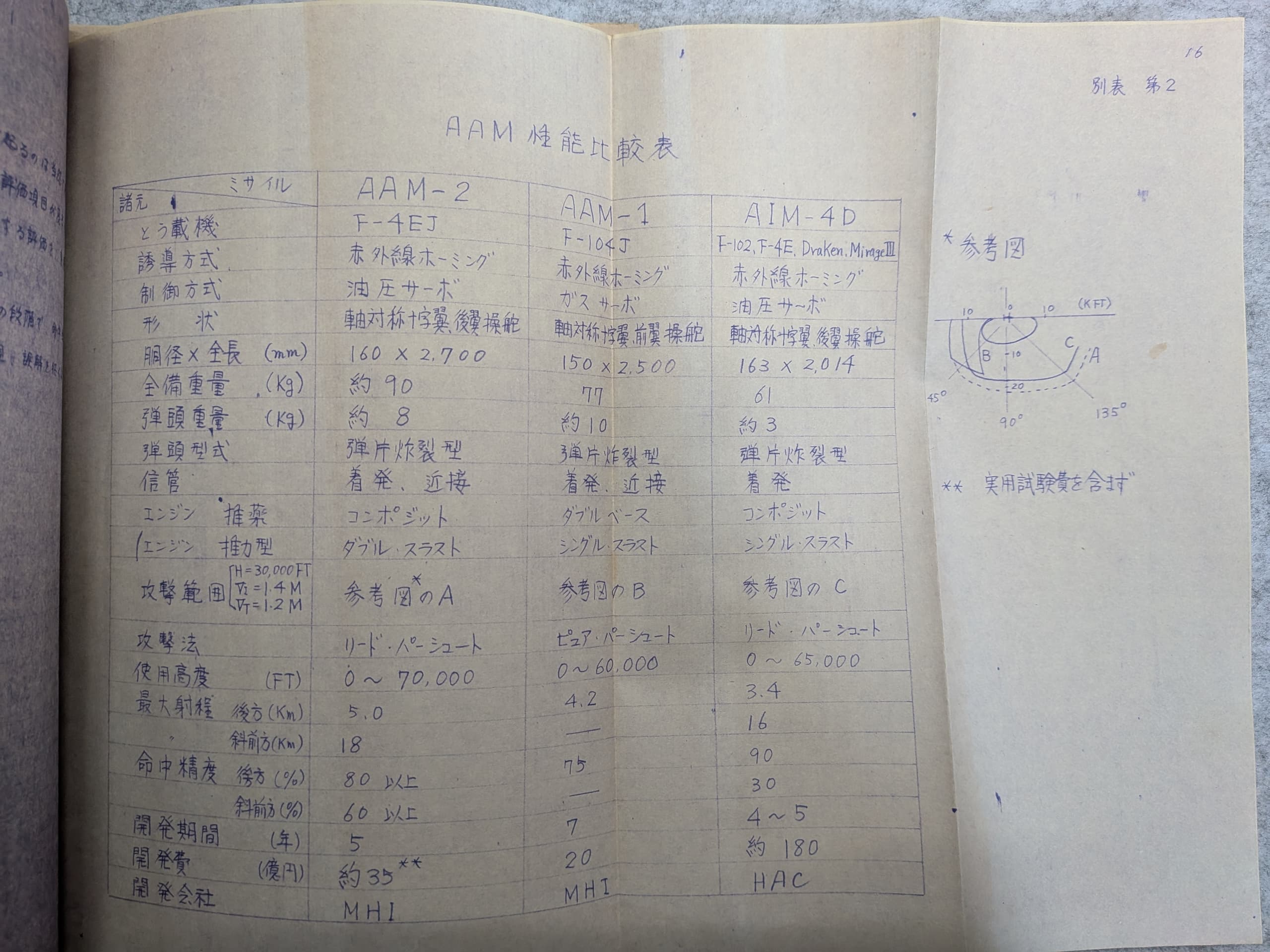
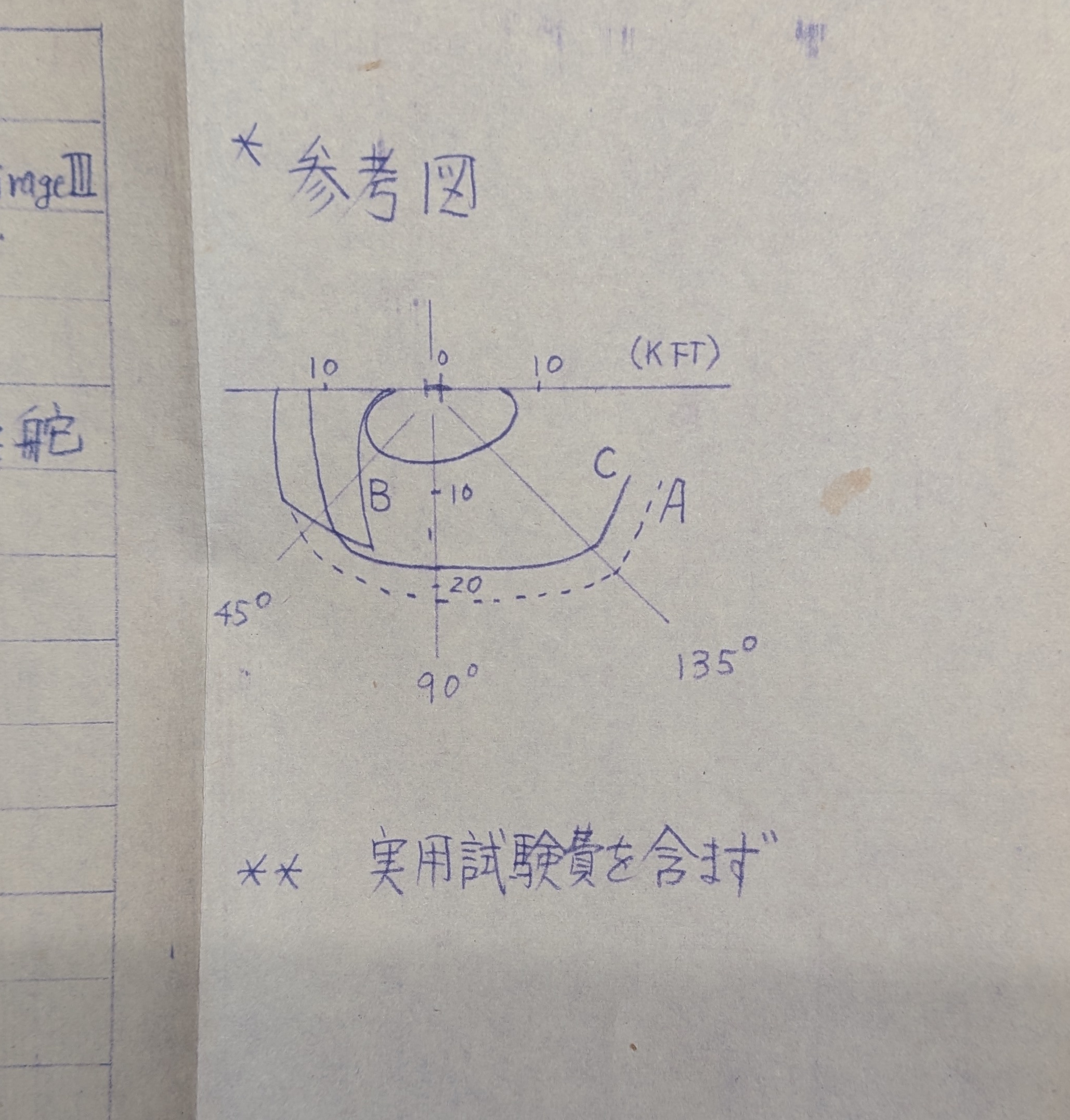
I have purchased materials on the proximity fuze, but the content is quite complex and will take some time to analyze. If I find any useful information, I will submit it later.
Source:状況報告資料 昭和45年2月23日 航空自衛隊 飛翔隊実験班
一部引用する形で掲載します