Would you like to see this in-game?
- Yes
- No
0
voters
Where would you like to see this vehicle?
- BeNeLux subtree (in France)
- Independent BeNeLux naval tree
- Other
- No/negative
0
voters
What versions would you like to see?
- Original Belgian fit (1 × 76 mm Oto Melara gun + 8 × Harpoon SSM + 16 × Sea Sparrow SAM + 2 × triple Mk 32 torpedo tubes + 2 × Goalkeeper CIWS + 1 × SA.316B Alouette III M-1 helicopter)
- Modernised Belgian fit (upgraded sensors like SMART-S radar + enhanced ESSM SAM + potential RAM launcher + improved ASW suite)
- Both versions (as separate vessels)
- Other (please comment)
- No/negative
0
voters
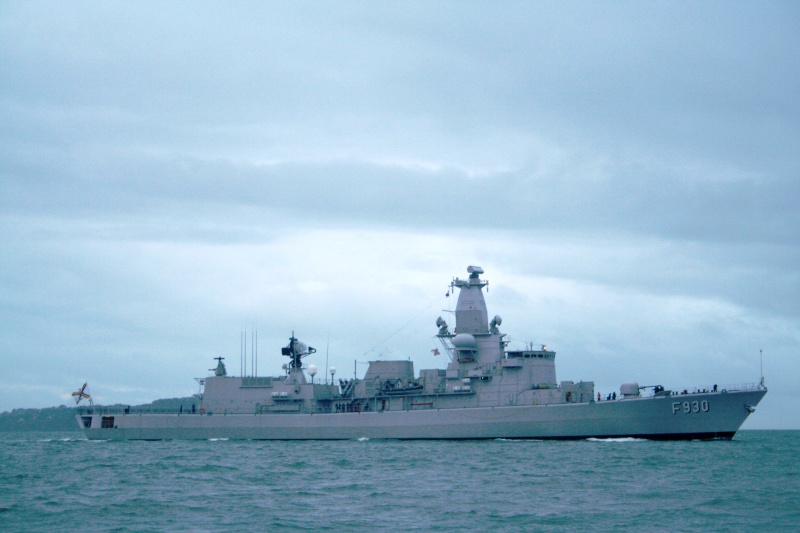
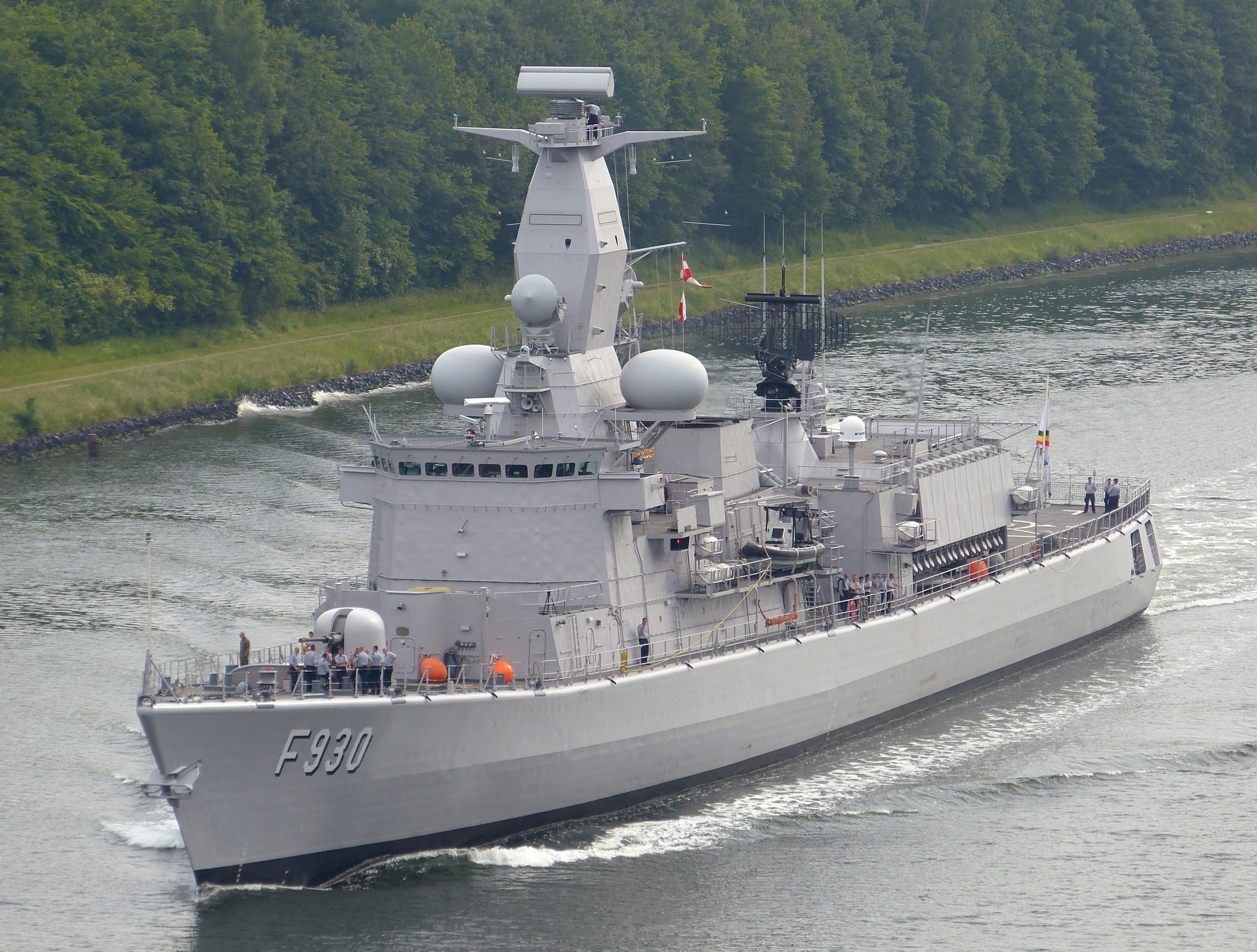
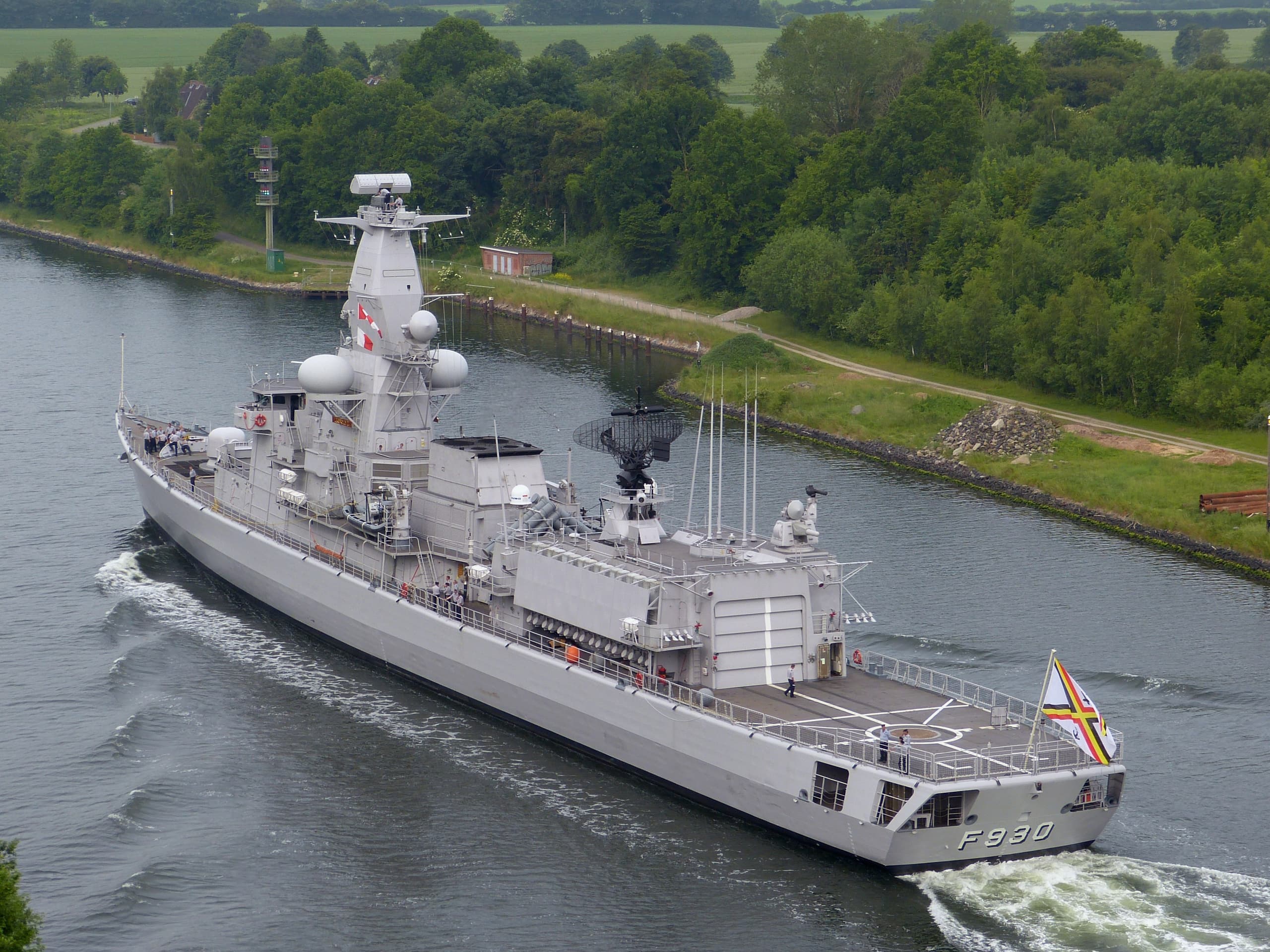
The BNS Leopold I (F930) is a Belgian Karel Doorman-class (M-class) multipurpose frigate, originally built for the Royal Netherlands Navy as HNLMS Karel Doorman (F827). Purchased by Belgium in 2005, she became the first modern Belgian frigate capable of operating a naval helicopter, long-range anti-ship missiles, modern surface-to-air missiles, and advanced NATO-standard sensors.
The Leopold I represents a significant leap over the previous Belgian Wielingen-class frigates, introducing modern radar systems, vertical-launch air defence missiles, improved command systems, and a much larger operational range. She remains one of the most capable surface combatants ever operated by the Belgian Navy.
TL;DR : A modern Belgian NATO frigate with Harpoon missiles, Sea Sparrow SAMs, Goalkeeper CIWS, torpedoes and helicopter capability.
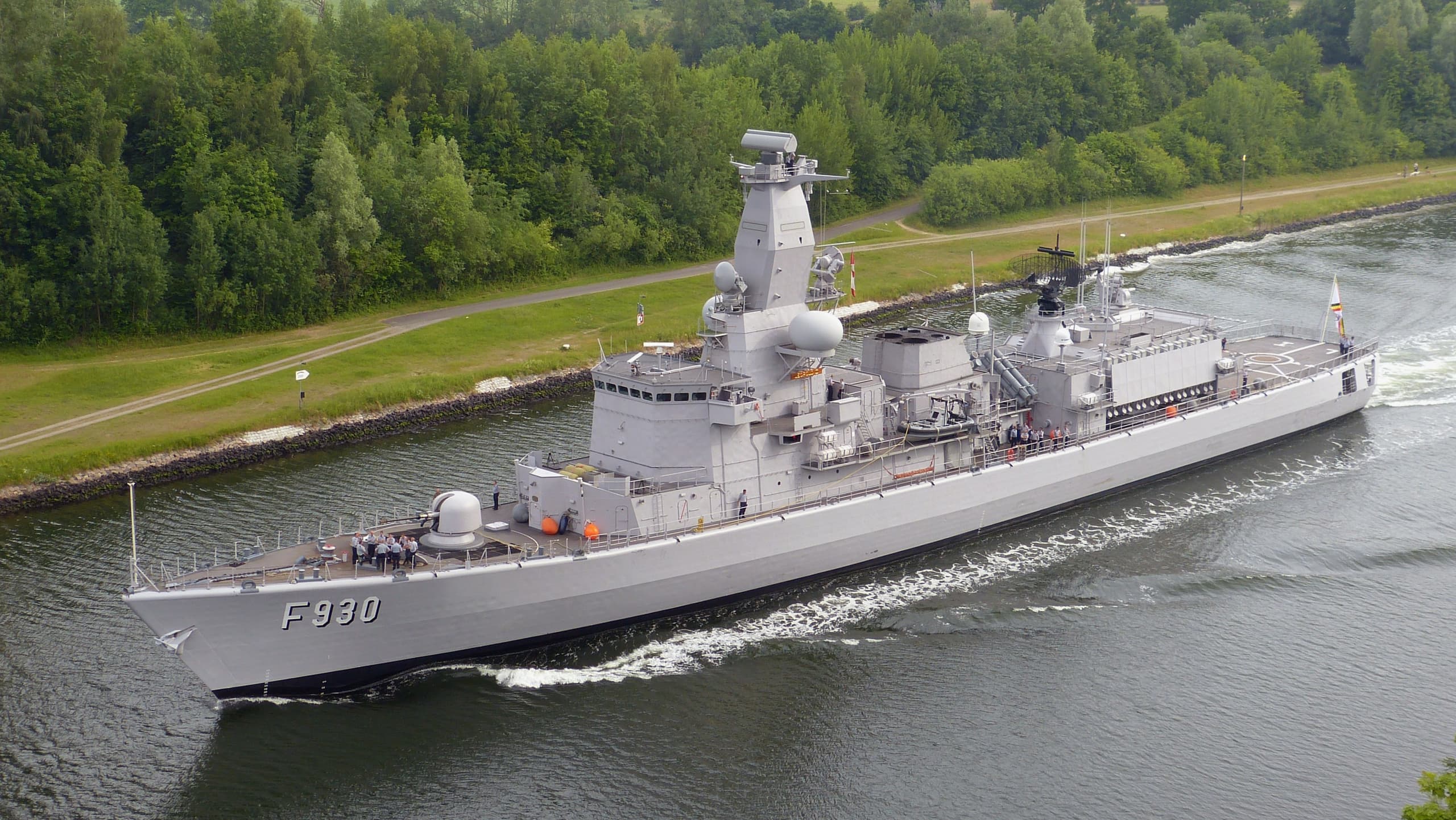
Belgian Naval Suggestion - A Modern NATO Frigate
History
Spoiler
From HNLMS Karel Doorman to BNS Leopold I
The BNS Leopold I (F930) began its career as HNLMS Karel Doorman (F827), the lead ship of the Dutch Karel Doorman-class (M-class) multipurpose frigates). Built during the final years of the Cold War, the vessel was designed as a modern NATO frigate capable of performing anti-submarine warfare, anti-air warfare, and anti-surface warfare missions.Constructed by Koninklijke Maatschappij De Schelde (KMS) in Vlissingen, the ship was laid down on 26 February 1985, launched on 20 April 1988, and commissioned into the Royal Netherlands Navy on 31 May 1991. As the lead vessel of the class, she represented a new generation of Dutch frigates designed around flexibility, automation, and advanced sensor integration.Transfer to the Belgian Navy
Following the end of the Cold War, the Netherlands began reducing the size of its surface fleet. At the same time, Belgium was searching for a replacement for its ageing Wielingen-class frigates, which had formed the backbone of the Belgian Navy’s escort capability since the 1970s.On 22 December 2005, Belgian Defence Minister André Flahaut and Dutch State Secretary for Defence Cees van der Knaap signed the agreement for the purchase of two Dutch M-class frigates: F827 Karel Doorman and F829 Willem van der Zaan, The transfer included not only the ships themselves, but also spare parts, ammunition, technical documentation, planned maintenance support, and modifications required for future helicopter operations.The former Karel Doorman was renamed BNS Leopold I (F930), after the first King of the Belgians. She entered Belgian service on 29 March 2007 at Zeebrugge Naval Base, where she was officially christened by Her Majesty Queen Fabiola of Belgium. The city of Nivelles (Nijvel) became the ship’s sponsor city.The acquisition of the Leopold I represented a major improvement for the Belgian Navy. Compared with the older Wielingen-class frigates, the M-class offered significantly improved endurance, sensors, command systems, and aviation capability. The ship allowed Belgium to contribute a modern NATO-standard frigate for international operations and maritime security missions.Belgian Service
Upon entering Belgian service, Leopold I became the largest and most capable combat vessel operated by the Belgian Navy. Compared with the older Wielingen-class frigates, the ship represented a major improvement in endurance, sensor capability, command systems, and aviation facilities.The frigate retained the original M-class multipurpose design philosophy, combining anti-submarine warfare capability with anti-air and anti-surface weapon systems. Her missions included NATO deployments, maritime security operations, peacekeeping missions, and anti-piracy operations.During her Belgian career, Leopold I participated in several international operations, including the UNIFIL Maritime Task Force off Lebanon in 2008 and counter-piracy operations in the Gulf of Aden. These deployments demonstrated the versatility of the frigate and her ability to operate far beyond Belgian territorial waters.Modernisation and Belgian Upgrades
Between 2011 and 2013, Leopold I underwent an extensive life-extension programme together with the Dutch M-class frigates. The goal of this modernisation was to maintain NATO interoperability and extend the operational life of the ship into the 2020s.The most visible external change was the replacement of the original mast with a new integrated sensor mast. This introduced several modern systems, improving the frigate’s detection and tracking capabilities.Key upgrades included:
- Installation of the Thales SMART-S Mk2 3D air and surface search radar.
- Installation of the Thales Seastar surface surveillance radar for detecting small surface contacts and asymmetric threats.
- Integration of the Gatekeeper electro-optical/infrared surveillance system providing 360° close-range observation.
- Improvements to the combat management and information-processing systems.
- Extension and reinforcement of the flight deck to operate the larger NH90 NFH helicopter.
The modernised Leopold I retained her original weapons suite, including the RIM-7 Sea Sparrow vertical launch system, RGM-84 Harpoon anti-ship missiles, Oto Melara 76 mm gun, Goalkeeper CIWS, and Mk 46 torpedoes.
Configuration of BNS Leopold I
Belgian Fit Modernised Belgian Fit 1 × Oto Melara 76 mm gun 1 × Oto Melara 76 mm gun 8 × Harpoon SSM 8 × Harpoon SSM 16 × Sea Sparrow SAM 16 × Sea Sparrow SAM 1 × Goalkeeper CIWS 1 × Goalkeeper CIWS 2 × twin Mk 32 torpedo launchers (Mk 46 Mod 5 torpedoes) 2 × twin Mk 32 torpedo launchers (Mk 46 Mod 5 torpedoes) Alouette III NH90 NFH helicopter capability LW-08 & navigation radars SMART-S Mk2, Seastar, Gatekeeper Crew: ~154 Crew: ~145–154 The Leopold I remains one of the most advanced ships ever operated by Belgium. Combining Dutch naval engineering with Belgian upgrades and NATO-standard systems, the frigate represents the peak of Belgian Cold War-era naval capability and a natural candidate for a future BeNeLux naval implementation in War Thunder.
Specifications
Initial Fit (1990s)
Specification Detail Displacement 3,300 tons Length 123.72 m Speed 29 knots Crew ~145 (15 officers, 70 NCOs, 60 sailors) Main Gun 1 × 76 mm Oto Melara Compact SR Missiles 8 × RGM-84D Harpoon Block 1C, 16 × RIM-7 Sea Sparrow (Mk 48 VLS) CIWS 1 × Goalkeeper 30 mm Torpedoes 2 × twin Mk 32 torpedo launchers (Mk 46 Mod 5 torpedoes) Helicopter 1 × SA.316B Alouette III M-1 (BE) Radar LW-08, DA-08, PHS-36 sonar Modernised Fit (2000s+)
Specification Detail Displacement 3,300 tons Speed 29 knots Crew ~155 Main Gun 76 mm Super Rapid Missiles 8 × Harpoon Block II/III (anti-ship cruise missile with limited land-attack capability), 16 × RIM-7 Sea Sparrow (Mk 48 VLS) CIWS 1 × Goalkeeper Helicopter 1 × NH90 NFH (NL and BE) Torpedoes 2 × twin Mk 32 torpedo launchers (Mk 46 Mod 5 torpedoes) Radar/Sensors SMART-S Mk2 3D radar, advanced sonar, ECM suite The Belgian Navy’s F930 Leopold I is a prime example of the successful modernization and continued operational service of this class into the 2020s.
Place in War Thunder
The Karel Doorman-class could bring the Netherlands’ naval innovation into War Thunder’s blue-water ranks:
- Initial version (1990s): Rank VI, balanced Belgian frigate with Sea Sparrow, Harpoon, and Alouette helicopter.
- Modernised version (2000s): Rank VII, stronger ESSM SAM possibility, SMART-S radar, and improved automation.
They could appear under a BeNeLux subtree, or as NATO-aligned premiums in Benelux or French trees, highlighting Dutch-Belgian technology and export influence.
Pictures
Images of Initial Fit (1990s)
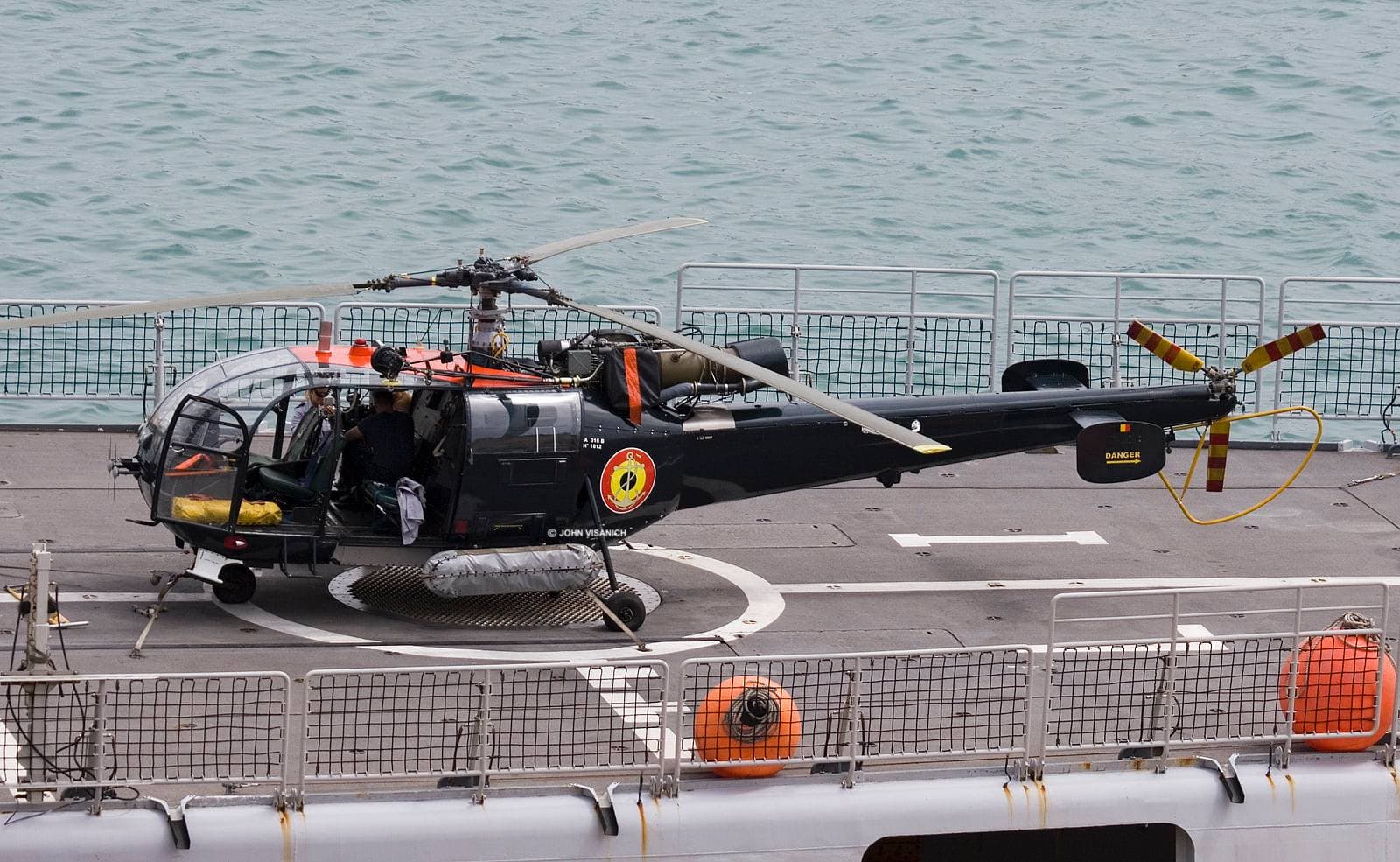
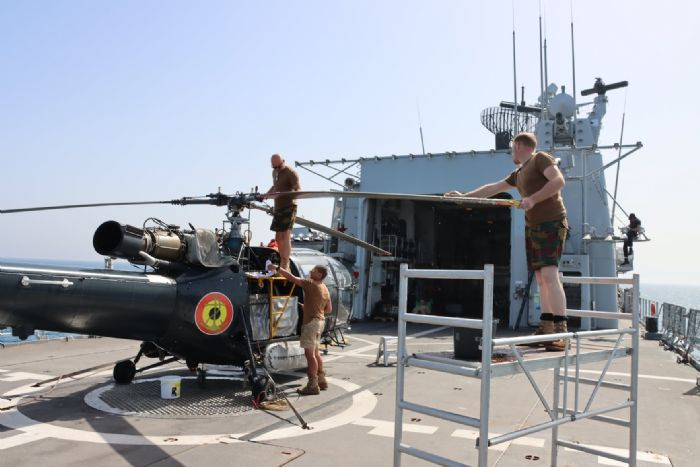
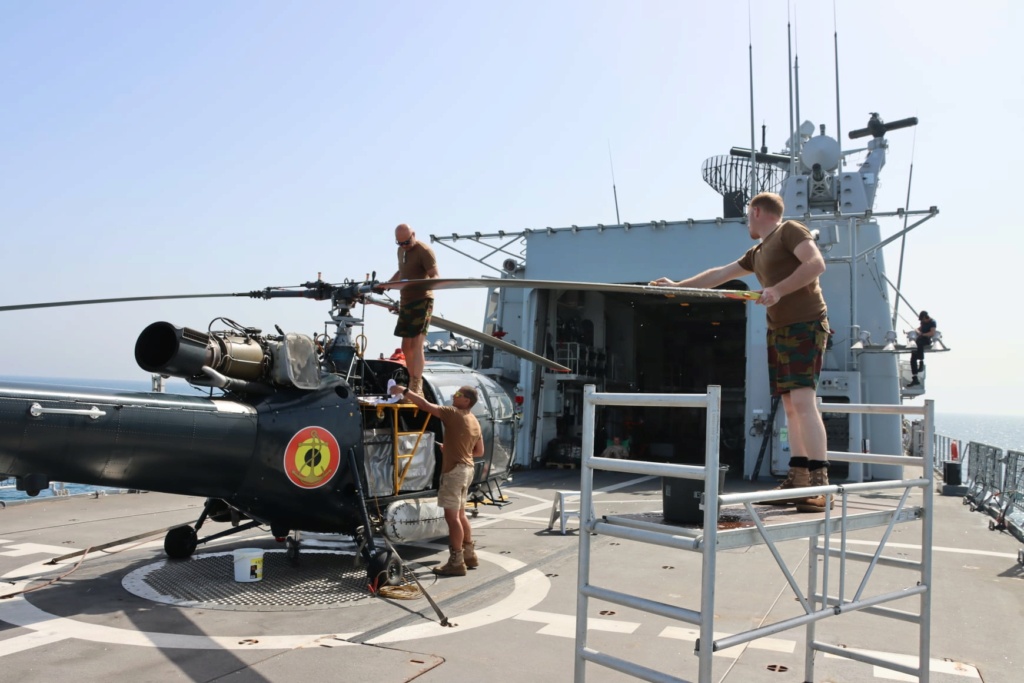
Aerospatiale (Sud Aviation) SA.316B Alouette III M-1 (MSN 1812) of the Marine Component of the Belgian Armed Forces on board the Karel Doorman-class frigate Leopold I (F930) at Malta Grand Harbour on 6 May 2021. The frigate was in port for a few hours for stores and fuel replenishment.
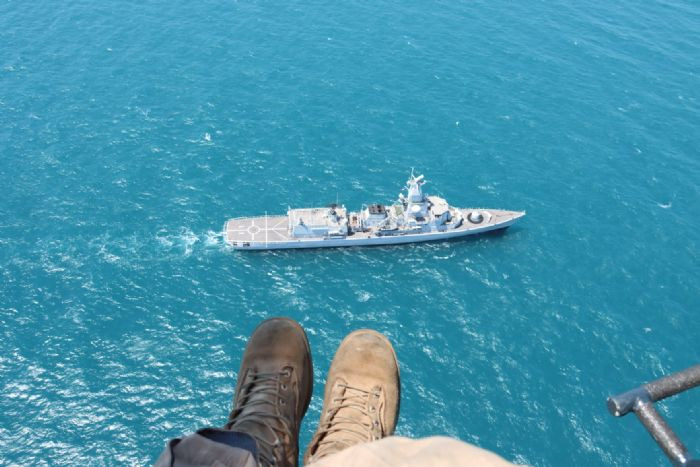
21st of may 2021
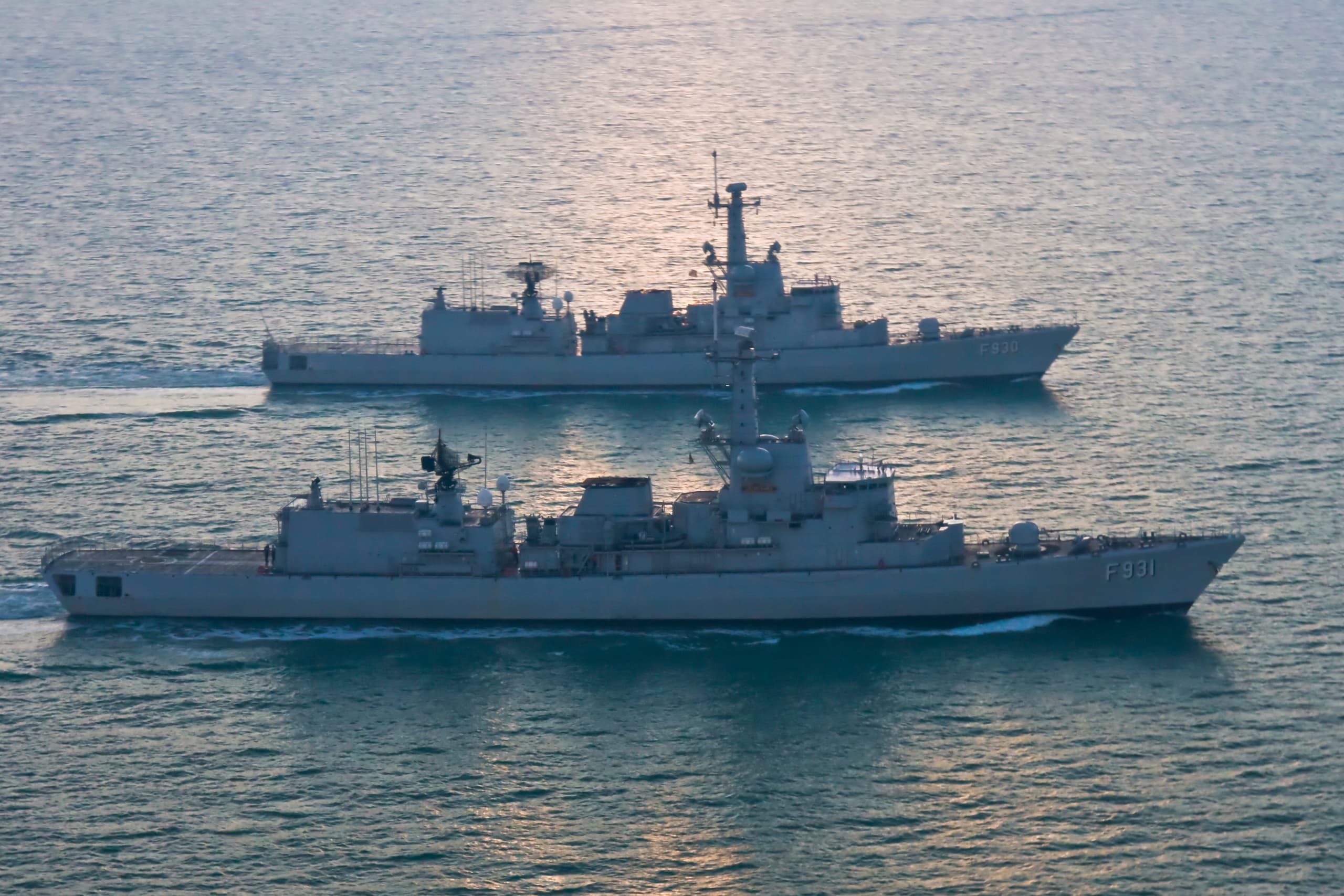
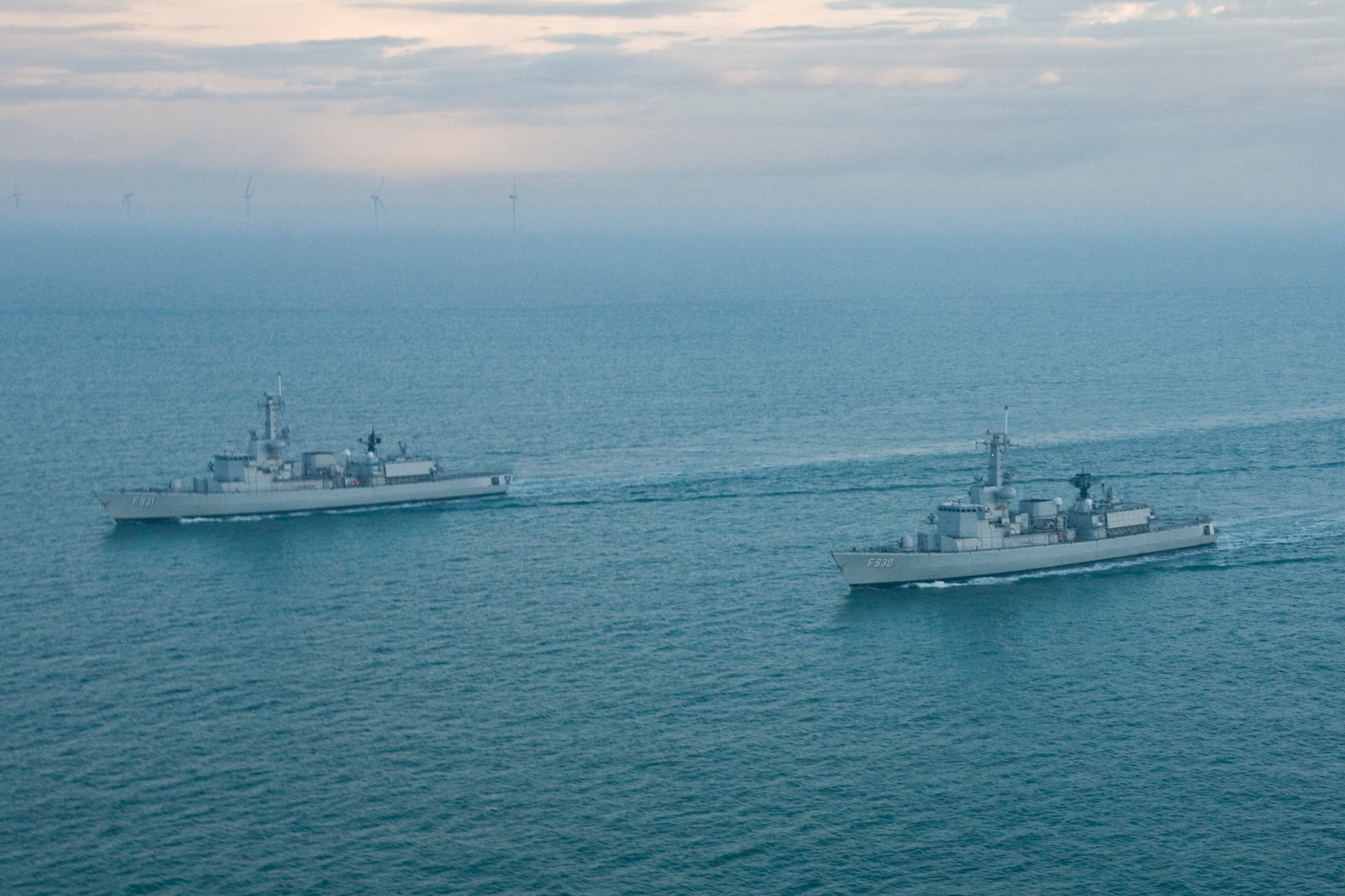
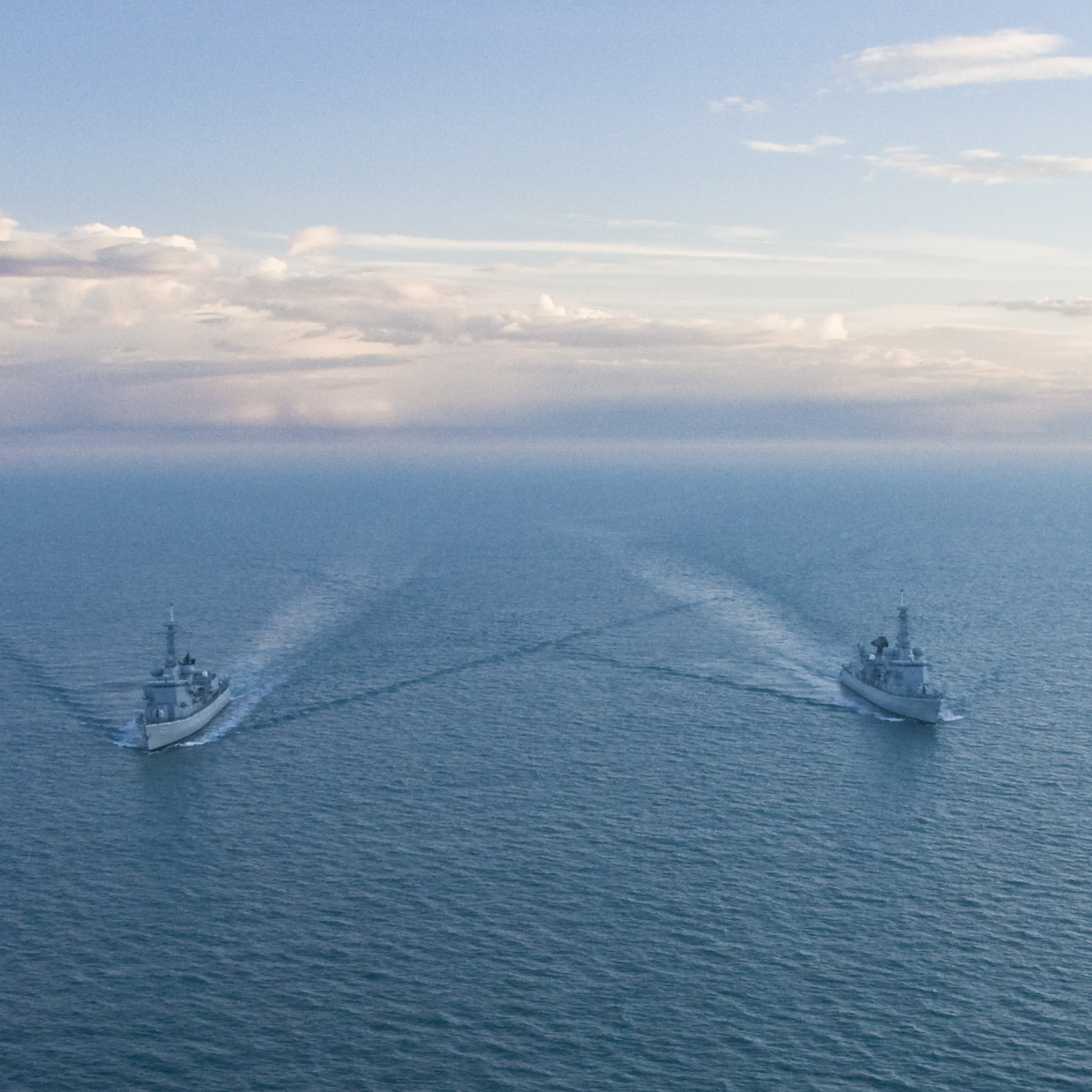
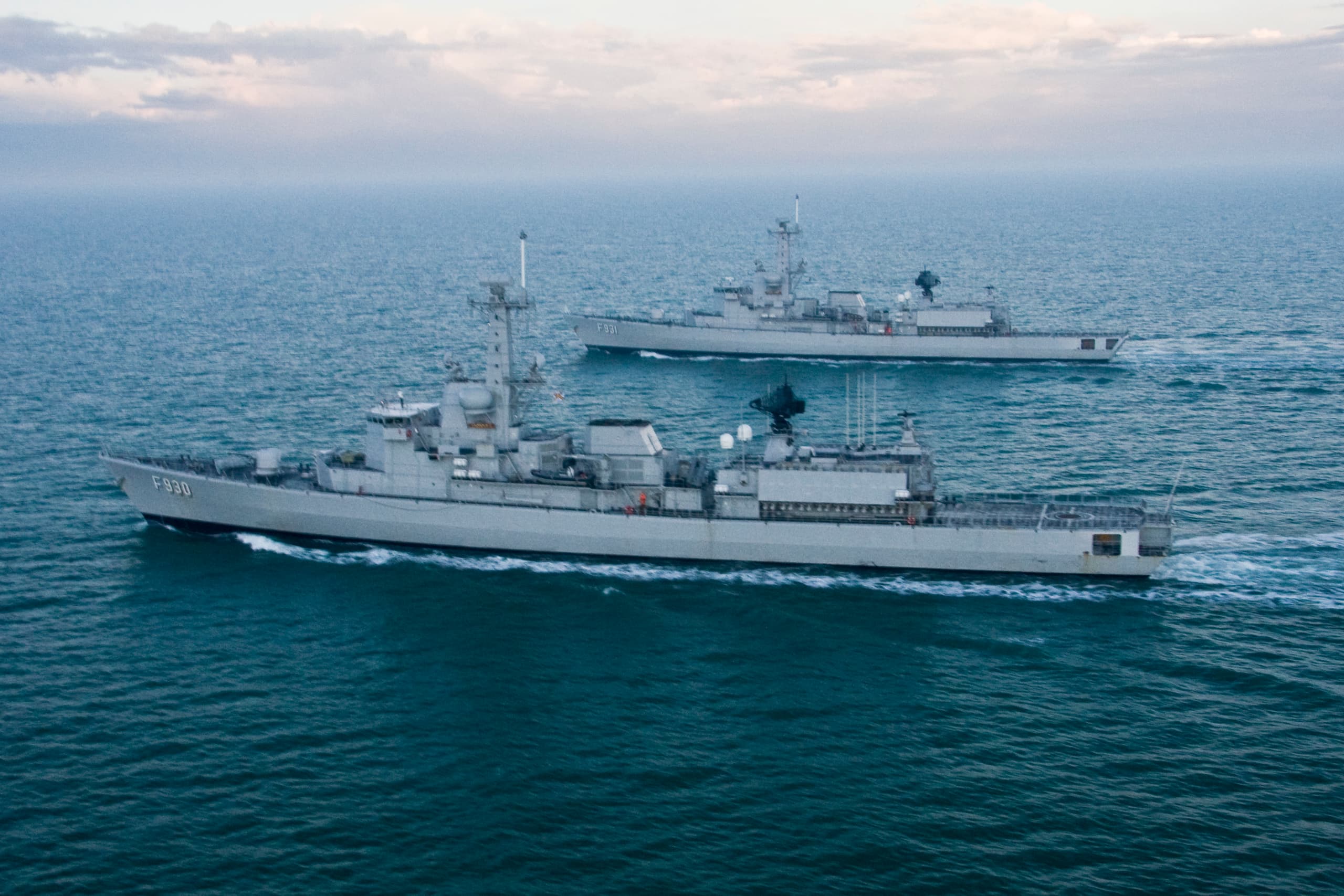
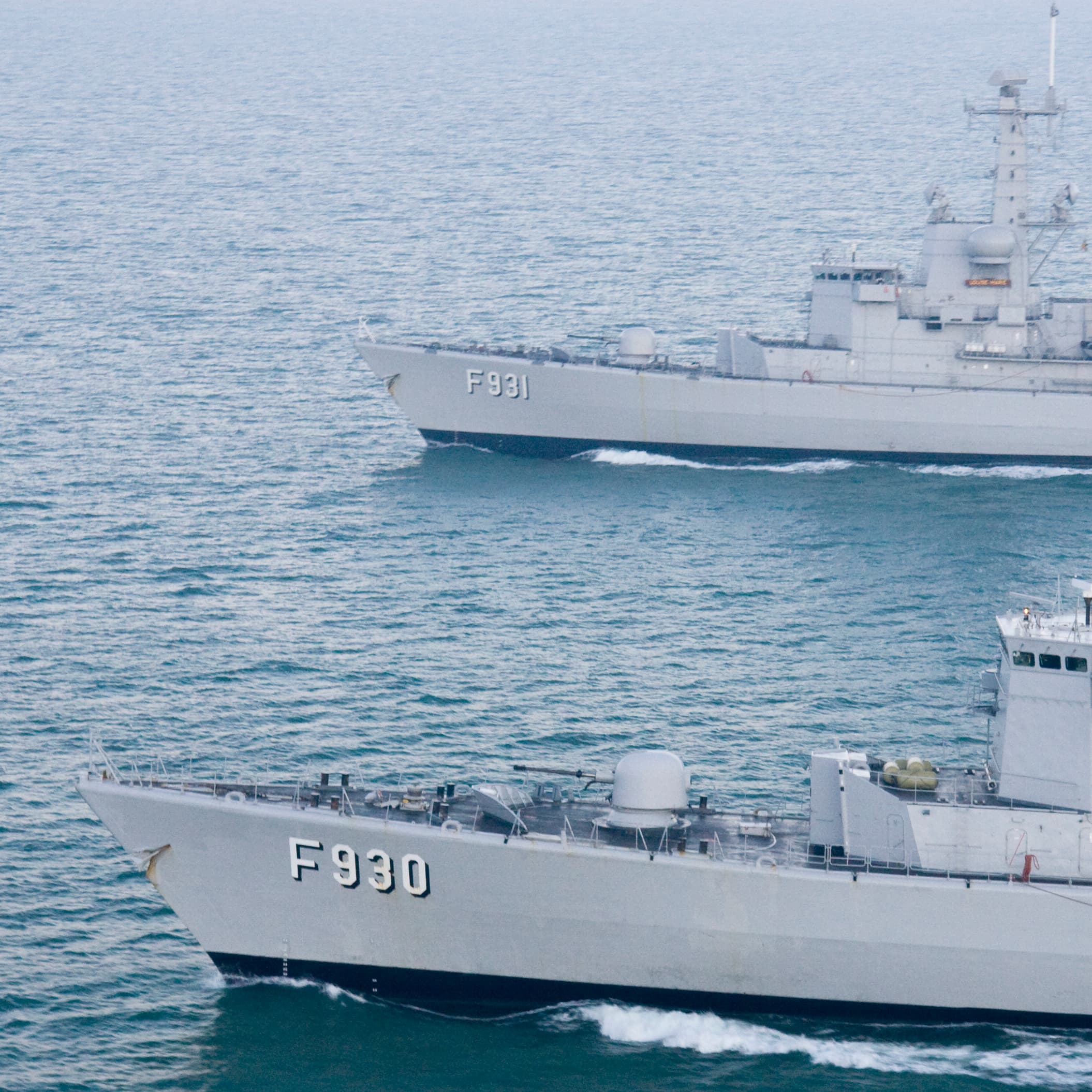
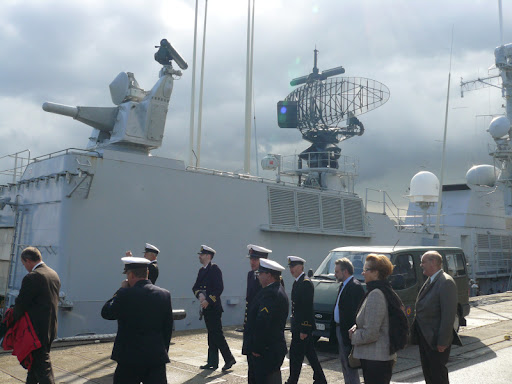
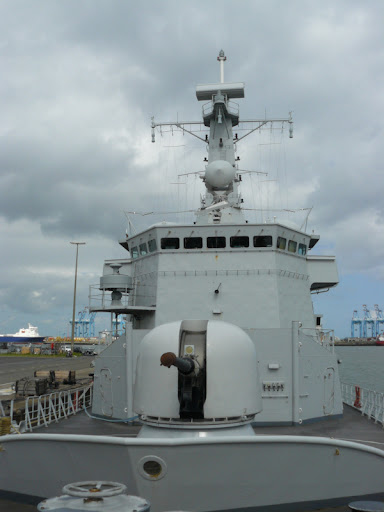
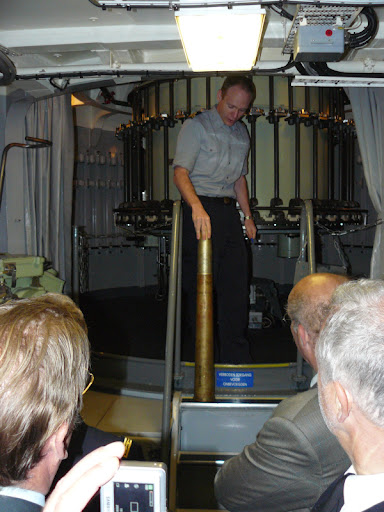
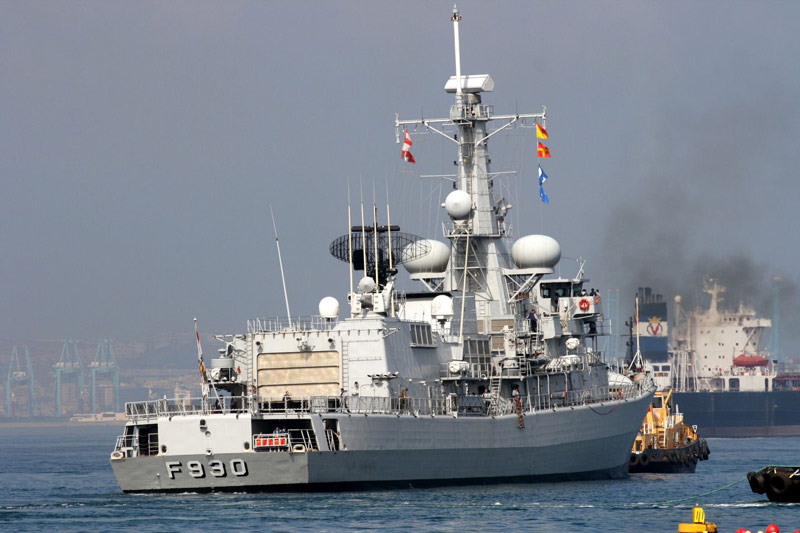
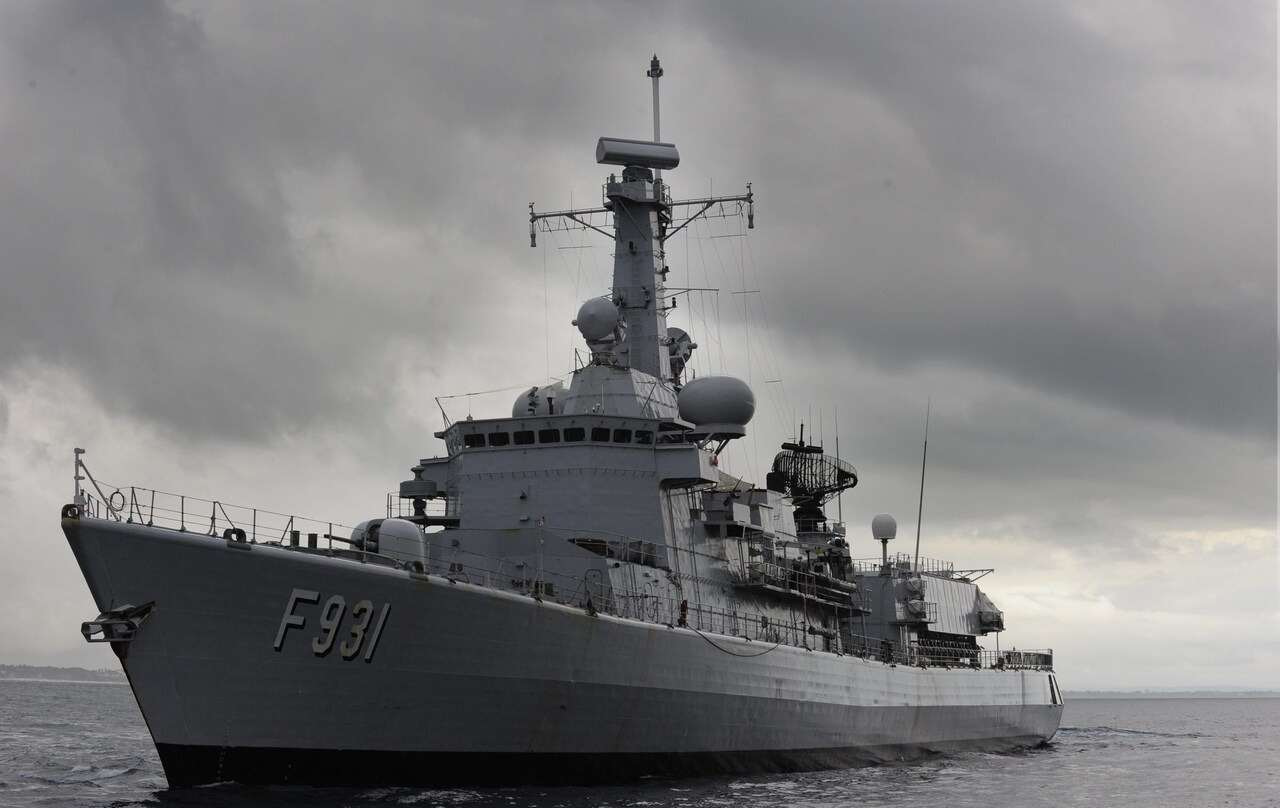
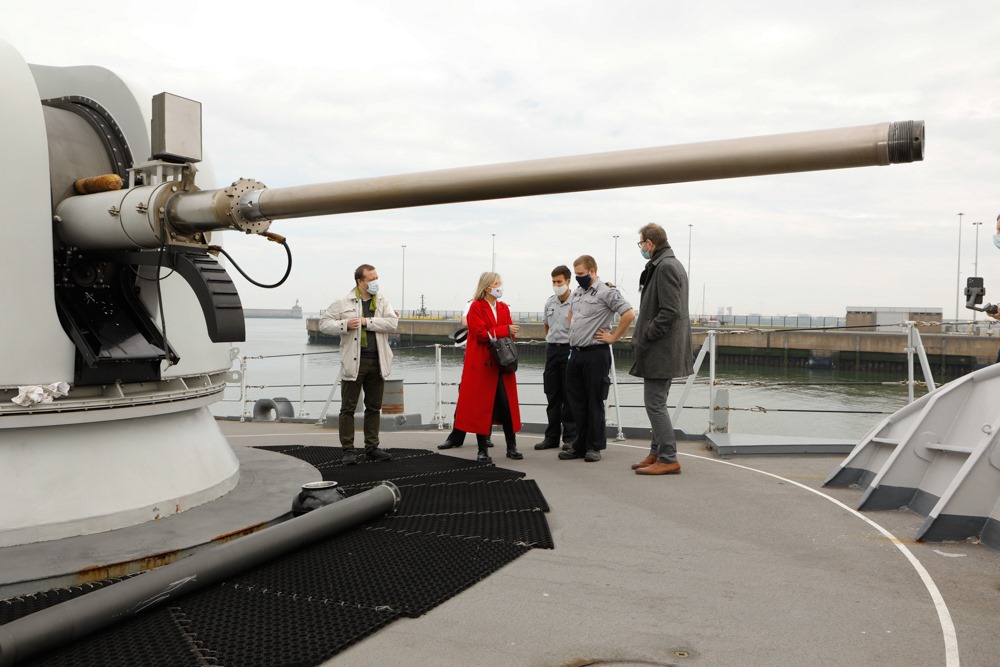
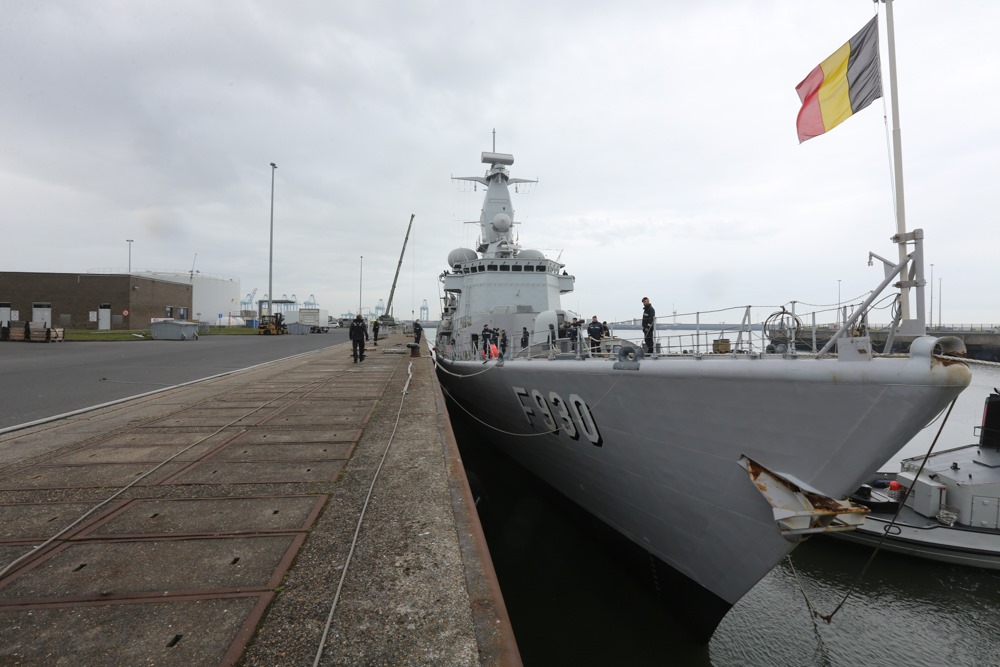
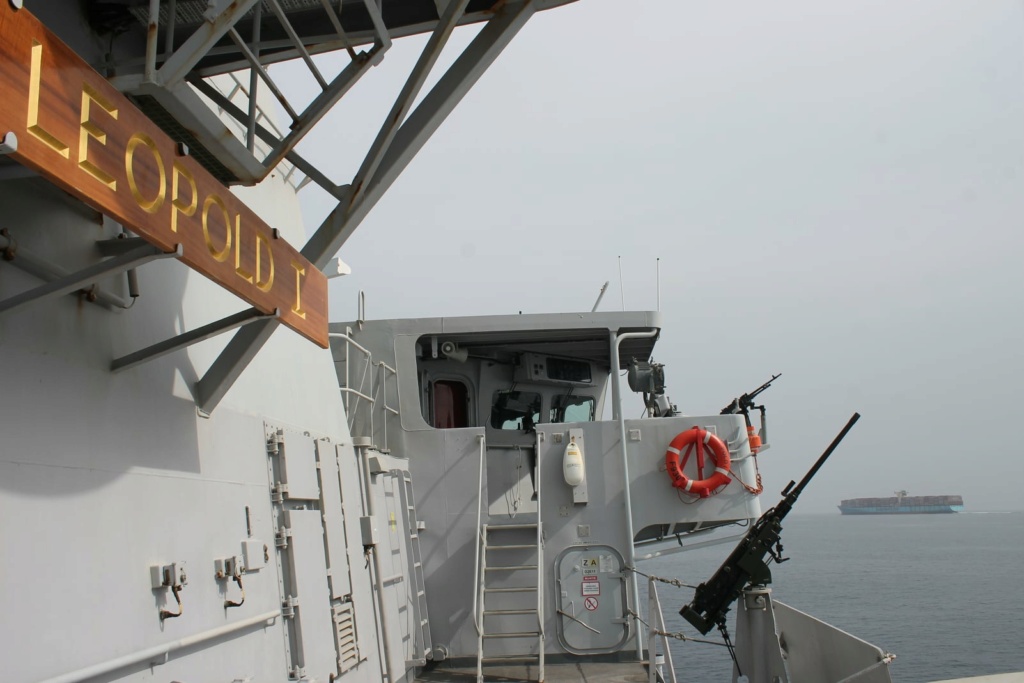
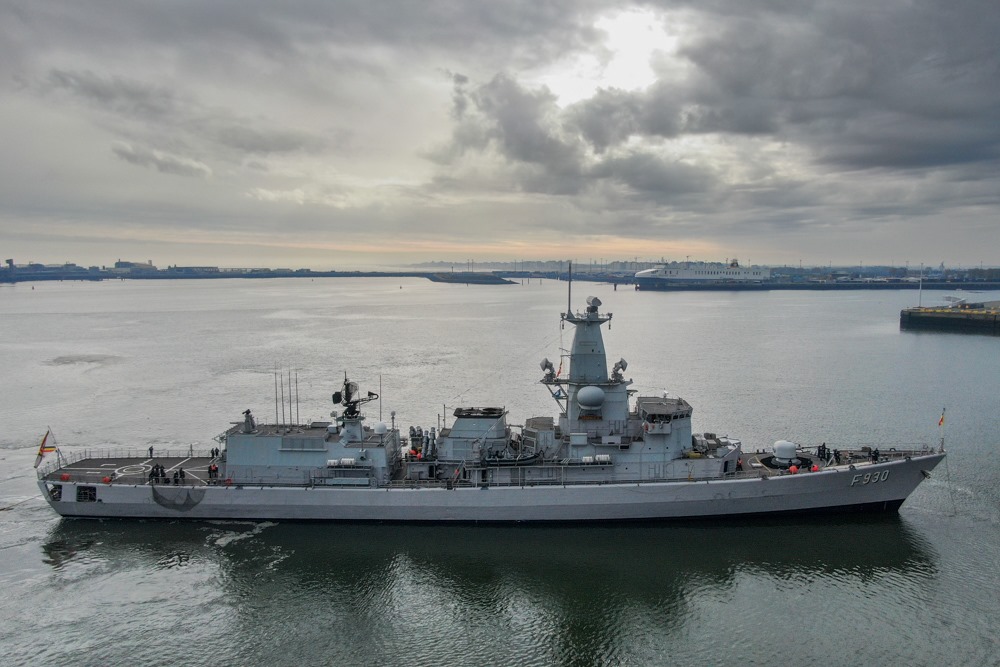
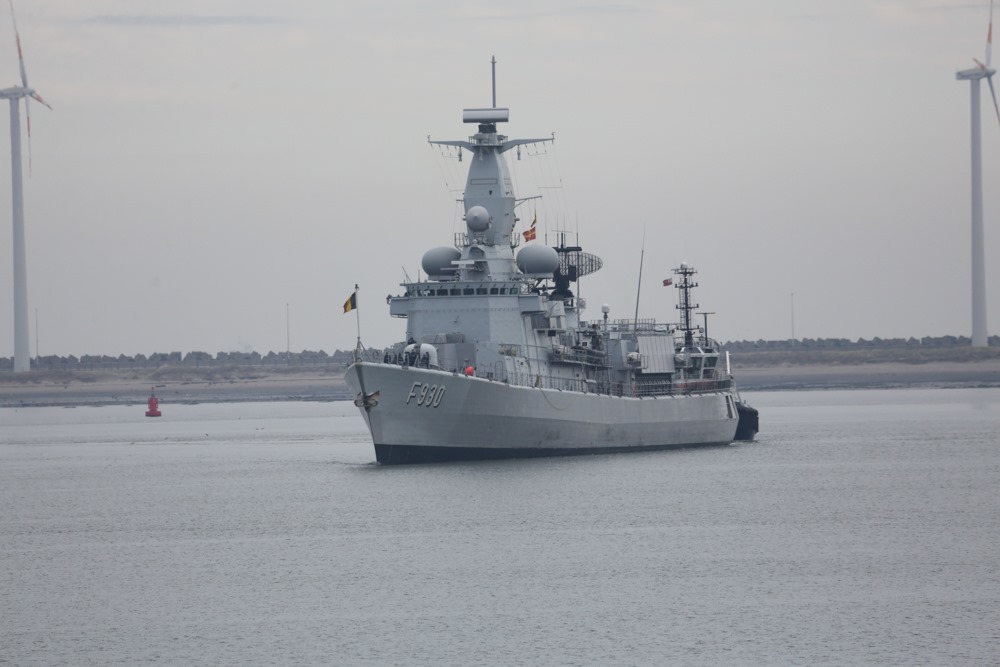
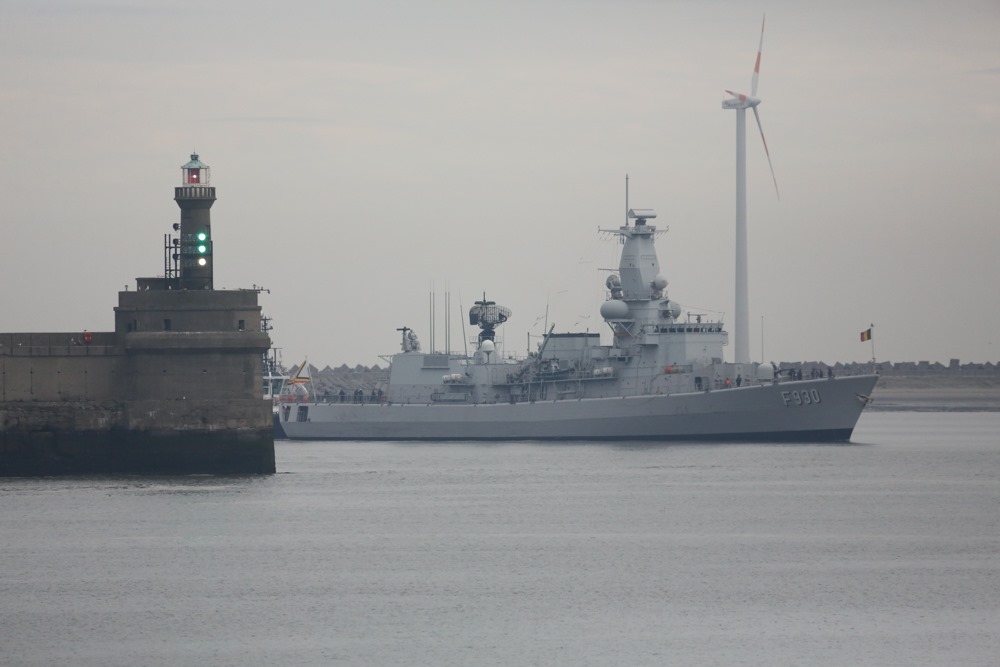
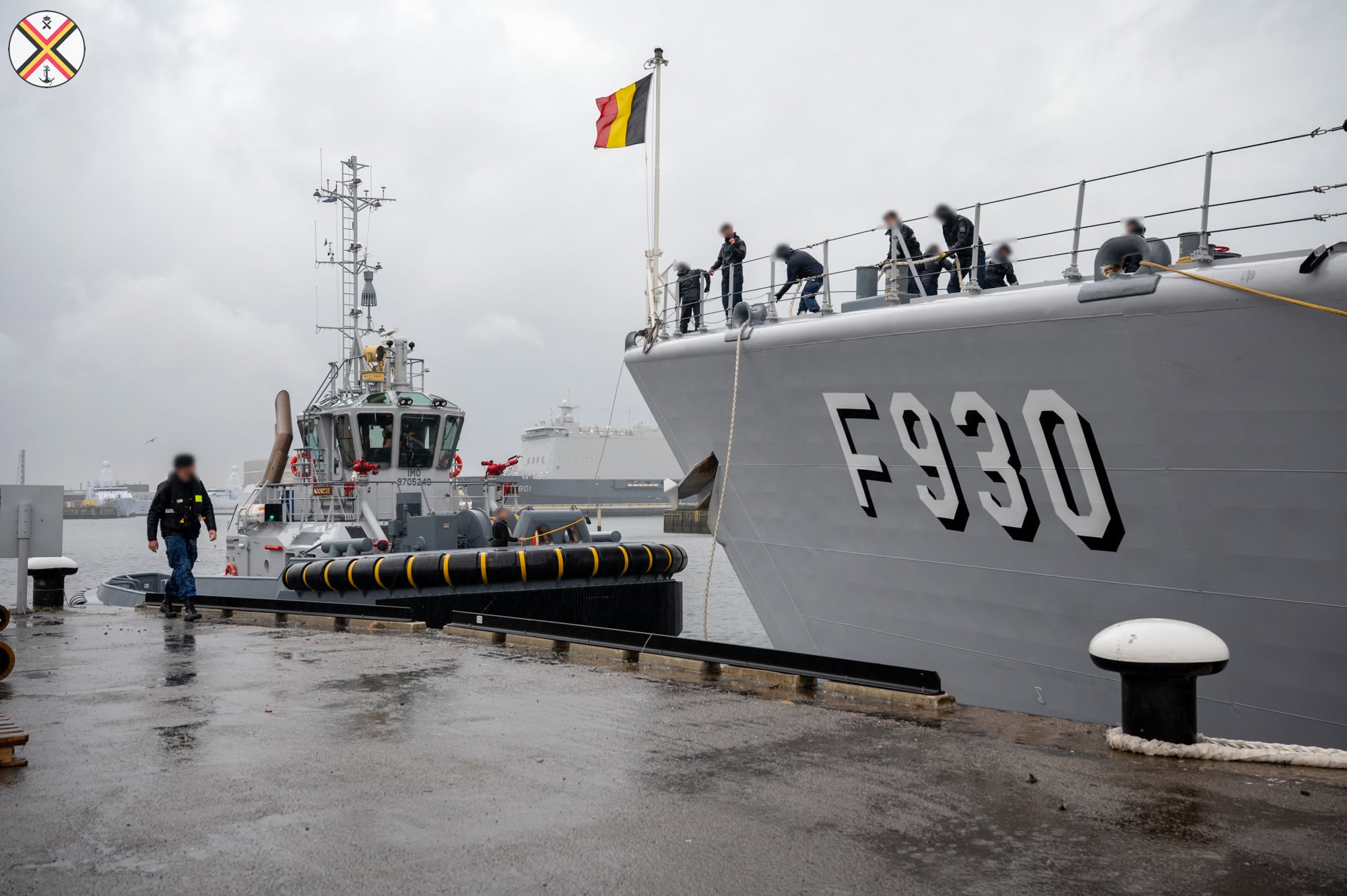
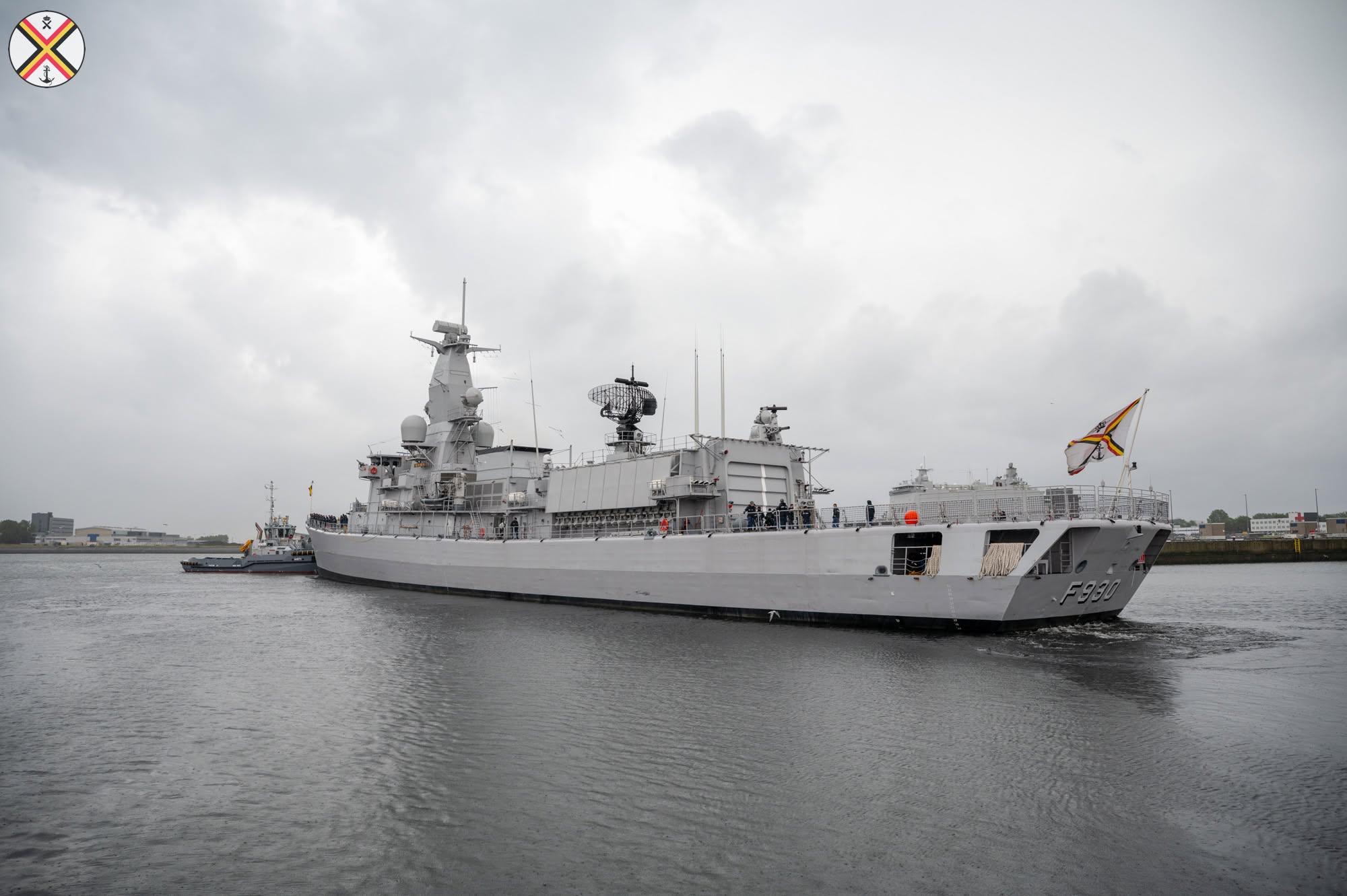
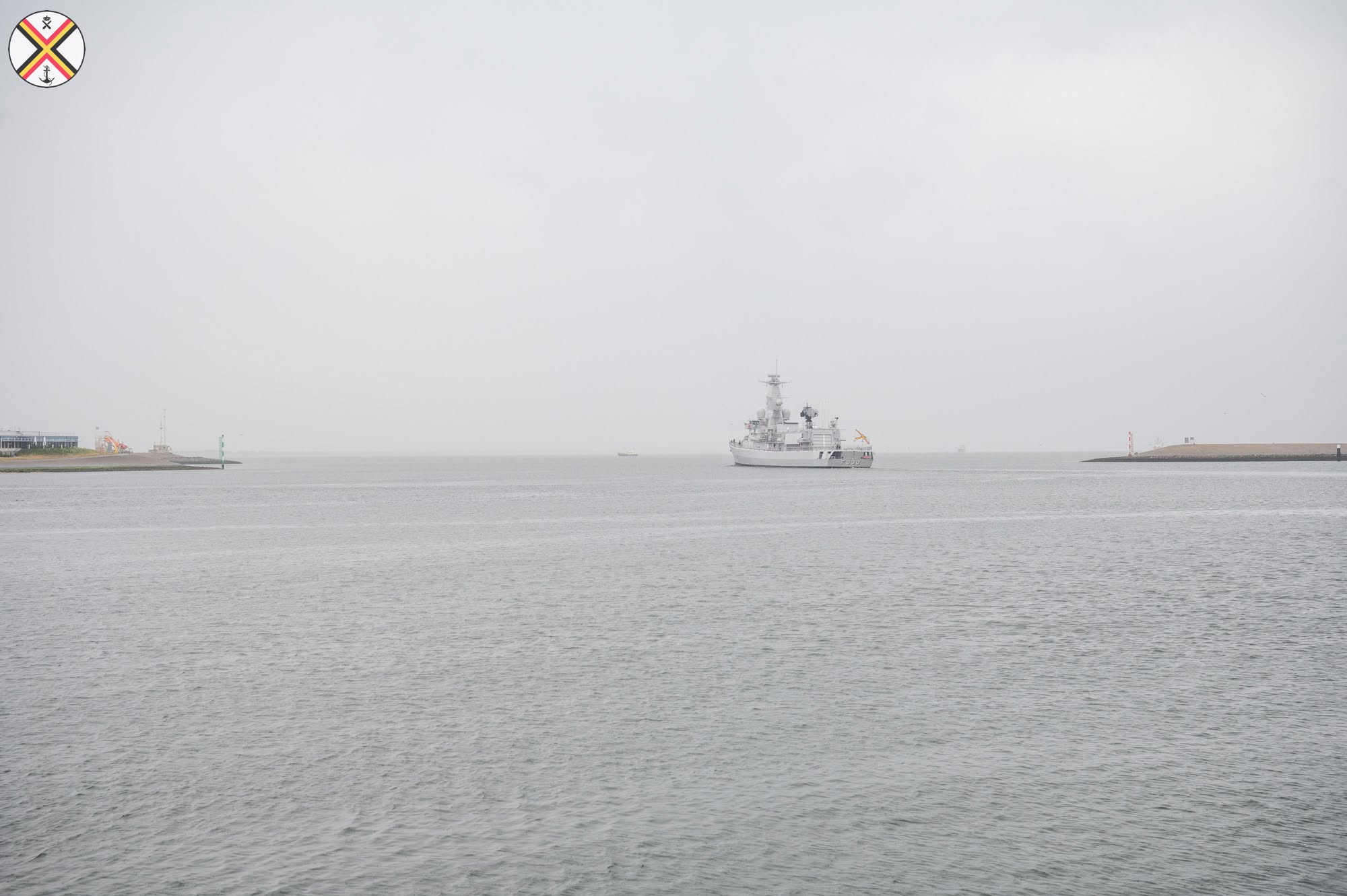
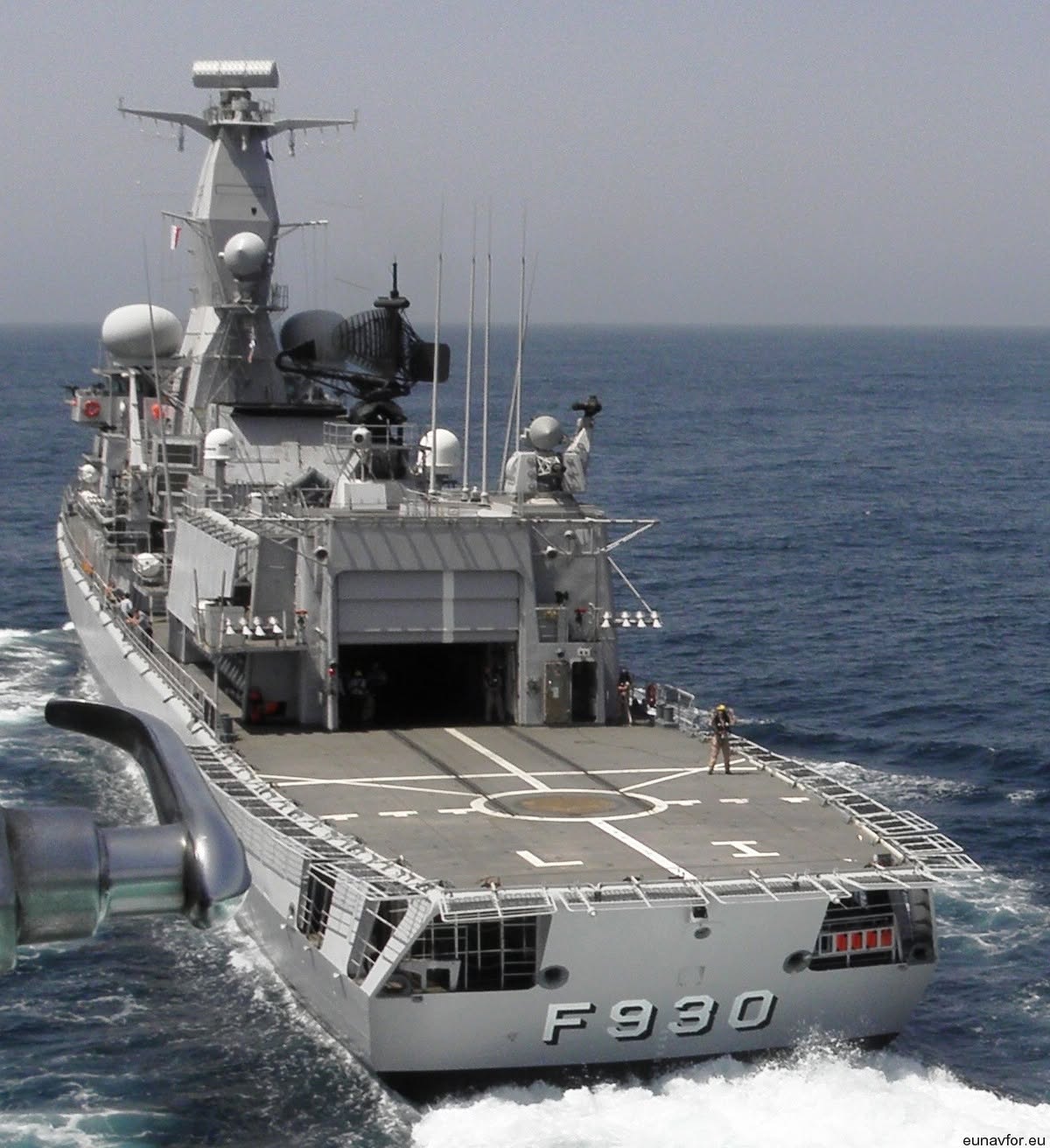
Pre-Modernised Belgian M-class frigate Leopold I (F930).



Sources
Sources
- Belgische Defensie. (2019). F930 Leopold I - Fregat. F930 Leopold I - Fregat | Belgian Defence (wayback machine needed for acces)
- Belgische Defensie. (2022, May 10). Fregat Leopold I bestookt landdoelen tijdens oefening Mjoelner 2022. Beldefnews.
- Rommelse, G.A. (2008). Export M-fregatten, 1986-1994: De BV Nederland met vallen en opstaan. Militaire Spectator, 177(4), 213-226.
- Ministerie van Defensie. (2004). Studie “Grote Oppervlakteschepen Koninklijke marine” Deelstudie 1 GOSKM: Oppervlaktecombattantenvloot Koninklijke marine.
- Naval-Technology. (n.d.). Karel Doorman Class Multi-Purpose Frigates. https://www.naval-technology.com/projects/kareldoorman/
- Naval Today. (2022, May 12). Belgian Navy’s frigate Leopold I fires Harpoon missile for first time. WATCH: Belgian Navy’s frigate Leopold I fires Harpoon missile - Naval Today
- GlobalSecurity.org. (n.d.). M Frigate / Karel Doorman. https://www.globalsecurity.org/military/world/europe/nl-navy-m-frigate.htm
- Marineschepen.nl – Leopold I (F930) M-fregat (ex-Hr.Ms. Karel Doorman) https://marineschepen.nl/schepen/leopold.html
- Ministerie van Defensie (Defensie.nl) – M-fregatten (Multipurpose-frigatten) Multipurposefregat (M-fregat) | Materieel | Defensie.nl