- Yes
- No
- BeNeLux subtree (in France)
- Independent BeNeLux naval tree
- Other
- No/negative
- Initial fit (1 × 76 mm Oto Melara gun + 8 × Harpoon SSM + 16 × Sea Sparrow SAM + 2 × triple Mk 32 torpedo tubes + 2 × Goalkeeper CIWS + 1 × Westland Lynx helicopter)
- Modernised fit (upgraded sensors like SMART-S radar + enhanced ESSM SAM + potential RAM launcher + improved ASW suite)
- Both versions (as separate vessels)
- Premium/Event variant (for one or both of this class’ configurations)
- Other (please comment)
- No/negative
The Karel Doorman-class (M-class) frigates represent the pinnacle of Dutch naval engineering at the end of the Cold War: advanced, compact, and highly versatile. Designed to replace older Van Speijk - and Roofdier-class ships, these frigates combined anti-submarine, anti-air, and anti-surface warfare capabilities in a 3,300-ton hull.
Built by Koninklijke Schelde Groep (KSG) in Vlissingen, eight vessels entered service with the Royal Netherlands Navy (Koninklijke Marine) between 1991 and 1995. The class was later exported to Belgium, Portugal, and Chile.
TL;DR: Capable Dutch Frigate.
History
Spoiler
The M-fregatten program began as part of the “Grote Oppervlakteschepen Koninklijke Marine” modernization effort in the early 1980s. The Royal Netherlands Navy required a modern multipurpose ship to serve both blue-water and coastal operations. The result was a design optimized for flexibility: light enough for patrols, yet armed and sensor-equipped to engage submarines, aircraft, and surface targets.
Development and Design Evolution of the Karel Doorman-class (M-class) Frigates
Background: From North Sea Frigate to M-frigate
In the late 1970s and early 1980s, the Royal Netherlands Navy faced a growing challenge in modernising its surface combatant fleet. The Kortenaer-class (Standard frigates) then entering service were capable vessels, but expensive to construct and operate in large numbers. Meanwhile, the Van Speijk-class frigates, modernised derivatives of the British Leander class, were approaching obsolescence.The Netherlands required a new generation of multipurpose frigates that could maintain a credible presence within NATO while being affordable, exportable, and technologically flexible. Early studies, launched under the Grote Oppervlakteschepen Koninklijke Marine (GOSKM) program, examined several design paths, including a smaller “North Sea frigate” optimised for coastal and low-intensity operations.
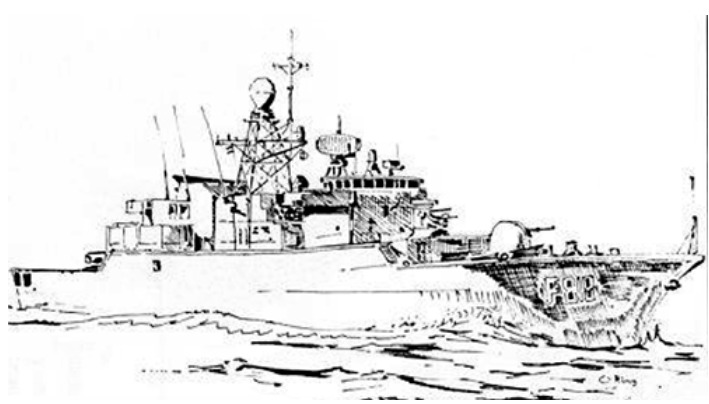
The first impression of the M-frigate that was made public. In this illustration from June 1980, the frigate bears little resemblance to the final ship. On or just behind the bridge is an air search radar — this would indeed appear in the final design, but positioned much further aft. On a lattice mast sits the WM-25 radar, also used on the S-class frigates.Initially, this “Noordzeefregat” concept was conceived as a lighter, simpler vessel for tasks at the lower end of the violence spectrum: maritime patrol, coastal escort, and anti-submarine operations in confined waters. However, by the early 1980s, changes in the geopolitical and operational context reshaped the design philosophy. NATO’s emphasis on blue-water interoperability and the continued Soviet submarine threat made clear that the new ship would need the endurance and armament of a full-fledged frigate rather than a coastal escort.As a result, the project evolved into what became known as the Multipurpose Frigate, or M-class (Multipurpose-fregat). This new class would not only succeed the Van Speijk vessels but also complement the larger Kortenaer-class. The Netherlands aimed for a ship combining robust anti-submarine capability with credible air and surface defense systems, all within a compact, cost-effective hull.The political and industrial goals were as significant as the operational ones. The M-class would be designed, built, and equipped largely with Dutch technology, supporting the national defense industry and maintaining domestic expertise in naval construction. This included collaboration with companies such as Hollandse Signaal Apparaten (later Thales Nederland), Stork-Werkspoor Diesel, and the Koninklijke Schelde Groep (KSG) shipyard in Vlissingen, which would ultimately construct the class.Design Philosophy and Construction
The final M-class design balanced modern combat capability with strict cost and weight constraints. Naval engineers emphasised modularity and maintainability, resulting in a ship that could be modernised more easily than its predecessors.
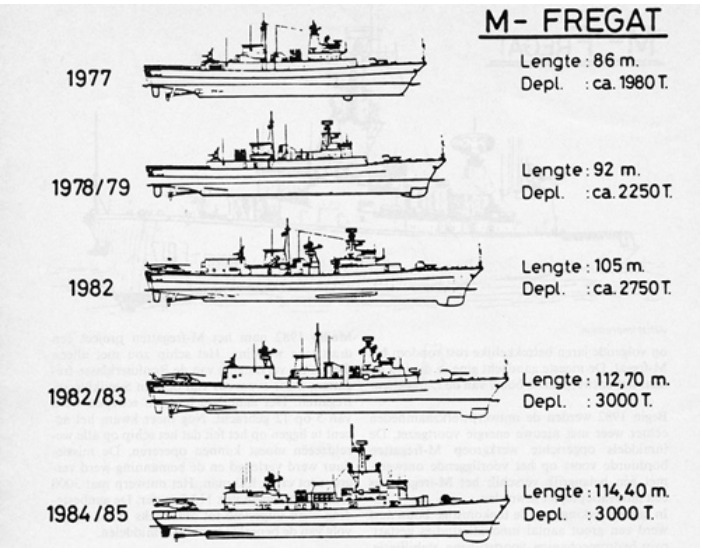
During the design phase, ships often undergo many changes. The development of the M-frigate is beautifully illustrated here. Not only did the design grow over time, but many aspects also changed, including sensors, weapon systems, rudders, fins, and more. (Source: Marineblad, January 1986, p. 16)Each frigate displaced approximately 3,300 tonnes standard and measured 122 metres in length. Propulsion was provided by a Combined Diesel or Gas (CODOG) arrangement, consisting of two Rolls-Royce Spey SM1C gas turbines (33,800 shaft horsepower total) and two Stork-Werkspoor diesels (9,790 horsepower). This configuration gave the ships a maximum speed of 29 knots and a range exceeding 5,000 nautical miles at cruising speed.The M-class was designed with a light steel hull and aluminium superstructure, divided into twelve watertight compartments and featuring extensive noise-reduction measures for anti-submarine warfare (ASW) operations. Seakeeping was excellent for the size of the vessel, allowing sustained operations in North Atlantic conditions.Sensors and Weapons
The frigates were equipped with a well-balanced suite of weapons and sensors, reflecting their multipurpose role:
- Primary armament: 1 × Oto Melara 76 mm gun, located forward.
- Surface-to-surface missiles: 8 × RGM-84 Harpoon launchers.
- Surface-to-air missiles: 16 × RIM-7 Sea Sparrow in a Mk 29 launcher.
- Close-in defense: 2 × Goalkeeper 30 mm CIWS, developed by Signaal.
- Anti-submarine warfare: 2 × triple Mk 32 torpedo launchers for Mk 46 torpedoes.
- Aviation facilities: flight deck and hangar for 1 × Westland Lynx helicopter, providing extended ASW and surveillance capability.
The initial sensor suite included the DA-08 surface-search radar, LW-08 air-search radar, PHS-36 sonar, and a Signaal SEWACO IV combat data system integrating sensor and weapon control. These systems gave the ship strong situational awareness and multi-threat response capability, advanced by 1980s standards.Crew complement was approximately 197, including officers, technical specialists, and air detachment personnel.From Prototype to Fleet
Construction of the lead ship, Hr.Ms. Karel Doorman (F827), began at Vlissingen in 1985. She was launched in 1988 and commissioned in 1991. Over the next several years, seven additional vessels followed:
Willem van der Zaan (F829), Tjerk Hiddes (F830), Van Amstel (F831), Abraham van der Hulst (F832), Van Nes (F833), Van Galen (F834), and Van Speyk (F828).Although initially intended to serve until the 2010s, the M-class demonstrated exceptional reliability, versatility, and adaptability. Their advanced Dutch systems and modular design soon attracted foreign interest. While early export attempts — including proposals to Greece and Australia — were unsuccessful, the design ultimately achieved export success in the 2000s when several ships were transferred to allied navies.Modernisation and Upgrades
By the late 1990s, evolving operational requirements and technological advances led to a comprehensive mid-life modernisation program. The upgrades aimed to extend the service life of the ships into the 2020s and maintain interoperability within NATO’s increasingly network-centric framework.Key aspects of the modernisation included:
- Replacement of the DA-08 and LW-08 radars with the SMART-S Mk2 3D air and surface search radar, offering improved detection range, tracking capacity, and electronic counter-countermeasures (ECCM).
- Installation of the Evolved Sea Sparrow Missile (ESSM) system, expanding the ship’s anti-air coverage from 16 to 32 missiles via vertical launch cells.
- Integration of an upgraded combat management system, improving data fusion and target prioritisation.
- Enhanced electronic warfare suite, including improved sensors for electronic support measures (ESM) and decoy launchers.
- Replacement of the Westland Lynx helicopter with the NH90 NFH, extending range and improving anti-submarine and anti-surface capabilities.
- Structural adjustments and reinforcement of the flight deck and hangar to accommodate the larger NH90.
- Internal automation improvements, reducing the standard crew from around 197 to approximately 155 personnel.
According to the Dutch Ministry of Defence, these upgrades not only maintained operational relevance but also standardised systems with other NATO partners. The modular approach of the original design facilitated many of the refits without significant structural modification — validating the original engineering philosophy of adaptability.
Initial vs. Modernised Configuration
Initial Fit (1990s) Modernised Fit (2000s–2020s) 1 × 76 mm Oto Melara gun Upgraded 76 mm Super Rapid gun 8 × Harpoon SSM Retained Harpoon, integration for new launchers 16 × Sea Sparrow SAM 32 × ESSM in VLS 2 × Goalkeeper CIWS Retained/upgraded Goalkeeper or replaced by Phalanx 2 × triple Mk 32 torpedo tubes Retained, upgraded sensors 1 × Westland Lynx 1 × NH90 NFH helicopter Radar: LW-08 & DA-08 SMART-S Mk2 radar, improved EW/ESM Crew: ~197 Reduced to ~155 (automation improvements) These ships were powered by CODOG propulsion (Combined Diesel or Gas) — 2 × Rolls-Royce Spey SM1C gas turbines (33,800 hp) and 2 × Stork-Werkspoor diesels (9,790 hp), enabling 29 knots.
By the early 2000s, modernization programs led to the sale and refit of several ships:
- Tjerk Hiddes & Abraham van der Hulst → Chile (2005–2006)
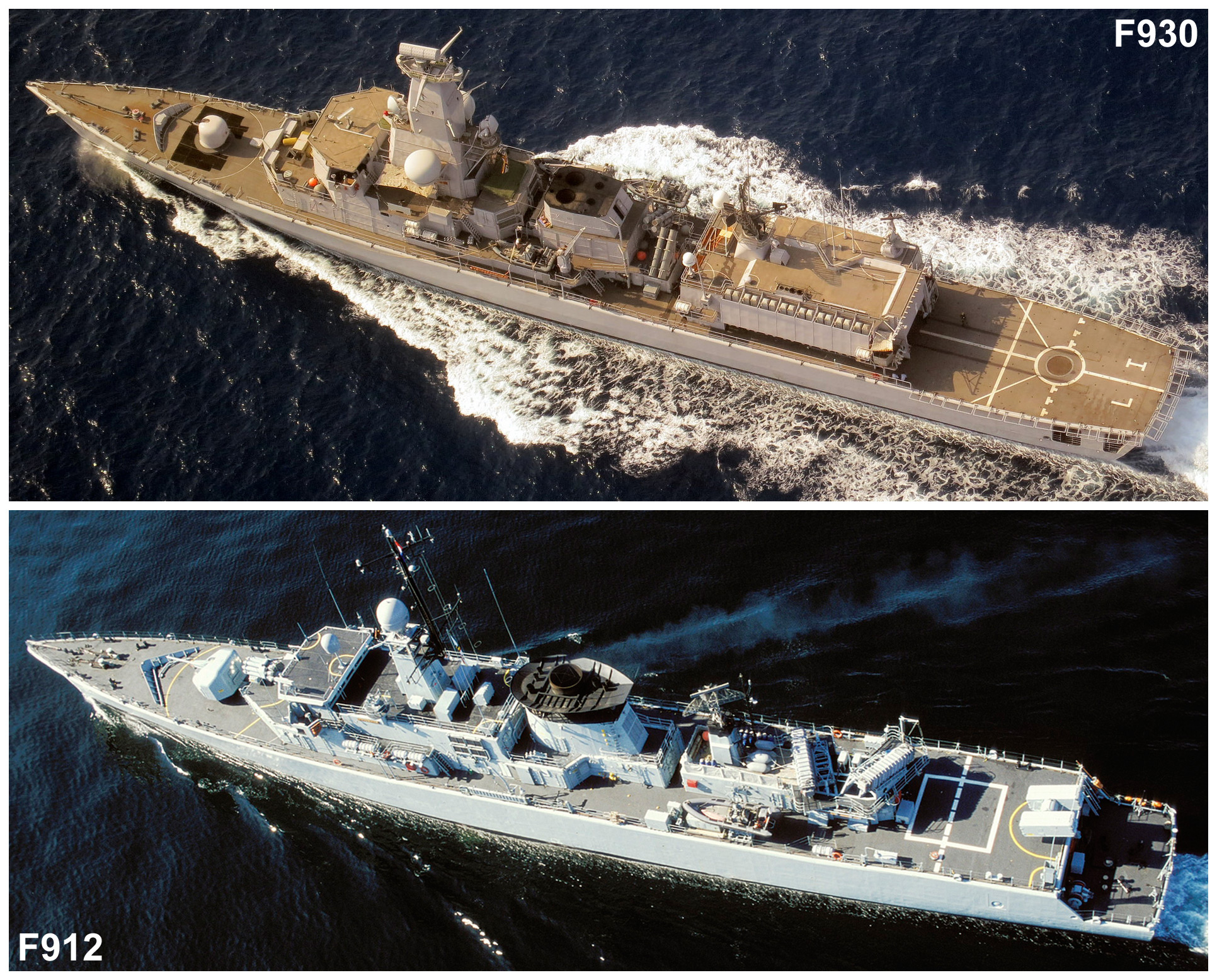
- Karel Doorman & Willem van der Zaan → Belgium (2005 with old fit, renamed BNS F930 Leopold I and BNS F931 Louise-Marie and later modernised.)
- Van Galen & Van Nes → Portugal (2009)
The modernization included SMART-S radar, ESSM SAM, improved combat data systems, and network-centric communication suites. The ships remain operational in NATO service as of the 2020s, showing the enduring success of the M-class design.
Specifications
Initial Fit (1990s)
Specification Detail Displacement 3,300 tons Length 122 m Speed 29 knots Crew ~197 Main Gun 1 × 76 mm Oto Melara Missiles 8 × Harpoon, 16 × Sea Sparrow CIWS 2 × Goalkeeper 30 mm Torpedoes 2 × triple Mk 32 Helicopter 1 × Westland Lynx SH-14 / UH-14 (NL) or 1 × SA.316B Alouette III M-1 (BE) Radar LW-08, DA-08, PHS-36 sonar Modernised Fit (2000s+)
Specification Detail Displacement 3,300 tons Speed 29 knots Crew ~155 Main Gun 76 mm Super Rapid Missiles 8 × Harpoon, 32 × ESSM CIWS 2 × Goalkeeper Helicopter 1 × NH90 NFH (NL and BE) Radar/Sensors SMART-S Mk2 3D radar, advanced sonar, ECM suite The Belgian Navy’s F930 Leopold I is a prime example of the successful modernization and continued operational service of this class into the 2020s.
Place in War Thunder
The Karel Doorman-class could bring the Netherlands’ naval innovation into War Thunder’s blue-water ranks:
- Initial version (1990s): Rank V, balanced Dutch or Belgian frigate with Sea Sparrow, Harpoon, and Lynx/Alouette helicopter.
- Modernised version (2000s): Rank VI, stronger ESSM SAM, SMART-S radar, and improved automation.
They could appear under a BeNeLux subtree, or as NATO-aligned premiums in Benelux or French trees, highlighting Dutch technology and export influence.
Pictures
Images
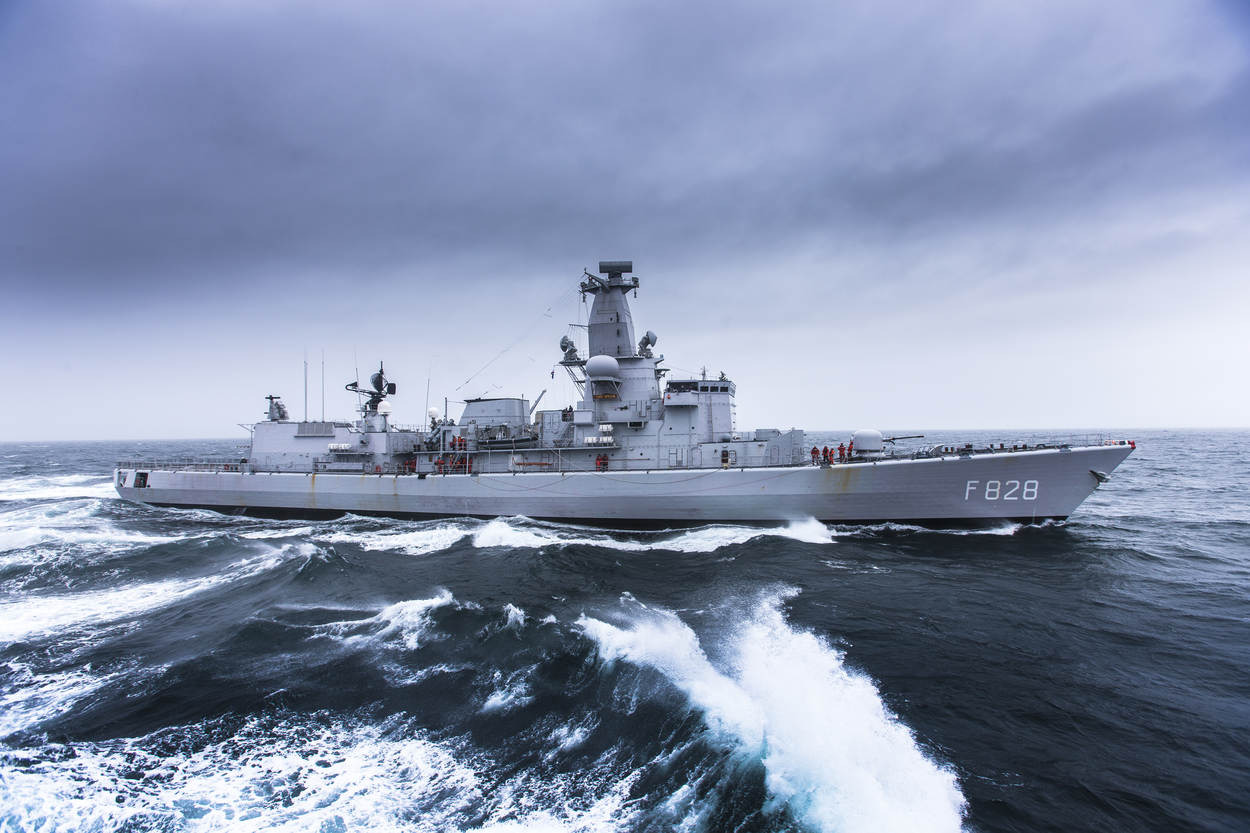
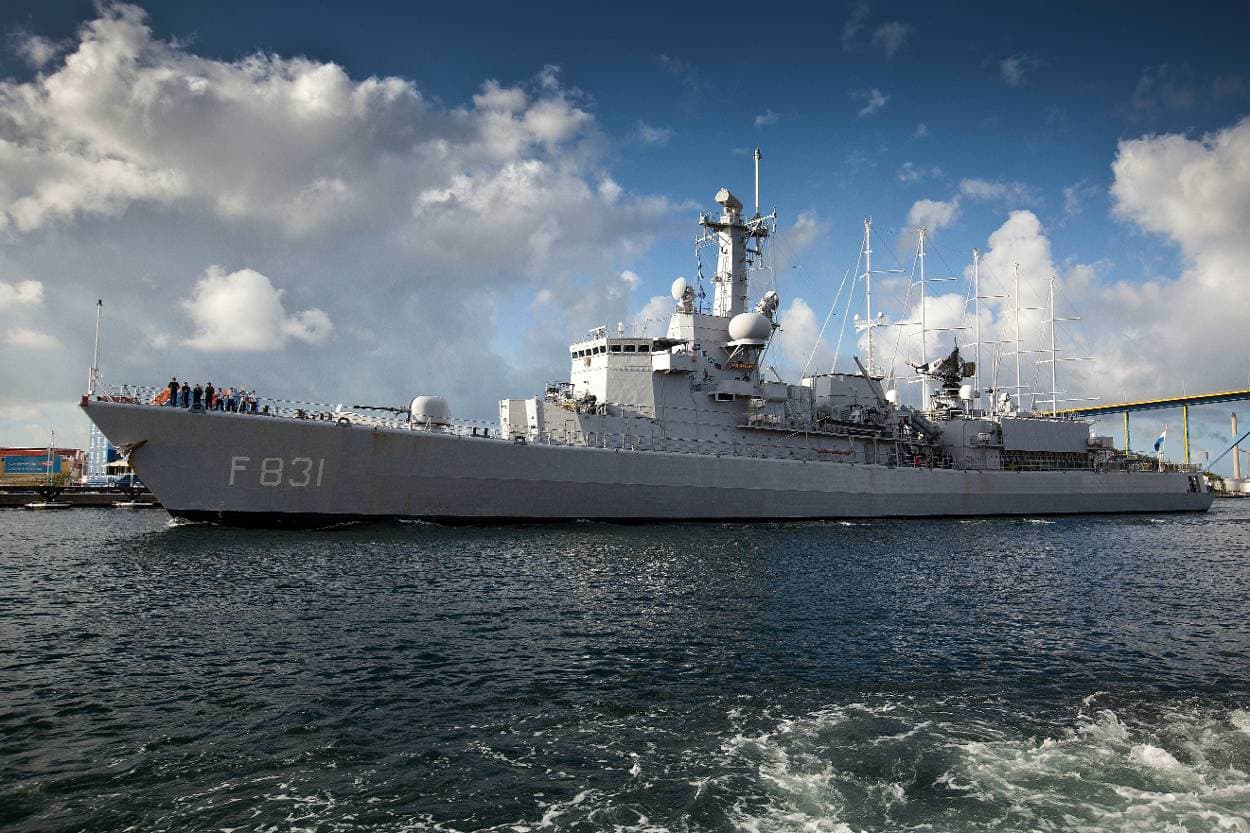
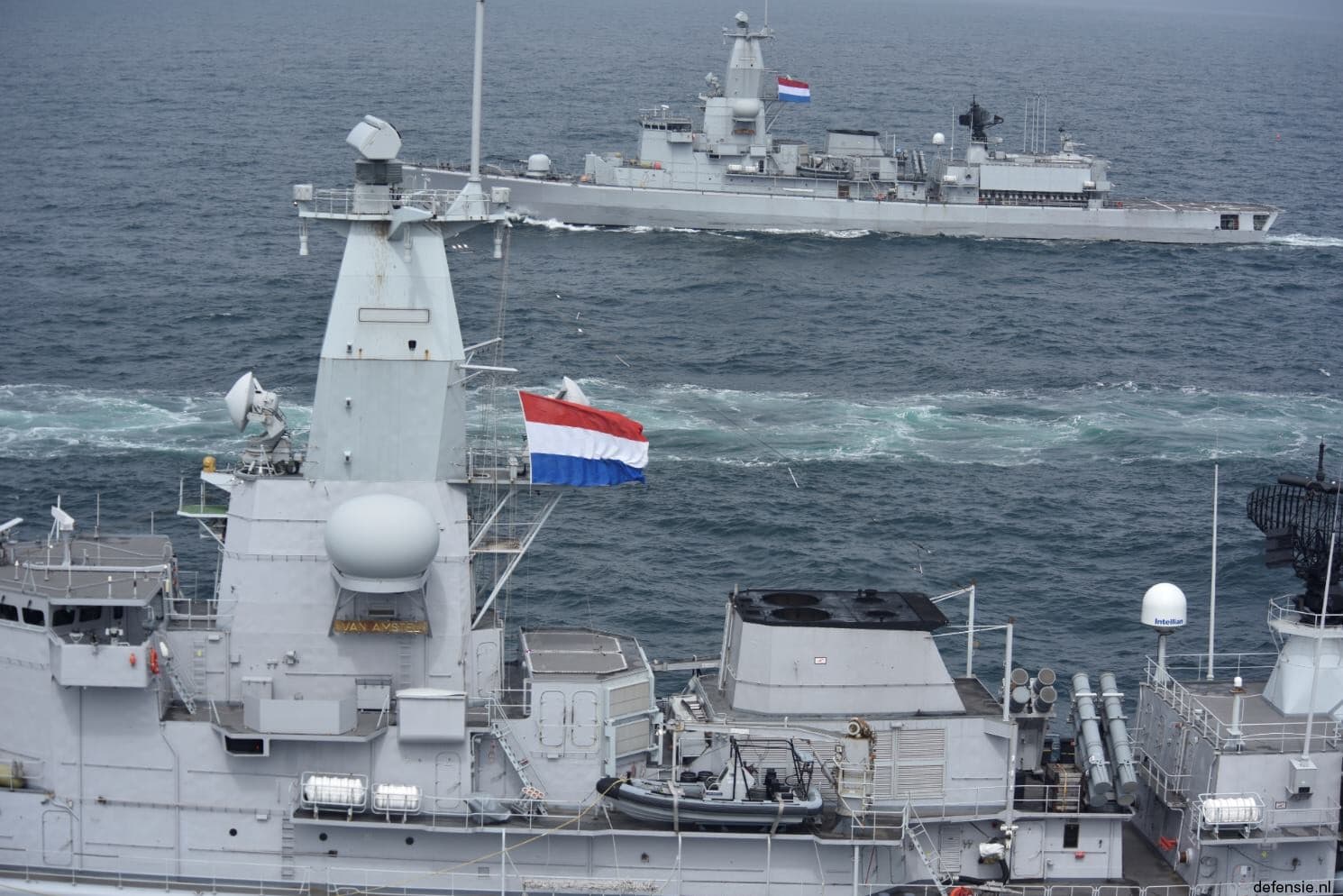
HNLMS Van Amstel with its original mast during a visit to Willemstad in 2012.
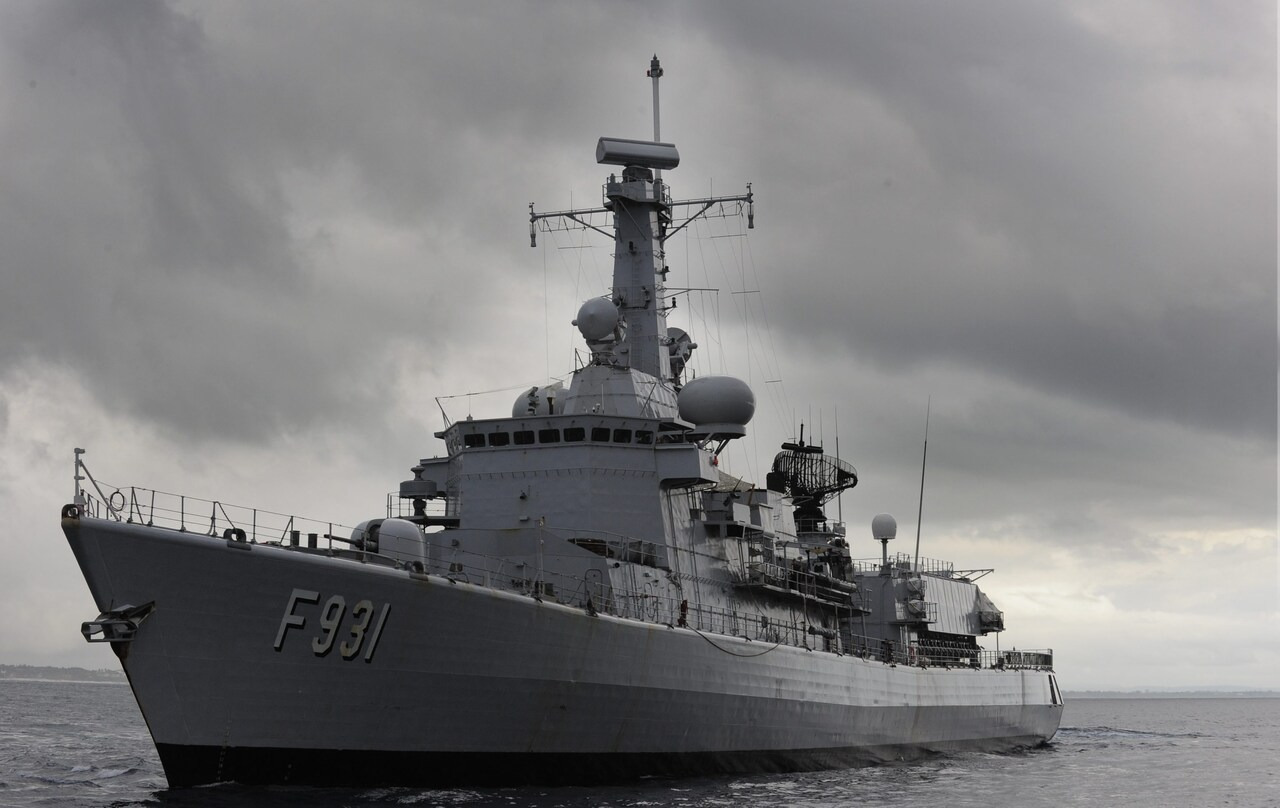
Modernised Belgian M-class frigate Leopold I (F930).
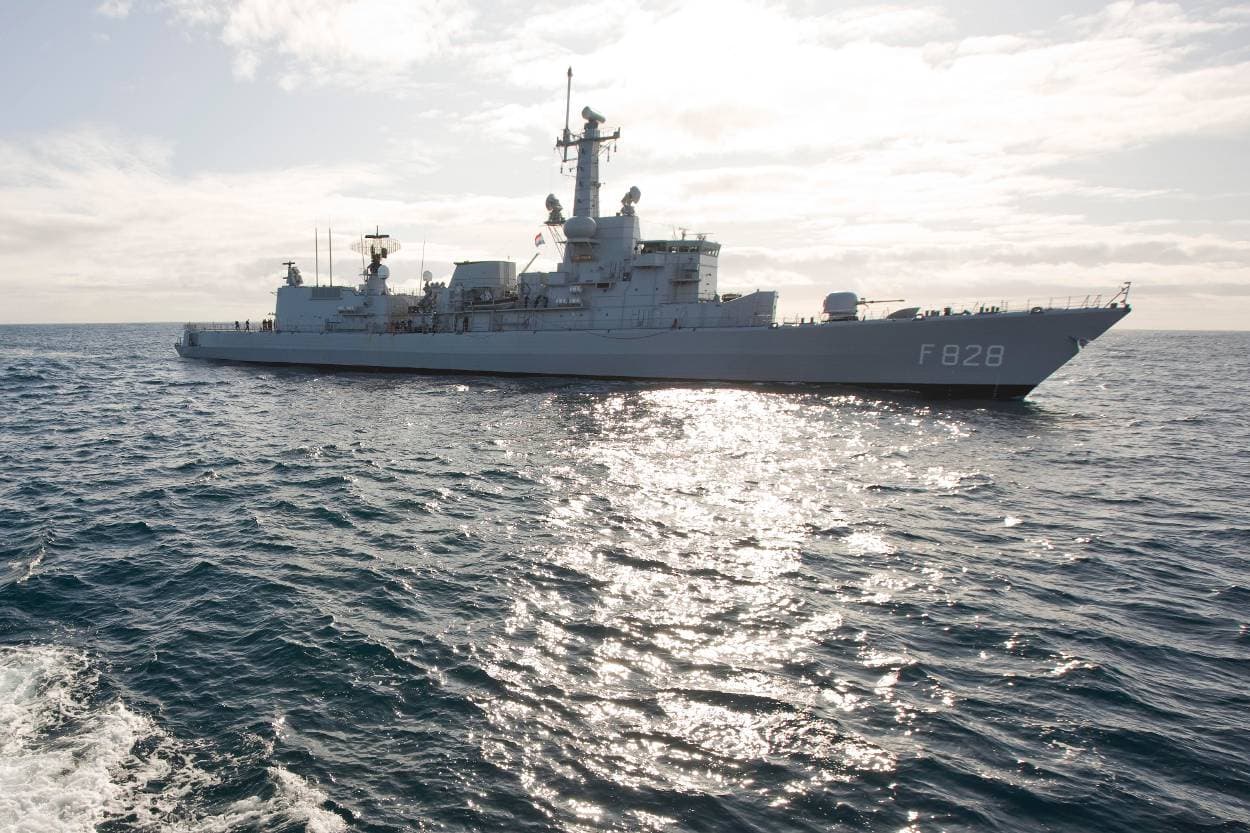
HNLMS Van Speijk at sea with its original mast, 2009.
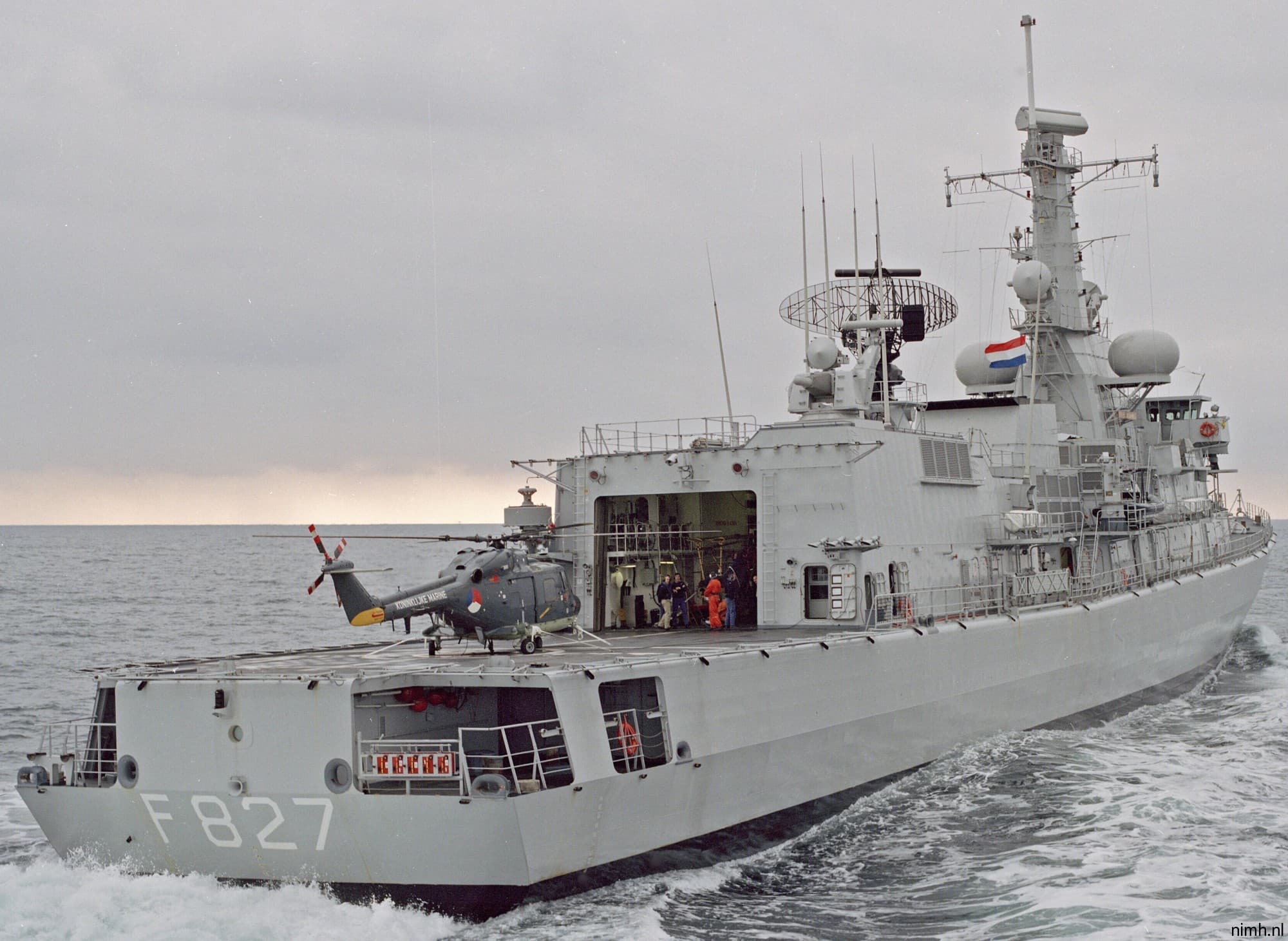
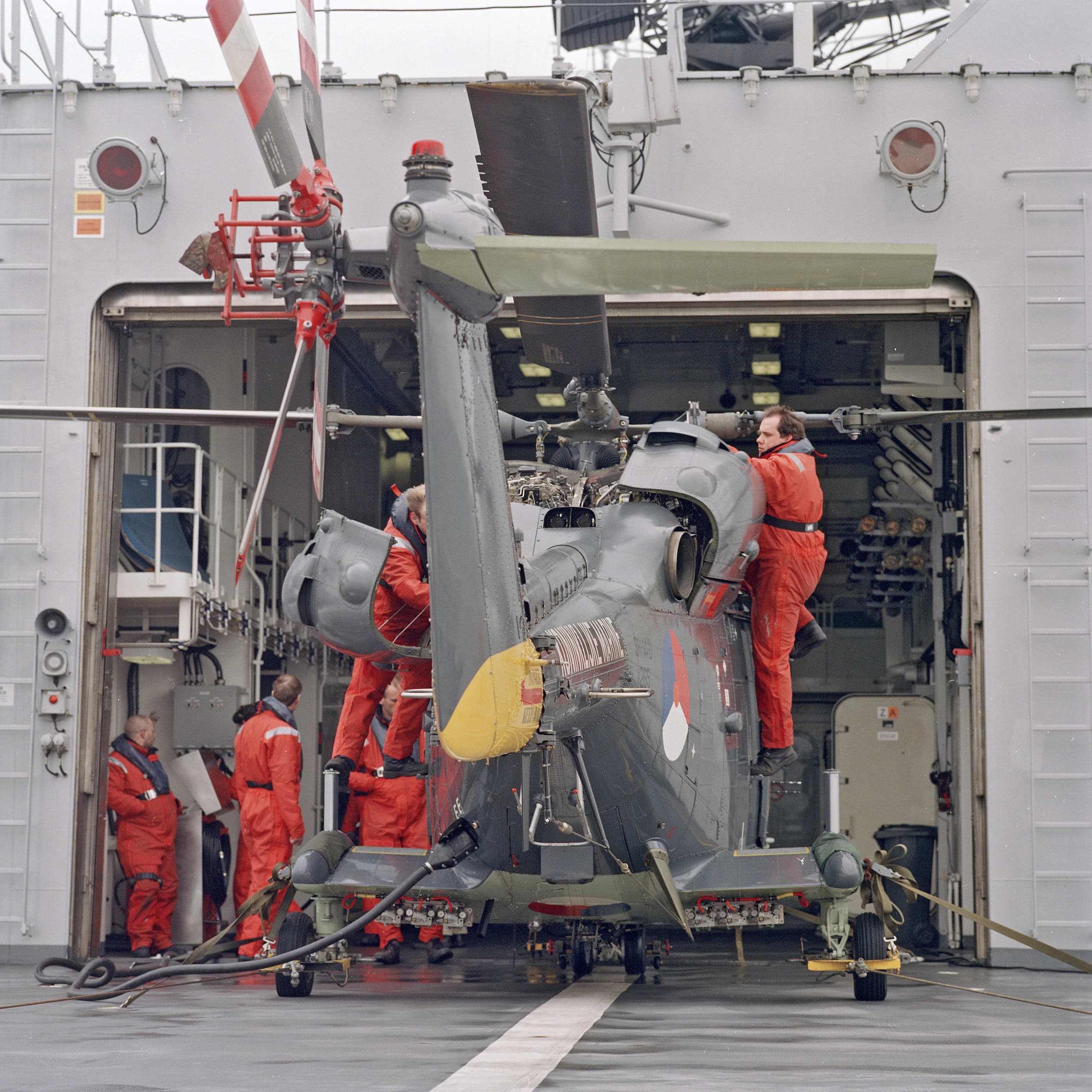
Flight deck with Westland Lynx helicopter.
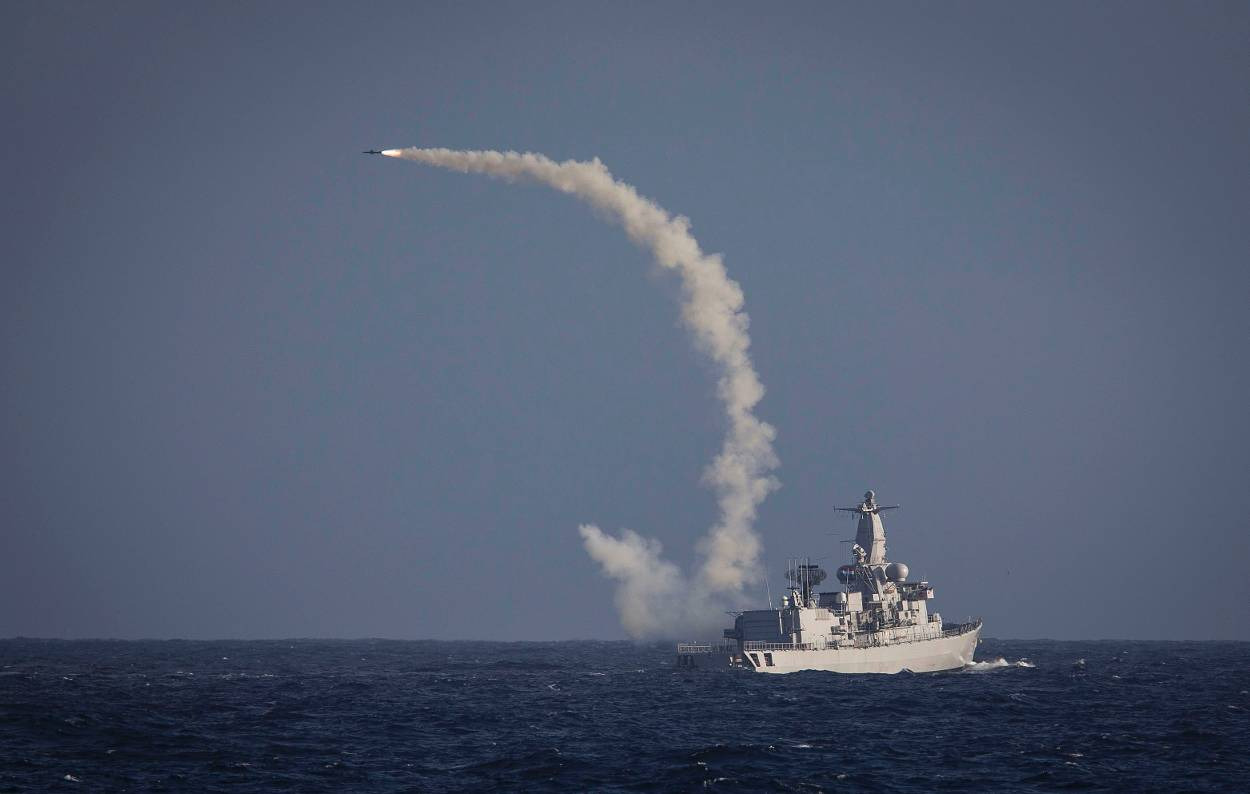
HNLMS Van Speijk fires a NATO Sea Sparrow Missile during an exercise off the coast of Norway, February 2014.
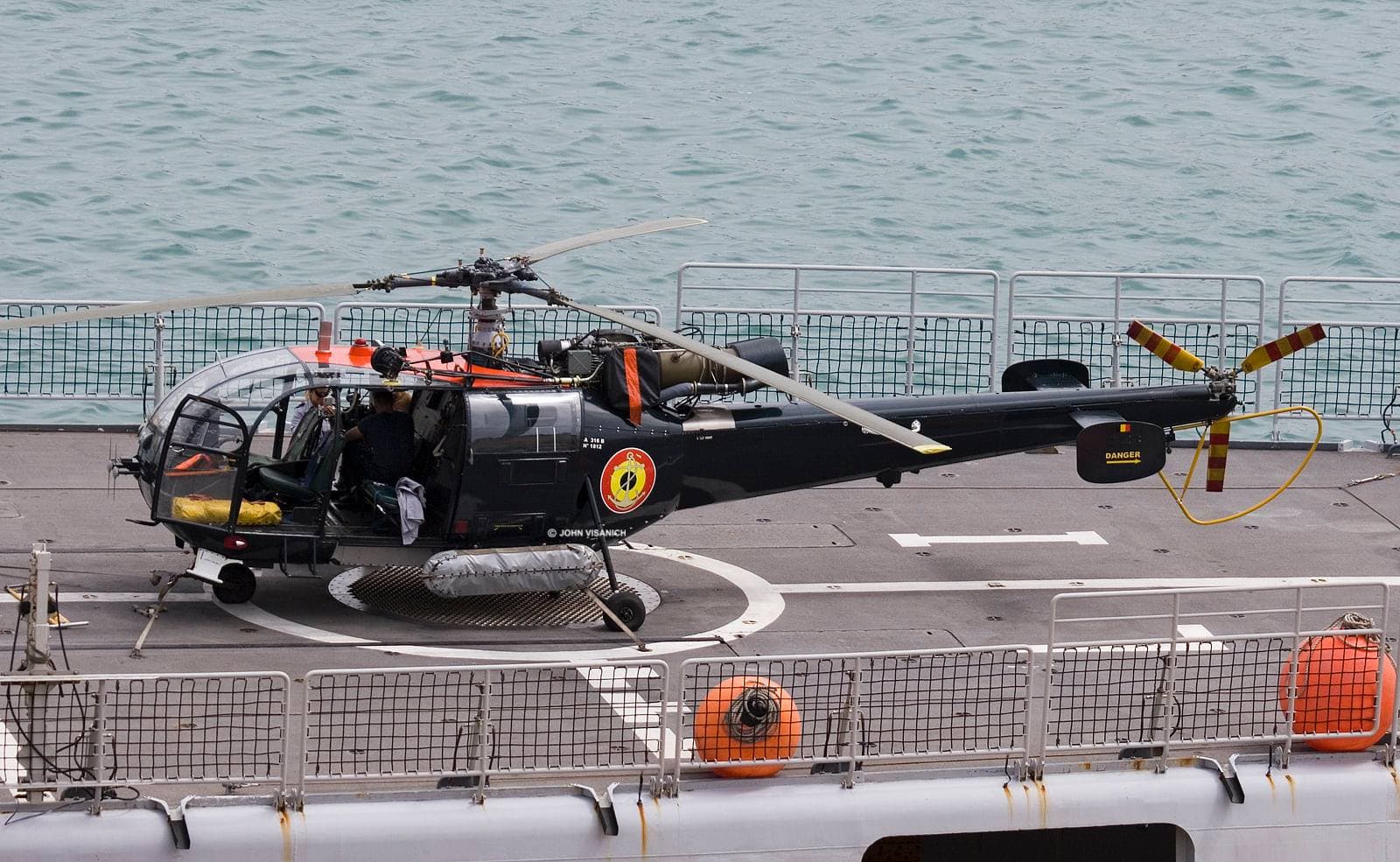
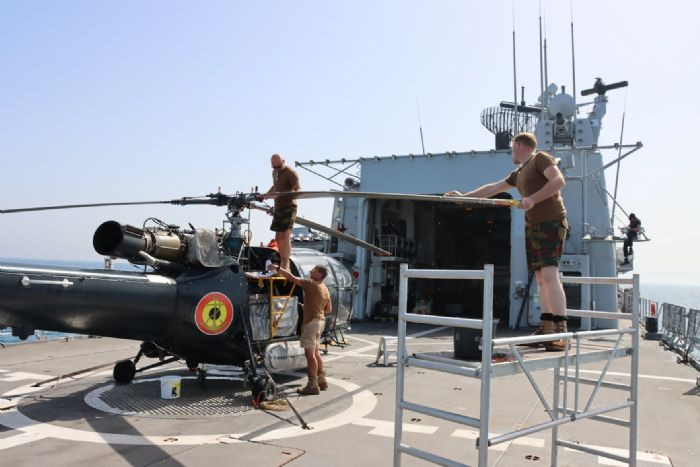
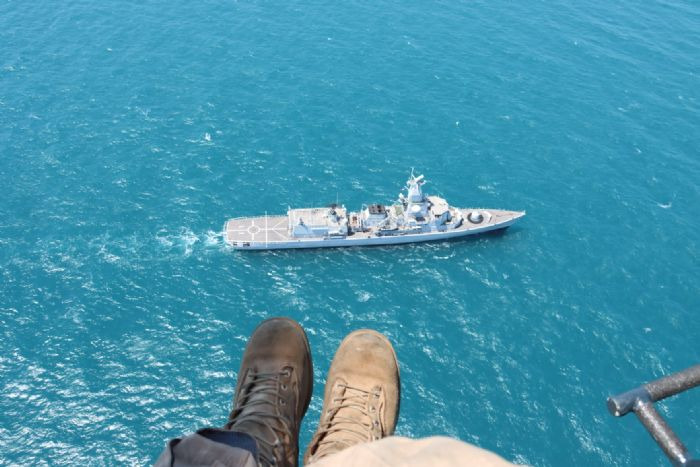
Aerospatiale (Sud Aviation) SA.316B Alouette III M-1 (MSN 1812) of the Marine Component of the Belgian Armed Forces on board the Karel Doorman-class frigate Leopold I (F930) at Malta Grand Harbour on 6 May 2021. The frigate was in port for a few hours for stores and fuel replenishment.
21st of may 2021
Sources
Sources
- Rommelse, G.A. (2008). Export M-fregatten, 1986-1994: De BV Nederland met vallen en opstaan. Militaire Spectator, 177(4), 213-226.
- Ministerie van Defensie. (2004). Studie “Grote Oppervlakteschepen Koninklijke marine” Deelstudie 1 GOSKM: Oppervlaktecombattantenvloot Koninklijke marine.
- Wikipedia. (2023). Karel Doorman-class frigate. https://en.wikipedia.org/wiki/Karel_Doorman-class_frigate
- Naval-Technology. (n.d.). Karel Doorman Class Multi-Purpose Frigates. https://www.naval-technology.com/projects/kareldoorman/
- GlobalSecurity.org. (n.d.). M Frigate / Karel Doorman. https://www.globalsecurity.org/military/world/europe/nl-navy-m-frigate.htm
- Marineschepen.nl – Leopold I (F930) M-fregat (ex-Hr.Ms. Karel Doorman) https://marineschepen.nl/schepen/leopold.html
- Ministerie van Defensie (Defensie.nl) – M-fregatten (Multipurpose-frigatten) https://www.defensie.nl/onderwerpen/materieel/schepen/m-fregatten