Would you like to see ISU-152M in-game?
- Yes
- No
0
voters
Egyptian ISU-152M (Object 241M)
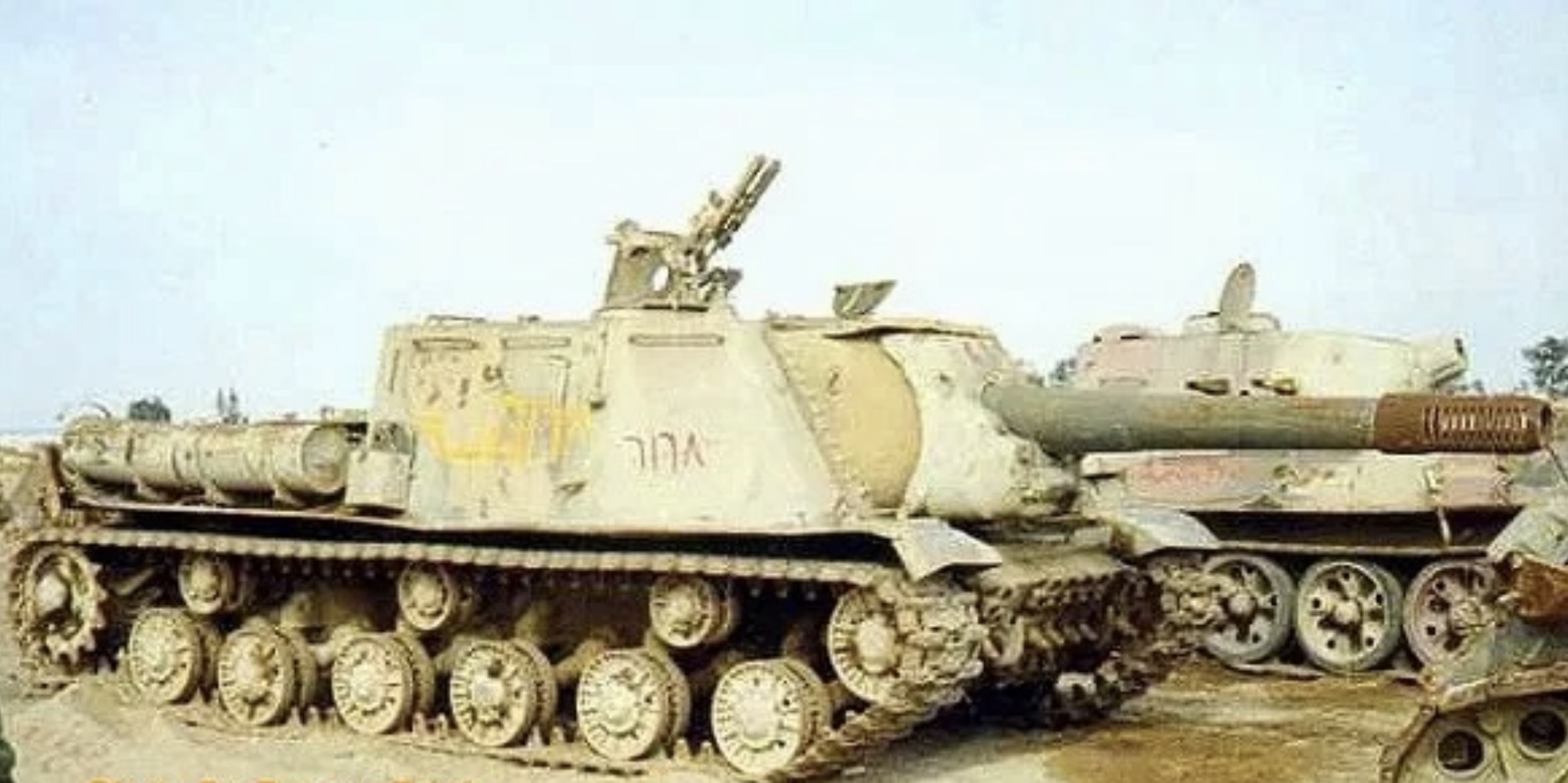
Today I would like to cover the ISU-152M, the final officially designated modernization of the ISU-152. However, because its upgrade package was less extensive than that of the ISU-152K, I believe the ISU-152K should take priority in the Soviet tree. For that reason, I am suggesting the ISU-152M for Egypt instead. Egyptian service is especially interesting because it marked the type’s first major conventional combat use outside the Second World War. Egyptian vehicles also appeared in several distinctive camouflage schemes, giving them some visual variety. The same model also served with Iraq, where at least one example was reportedly destroyed by Coalition forces during the 2003 invasion. This means the ISU-152M remained in use into the 21st century, an impressive service life for a vehicle based on a Second World War design.
The Soviets were reluctant to discard vehicles that still had useful service life remaining, so many surviving Second World War designs were modernized to meet Cold War standards. Unlike most of its contemporaries, however, the ISU-152 received two separate modernization programmes: the extensive ISU-152K and the cheaper, simplified ISU-152M. I have not found a clear explanation for why both programmes existed, although it is possible that funding for the more ambitious ISU-152K was reduced, leading to the adoption of a less expensive modernization package.
Key visual differences of the ISU-152M
Compared with the original ISU-152:
- T-10-derived running gear: the road-wheel hub covers have ten bolts instead of five.
- Revised tracks: most vehicles received newer tracks, although some retained their original wartime tracks.
- Twin headlights: two headlights (sometimes inside a protective cage) replaced the original single headlight.
- Rearranged equipment: the pioneer tools were relocated, and a recovery log was added.
- Fuel: 200 L fuel drum mounts were added (the original 4 drums remained in the same position)
- Engine: Improved 520 HP V-54K was installed
- Auxiliary oil tank mounted on top of the front right mudguard
- MZA-3 filling unit mounted in a fuel-pump box on top of the front left mudguard
- Two green front marker lights were fitted near the outer edges of the hull
Compared with the ISU-152K:
- The K received a revised casemate-roof and hatch arrangement.
- The K had redesigned fenders and mudguards.
- Large equipment boxes were added to the sides of the hull on the K.
- Ring or collar fitted around the gun barrel near the mantlet on the K.
- The engine-deck layout was altered on the K due to the differences in cooling
- The original 4 drums changed layout on the K to make way for the equipment boxes.

P.S The ISU-152M was capable of firing the post-war 53-BP-540 HEAT projectile using the 3VBП2 round and 4Zh6 propelling charge. However, its documented issue to Egyptian ISU-152 units has not yet been confirmed.
History
Spoiler
The ISU-152 entered production in late 1943 as a heavily armoured assault gun based on the IS tank chassis. Armed with the powerful 152 mm ML-20S gun-howitzer, it was used to destroy fortifications, support infantry and engage enemy armour during the final years of the Second World War. Large numbers remained in service after the war, eventually leading to the later ISU-152K and ISU-152M modernization programmes. The ISU-152M, factory designation Object 241M, was introduced in 1959 as the second major post-war modernization of the ISU-152. Rather than building new vehicles, the programme rebuilt surviving wartime machines using components from the modernized IS-2M, along with improved running gear, night-driving equipment and other mechanical updates. Although less extensive than the ISU-152K conversion, it extended the service life of the ageing assault guns and allowed them to remain in Soviet service into the 1980s and go for export.
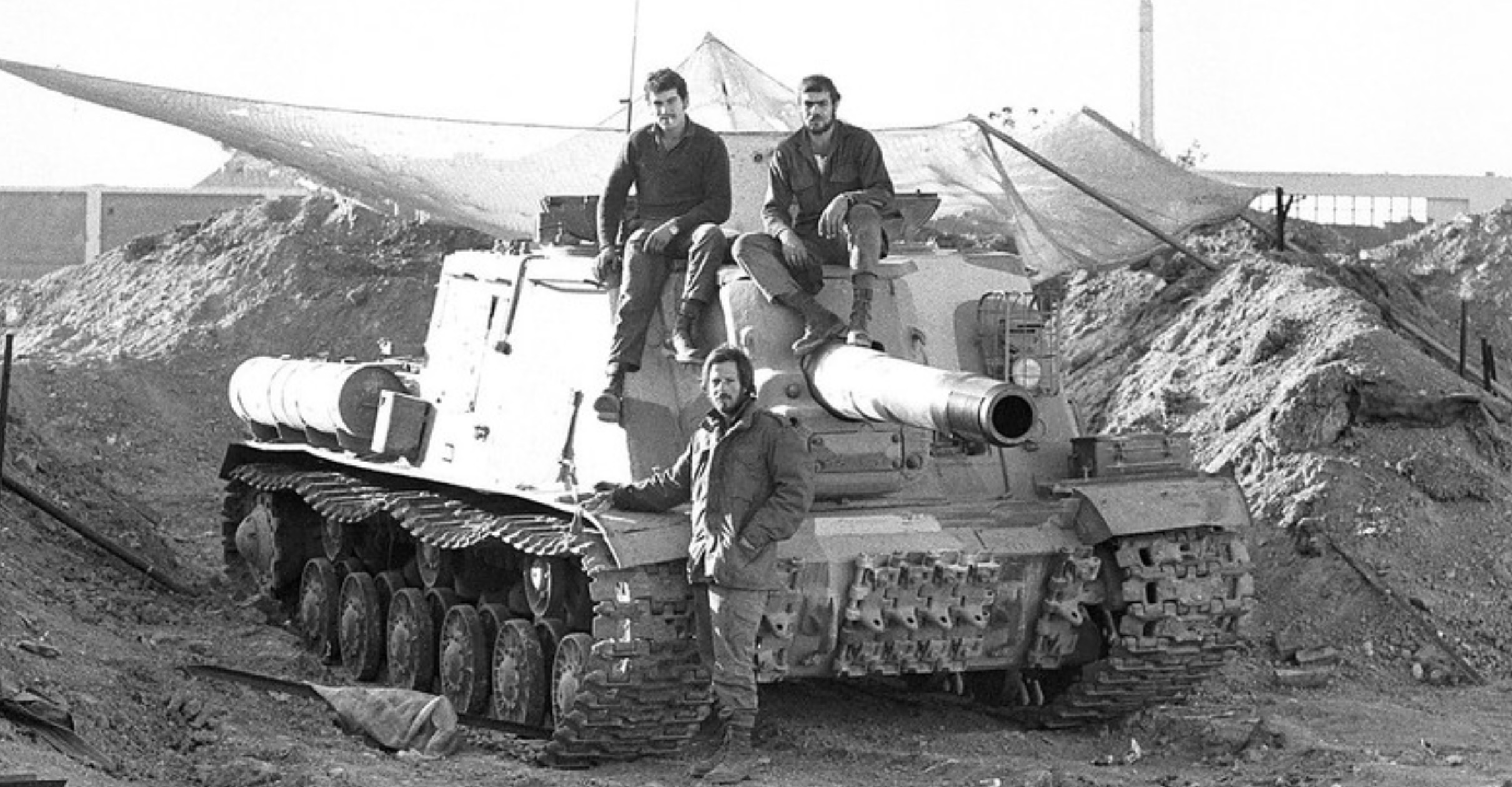
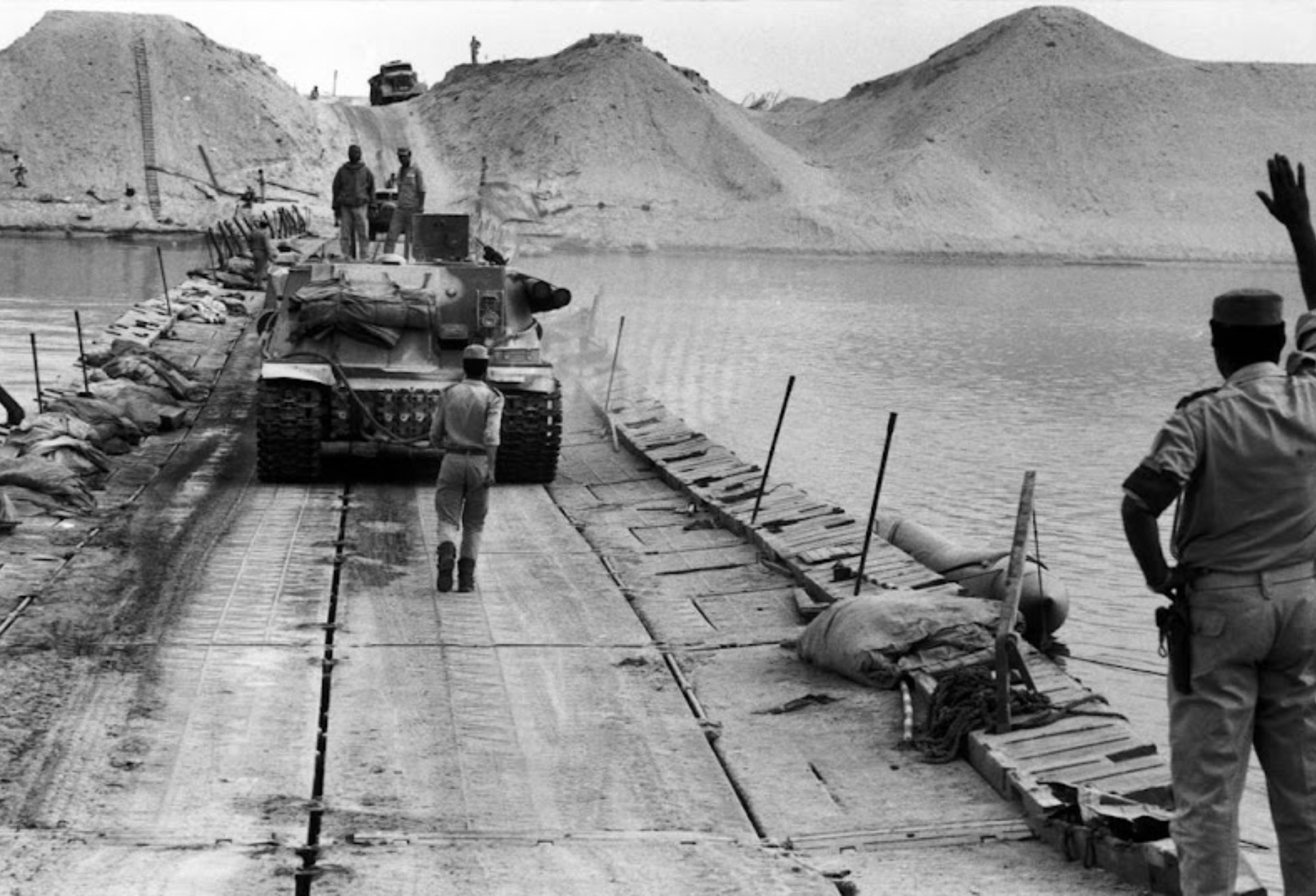
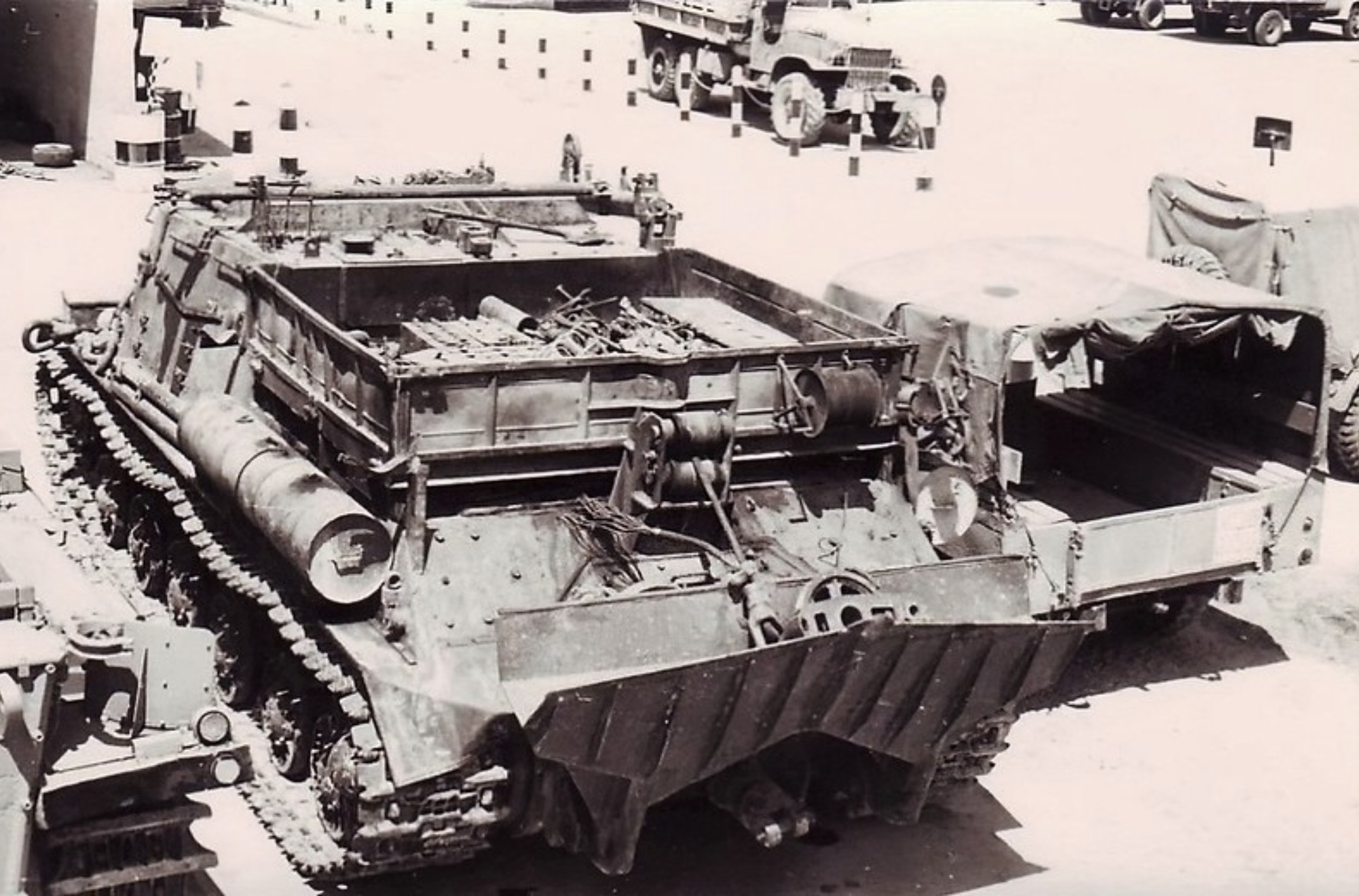
Egypt received approximately 40 ISU-152M heavy self-propelled guns in 1962, enough to equip roughly one regiment, together with a small number of BTT-1 recovery vehicles based on the same chassis. The ISU-152s saw combat during the 1967 Six-Day War, when several were captured by Israeli forces in Sinai. Israel did not adopt them into service, although at least one captured vehicle is now preserved at Yad La-Shiryon. The surviving vehicles remained in Egyptian service during the 1973 Yom Kippur War. Some were still used as mobile self-propelled guns, while others were dug into prepared positions along the western bank of the Suez Canal after their engines had become worn out. Their exact unit organization and individual combat record remain poorly documented, but the available evidence shows that Egypt continued using them both as mobile assault guns and as fixed defensive weapons in both wars.
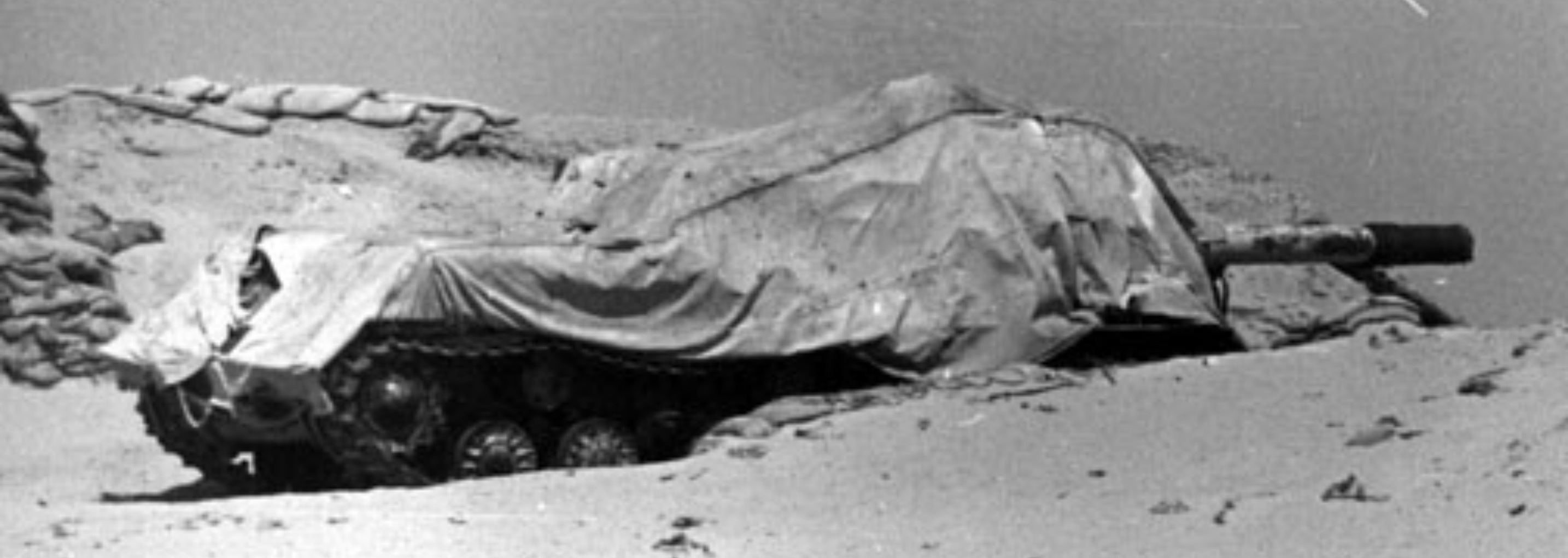
With a maximum indirect-fire range of roughly 13 kilometres, the ISU-152 was well suited to bombarding fortifications and prepared positions, making its use against the Bar-Lev Line and other Israeli positions entirely logical. The continued Israeli use of M4 Shermans also meant that its 152 mm gun remained potentially effective in the anti-armour role. Considering the damage it had inflicted on Panthers and other heavy German vehicles during the Second World War, a direct hit could likely have disabled almost any tank then in Israeli service. Its main weaknesses were mobility, rate of fire and mechanical reliability. In the Sinai climate, Egyptian ISU-152s may also have suffered from overheating and poor maintenance, much like the Egyptian IS-3Ms. These problems were probably made worse by poor crew training, limiting the vehicle’s usefulness in fast-moving armoured combat despite the enormous destructive power of its gun.
ISU-152M In-Depth
Spoiler
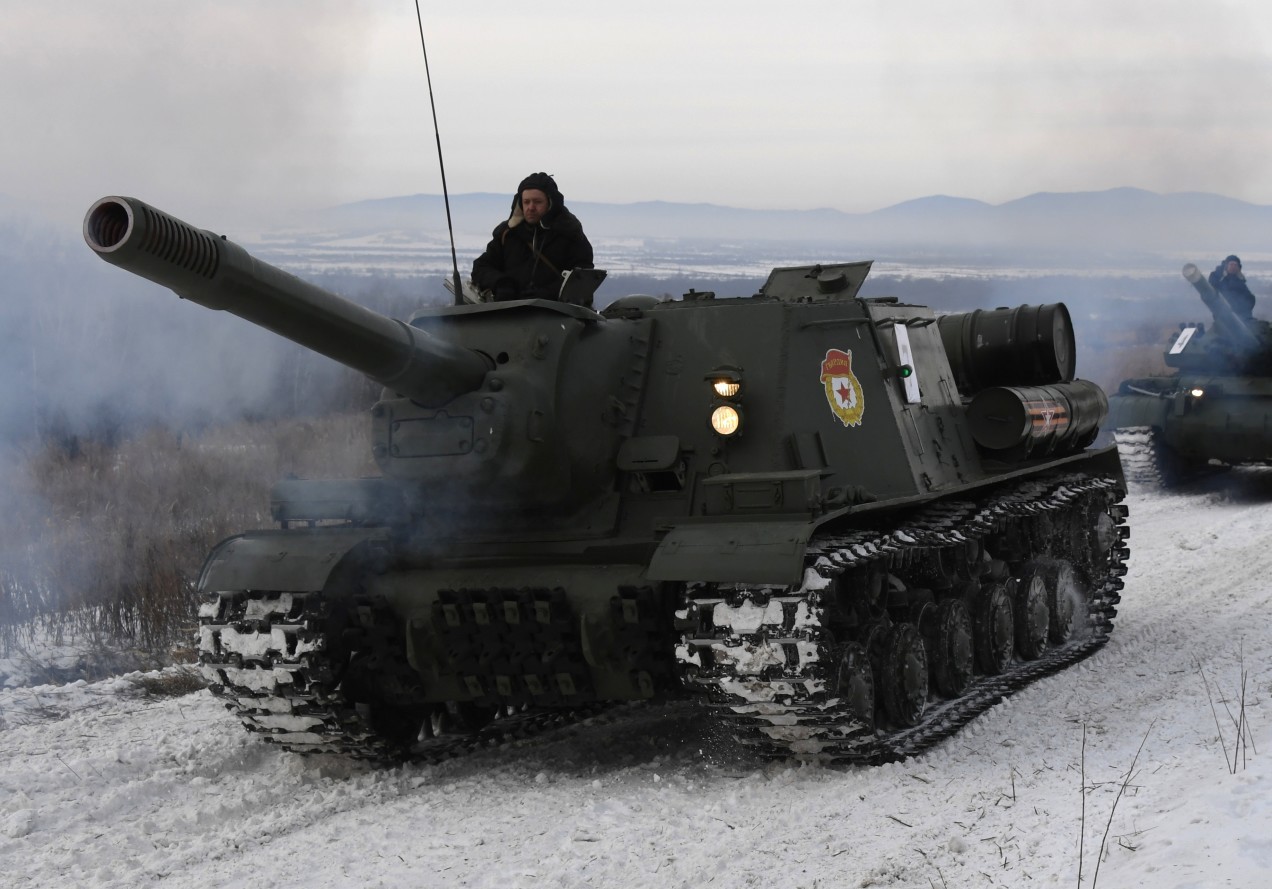
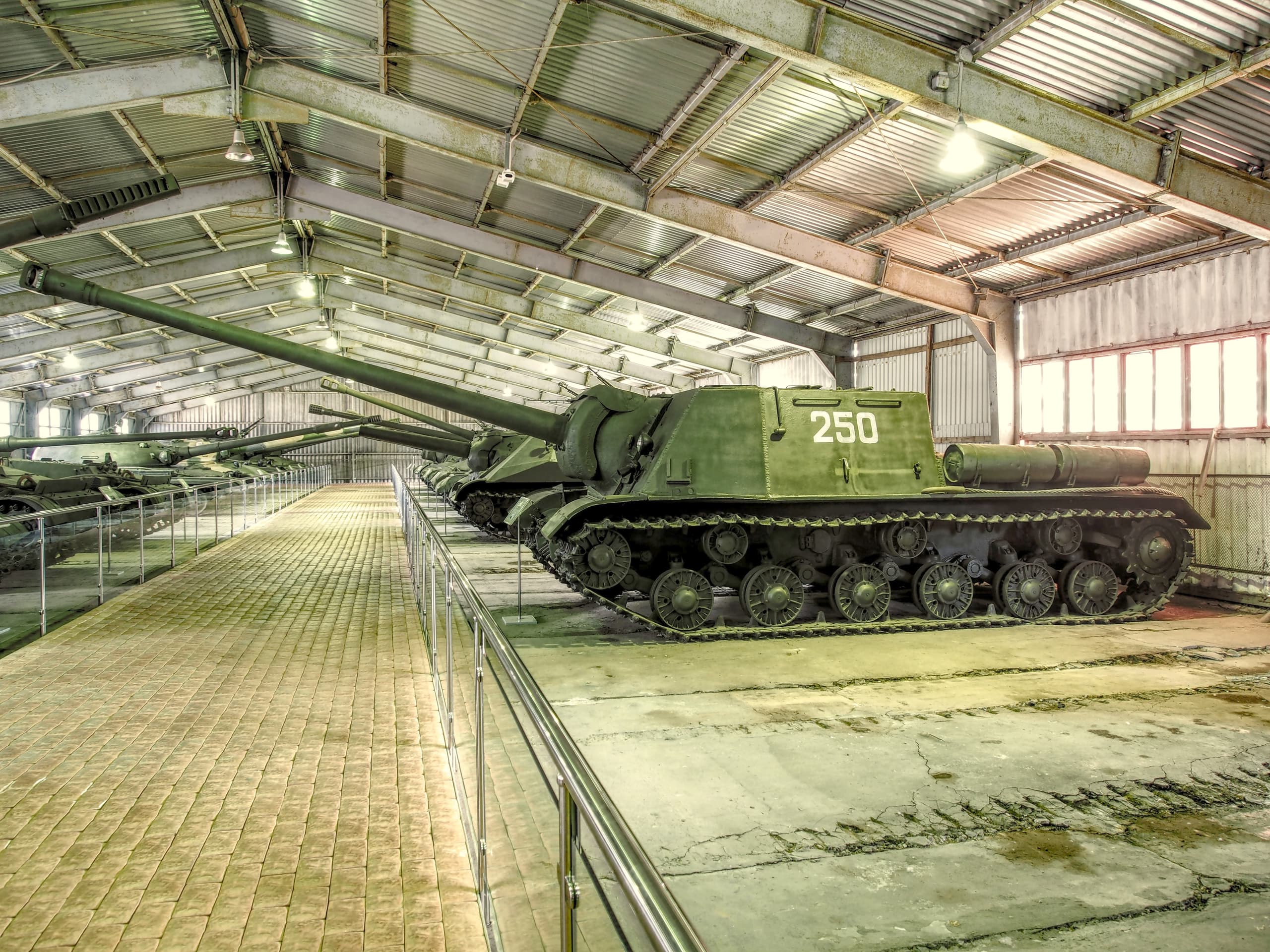
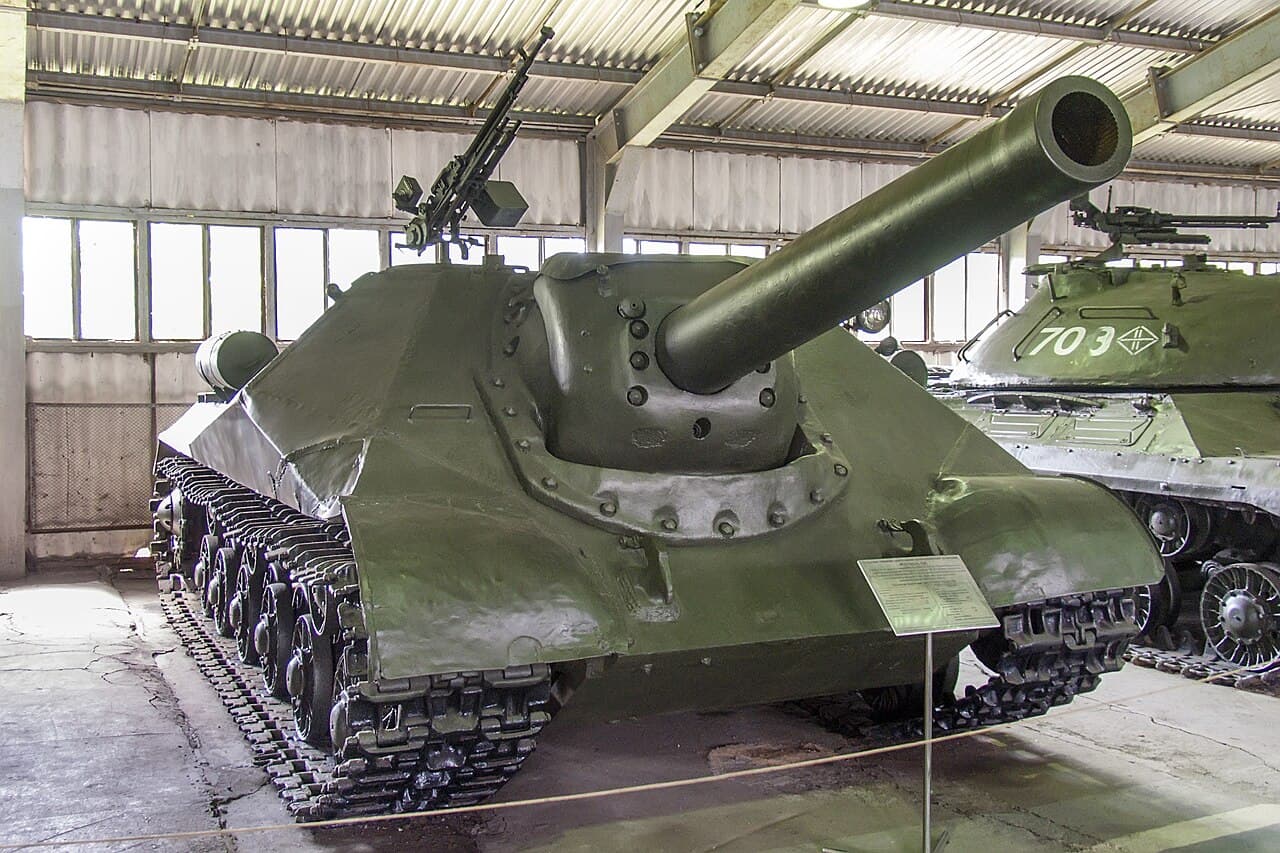
Although the ISU-152M retained the original vehicle’s hull, casemate and 152 mm ML-20S gun-howitzer, it received a number of mechanical and external changes intended to extend its service life.
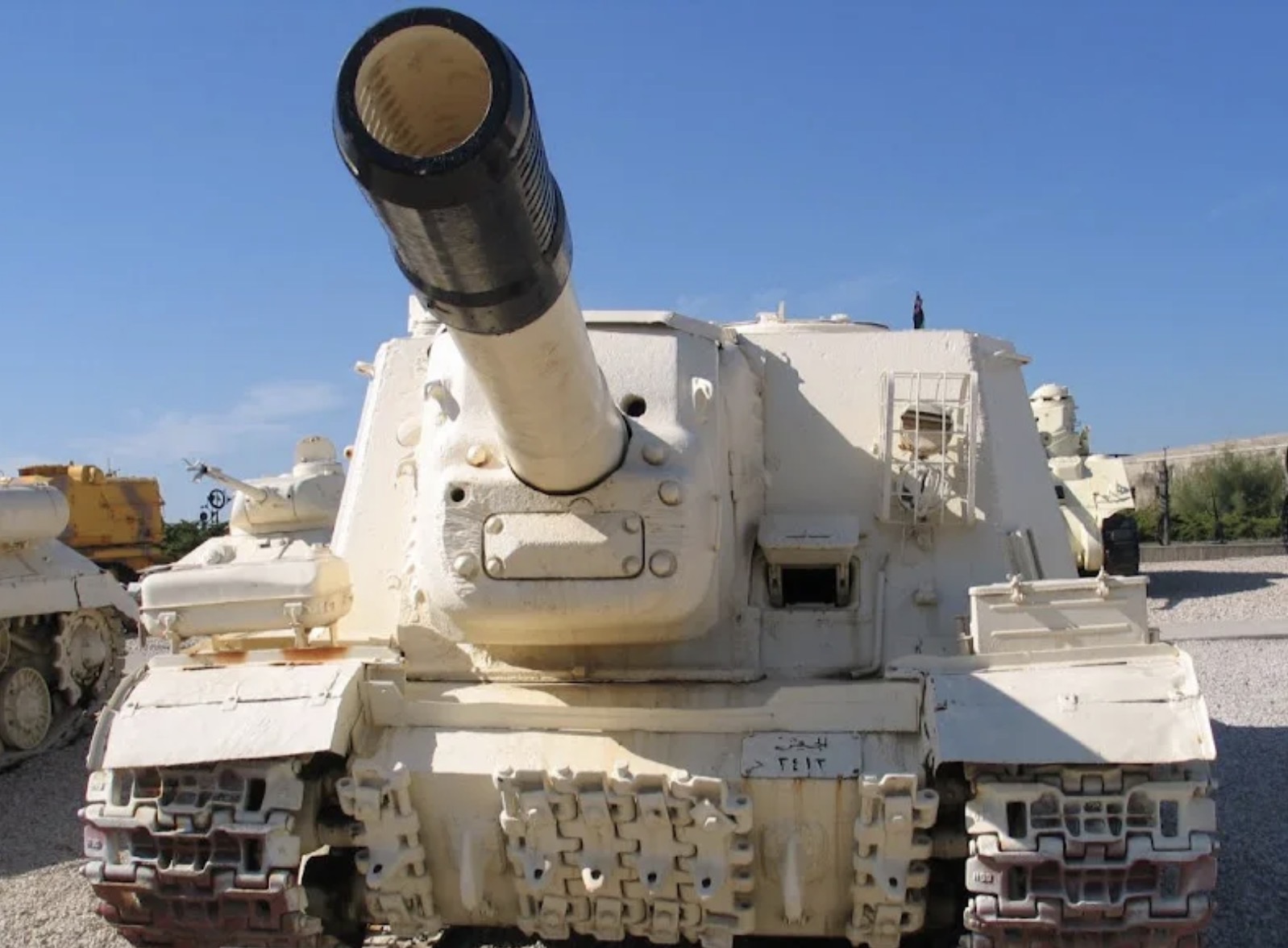
One of the clearest identifiers is the revised running gear, particularly the road-wheel hub covers with ten bolts instead of five. Most vehicles also received newer tracks, although some examples appear to have retained the wartime pattern. The pioneer tools were rearranged and a recovery log was mounted on the either the side or on top of the engine bay. Mounts for additional 200 L rear fuel drums were added at the rear. An MZA-3 filling unit was added to pump fuel from external sources, including the two 200-litre drums carried at the rear. The unit was housed in a box mounted on the front-left mudguard. An auxiliary oil tank was fitted in a corresponding position on the front-right mudguard. Two BDSh smoke canisters could also be carried below the 200 L fuel drums for laying a smoke screen. The driver received a removable BVN night-vision device. The front lighting arrangement was changed to assist him during nighttime maneuvers. The original ISU-152’s single driving headlight was replaced by two headlights mounted above the driver’s position inside a protective cage. One headlight was fitted with a blackout cover, while the other used an infrared filter. This arrangement was not universal, however, and the exact lighting setup varied between vehicles. Some vehicles were equipped a protective cage around the headlights. Two green front marker lights (габаритные фонари) were fitted near the outer edges of the hull, allowing the tank’s width and position to be identified during nighttime movement. Later vehicles used the small GST-64-type lamps with green filters.
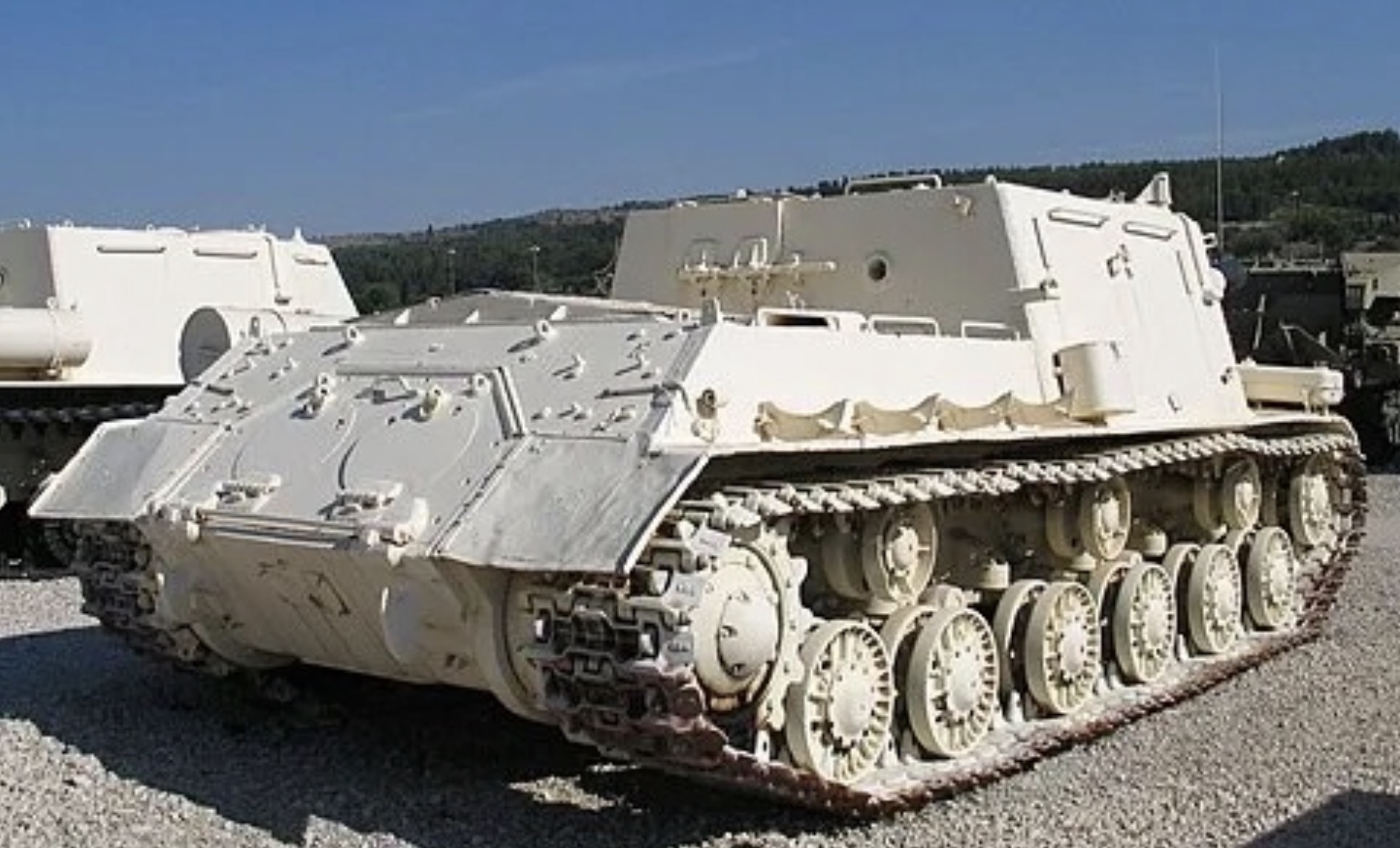
Internally, the ISU-152M was fitted with the 520 hp V-54K-IS diesel engine, together with a new heating system to make starting easier in cold weather. The ISU-152M retained a conventional fan-assisted cooling system. A mechanically driven centrifugal fan in the transmission compartment drew air through the radiators, broadly continuing the arrangement used on the original ISU-152 and the IS-2M. Its fuel system consisted of three internal tanks holding a combined 560 L and four interconnected external tanks holding another 360 L. Unlike simple auxiliary drums, these external tanks were connected directly to the vehicle’s fuel system through a distribution valve.
The ISU-152M retained the original casemate structure, although some vehicles received a replacement roof with T-10-type hatch covers. This alteration was not universal, and many ISU-152Ms continued to use the original wartime roof and hatch arrangement. The modernization therefore did not change the shape or armour of the casemate itself. Communications were modernized with an R-113 radio and R-120 tank intercom.
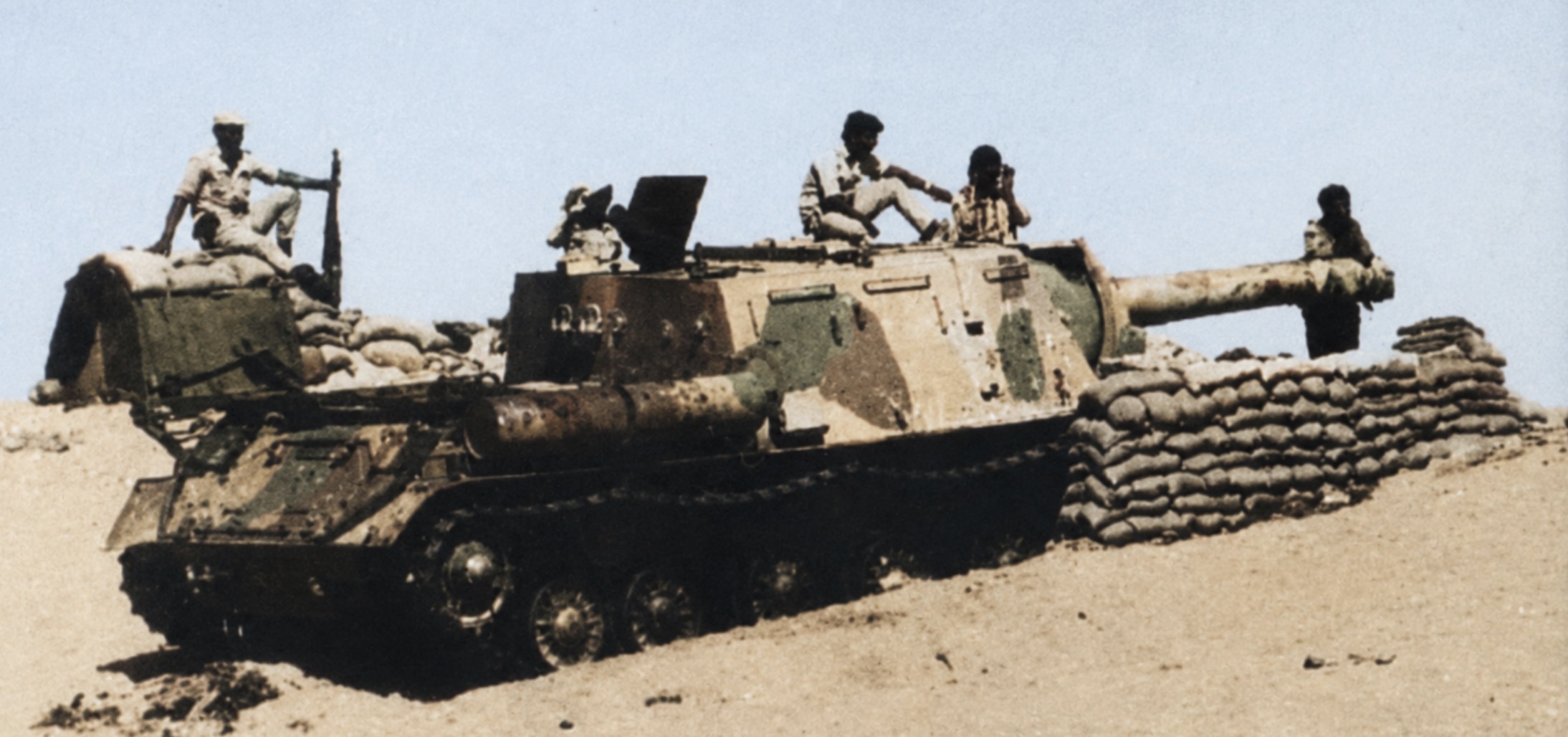
The Egyptian vehicles came with nearly all of the primary modernization features described above, with the notable exception of the rear-mounted 200-litre fuel drums and THE LOG. They also do not appear to have carried the BDSh smoke canisters, although this was hardly unusual, as these were rarely fitted in actual service in any nation. For gameplay purposes, however, the smoke canisters could still be modelled as an optional feature. The ammunition load and armour protection remained unchanged. It was the ISU-152K that received a larger ammunition capacity and a few minor armour improvements. From a gameplay perspective, the main difference between the base ISU-152 already in the game and the ISU-152M would therefore be its improved mobility, thanks to the more powerful engine. The ISU-152M was capable of firing the post-war 53-BP-540 HEAT projectile using the 3VBП2 round and 4Zh6 propelling charge. However, its documented issue to Egyptian ISU-152 units has not yet been confirmed. It could also receive better optics, although that would depend on whether Gaijin even chooses to represent them.
Specifications
Spoiler
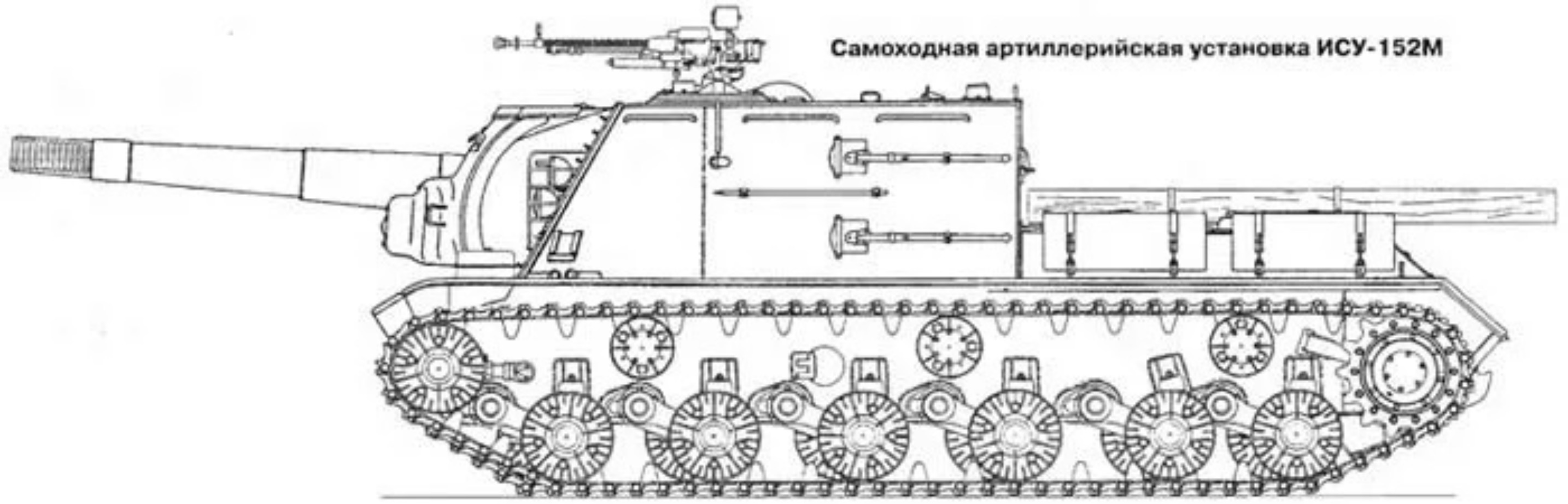
- Official designation: ISU-152M
- Factory designation: Object 241M
- Year introduced: 1959
- Crew: 5
- Combat weight: approximately 46 tonnes
Dimensions
- Overall length with gun: approximately 9.05 m
- Hull length: approximately 6.77 m
- Width: 3.07 m
- Height: 2.48 m
- Ground clearance: 0.47 m
Armament
- Main gun: 152.4 mm ML-20S Model 1937/43 gun-howitzer
- Ammunition: 20 separately loaded rounds
- Secondary armament: 12.7 mm DShKM heavy machine gun
- Machine-gun ammunition: 250 rounds
- Rate of fire: approximately 2–3 rounds per minute
- Vertical guidance: −3° to +20°
- Horizontal traverse: 10° total
- Maximum indirect-fire range: approximately 13,000 m
- Maximum listed direct-fire sighting range: approximately 6,200 m
Unlike the ISU-152K, the ISU-152M retained the original ammunition capacity of around 20 rounds rather than receiving enlarged 30-round stowage.
Ammunition
The ML-20S could fire several types of ammunition, including:
- BR-540: armour-piercing high-explosive, approximately 48.8 kg, 600 m/s
- BR-540B: blunt-nosed armour-piercing projectile with ballistic cap
- OF-540: high-explosive fragmentation, approximately 43.6 kg, 655 m/s
- O-530A: fragmentation shell
- BP-540: post-war HEAT projectile
Mobility
- Engine: V-54K-IS, V-12 liquid-cooled diesel
- Power: 520 hp
- Power-to-weight ratio: approximately 11.3 hp/t
- Maximum road speed: 40 km/h
- Cross-country speed: approximately 18–20 km/h
- Road range: approximately 400–500 km
- Track width: 650 mm
- Suspension: individual torsion bars
The vehicle carried 560 litres in three internal tanks and 360 litres in four interconnected external tanks, giving 920 litres in the normal fuel system. Two additional 200-litre drums could be carried at the rear and their contents transferred using the MZA-3 filling unit.
Armour
Armour protection remained essentially unchanged from the late-production ISU-152:
- Casemate front: 90 mm
- Upper hull front: 60 mm
- Lower hull front: 90 mm
- Gun mantlet: approximately 100 mm
- Casemate sides: approximately 75 mm
- Casemate rear: 60 mm
- Roof: 30 mm
- Floor: 20 mm
Observation and communications
- Driver’s night-vision device: BVN
- Commander’s observation device: TPK-1
- Gunner’s observation device: MK-4
- Direct-fire sight: ST-10
- Indirect-fire sight: Hertz panoramic sight
- Radio: R-113
- Intercom: R-120
The vehicle could also carry two BDSh smoke canisters, although these were rarely seen fitted to Egyptian vehicles.