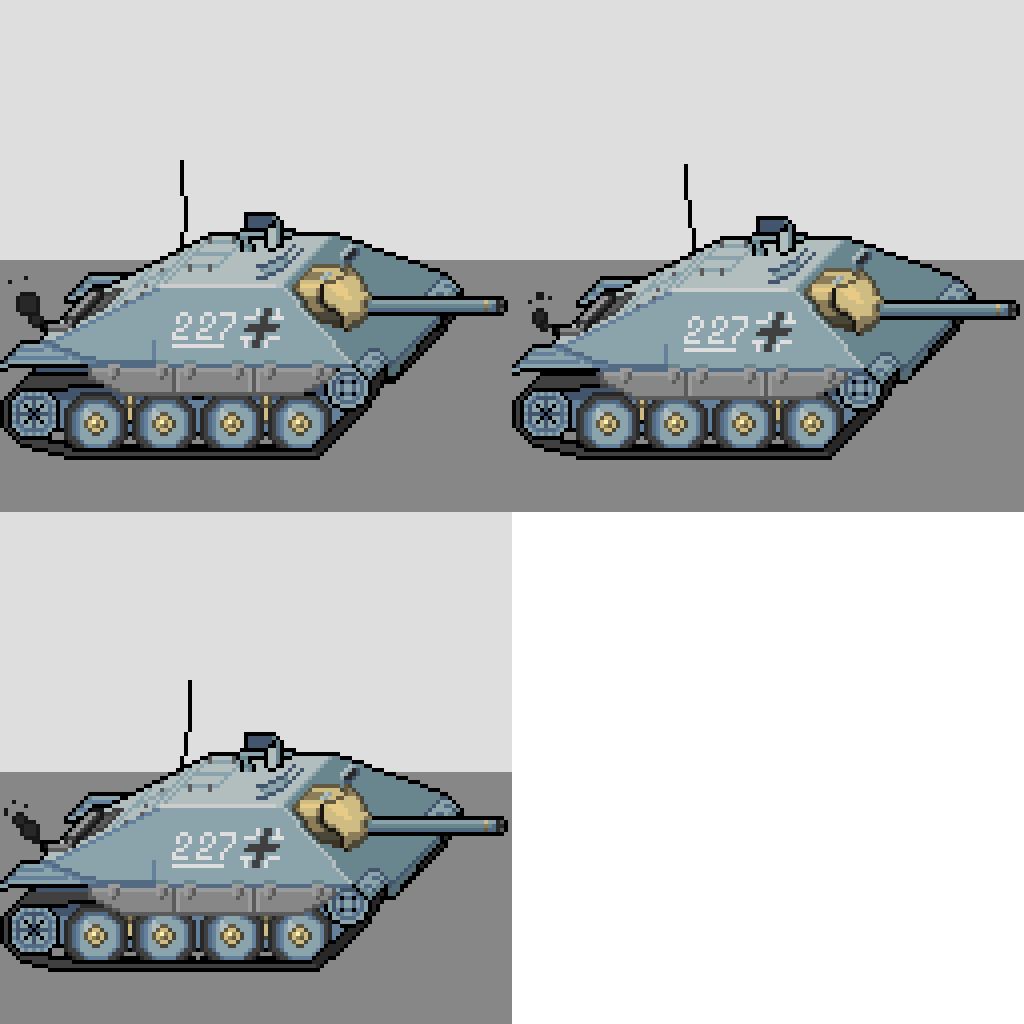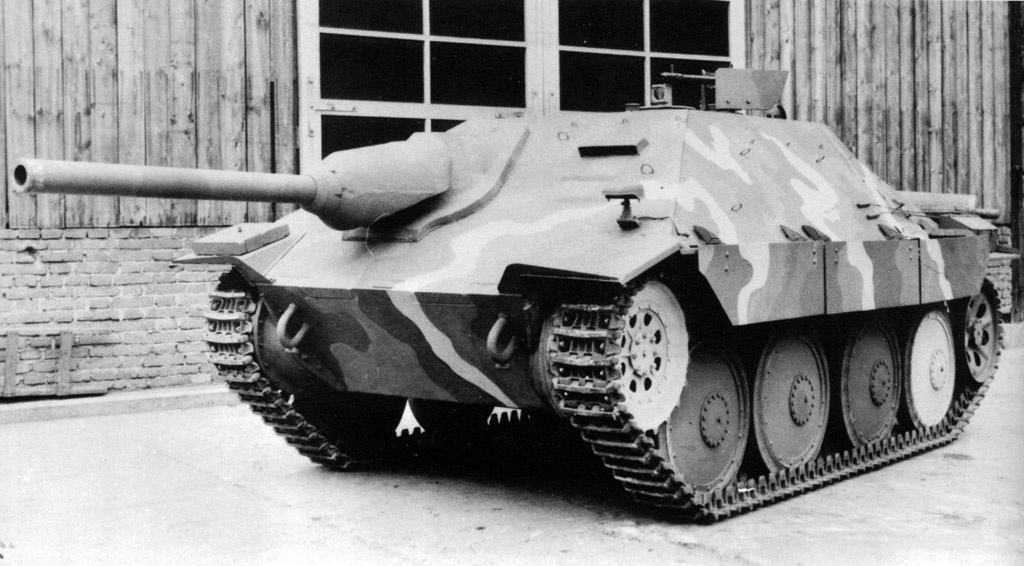
The Jagdpanzer 38 Starr was a mass-production improvement variant of the Jagdpanzer 38(t) Hetzer, designed to simultaneously enhance performance, productivity and maintainability.
- Yes
- No
Click
The Alkett factory was one of the companies producing assault guns (Sturmgeschütz), which served as a key supplement to Germany’s insufficient tank forces. However, this factory suffered severe damage during the Berlin air raid in November 1943. Production came to a complete halt due to the massive bombing raid, which dropped as much as 1,424 tons of bombs.
OberKommando des Heeres (OKH) immediately began considering outsourcing the production of the StuG III to BMM in the then-occupied Czech territory. In December 1943, it was determined that BMM’s factory lacked sufficiently capable cranes and other equipment, making StuG III production impossible. As an alternative, BMM proposed the development of a new 13-ton tank destroyer that utilized the hull of the Pz. 38(t) light tank, which could be manufactured with their existing facilities.
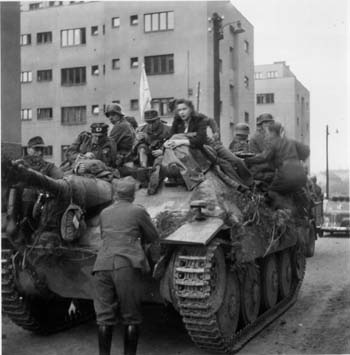
In an astonishingly short development period, a mock-up was completed on January 24, 1944. In February, it received the official designation Sd.Kfz. 138/2. In March 1944, the first three Jagdpanzer 38(t) were completed, and the Heereswaffenamt (HWA) conducted performance tests. By April 1944, twenty early production vehicles had been completed, but some were returned to the factory after deficiencies in armor were discovered. While minor issues typical of early models, such as oil leaks, persisted, full-scale production began in May 1944 by both BMM and Škoda.
The manufacturing cost of the Jagdpanzer 38(t) was less than half that of the Panther. Vehicles produced between September 1944 and January 1945 are generally classified as late-production models.
The major changes in the late model were as follows.
-
To correct the nose-heavy tendency that caused the front of the vehicle to sink, the leaf springs of the suspension were replaced with thicker, stiffer reinforced springs at the front only.
-
An additional ammunition rack capable of holding five rounds was added to the right wall of the commander’s station to increase ammunition capacity.
-
The exhaust muffler was upgraded from the early type to an improved flame-suppressing muffler.
-
The final drive gear ratio was changed from the old 12:88 to the new 10:80 for greater durability and to make it easier to engage moving targets.
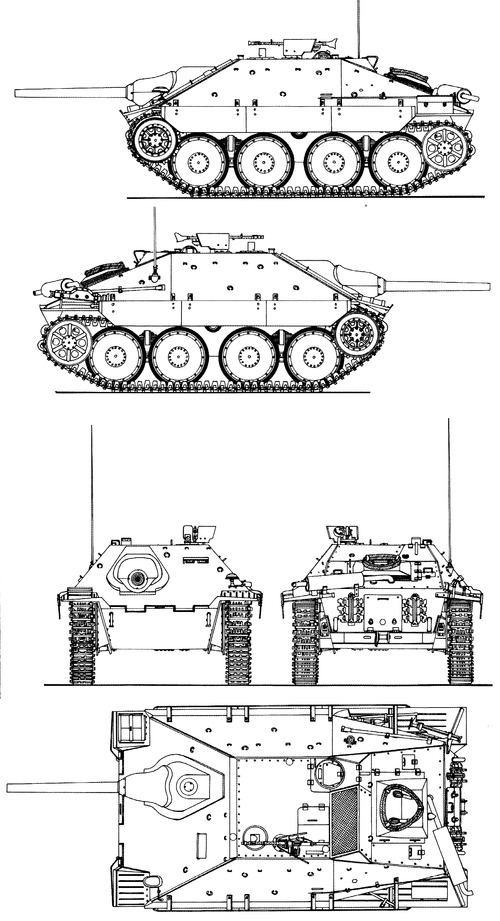
Almost simultaneously with the finalization of the Jagdpanzer 38(t) design, in April 1944, an improved variant called the “Starr” was also developed, aiming for even lower cost and easier operation. Although it missed the start of initial production, a single prototype was completed in May and underwent various tests. In October, once practical application seemed feasible, two additional prototypes based on the late-model Hetzer were completed. Then, in March 1945, the diesel-engine production version of the Hetzer Starr — the subject of this suggestion — finally appeared.
Click
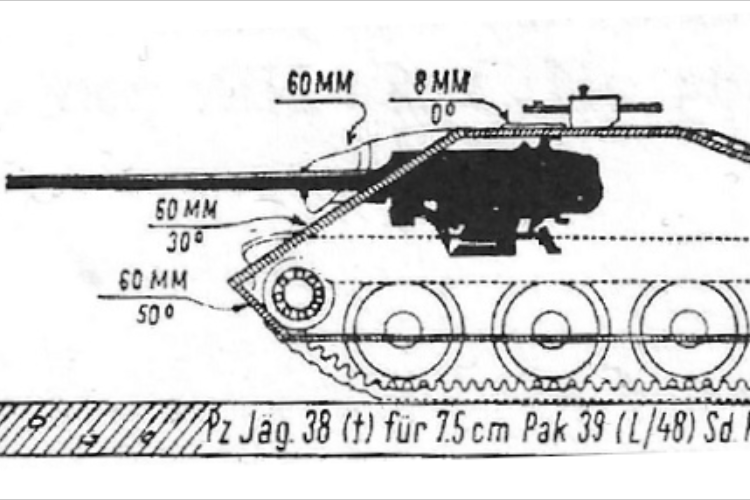
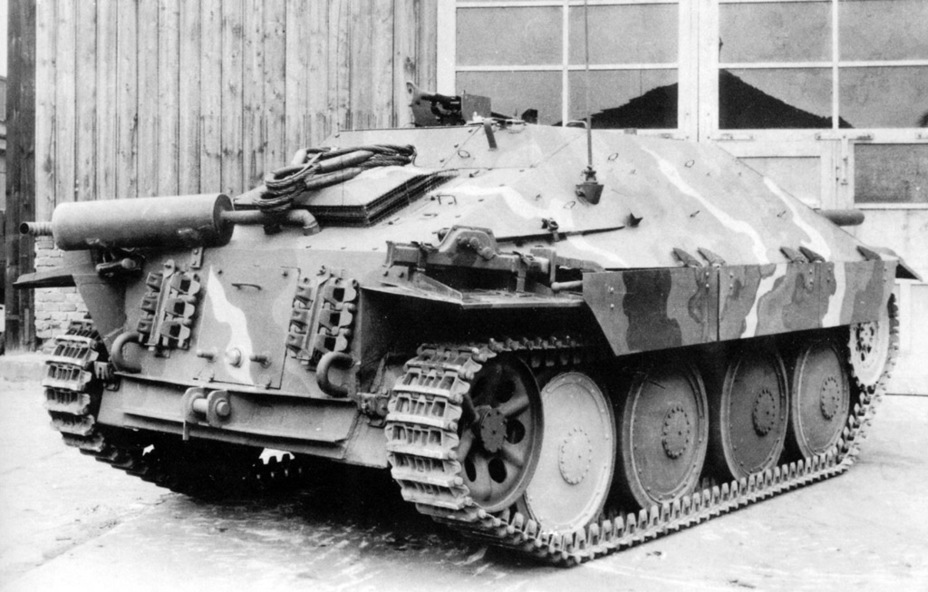
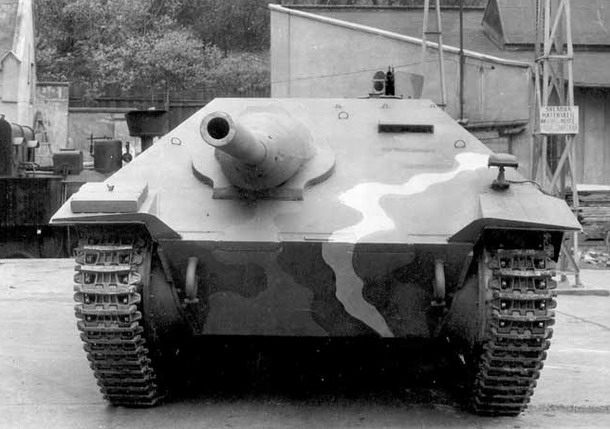
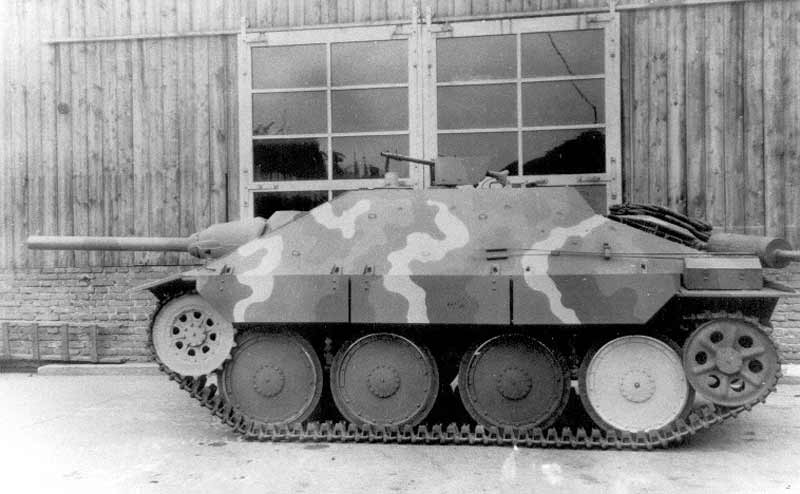
“Starr” refers to a gun mounting designed to enlarge the interior space and reduce costs. By removing the recoil mechanism from the gun mount, the breech was made more compact and the overall weight was reduced by 1,000 kg. The recoil was absorbed by the entire vehicle body. In the Hetzer, the gun was offset to the right, but in the Starr version, its mounting position was shifted slightly more toward the center, resulting in a traverse of 8° left and right. The smaller breech also improved the elevation range to -8° depression and +15° elevation. The significantly increased workspace for the loader compared to the standard Hetzer would have had a positive effect on the loading speed.
Normal-Hetzer Pak39
Starr-Hetzer Pak39/1
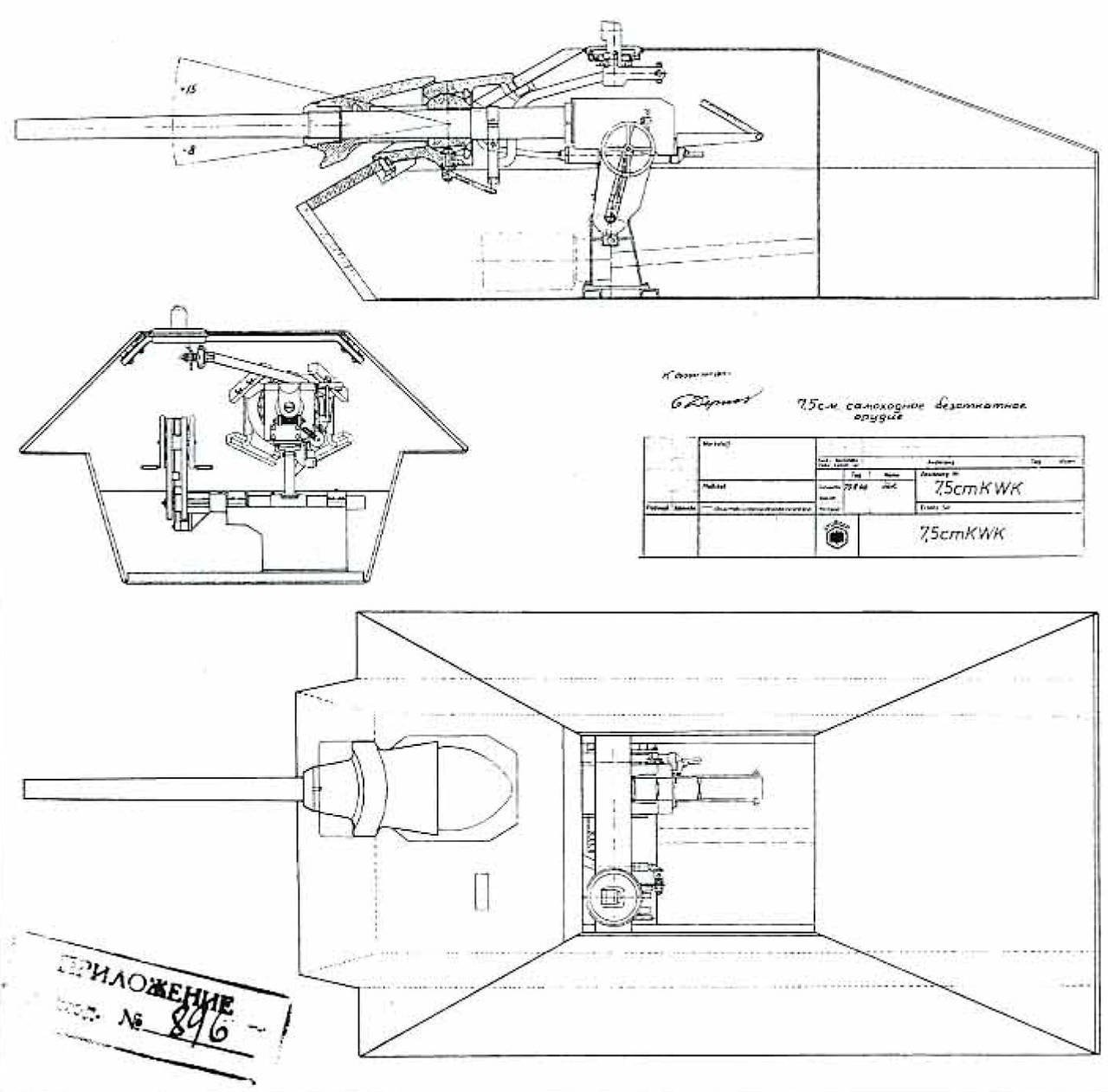
Click
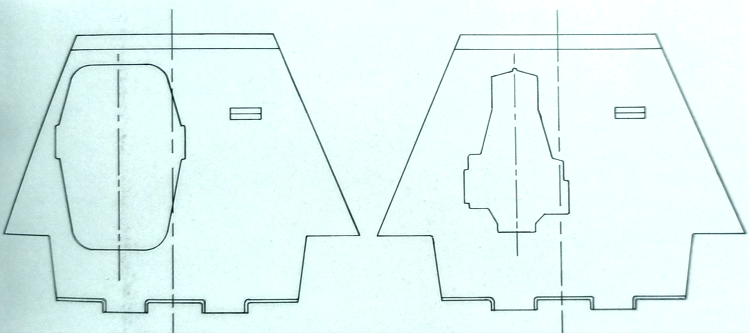
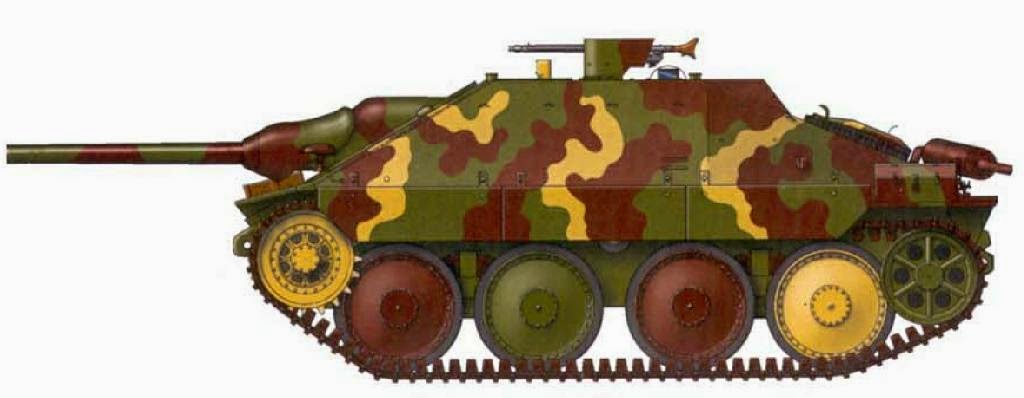
With the removal of the recoil mechanism, the gun became much slimmer, which allowed the opening in the frontal armor for the gun to be considerably smaller. The gun mantlet was changed from the old large, helmet-like shape to a smaller, thicker and lighter conical design. The commander’s cupola was changed to a rotating disc-type hatch with a periscope, and a small bustle was added at the rear of the hull to provide more space for the commander’s station.
Front Armor

Commander’s station
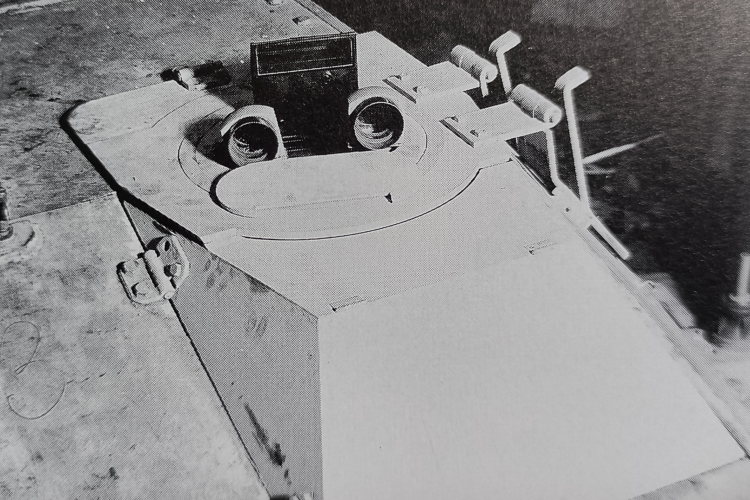
Click
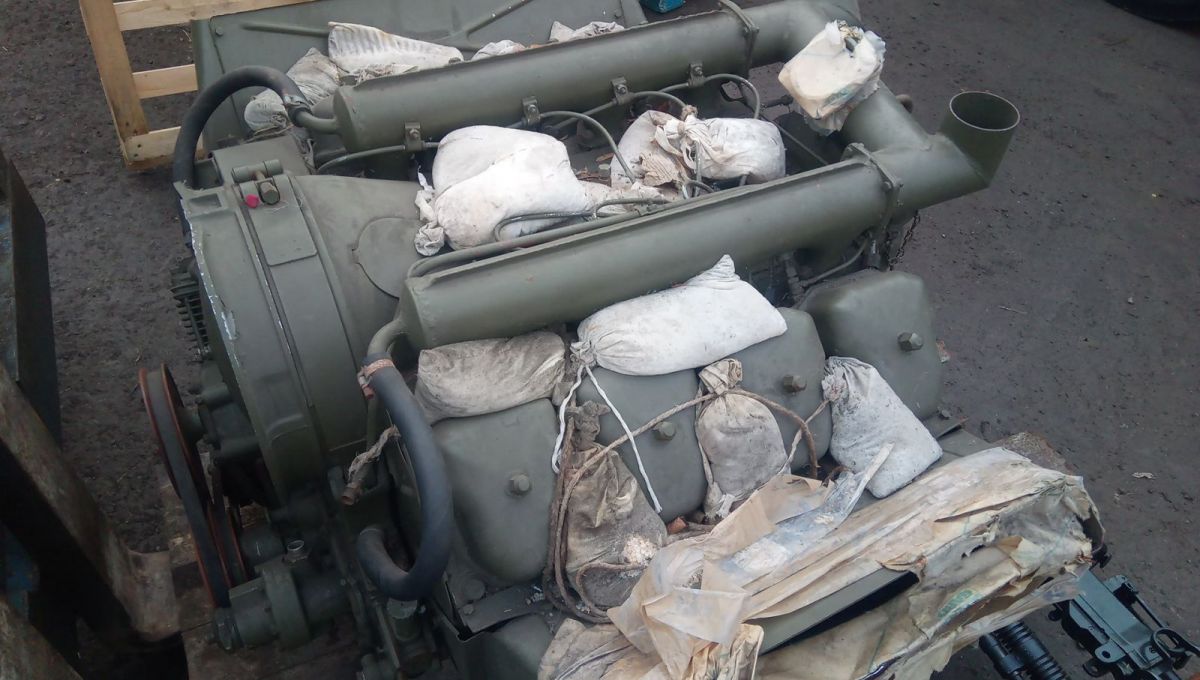
In addition to the weight reduction from the Starr gun, the Jagdpanzer 38 Starr was equipped with a new engine: the Tatra 928 V8 air cooled diesel engine. This engine produced 180 horsepower, 20 hp more than the old gasoline engine. As a result, the power-to-weight ratio improved to 12 hp/t. Although engine RPM was lower, the diesel engine delivered significantly higher torque than the gasoline engine. This high torque improved acceleration and turning speed made it easier to maintain top speed over rough terrain and greatly increased hill-climbing performance.
New Diesel Engine-Tatra 928

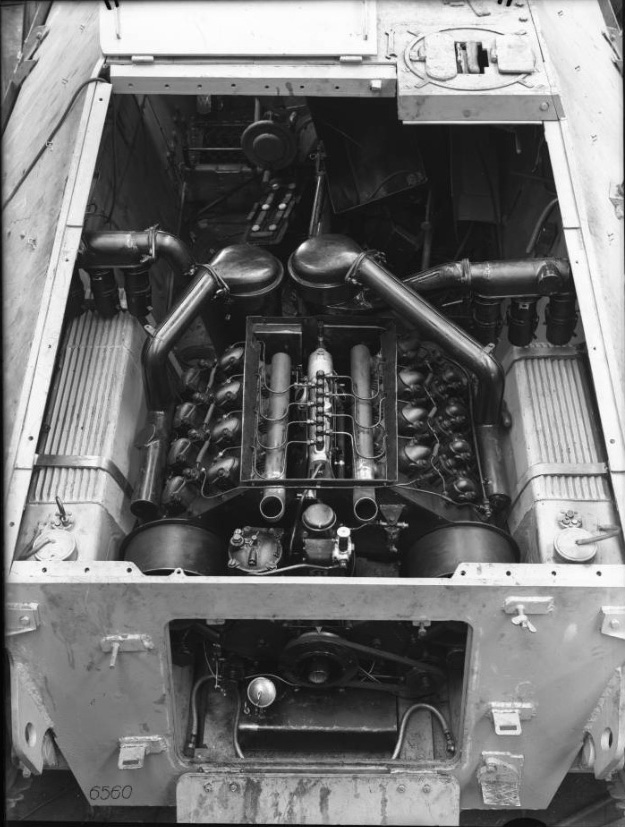
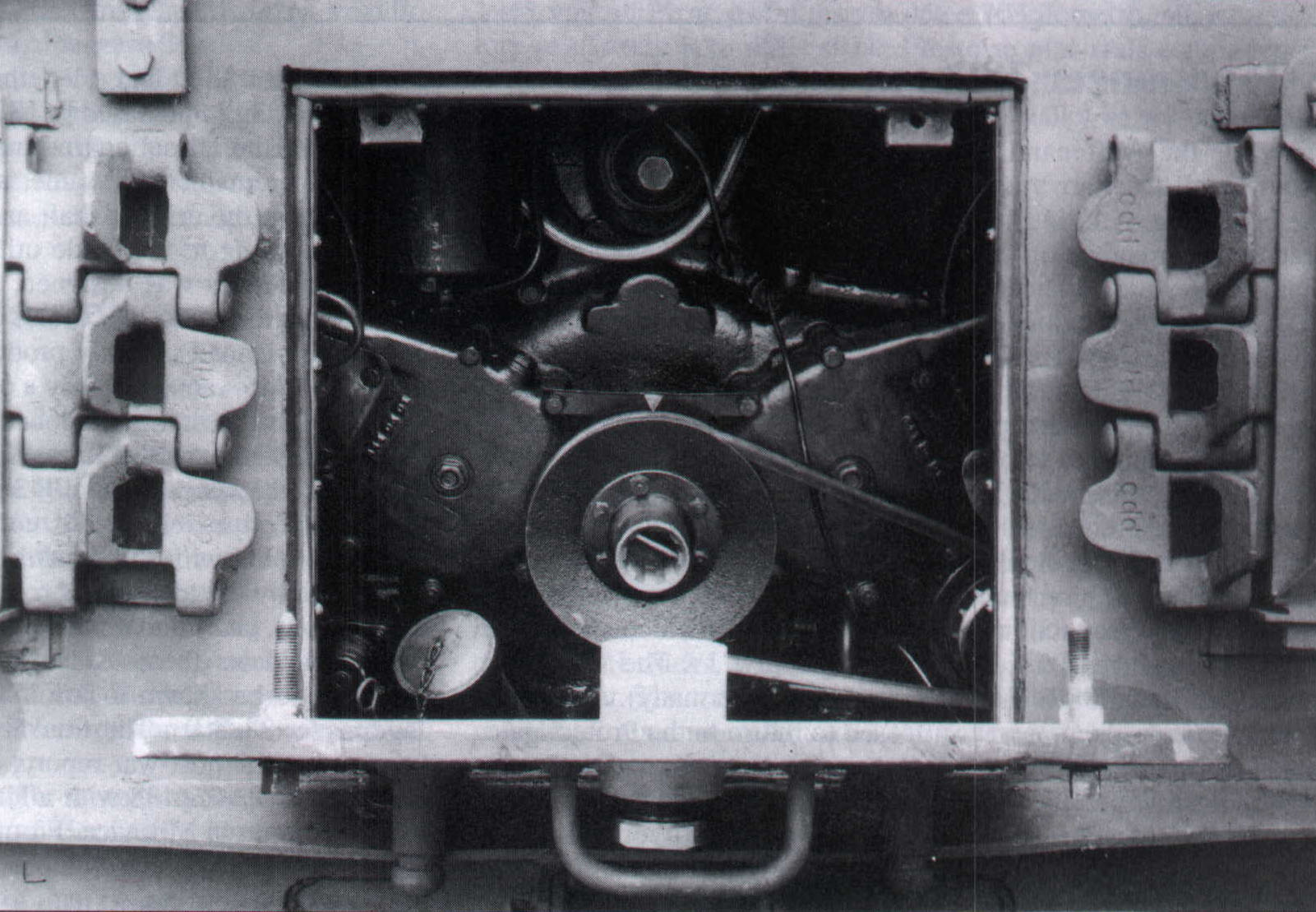
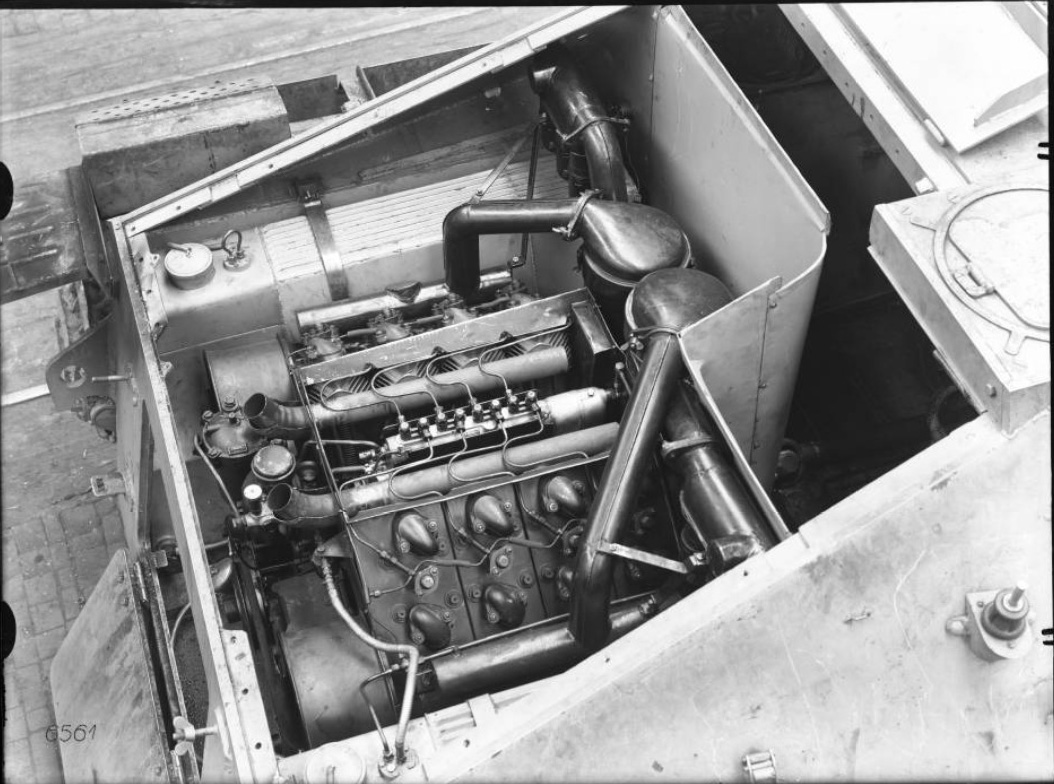
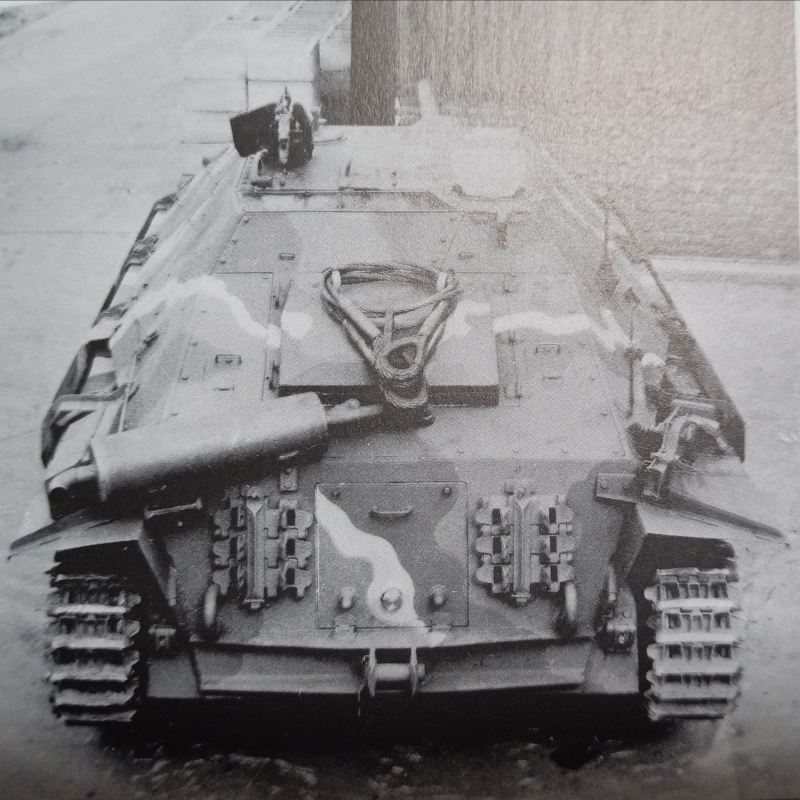
The rear body structure has changed due to the engine modification
Click
On April 21, 1945, an order for 500 vehicles was placed after the design was finalized. However, due to the deteriorating war situation, only about 14 vehicles were completed. The finished Starr vehicles were deployed in scattered actions in places such as Czechoslovakia and Thuringia-Berka, Berlin(?). The sole surviving example was scrapped after the war.
Length: 6.38 m
Hull length: 4.87 m
Width: 2.63 m
Height: 2.17 m
Combat weight: 14.5 – 15 tons
Engine: Tatra 928 4-stroke V8 air-cooled Diesel
Power output: 180 hp / 2,000 rpm / 800Nm / 12700ccm
Power-to-weight ratio: 12 hp/t
Maximum speed: 45 km/h
Armament: 7.5 cm Starr PaK 39/1 L/48 × 1 (79 rounds)
7.92 mm MG34 machine gun × 1 (600 rounds)
Armor thickness: Front: 60 mm, Sides/Rear: 20 mm, Roof: 8 mm
Crew: 4
Ammunition types: Pzgr. 39 (APCBC-HE)
Pzgr. 40 (APCR)
Gr. 38 HL/C (HEAT)
Spr.Gr. 34 (HE)
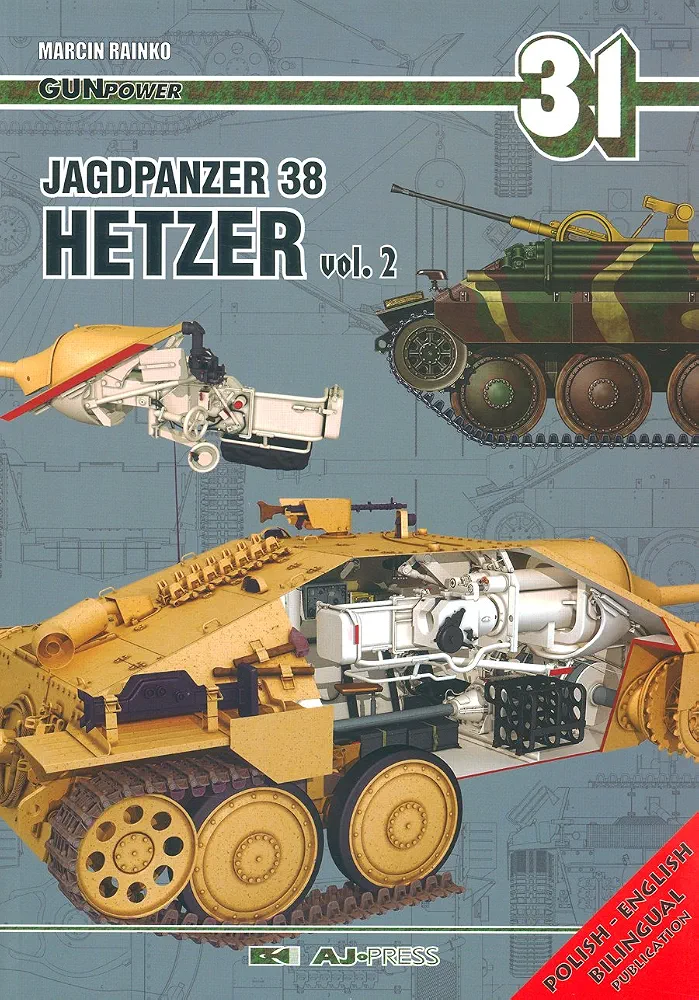
- Marcin Rainko’s Jagdpanzer 38 Hetzer Vol. 2 (Gun Power)
Front Cover
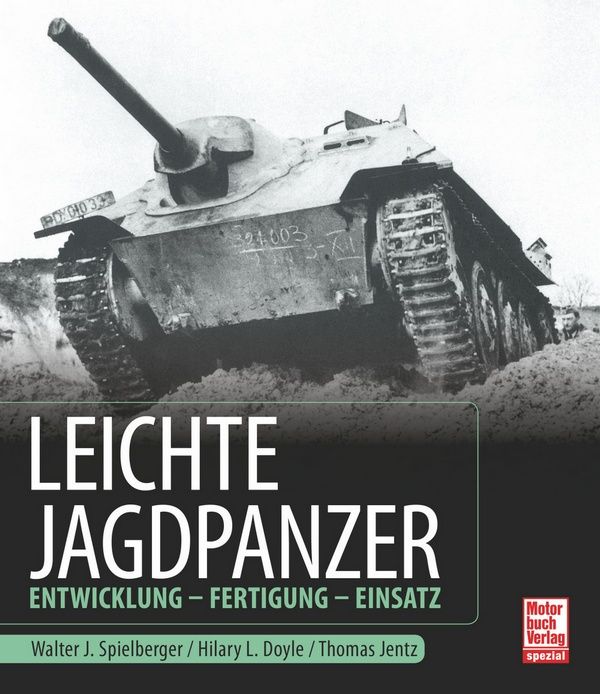
- Walter J. Spielberger’s Leichte Jagdpanzer
DE
JP
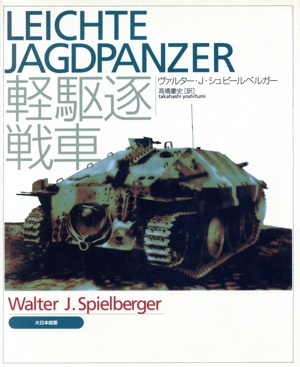
EN
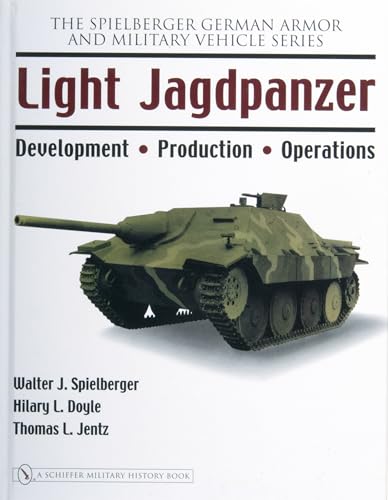
- Hilary Doyle’s Jagdpanzer 38 Hetzer 1944-45

- Web Source Jagdpanzer 38(t) Starr : Germany (DEU)
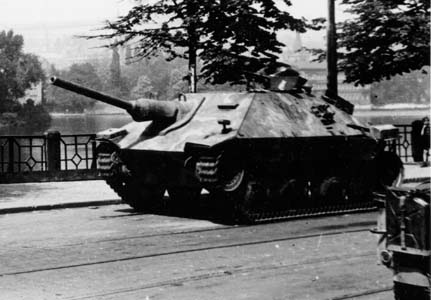
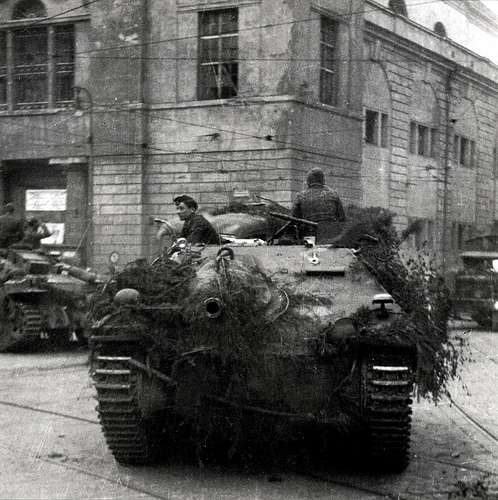
Thank you for reading this far. Except for the increased recoil, the Starr surpasses the standard Hetzer in every other aspect of performance. It would be very fun if it were added to War Thunder. If you think it sounds interesting, please give it a vote!