- Yes
- No
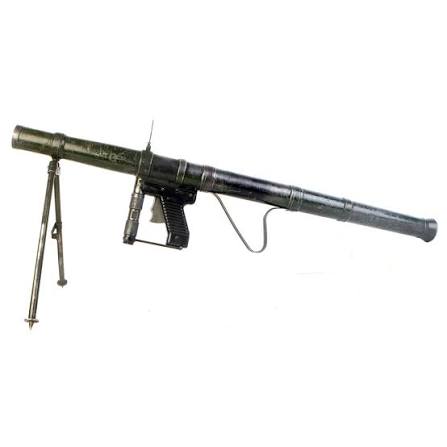
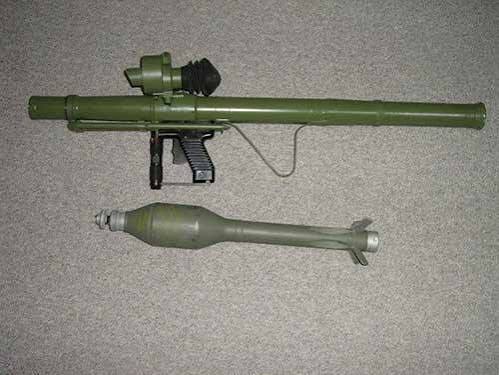
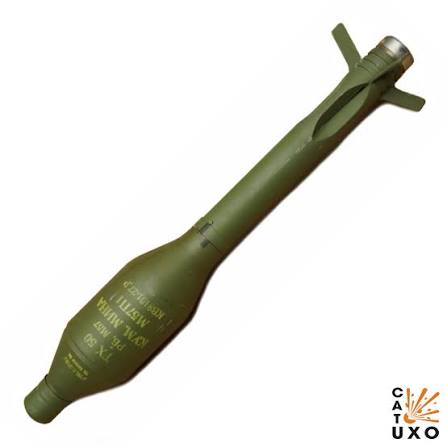
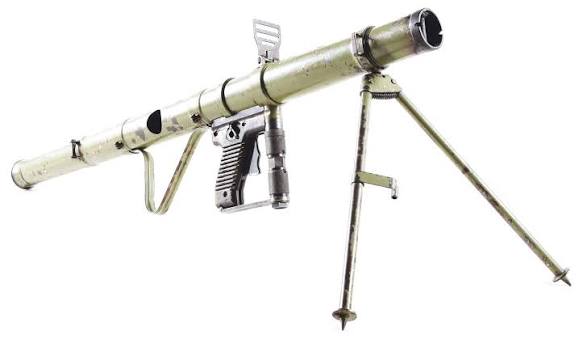
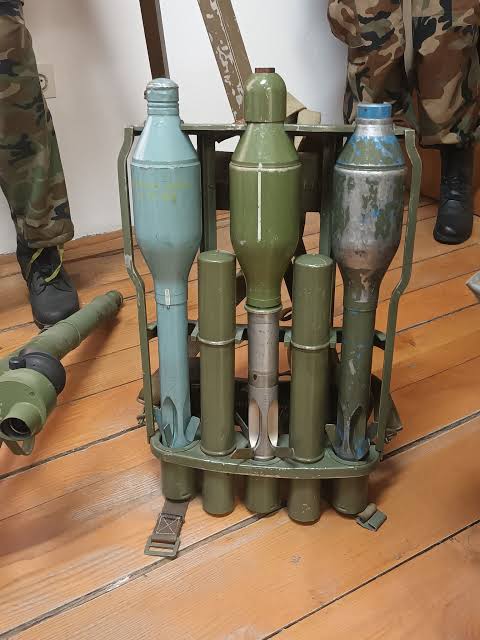
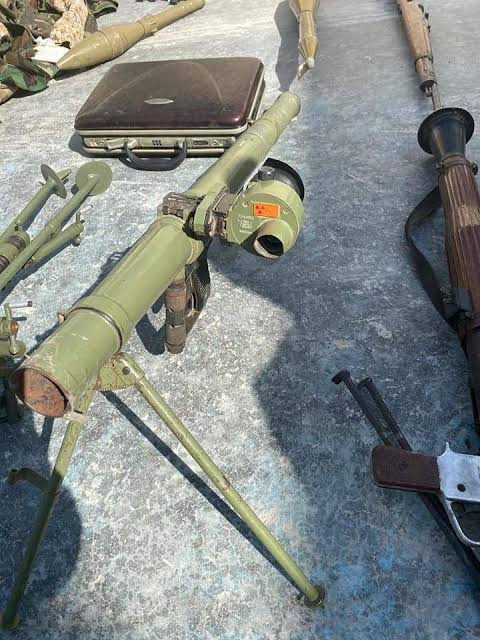
The RB M57 Is Yugoslavian anti tank weapon based on the Soviet RPG-2, heavily modified for Yugoslavian use this Antitank weapons is the standard Antitank weapons in Yugoslavian People’s army through the cold war and Yugoslavian war until replaced with more modern weapons such as M80 Zolja
Background
Spoiler
The RB M57 is a Yugoslav-designed rocket-propelled grenade launcher developed during the Cold War. It represents an important part of the former Yugoslavia’s efforts to establish an independent domestic arms industry and reduce its dependence on foreign military equipment.
Developed during a period of intense military competition between NATO and the Warsaw Pact, the RB M57 reflected Yugoslavia’s distinctive position in the international political landscape. Although the country was a socialist state, it maintained an independent foreign policy and was not formally aligned with either military bloc.
The weapon became part of the Yugoslav People’s Army (JNA) inventory and was subsequently associated with several armed forces and military organizations that emerged following the breakup of Yugoslavia in the 1990s.
Beyond its military role, the RB M57 is historically significant because it illustrates the development of Yugoslav small-arms manufacturing, the country’s Cold War defence strategy, and the circulation of military equipment throughout the Balkans.
The origins of the RB M57 can be traced to the years immediately following the Second World War. At that time, the Yugoslav Army faced the challenge of rebuilding its military capabilities after years of occupation and conflict.
During the war, German anti-tank weapons, particularly the Panzerfaust family, demonstrated the military value of relatively inexpensive infantry-carried anti-armour weapons. Yugoslav military planners recognized the importance of giving infantry units their own means of confronting armoured vehicles.
Consequently, Yugoslavia began developing domestic anti-tank grenade launchers as part of its post-war military modernization programme.
The first major effort resulted in the RRB M49, developed through cooperation between the Crvena Zastava factory in Kragujevac and the Krušik enterprise in Valjevo. However, the early models experienced technical and manufacturing difficulties, encouraging the development of a more advanced successor.
The political situation also influenced this programme. Following the 1948 split between Yugoslavia and the Soviet Union, the country increasingly sought to establish an independent defence-industrial capability. This made domestic production of infantry weapons particularly important.
According to firearms historian Branko Bogdanović, the development of the improved weapon involved the Yugoslav Military-Technical Institute and the Krušik enterprise. A design proposed by Captain Todor Cvetić eventually became the foundation of the RB M57.
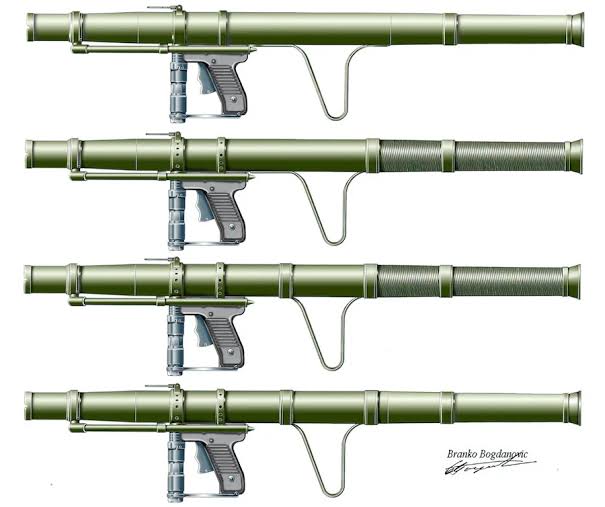
The RB M57 was developed during the 1950s as a successor to the earlier Yugoslav anti-tank grenade launchers.
A pilot production batch was manufactured in 1956. Following evaluation and further trials, the weapon was accepted into service by the Yugoslav People’s Army. A subsequent initial production batch was completed in 1958.
Manufacturing was undertaken by Crvena Zastava in Kragujevac, one of Yugoslavia’s most important arms-producing facilities.
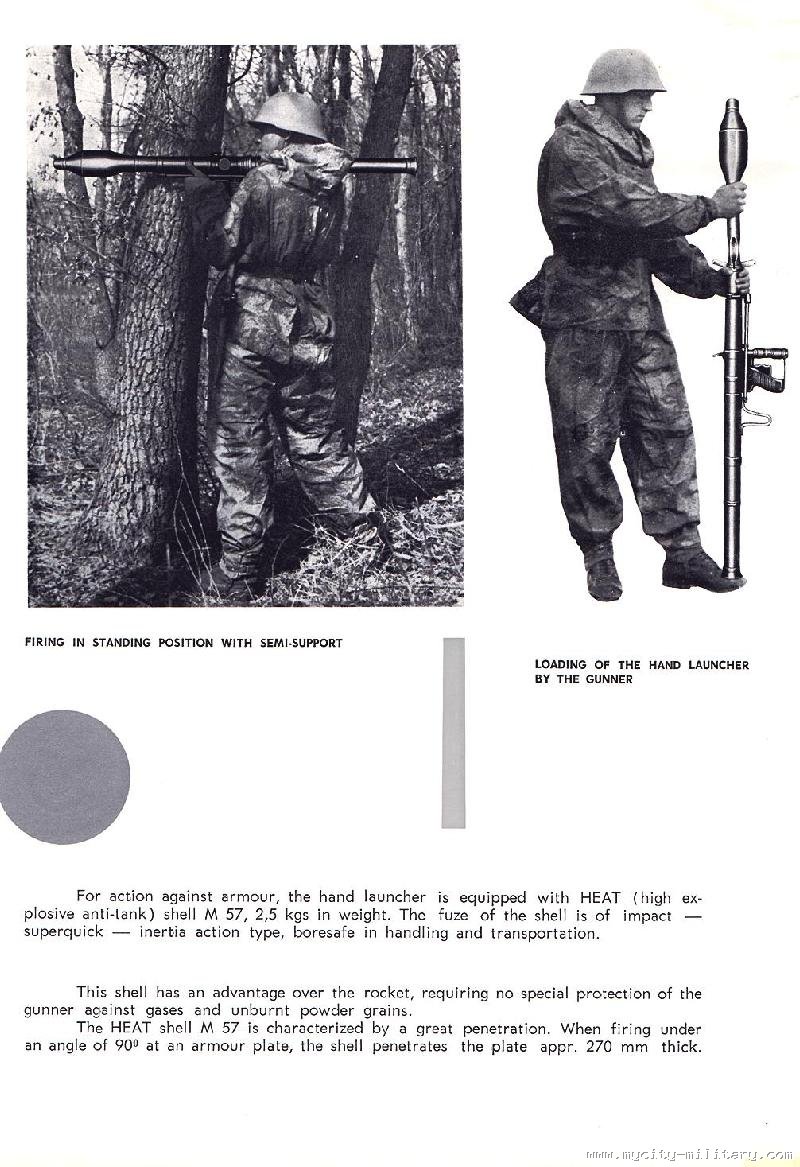
The weapon subsequently underwent several modifications. These included improvements to its construction following the discovery of manufacturing-related cracks during inspections in the 1960s.
The principal production variants included:
-
RB M57: The original production model.
-
RB M57A1: An improved version incorporating structural modifications.
-
RB M57A2: A further revised version with additional construction improvements.
Bogdanović’s historical research records approximately 47,751 RB M57 launchers of all versions produced by 1970. This made it one of the more successful domestically developed Yugoslav infantry anti-armour weapons.
The RB M57 was intended to provide Yugoslav infantry with an independent anti-armour capability.
Its introduction reflected a broader Cold War military doctrine in which infantry units were expected to possess weapons capable of confronting armoured threats without relying exclusively on tanks, artillery, or dedicated anti-tank formations.
The weapon also demonstrated the Yugoslav military industry’s ability to develop and manufacture specialized infantry equipment domestically.
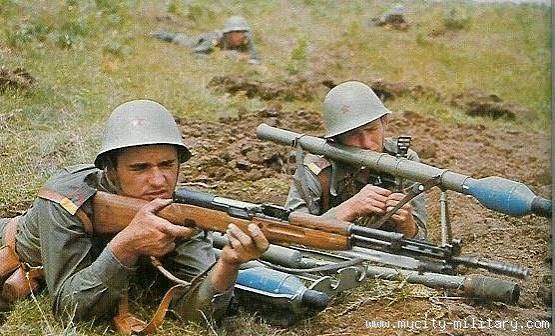
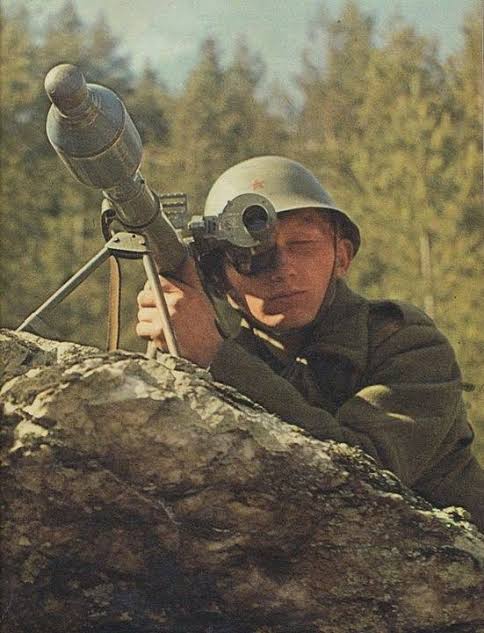
The primary user of the RB M57 was the Yugoslav People’s Army (Jugoslovenska Narodna Armija or JNA).
During the Cold War, the JNA was responsible for defending Yugoslavia’s territorial integrity and maintaining the country’s military independence. The RB M57 formed part of its infantry anti-armour equipment.
It remained in service for decades, becoming a familiar component of Yugoslav military equipment. Its long service life reflected both the scale of its production and the importance of relatively inexpensive infantry weapons in the Yugoslav military inventory.
Following the dissolution of Yugoslavia in the early 1990s, the JNA’s military equipment was distributed, inherited, or captured by various armed forces and military organizations.
The RB M57 consequently continued to appear in the military inventories of successor states and in conflicts associated with the breakup of Yugoslavia.
Its historical users and subsequent operators included:
-
Serbia: Yugoslav military equipment remained part of the country’s inherited military inventory.
-
Montenegro: Retained military equipment inherited from the former Yugoslav and subsequent joint military structures.
-
Croatia: Acquired former Yugoslav military equipment during the independence conflict and subsequent military reorganization.
-
Bosnia and Herzegovina: Former Yugoslav weapons appeared among the equipment used by opposing armed formations during the Bosnian War.
-
Other regional armed formations: The weapon was associated with military equipment circulating throughout the former Yugoslav region during the conflicts of the 1990s.
The RB M57’s history did not end with Yugoslavia.
Following the breakup of the country and the reduction of older military inventories, surplus weapons entered international military-surplus markets.
An article published by Small Arms Defense Journal in 2023 notes that tens of thousands of Yugoslav M57 launchers had been manufactured and discusses their subsequent circulation on the international market.
Why we should we have this weapons in the game
Spoiler
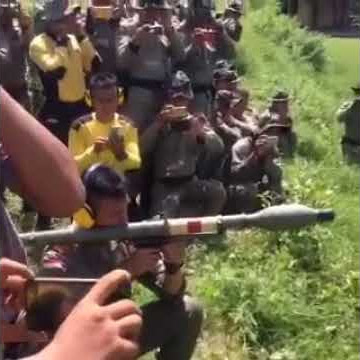
I think is AT weapons is an interesting decoration in the game, this AT weapons can be paired with post Yugoslav breakup state vehicle in game or the potential Yugoslav ground vehicle in future TT, even this weapons could also be paired with other nation vehicle like Indonesia which is one of the user of this weapon
Additional Picture
Spoiler
Source
https://archive.smallarmsreview.com/display.article.cfm?idarticles=1899&
https://indomiliter.com/rb-m57-mungkinkah-ini-jenis-rpg-yang-digunakan-brimob-polri/
https://www.reddit.com/r/ForgottenWeapons/comments/1ppq976/yugoslav_ručni_bacač_rb_m_57_44mm_rocket_ropelled/