- Yes
- No
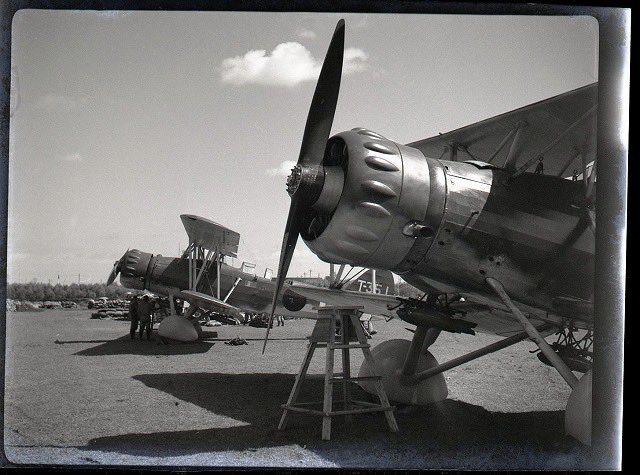
Yokosuka B4Y1 (九六式艦上攻撃機)
The Yokosuka B4Y1 is a Japanese carrier-based torpedo-bomber aircraft that was developed in 1935 as the successor to the Yokosuka B3Y1. This plane competed in the 9-Shi competition against the Mitsubishi B4M (Ka-12) and the Nakajima B4N. About 205 planes were produced from 1935 to 1938.
History
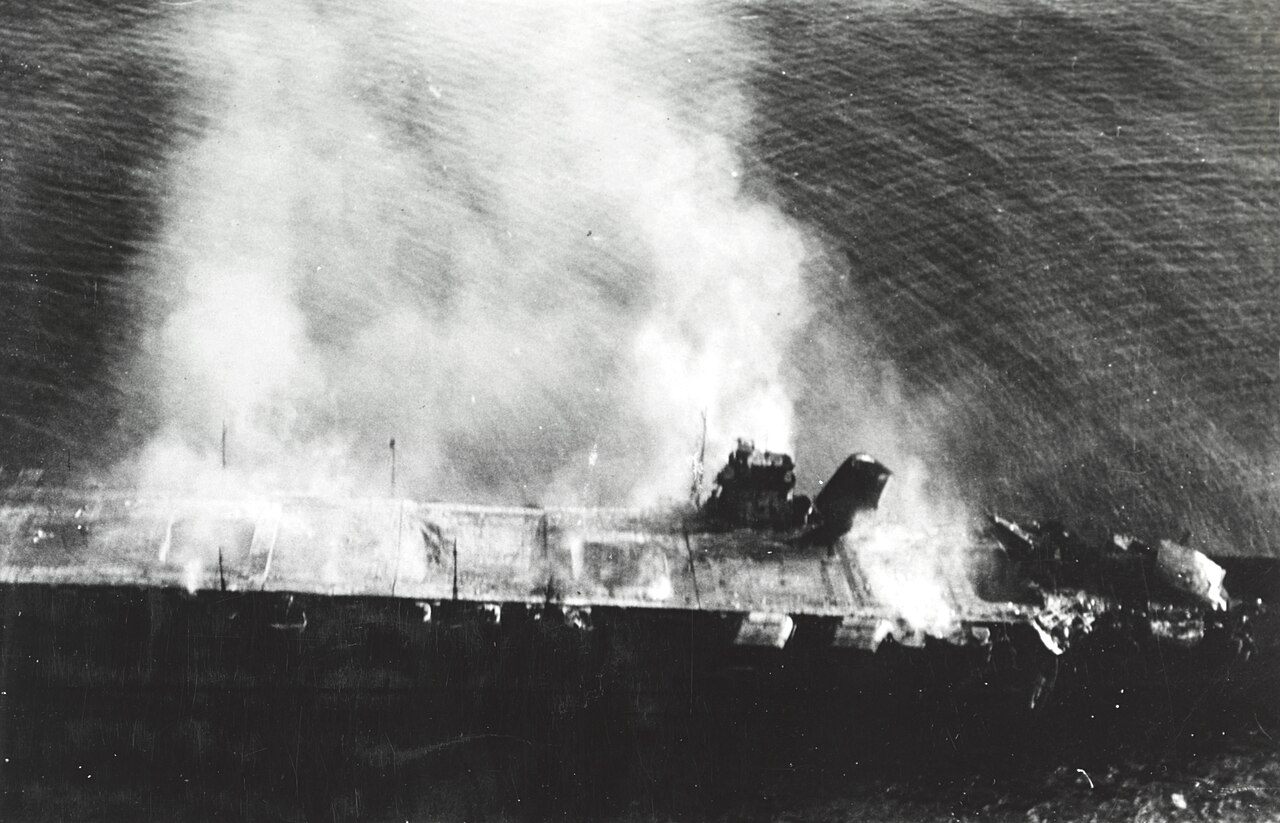
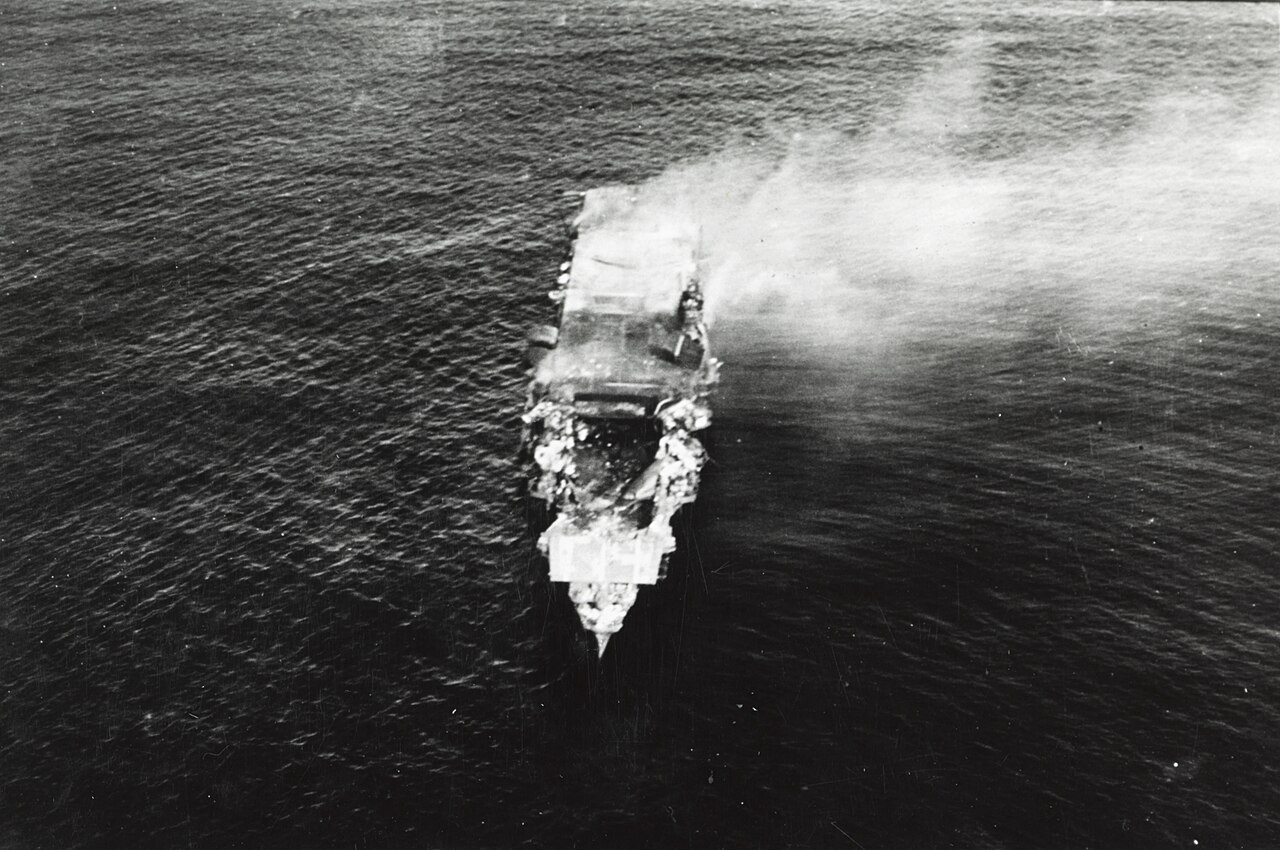
In 1932, the Japanese navy began a three-year plan to modernize its air forces, for which a competition called 7-Shi was announced. The winner was the Yokosuka B3Y1 aircraft (the Nakajima B3N and Mitsubishi B3M (3MT10) aircraft also participated in this competition). The B3Y1 was introduced into service in 1933, and it was immediately clear that this aircraft had poor performance and was not a significant improvement over its predecessors (Mitsubishi B1M and B2M). Thus, at the end of 1933, the Japanese navy decided to create another competition for a new torpedo bomber. In February 1934, the Japanese navy organized the 9-Shi competition, to which Mitsubishi, Nakajima, and Yokosuka submitted their designs. The future Yokosuka B4Y1 project was handled by engineer Chitaki Kawasaki, who decided that instead of designing a completely new plane, it would be better to modify an existing one. For this purpose, they chose the Kawanishi E7K1, which had a good design. A new fuselage was designed for the tail section and wings of the Kawanishi plane. Surprisingly, the design and prototype construction took a terribly long time, and the prototype was only ready in December 1935 (many months after the competing Mitsubishi B4M but before the Nakajima B4N, completed in 1936). The first B4Y1 prototype was powered by a Hiro Type 91-I engine with a takeoff power of 620 hp. In the second and third B4Y prototypes, Nakajima Kotobuki 3 engines with 640 hp takeoff power were used. In the fourth and fifth B4Y prototypes, Nakajima Hikari 2 engines with 840 hp takeoff power were used. Internal tests at Yokosuka showed that prototypes 4 and 5 were the best, and these planes were sent for tests to the navy command. In comparative tests, the Mitsubishi B4M, Nakajima B4N, and Yokosuka B4Y showed that the Mitsubishi and Nakajima planes didn’t have enough structural strength and were rejected by the navy. Because of that, in November 1936, the Yokosuka B4Y1 was accepted into service as the Navy Type 96 Carrier Attack Bomber (九六式艦上攻撃機). Yokosuka B4Y1 planes were produced in different places: 5 prototypes at Yokosuka, 135 production B4Y1s at Mitsubishi, 37 production B4Y1s at Nakajima, and 28 production B4Y1s at Hiro. These planes were widely used at the start of the Sino-Japanese War, mainly for bombing attacks. The Yokosuka B4Y1 also took part in the USS Panay incident. With the introduction of Nakajima B5N1 bombers in 1937, the B4Y planes were gradually pulled from the front lines. By 1940, B4Y1s were serving on the aircraft carriers Akagi, Hōshō, Kaga, Ryūjō, Sōryū, and Unyō. By 1941, the Yokosuka B4Y1s were still used on smaller Japanese carriers, mainly for patrols and training. During the Battle of Midway, a Yokosuka B4Y1 plane from the aircraft carrier Hōshō found the already drifting, sinking aircraft carrier Hiryū , photographed it, and then the Japanese tried to go there to rescue the few remaining crew of the carrier, but they didn’t find it anymore. By 1943, the Japanese had withdrawn all remaining Yokosuka B4Y1 planes. The Allied code name was “Jean.”
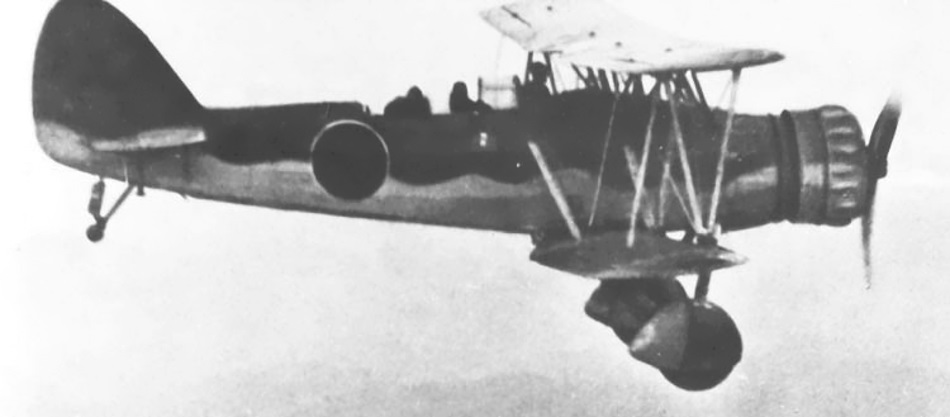
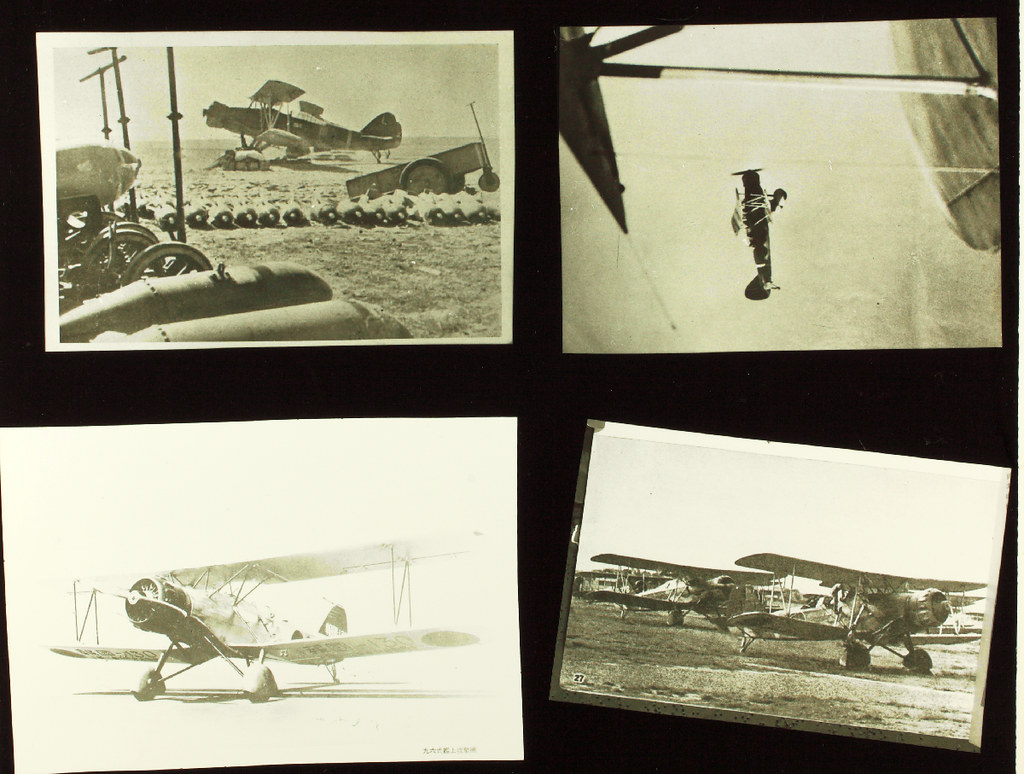
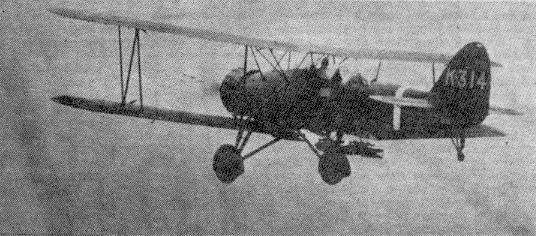
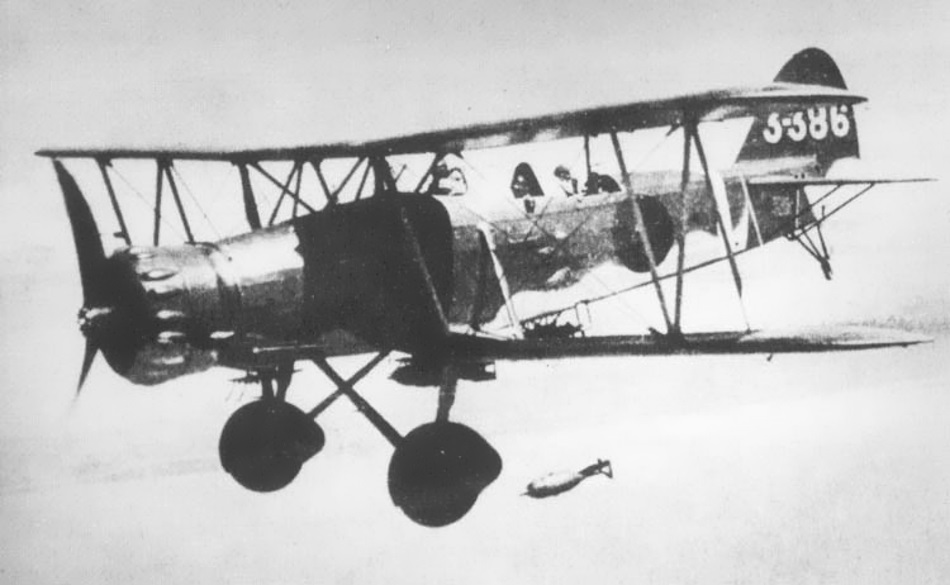

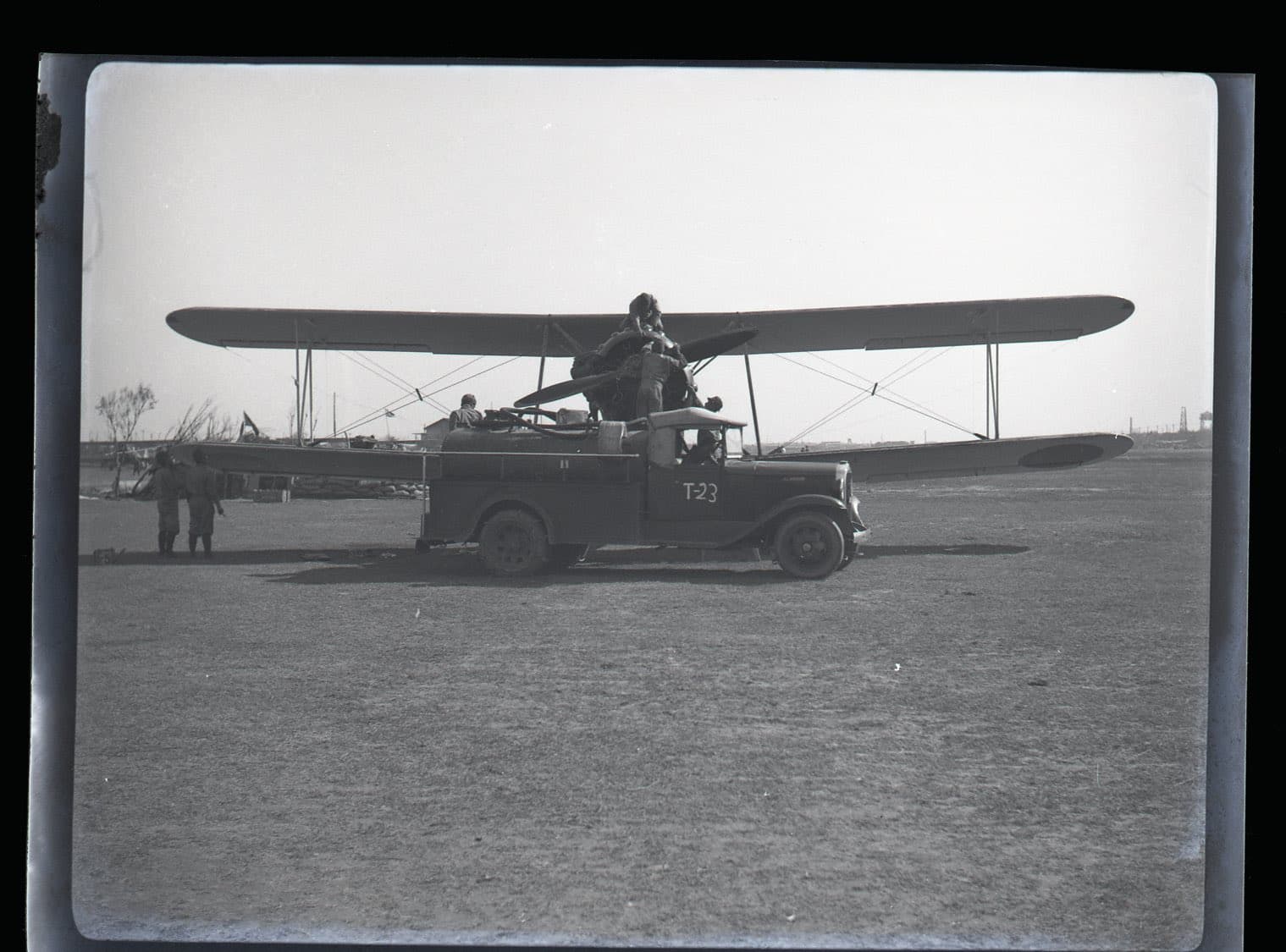
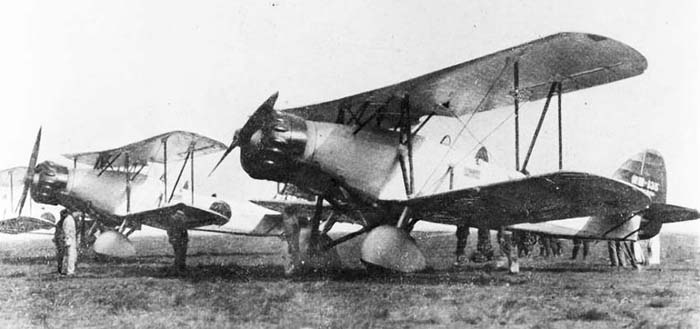
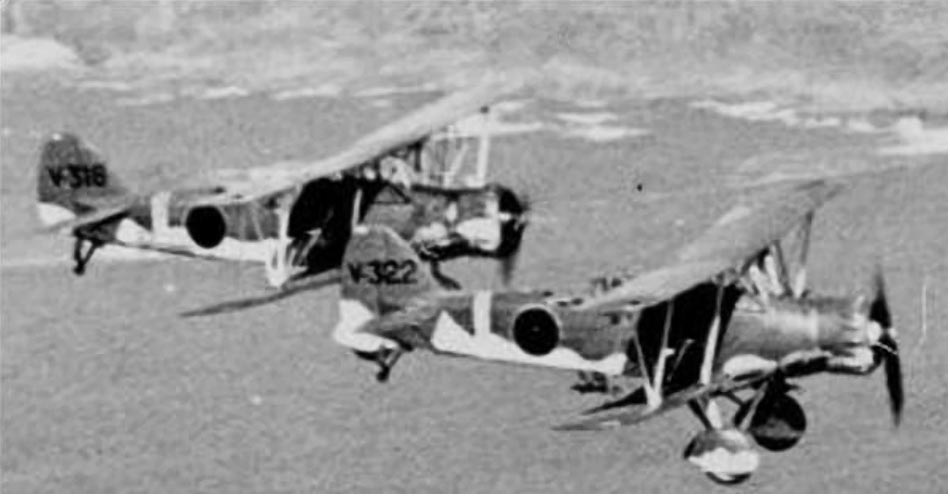
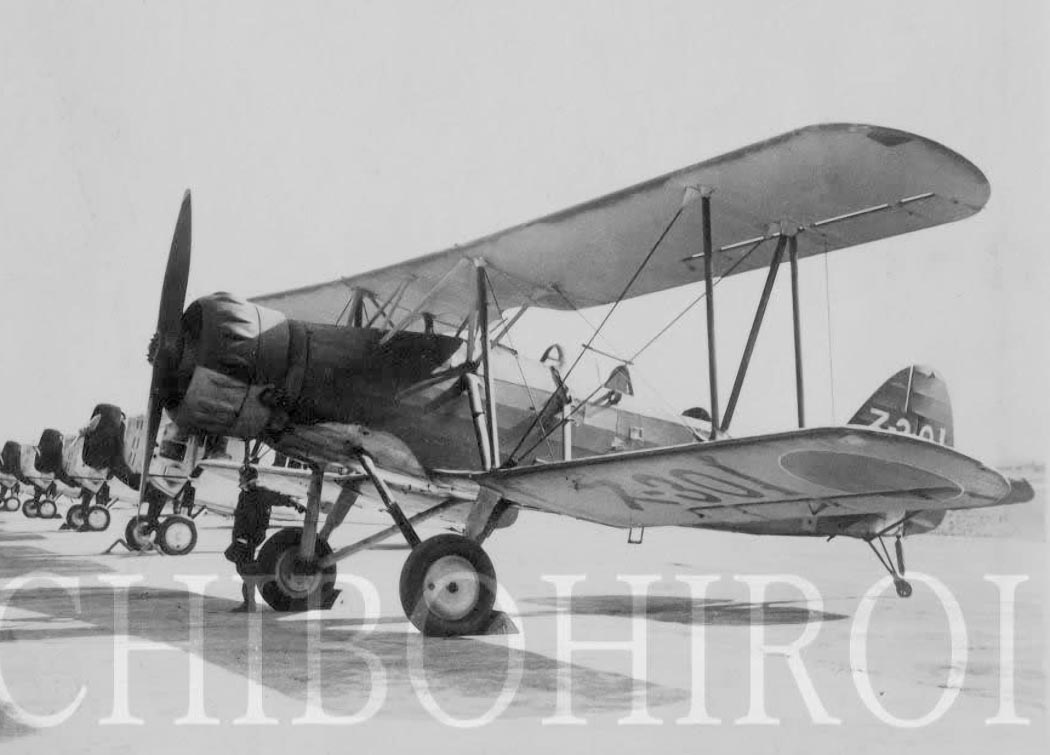
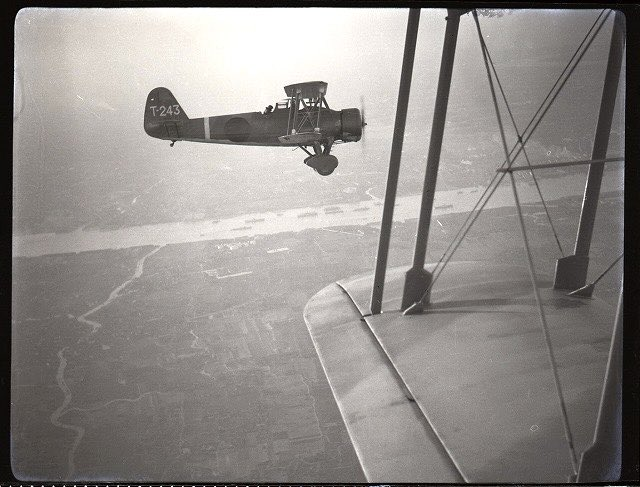
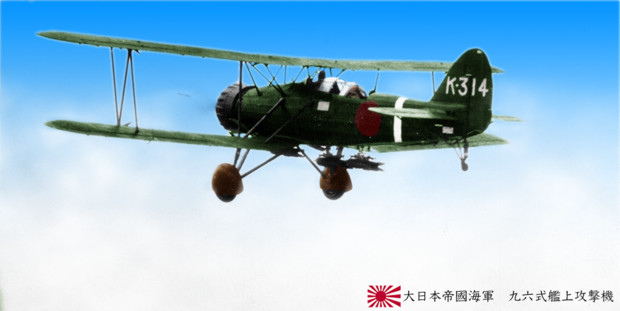
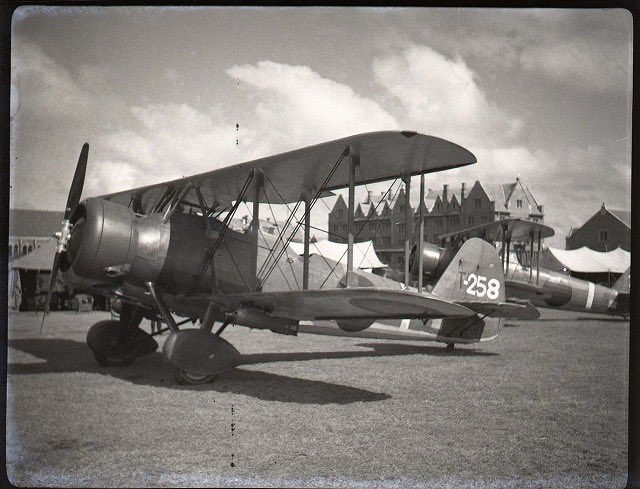
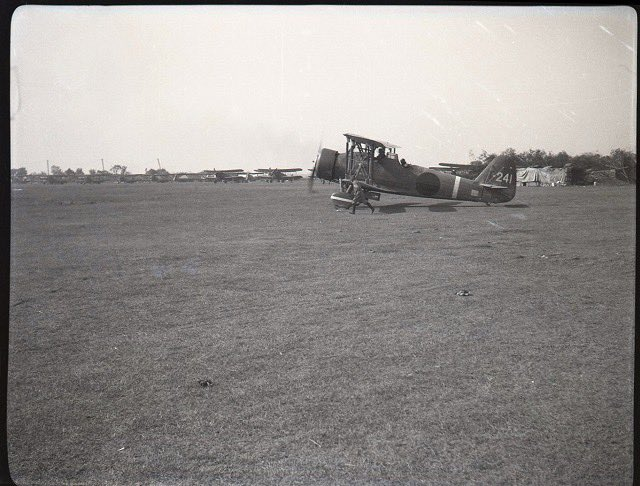
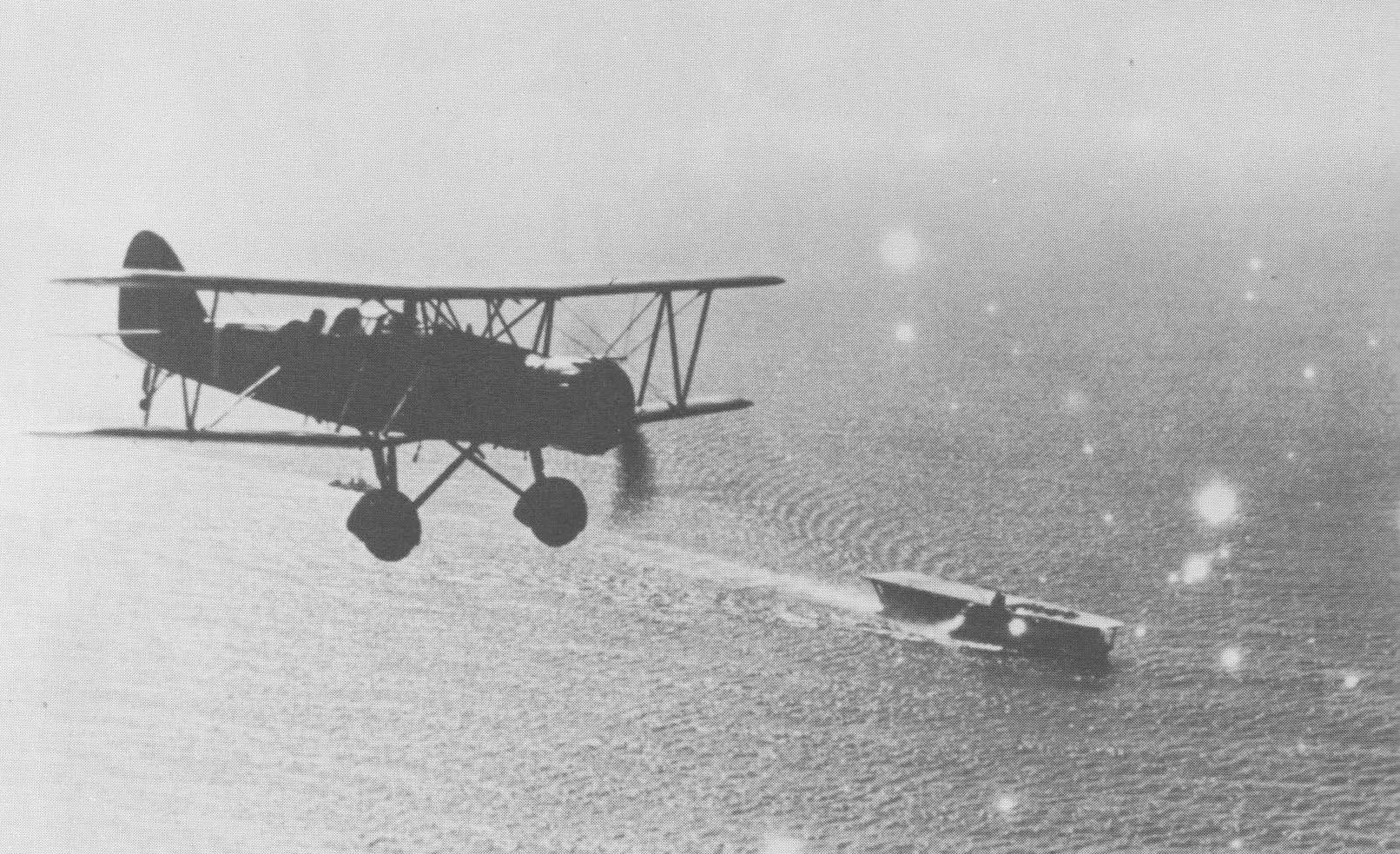
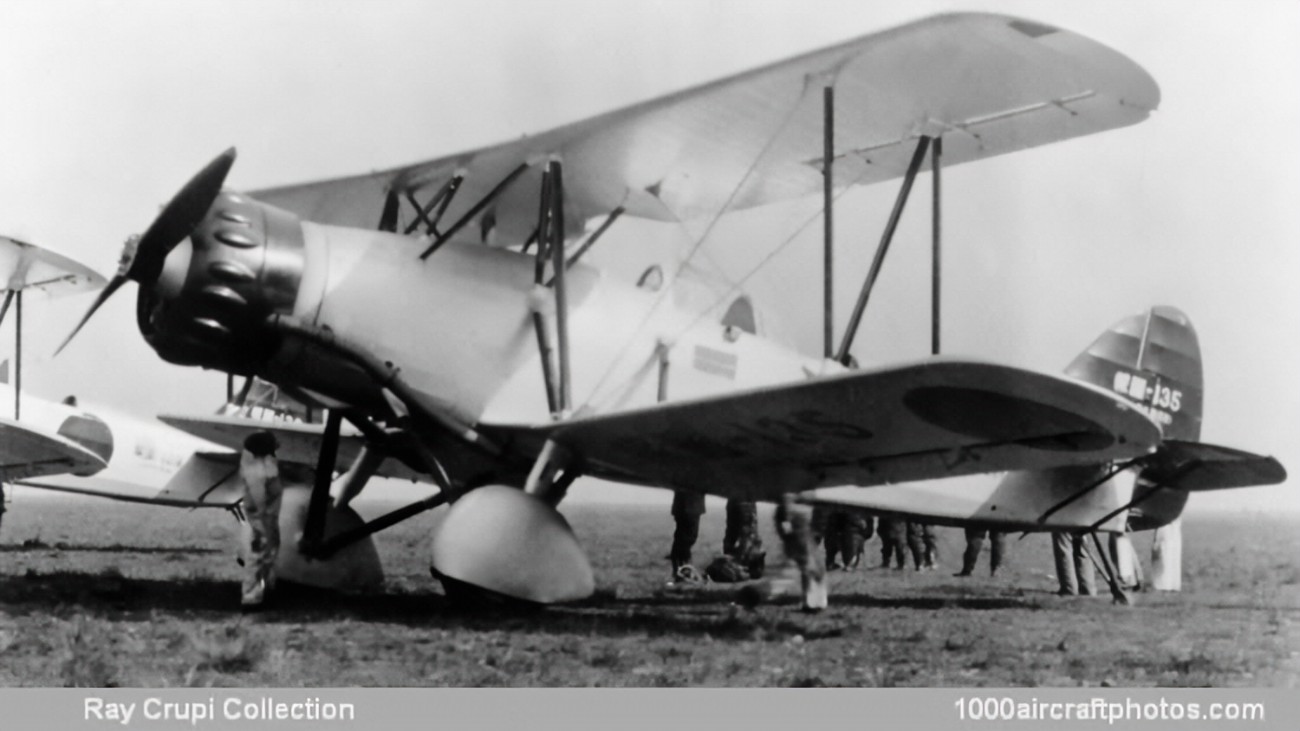
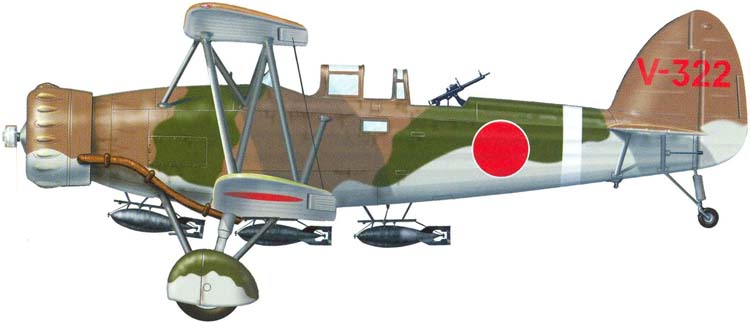
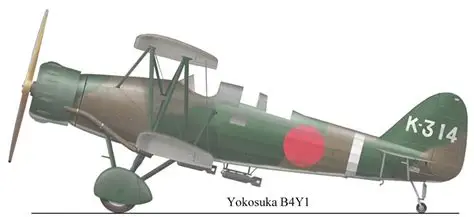
The art of Yokosuka B4Y1
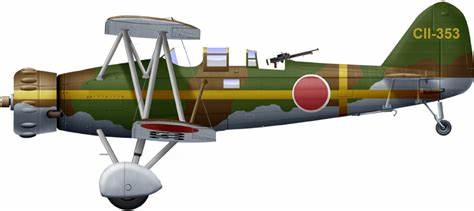
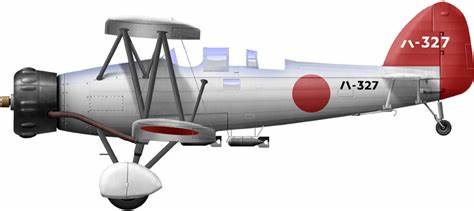
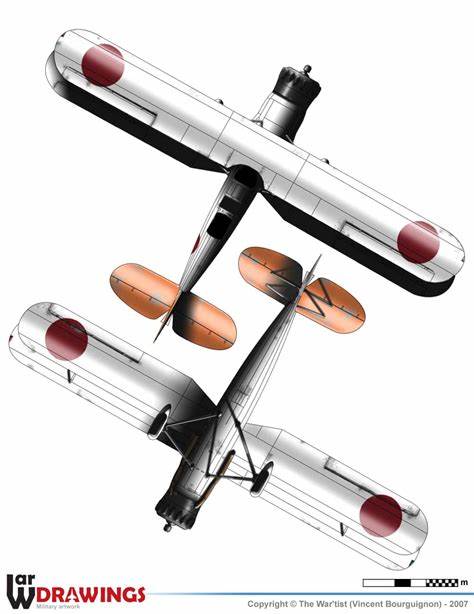
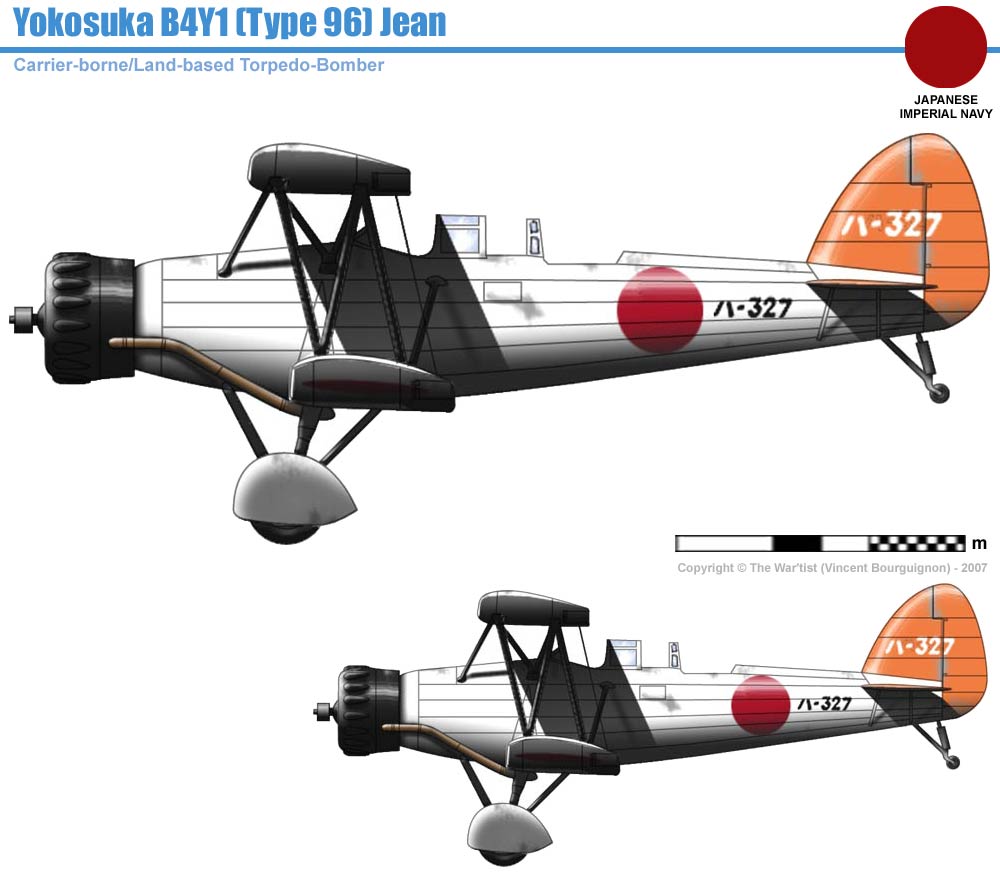
Construction description
The Yokosuka B4Y1 is a Japanese carrier-based bomber with a biplane design, featuring a fuselage made of steel tubes covered with fabric and wings with a wooden structure also covered with fabric, which can be folded back. The plane has fixed landing gear with fairings. The crew of the Yokosuka B4Y1 consists of three people: a pilot, a bombardier/navigator, and a radio operator/rear gunner. The plane is powered by a Nakajima Hikari 2 engine, an air-cooled, nine-cylinder radial engine with a takeoff power of 618 kW (840 hp), which turns a two-bladed wooden propeller with a diameter of 3,500 mm. The armament of the Yokosuka B4Y1 includes a 7.7 mm Type 92 machine gun in the nose and a movable 7.7 mm Type 92 machine gun in the rear gunner position. The plane can carry 1 torpedo weighing 800 kg or 800 kg of bombs.
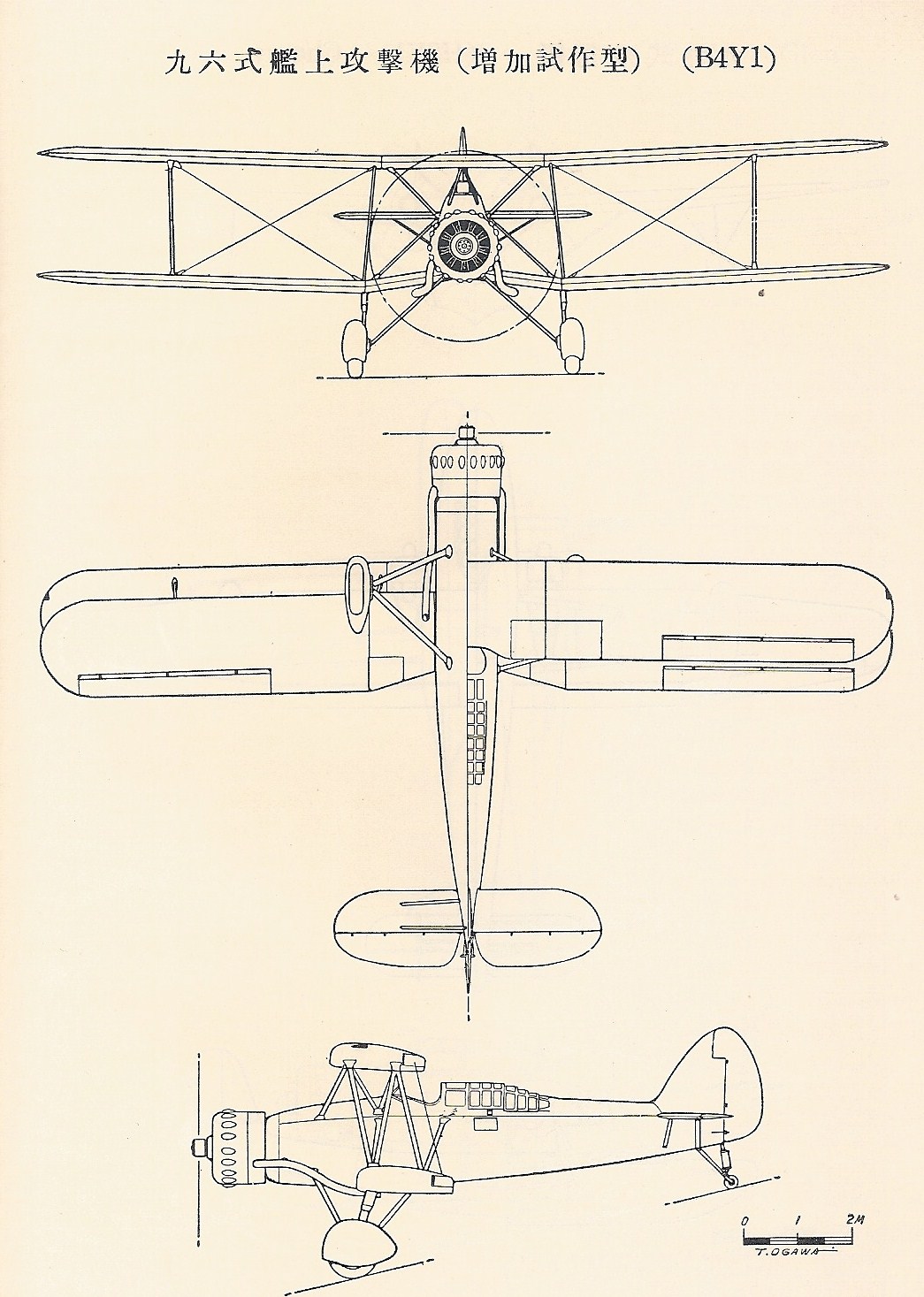
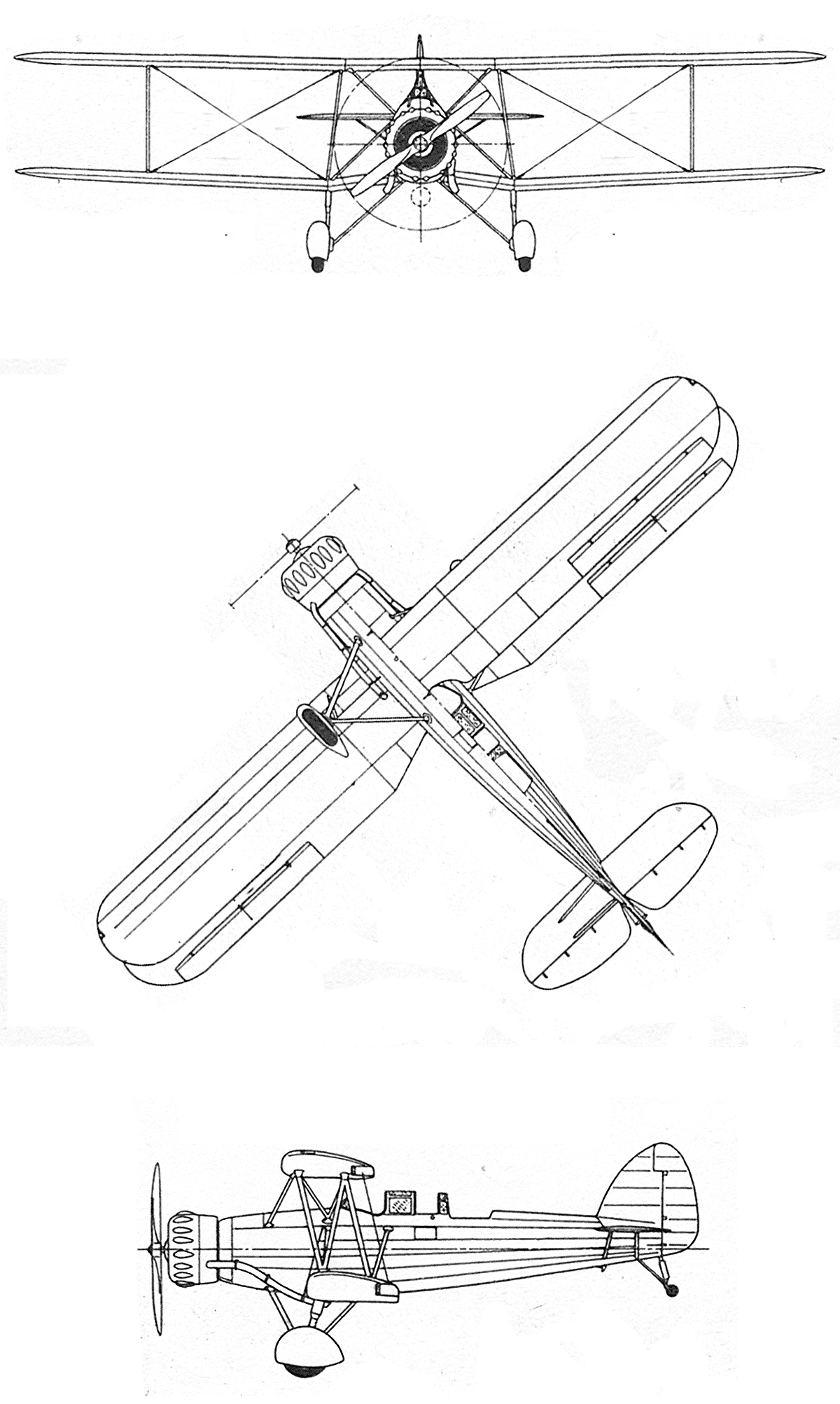
General characteristics
- Crew: 3
- Length: 10,15 m
- Wingspan: 15 m
- Height: 4,38 m
- Wing area: 50.0m2
- Empty weight: 2000 kg
- Gross weight: 3450 kg
- Maximum Take-off Weight: 3600 kg
- Powerplant: 1 x Nakajima Hikari 2 engine, an air-cooled, nine-cylinder radial engine with a takeoff power of 618 kW (840 hp)
- Propellers: Two-bladed wooden propeller with a diameter of 3500 mm.
Performance
- Maximum speed: 278 km/h
- Cruising speed: 225 km/h
- Range: ?
- Maximum Range: 1574 km
- Service ceiling: 6000 m
- Climb Rate: 3,6 m/s
- Rate of climb: 14,0 min to 3000 m
Armament
- Guns:
- 2 x Type 92 7.7mm fixed machine guns in the nose
- 1 x Type 92 7.7mm mobile machine gun on the back
- Bombs:
- 1 x 800 kg torpedo under the fuselage
- 1 x 800 kg bomb under the fuselage
- 1 x 500 kg bomb under the fuselage
- 2 x 250 kg bomb under the fuselage
- 500 kg various smaller bombs (100 kg, 60 kg, 30 kg)
Special thanks
Summary
The Yokosuka B4Y1 is an interesting bomber for Japan in War Thunder. This plane has a very good bomb or torpedo load compared to other single-engine biplanes in the game, which can give the player a lot of options in any type of battle. The Yokosuka B4Y1 could already be added as an early naval bomber (before the Nakajima B5N2) or as an addition to Japanese planes with more 1930s designs. This plane could become a tech tree vehicle, an event plane, or a premium. I encourage you to discuss in the comments and to share your own knowledge on this subject.
Finally, I apologize for the linguistic and logical errors because unfortunately English is not my main language and I had to use google translator.
Internet sources
九六式艦上攻撃機 - Wikipedia
Yokosuka B4Y - Wikipedia
九六式艦上攻撃機/空技廠Yokosuka B4Y | 大日本帝国軍 主要兵器
Yokosuka B4Y Torpedo Bomber (1935)
Yokosuka B4Y
Jokosuka B4Y1 [Jean] : Jokosuka
Уголок неба ¦ Yokosuka B4Y
Book sources
- 日本航空機辞典 1910年(明治43年)~1945年(昭和20年) 上巻 (Encyclopedia of Japanese Aircraft 1910 (Meiji 43) – 1945 (Showa 20), Volume 1) page 190-191
- 野沢正『日本航空機総集 愛知・空技廠篇』出版協同社 (Masaru Nozawa, ‘Comprehensive Collection of Japanese Aircraft: Aichi and the Air Technical Arsenal Edition’), page 163-165
- Japońskie Samoloty Marynarki 1912-45 część II (Japanese naval aircraft 1912-45 part II) page 33-35

Thank you for reading the suggestion, see you in the next one. Good luck pilots