Sorta why, it still makes no sense why Gaijin hid all 3 when the only one that is a partial vehicle is the V1.
1 Like
They are removing Japanese tanks and aircraft and replace them with US or RU Copy-Paste vehicles that one has played over 6 TT’s already.
I haven’t seen them remove anything.
Ho-Ri Proto and Product were going to disappear eventually because both were based on a Drawing that was a complete forgery by Maiwaffentrager. Aka wasn’t real.
The R2Y2s, however, in terms of V2 and V3, were complete fiction. But added as a necessity for the time.
The V1, however, has info and proof that it was in very early development, where it can be considered an incomplete prototype.
However, I doubt it would have 4 30mm’s, so if anything, a new version would be R2Y2, and armed with 2 30mm’s and 2 20mm’s. While having the entire loadout the Japanese Zeros had, which was 250kg bombs, 800, 500 kg, and bottled rockets. Even if the loadout itself is fake.
At this point, it would be a suitable option compared to what was added and is closer to reality than fiction.
1 Like
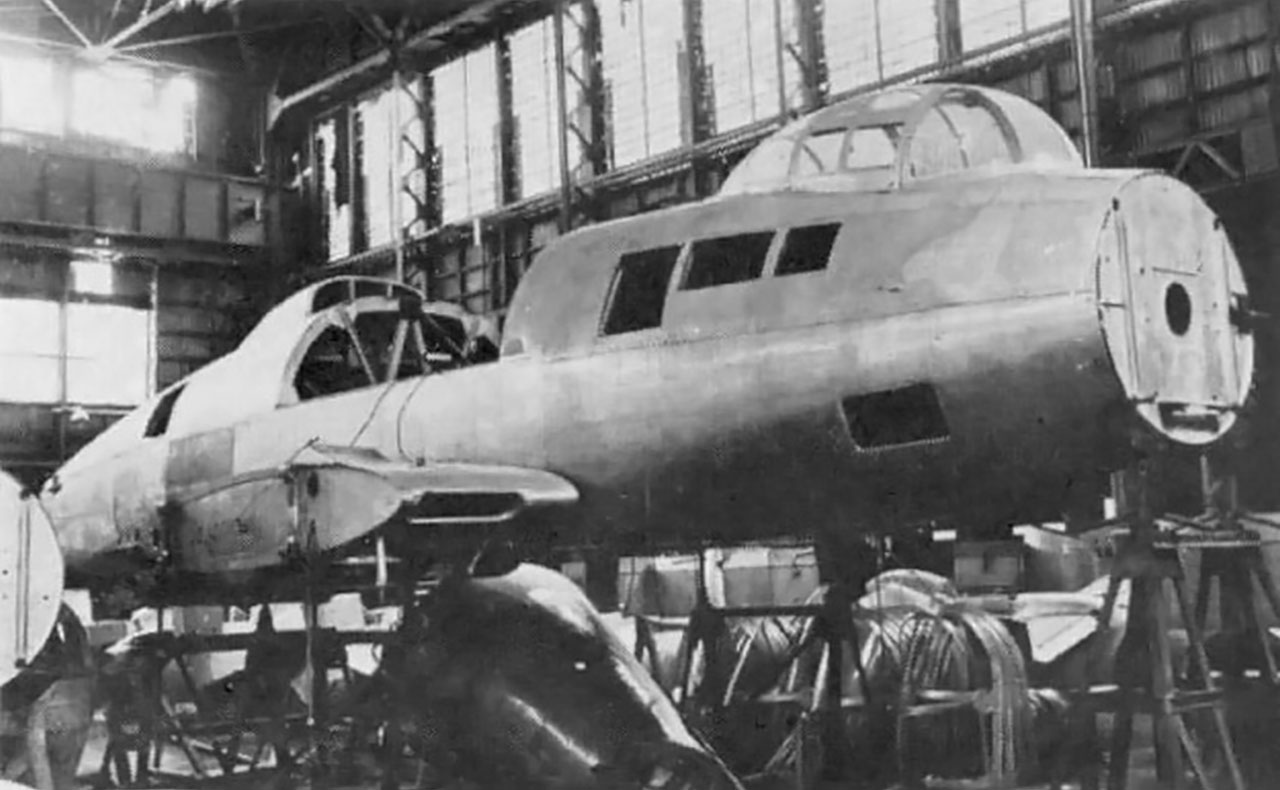
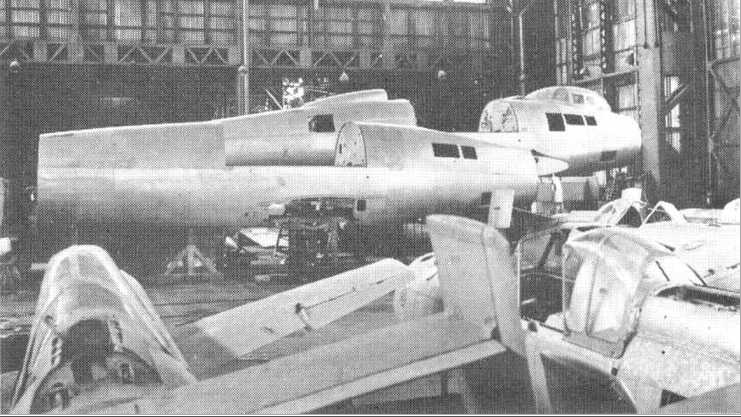
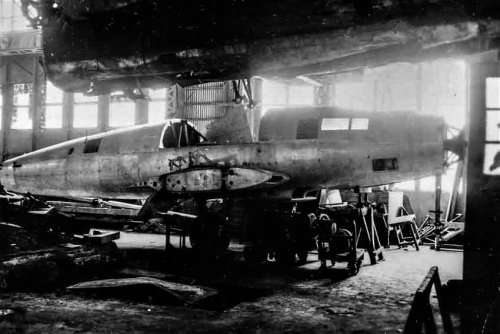
In terms of technical development, one completed R2Y1 was produced, which underwent testing in May 1945. A second prototype was under construction. The Japanese encountered issues with the Aichi Ha70-I engines (during the second test flight, an engine caught fire). Photographs—most likely of the second prototype—still show the space for a drive shaft and an opening for engine installation. It is possible, however, that a second R2Y1 prototype was being prepared for conversion into an R2Y2, with certain structural elements left in place to save time. The Mitsubishi Ne-330 engines were still in the prototype construction phase, unlike the Ishikawajima Ne-130 and Nakajima/Hitachi Ne-230 engines, which had already been built and partially tested. Consequently, it is difficult to determine whether the R2Y2 V1 is an unfinished prototype; the Japanese never completed work on the Ne-330 engines, and the photographs of the second R2Y1 prototype show no signs that it had been adapted for the installation of jet engines.
2 Likes
The R2Y2 was intended to be a heavier, faster version of the Kikka. It was designed to carry heavy bombs or torpedoes with less of a performance penalty than the Kikka. While the Kikka was projected to reach 696 km/h without a payload, the R2Y2 V1 was expected to achieve approximately 783 km/h—a notable increase in speed. The Nakajima Kikka was conceived as a defensive aircraft, intended to launch surprise attacks—utilizing its high speed to strike American ships with conventional bombs, skipping bombs, or through kamikaze tactics. The Imperial Japanese Navy primarily envisioned the jet-powered R2Y2 serving similar purposes, though with the added capability of conducting attacks from greater distances.
1 Like
Then, it’s certainly not hard to imagine the historical R2-D2 would be armed with 20- and 30-mm pairings.