Yes
1 Like
Idgaf how they are to play, they’re still way ahistorical. First comes the accurate flight model, then BR. If you want better performance, choose a different plane.
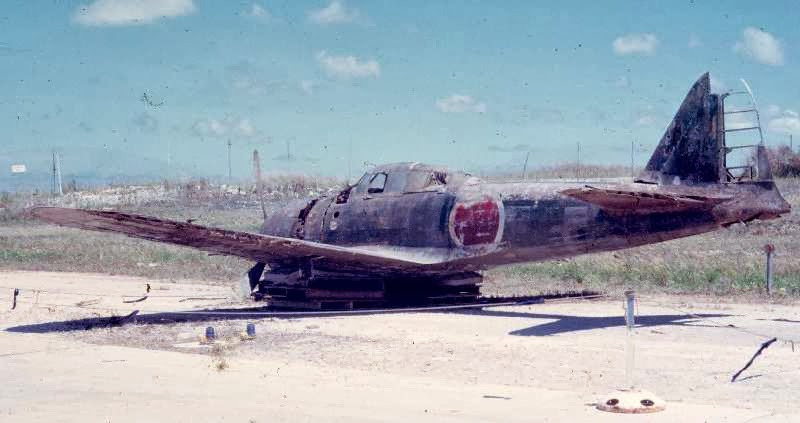
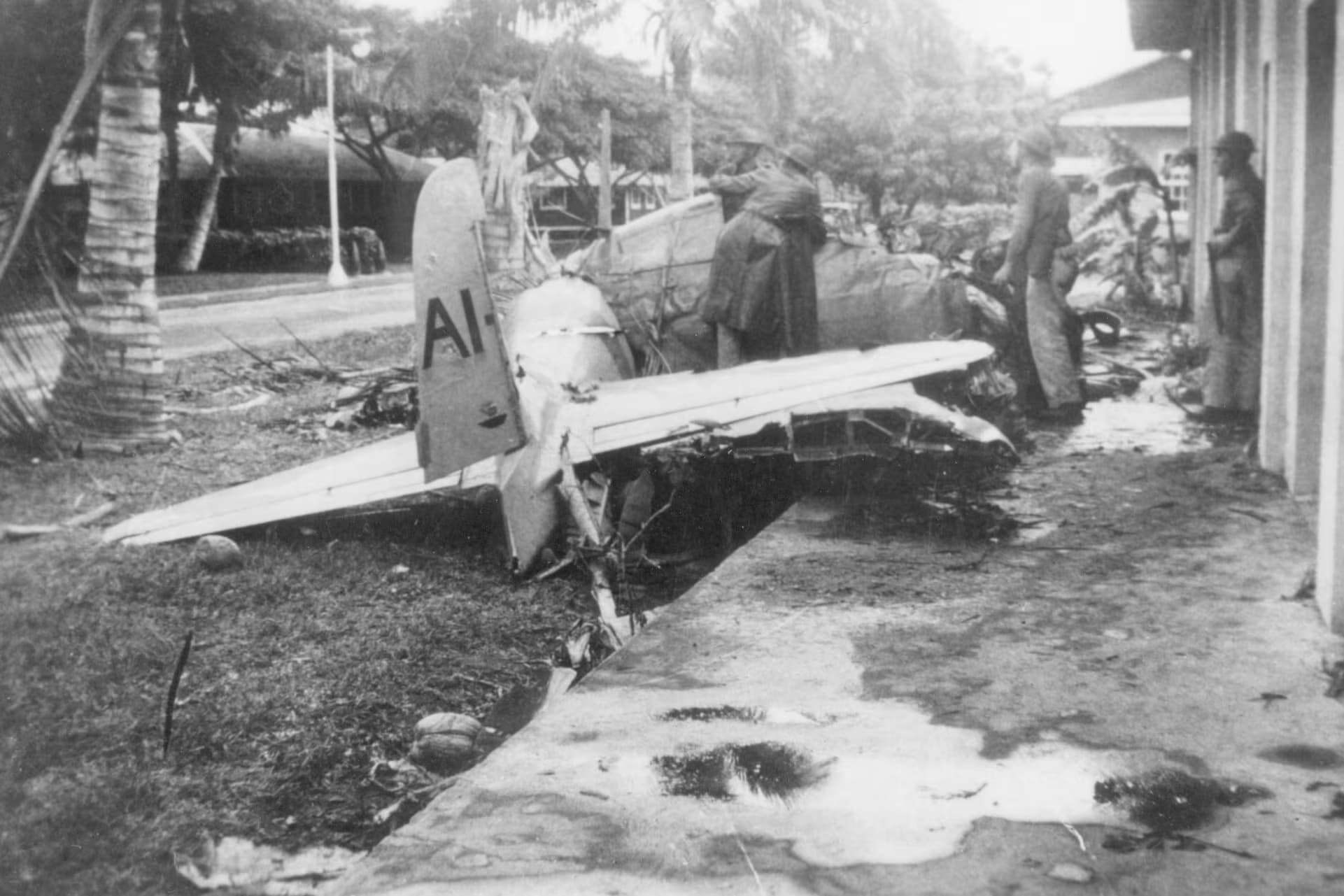
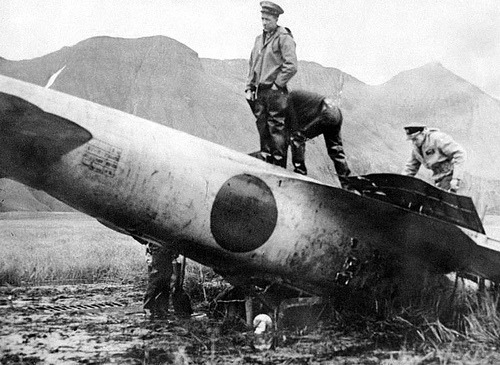
I’d say that still falls into structural strength, but potato tomato.
Axiomatic for all aircraft!!
It still proves the point for the other guy who thought otherwise.
You have to see it another way.
The current zero is just a pain both to play and to be against. A bit like a lesser me163.
It’s a pain to face because:
Get close to it without 200kph more and you just die, in every prop.
Currently, the zero turn so stupidly well that after a merge at ~400kph, the zero can turn around, aim and open fire at 400m behind you.
It’s a pain to play because everybody knows, “never stay close to a zero”. So they BnZ and run away from you every time. Most of your kills as a zero player will be 3 party on someone who was fighting and didn’t see you.
If the zero get nerf in control surface compression at higher speed. It should have a lower br, and thus be a better plane to both play with/against. If the dive acceleration was nerfed, a lot more people could try to out dive it and engage in more fight.
4 Likes
This MIGHT not be changed. Lightweight planes with good p/w always have good acceleration at least in the initial part of the dive, for example IRL Ki-43s were known to be VERY dangerous to approach at relatively low speeds due to its straight and level acceleration being unmatched by allied types up to about 400kph, where the differences evened out.
2 Likes
Carrier planes tend to be pretty robust, thru have to sustain high speed landing in a carrier.
Zero fragile reputation came from being a “lighter”.
1 Like
Early ones perhaps, but sometimes the KI-43’s being assumed “as a Zero” also didn’t help the A6M’s reputation.
Please use English.
Thank you.
2 Likes
There are very good technical reasons why the ZERO was G resistant. Read this write up.
Mitsubishi A6M Zero - Wikipedia,
The key is in “Design and Development” section third paragraph.
" Every possible weight-saving measure was incorporated into the design. Most of the aircraft was built of a new top-secret aluminium alloy developed by Sumitomo Metal Industries in 1936. Called “extra super duralumin”, it was lighter, stronger and more ductile than other alloys used at the time but was prone to corrosive attack, which made it brittle.[11]
This detrimental effect was countered with a zinc chromate anti-corrosion coating applied after fabrication." Follow the link Extra Super Duraluminum.
If you look at the specs, this zero the A6M2 was the one that hit Pearl Harbor and the rest of the Western Pacific.
Compare this to the Spitfire Mk V specs here.
The Spitfire was considered a VERY light fighter with some of the best metallurgy Europe had to offer. Yet compare the empty weights.
ZERO 3700 pounds
Spit Vb 5065 pounds a difference of almost a TON.
The secret to everything Mitsubishi made was that Sumitomo “Super Extra Duraliminum”
Bloody ZERO when it was faced by allied pilots in the first three months of the world was unearthly in it’s capabilities. It was down right CREEPY. That G reistence has to do with mass.
A Dragon (insect) fly is so light it can withstand 23Gs in it’s little zig zag turns. A wing holding up 5000 pounds in 3 g turn has to hold up 15,000 pounds"
A Wing that is holding up 3700 pounds in a 3 G turn is only holding up 11,000 pounds.
Double that and you have a real mess on your hands.
While accounting aircraft weight to its airframe G resistance, one thing need to be noted is the aspect ratio of the airplane.
Take your example of a Spitfire versus a Zero, the spitfire has a lower aspect ratio wing of 5.67, while A6M2 has a very high aspect ratio among WWII fighters, 6.75, almost excessive.
Higher aspect ratio wing will bring much larger bending moment and can be very challenging for the wing structure. Certainly, lower gross weight plays a vital game in the static stress analysis, the real physics during the loaded flight is way more complicated.
The Grumman F4F was calculated and tested, in static force analysis, to withstand 8.5G pullouts at 550mph (885kph), however, in real flight, excessive buffeting and even fluttering will always take place way before this calculated condition. The same thing for most WWII Japanese planes, where designers and contractors’ claim mainly rely on static stress analysis, which will provides over-stated figure, such as “850kph & 13G” claim for the Ki-44 and Ki-61.
In the case of Zero, I would say its structure is not that weak, because of the new material it achieved a reasonably strong structure to be a naval fighter, able to withstand carrier operations and 6.6G sustained pull-out, much stronger than the Ki-43 which rely on conventional duraluminium. But it is never a super fighter like in game to do 13-14G sustained pull-outs at high speed, which makes little sense IRL.
In the game, the value was set to be very high so that Gaijin wants everyone to leverage A6M’s supermanoeuvrability across all speed range, without the concern of the structure. Which was not the case before the buff around 2016, the A6M were prone to rip itself at mid-high speed at 9G and thus Japanese Tier3 was relatively weak during that time.
4 Likes

Dude, come on… That has nothing to do with mechanical stresses. The Zero is widely known to have used a one-piece construction for the wings and fuselage