While accounting aircraft weight to its airframe G resistance, one thing need to be noted is the aspect ratio of the airplane.
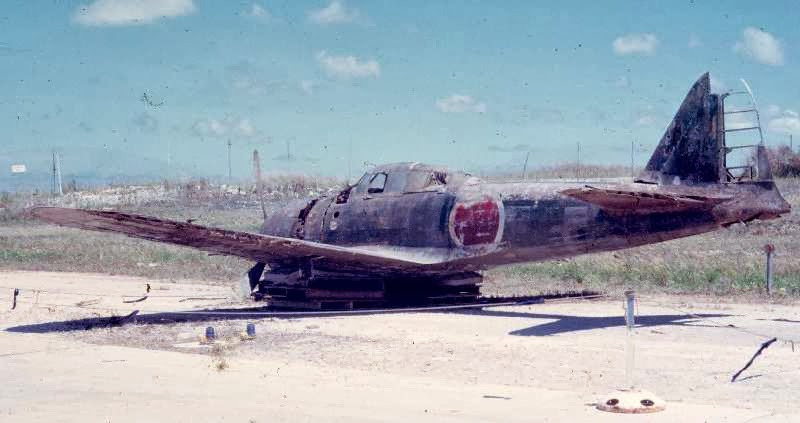
Take your example of a Spitfire versus a Zero, the spitfire has a lower aspect ratio wing of 5.67, while A6M2 has a very high aspect ratio among WWII fighters, 6.75, almost excessive.
Higher aspect ratio wing will bring much larger bending moment and can be very challenging for the wing structure. Certainly, lower gross weight plays a vital game in the static stress analysis, the real physics during the loaded flight is way more complicated.
The Grumman F4F was calculated and tested, in static force analysis, to withstand 8.5G pullouts at 550mph (885kph), however, in real flight, excessive buffeting and even fluttering will always take place way before this calculated condition. The same thing for most WWII Japanese planes, where designers and contractors’ claim mainly rely on static stress analysis, which will provides over-stated figure, such as “850kph & 13G” claim for the Ki-44 and Ki-61.
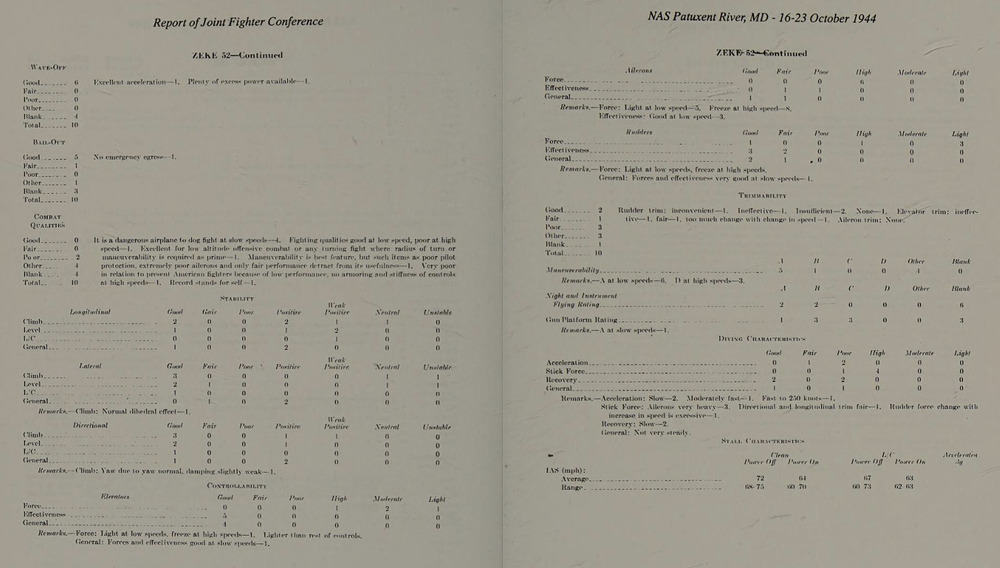
In the case of Zero, I would say its structure is not that weak, because of the new material it achieved a reasonably strong structure to be a naval fighter, able to withstand carrier operations and 6.6G sustained pull-out, much stronger than the Ki-43 which rely on conventional duraluminium. But it is never a super fighter like in game to do 13-14G sustained pull-outs at high speed, which makes little sense IRL.
In the game, the value was set to be very high so that Gaijin wants everyone to leverage A6M’s supermanoeuvrability across all speed range, without the concern of the structure. Which was not the case before the buff around 2016, the A6M were prone to rip itself at mid-high speed at 9G and thus Japanese Tier3 was relatively weak during that time.