No idea, this is what xeno_quaza, the tech dev, said about it when he posted it:
“For an example of how RCS effects detection range, please see this chart, it’s not perfectly accurate, but it was made by someone far more knowledgeable then me based off of several books on the topic and their background in radio engineering. And is from everything I know, about as accurate a chart for this kinda thing you can get without going into full simulations. And also is about comparable how warthunder handles RCS too, to my knowledge”
There are few options to help the US tree that won’t upset other mains.
They could add the AIM-120D and AIM 9X but other mains would demand the same missiles and their own. Then we’re right back in the same situation where other trees get the same or better missiles on better platforms because the US went to 5th gen instead of 4.5 gen.
They could add the foreign planes like the Saudi or Qatari EF, but that will just piss off certain trees.
They could add the F22, but again, people will complain.
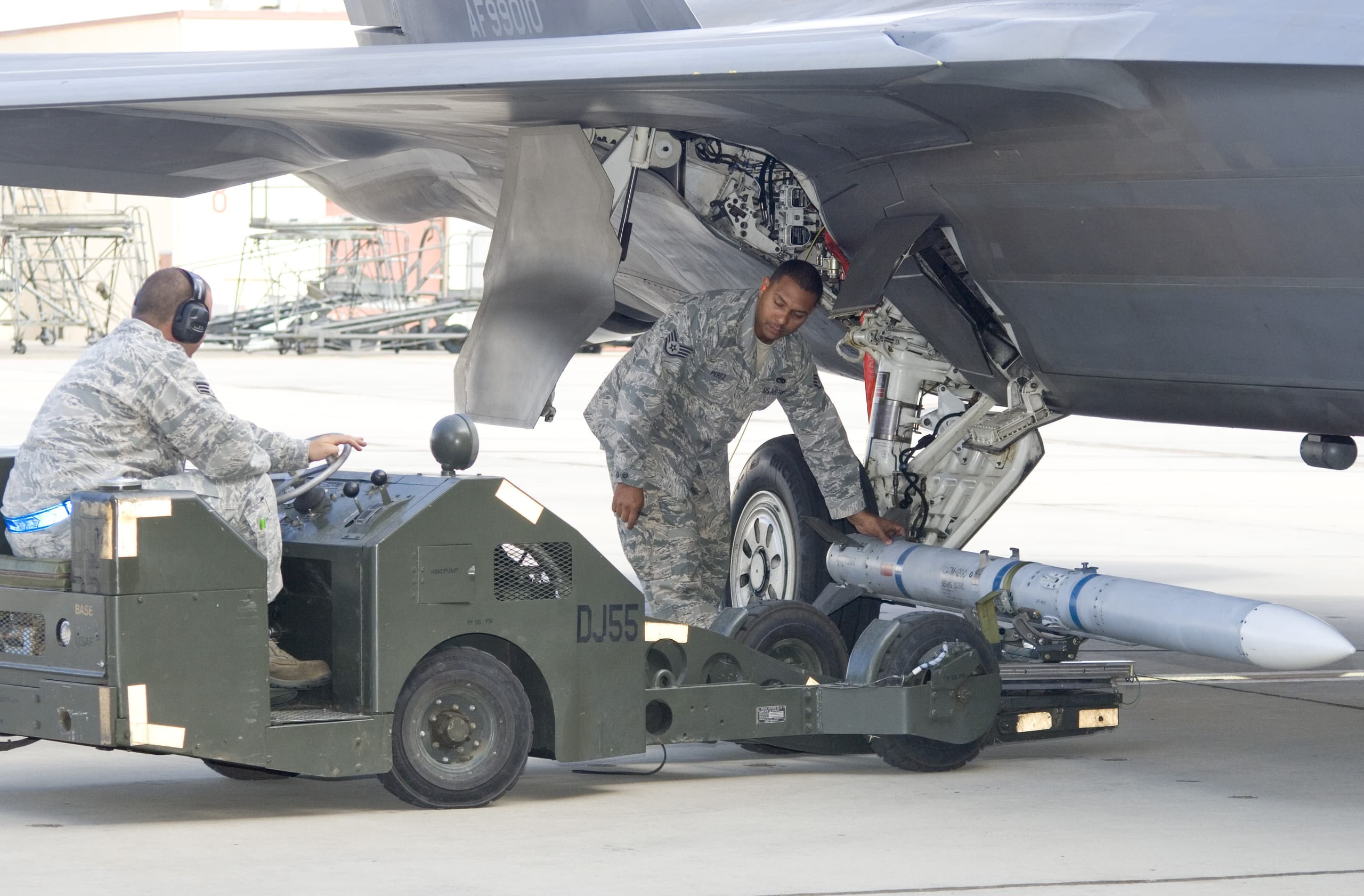
They could add the AIM-260. Here’s an F18 that looks to be carrying an AIM-260.
That image is quite interesting. That is most likely an AIM-260 as it is missing fin in between that other AIM-120 have. That’s the first image that i have ever seen of it
i see ton of players at top that have no idea how to use top tier jets or radar would be nice if gajin add more more tutorials that will improve player skill at using top jets !
If they’re useless why are they still on production aircraft the? Why even bother to produce aircraft with them? If it was a majority downside for high speed maneuvering people wouldn’ produce canarded aircraft, theres obviously a benefit that you’re simply electing to ignore
Because Irkut still needs to make planes in order to stay in production, they don’t want to close down the production line. If it wasn’t for the su30 they’d be useless, only other plane they make is the yak 130. Knappo makes the actually useful planes in the su34, su35 and su 57
You’re mixing up low-speed / high-AoA controllability with supersonic control authority. They are governed by very different aerodynamics.
Case in point, even the regular F-15C/E retain high speed controllability. It’s in fact one of its great strength.
At high supersonic speeds, control comes mainly from:
Tailplane authority
Dynamic pressure (q) which is extremely high at Mach 1.5+
Control surface size and leverage
Structural stiffness and hinge moment capability
In fact, at high supersonic speeds, canards become less influential relative to the tail to the point of mattering very little.
Full-authority FBW and the all-moving tails are what give the Rafale, Eurofighter, and Gripen great control at Mach 1.5, NOT their canard. The F-15 also turns so well at these speeds despite having no canard because of huge all-moving stabilators, strong static stability, and massive wings + body lift.
Edited as I remembered afterward that they’re not fixed on these. I was thinking of the Viggen, Kfir, and such. Though the rest of the post still stands.
if i am right there is 3 different canard in plane
normal fixed canard like the viggen and kfir, help creat more wing span area who help the plane stay in control in low speed
delta canard like the euro plane such as rafale / eft / gripen, i think these are the main control surface who help the aircraft having good control at higher speed without losing speed
flanker canard who we all know and love, basicly a help in both way as low speed (300kmh and less )control and subsonic speed (500 -800kmh)
Fixed:
This is pretty much correct except one thing.
They act as lift augmenters and vortex generators. their main purpose is low-speed lift, stall delay, and short takeoff/landing.
They help low-speed controllability, but not by “adding wingspan”. They work by energizing airflow over the main wing.
Euro Delta Canard:
A lot to go through that isn’t correct.
They are not the main control surface at high speed, nor do they exist to preserve energy at high speed. At Mach 1.3+, tailplanes/elevons dominate control, not canards.
Canards here mainly provide:
Trim optimization
Lift balancing
Stability shaping for relaxed-stability designs(In understandable words, the aircraft’s ‘natural’ aerodynamics are intentionally imperfect, and software + control surfaces fix that in real time.)
Low-speed and transonic agility
Flanker canards:
Pretty much correct.
They significantly improve low-speed and high-AoA control, post-stall maneuvering, and nose-pointing authority in subsonic fights
At high supersonic speeds, they similarly play a secondary role to the tailplanes.
Aren’t the canards of the Viggen mobile, just not monoblock? IIRC there’s control surfaces at the trailing edge of the canards.
The viggen is probably an edge case because the canards are really large and designed like old elevator designs, they must generate consequent lift…