- Yes
- No
Introduction
The British Warrior IFV was born from Cold War thinking that traditional APCs, such as the FV432, were no longer sufficient for high-intensity mechanised warfare. Formal work on a replacement for the FV432 began in the late 1960s, heavily influenced by the appearance of the Soviet BMP-1 in 1967. Through the 1970s, the Fighting Vehicle Research and Development Establishment developed the Mechanised Infantry Combat Vehicle concept, culminating in the MCV-80 design. In 1977 GKN Sankey won the development contract, and by 1984 secured the £1 billion production contract after meeting reliability, time and cost targets. Production began in 1986, and the vehicle officially entered service as “Warrior” in 1988, designed to operate closely with Challenger main battle tanks and deliver infantry onto the battlefield while under armour.
Warrior was conceived as a family of vehicles sharing a common hull and automotive components. The primary FV510 Infantry Fighting Vehicle carried a three-man crew and seven dismounts and was armed with the 30 mm RARDEN cannon, entering service between 1988 and 1990. Other in-service variants included command (FV511), repair and recovery (FV512 and FV513), artillery observation (FV514), and battery command (FV515). Numerous other concepts were proposed over the years, including mortar carriers, reconnaissance variants, self-propelled air defences, export versions such as Desert Warrior for Kuwait in the 1990s, and experimental vehicles like VERDI and VERDI-2.
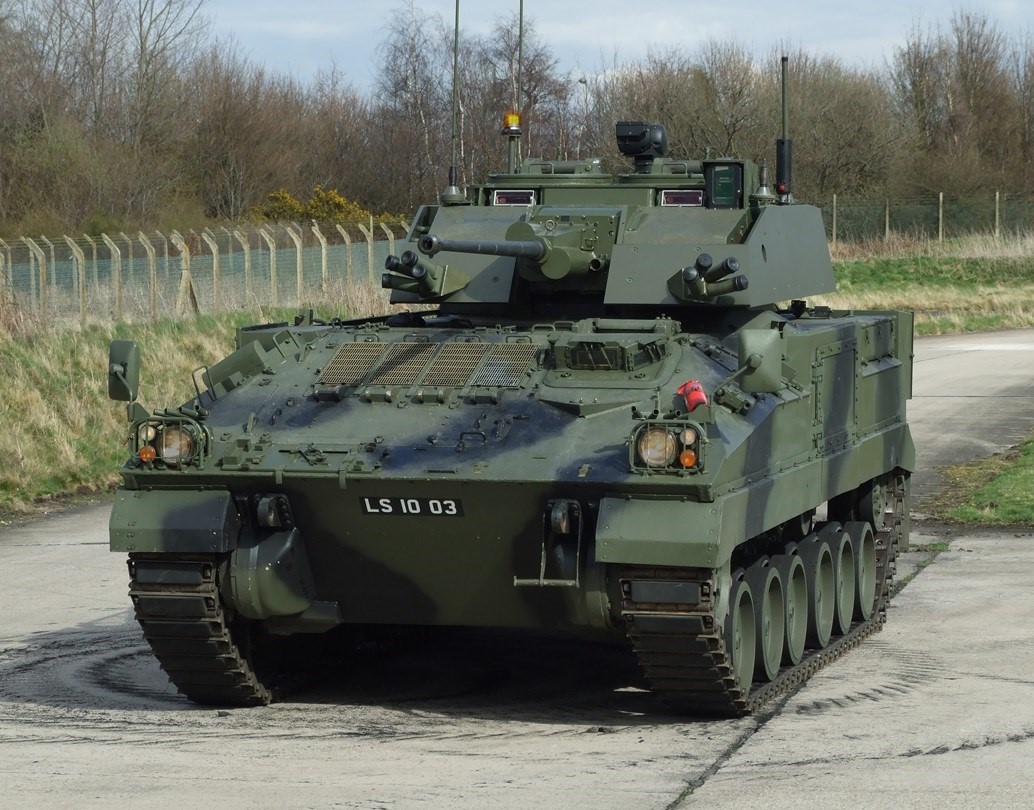
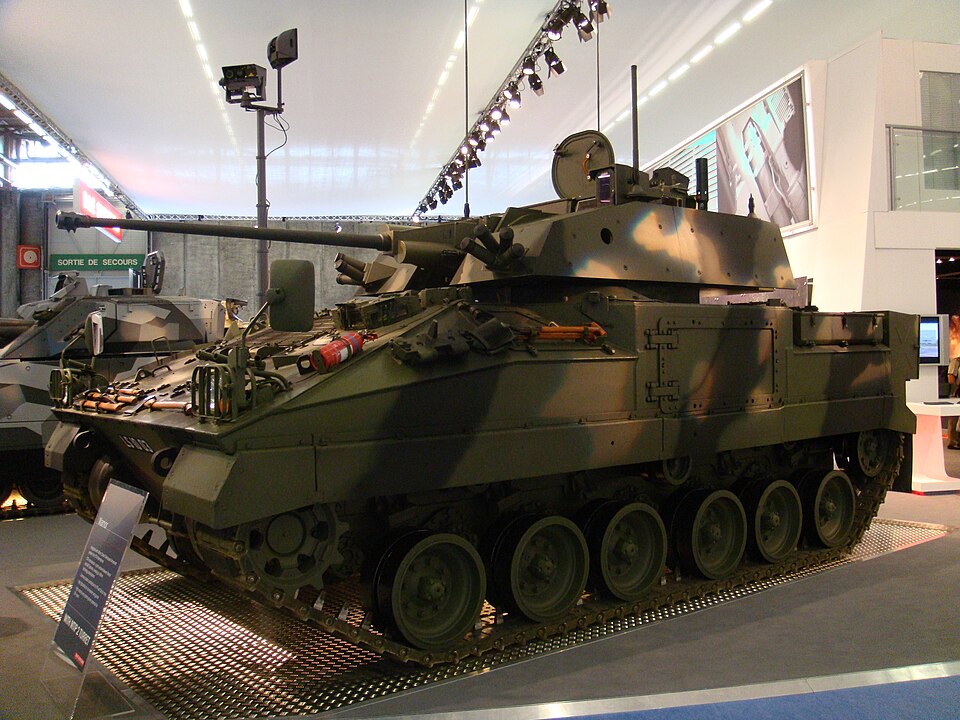
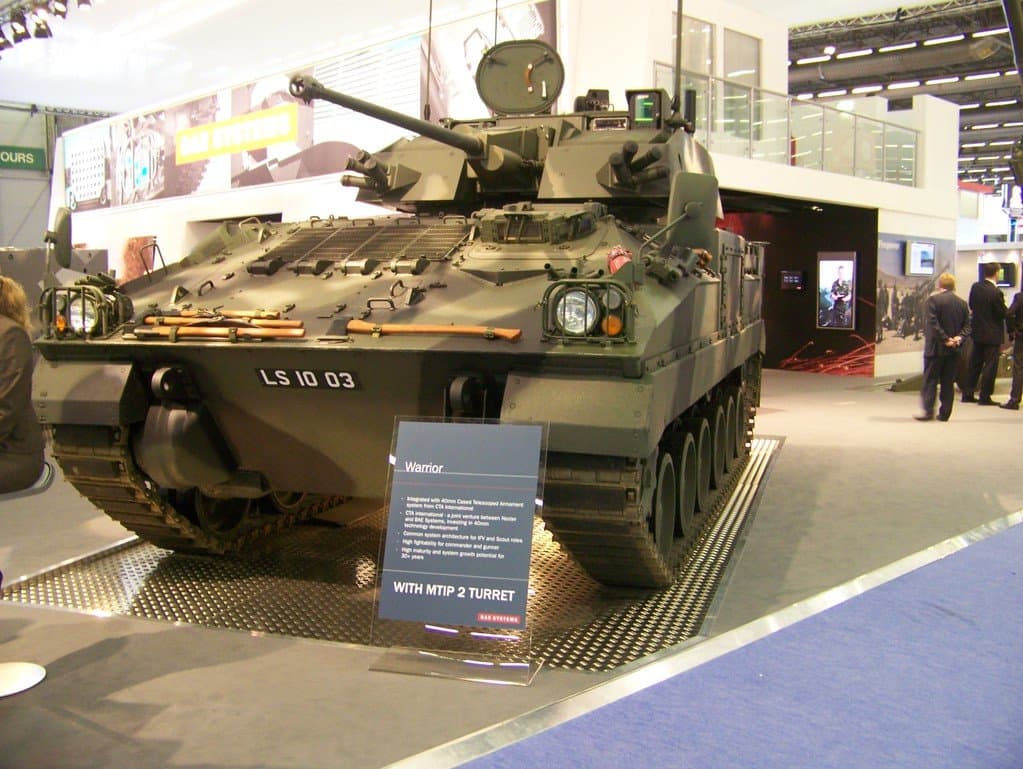
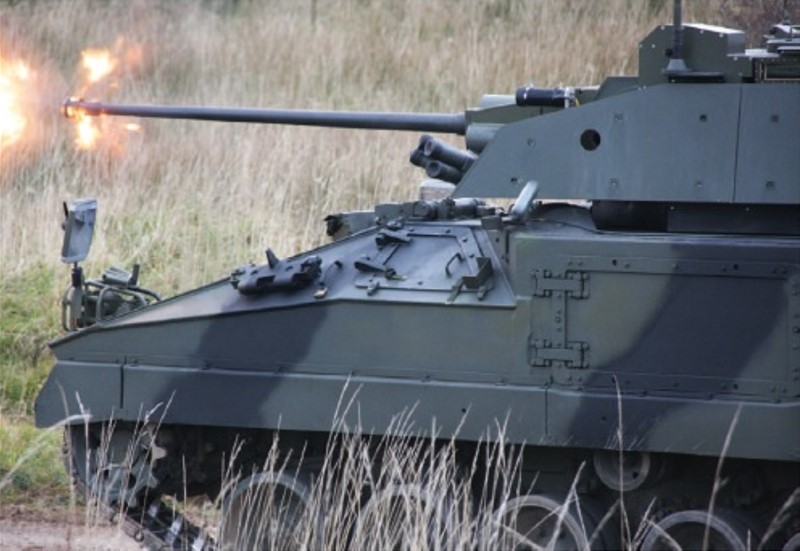
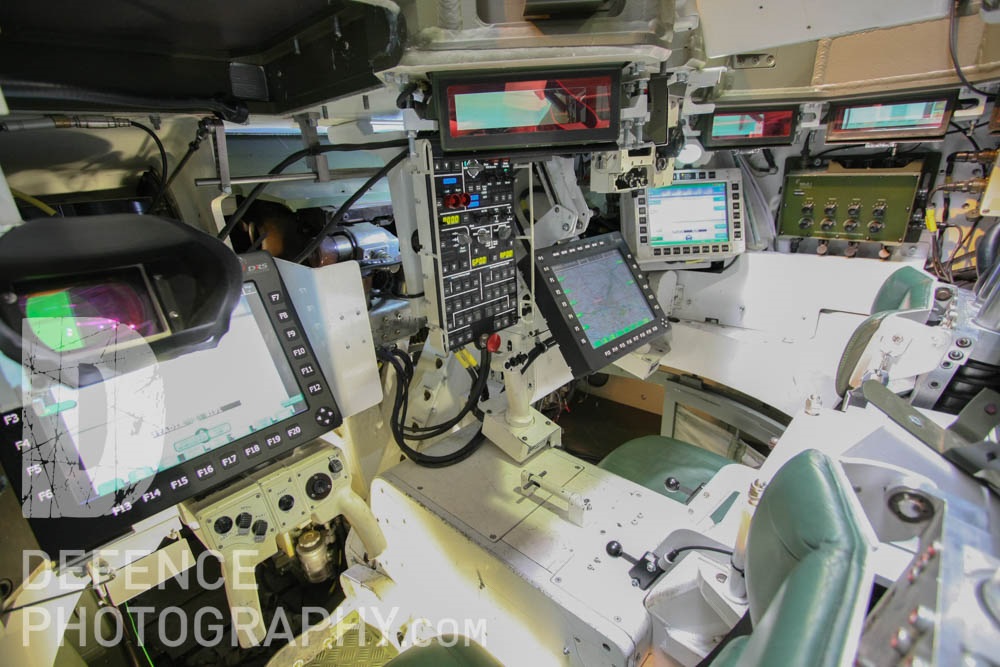
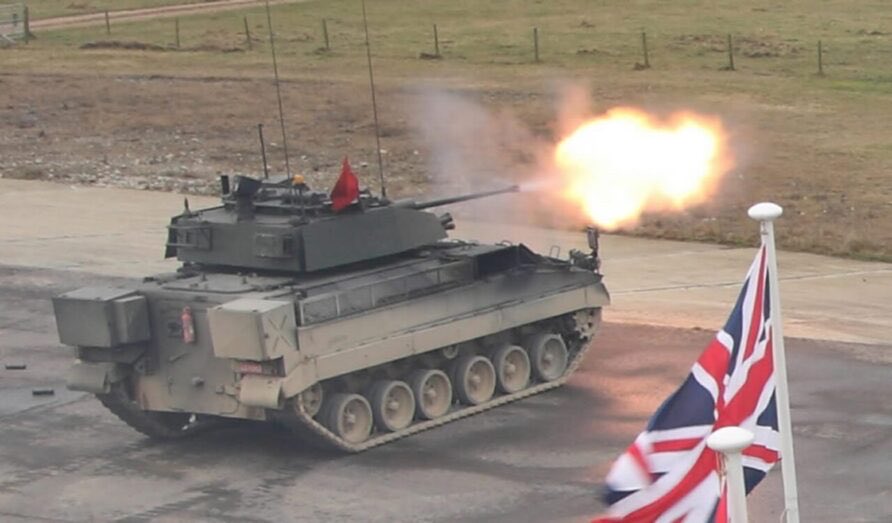
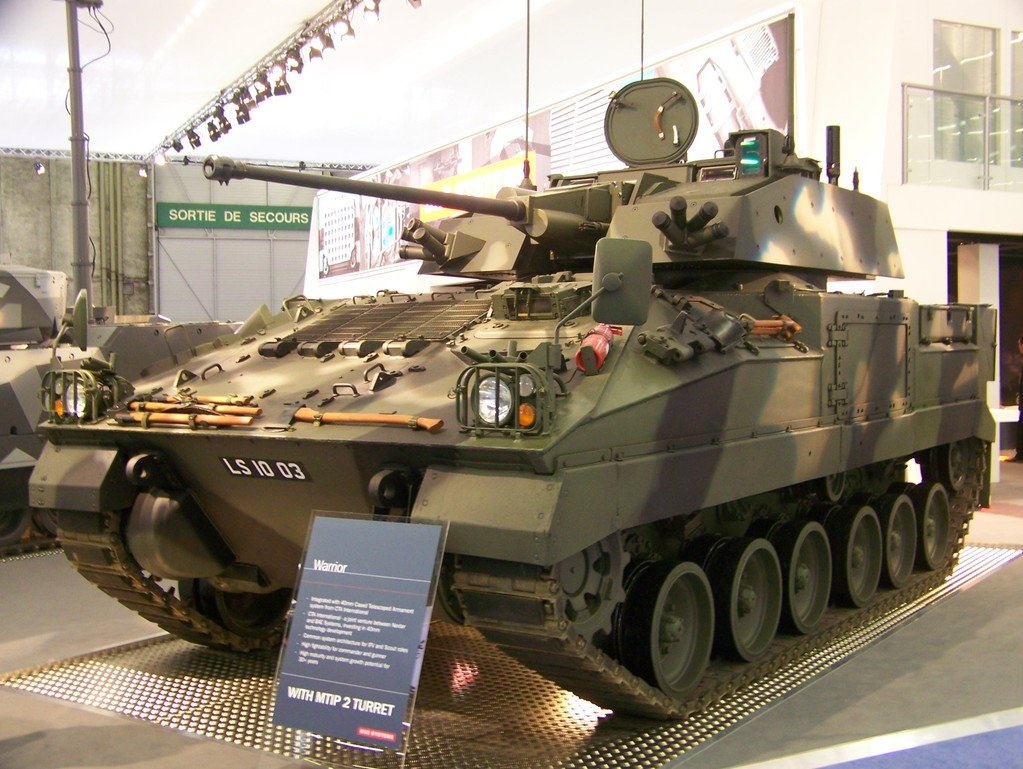
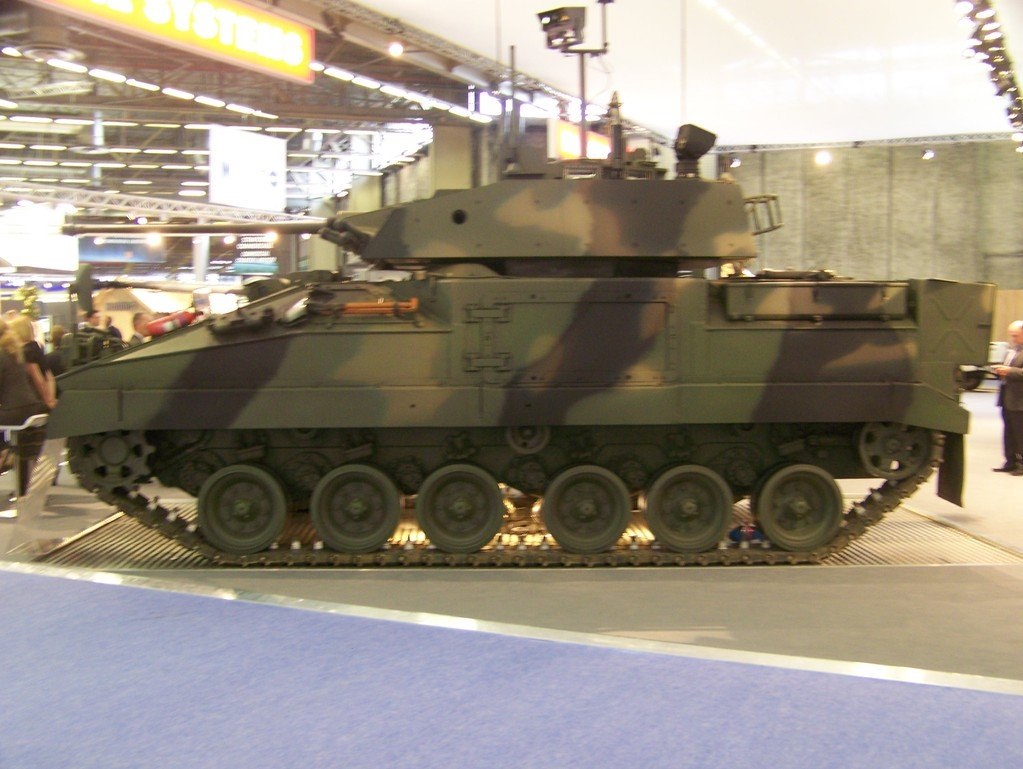
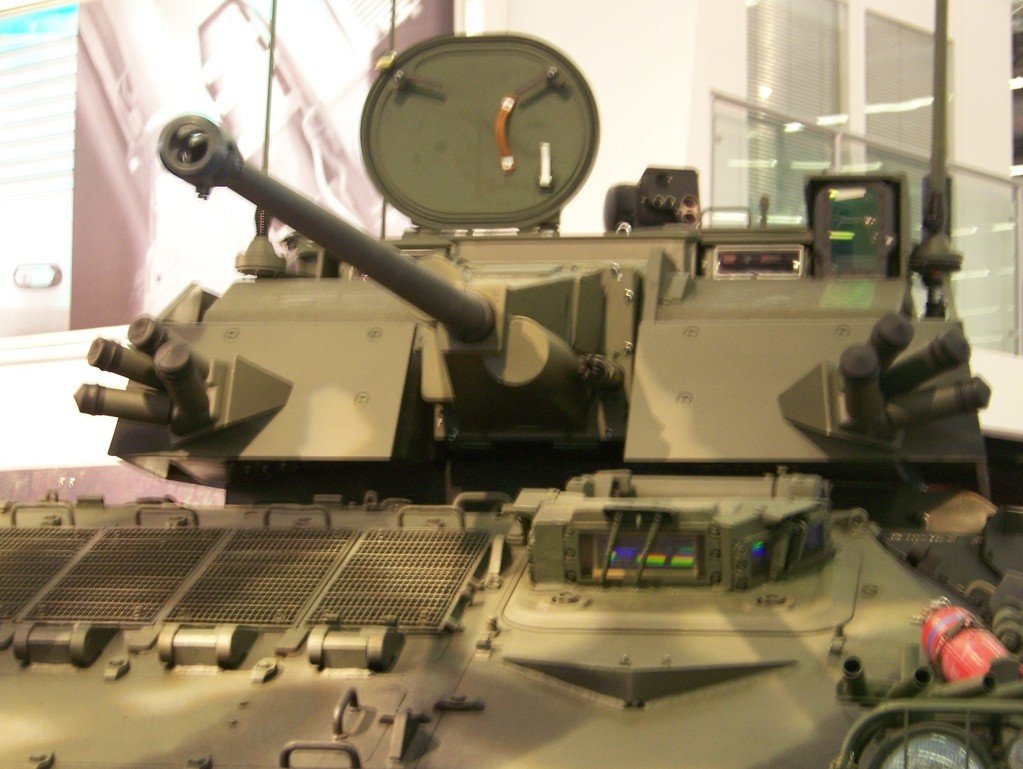
By the early 2000s, extending Warrior’s service life well into the 2000s required a fundamental improvement in capabilities across the board, particularly lethality and general electronic architecture. One of the earliest proposals put forward for this was BAE Systems’ Manned Turret Integration Programme 2 (MTIP 2), first achieving live crew clearance in December 2007 and publicly demonstrated between 2008 and 2009. MTIP 2 was a fully stabilised, welded-steel turret designed as a direct drop-in replacement for the original Warrior turret and integrated the 40 mm Cased Telescoped Armament System developed as a joint Anglo-French project by CTA International, as well as highly-advanced optics and fire control systems. Trials showed the system firing accurately on the move against moving targets, with observers noting stabilisation performance exceeding that of Challenger 2.
Despite reaching a high level of technical maturity, the MTIP 2 turret was shelved in favour of other turrets for the subsequent Warrior Capability Sustainment Programme (CSP) and Scout SV (later Ajax), with the former being cancelled after a protracted development and the latter still proving troublesome to this day. The Warrior MTIP 2, despite not being widely adopted or even known, remains a very capable platform and an interesting what-if for British armoured vehicle procurement, being produced almost twenty years ago and rivalling the capabilities of vehicles entering service today.
Specifications
Spoiler
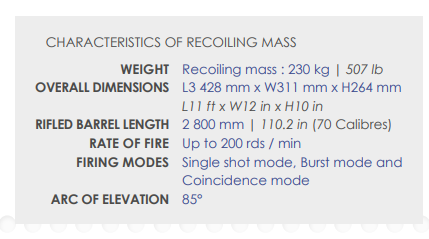
Armament - CTA40

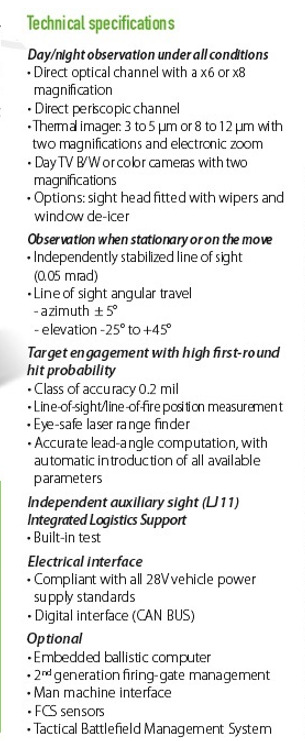
Gunners Optics
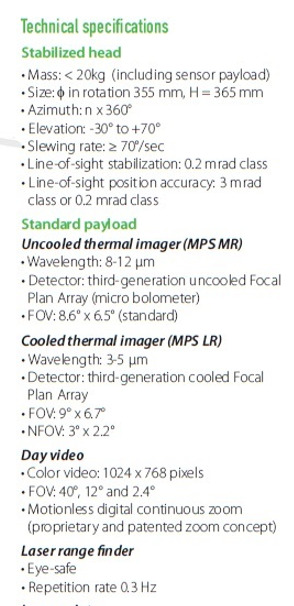
Commanders Optics
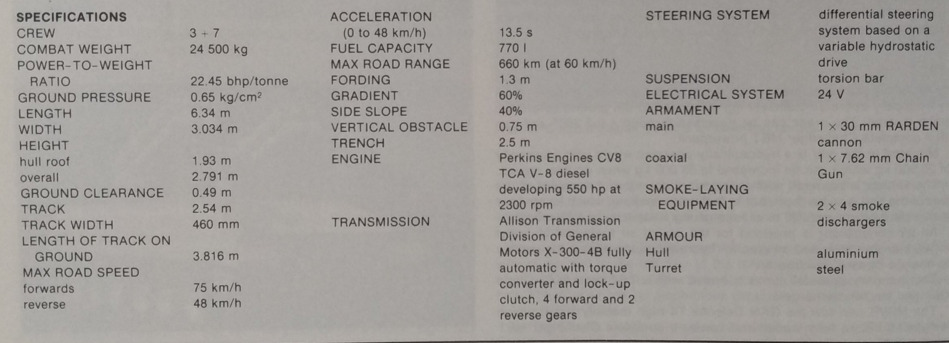
Generic Hull Specifications
Images
Sources
Spoiler
https://www.youtube.com/watch?v=gYOymuU2bs4
Savan 11 Gunners Sight Brochure (available here)
MPS LR & MR Panaromic Sight Brochure (available here)
CTA40 Brochure (available here)
Jane’s Armour and Artilerry 1991-1992 (Generic Warrior historic and specifications)