History
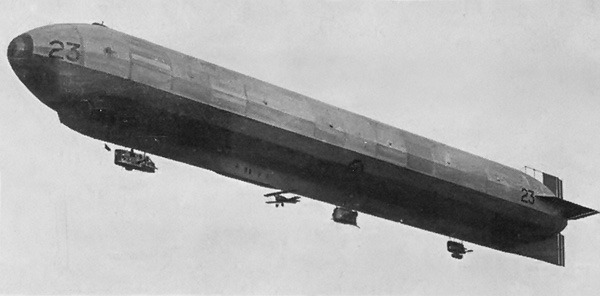
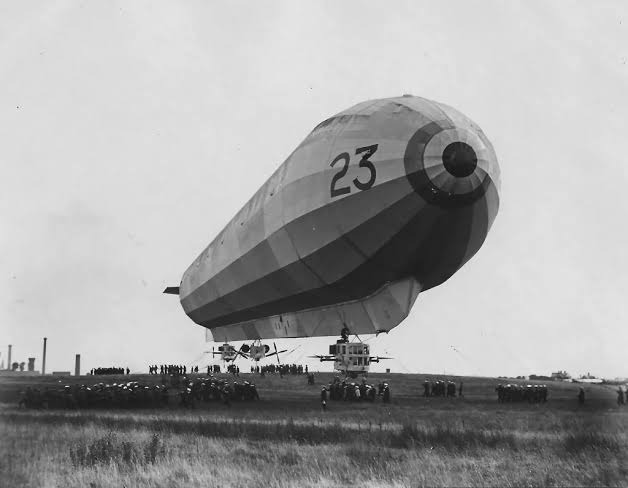
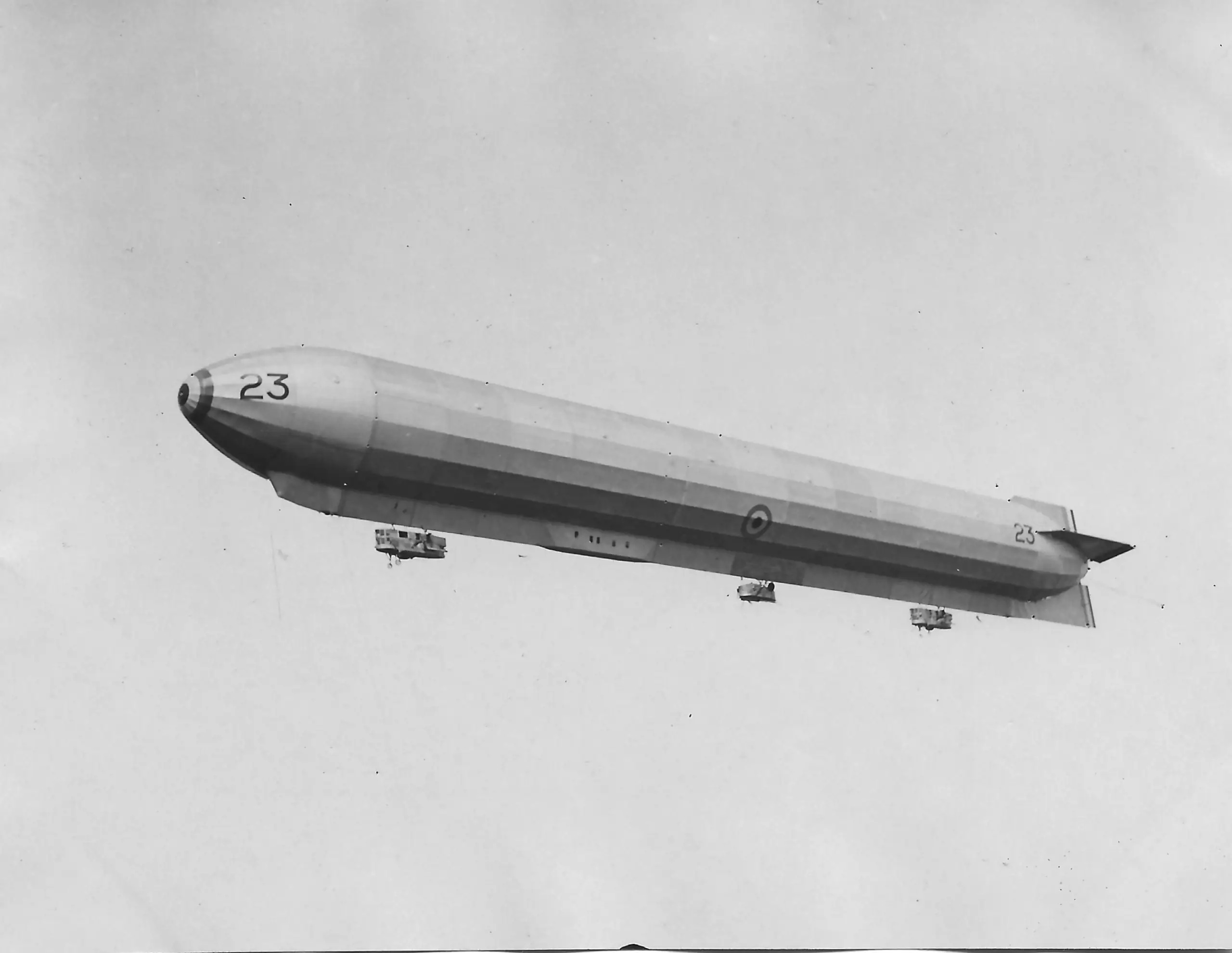
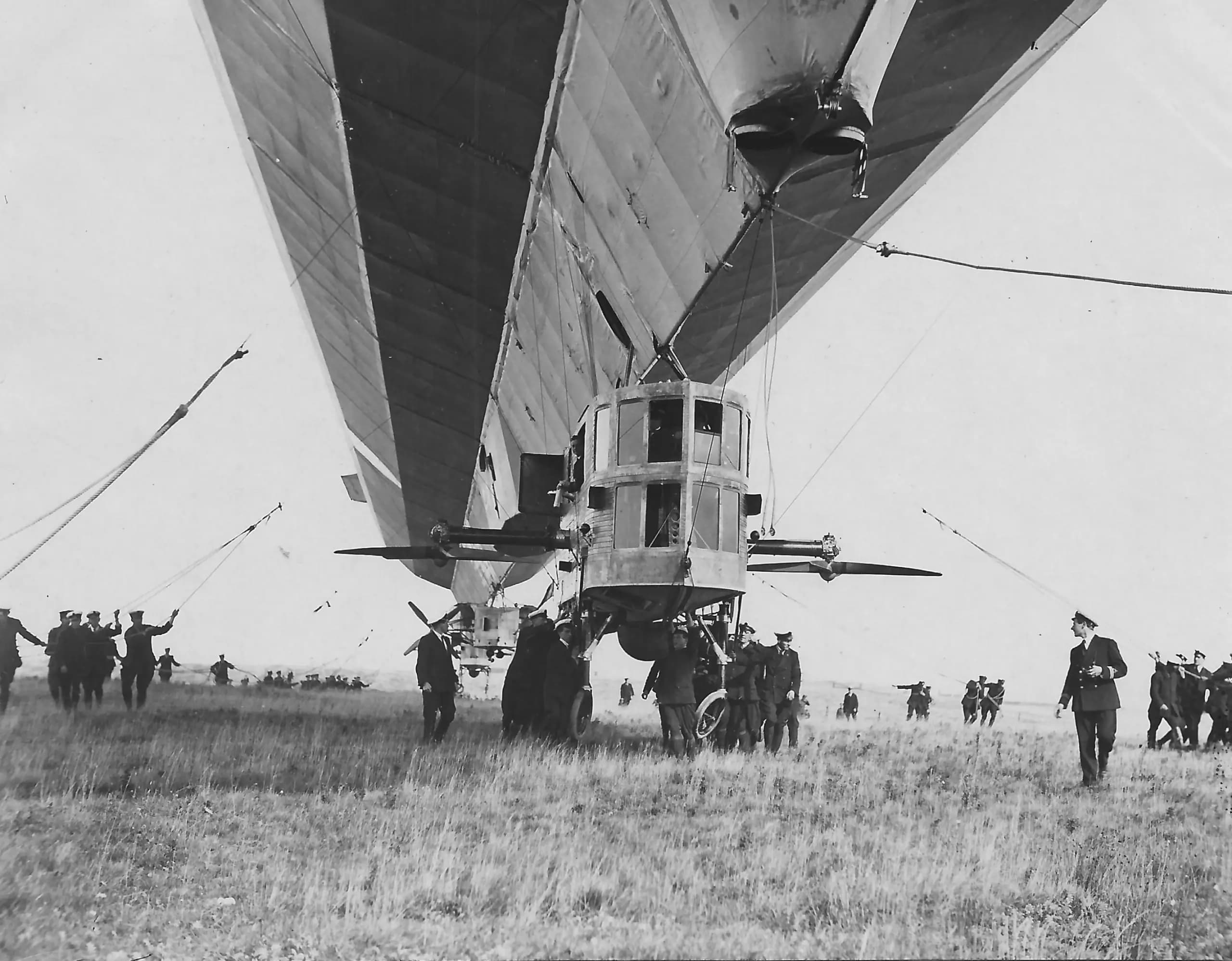
Following the idea of ordering more rigid airships built by Vickers the British government asked Vickers to make a new class of rigid airships following on from the design of their HMA No.9r, It was needed that this new class could be quickly mass-produced, increased lift and be faster. Vickers started by adding a new bay and modifying the nose and tail structure to accommodate additional gas bags to increase the lift. It also had new engines, 4 of the powerful Rolls-Royce Eagle engines producing 250hp each. A section of the keel was expanded to incorporate a bomb bay, sleeping quarters, radio room, and a toilet. 3 Gondolas were also suspended from the keel with the forward gondola housing the control room and one engine, the second housing 2 engines, and the third housing the fourth engine and an emergency control room.
HMA No.23r would begin construction on the 1st of January 1916 but was delayed due to material shortages, most notably there was a shortage of linen which was caused by the Easter Rising taking place in Ireland at the time and the subsequent strikes. During the construction it was found that 23r have much less lift than it was rated for and upon investigation so the dynamos, bomb gear, and much of the furniture was removed to save weight. The rear gondola was also redesigned to now feature a 240hp Maybach engine taken from a crashed Zeppelin L 33, the gondola also had it’s emergency controls removed in another effort to save weight.
23r first flew on the 19th of September 1917 and later begun trials in October with it first flying to RNAS Howden on the 15th and then to RNAS Pulham on the 29th. On the 6th of December it flew over London capturing the attention of onlookers and brought the city to standstill.
Experiments were done with arming No.23r with a defensive armament. It was armed with a 40mm 2-pounder QF cannon (nicknamed a “pom-pom” cannon) and 3 x 7.7mm Lewis guns on a specialised gun platform along the top walk way, a single 7.7mm Lewis gun in the tail and another Lewis gun within the control car.
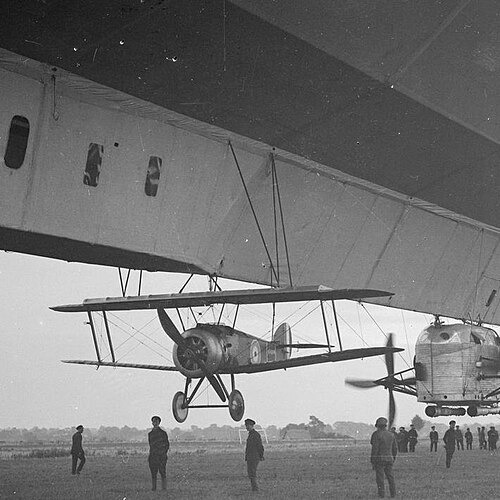
Tests were also done in pursuit of “parasite fighters”. Sopwith Camels were successfully launched from HMA No.23r but recovery of them was never intended, instead it was expected that the fighters would return to an airfield by themselves and upon returning No.23r would be refitted with another fighter ready for it’s next deployment.
In November 1918 after the Armistice HMA No.23r would be seen flying overhead of the official German submarine fleet which took place at the port town of Harwich. It would be officially retired from service in September 1919 and scrapped soon after.
Specifications
Size
- Length: 535 ft 0 in (163 m)
- Diameter: 53 ft 0 in (16 m)
- Volume: 942,000 cu ft (27,000 m3)
Speed
- Maximum Speed: 52mph (84kph, 45kn)
Powerplant
- 3 x Rolls-Royce Eagle V12 engines: 250hp each
- 1 x Maybach HS Lu 6-cylinder engine : 240hp
Armament
- 1 x 40mm 2-pounder QF cannon
- 5 x 7.7mm Lewis guns
- 1 x Sopwith Camel parasite fighter

- Yes
- No