[USA] Proposal: Review of M1 Abrams Front Hull Armor Modeling (M1A2 & SEP Variants)
Nation Involved: United States (USA)
Purpose of the Proposal
This suggestion requests a focused review of the front hull armor modeling for the M1 Abrams family, specifically M1A2 and later SEP variants, to evaluate whether the current in-game representation accurately reflects the vehicle’s documented layered construction and survivability behavior as described in publicly available sources.
The intent is not to introduce speculative values or classified information, but to assess whether the current armor interaction logic fully accounts for the Abrams’ known composite design principles and internal geometry.
Primary Proposal
Review and, if appropriate, refine the front hull armor modeling of M1A2 and SEP Abrams variants so that penetration and damage resolution reflect layered composite behavior rather than a simplified plate-based interaction.
Front Hull and Turret Geometry
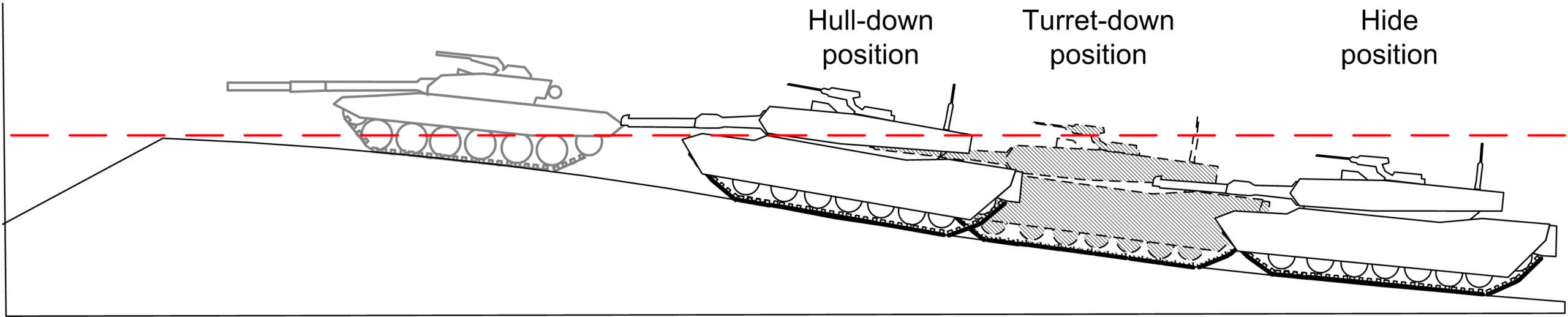
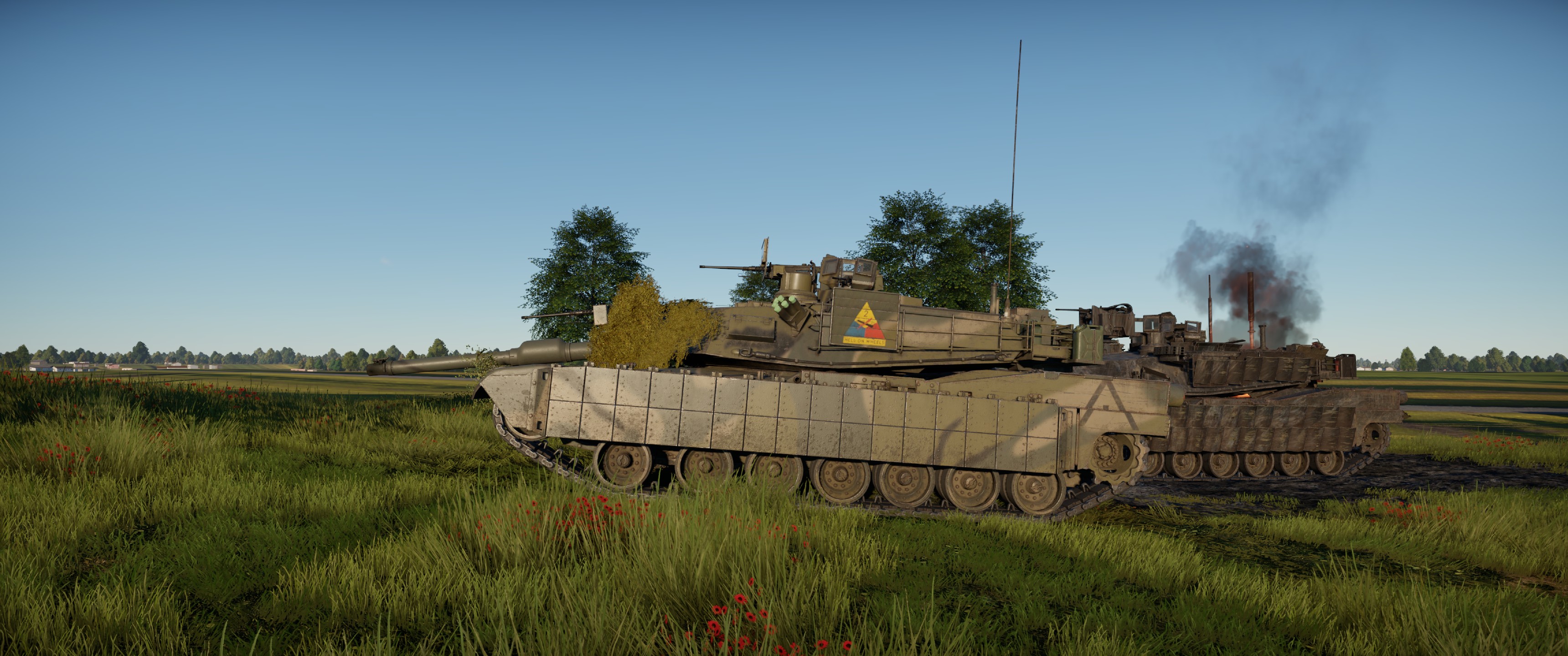
On later Abrams variants, the turret armor extends downward farther than on earlier models, reducing the exposed vertical gap between the turret and front hull during level-ground and hull-down operation.
In-game, this interface appears more pronounced than suggested by external geometry of M1A2 and SEP variants. Given the Abrams’ reliance on hull-down positioning and frontal engagement, this geometric relationship plays an important role in how frontal protection is expected to function during combat.
Front Hull Armor Construction
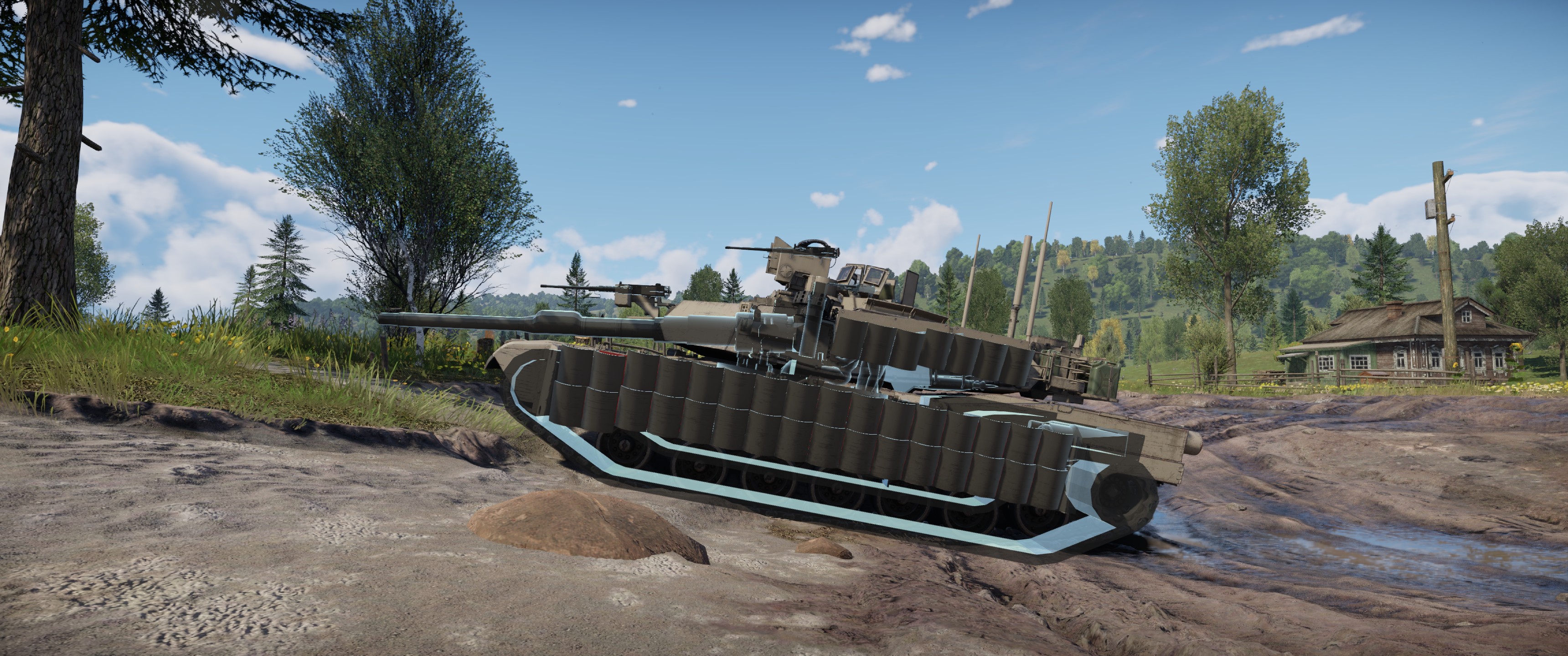
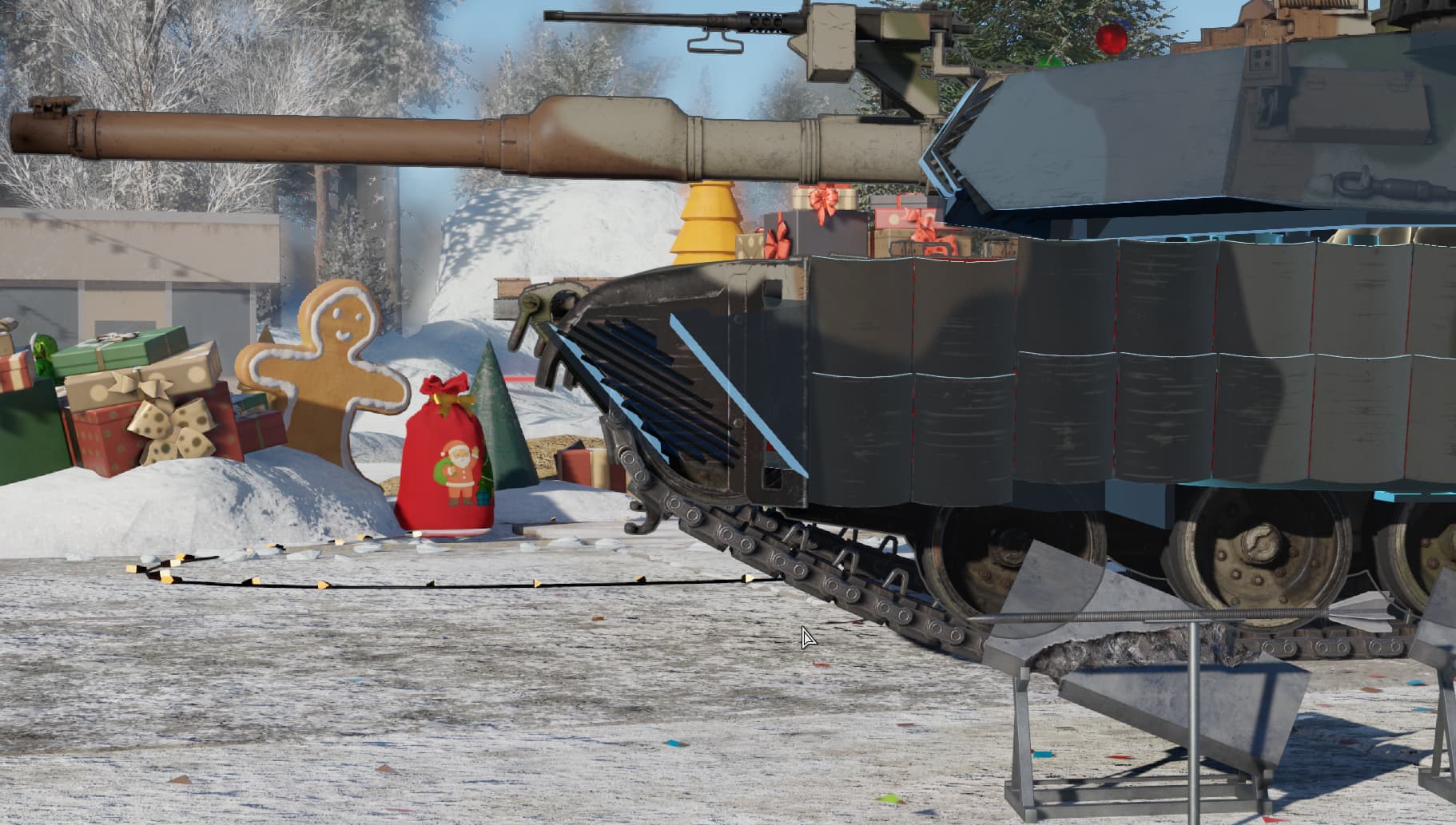
Publicly available descriptions indicate that the Abrams front hull is not a single monolithic plate, but a layered composite armor assembly. This assembly includes angled internal plates, spaced layers, composite materials, and a rear structural armor element intended to disrupt and absorb penetrator energy across multiple stages.
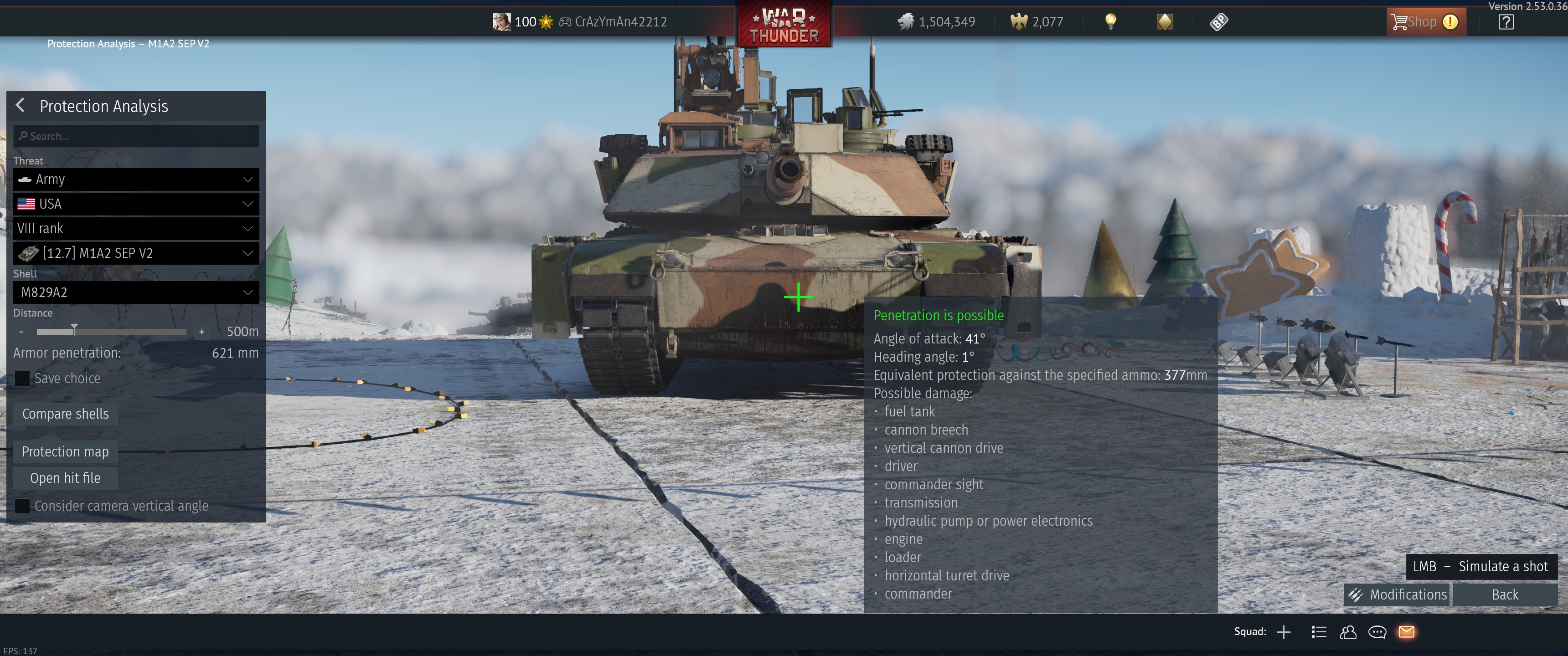
While the in-game armor viewer visually displays multiple layers, penetration resolution appears to rely primarily on a simplified front-and-rear plate interaction. This limits the influence of internal angles, spacing, and sequential material interaction that are central to composite armor behavior.
Open-source material further indicates that later Abrams variants apply similar composite design principles to both turret and hull construction, even if final effective values differ. As a result, survivability behavior between the turret and front hull would reasonably be expected to follow comparable modeling logic.
Gun Depression and Intended Survivability Use
The Abrams’ 10-degree gun depression supports hull-down operation by minimizing exposed frontal surface area during engagements. This places greater reliance on frontal armor performance rather than side or lower plate protection.
While this tactic is possible in-game, the current front hull modeling limits how effectively this design approach can be represented. A review of hull armor interaction would allow the Abrams’ intended engagement profile to be modeled more consistently within existing mechanics.
Combat Survivability Evidence
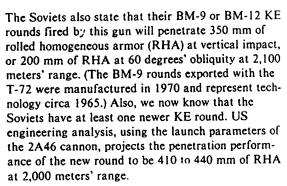
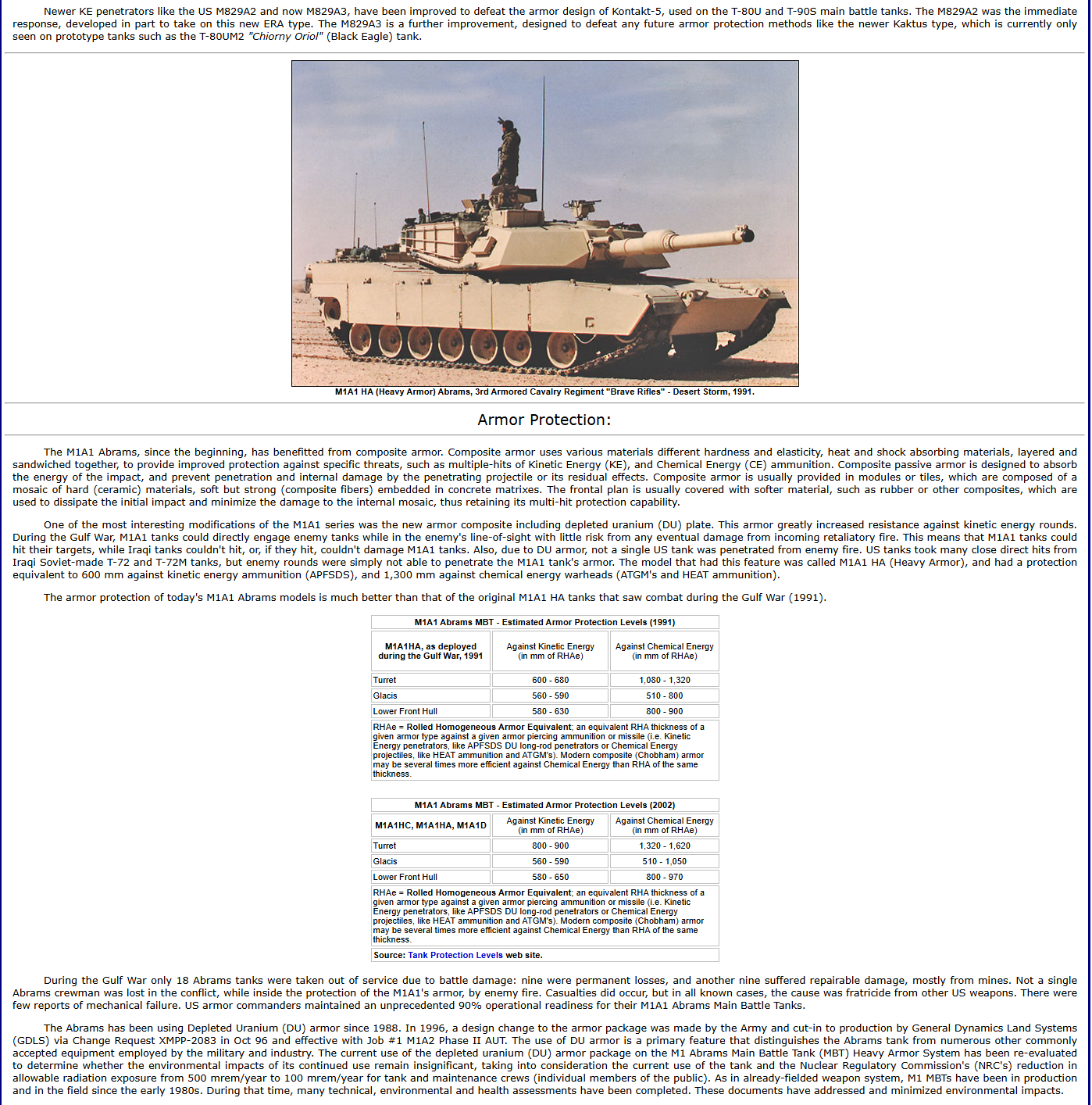
Public after-action reporting from the Gulf War documents multiple instances of M1 Abrams tanks sustaining frontal hits from Iraqi T-72 main battle tanks without penetration, including impacts to both turret and hull areas. These engagements involved Soviet-designed APFSDS ammunition types that are represented in War Thunder with penetration values comparable to or exceeding the current modeled frontal hull equivalency.
Although specific armor compositions remain classified, the documented outcomes of these engagements are publicly available and demonstrate that Abrams frontal protection was capable of defeating repeated frontal impacts without catastrophic failure. These outcomes provide contextual support for evaluating whether current in-game hull modeling aligns with documented survivability behavior.
Quantitative Context: Public Estimates and In-Game Reference Values
The following figures are provided for contextual comparison using publicly available defense evaluations and current in-game reference values. These values are presented as ranges to reflect the angle-dependent and layered nature of composite armor systems.
In-Game Reference Values
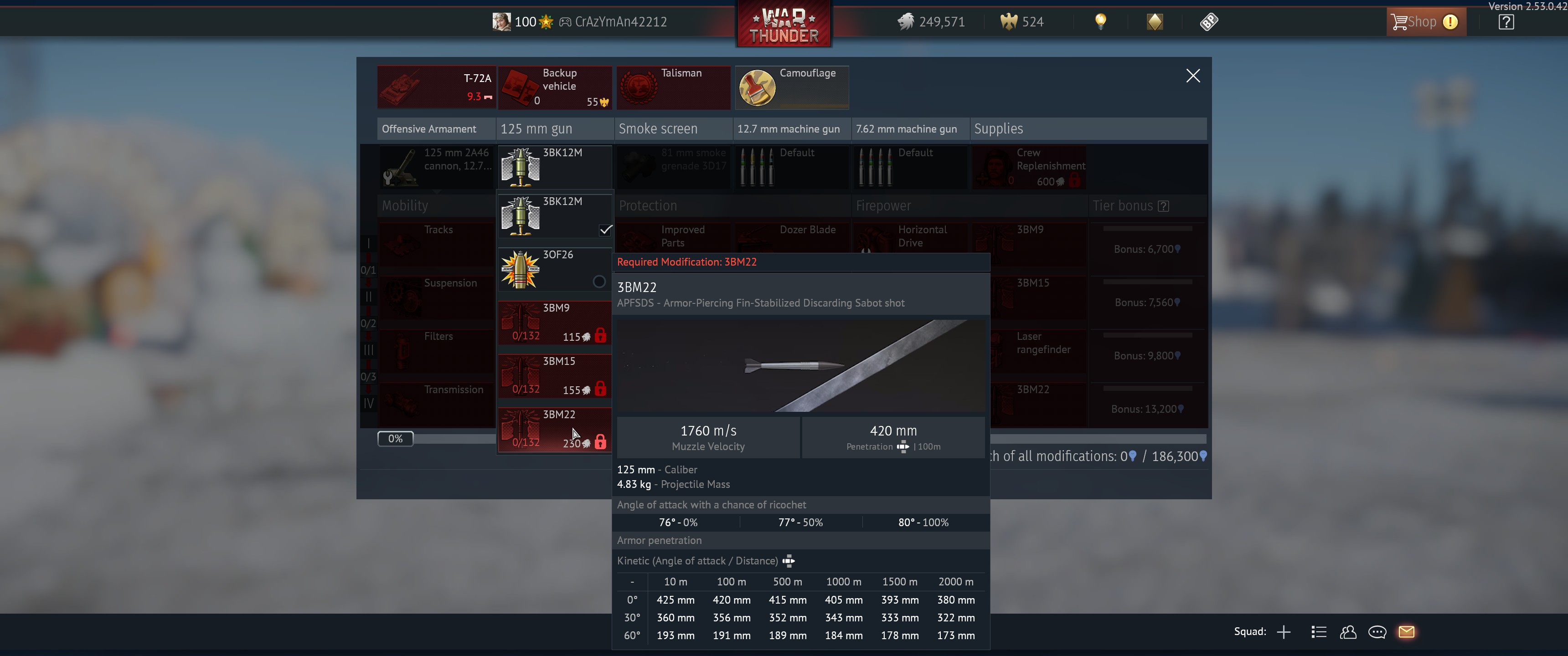
- Typical APFSDS penetration at 0° impact:
- ~520–580 mm RHAe at 500 m (top-tier ammunition)
- Common frontal MBT engagement distances:
- ~300–800 m
- Current modeled frontal hull equivalency for late Abrams variants:
- ~300–400 mm RHAe (depending on impact angle and location)
Public Estimates of Abrams Frontal Protection (KE)
- Early M1 / M1A1 (frontal arc):
- ~450–500 mm RHAe
- M1A2 and later variants (frontal arc, composite):
- ~550–650+ mm RHAe (range reflects layered construction and impact geometry)
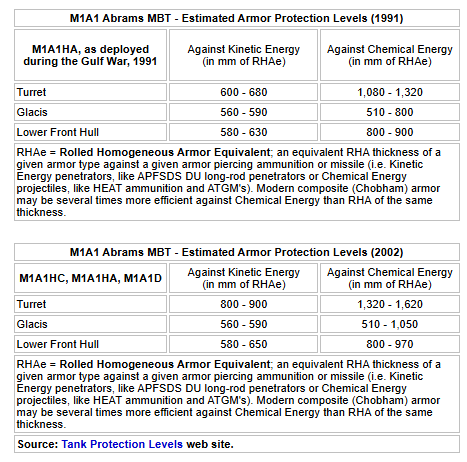
- ~550–650+ mm RHAe (range reflects layered construction and impact geometry)

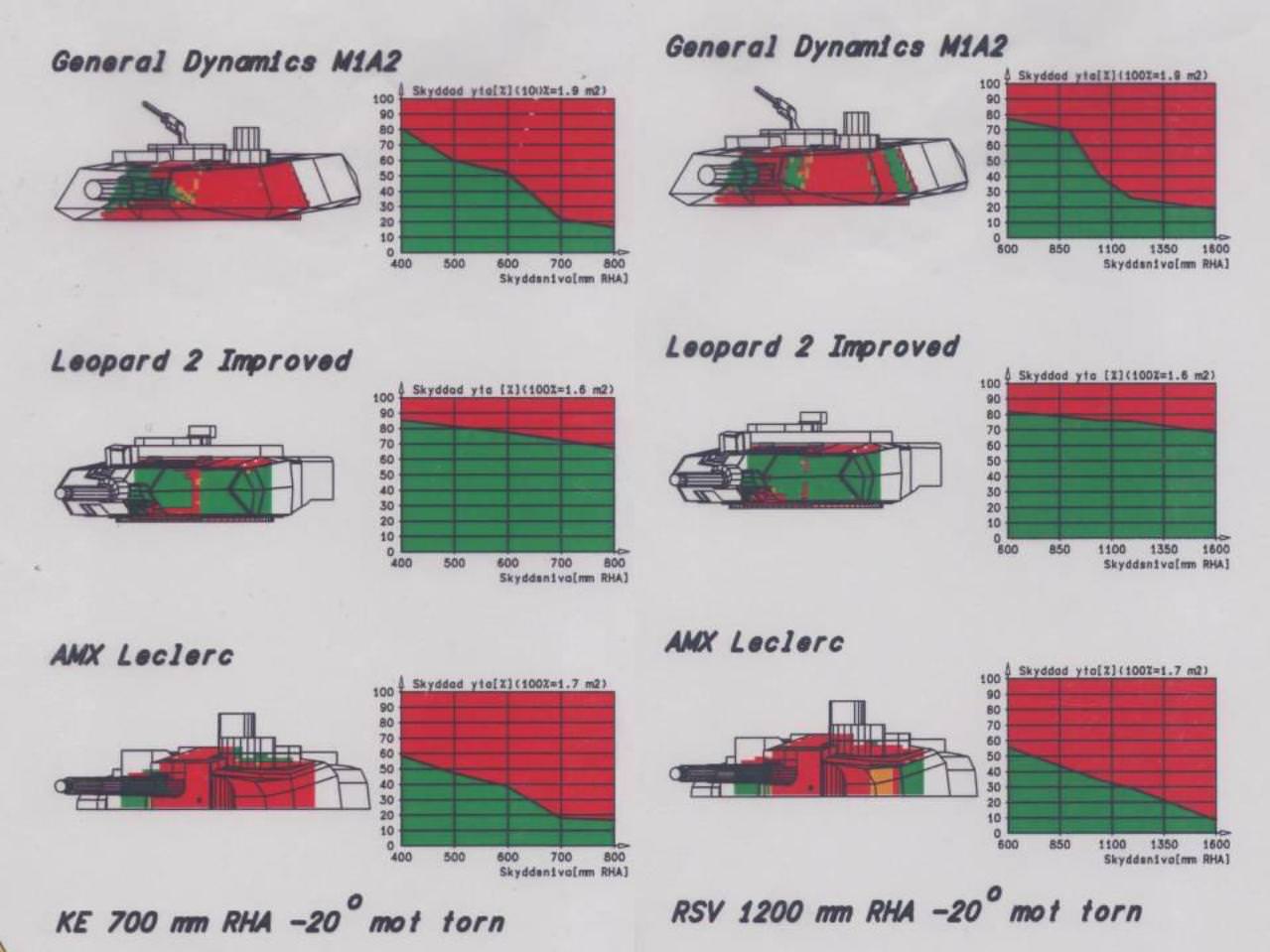
Internal Geometry (Public Descriptions)
- Estimated internal armor plate angles:
- ~70°–83° relative to vertical
- High obliquity increases effective path length and promotes penetrator erosion and yaw when interacting with layered composite systems.
Combat Outcome Context
- T-72 APFSDS penetration estimates:
- ~400–450 mm RHAe at short to medium range
- Documented Abrams frontal hits:
- Non-penetrations
- No catastrophic crew loss
- Vehicles remained operational in multiple cases
*All values above are derived from publicly available defense analyses, historical engagement reporting, and in-game reference data. No classified, restricted, or non-public information was used in the preparation of this section.
Polls
- Review is warranted based on layered composite construction
- Review is warranted based on documented survivability outcomes
- Review may be considered, but current modeling is sufficient
- Layered armor interaction during penetration
- Internal angles and spacing effects
- Overall effective thickness representation
- Hull armor behavior only
- Hull armor behavior with minor geometry refinement
- Limited adjustment to maintain current balance envelope
- Proceed with a focused review to align hull armor interaction with layered composite design
- Consider a limited review to verify current modeling accuracy
- Maintain the current model unless further evidence warrants adjustment
Closing Statement
This proposal requests a focused technical review of front hull armor modeling for later M1 Abrams variants using publicly available information and documented combat outcomes. The objective is to ensure consistent modeling standards across top-tier vehicles while preserving balanced and engaging gameplay.
Public, non-classified sources supporting this proposal are available and can be provided upon request.
Thank you for your continued review of detailed player feedback and ongoing development of War Thunder.
Sincerely,
Lifelong War Thunder Player
CrAzYmAn42212