- Yes
- No
- Tech-Tree
- Event
- Battlepass
- Premium
- I said No
- 9.3
- 9.7
- Higher
- I said No
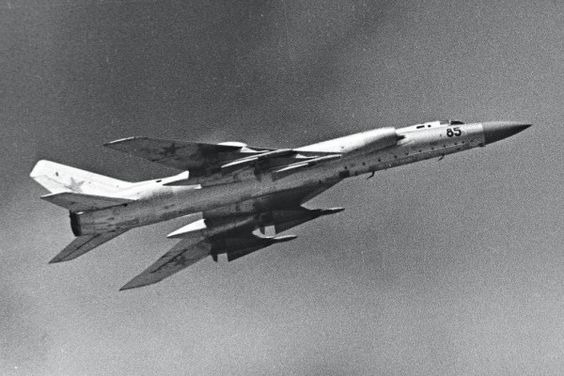
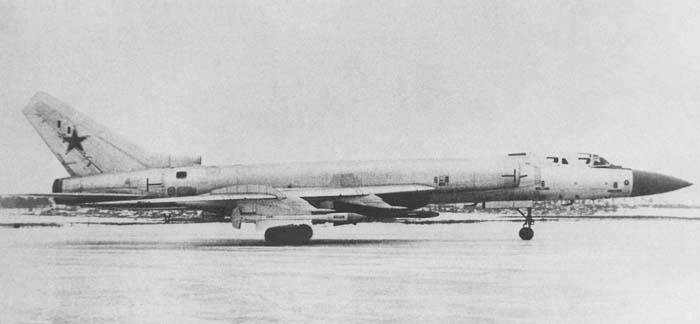
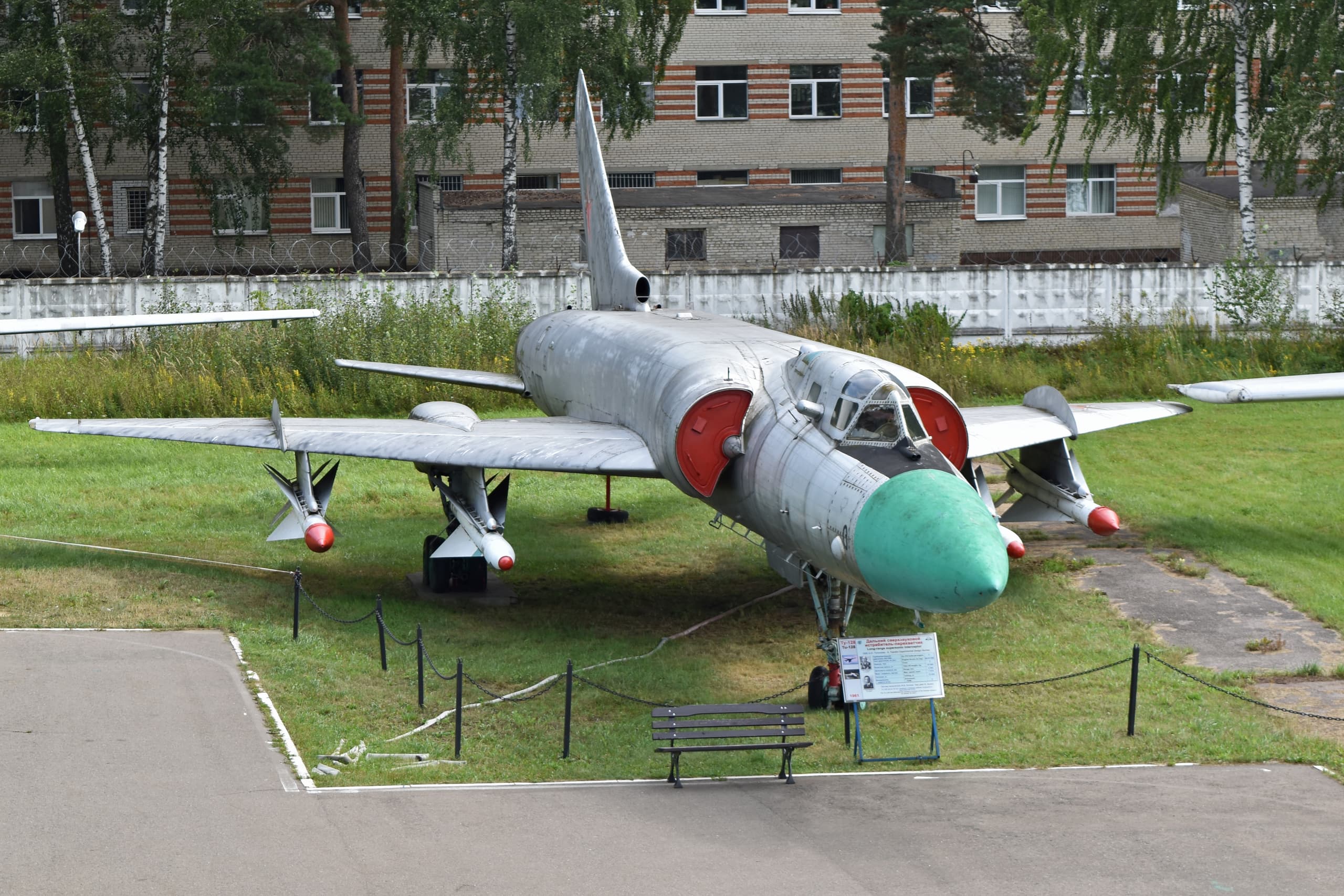
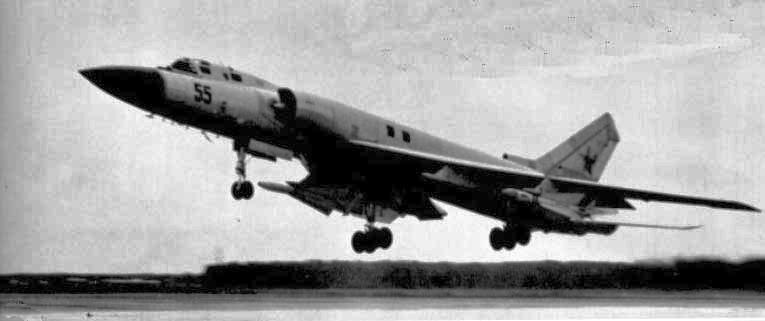
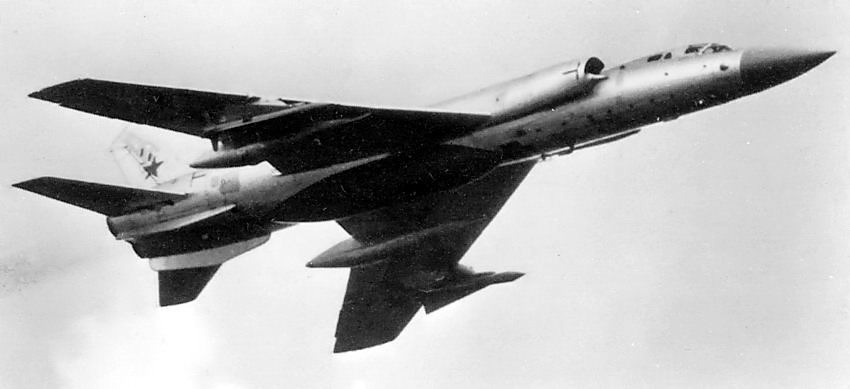
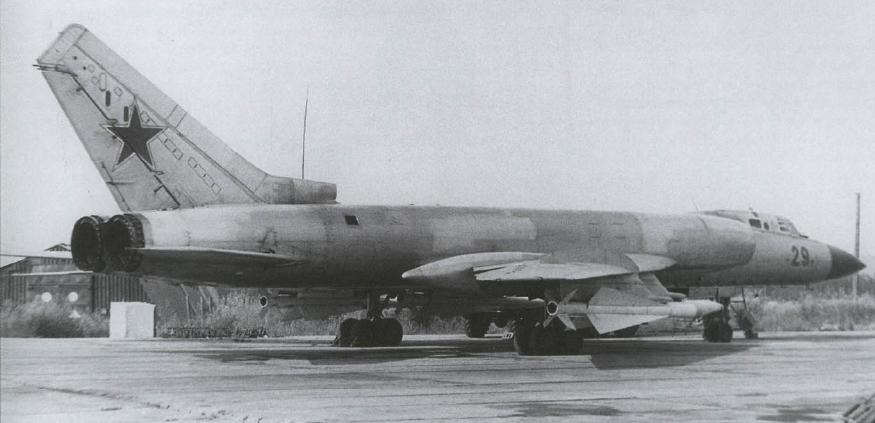
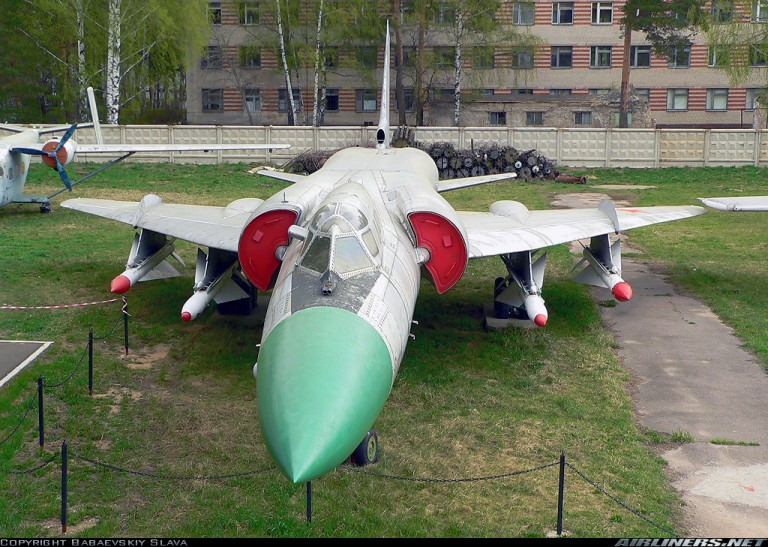
Hello everyone :), what I would like to introduce today is Tu-128
In the years following the end of World War II, Soviet airspace was frequently invaded by foreign aircraft, mainly high-altitude reconnaissance planes organized by the United States and other NATO countries. In order to prevent foreign aircraft from invading, the Soviet Union began to develop some interceptors. Initially, the MiG-17 carried K-5M air-to-air missiles, but the border and airspace were too large for the MiG-17 to patrol remotely for a long time, which led to the development of the La-250 interceptor project. However, the La250 was not a successful aircraft. The prototype crashed during its first test flight in 1956, and there were numerous mechanical equipment issues that could not meet the needs of the military.
In 1954, three Boeing RB-47 “Stratospheric Jet” reconnaissance planes violated the Soviet border from the Baltic Sea direction. These three planes flew all the way to the Kiev border for reconnaissance and then returned. The threat posed by the B-52 would be greater, as this bomber could fly all the way from the mainland United States to the Arctic region and launch attacks from the plains of Siberia without entering the range of surface to air missiles. The La 250 was born for this situation, but it no longer meets the conditions for continued service. So, General Savitsky, the commander of the anti-aircraft aviation force, had to seek other ways to achieve this goal. He proposed a new idea, which is to modify existing large bombers by installing radar equipment and long-range air-to-air missiles, so as to meet long-range requirements and have sufficient means to attack enemy bombers.
At that time, the Tupolev Design Bureau’s Tu-98 bomber could no longer meet the needs of frontline bombers, so Savitsky chose this aircraft and communicated with the Tupolev Design Bureau, sharing his ideas. The Tupolev Design Bureau is very interested because developing a new aircraft for the national air defense forces is likely to save the “98” project of the Tu-98, which means that the completed design work will not be in vain. The design of Tu-98 adopts two Liulika AL-7F engines, with a single thrust of 9500 kilograms, a maximum speed of 1300-1400 kilometers per hour, a range of 2300 kilometers when carrying 3 tons of ammunition, and a ceiling of 13000 meters. The demand of the Soviet authorities was to be able to cruise at supersonic speeds, have complete radar equipment on board, carry missiles and intercept enemy planes from 1000 kilometers away, and the Tu-98 bomber was clearly suitable for this indicator. Before the Soviet Union held a meeting to decide to restart the development of new aircraft, Savitsky submitted a design proposal to the authorities to transform the Tu-98 bomber into an interceptor.The modified Tu-98 bomber is called Tu-128.
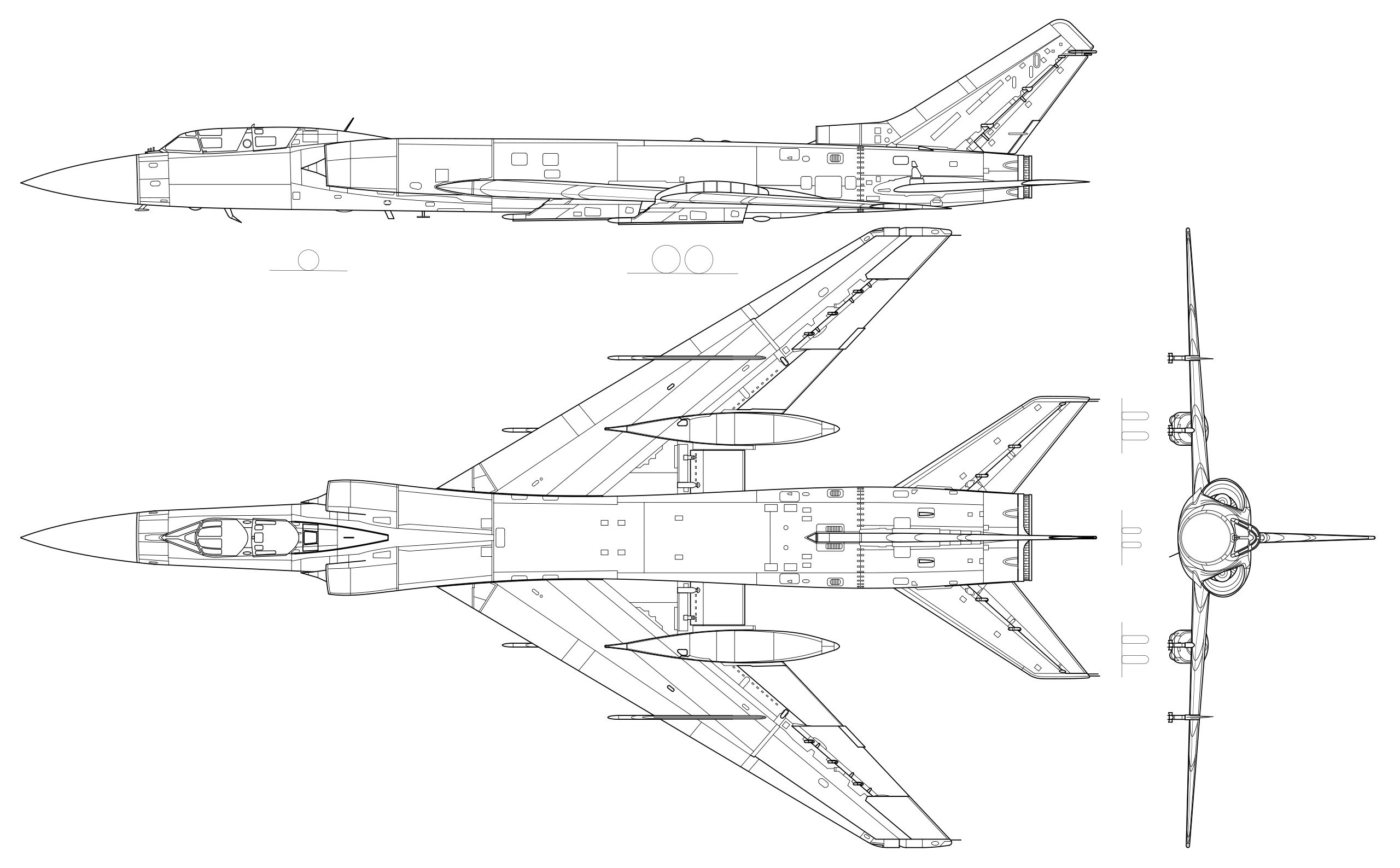
This plan transforms the nose navigator seat of the Tu-98 bomber into a large radar, with the navigator sitting behind the pilot and responsible for operating the radar and controlling missile launches. The body of the Tu-98 bomber is very large, and there is no problem installing radar on the nose. But later on, the Tu-126 airborne early warning aircraft was developed for it, which was modified from the Tu-114 aircraft. In the plan, the Tu-128 interceptor and Tu-126 early warning aircraft are paired to intercept at high altitudes in the Arctic Ocean, with performance requirements based on the assumption that their minimum operational altitude is not less than 8000 meters. It is also assumed that the interception will occur far from the Soviet coastline, and enemy bombers will not fly below this altitude, as the cruising altitude of heavy jet aircraft was above 8000 meters at that time.
Since the Tu-128 itself is modified from a bomber, the performance requirement of a minimum attack altitude of 8000 meters is basically not a problem. The real problem is that the maneuverability of bombers is very limited. Although the range is long, they cannot perform too many flight actions. The maximum overload allowed by the operating system is only 2.5G. Therefore, when intercepting attacks, all maneuverability is achieved by missiles. The main weapon of Tu-128 is the K-80 air-to-air missile, which has two locking modes: semi-active radar and infrared. The interception overload is 15G. The innovation of the entire interception system lies in the use of front hemisphere attack as the main attack method.
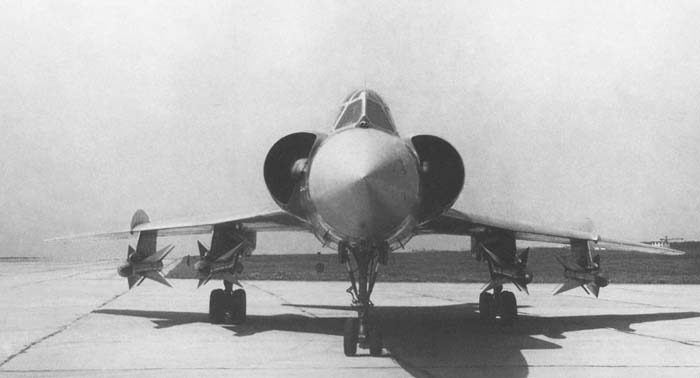
The first prototype completed its maiden flight on March 18, 1961, under the guidance of test pilots Mikhail Kozlov and Konstantin Malkhasyan. After several flight tests, the prototype was equipped with missile related equipment. Multiple test results have shown that this aircraft is capable of fulfilling the scheduled interception mission, so mass production began. During the mass production process, some minor defects were discovered and gradually improved with the increase of batches.
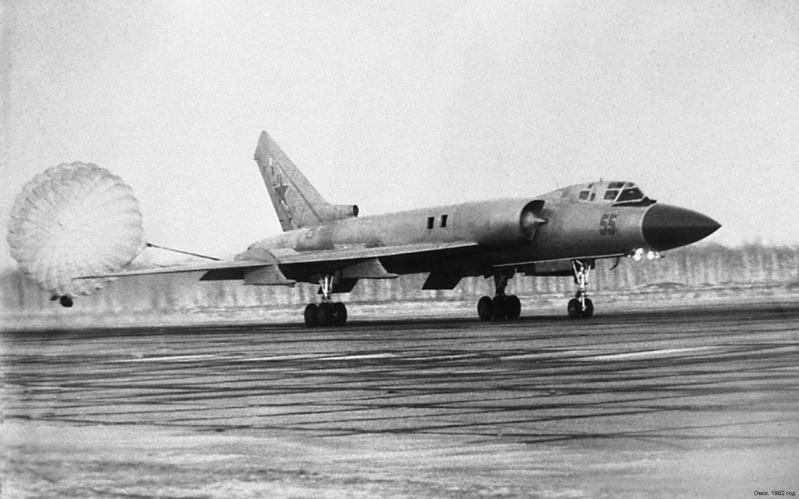
The Tu-128 is the largest interceptor aircraft ever manufactured in human history, equipped with R-4 missiles that can shoot down enemy planes at a distance of 12km. However, its body performance is poor, and the allowable overload during flight is only 2.5G. Its great range and supersonic cruise make it capable of long-term combat, making it a unique heavy interceptor aircraft. Similar to the French SO.4050IIN in the game. Suggested BR is 9.7.
- Crew: 2 people (pilot and radar operator)
- Total length: 30.06 meters
- Wingspan: 17.53 meters
- Total height: 7.15 meters
- Wing area: 96.94 square meters
- Empty weight: 24500 kilograms
- Load capacity: 40000 kilograms
- Maximum takeoff weight: 43000 to 43700 kilograms
- Top speed: 1665 kilometers per hour
- Voyage: 2565 kilometers
- Height limit: 15600 meters
- Engine: 2 AL-7F engines (each with a thrust of 99.1kN)
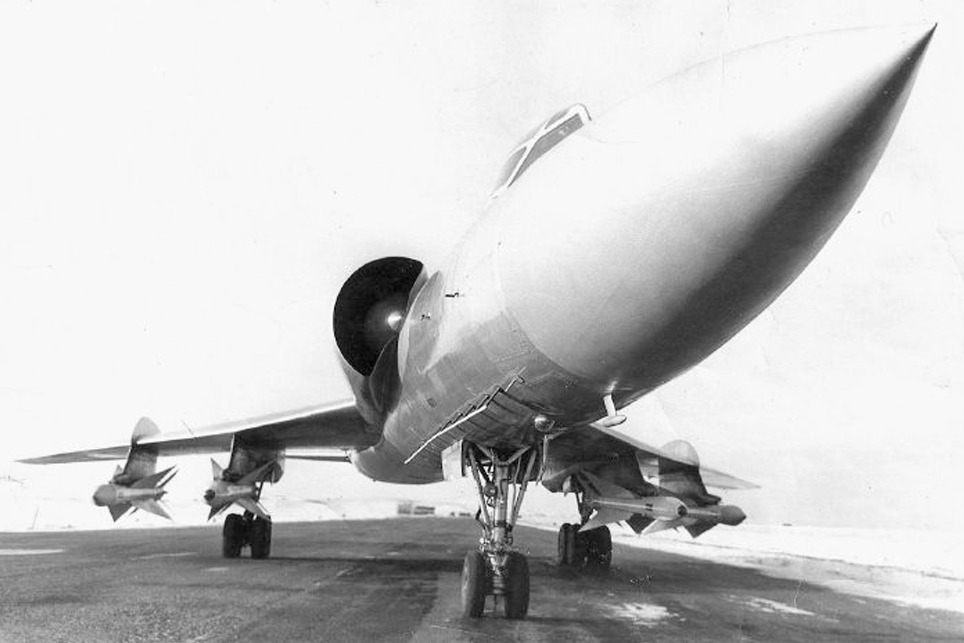
- Armed: 2 x R-4R radar guided air-to-air missiles + 2 x R-4T infrared guided air-to-air missiles
- Radar:Smerch , Band I, Range 200km
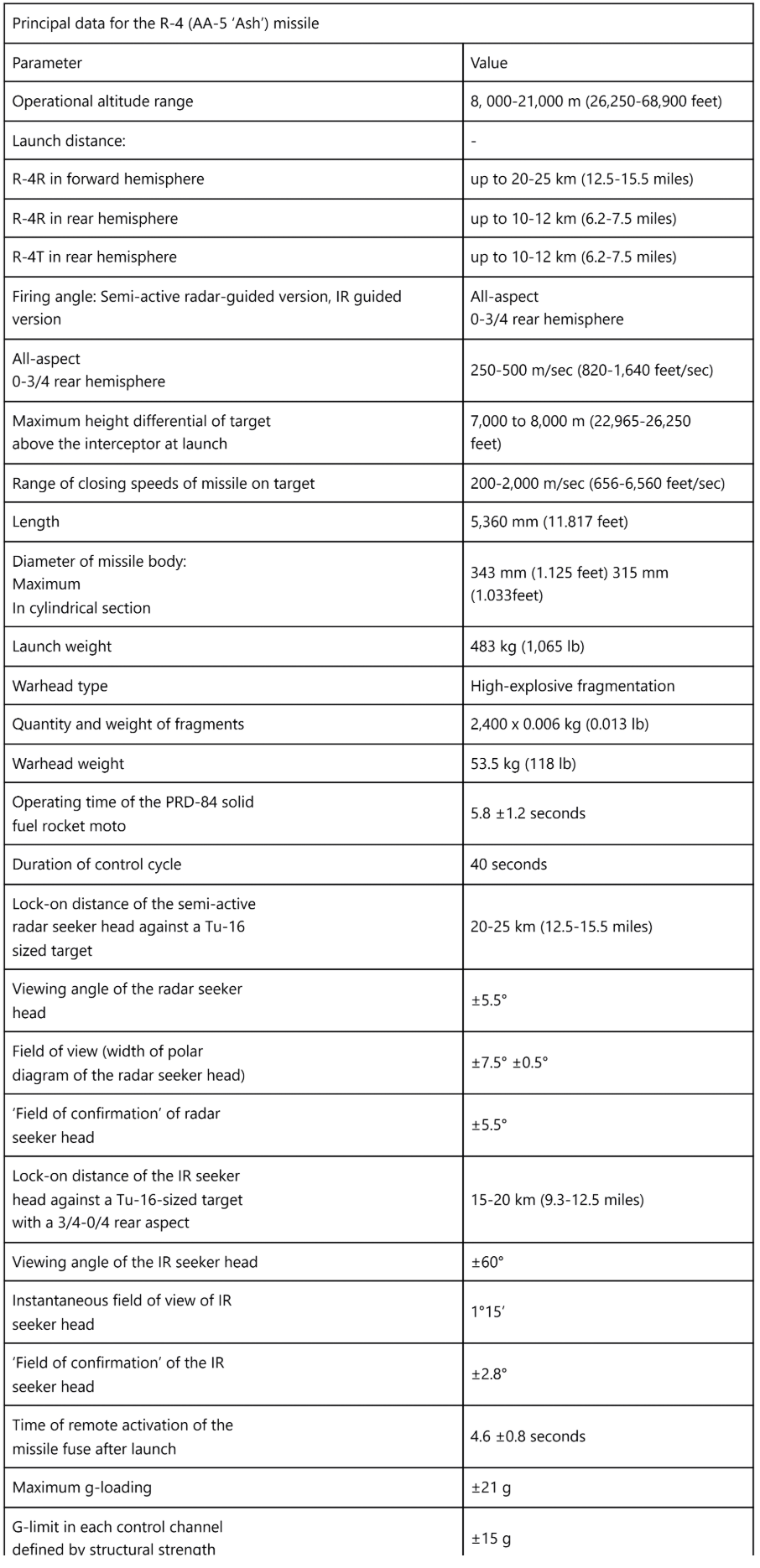
R-4 Missile
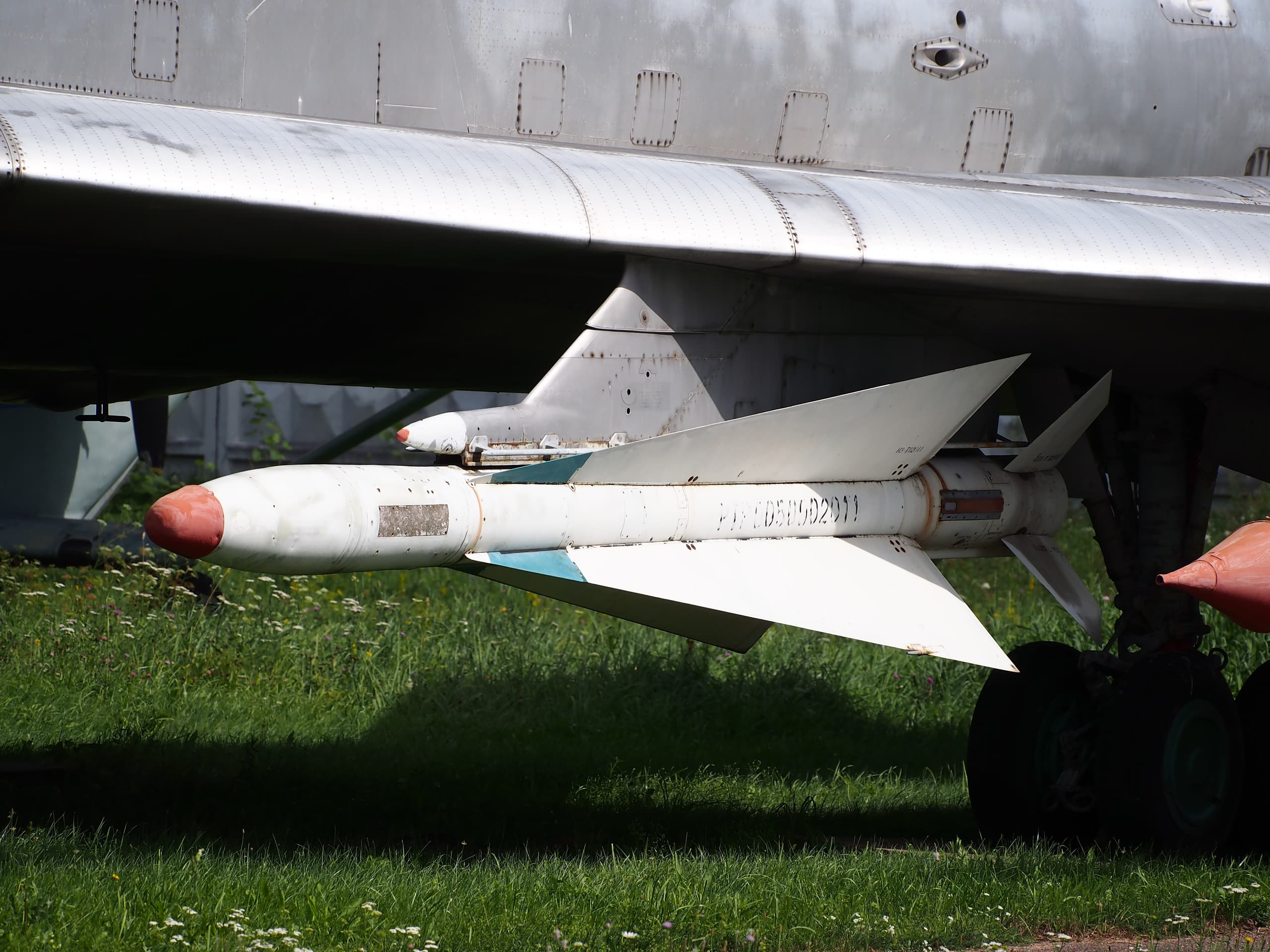
The R-4 missile is the main weapon of the Tu-128, also known as the “product-36” Two of them are equipped with semi-active radar guidance heads, developed by the 339th Experimental Design Bureau (OKB-339) under the leadership of Tikhomilov; The other two are equipped with infrared guidance heads, developed by the Central Design Bureau -589 (TsKB-589) under the leadership of Nikolayev. They are equipped with RV-80 radar proximity fuse and NOV-80N optical proximity fuse respectively. The missiles are mounted on four specially configured APU-128 launch rails, paired under each wing. Two semi-active radar guided missiles equipped with PARG-10KV (semi-automatic radar seeker) are mounted on the outer hanger, while two infrared guided missiles equipped with T-80NB (thermal seeker) are mounted on the inner hanger. Missiles can be launched individually or in unison (two or all four). The missile release interval during salvo is between 0 and 0.2 seconds, and the selection switch is located on a special panel in the pilot’s cabin.
The launch selection of missiles is automatic, calculated based on their readiness status. The sequence for inquiring about the readiness status of missiles is as follows: left inner side → right inner side → left outer side → right outer side

Sources
- R-4 (missile) - Wikipedia
- Tupolev Tu-128 ‘Fiddler’ | Flying in the Spirit
- https://airvectors.net/avtu128.html
- Óãîëîê íåáà ¦ Òóïîëåâ Òó-128
- Tupolev Tu-28 - Wikipedia
- Tupolev Tu-28 / Tu-128 (Fiddler) Long-Range Interceptor Aircraft
- Дальний перехватчик Ту-128 – Ригмант – Авиаколлекция, 2007
- Przeglad Konstrukcji Lotniczych 1996 No 1