- Yes
- No

History
History
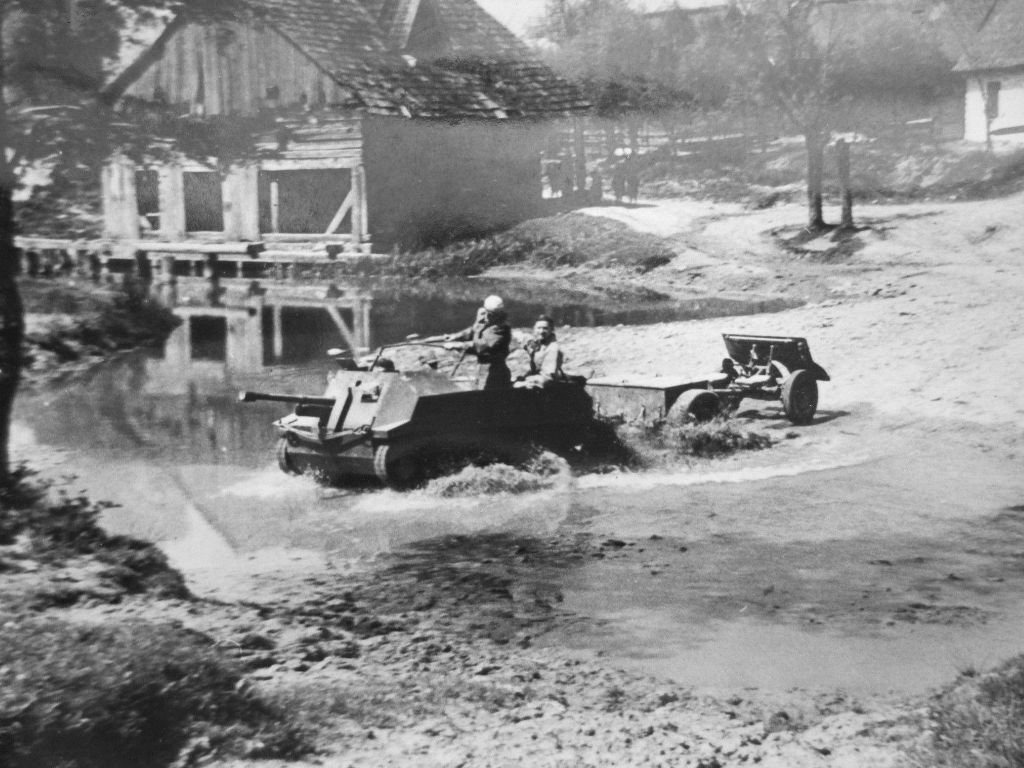
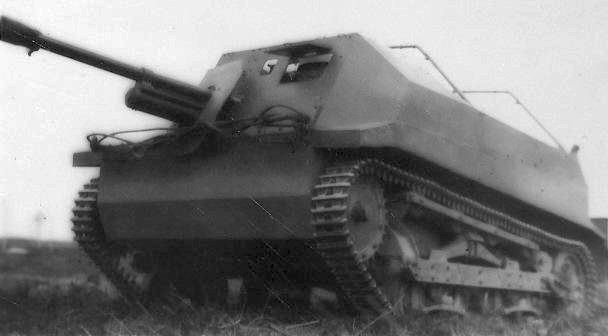
Note, TKS-D (prototyp nr.1) isn’t the real designation for this vehicle, the (prototyp nr.1) part is used to distinguish the vehicle between the 2 different prototypes. The origins of the TKS-D can be traced to the Polish Army’s search for a mobile anti-tank weapon during the mid-1930s. Earlier attempts to create a self-propelled gun on the TK tankette chassis had resulted in the TKD, but its 47 mm infantry gun proved inadequate as an anti-tank weapon. The situation changed in 1935 when Poland acquired the licence for the highly effective 37 mm Bofors anti-tank gun, prompting renewed interest in a dedicated tank destroyer based on existing tracked vehicles.
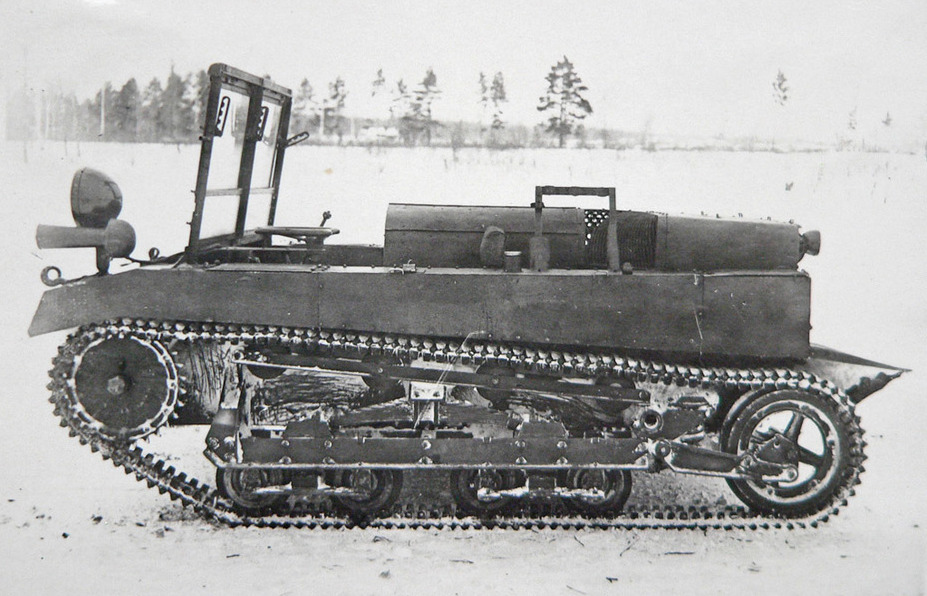
On 1 February 1936, the Armoured Weapons Command ordered the development of a new vehicle capable of carrying the 37 mm Bofors gun. The project was entrusted to the Armored Weapons Technical Research Bureau (BBTBr.Panc.), where engineers Janusz Łapuszewski and Henryk Lipko worked under the supervision of Captain Rudolf Gundlach. Rather than using a standard TKS tankette, the designers selected C2P prototype no. 8897, one of the experimental “Tygrys” artillery tractor prototypes that would later lead to the production C2P. Its improved mobility made it fit for the usage of a anti-tank gun.
During development, the vehicle was initially conceived as an armoured gun carrier. The 37 mm wz. 36 Bofors gun was intended to be removable, allowing it to be dismounted and used on its conventional field carriage if required. This concept was approved in May 1936 and influenced many aspects of the vehicle’s design. To accommodate the gun and its crew, the C2P prototype chassis was extensively modified with a new open-topped fighting compartment and numerous mechanical improvements. Design work was completed by the end of 1936, and construction of the first prototype was finished in early 1937.
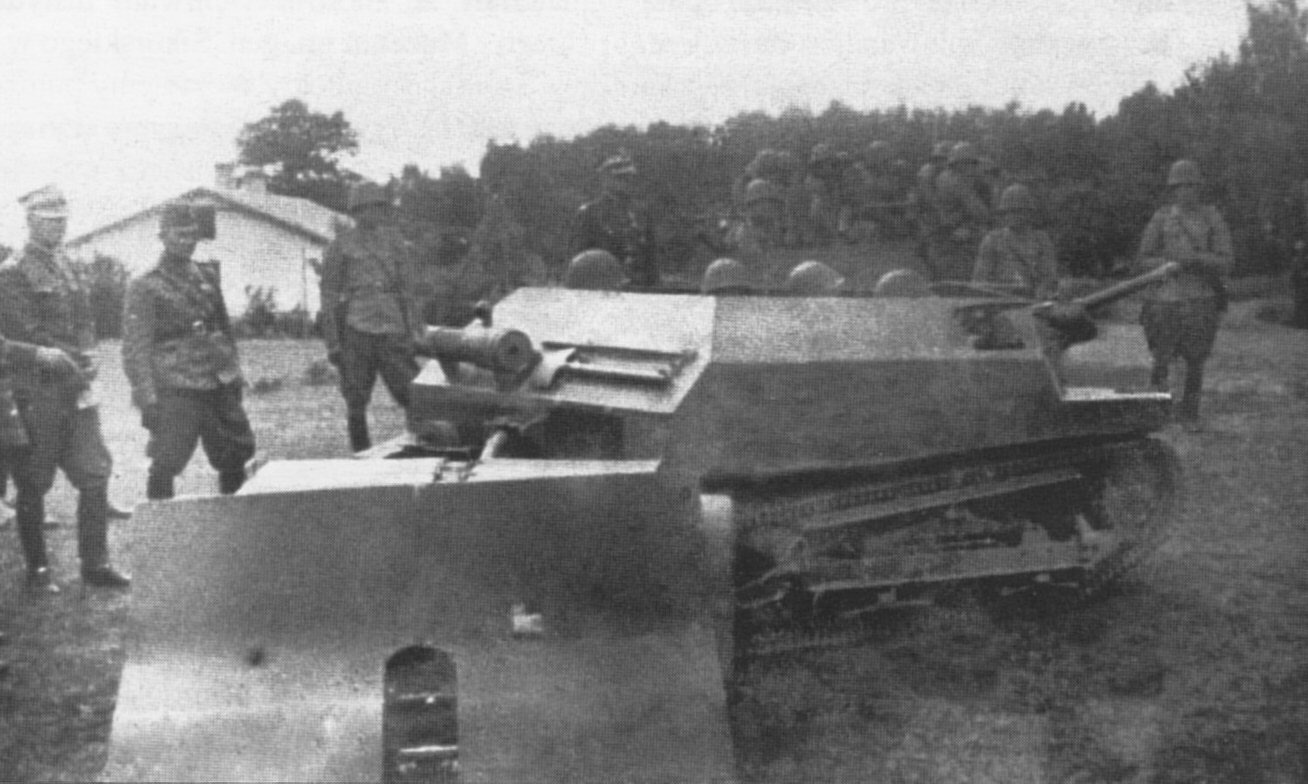
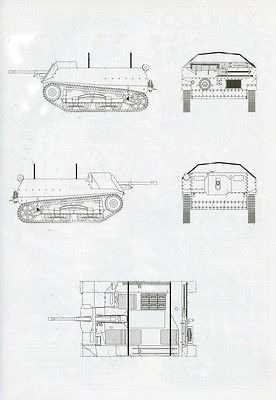
The first TKS-D prototype featured the distinctive low-profile superstructure with relatively low side armour and an open fighting compartment. Armed with the 37 mm wz. 36 Bofors anti-tank gun and powered by a 47 hp Fiat 122BC engine, the vehicle combined excellent mobility with firepower capable of defeating basically any tank fielded during the 1930s. Despite weighing only around 3 tonnes, it retained good cross-country performance thanks to its C2P-derived suspension.
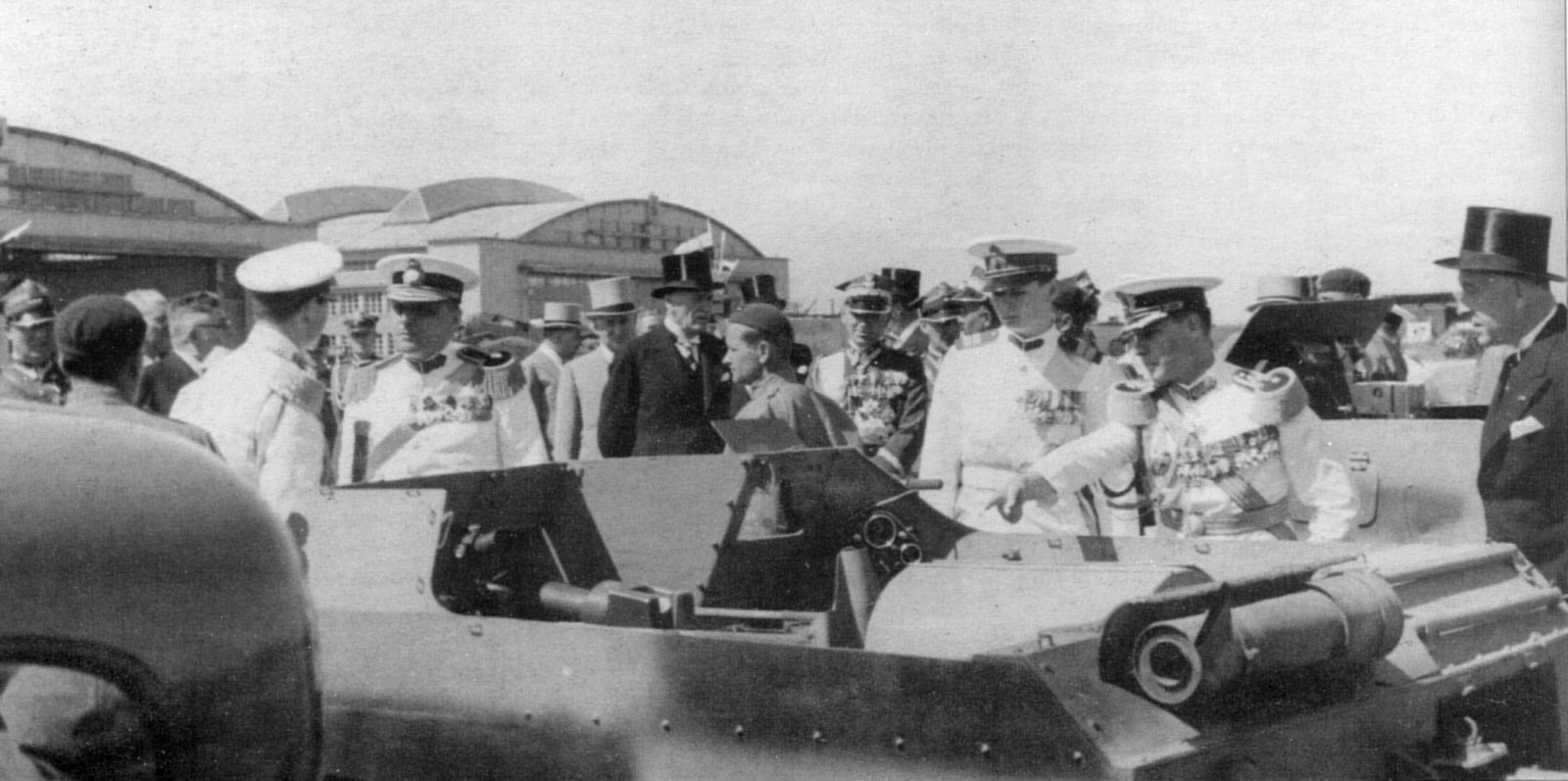
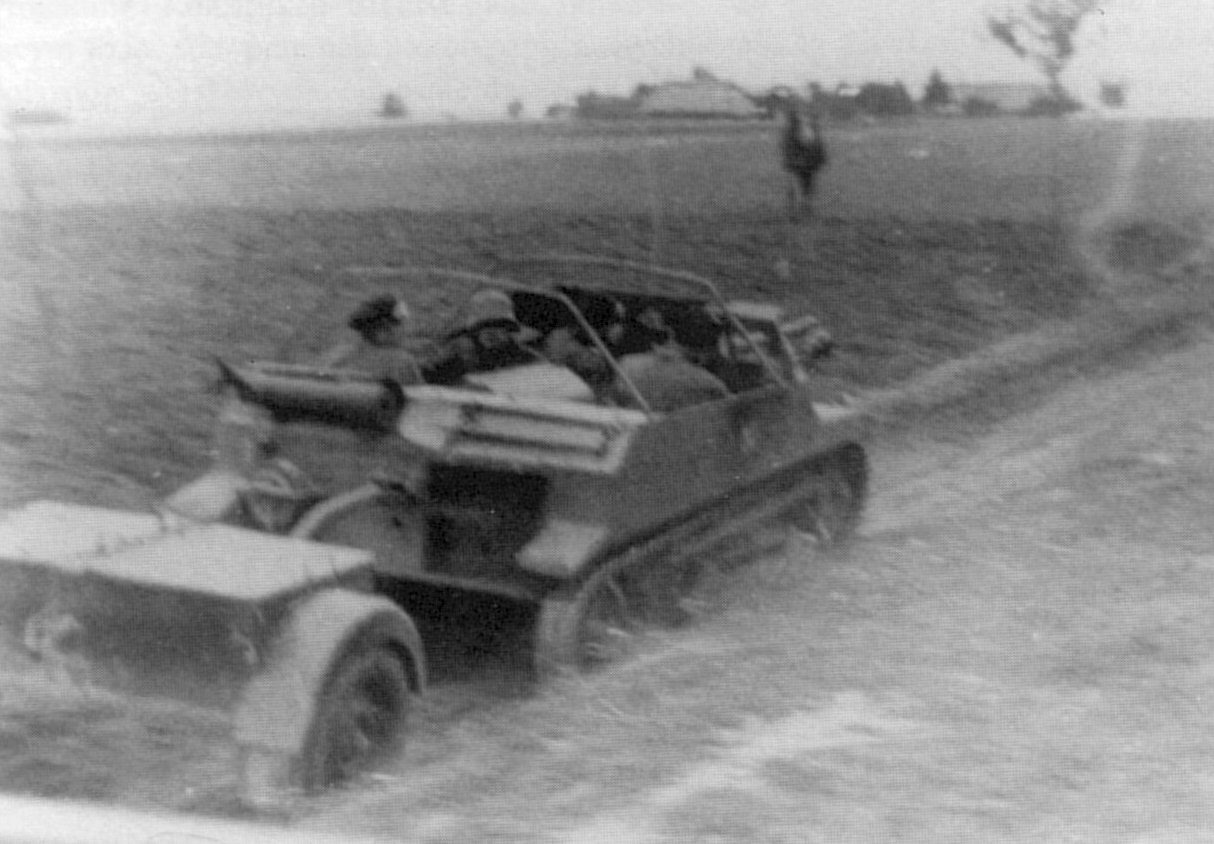
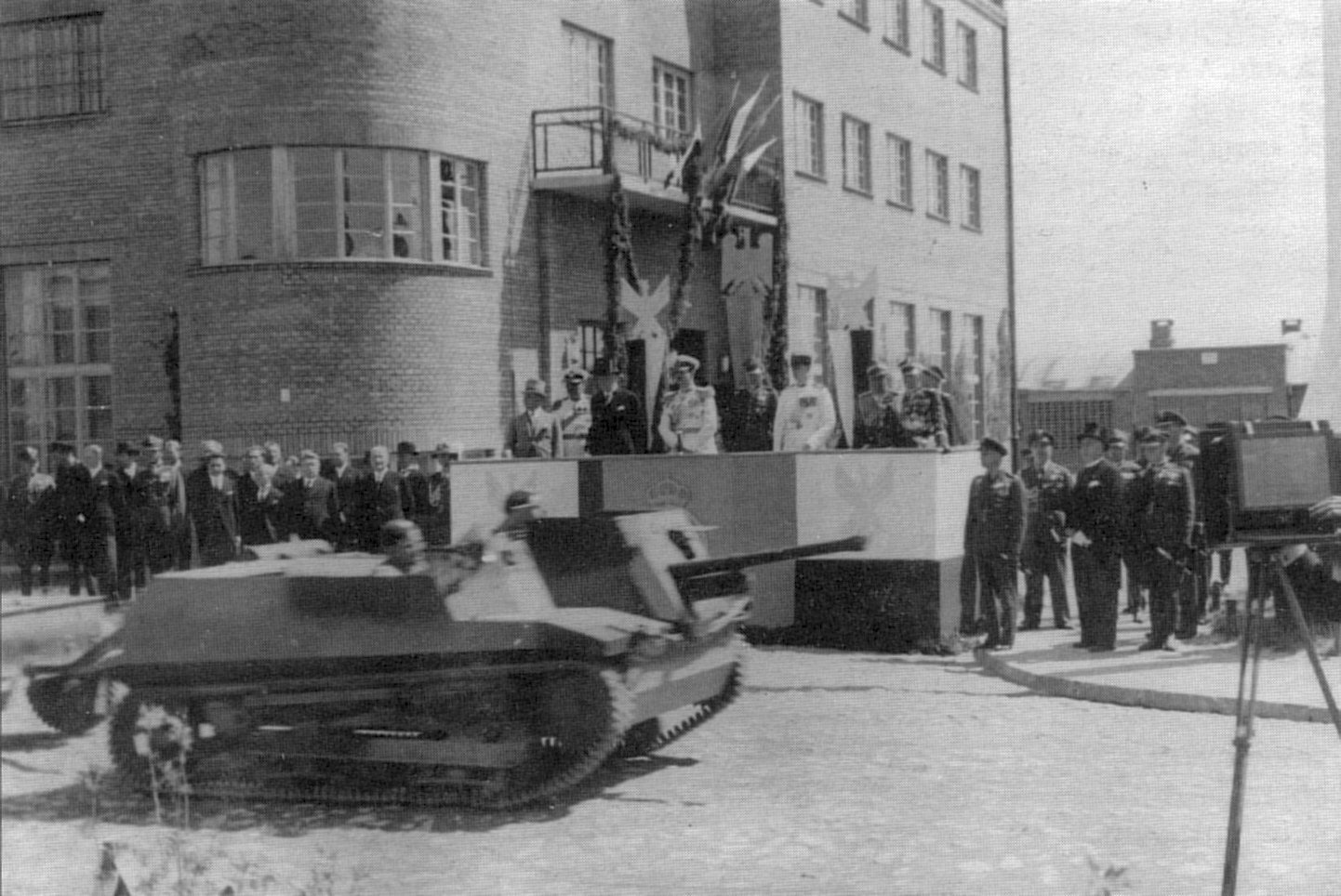
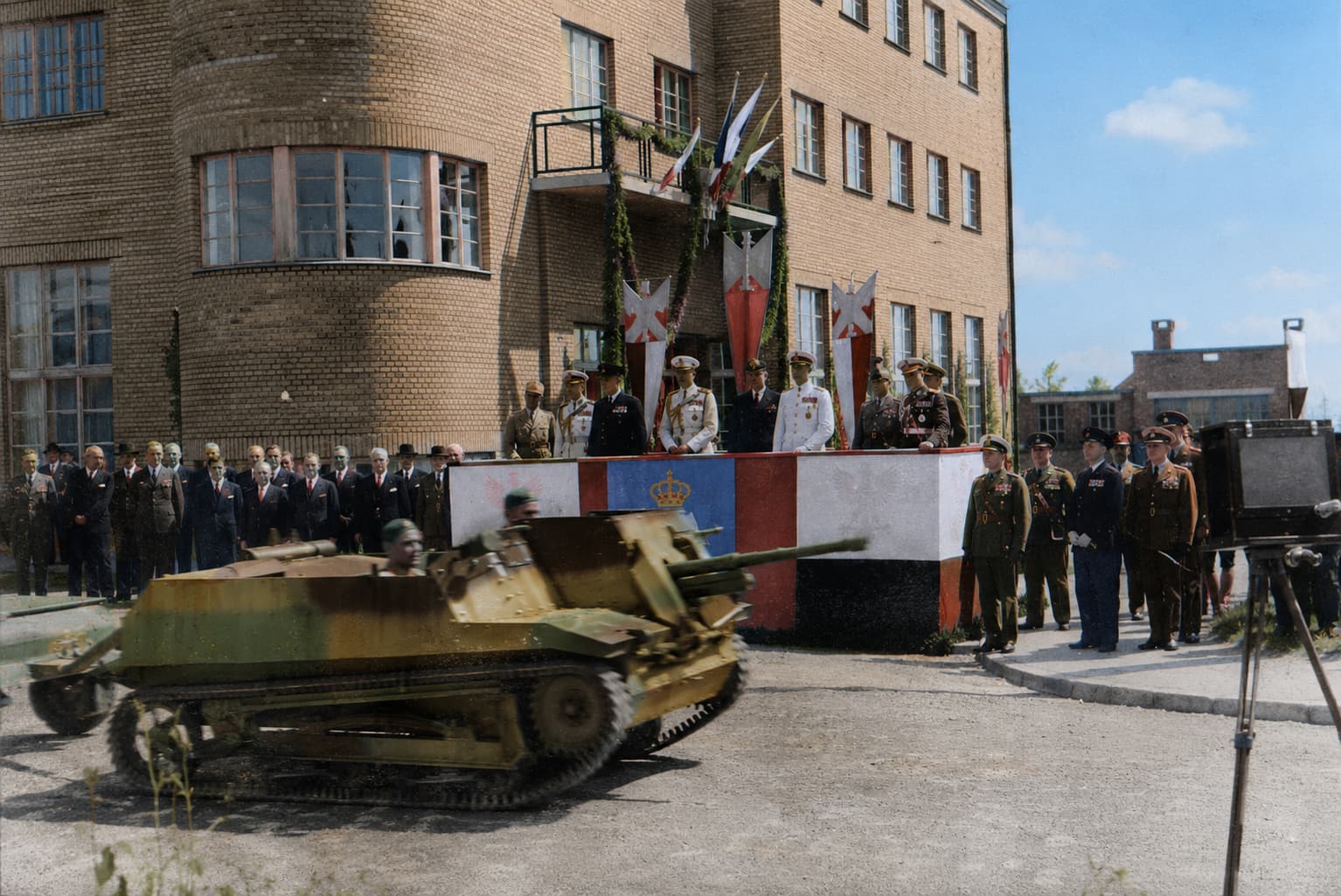
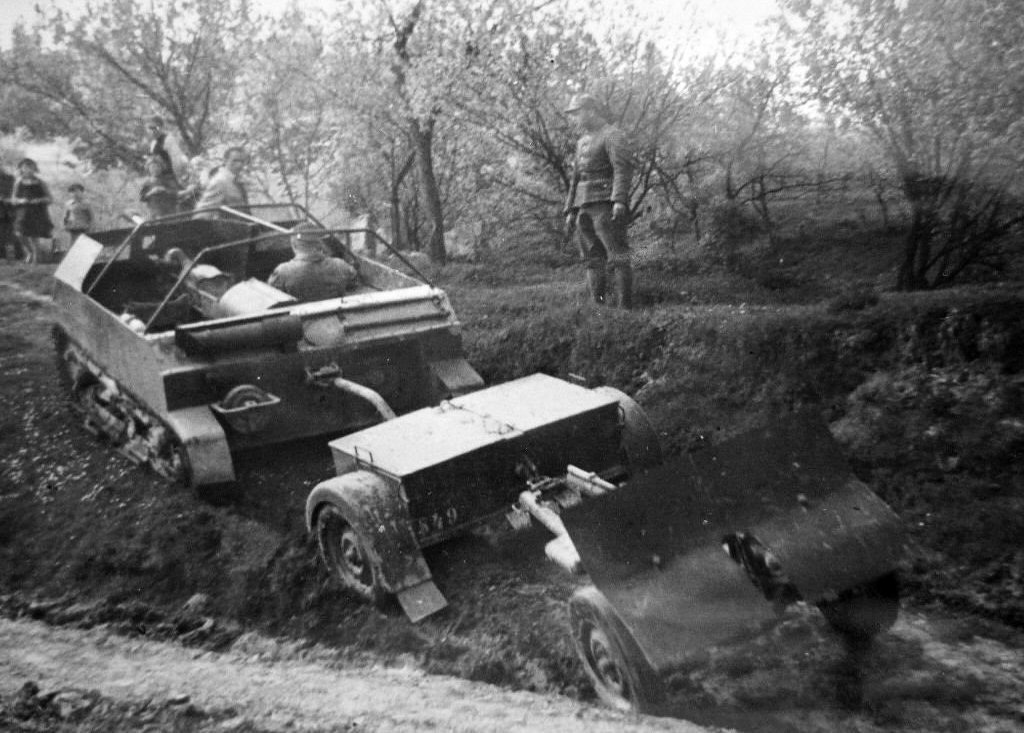
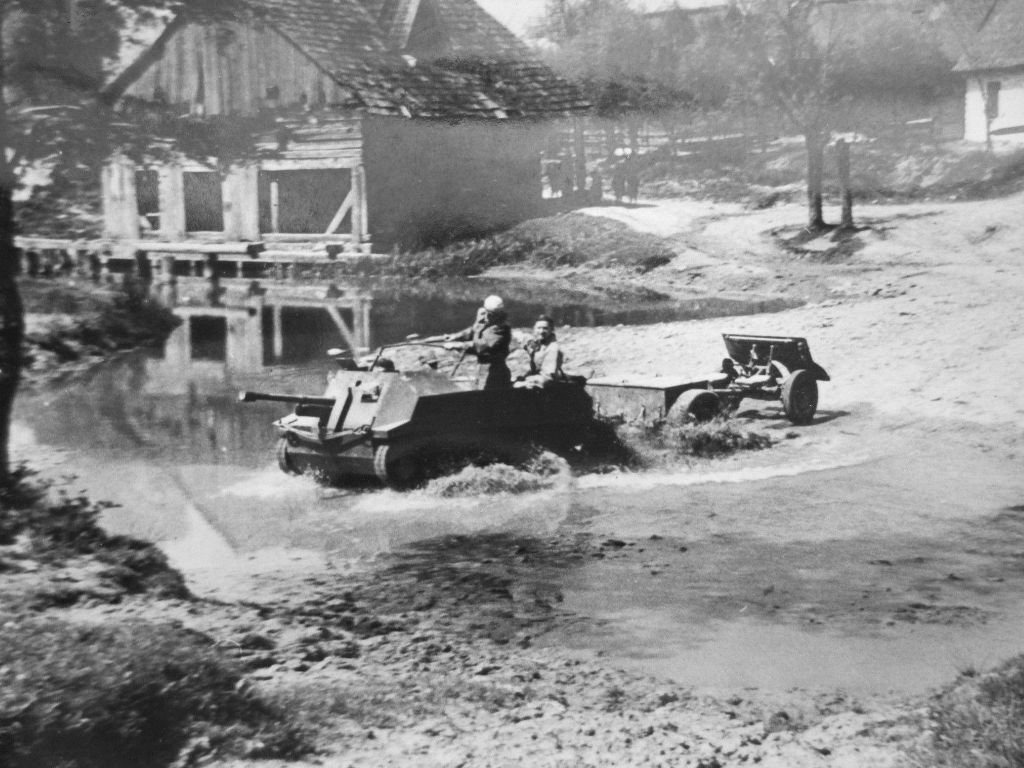
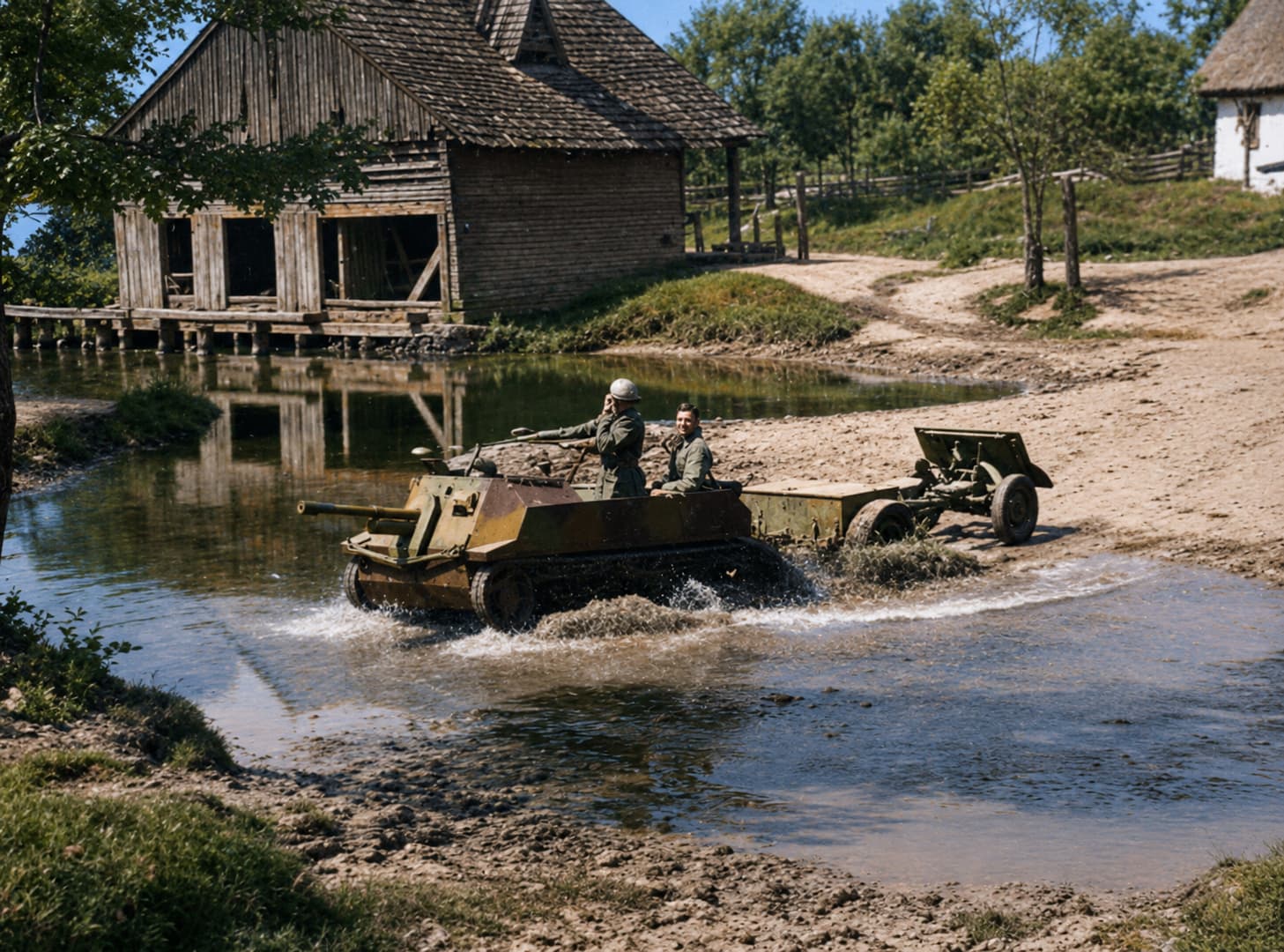
Following completion of trials in 1937, the prototype was publicly displayed during the visit of King Carol II of Romania to Poland before being assigned to military exercises with the 10th Motorized Cavalry Brigade. The vehicle performed well enough that development continued, leading to the construction of a second prototype based on C2P prototype no. 8898 and featuring a redesigned superstructure. Although the TKS-D demonstrated considerable promise and proposals for production were discussed in 1938, the outbreak of war and limited industrial resources prevented the vehicle from entering serial production. Only two prototypes were ultimately completed, which later served in the war.
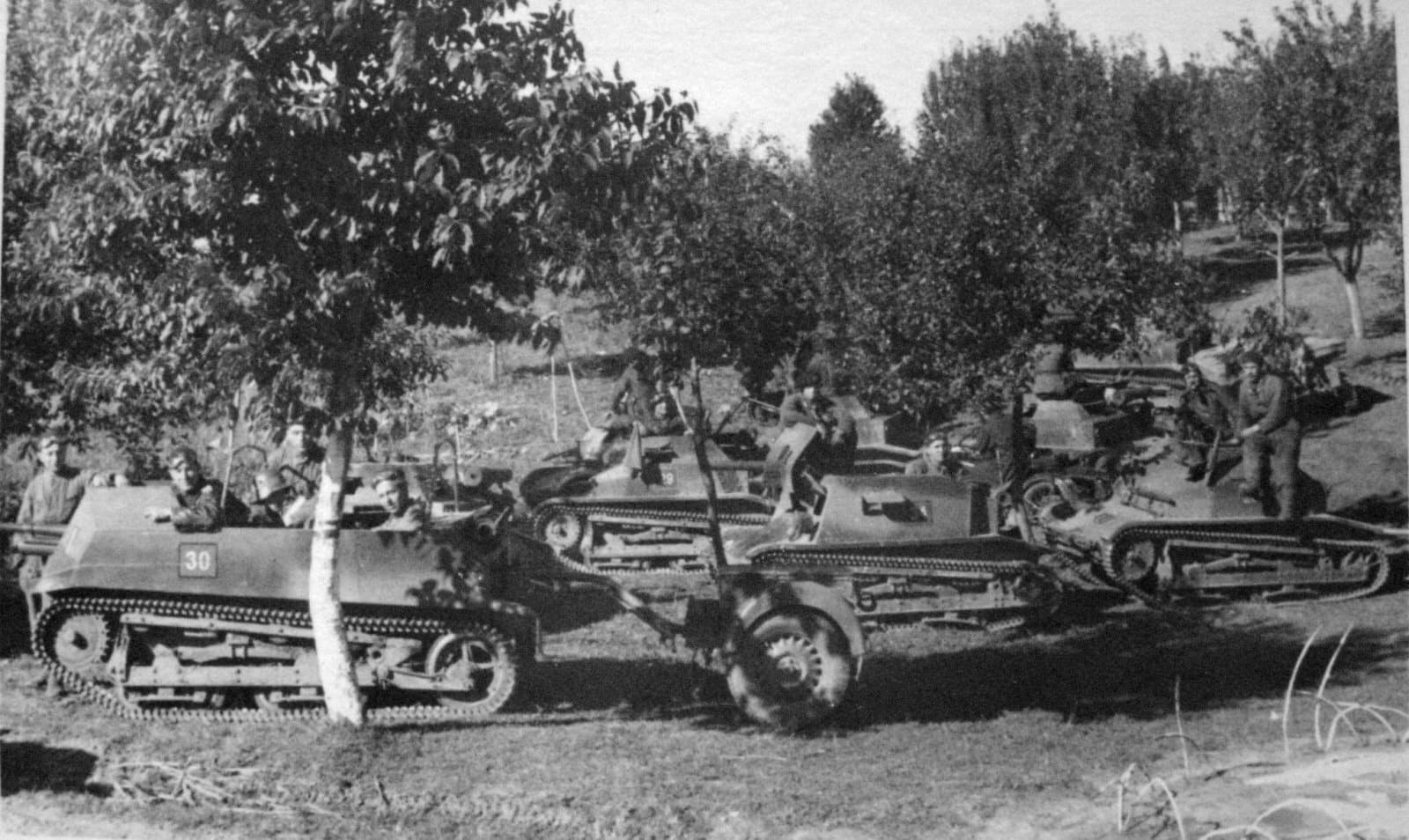
The fate of the TKS-D prototypes remained a mystery for a long time, and only in 1999 it was revealed, that both TKS-D were still present in anti-tank platoon of the Reconnaissance Unit of the 10th Cavalry Brigade in September 1939. Both TKS-D took part in an intensive fighting of the Brigade from 1 September 1939 in Beskidy mountains (The Southern part of Poland) against elements of two German armoured division, the 4th Panzer Division and the 2nd Leichte Division. They supported and secured Polish troops in delay fighting, although it is not known whether they actually had skirmishes with enemy armour. In the end from what is known the first prototype was destroyed by enemy artillery.
Characterisics
Summarised Characterisics
Details
- Crew (4)
- Driver, gunner, loader, loader
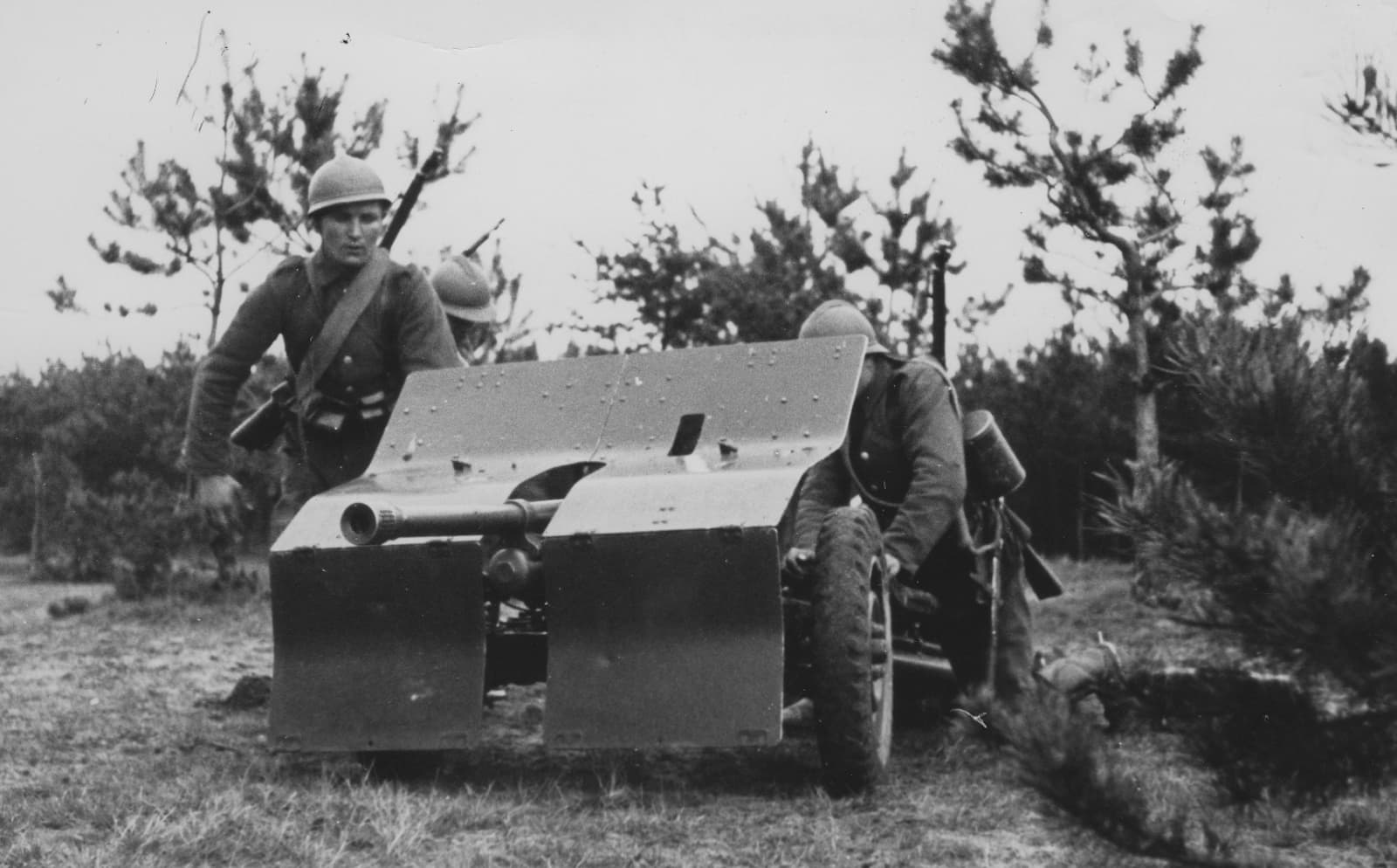
- 37 mm wz.36 Bofors
- Ammo:
- Gr. Panc. wz. 36 (APHE)
- wz. 36 z długim czepcem (APHEBC)
- Gr. Krusz. wz. 36 (HE)
- Elevation: -9/+13°
- Fire rate: 10rds/min
- Hull armour
Front Side Back 4-6mm 4-6mm 4-6mm
- Combat weight: 3,1 t
- Engine: FIAT-122B (46 HP)
- Max speed: 42 km/h
Armament
Details
- 37 mm wz.36 Bofors
- Elevation: -9° to +13°
- Fire rate: 10 rds/m
- Traverse: 23° (manual)
- Total ammunition capacity: 60 rounds
Name Type Muzzle velocity Mass Fuze Explosive type Explosive mass Gr. Panc. wz. 36 (🇸🇪+🇵🇱) APHE 800 m/s 0.7 kg Base TNT 15 g wz. 36 z długim czepcem (🇵🇱) APHEBC ~800 m/s ~0.7 kg Base TNT 15 g Gr. Krusz. wz. 36 (🇸🇪+🇵🇱) HE 800 m/s 0.7 kg Percussion TNT 48 g
Mobility
Details
- Engine: Polski FIAT-122B (46 HP)
- Transmission: multi-disc dry main clutch, mechanical gearbox
- Gears: 4 forward, 1 reverse
- Top Speed: 42 km/h
- Weight: 3100 kg
- Supension: Bogie
Armour
Details
The armour of the TKS-D was made out of rolled steel plates, angle parts of the tank were made out of 4mm thick plates and flat segment of the armour were made from 6mm thick armour.
Other
Details
- Crew (4) : Driver, Commander/Gunner, loader, loader
- Gunner sight: M37K/M36 collimator sight
- Length: 326 cm
- Width: 180 cm
- Height: 124 cm
How does it differ from prototyp nr.2?
Sources
Polish self-propelled guns 1930-1939 (TKD and TKS-D)
https://tanks-encyclopedia.com/w2/poland/tks-d/
https://archive.org/details/321-tk-3-tk-s-1939/page/42/mode/2up