- Yes - In the Tech Tree.
- Yes - Event/BP.
- Yes - Premium.
- No - I would not like to see HMCS Champlain in game.
HMCS Champlain leaving port, (1932)

Description:
HMCS Champlain was one of two Thornycroft S-class Destroyers built for the Royal Navy (RN) for the First World War, then loaned to Canada as to replace the Royal Canadian Navies (RCN) ageing M-class Destroyers HMCS Patriot and Patrician, while their true replacements were selected and built.
They would be loaned, not purchased, to Canada from the UK as to allow the return of the RCN’s M-class for scrapping in the UK. This agreement would allow the Royal Navy to reduce maintenance costs, as the transferred vessels would no longer be apart of their reserve fleet, but also recuperating some money from the scrapping of the older vessels which the S-class replaced. The RCN in return would gain a more capable platform for their needs, which due to the outright better condition of the vessels would also reduce maintenance costs and fleet downtime. The ‘new’ S-class would be the RCN’s first vessels to be named in association with the Dominion, all other vessels still carrying the same names as they did in their time in the RN.
Like other S-class vessels ordered with Thornycroft, she would be slightly modified compared to the standard ‘Admiralty’ subclass, most obviously she would have larger boilers, allowing greater levels of pressure to be reached. Due to this she would produce 22,000hp instead of the standard 20,000. Offically she would have a maximum speed of 36kt, common with the standard vessels, but she would reach 38+ kts on trials (@ 34,000hp). To accommodate these larger boilers they would also have a wider beam and a slightly deeper draft. This also improved stability, and so the ‘A’ gun was placed on a platform, improving sea keeping as it acted as a breakwater.
This suggestion is for the HMCS Champlain in her 1934 fit.
HMCS Champlain entering Willemstad Harbour, Dutch Antilles, (1934)

History:
Royal Navy Service:
Ordered as the HMS Torbay as part of the June 1917 S-class order, she would be built by Thornycroft & Co at their Woolston yard. She would be laid down by November 1917, only launching on the 6th of March 1919 due to material shortages. She would complete and commission on the 17th of July 1919. Once commissioned she would join the Atlantic Fleet’s 4th Destroyer Flotilla.
however she would not last long here, being placed into reserve on the 16th of August 1920 at Portsmouth due to the excess amounts of WW1 era destroyers within the Royal Navy, who could neither afford the running costs or manning requirements of so many vessels in peace time.
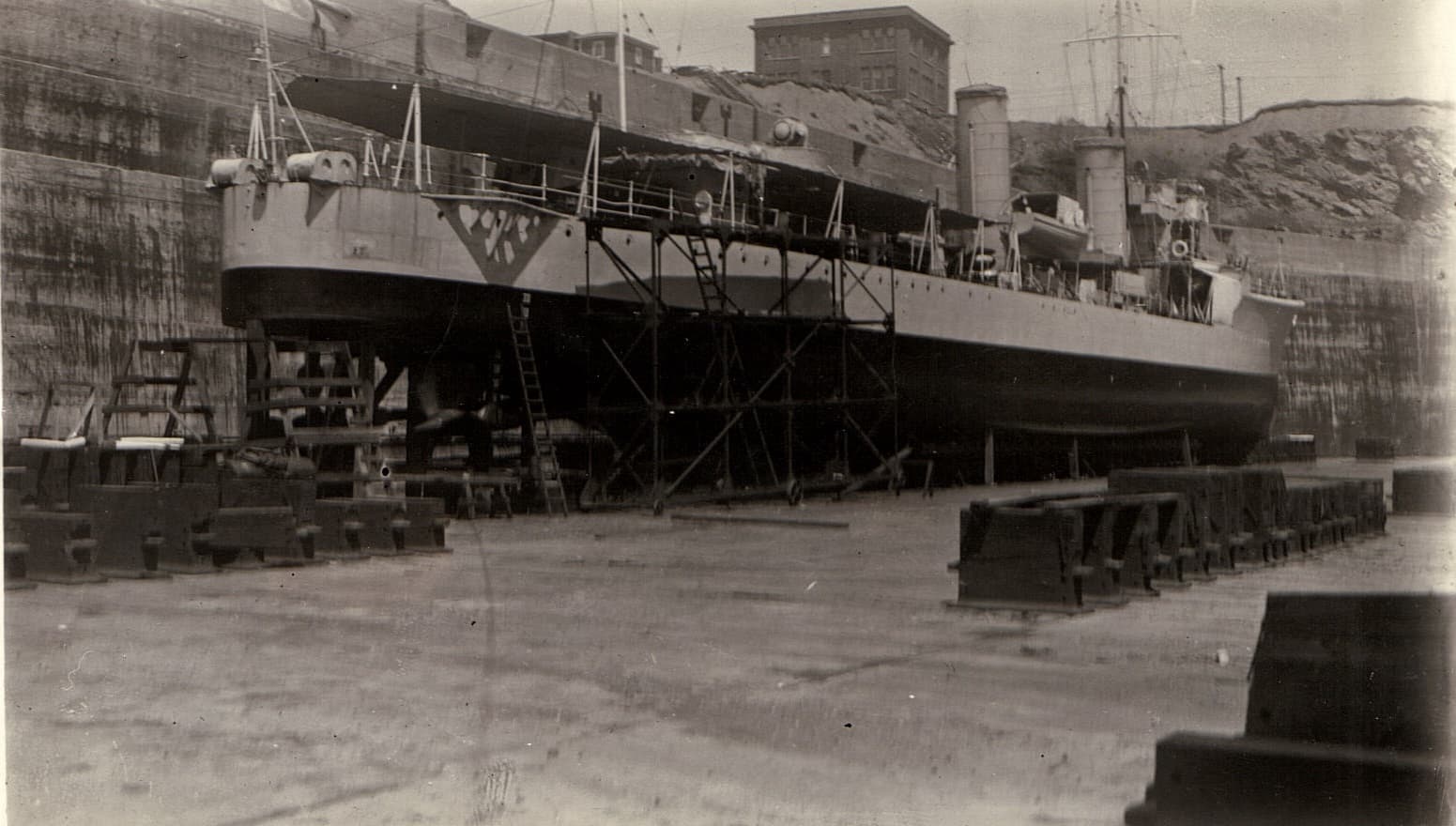
HMCS Champlain (left), in dry dock with the HMCS Saguenay (right), (n.d)

Royal Canadian Navy Service:
HMS Torbay and her sister HMS Toreador would be selected for transfer to the Royal Canadian navy in late 1927, with the handover taking place at Portsmouth on the 1st of March 1928. Upon commissioning she would be renamed to HMCS Champlain, after the famous explorer Samuel de Champlain.
She and her sister would transfer to the RCN as to provide an intermediary stop gap between the older M-class, and two brand new destroyers built directly for the RCN, which would take a while to enter service, as a design had yet to be selected, and the hulls themselves would also have to be built.
Once commissioned she would serve out of Halifax on the eastern seaboard of Canada, mostly on training duty, the same as her predecessor. She would go on a goodwill voyage across the east coast of Canada on the 25th of August 1928, returning on the 3rd of September.
She would also partake in the Winter Cruise of the Caribbean Sea, being joined by her sister, HMCS Vancouver (formerly HMS Toreador) in 1929. These cruisers would take place yearly, but not without incident, as she suffered damage to her upper works when she encountered a gale in January 1931.
The RCN’s S-class destroyers would be joined by the River-class Destroyers HMCS Skeena and Saguenay when they finished building and commissioned in 1931, but as the older vessels were still relatively fit for service at the time, they would not be outright replaced.
With the new vessels in service, she would still remain on the east coast on training duty, and continued to participate in cruises to the Caribbean. In 1934, HMCS Champlain, Vancouver, Saguenay and Skeena would participate in the longest of these cruises, during which they would exercise with the Royal Navies Home Fleet. Sometime in 1934 she would gain the pennant H24.
A year later, in 1935, it was found that the Champlain’s sea worthiness had reduced dramatically since the last inspection. This was due to the ship never receiving any complete mid-life refits, only ever receiving inspections in dry dock. During one of these inspections in 1934, it was concluded that a complete refit would cost $165,000 for both Champlain and Vancouver. Under the loan agreement this refit would have to take place, as part of the agreement was that the Destroyers be returned in good seaworthy condition, as to allow the voyage to the UK for scrapping.
Although Canada did intend for these ships to be returned, refits for the voyage to the UK simply cost too much, and as such Canada and the UK came to an agreement where the ships would be scrapped in Canada, their armament removed and kept in Canadian stockpiles.
HMCS Champlain would pay off on the 25th of November 1936 into reserve, finally being sold for scrap in 1937.
| General Characteristics: | |||||
|---|---|---|---|---|---|
| Name: HMCS Champlain | |||||
| Country: Canada | |||||
| Type: Destroyer | |||||
| Class name: Thornycroft S-class | |||||
| Year of commission: 1928 | |||||
| Refit: 1934 | |||||
| ----------------------------------------------------------------------------------------------------------------------------------------- | |||||
| Dimensions: | |||||
| Length: 275 ft 11.25 in (84m) | |||||
| Beam: 27ft 6in (8.4m) | |||||
| Draught: 10ft 6in (3.2m) standard | |||||
| Displacement: 1,087t standard | |||||
| ----------------------------------------------------------------------------------------------------------------------------------------- | |||||
| Propulsion: | |||||
| Powerplant: 3x Oil fired boilers w/ 2x Geared steam turbines, generating 34,000hp (25,000kW) across two shafts | |||||
| Speed: 39kt | |||||
| Endurance: 2,589nmi @ 13kt | |||||
| ----------------------------------------------------------------------------------------------------------------------------------------- | |||||
| Armament & sensors: | |||||
| Compliment: 90 | |||||
| Primary armament: 3x1 QF 4-Inch Mk.IV on LA Mount | |||||
| Secondary armament: 1x1 QF-2pdr Mk.IIc (Pom-Pom), MGs | |||||
| Tertiary armament: 2x2 21-inch Torpedoes, 2x Depth Charge rails | |||||
| Radar: nil | |||||
| Sonar: nil |
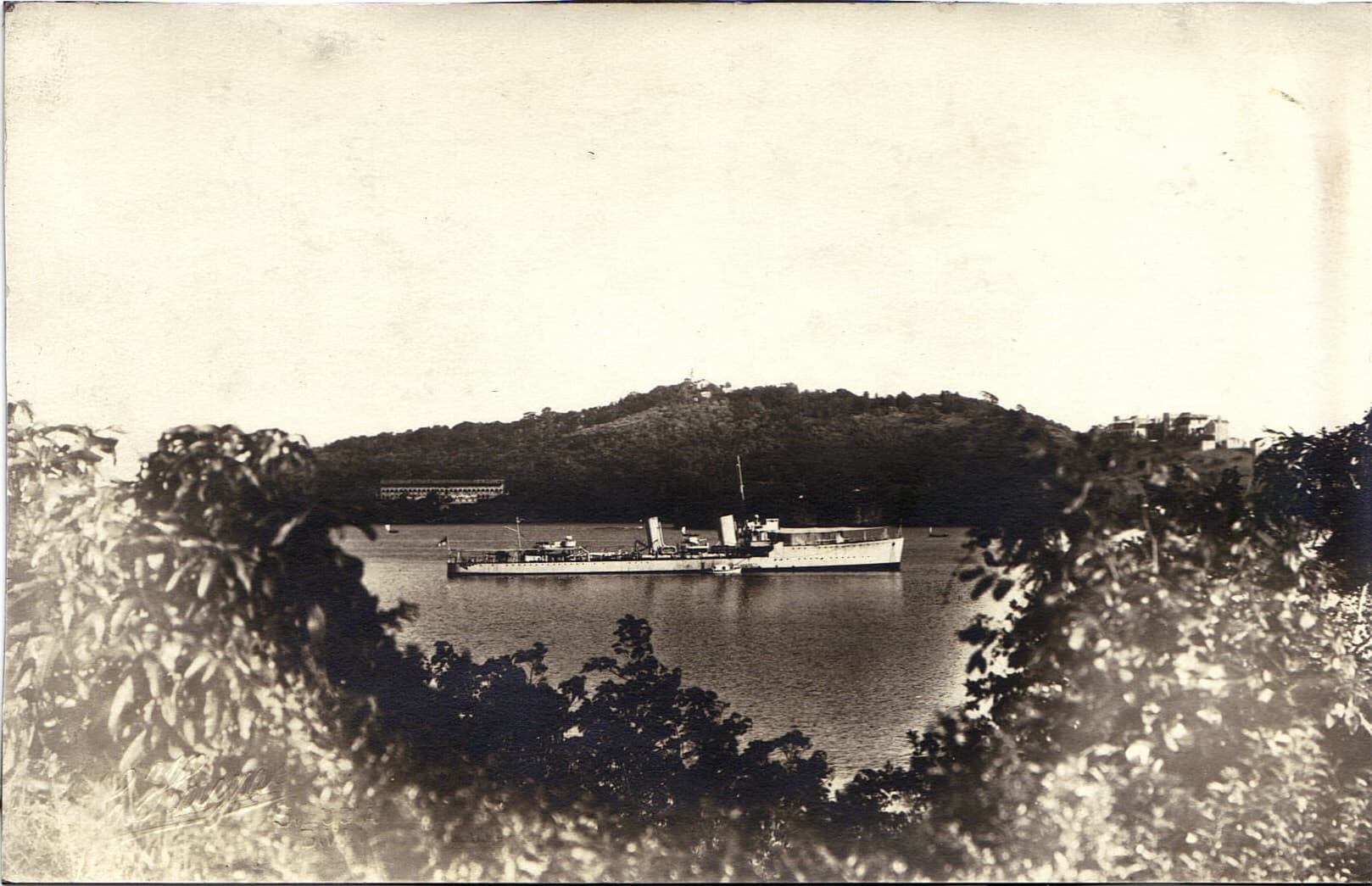
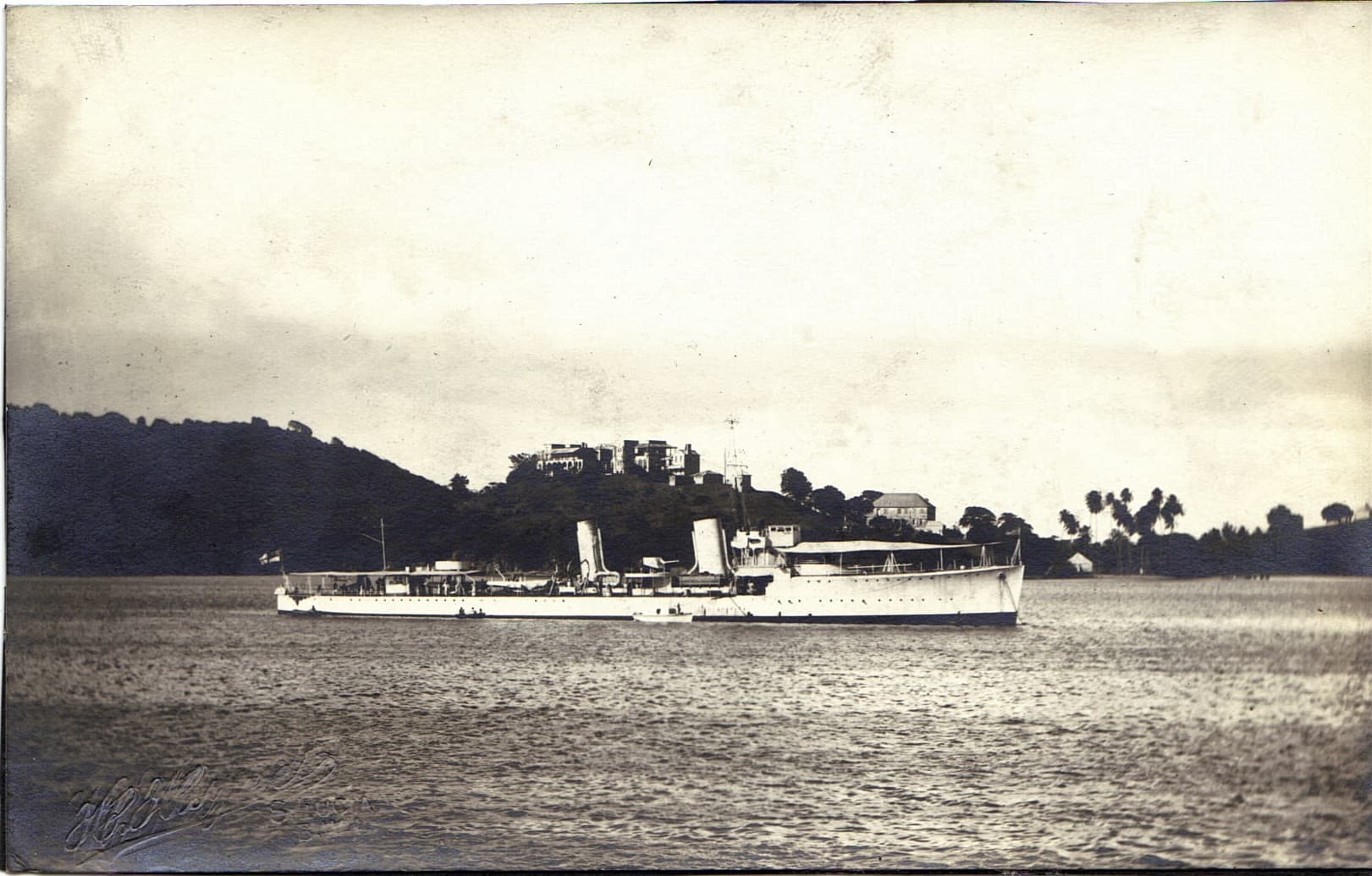
HMCS Champlain at St Lucia, (n.d)
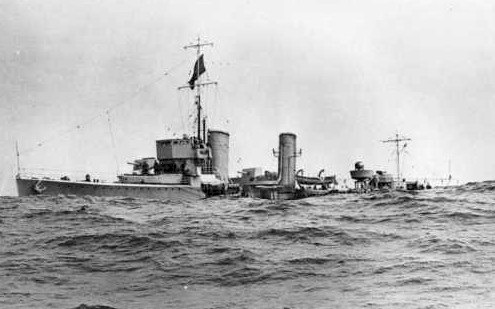
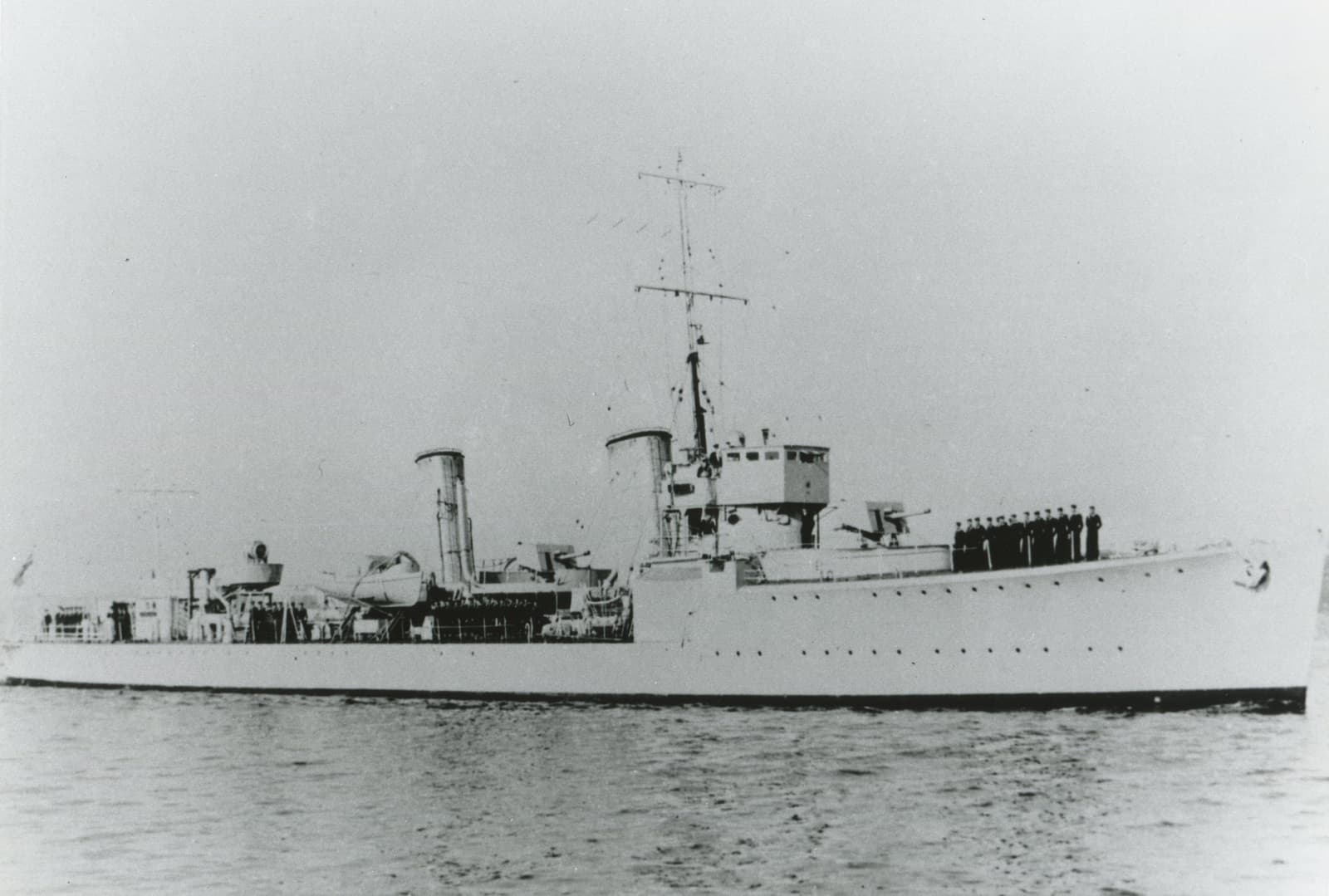
Extra Photos:
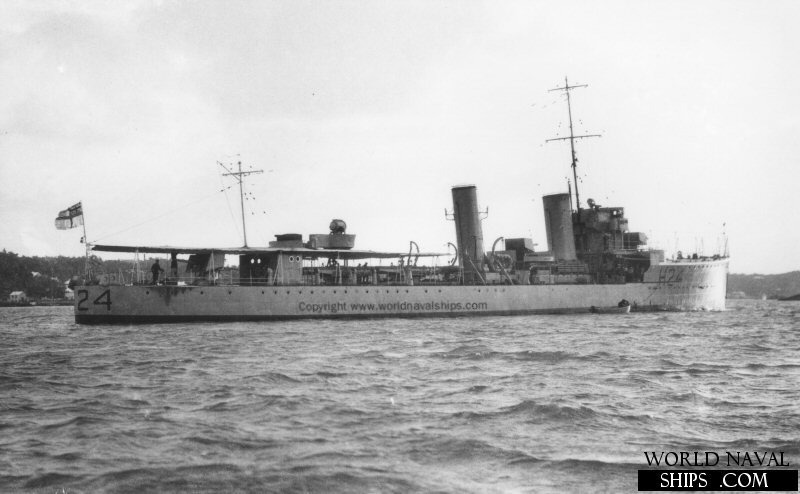
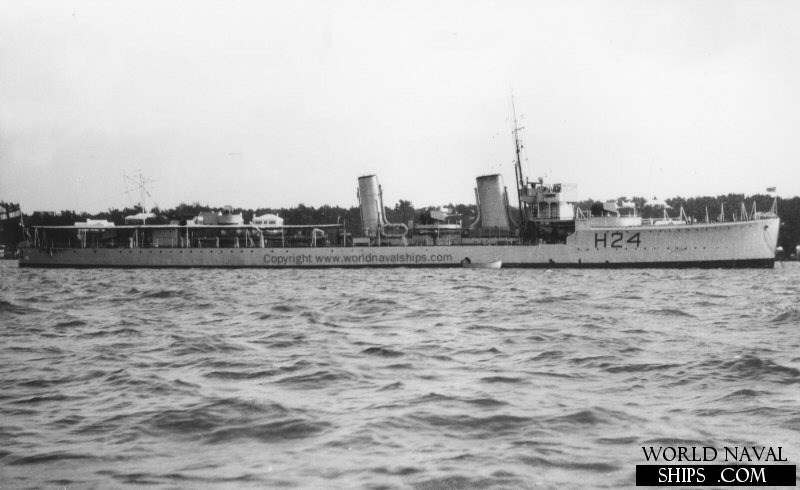
Sources:
N.Friedman. (2009). British Destroyers from Earliest Days to the Second World War. (pp 297-298)
K. Macpherson & J. Burgess (1981) The ships of Canada’s Naval Forces 1910-1981 (pp. 13, 191, 206)
G. Norman (1962) The Naval Service of Canada (pp. 33-35, 345-349, 364-366)
HMCS Champlain (1919) - Wikipedia
https://www.canada.ca/en/navy/services/history/ships-histories/champlain.html
HMCS CHAMPLAIN - For Posterity's Sake
RCN Destroyers: HMCS Patrician, HMCS Patriot, HMCS Champlain, and HMCS Vancouver - SilverHawkAuthor Website Military History Materials
HMCS CHAMPLAIN | Ships of the Royal Canadian Navy