- Yes - In the Tech Tree.
- Yes - Event/BP.
- Yes - Premium.
- No - I would not like to see HMCS Patriot in game.
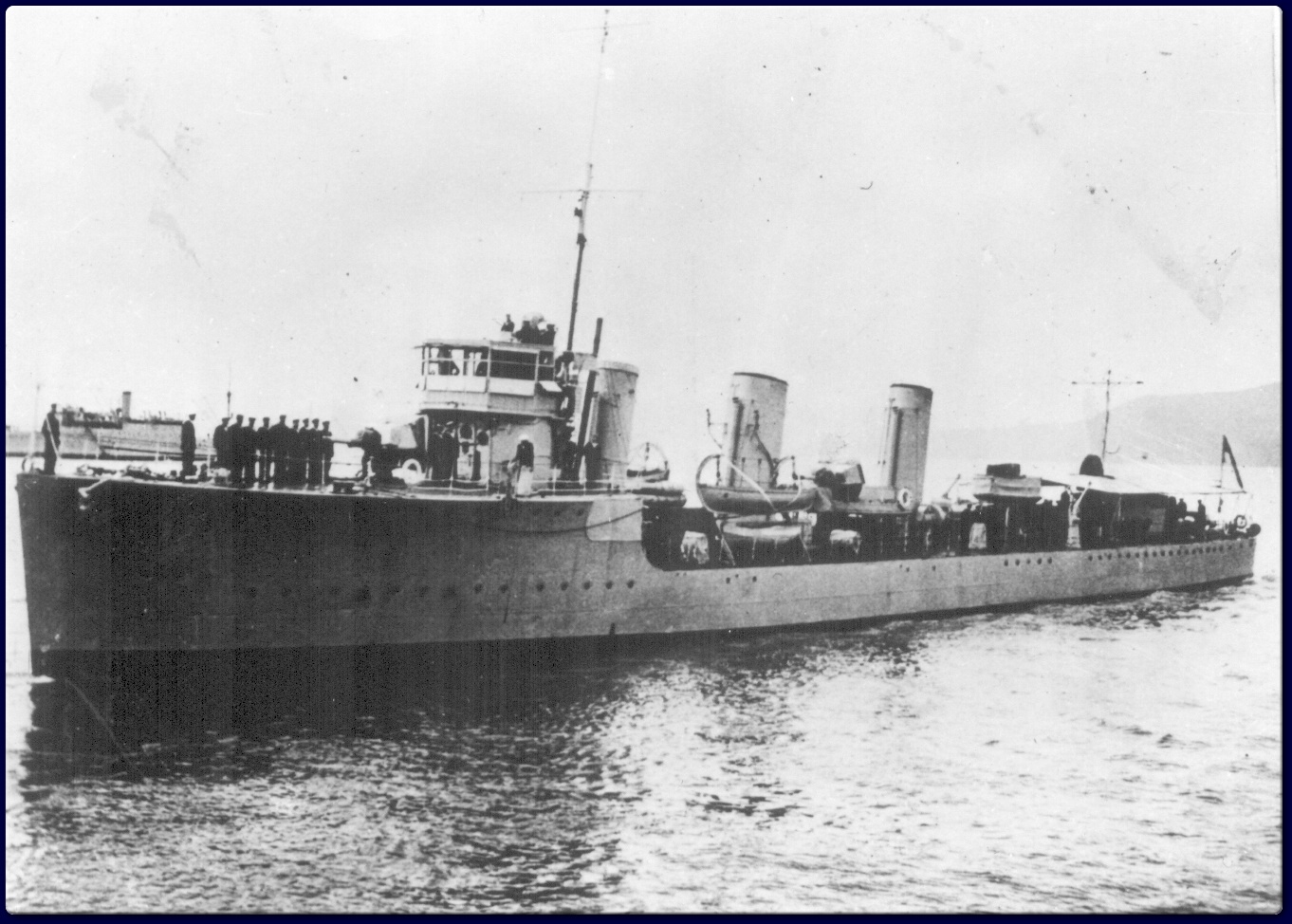
Description:
HMCS Patriot was one six Thornycroft M-class destroyers built for use in the Royal Navy in the First world War, where she would see action, but with more modern ships coming online post war, she would be one of three ships selected for transfer to the Royal Canadian Navy to replace their outdated fleet of Cruisers.
Compared to the standard ‘Admiralty’ M-class, the Thornycroft types had a higher freeboard and flat sided funnels. They were otherwise identical, however HMS Meteor and Mastiff had a wider beam at 27.75ft compared to the standard 27.26ft of all other M-class, both Thornycroft and Admiralty.
This suggestion is for her as she commissioned into the RCN in 1920
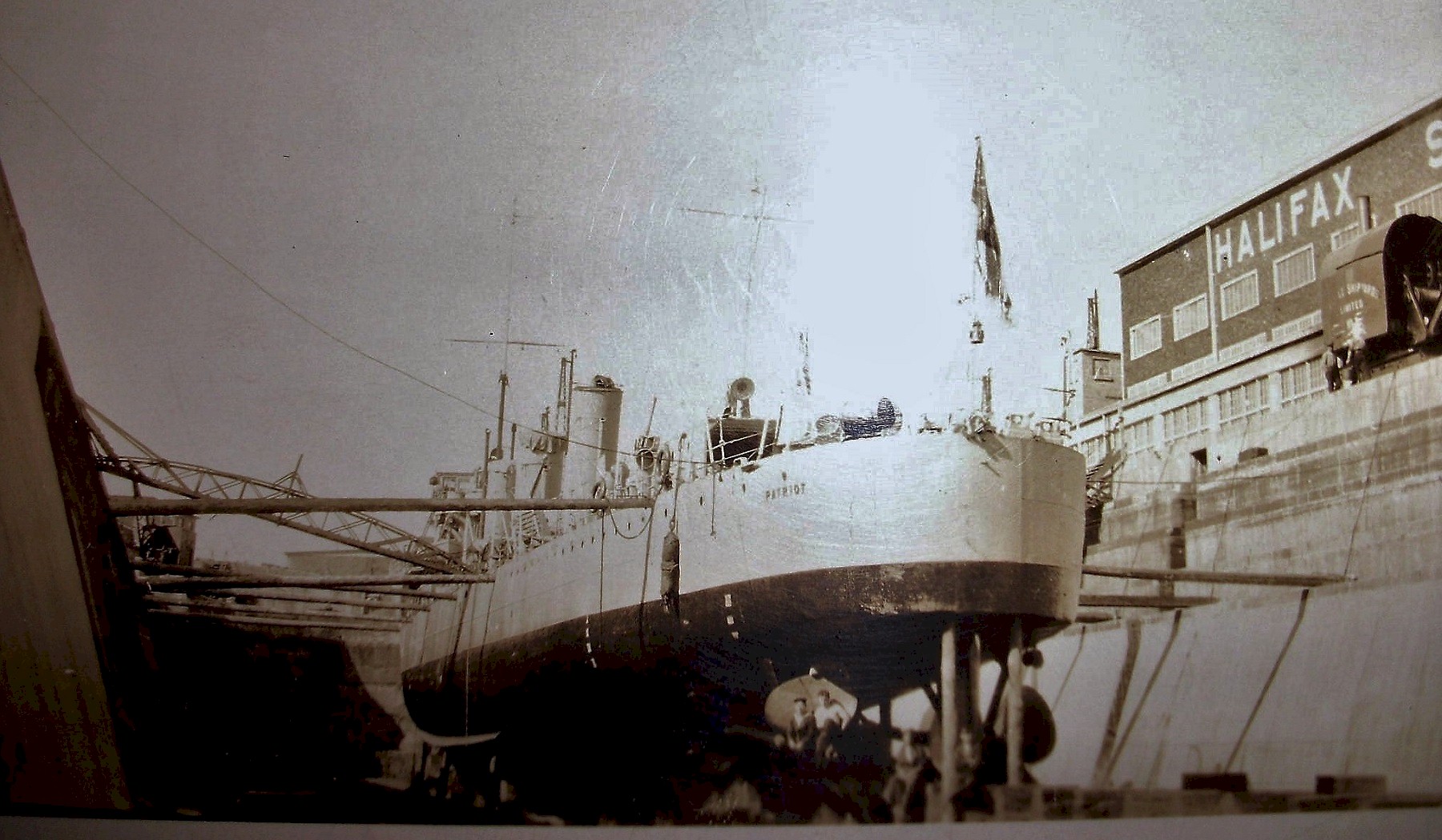
History:
Royal Navy Service:
Ordered for the Royal Navy during the February 1915 program, she was laid down in July the same year at Southampton, England. She would launch on the 20th of April 1916, completing her fitting out and commissioning in June 1916.
Upon commissioning, she would join 14th Destroyer Flotilla, as part of the Grand Fleet. During her time here she would partake in antisubmarine operations, including by use of a Kite Balloon. The Flotilla would make several sightings, however no actions could occur before a shortage of Hydrogen for these balloons forced a return to port.
However on the 11th of July 1917, another sweep was initiated with the spotting balloon. This time it spotted a surfaced U-Boat on the surface, and would guide in Patriot to the target. Upon closing the range to the submarine, Patriot opened fire with her main battery, forcing the submarine to dive. The kite once again guided her to the target, where she deployed her depth charges, sinking the U-69.
In October she would partake in a large operation, as to stop a suspected breakout of the Imperial German Navy. This included eight groups totaling 30 Cruisers and 54 deployed across the North Sea. This was partially successful, however two German Light Cruisers, SMS Bremse and Brummer escaped.
Throughout the war she would partake in convoy escort and harbour protection duties, remaining as part of the 14th Destroyer Flotilla throughout the war. However upon the end of the war, more modern destroyers such as the V&W-class and the S-class coming online the older classes were no longer needed for fleet actions. As by 1919, she was no longer needed, and HMS Patriot was laid up in reserve.
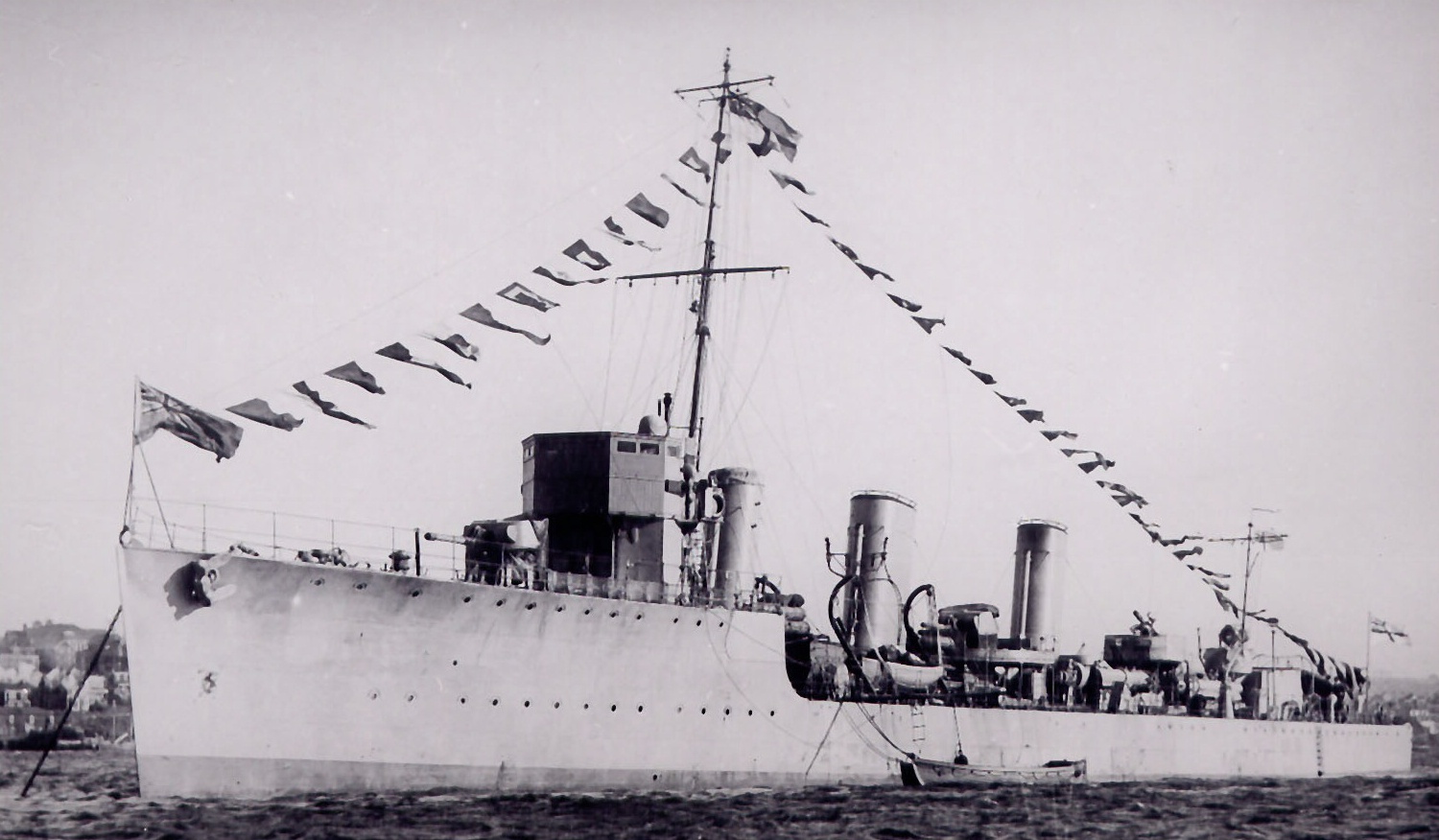
Royal Canadian Navy Service:
By February 1920, HMS Patriot and her sister HMS Patrician, as well as the cruiser HMS Aurora were offered to the Canadian Government as to replace the two cruisers, HMCS Rainbow and Niobe. This offer was accepted by the RCN by March.
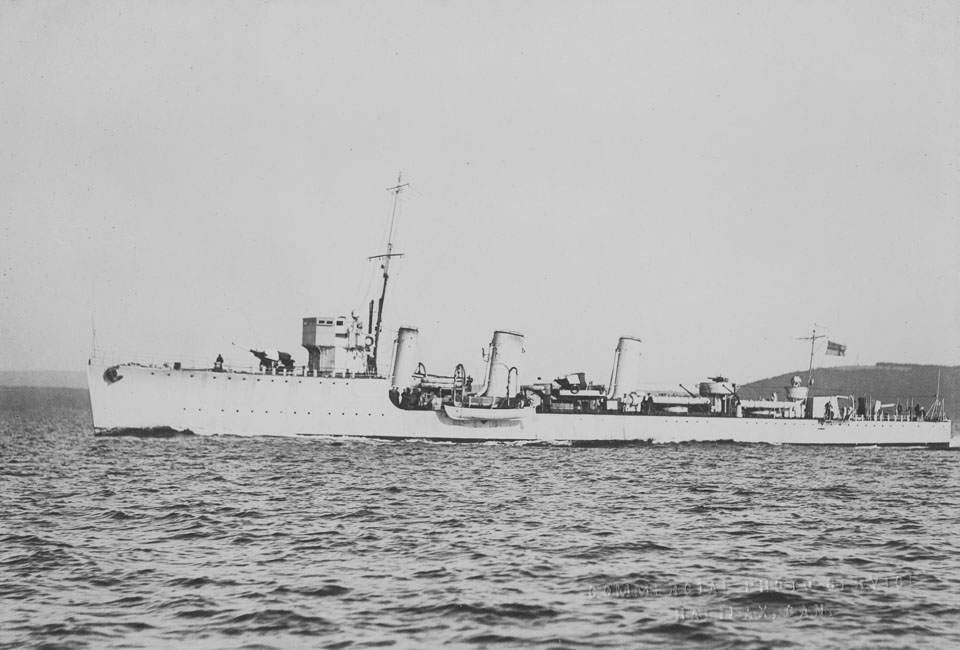
However the Destroyers would have to be modified for Canadian use, notably with the enclosing of the Bridge, the addition of another electric engine, new electric heaters, and an oil fired galley. These modifications came to a cost of 14,000 pounds.
She would be commissioned as HMCS Patriot on the 1st of November 1920, departing Devonport for Halifax, Nova Scotia, on the 1st of December. Upon arriving in Canada, Patriot would start patrolling the Canadian Eastern seaboard while also providing training duty. On the 21st of May 1921, she ran aground, leading to the the Captain and the Navigation officer being court martialled.
During a visit to Costa Rica the three Canadian ships supported the claim of the Bank of Canada in an oil dispute. Later in September of 1921 she conducted experiments with Graham Bell’s Hydrofoil, towing the experimental craft HD-4 across Baddeck Bay.
Following the drastic Budget cuts of 1922, the two M-class destroyers remained as the only major Canadian Warship in active service, the HMCS Aurora had been put into reserve after only a year of service. During this period she would train the Royal Canadian Naval Volunteer Reserve, and about once per year would train with exercises with the Royal Navy.
Completely outdated by 1927, two new destroyers had been purchased, and HMCS Patriot and Patrician were paid off in December that year. The two were scrapped in Wales in 1929.
| General Characteristics: | |||||
|---|---|---|---|---|---|
| Name: HMCS Patriot | |||||
| Country: Canada | |||||
| Type: Destroyer | |||||
| Class name: M-class | |||||
| Year of commision: 1920 | |||||
| Refit: 1920 | |||||
| ----------------------------------------------------------------------------------------------------------------------------------------- | |||||
| Dimensions: | |||||
| Length: 274 ft (84 m) | |||||
| Beam: 27.2 ft (8.31 m) | |||||
| Draught: 10.4 ft (3.2m) | |||||
| Displacement: 985t | |||||
| ----------------------------------------------------------------------------------------------------------------------------------------- | |||||
| Propulsion: | |||||
| Powerplant: 3x oil fired boilers, driving steam turbines @ 26,500hp (19,800kW) across three shafts | |||||
| Speed: 35kt | |||||
| Endurance: 3,450nmi @ 20kt | |||||
| ----------------------------------------------------------------------------------------------------------------------------------------- | |||||
| Armament & sensors: | |||||
| Compliment: 80 | |||||
| Primary armament: 3x QF 4-inch Mk.IV on mount P Mk.IX | |||||
| Secondary armament: 1x QF 2-pdr pom-pom | |||||
| Tertiary armament: 2x2 21" torpedo tubes | |||||
| Sensors: -nil |
Sources
Johnston, et al (2010) The Seabound Coast: The Offical History of the Royal Canadian Navy, 1867-1939 (pp.755-757, 768-769)
Schleihauf, William (2000) "Necessary Stepping Stones”: The Transfer of Aurora, Patriot and Patrician to the Royal Canadian Navy after the First World War
Friedman, Norman (2009). British Destroyers: From Earliest Days to the Second World War. (P.309)
HMS Patriot (1916) - Wikipedia
HMCS PATRIOT - For Posterity's Sake
HMCS PATRIOT | Ships of the Royal Canadian Navy