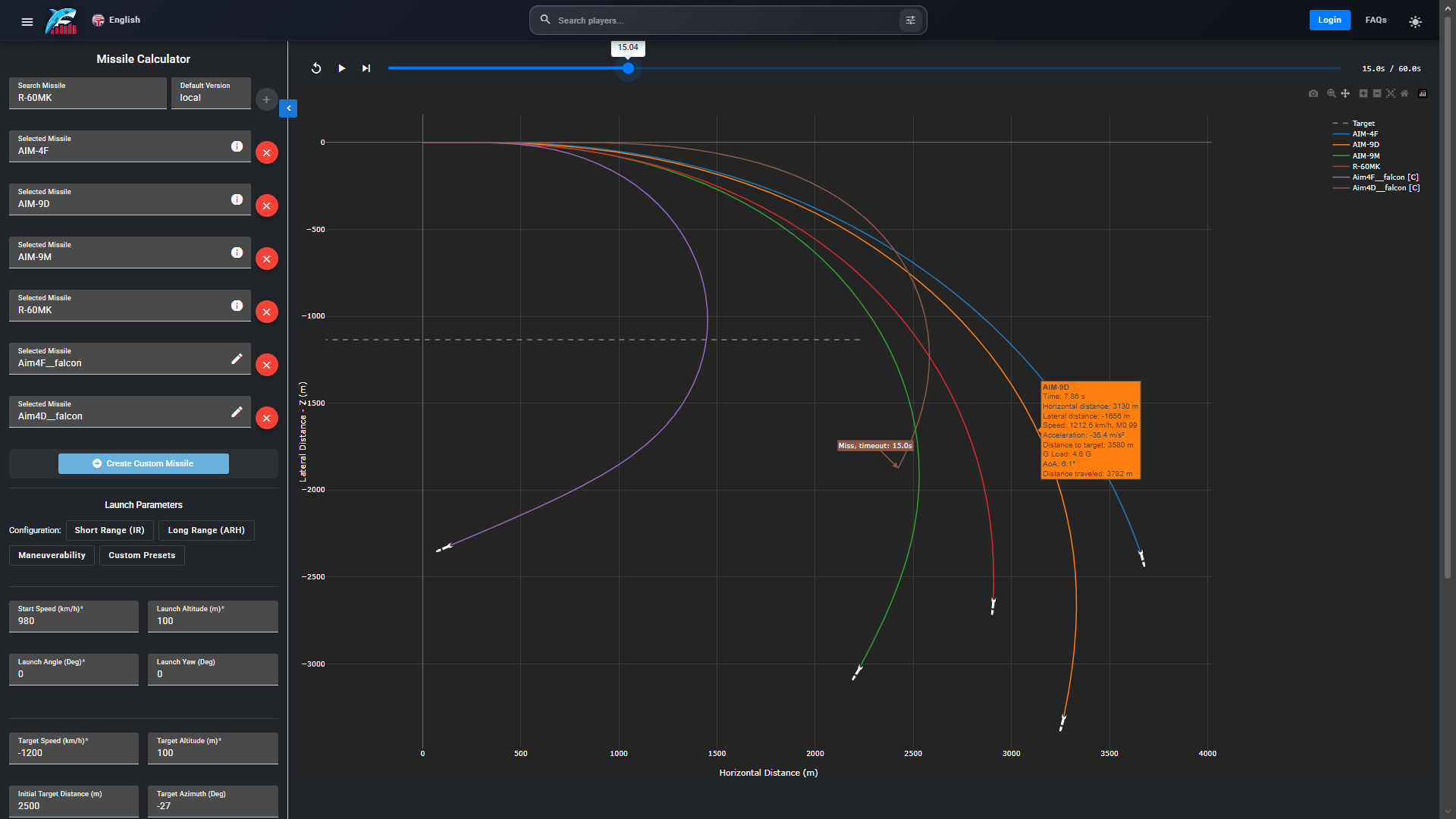
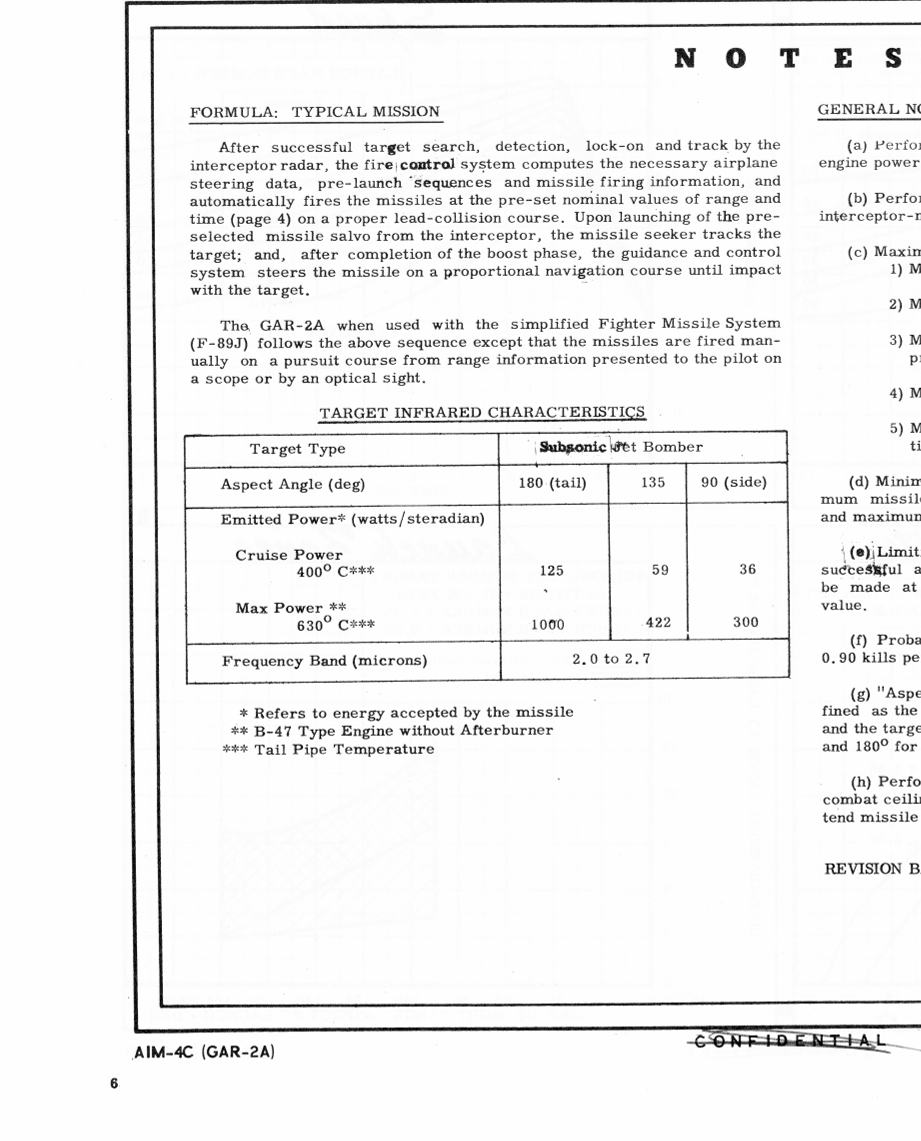
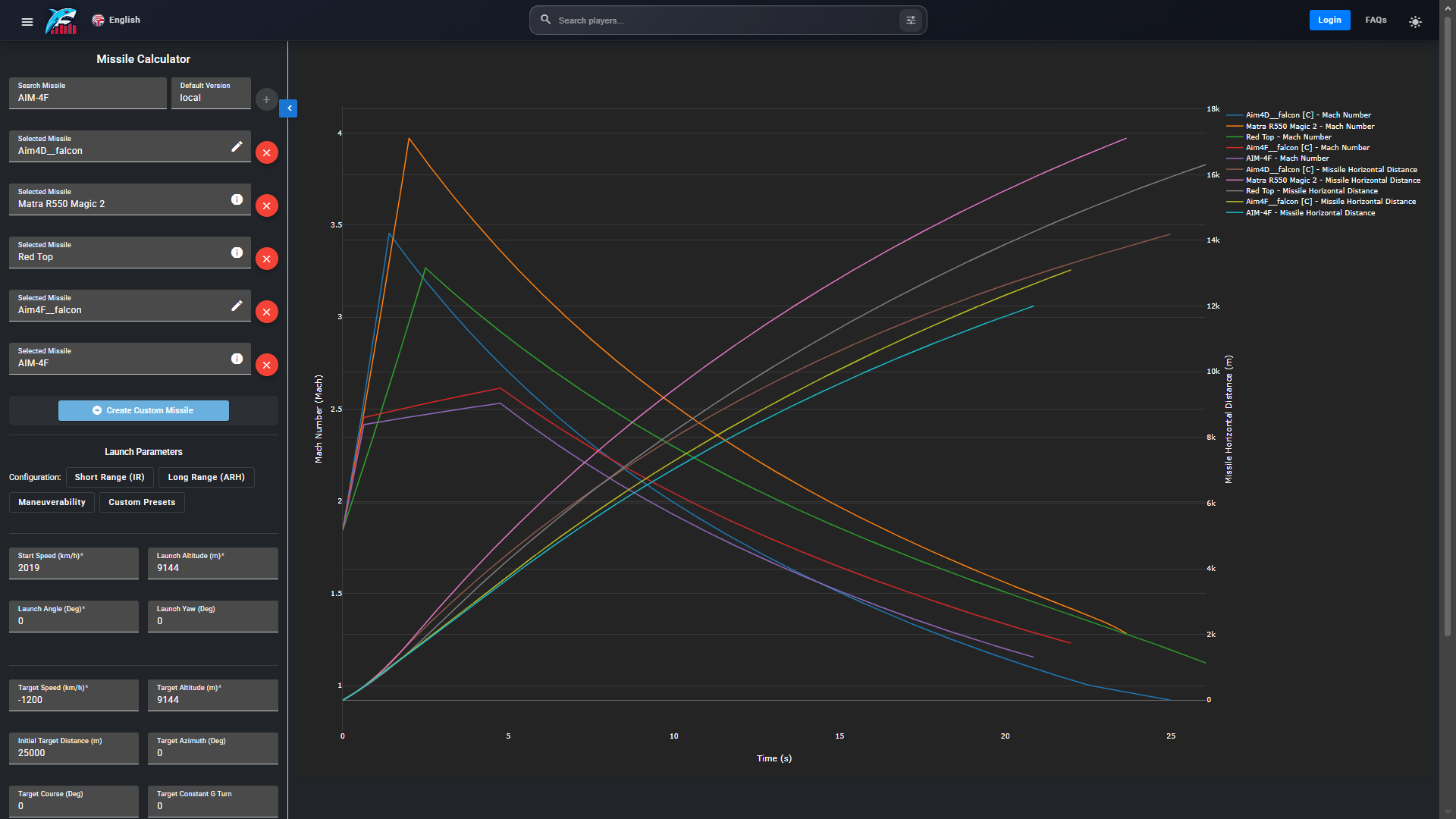
The energy bleed and the guidance only starting after 1.4 seconds really hurt it (unless I’m wrong on the latter staying the same between 4C and 4D), so taking advantage of the uncaged seeker to give it the proper lead angle before firing seems essential.
As for straight line speed and distance, sea level
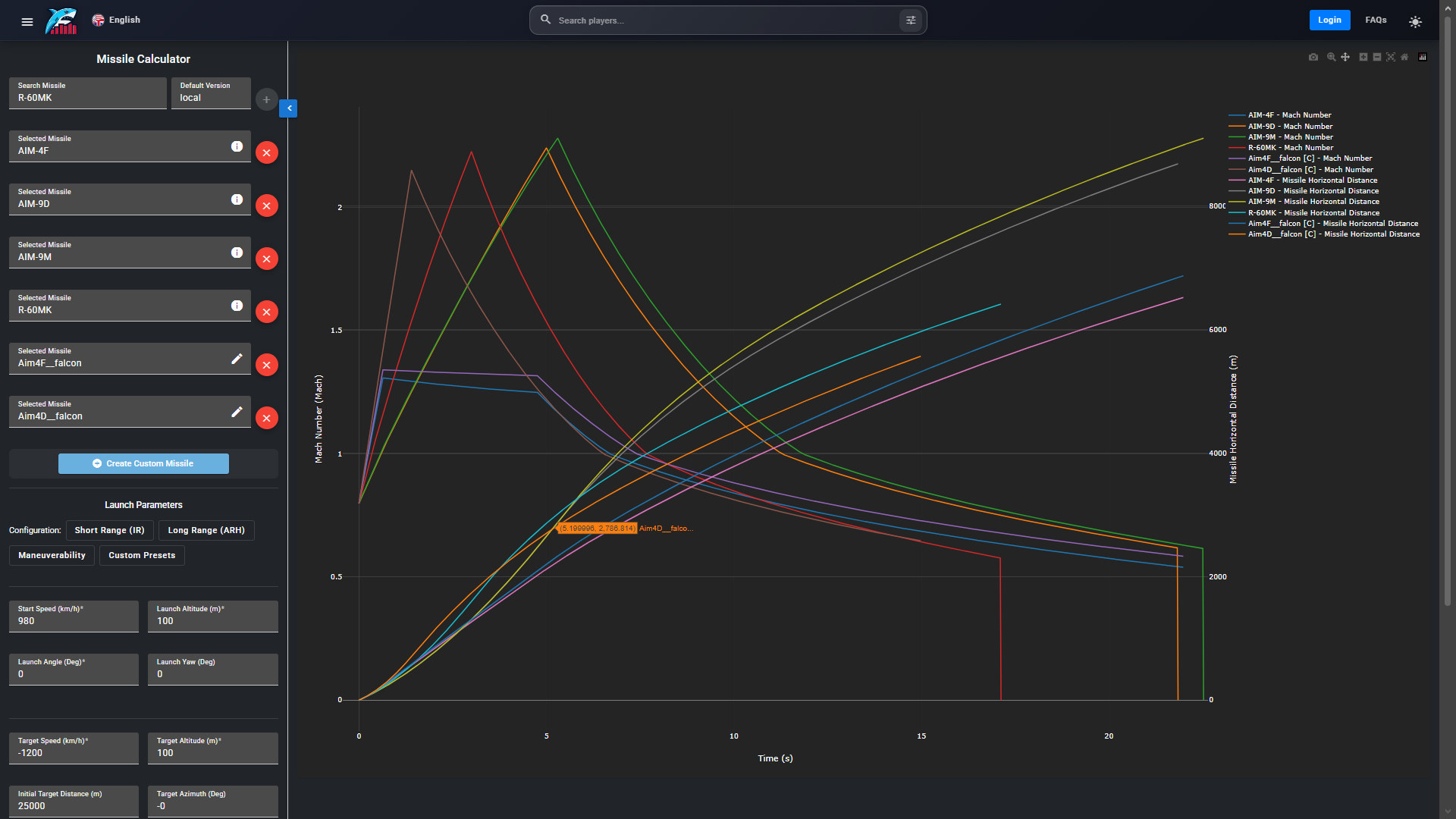
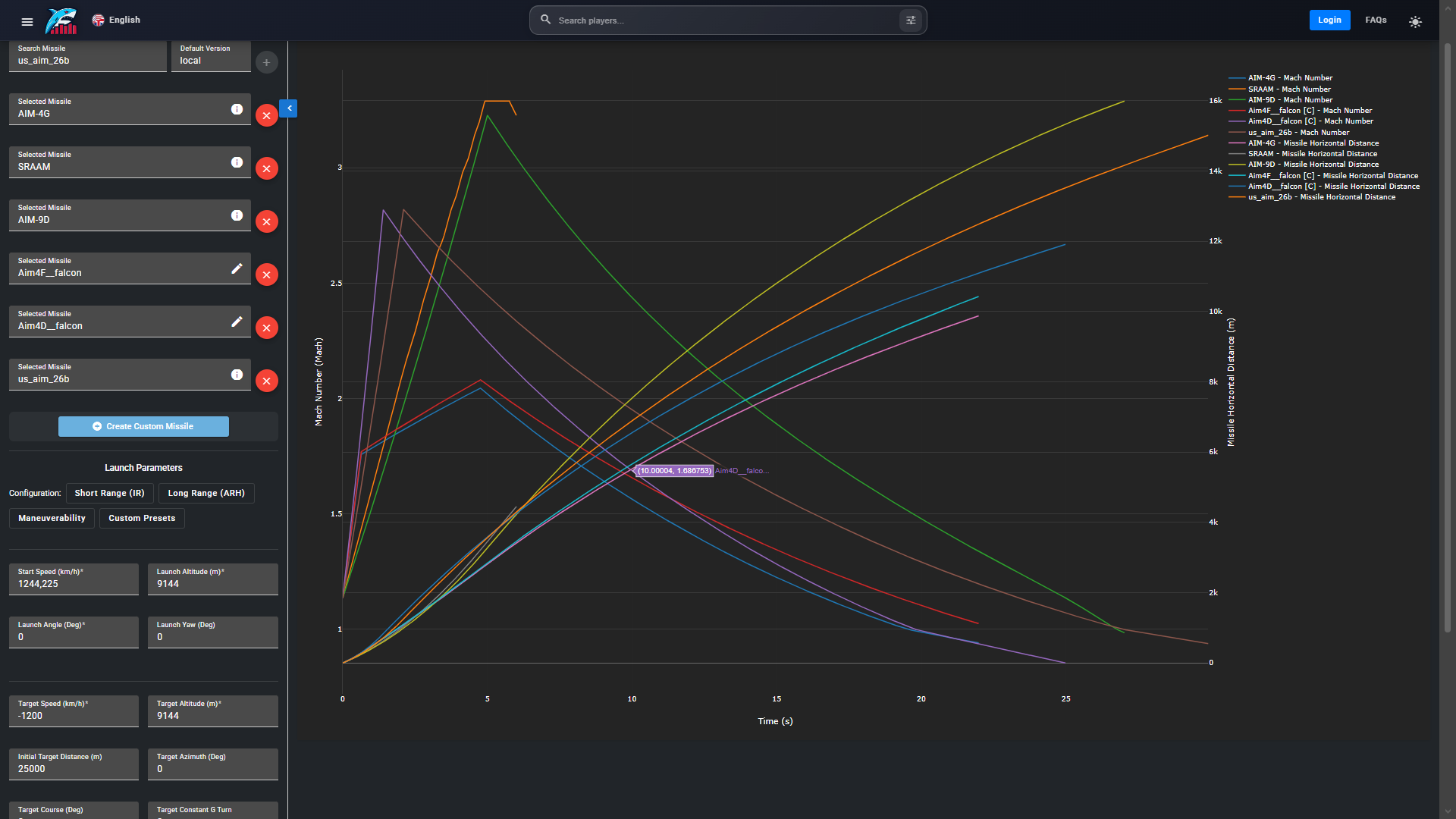
Aim-4D has the shortest range overall, but is the fastest until the 3.78 second/2158 meters mark, where it’s overtaken by the r-60mk, and stays ahead of the aim-9D and aim-9M pair until the 5.2 s / 2787 meters mark. The launching altitude and speed changes up the values a bit, but the overall trend stays the same.
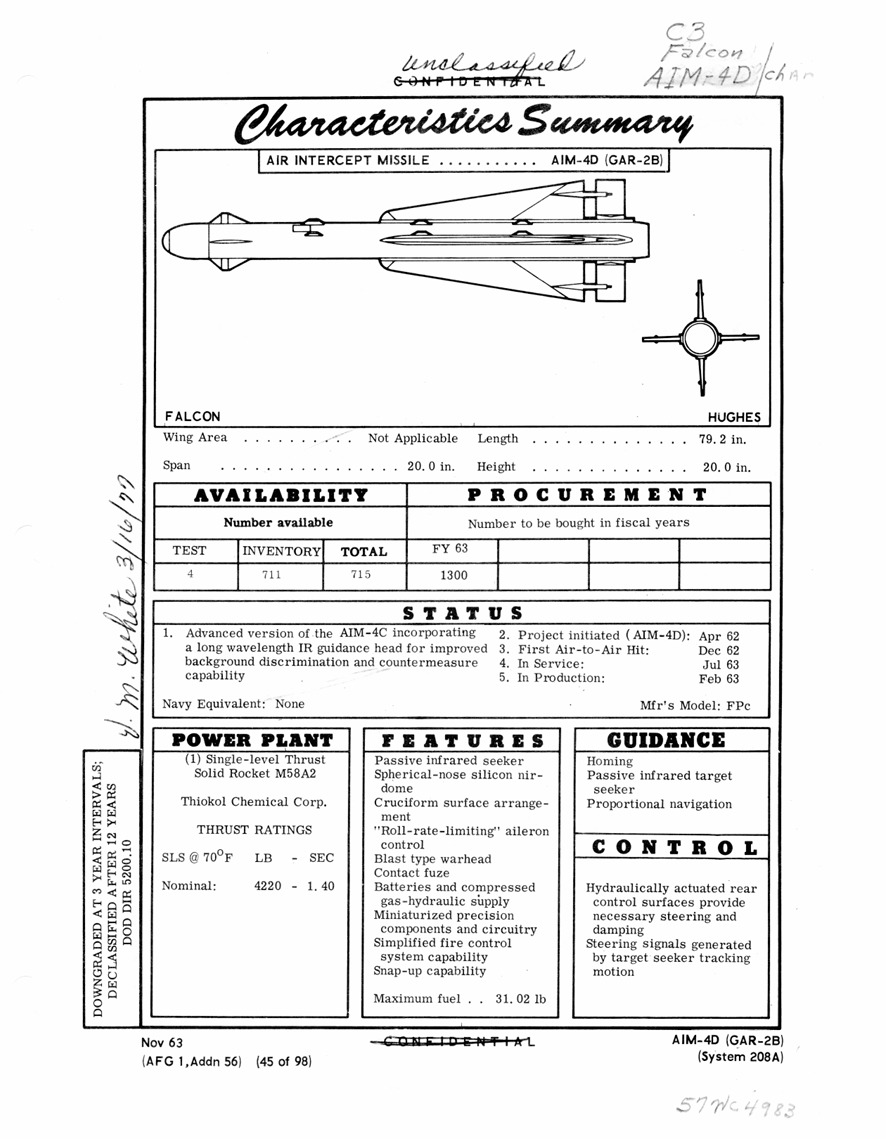
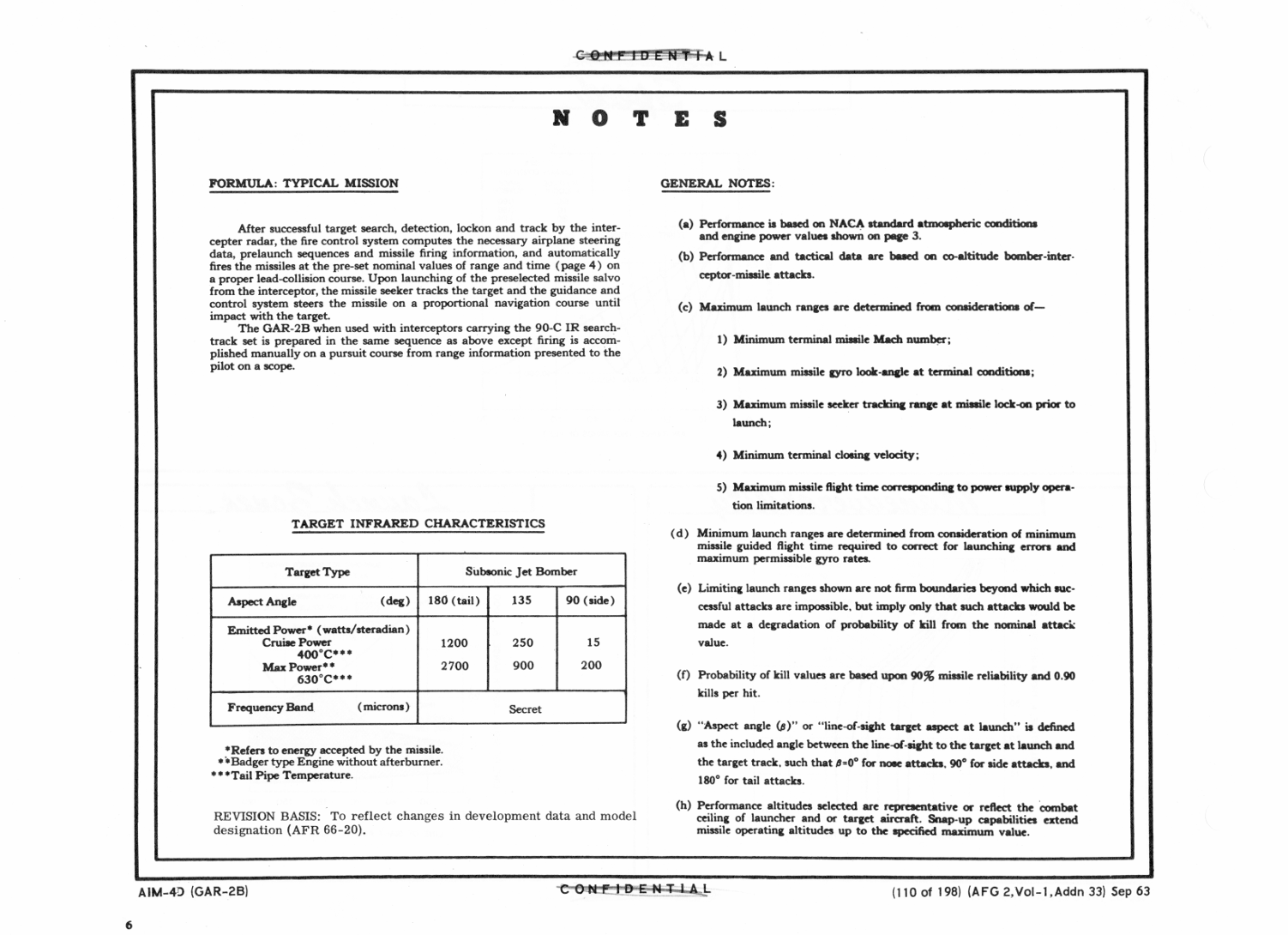
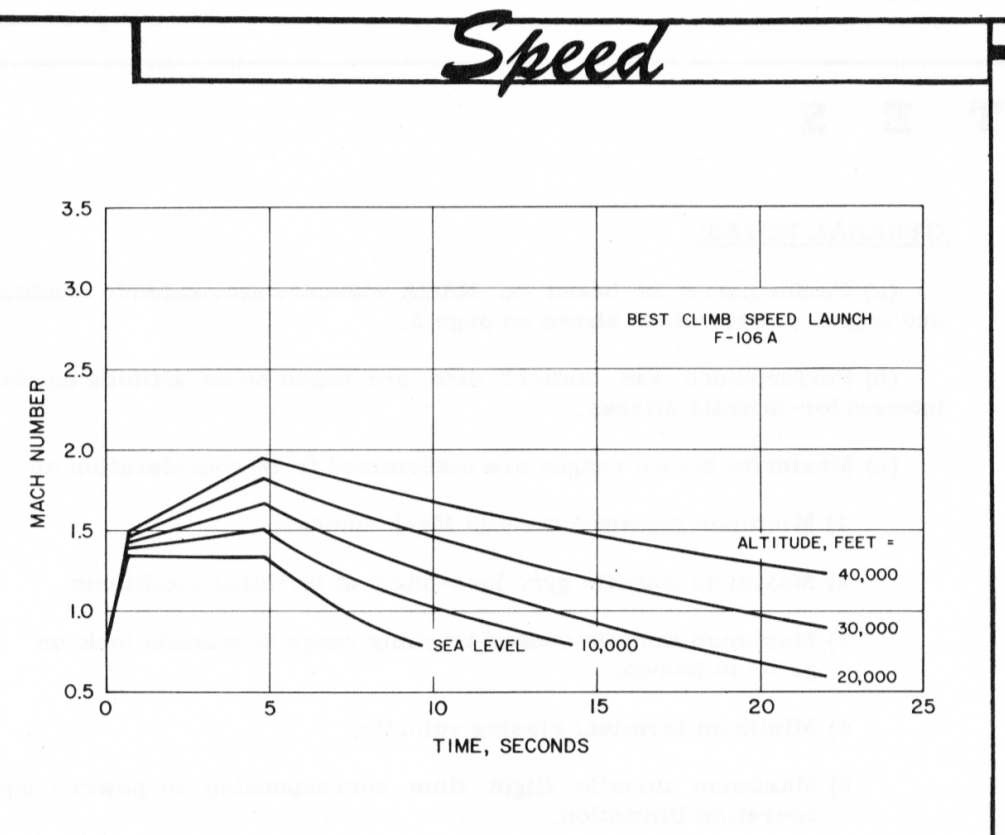
I assume that “pitch” guidance here refers to the pitch angle of the aircraft that’s launching the missile, rather than the pitch angle of the missile relative to the horizon. Regardless, since warthunder can’t really separate pitch from yaw and roll guidance in missiles, using a 0,5 guidance delay seems reasonable. The 25 second guidance time is also technically possible since most falcons’s battery lasts for about 120 seconds, but the smc does repeatedly state that 15 seconds is the max permissible missile flight time both in the mission tables and the performance charts, so the 25 seconds guidance time seems unlikely. Regardless, 15 or 25 seconds time limit doesn’t make a real difference for the aim-4d because as you can see below, the drag to weight ratio is so high that it goes subsonic before the time is up even if it’s launched at 30000 feet and mach 1.85 (switched things a bit with the magic 2 and the red top).
The turning performance of the aim-4d at sea level below now looks very different because besides reducing time before guidance can start, i also reduced maximum fin AoA. You see the aim-4a/c/d has an issue with the fins not being able to overcome high dynamic pressures that isn’t really possible to replicate in war thunder, so having the correct performance for 30 000 feet was making it turn way harder than it should at sea level; i ended up compromising a bit so that it’s about 10% better at sea level (within a margin of error), even if it’s 20% worse at 30000 feet, but at least the energy bleed isn’t quite as bad.
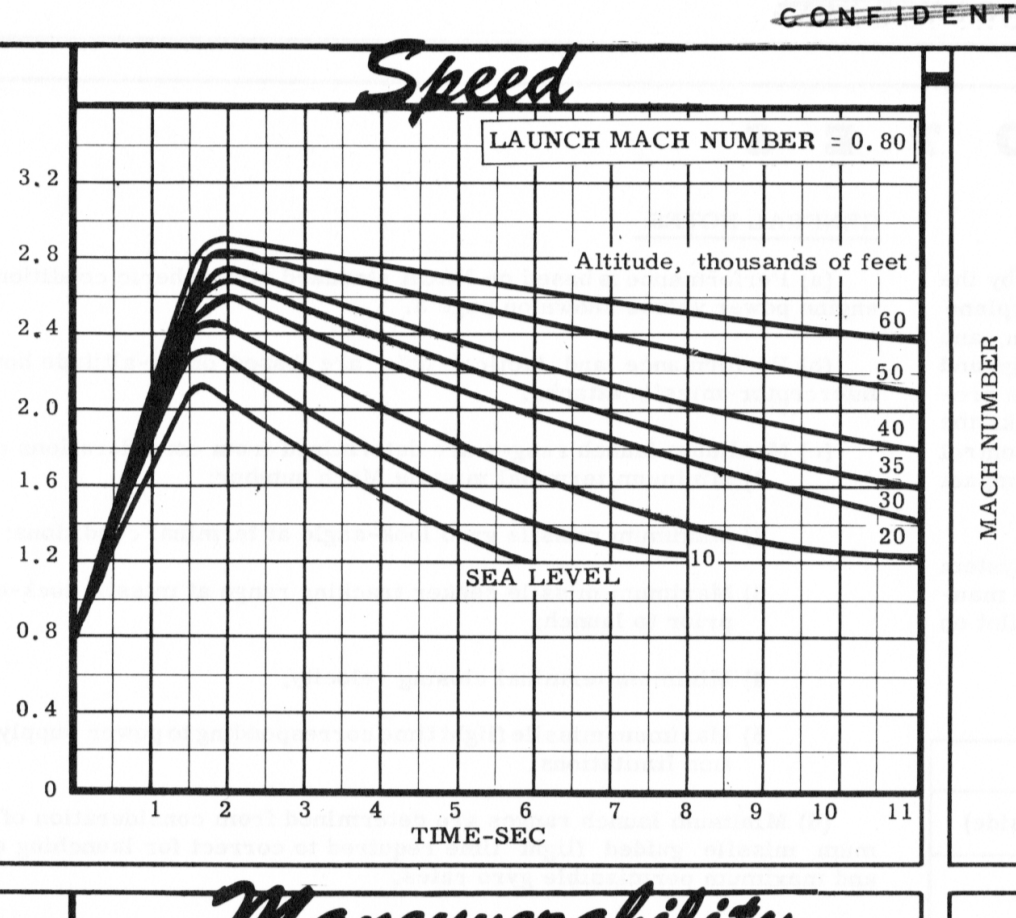
If you want to compare the graph, peak speed is mach 2,81, mach 2,25 t+5 seconds, mach 1,69 t+10 seconds, mach 1,35 t+14 seconds, mach 1,09 t+18 seconds - i think it only really starts to noticeably slow down vs the real thing after after the 10 second mark.
@McStrawBerry Aim 26b (ingame) has about the same acceleration but goes farther because of the lower drag per weight - too bad that they didn’t reduce the guidance time delay when they replaced the nuke with the conventional warhead.
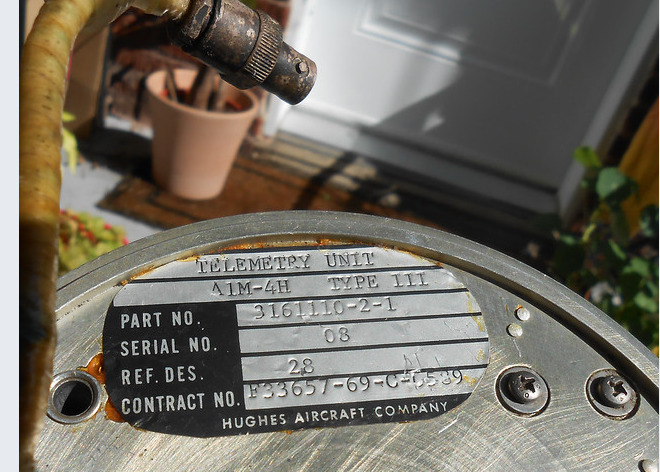
Nothing, i’m afraid. Unless i missed something, that’s a device used to measure telemetry data of a aim-4H missile test. Any information you could get from it is presumably already mentioned in this paper describing a similar telemetry device for the aim-4F/aim-4G
The real interesting differences between aim-4d and aim-4h would presumably be inside the seeker head itself (assuming it has irccm), the operation of the laser proximity fuse, and in the operation of the missile autopilot (assuming it got upgraded to dual plane and/or given more powerful actuators compared to the aim-4a/B/C/D baseline), and would at most show in the data recorded during a launch. The telemetry unit itself is only bespoke to make sure it’s compatible with the circuits inside the aim-4h.
The document above might be really interesting to the person that disassembled the telemetry unit, since it does have drawings of the logic circuits which he can then compare with the circuits he is physically seeing. I learned enough to realize why pulse guided missiles need a range gate and how the home on jam and target reacquisition functionalities work, but maybe he can have a better understanding of what the missile can or cannot do.
No proxy fuse makes the missile miss with a simple rudder kick or barrel roll, no extra range will make the missile usable as a main weapon. I only get kills with them in the F-106 on people flying straight or doing a simple slow turn.
Tho they will have worse seekers (unless it ever received the AIM-4D) and due to the better motor, they will have more g pull, and they don’t have any guidance for the first 1.4 seconds. They also have no sustainer
it burns for 1.4 seconds after that the guidance turn on also they burn alot of speed after that after 5 seconds theyre going as fast and aim 4g would roughly but before that they should be going at mach 2.something
you can see the performance in the graph that Pvt_Wade shared(the second one on the bottom)