- Yes
- No
TAURUS - The European Standoff Backbone
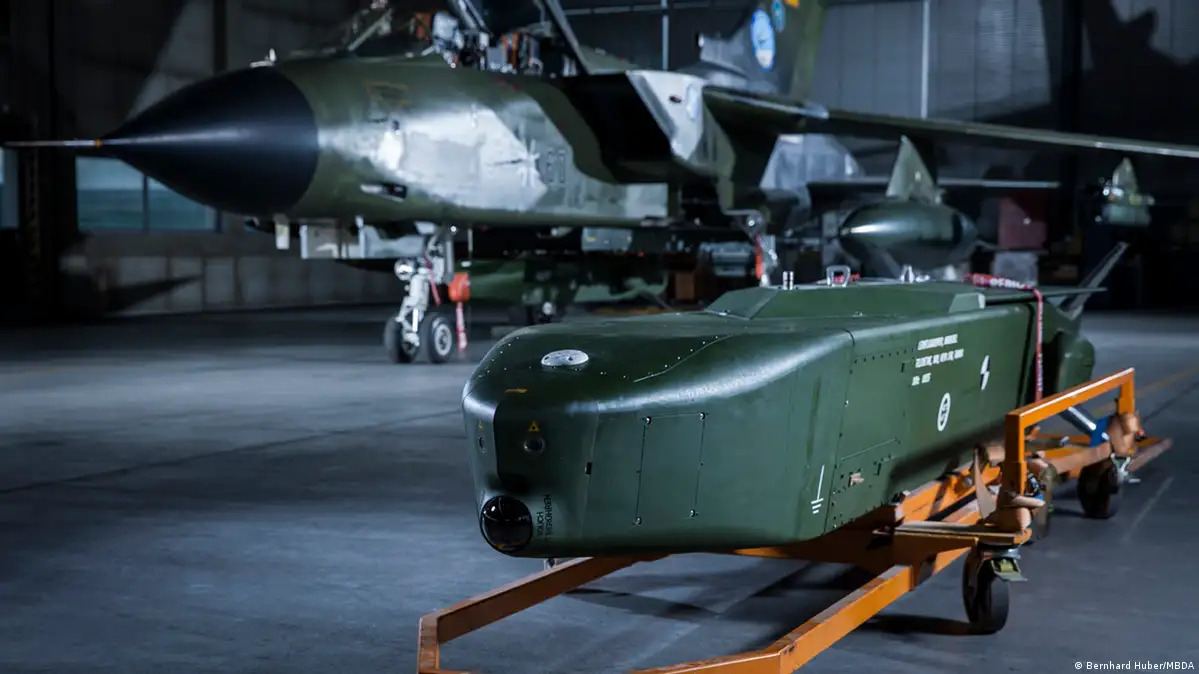
Hi and welcome to my 116th suggestion, which is about the TAURUS cruise-missile, hope you like it. 
Basic Background
During the Cold War, West Germany initially planned to procure the French Apache cruise missile, which, in the event of a defence scenario, was to be used, amongst other things, to engage runways belonging to the Warsaw Pact. After the end of the Cold War, however, requirements increasingly shifted towards engaging armoured and hardened point targets. Negotiations with France regarding a further development of the Apache ultimately failed, whereupon Germany withdrew from the programme.
The 1997 Bundeswehr Plan subsequently provided for the development of a modular family of stand-off weapons for the Panavia Tornado. DASA and Bofors developed a version with a propulsion system and warhead based on the DWS-24 glide dispenser, which was designated the KEPD 350. In 1998, the Federal Ministry of Defence funded the development and construction of 28 prototypes. The weapon was marketed as the TAURUS and was ultimately developed and produced by the specially established Taurus Systems GmbH, a joint venture between LFK-Lenkflugkörpersysteme and Saab Bofors Dynamics.
Development proceeded relatively quickly, as the first flight tests had already been carried out on a Tornado as early as 1996. The maiden flight took place on 4 October 1999 in Vidsel, Sweden, followed by extensive trials in South Africa in 2000. During these trials, both the navigation systems and the MEPHISTO warhead were tested against concrete targets.
Preparations for series production began in 2002, whilst verification for the German Air Force was completed in 2004. Variants originally planned with submunitions and different warheads were not pursued further.
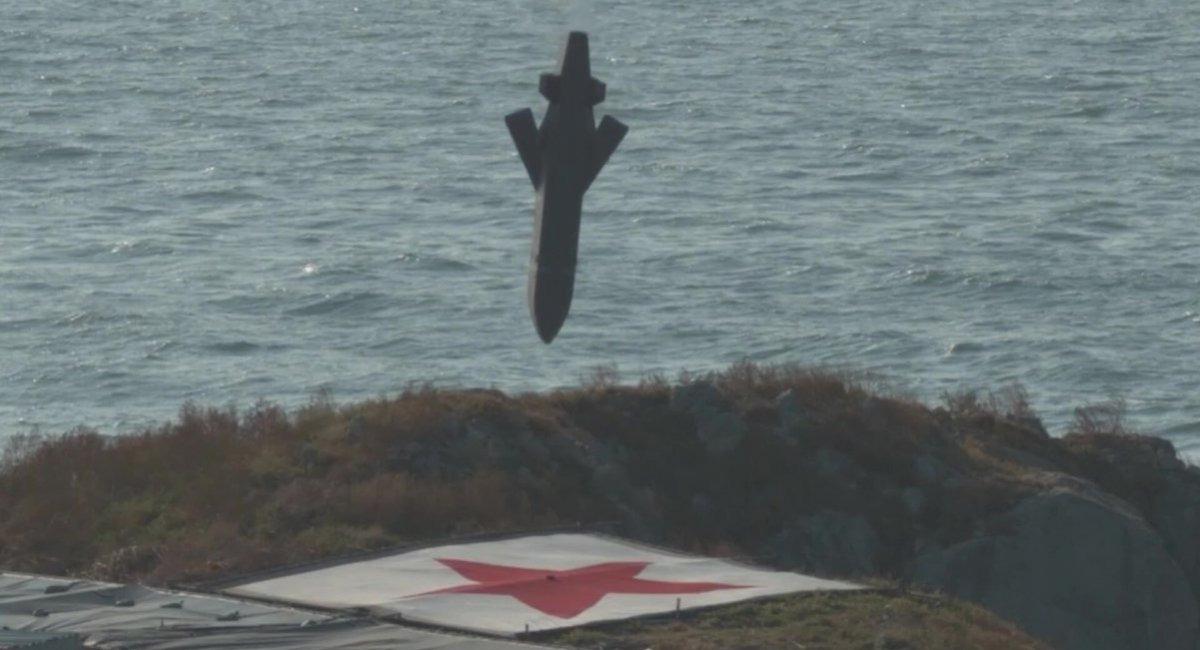
TAURUS KEPD 350K firing test in South-Korea
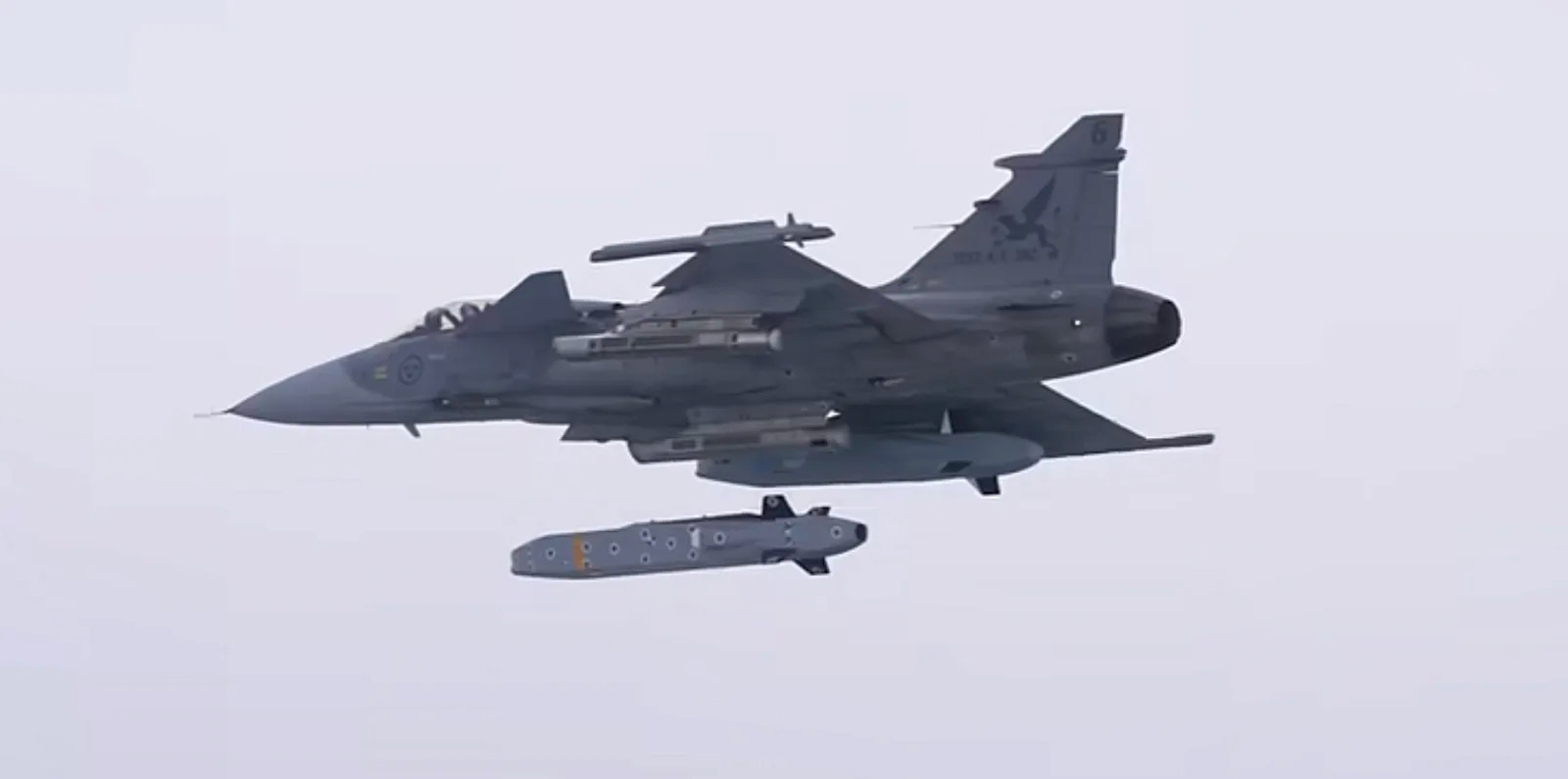
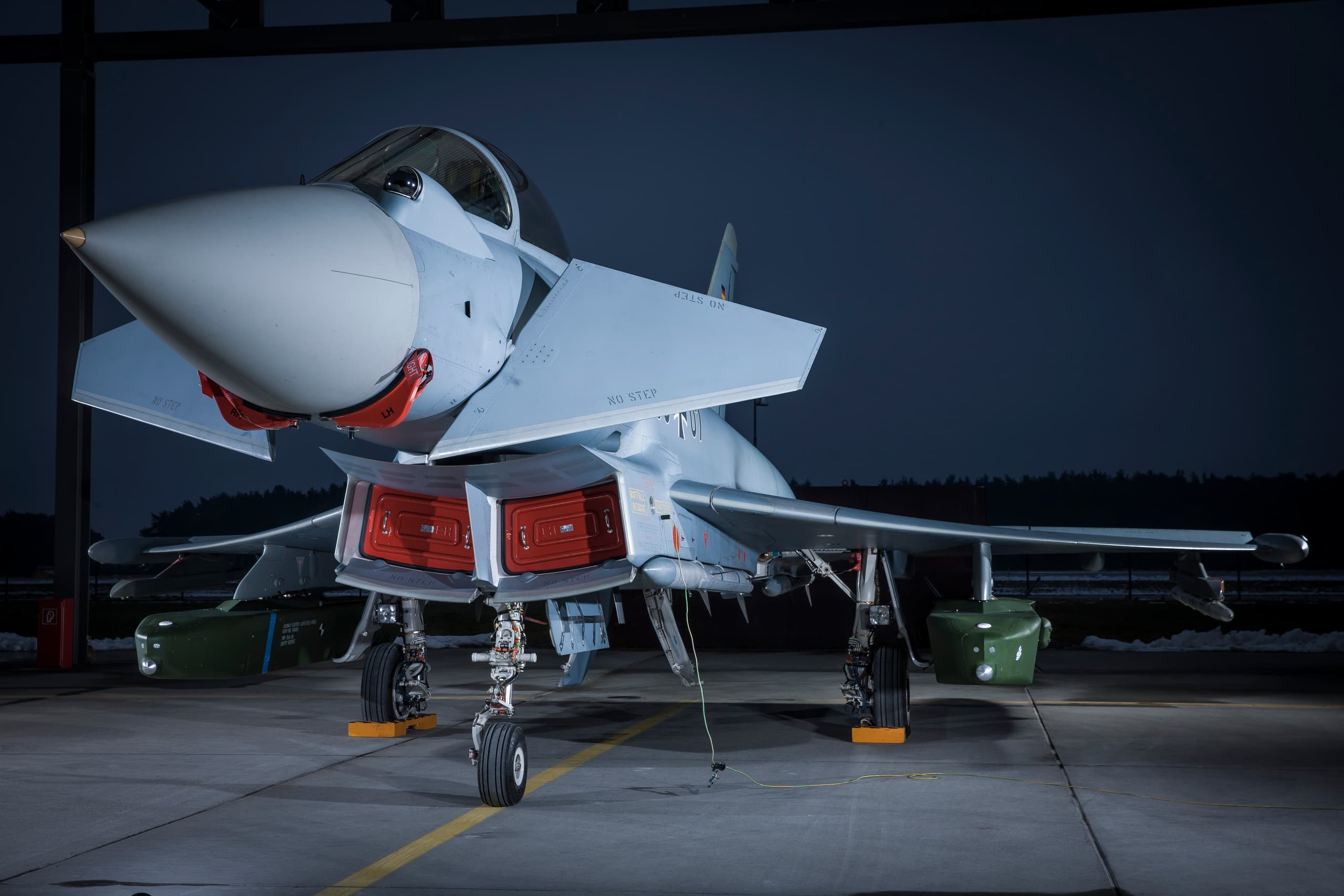
In 2005, the Bundeswehr finally ordered 600 TAURUS missiles for around €570 million Euros. Deliveries to the Luftwaffe began in December 2005 and were completed in November 2010. In addition to the Tornado, the system was also integrated and tested on the Saab JAS 39 Gripen and the Eurofighter in mid 2020’s; furthermore, integration into the Spanish EF/A-18A.
The Bundeswehr plans to keep the TAURUS in service until at least the mid-2040s. At the end of 2024, a contract was signed for its maintenance and modernisation, which is intended to ensure the operational capability of the existing fleet until at least 2045 through a comprehensive overhaul. At the same time, there is a long-term need for additional or modernised missiles.
Media reports have therefore raised the prospect of a new procurement of the further-developed TAURUS Neo.
In October 2024, Defence Minister Boris Pistorius announced plans for a next-generation variant, the TAURUS Neo. Its expected to offer a range of more than 500 km, more than up to 700 km considering the Mk.4 aimed capabilites, an improved warhead and further enhanced guidance capabilities. The Bundeswehr plans to procure approximately 600 missiles at a projected cost of around €2.1 billion, with deliveries to begin in 2029. The programme was approved in December 2025, followed by the signing of a development contract for the new missile standard.
The TAURUS Overall
The TAURUS KEPD 350 is an air-launched cruise missile with an official range of over 500 km and a maximum cruise-speed of approximately Mach 0.95. It is powered by a turbofan engine and armed with a MEPHISTO warhead weighing around 480 kg, which was specially developed to engage hardened and deeply bunkered targets. Intended targets include, amongst others, bunkers, command and communications facilities, airfields, ports, ammunition depots, ships and bridges.
During flight, the TAURUS utilises a combination of INS, GNSS/GPS, terrain-following navigation (TRN) and image-based navigation (IBN), enabling it to navigate over longer distances even without GNSS/GPS support in high dense EW enviroments.
The flight takes place at low altitude, following the terrain profile, to reduce the probability of detection. During the final approach, the missile first climbs and then transitions into a dive. A high-resolution imagining infrared camera can be used for automated algorithm image-based target acquisition, by comparing the captured image with previously stored 3D target model(s). If the target cannot be reliably identified, the TAURUS can fall back on alternative navigation systems or head for a pre-determined impact point or alternate target.
The TAURUS In-Game
The implementation of the Taurus could be an exciting innovation for air combat modes such as Realistic (RB) and Simulator (SB), possibly with a future SEAD mode. The missile would work similarly to the already existing cruise missiles: The player marks a GNSS target point, launches the missile, which flies autonomously to the target and activates its terminal IIR search system shortly before impact. Alternatively, it could also be implemented with just GNSS guidance. In practice, it would be useful either way, especially against large or static targets such as radar systems, bases, frontlines with high target density or stationed air defense systems, all of which can already be found in the game. Anyway, cruise missiles would be of little use against individual tanks, as the quantity and guidance of already existing guided bombs, for example, is much more effective and reliable.
Thanks for your time, hope you liked it 
[Will add more if there are some (more) important / declassified things]
[PM or comment if a Link or Picture isn´t working]
Sources: