- Yes
- No
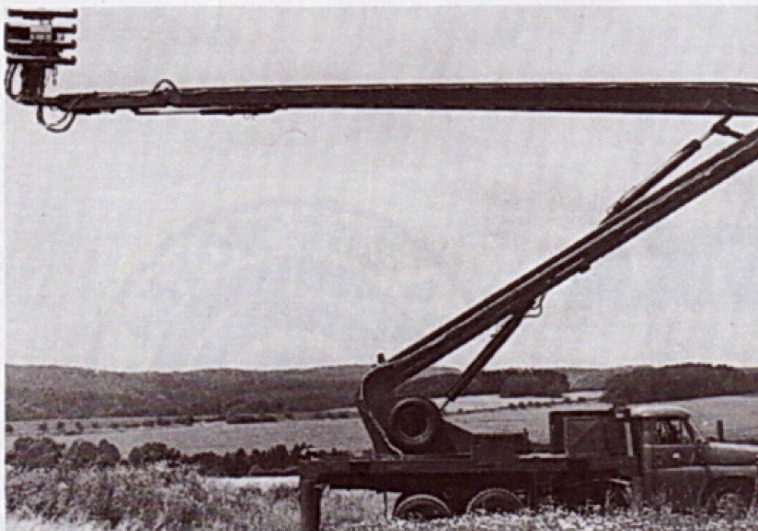
Note that there is very limited information on this vehicle.
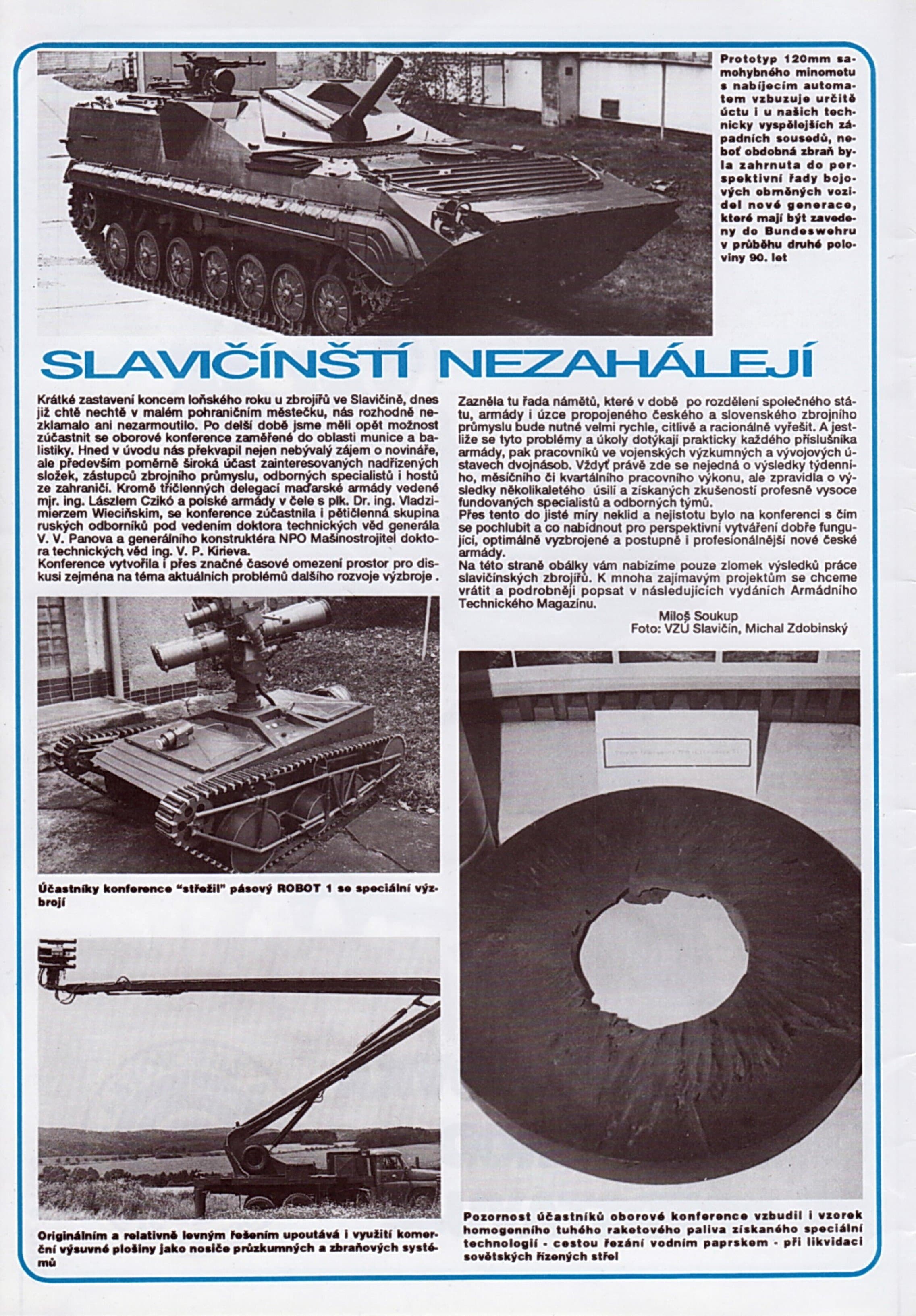
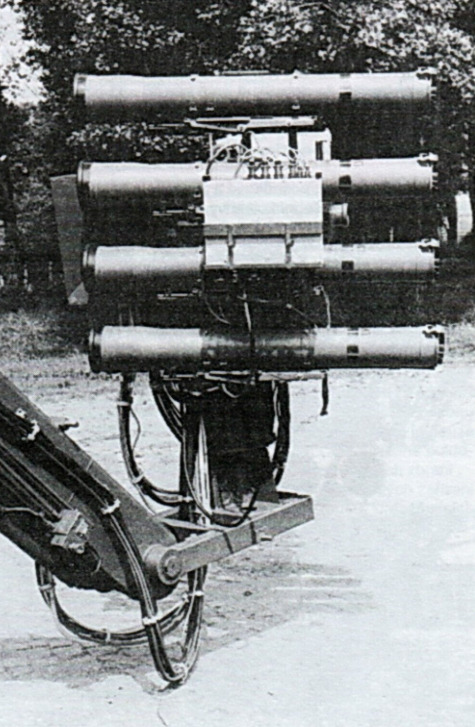
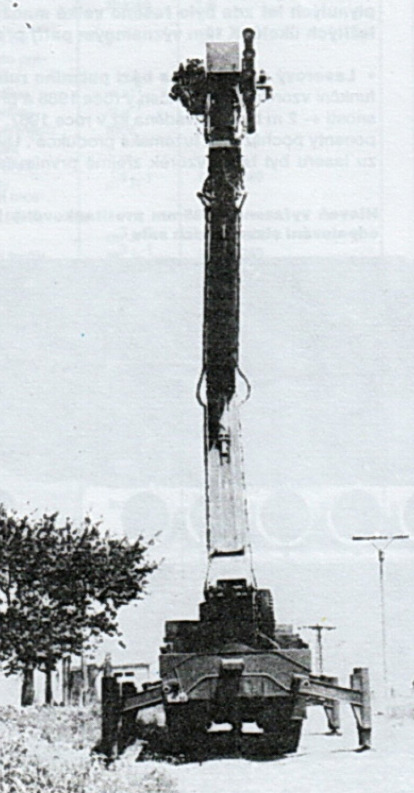
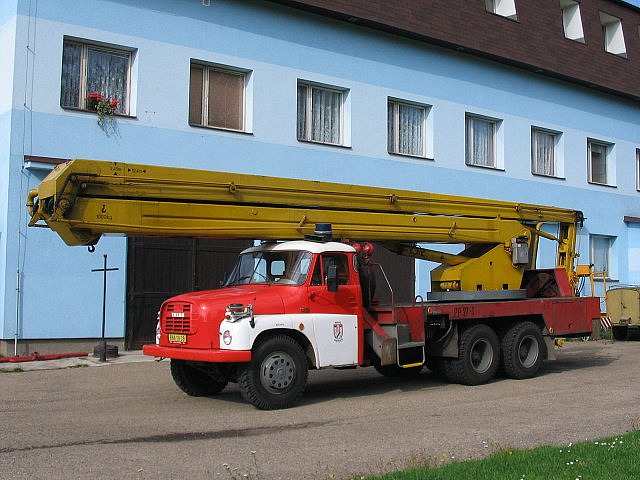
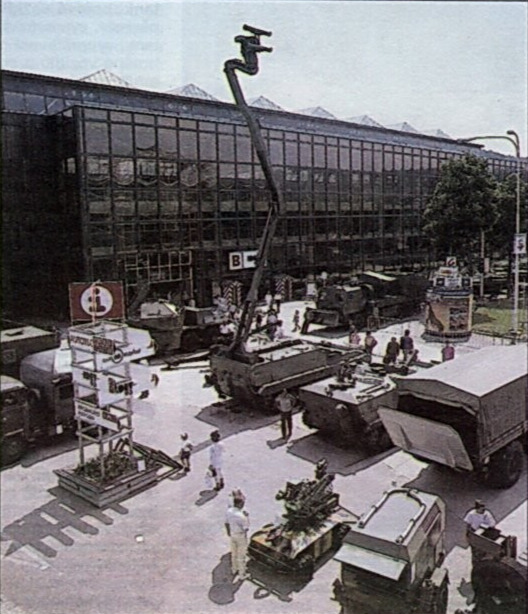
Following the development of German elevated anti-tank missile concepts mounted on telescopic platforms, such as those using MAN trucks, Czechoslovak engineers began research a similar approach based on the Tatra 148 PVP-27 aerial platform. The project attempted to use the vehicles 27-meter telescopic crane as a cheap means of improving battlefield reconnaissance, target observation, and anti-tank purpose while increasing crew survivability through remote operation, with the crew sitting inside the cabin of Tatra 148 PVP-27.
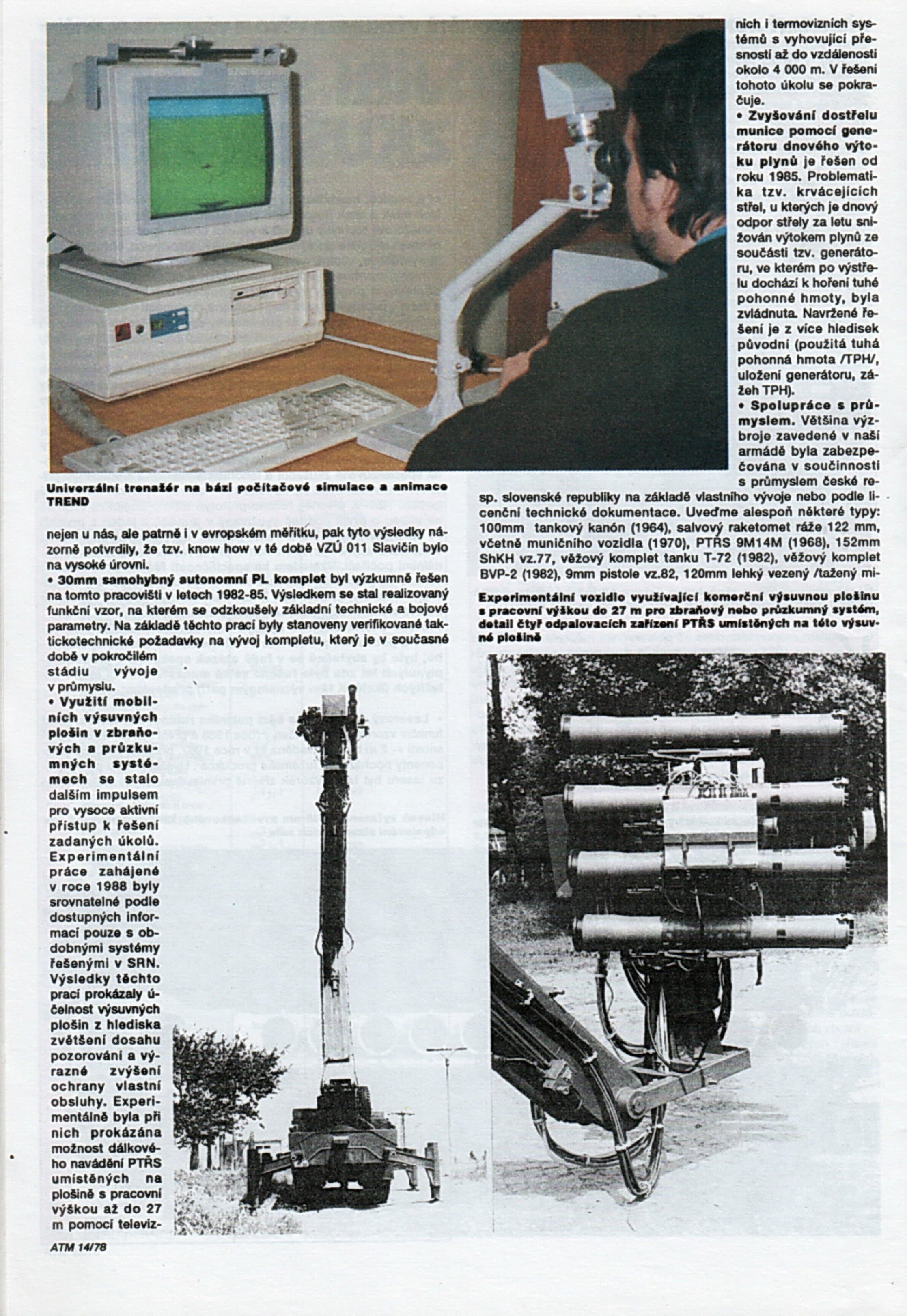
The experimental system mounted four ATGM launchers on the end of the telescopic platform and was designed to be controlled using television and thermal-imaging sensors. Trials demonstrated the possibility of remotely guiding the missiles with satisfactory accuracy at distances of up 4,000 meters. The platform could also be also used for reconnaissance missions, significantly extending the observation range compared to ground-based systems.
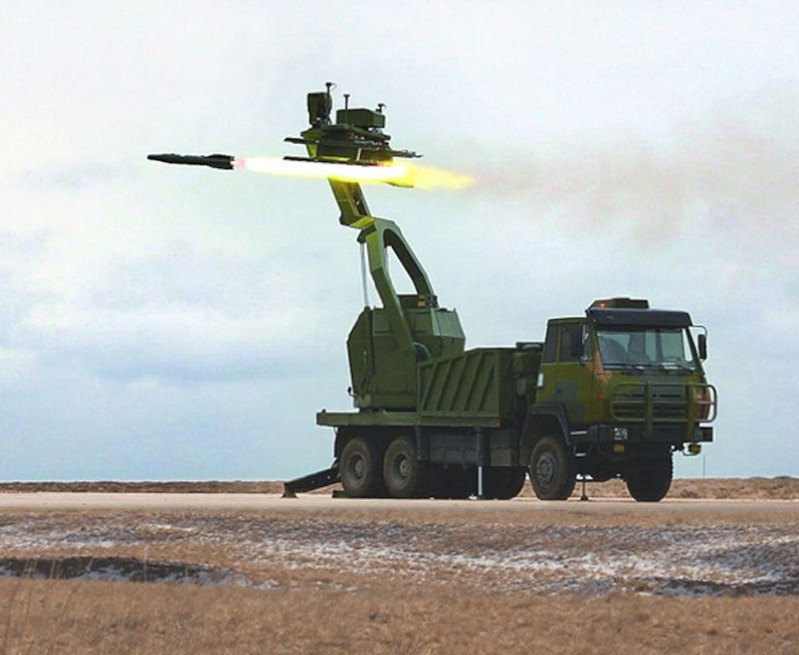
The concept, which entered experimental development in 1988, represented an original relatively cheap platform for military purposes. Although it never entered production, it explored many of the same ideas that were later used with the Sněžka (9M113) which instead used an armoured tracked chassis and carried the same system with less ATGMs.
Armament
- 4x 9M113 Konkurs ATGM
- 500mm of penetration
- Max range of 4,000 meters
- Top speed: 208 m/s
- Sight: Unknown, thermal sight.
- Crane elevation of 27 meters
Mobility
- Weight: 21,5 tons
- Engines: 202 hp T2-928E
- Transmission: Manual 5+1
- Top speed: 75 kph
Armor
This vehicle possesses no armor.
Dimensions
- Lenght: 12 000mm
- Width: 2480mm
- Height: 3590
- With fully extended crane: ~30 000mm
Pictures
Civilian variant
Sněžka (9M113) prototype showcased at IDET 1993
Sources
ATM 1993/2
ATM 1993/3
Tatra 148
PVP 27
9M113 Konkurs ATGM
VHU IDET '93