Would you like to see this T-64 in-game?
- Yes, as a Tech-Tree Vehicle
- Yes, as a Premium Vehicle
- Yes, as a Squadron Vehicle
- Yes, as an Event Vehicle
- No, I do not want to see this T-64 in-game.
0
voters
T-64R (Object 432R)
Introduction
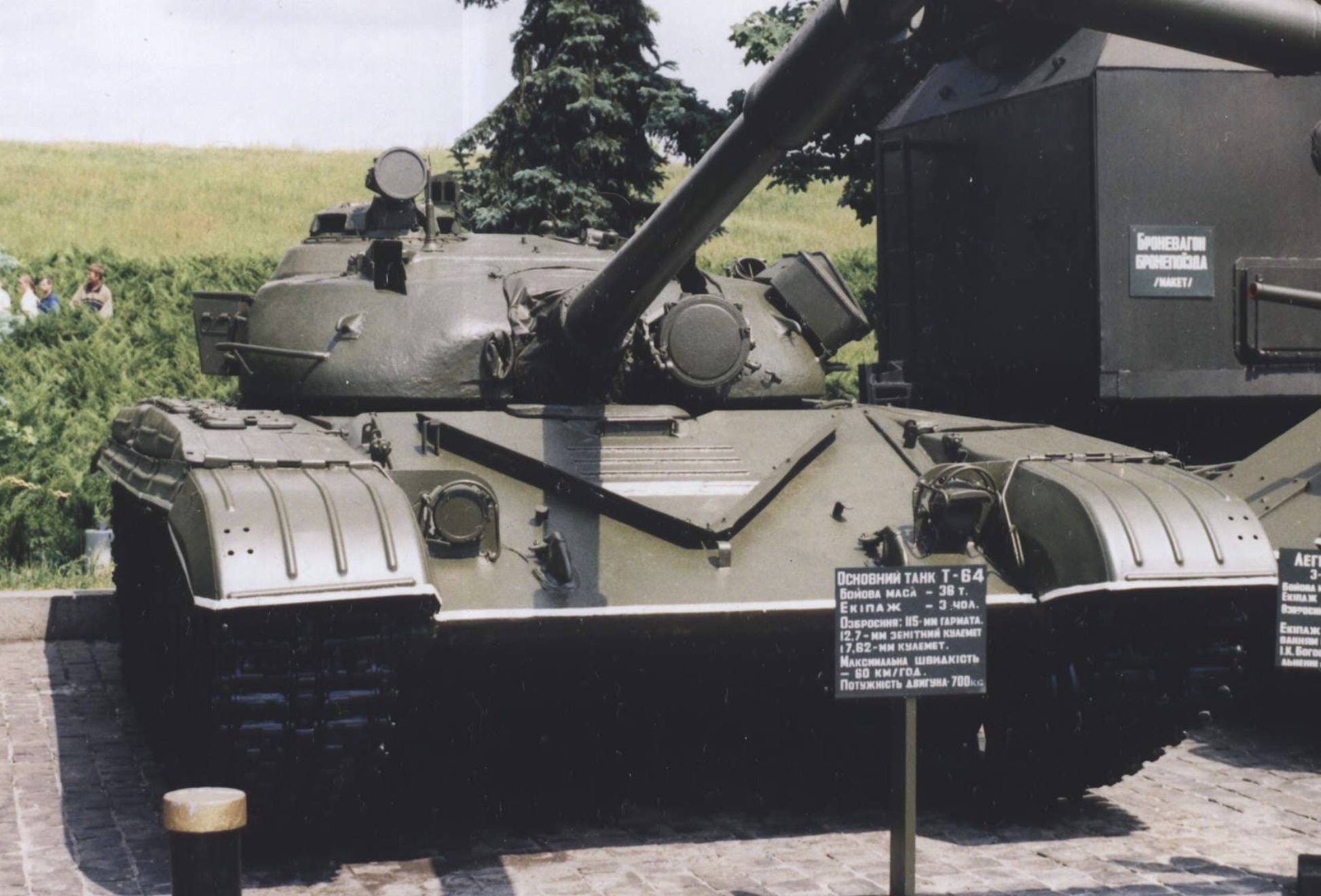
The T-64R, also known as Object 432R, was a modernization of the original 115 mm-armed T-64 (Object 432). Between 1977 and 1981, almost all surviving T-64/Late Object 432 tanks underwent major overhaul and were brought closer to the technical standard of the T-64A, without replacement of the main armament. After overhaul they received the designation T-64R. R stands for ремонтный (remontnyy), essentially “overhauled” or “rebuilt.” The T-64R retained the original 115 mm D-68 (2A21) smoothbore gun, mechanized loading system and basic fighting compartment. The modernization instead concentrated on communications, cooling, NBC and fire-protection equipment, water-crossing equipment, and external stowage.
Object 432 has already been suggested. However, the suggestion uses the T-64 preserved at the Lutsk museum as its cover image. That vehicle is a T-64R, not an unmodified Object 432. The Lutsk T-64R has an identical hull to the T-64A, which is especially noticeable around the engine deck. As part of the T-64R modernization, the tank received a revised MTO roof and improved ejector cooling system, features that were not present on the Object 432 in its original configuration. This means that even a late-production Object 432 remained physically distinct from the T-64R, particularly around the engine bay. Because of this, the cover image used in that suggestion is misleading. Actual photographs of the early Object 432 can be found here.
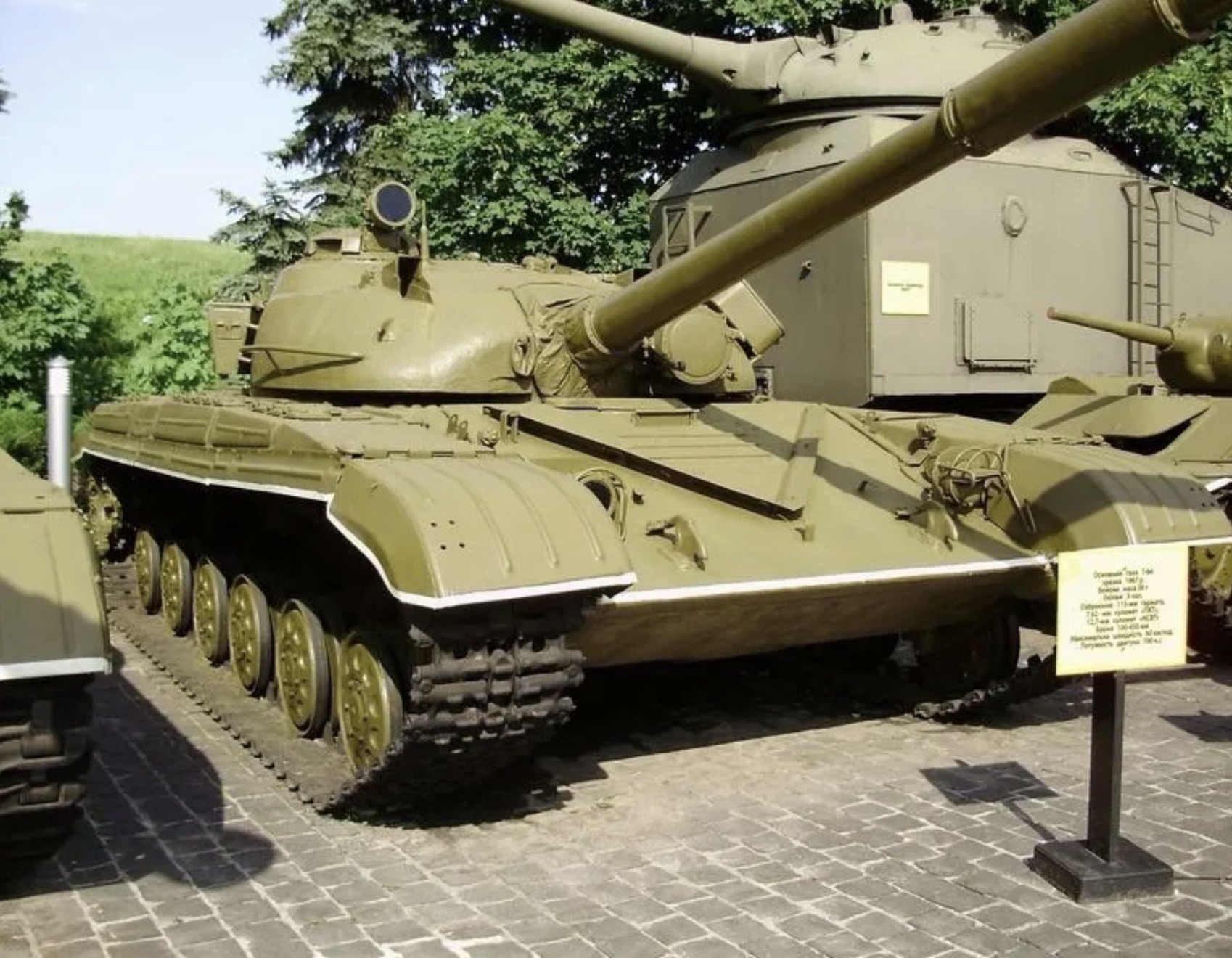
Even though the similar Object 435 is already in War Thunder, the T-64R would still offer a distinctly different experience. Its 3BM5 APFSDS would actually be weaker than the Object 435’s 3BM3, and it would also lack an anti-aircraft machine gun. In return, the T-64R would offer composite armor, a three-man crew, and a 30-round mechanized loader. With its Object 432 turret, 115 mm gun, and T-64A hull, the T-64R would still stand out as a unique vehicle in the Soviet tree.
History
Spoiler
The original T-64, developed as Object 432 at Kharkiv under Alexander Morozov, entered production in the mid-1960s and was officially accepted into Soviet service in 1966. It was a major departure from earlier Soviet tanks, combining composite armour, a compact 700 hp 5TDF engine, a three-man crew and a mechanized loading system for its 115 mm D-68 smoothbore gun. Early production vehicles suffered from reliability problems, particularly with the engine and other new mechanical systems, and the design was revised several times during production.
Its 115 mm D-68 differed from the T-62’s U-5TS. The D-68 used separate-loading ammunition with partially combustible cartridge cases, allowing the ammunition to be handled by the T-64’s mechanized loader. The tank carried 40 rounds, 30 of them in the loader conveyor. Object 432 was accepted into service as the T-64 on 30 December 1966. A total of 1,192 were produced during 1964–1968. The 1964–65 vehicles were later written off, while the newer tanks remained in service.

Production of the original 115 mm T-64 ended in 1968 as the improved T-64A, armed with a 125 mm gun, replaced it in production. The later T-64A/Object 434 introduced the 125 mm D-81 gun and further improvements. This left the original 115 mm T-64 with a logistical disadvantage: its D-68 ammunition was unique and was not interchangeable with the unitary 115 mm ammunition of the T-62. However, the Soviets did not abandon the remaining Object 432s. Instead, a modernization program was launched to bring them closer to contemporary Soviet standards, resulting in the T-64R.
See Object 432
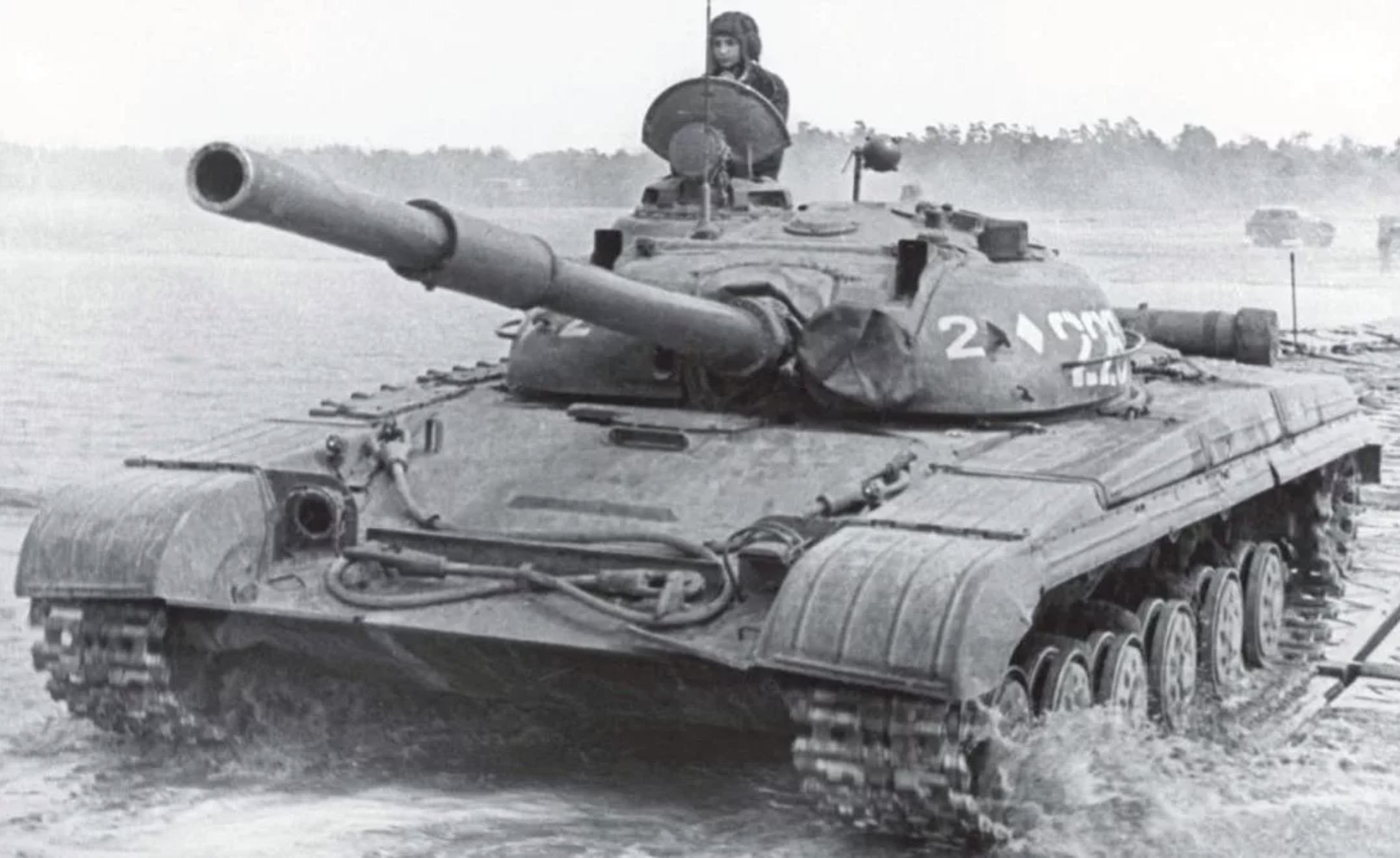
In the photo above is an early Object 432. Compare its upper front plate with the vehicle preserved at Lutsk and the difference is obvious. In the specifications section, you can also find schematics showing the differences in the engine bay between the Object 432 and T-64R.
As mentioned, it is important to distinguish between the early and late Object 432, as they differed noticeably in hull configuration and other details. If Gaijin chooses to represent an early-production vehicle, it should use the earlier hull layout. A later-production Object 432, however, could instead be represented by the T-64R.
Modernization In-Depth
Spoiler
The T-64R was an overhaul of existing Object 432s using a number of systems and arrangements brought up to T-64A standard. The documented changes included R-123M and R-173 communications equipment replacing the original R-123, an improved ejector cooling system with a new MTO/Engine compartment roof, the Brod water-crossing system, improved PAZ and PPO protection with the 3ETs11-2 control system, the GO-27 radiation and chemical reconnaissance instrument, and revised ZIP and OPVT stowage based on the T-64A. The 5TDF engine and 115 mm D-68 weapon system were retained. The overhaul therefore improved only reliability, communications and auxiliary equipment.
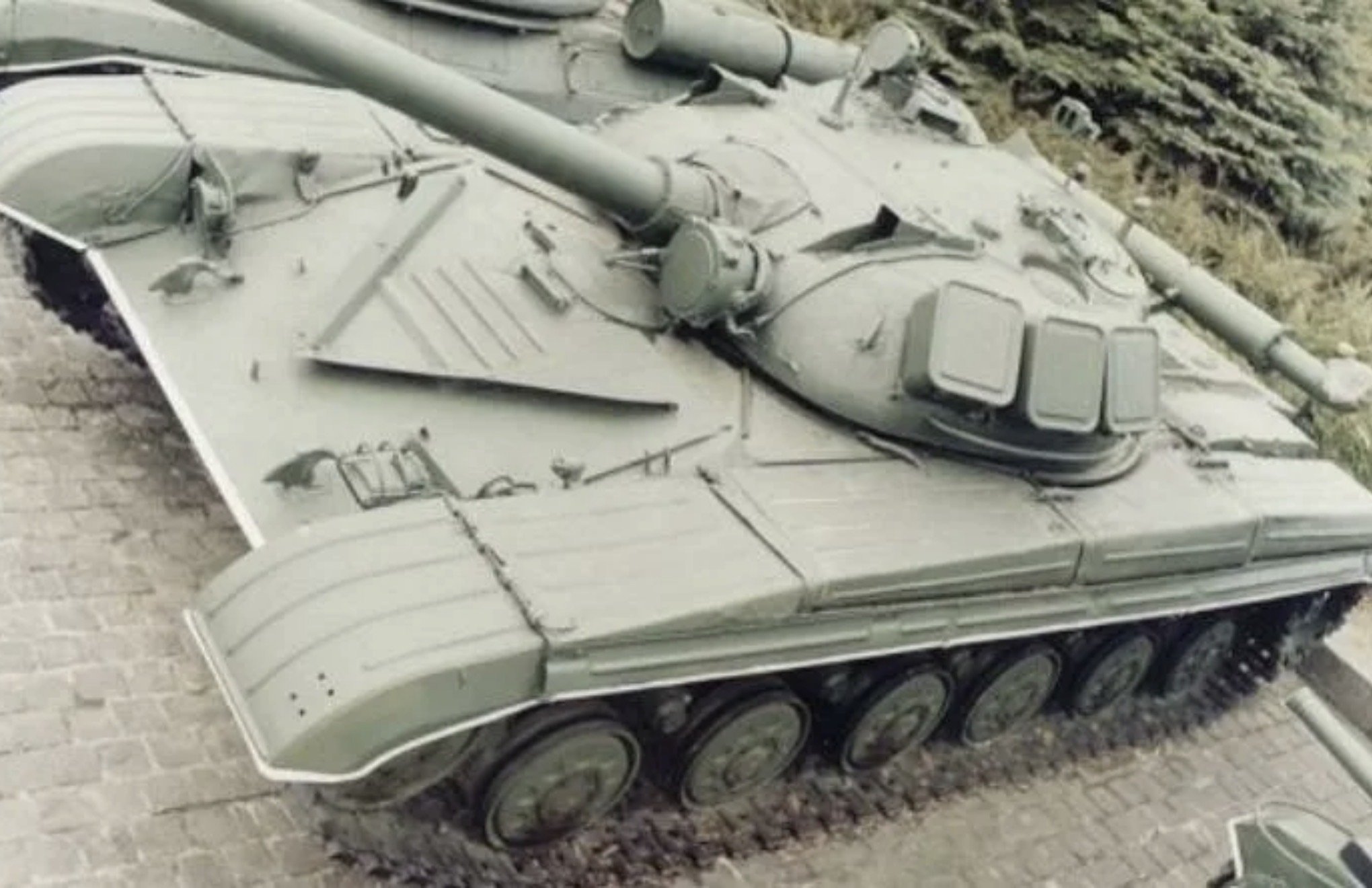
The side anti-HEAT screens can also be added to this tank. They were already used on some Object 432s in the 1960s.
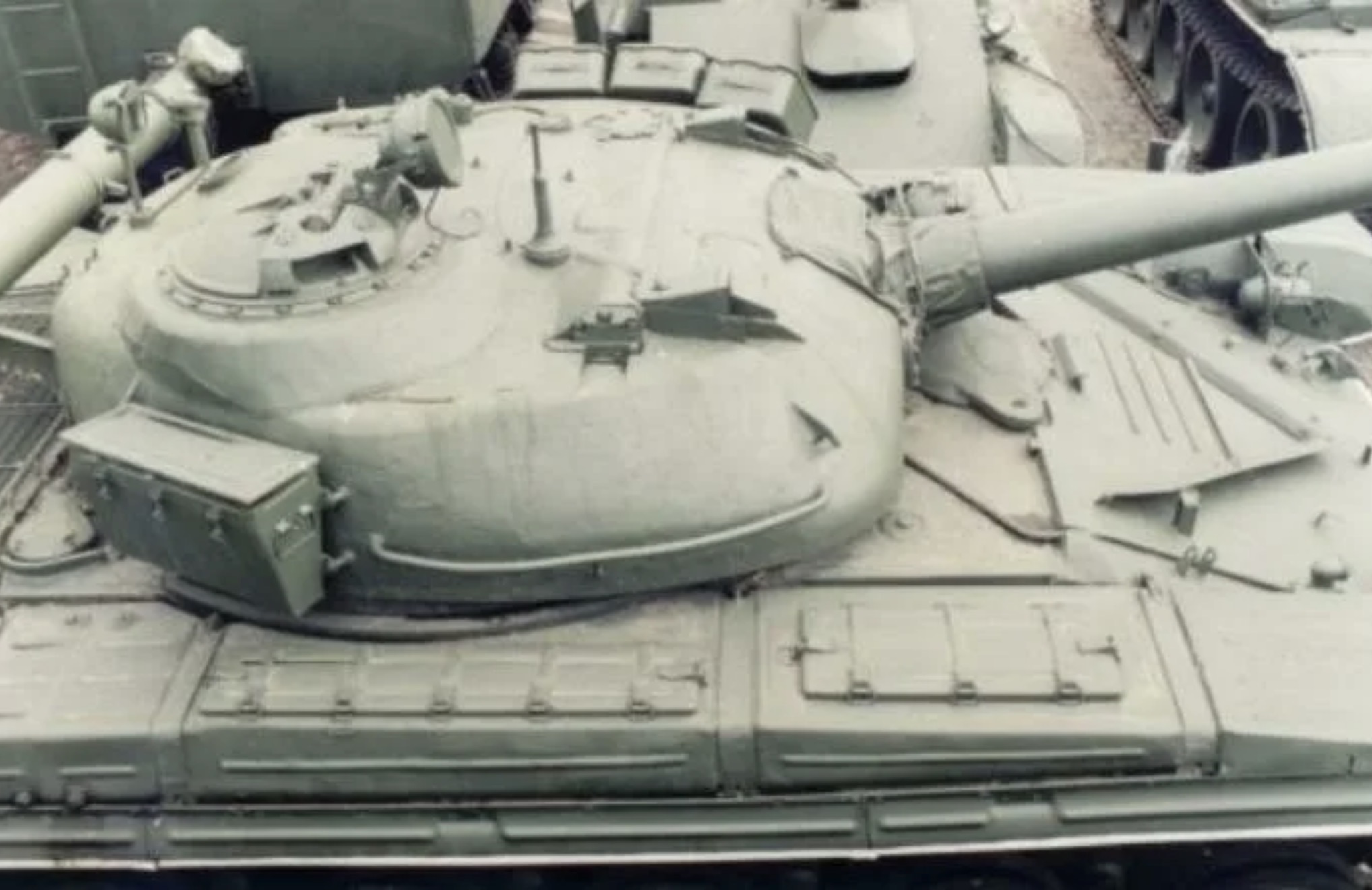
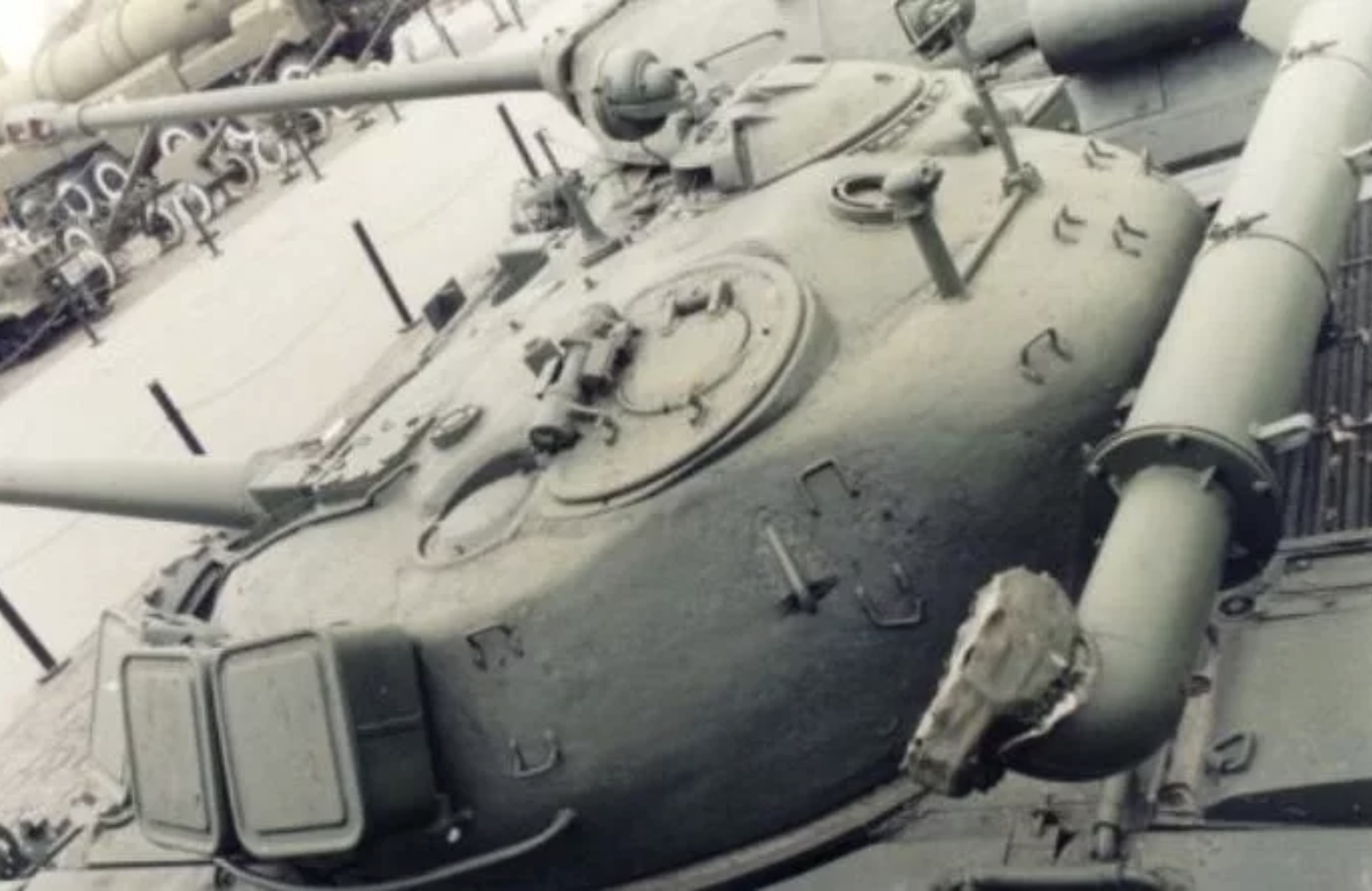
Visually, the T-64R combines the Object 432 turret and 115 mm gun with a T-64A hull and kit.
Ammunition
Spoiler
The T-64R retained the 115 mm D-68/2A21 and therefore used the same special separate-loading ammunition family as the original T-64. These rounds were not interchangeable with the T-62’s unitary 115 mm ammunition. The documented ammunition consisted of the 3VBM1 APFSDS round with the 3BM5 projectile, the 3VBK4 HEAT round with the 3BK8 or 3BK8M projectile, and the 3VOF18 HE-FRAG round with the 3OF17 projectile. The 3BM5 was the principal kinetic-energy projectile. Its muzzle velocity was approximately 1,615 m/s. Contemporary documentation credited it with sufficient performance to defeat the frontal armor of contemporary tanks at useful combat distances. The tank carried 40 rounds, with 30 in the mechanized loader and the remainder in additional stowage.
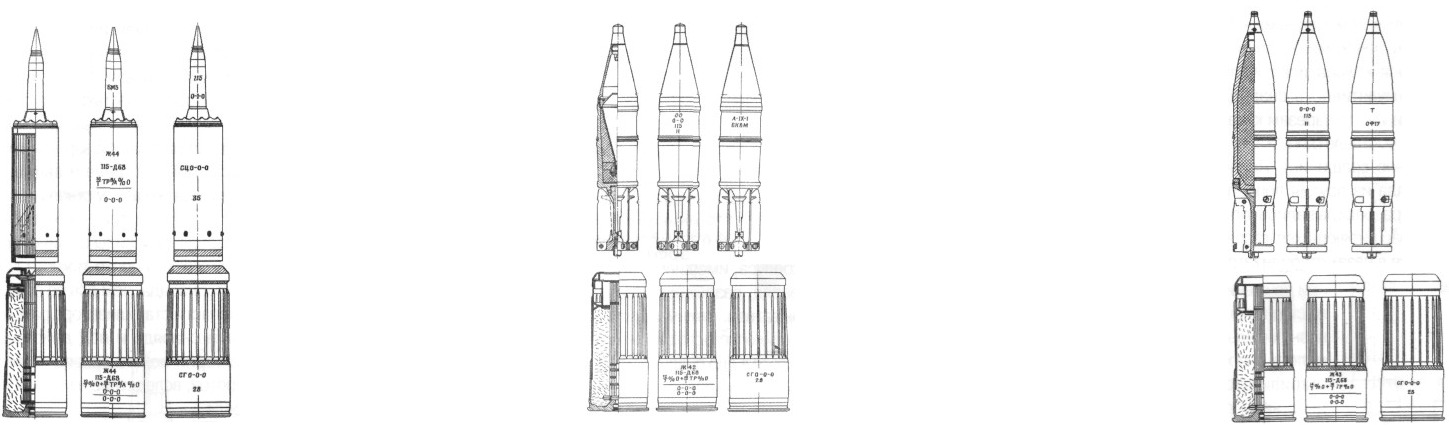
| Vehicle / gun | Round | Type | 1,000 m, vertical | 2,000 m, vertical | 1,000 m, 60° | 2,000 m, 60° |
|---|---|---|---|---|---|---|
| T-64R — D-68 | 3BM5 | APFSDS | ~250 mm | ~220 mm | ~135 mm | ~110 mm |
| Object 435 — U-5TS | 3BM3 | APFSDS, tungsten-carbide core | 300 mm | 270 mm | ~130 mm | ~100 mm |
| Object 435 — U-5TS | 3BM4 | APFSDS, steel | ~250 mm | ~200–220 mm | ~130–135 mm | ~100–110 mm |
| T-64R — D-68 | 3BK8 / 3BK8M | HEAT-FS | ~440 mm | ~440 mm | ~200 mm | ~200 mm |
| Object 435 — U-5TS | 3BK4 / 3BK4M | HEAT-FS | ~440–450 mm | ~440–450 mm | ~200 mm | ~200 mm |
The T-64R retained the same basic ammunition as the Object 432. Its best documented APFSDS remained the 3BM5, and the R modernization did not introduce a more powerful kinetic round.
Specifications
Spoiler
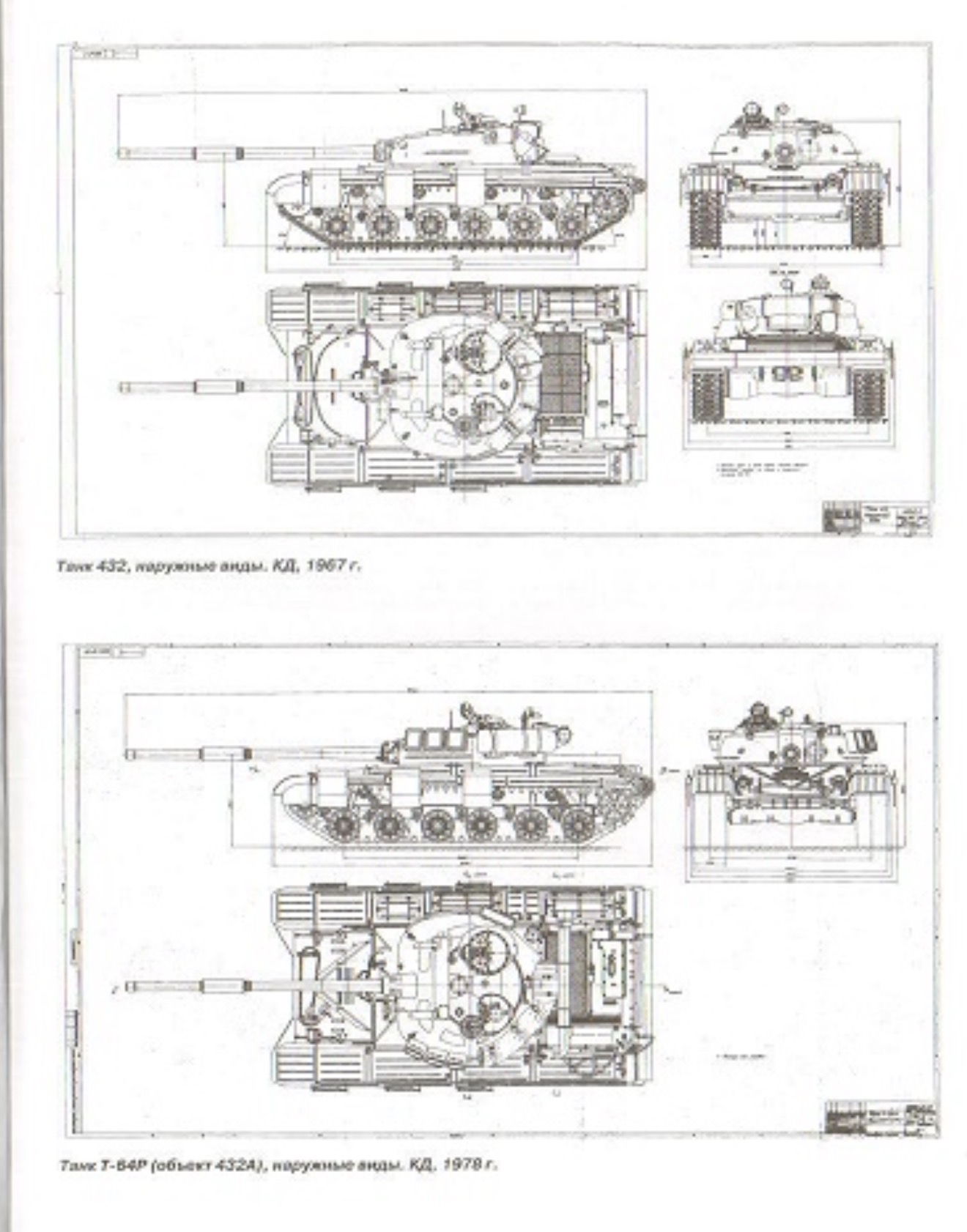
Object 432 on top, T-64R on the bottom. Pay close attention to the engine bay and the upper front plate. While later Object 432s could have the same straight glacis layout seen on the T-64A, the T-64R received an improved ejector cooling system and, as a result, a redesigned MTO roof identical to the T-64A.
| Specification | T-64R |
|---|---|
| Designation | T-64R / Object 432R |
| Type | Modernized T-64 / Object 432 |
| Modernization period | 1977–1981 |
| Crew | 3: commander, gunner, driver |
| Combat weight | ~36 t |
| Power-to-weight ratio | ~19.4 hp/t |
Dimensions
| Specification | Value |
|---|---|
| Length, gun forward | 8,948 mm |
| Hull length | 6,428 mm |
| Width | 3,415 mm |
| Height to turret roof | 2,154 mm |
| Ground clearance | 456 mm |
| Track gauge | 2,370 mm |
| Track width | 540 mm |
Armament
| Specification | Value |
|---|---|
| Main gun | 115 mm D-68 / 2A21 smoothbore |
| Barrel length | 53 calibres / ~6,050 mm |
| Loading | Separate-loading, partially combustible cases |
| Loader | Hydro-electromechanical mechanized loader |
| Loader capacity | 30 rounds |
| Total ammunition | 40 rounds |
| Additional stowage | 10 rounds |
| Minimum loading time | ~6 seconds |
| Maximum loading cycle | ~20 seconds, depending on conveyor position |
| Practical rate of fire | Up to ~10 rds/min |
| Elevation | −6° to +14° |
| Traverse | 360° |
| Coaxial MG | 7.62 mm PKT |
| PKT ammunition | 2,000 rounds |
| AA machine gun | None |
Ammunition
| Complete round | Projectile | Type | Muzzle velocity |
|---|---|---|---|
| 3VBM1 | 3BM5 | APFSDS | ~1,615 m/s |
| 3VBM5 | 3BM5 | APFSDS | ~1,615 m/s |
| 3VBK4 | 3BK8 / 3BK8M | HEAT-FS | ~950 m/s |
| 3VOF18 | 3OF17 | HE-FRAG | ~800 m/s |
For 3BM5, one Soviet technical source gives approximately 250 mm penetration at 1,000 m against vertical armour and 135 mm at 60°.
Fire-control and observation
| Equipment | Type |
|---|---|
| Day sight/rangefinder | TPD-43B |
| Rangefinder type | Stereoscopic optical |
| Range measurement | Approximately 1,000–4,000 m |
| Rangefinder error | ~3–5% |
| Night sight | TPN-1-432 |
| IR searchlight | L-2AG |
| Commander sight | TKN-3 |
| Commander IR illuminator | OU-3GK |
| Gunner observation device | VNM |
| Weapon stabilizer | 2E18 “Siren” |
| Stabilization | Two-axis |
| Maximum powered turret traverse | ~18°/s |
| Night engagement range | ~800 m |
Armour
| Area | Protection |
|---|---|
| Upper glacis | 80 mm steel + 105 mm glass-textolite + 20 mm steel |
| UFP angle | 68° |
| Lower glacis | 80 mm at ~61.5° |
| Upper hull sides | ~56–80 mm |
| Lower hull sides | 20 mm |
| Upper rear hull | 50 mm |
| Lower rear hull | 20 mm |
| Hull roof | ~16–45 mm |
| Hull floor | 20 mm |
| Turret | Cast composite: steel + aluminium alloy + steel |
| Maximum turret physical thickness | ~600–675 mm depending on area |
| Turret rear | ~65 mm |
| Turret roof | ~45 mm |
Engine and transmission
| Specification | Value |
|---|---|
| Engine | 5TDF |
| Type | 5-cylinder, two-stroke, opposed-piston diesel |
| Cooling | Liquid, ejector cooling |
| Power | 700 hp / 515 kW |
| Rated speed | ~2,800 rpm |
| Transmission | Two planetary side gearboxes |
| Forward gears | 7 |
| Reverse gears | 1 |
| Drive sprocket | Rear |
The T-64R received an improved ejector cooling system and a redesigned MTO roof, while retaining the 5TDF.
Mobility
| Specification | Value |
|---|---|
| Maximum road speed | ~60.5 km/h |
| Average road speed | ~45–55 km/h |
| Average dirt-road speed | ~30–40 km/h |
| Operational range | ~550–650 km |
| Ground pressure | ~0.815 kg/cm² |
| Maximum gradient | 30° |
| Maximum side slope | 30° |
| Trench | 2.85 m |
| Vertical obstacle | ~0.8 m |
| Deep wading with OPVT | 5 m |
| Fording with “Brod” system | up to ~1.8 m |
Running gear
| Specification | Value |
|---|---|
| Road wheels | 6 per side |
| Return rollers | 4 per side |
| Suspension | Individual torsion bar |
| Shock absorbers | Hydraulic telescopic |
| Tracks | Parallel rubber-metal hinge |
| Track width | 540 mm |
| Track links | ~78–79 per side |