- Yes, as a Tech Tree vehicle
- Yes, as a Event Vehicle
- Yes, as a Premium Vehicle
- Yes, as a Squadron Vehicle
- No.
First of all, this is my second suggestion post, so I hope you guys enjoy it!
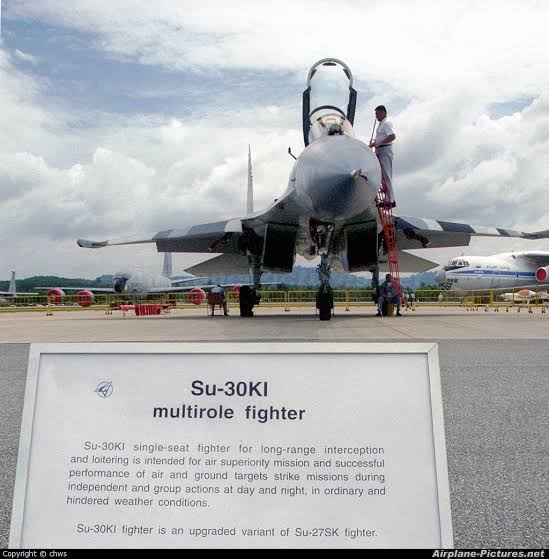
For this suggestion, I’d like to introduce the Sukhoi Su-30KI, an interesting single-seat Flanker developed as an export proposal for Indonesia.
Although the project never made it into Indonesian service, the Su-30KI remains an interesting part of the Flanker’s development history. I believe it would be a great addition to War Thunder, especially as a unique Indonesian aircraft.
Sukhoi Su-30KI
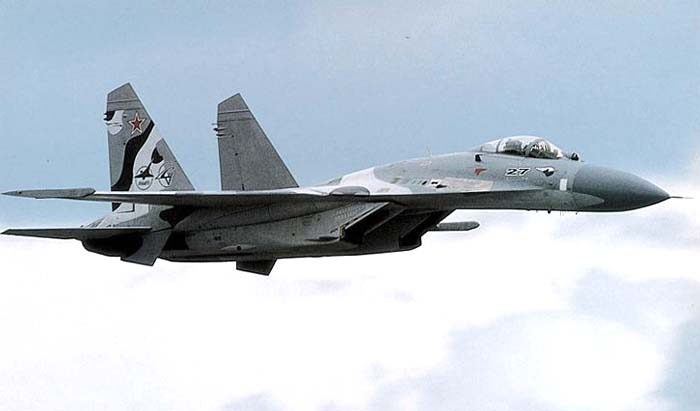
Developed by Sukhoi and KnAAPO during the 1990s, the Su-30KI was envisioned as a single-seat multirole fighter derived from the Su-27SK, incorporating several improvements intended to enhance its combat capabilities and operational range. Unlike the more familiar two-seat Su-30 variants, the Su-30KI retained a single-seat configuration while introducing features such as an in-flight refuelling probe and compatibility with the R-77 (RVV-AE) air-to-air missile.
Interestingly, Indonesia was among the countries targeted by this export proposal. However, the project never resulted in an operational Indonesian aircraft, and the Su-30KI ultimately remained a relatively obscure chapter in the development of the Flanker family.
I believe the Su-30KI would make an interesting addition to War Thunder, particularly as an alternative to the more familiar two-seat Su-30 variants.
Before we take a closer look at this aircraft, what does 'KI' actually stand for?
KI stands for Kommercheskiy Indoneziyskiy (Коммерческий Индонезийский), which translates to “Commercial Indonesian” in English.
The designation reflects the aircraft’s intended export market, as the Su-30KI was developed and promoted with Indonesia as one of its potential customers.
Also, which designation is actually correct for this aircraft? Su-27KI or Su-30KI? I’ve seen some people call it the Su-27KI, while others refer to it as the Su-30KI.
Well…the correct one is Su-30KI!.
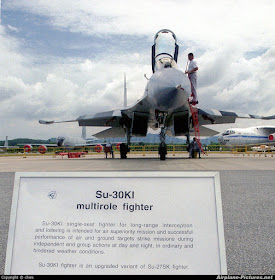
History
The TPFI Program and the Long Road to the Flanker
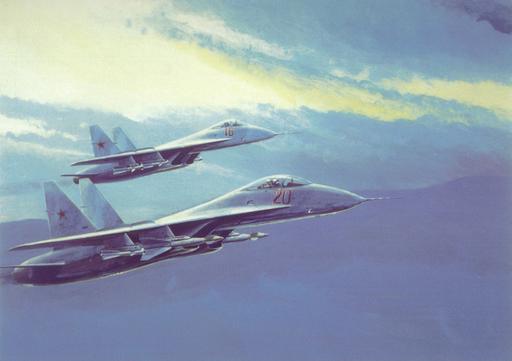
The story of the Su-27 is, honestly, one of the most insane development cycles in Cold War aviation. It’s a story of Soviet engineers realizing their multi-million ruble project was fundamentally flawed, and instead of pushing it into service anyway to save face, they had the absolute balls to scrap the airframe and start almost completely from scratch.
The genesis of the Flanker goes back to 1969. The Soviet Union got wind of the USAF’s F-X program (which would eventually birth the F-15 Eagle). Initially, the VVS initiated the PFI (Perspektivnyy Frontovoy Istrebitel - Advanced Frontline Fighter) program to create a single ultimate fighter to counter the American threat.
However, just like the USAF realized they needed a “High-Low mix” of fighters (the heavy F-15 and the cheaper, lighter F-16), TsAGI and the Soviet brass quickly realized that building thousands of massive, highly complex interceptors to fulfill every single combat role would bankrupt them. So, in 1971, they split the PFI program into two distinct requirements:
LPFI (Lyogkiy Perspektivnyy Frontovoy Istrebitel - Light Tactical Fighter): A lightweight, cheaper tactical fighter designed to replace the MiG-21 and MiG-23 over the immediate frontline. This requirement birthed the MiG-29.
TPFI (Tyazholyi Perspektivnyy Frontovoy Istrebitel - Heavy Tactical Fighter): A heavy, long-range interceptor and air-superiority fighter meant to escort deep-strike packages, hunt NATO bombers, and comfortably go toe-to-toe with the upcoming F-15.
The Sukhoi Design Bureau, under the leadership of Pavel Sukhoi (and later Yevgeny Ivanov), took on the TPFI challenge.
The T-10: A Flawed First Draft
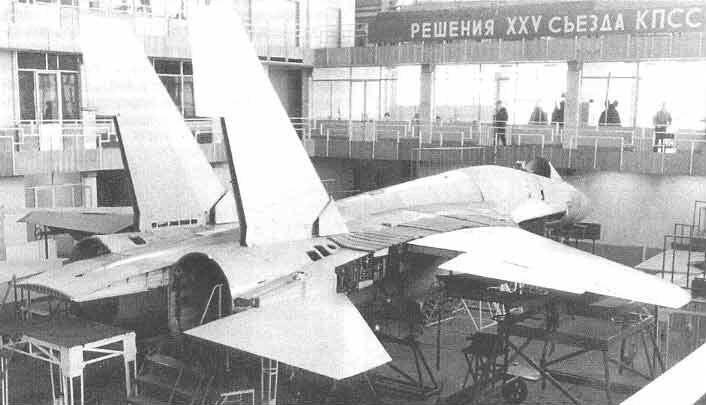
Sukhoi’s initial answer to the TPFI requirement was the T-10. The first prototype, T-10-1, took to the skies in May 1977. If you look at pictures of the T-10, it looks like a Flanker that melted in the sun. It had curvy, ogival wings, engines placed very close together, and vertical stabilizers mounted directly on top of the engine nacelles. Furthermore, the intended AL-31F engines weren’t ready, so it flew with older AL-21F-3 turbojets.Western intelligence spotted it via satellite at the Ramenskoye flight test center and designated it “Ram-K”. But behind closed doors, Sukhoi was having a crisis. When they fed the F-15’s newly revealed performance data into their computers and compared it with the T-10’s flight test results, the T-10 was losing. It suffered from terrible transonic drag, lacked the required range, and its maneuverability was nowhere near what TsAGI had calculated. It was heavier, slower, and less agile than the Eagle.
Also, this is when the Mikhail Simonov (lead designer at the time) made a massive gamble. In the Soviet defense industry, admitting your multi-year project was a failure usually ended careers. But Simonov argued that continuing with the T-10 would result in an obsolete fighter. He convinced the Ministry of Aviation Industry to let Sukhoi halt the T-10 program and completely redesign the aircraft.
The result was the T-10S (S for Seriynyy or Serial). When I say “redesign,” I mean they changed practically everything. The T-10S, which first flew in April 1981, featured radical departures from the T-10:
Wing Design: The curvy ogival wings were ditched for trapezoidal wings with a straight leading edge, adding leading-edge slats and flaperons for extreme maneuverability.
Engine Placement: The accessory gearboxes were moved from the bottom of the engines to the top, significantly reducing the aircraft’s frontal cross-section and drag.
Empennage: The vertical stabilizers were moved outboard of the engines, mounted on boom extensions. This improved high-AoA (Angle of Attack) stability.
Engines: It finally received the Lyulka AL-31F turbofans, which provided a massive thrust-to-weight ratio and incredible tolerance to compressor stalls at extreme angles of attack.
Avionics & Canopy: The cockpit was raised for better visibility, and the aircraft was fitted with a quad-redundant analog fly-by-wire (FBW) system.
The T-10S development was brutal. The airframe underwent such extreme G-loads during testing that structural failures occurred. In 1981, the T-10S-1 (T-10-7) was destroyed in a crash (pilot Vladimir Ilyushin survived), and the T-10S-2 (T-10-12) broke apart in mid-air, killing test pilot Aleksandr Komarov. Sukhoi engineers had to heavily reinforce the airframe, beefing up the titanium structures.
And after years of brutal testing, structural reinforcements, and aerodynamic tweaks to the T-10S, the definitive production variant finally rolled off the assembly lines. The Su-27S (NATO reporting name: Flanker-B). It began entering service with VVS frontline fighter regiments in 1985, though the weapons and avionics systems were so complex that the aircraft didn’t officially pass all State Acceptance Trials until 1990.
The Su-27S was an absolute monster for its time. It didn’t get the ultra-advanced Mech radar it was originally promised (due to development failures at Phazotron), so it was fitted with the heavy N001 Myech radar (a scaled-up version of the MiG-29’s N019). To compensate for the radar’s weight and limitations, the Su-27S heavily relied on the OLS-27 IRST (Infrared Search and Track) system and the Shchel-3UM Helmet-Mounted Sight (HMS). This allowed the Su-27S to passively track targets without emitting radar warnings, and let pilots slave the lethal R-73 high-off-boresight missiles simply by looking at the enemy.
The Post-Soviet Hustle & The Savior of Sukhoi
Fast forward to 1991. The Soviet Union collapses, and the VVS (now Russian Air Force) defense budget basically vanishes overnight. Suddenly, the Sukhoi Design Bureau and the KnAAZ manufacturing plant found themselves in a desperate situation. They had production lines full of half-built Flankers, thousands of workers, and absolutely nobody to pay the bills. If they wanted to survive the economic dark ages of the 1990s, they had to look outward. They needed to export the FlankerIf they wanted to survive the economic dark ages of the 1990s, they had to look outward. They needed to export the Flanker.
To answer this desperate need for foreign currency, the bureau developed a dedicated export variant. The Su-27SK (Коммерческая серия / Seriynyy Kommercheskiy / Serial Commercial).
However, exporting the Su-27 wasn’t as simple as just slapping a new paint job on it. Sukhoi faced two major problems. First, foreign buyers (especially those with smaller defense budgets) rarely wanted a dedicated, pure air-superiority interceptor. They wanted a multirole workhorse that could also strike ground targets. Second, the Russian Ministry of Defense strictly forbade Sukhoi from exporting their top-secret domestic avionics and electronic warfare suites.
To solve the first issue, Sukhoi essentially turned the Flanker into a bomb truck. They heavily reinforced the airframe and significantly beefed up the landing gear. This structural overhaul pushed the aircraft’s Maximum Take-Off Weight (MTOW) to a staggering 33,000 kg. With this upgrade, the Su-27SK could carry up to 8,000 kg of air-to-ground ordnance across its 10 hardpoints. While it still lacked guided air-to-ground munitions (sticking to “dumb” weapons), an SK fully loaded with up to 38 FAB-250 bombs, massive S-25 unguided rockets, or RBK cluster munitions was an absolute nightmare for anything on the ground.
To solve the second issue, Sukhoi carefully “downgraded” the classified tech. The domestic N001 radar was replaced with the export-variant N001E. While it retained its impressive tracking range against fighter-sized targets, it featured downgraded ECCM (Electronic Counter-Countermeasures) capabilities and altered processing frequencies to protect Russian secrets. The domestic IFF (Identification Friend or Foe) and the SPO-15 Beryoza RWR (Radar Warning Receiver) were also swapped out for export-safe equivalents.
The Su-27SK was exactly what the market wanted, and it literally saved the company from bankruptcy. In 1992, China became the lifeline Sukhoi desperately needed, buying an initial batch of 24 aircraft for the PLAAF. China loved the SK so much that they bought subsequent batches and eventually purchased the production license to build them locally at Shenyang, birthing the famous J-11. By selling the SK, Sukhoi didn’t just survive the 90s—they cemented the Flanker as the dominant heavy fighter of the Eastern hemisphere.
Now, here is where the Flanker family tree gets wonderfully weird, bringing us to the exact star of this suggestion: the Su-30KI (Kommercheskiy Indoneziyskiy).
In 1997, Indonesia was looking to heavily modernize the TNI-AU (Indonesian Air Force). When your country is an archipelago consisting of over 17,000 islands stretching across thousands of miles, range is your absolute top priority. Indonesia was highly interested in the Flanker, but they had a specific problem the standard Su-27SK lacked in-flight refueling capabilities. On the flip side, they preferred a single-seat configuration for air superiority rather than the heavier two-seat Su-30MKs. They basically asked Sukhoi: “Can we get a single-seat Flanker, but with the extended range tech of the Su-30?”.
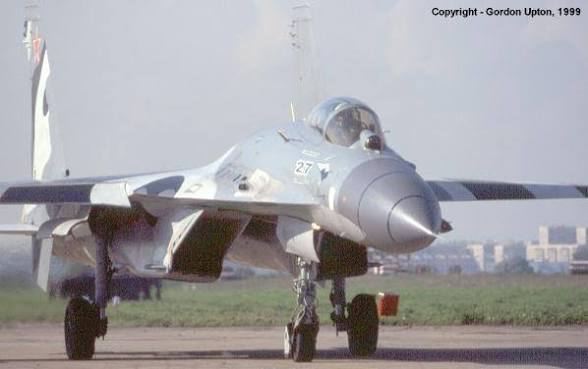
Sukhoi’s KnAAPO plant answered the call with the Su-30KI. And yes, despite the name, it is actually a single-seat aircraft.
To build the Su-30KI, engineers at KnAAPO took the reinforced, single-seat airframe of the Su-27SK as their foundation and spliced in key long-range tech and avionics upgrades from the Su-30 program.
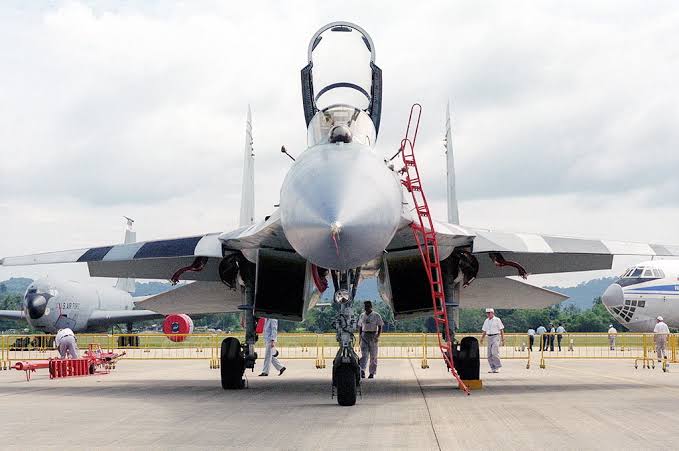
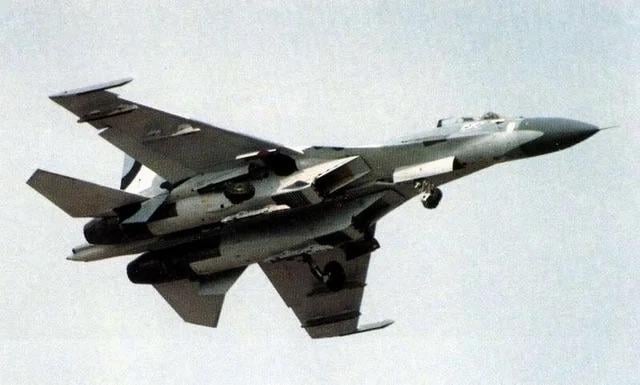
The most obvious visual change is the forward fuselage redesign. A retractable In-Flight Refueling (IFR) probe was integrated into the port (left) side of the nose, complete with its internal plumbing and a pop-out night-refueling floodlight. Despite carrying the “Su-30” designation, the aircraft kept the sleek, single-seat canopy of the baseline Flanker, skipping both foreplane canards and thrust-vectoring nozzles to preserve its low drag and raw air-combat flight model.
Under the skin, the Su-30KI was tailored for long-distance maritime patrols and modern combat flexibility. Sukhoi updated the avionics bay with Western-compatible navigation gear—including an ILS, VOR and TACAN—so the TNI-AU could operate smoothly over international waters and in joint exercises.
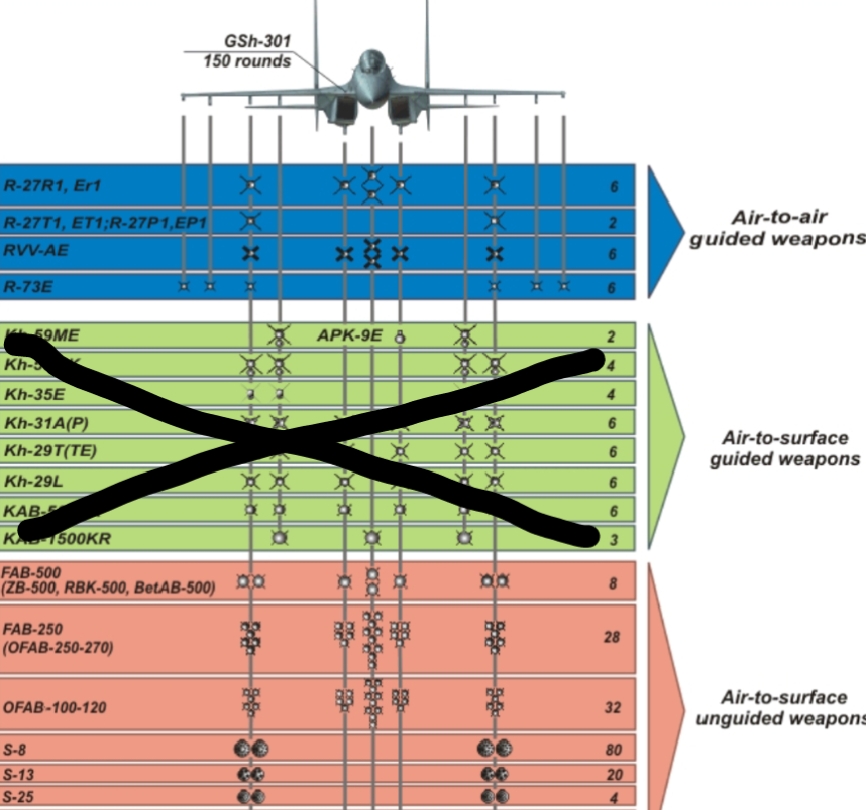
For weapons integration, Sukhoi updated the SUV-27E fire control system and N001E radar channels to support active radar-homing RVV-AE (R-77) missiles. This gave the single-seater true Fire-and-Forget Fox-3 BVR capability, complementing its loadout of extended-range R-27ER/ET missiles and helmet-slaved R-73s. Retaining the heavy-duty SK landing gear and a 33,000 kg MTOW, the Su-30KI was able to haul up to 8,000 kg of payload across 10 external hardpoints, making it a true Fox-3 capable, multirole single-seat Flanker.
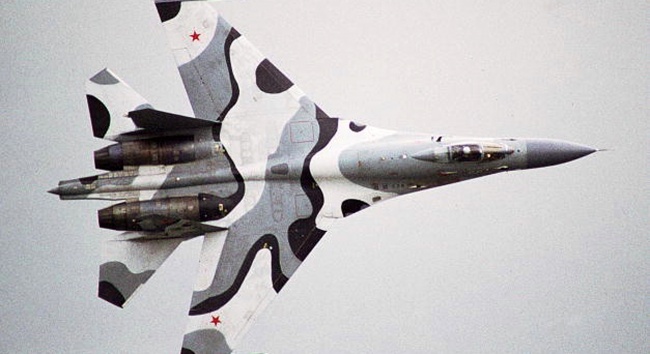
In 1997, a deal was officially struck. Indonesia planned to purchase 12 Su-30KIs. Sukhoi immediately built a stunning prototype demonstrator for the TNI-AU. It was painted in a gorgeous blue-and-grey splinter “sea camouflage” and wore the bort number ‘27’.
But then, absolute disaster struck. The devastating 1997 Asian Financial Crisis swept across the continent. Indonesia’s economy crashed hard, the exchange rate plummeted, and the political landscape was turned completely upside down. The defense procurement budget vanished into thin air, forcing Jakarta to scrap the deal entirely in 1998. Although the 1997 economic crash killed the Su-30KI project, Indonesia’s ambition to operate heavy Flankers never truly died—and neither did the aircraft itself.
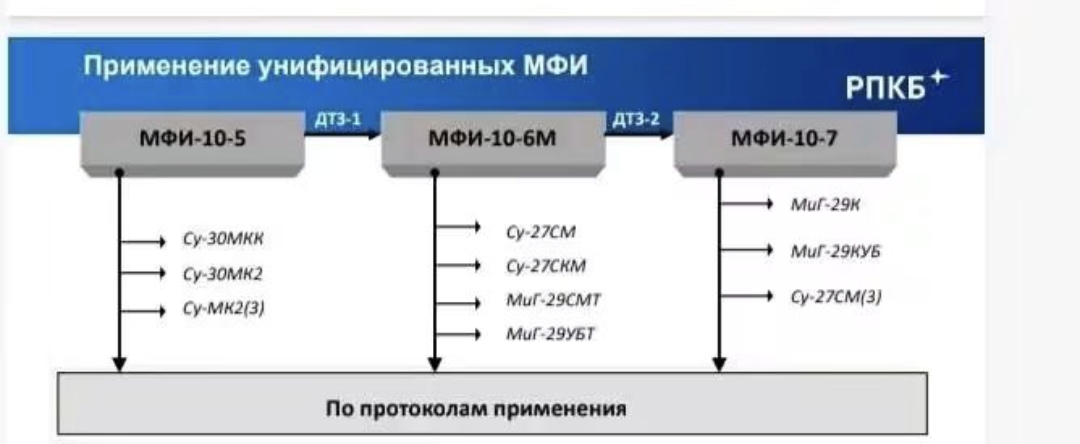
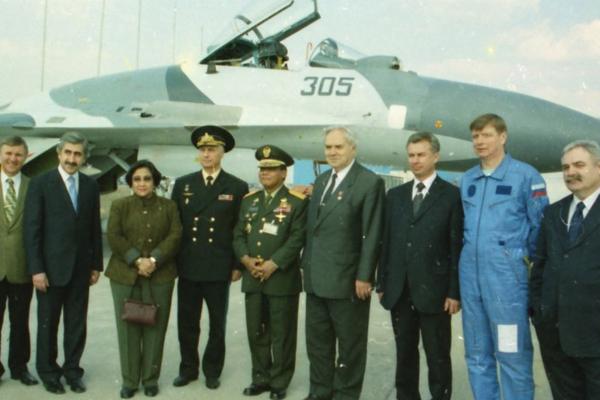
Rather than letting the sole Su-30KI prototype rot in a hangar, Sukhoi gave the airframe a second life. KnAAPO converted the aircraft into the official flight demonstrator for their single-seat export modernization program, re-designating and repainting it as Bort 305 (Su-27SKM). In this new role, the former Indonesian prototype became the primary testbed for Sukhoi’s next-generation single-seat tech—testing a modernized glass cockpit fitted with dual MFI-10-6M color LCD displays, an updated fire control system, full RVV-AE (R-77) capability, and compatibility with precision-guided air-to-ground ordnance (including Kh-29T/L TV/laser-guided missiles, Kh-31A/P anti-ship/anti-radiation missiles, and KAB-500 series guided bombs).
Photo of President Megawati Soekarnoputri near Su-27SKM bort 305
Ironically, this exact testbed brought the story full circle. In April 2003, under President Megawati Soekarnoputri, Indonesia officially revived its Flanker dream. During a high-profile state visit to Moscow, Megawati inspected Russian military hardware and signed a landmark counter-trade agreement—bartering Indonesian commodities like crude palm oil and rubber for Russian jets. This initial deal delivered two baseline Su-27SKs and two twin-seat Su-30MKs to form Skadron Udara 11 at Hasanuddin Air Base in late 2003
Years later, when the TNI-AU moved to expand its fighter fleet, they ordered the modernized Su-27SKM—bringing home the production version of the exact upgrade package pioneered by the converted Su-30KI (Bort 305) prototype
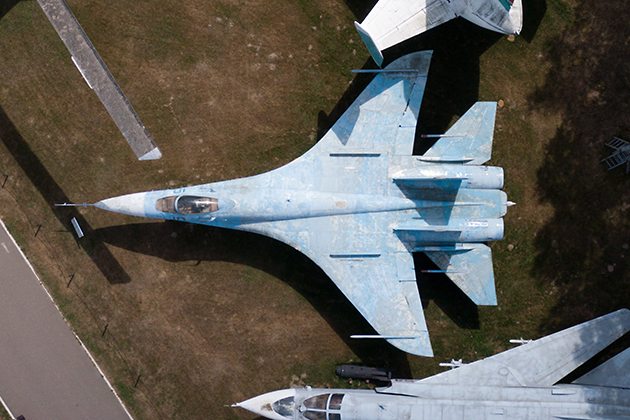
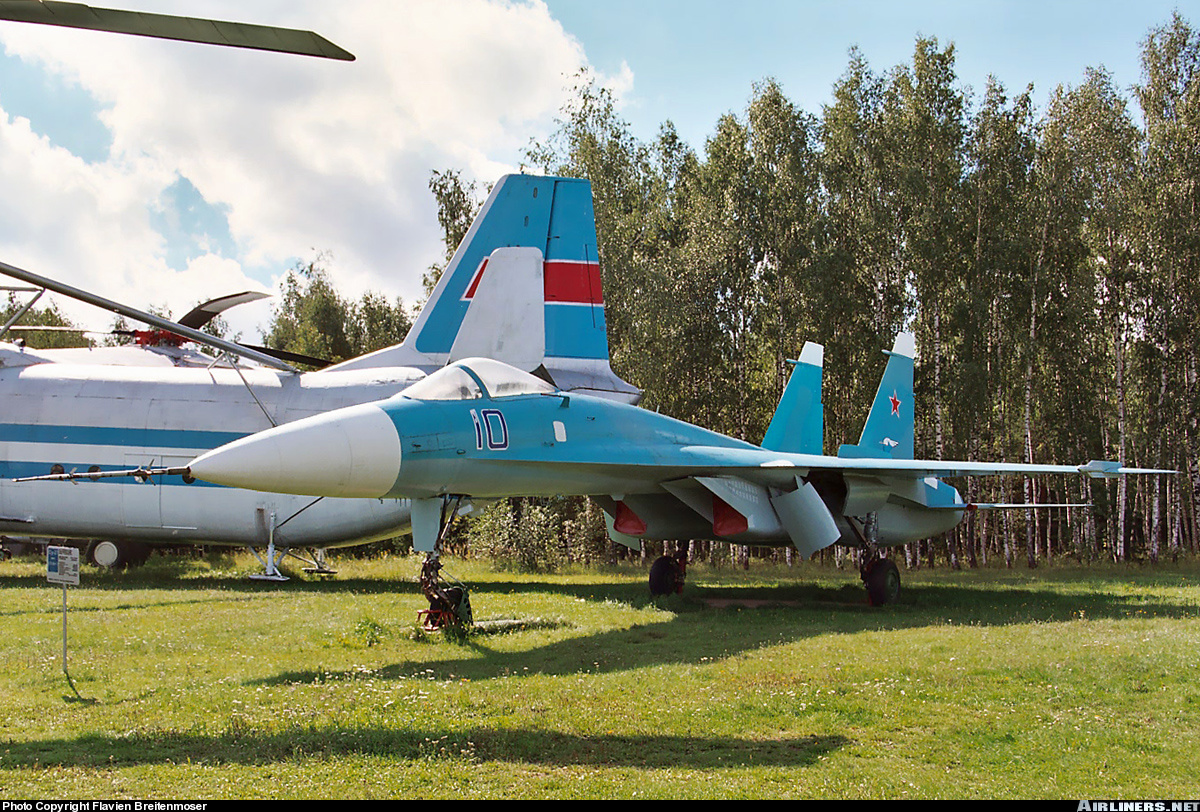


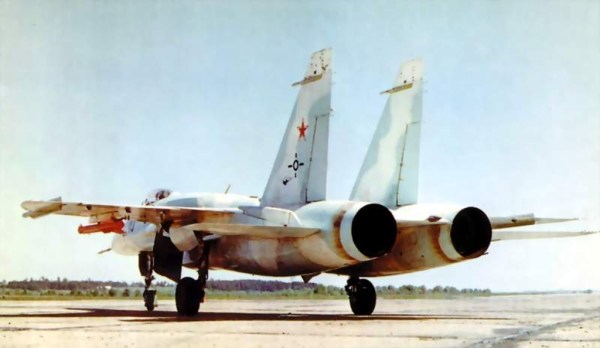
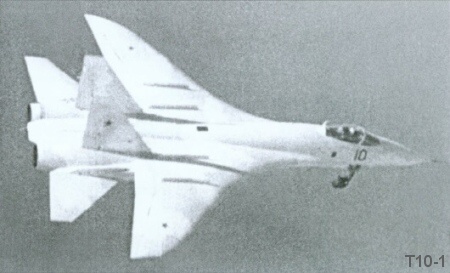


Spesification
General Characteristics
- Aircraft type: Multirole heavy fighter / Air superiority fighter
- Crew: 1 (Single-seat)
- Manufacturer: Sukhoi Design Bureau / KnAAPO — (Komsomolsk-on- Amur Aircraft Production Association)
- Development status: Prototype / Flight demonstrator — (1 unit built, Bort 27)
- Original variant: Su-27SKDimensions (According to UAC/Rosoboronexport Su-27SK product specifications)
- Length: 21.9 m (including pitot tube)
- Wingspan: 14.7 m
- Height: 5.93 m
- Wing area: 62.0 m²Powerplant
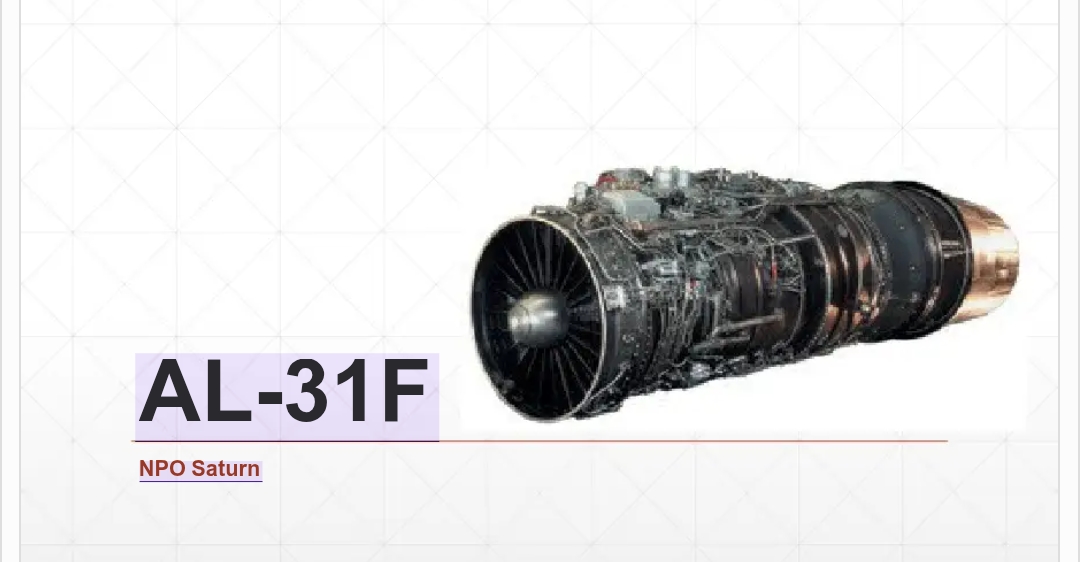
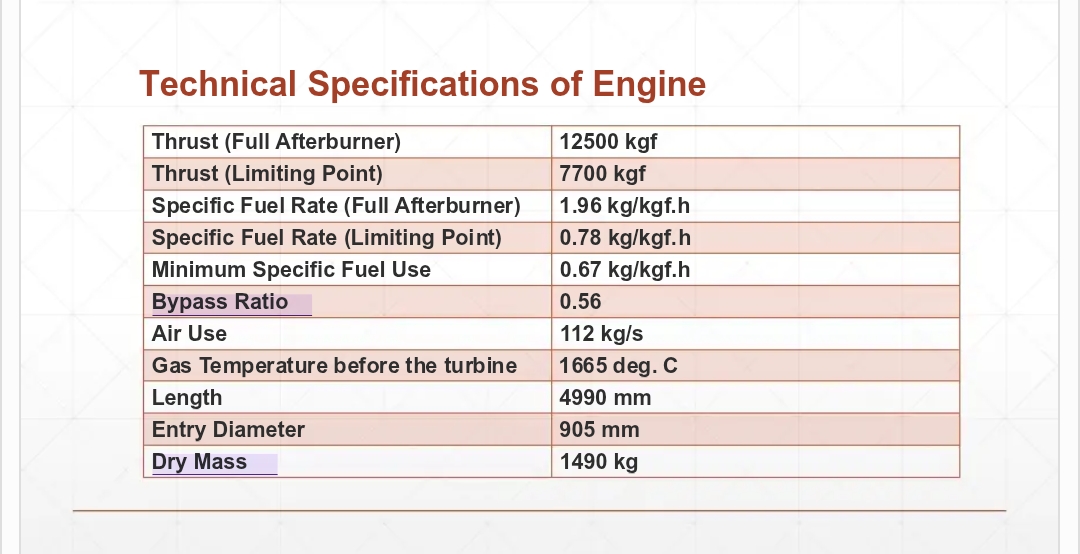
- Engine: 2 × Saturn/Lyulka AL-31F
- Type: Afterburning turbofan
- Maximum dry thrust: Approximately 16,975 lbf (75.5 kN / 7,700 kgf) each
- Maximum afterburning thrust: Approximately 27,560 lbf (122.6 kN / 12,500 kgf) each
Weight
- Empty weight: Approximately 16,380 kg (36,112 lbs) (Baseline Su-27SK single-seat airframe reference)
- Maximum takeoff weight (MTOW): 33,000 kg (72,752 lbs) (Reinforced SK-series wing spars and main gear limit)
- Normal takeoff weight: 23,430 kg (51,654 lbs) — (Standard air-to-air combat loadout with 5.2 tons of internal fuel)Flight Performance
- Maximum speed:
- At altitude (11,000 m+): Mach 2.35 (2,500 km/h / 1,550 mph / 1,350 knots)
- At sea level: Mach 1.13 (1,400 km/h / 870 mph / 755 knots)
- Cruising speed: Mach 0.95 (1,000 km/h / 620 mph)
- Service ceiling: 18,500 m (60,700 ft)
- Maximum load factor (G-limits): +9.0G / -3.0G — Airframe design limitAvionics & Electronics
- Fire-control radar: Phazotron N001E Pulse-Doppler Radar
- Air-to-air operating modes: Upgraded SUV-27E fire control channels featuring integrated active radar homing capabilities for RVV-AE (R-77) missiles
- Radar Warning Receiver (RWR): SPO-15LM (Original Soviet export baseline)
- Infrared Search and Track (IRST): OLS-27
- Countermeasures Dispenser System: APP-50 (96 × 50 mm chaff/flare cartridges located in the tail boom)Helmet-Mounted Cueing System
-Shchel-3UM HMSSpoiler
- Armament
- Internal gun:
- 1 × 30 mm Gryazev-Shipunov GSh-30-1 (9A-4071K) autocannon (150 rounds)
- Air-to-air missiles:
- RVV-AE
- R-27R1/ER1
- R-27T1/ET1
- R-73E- Air-to-ground weapons:
- FAB-100 / FAB-250 / FAB-500
- S-8 series
- S-13 series
- S-25 series
Images
Source
Su-30KI Multipurpose fighter
WEAPONS TECHNOLOGY: Sukhoi Su 30 KI Impian TNI AU Yang Gagal Karena Krisis Moneter
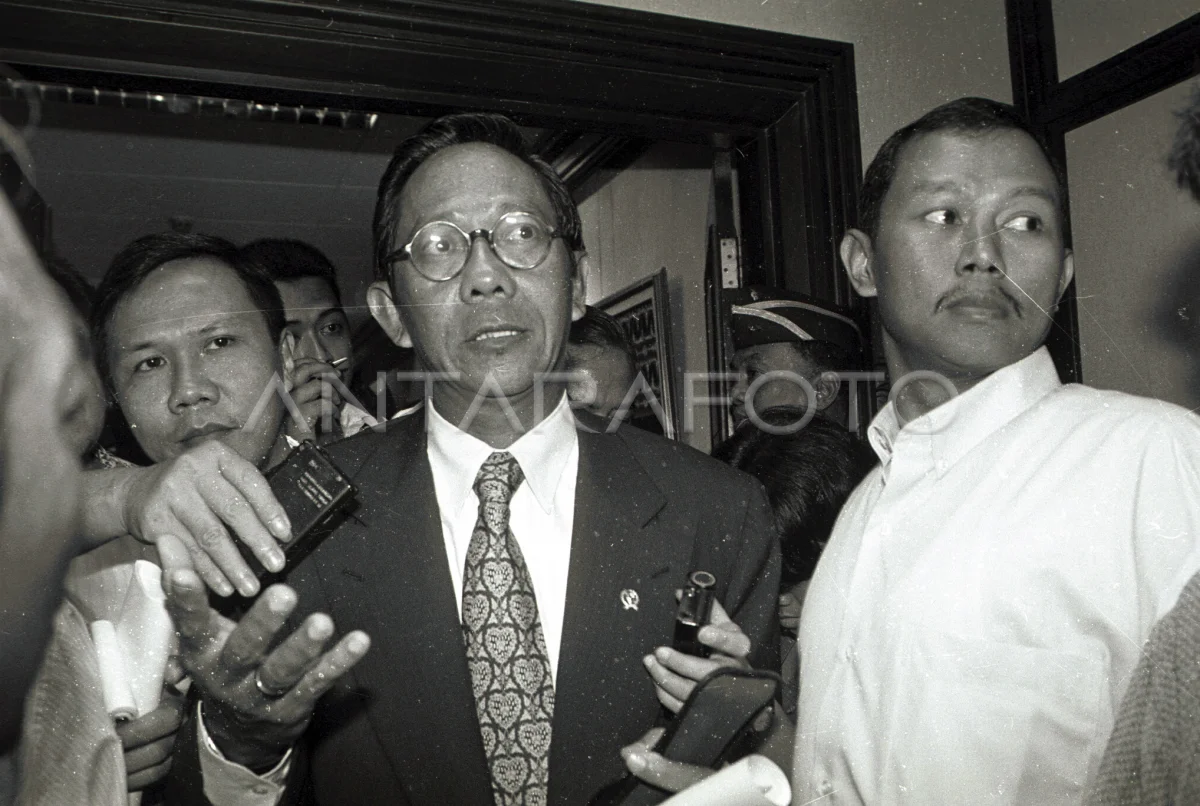
INDONESIA BELI PESAWAT TEMPUR SHUKOI SU-30K | ANTARA Foto
Sukhoi Flankers - The Shifting Balance of Regional Air Power
MILAVIA Aircraft - Sukhoi Su-27 Flanker Historical Events & Key Dates
MILAVIA Aircraft - Sukhoi Su-30 Multi-Role Flankers
https://www.ausairpower.net/PDF-A/TE-Flankers-Aug03.pdf
Sukhoi Su-30 story in colours. Sukhoi Su-30 fighter worldwide camouflage and painting schemes. Prototypes, experimental planes, variants, serial and licensed production, deliveries, units, numbers. Russia, India, China, Malaysia, Venezuela, Belarus, Ukraine, Algeria, Vietnam, Eritrea, Angola, Uganda
https://aviadejavu.ru/Site/Crafts/Craft20015.htm
Client Challenge
Sukhoi Su-30 story in colours. Sukhoi Su-30 fighter worldwide camouflage and painting schemes. Prototypes, experimental planes, variants, serial and licensed production, deliveries, units, numbers. Russia, India, China, Malaysia, Venezuela, Belarus, Ukraine, Algeria, Vietnam, Eritrea, Angola, Uganda