No you’re not.
You enjoyed it a lot, admit it :)
No you’re not.
You enjoyed it a lot, admit it :)
Turbo-charged Khibiny :)))
Considering the fact that they house AESA dishes inside they’ll need quite a lot of juice to run, even with Flanker onboard power generators.
they have AESA panels in the new Khibniys?
Iirc all Khibiny models have AESA in them. Even Sorbtsya has ESA antennas, but i don’t remember PESA or AESA exactly
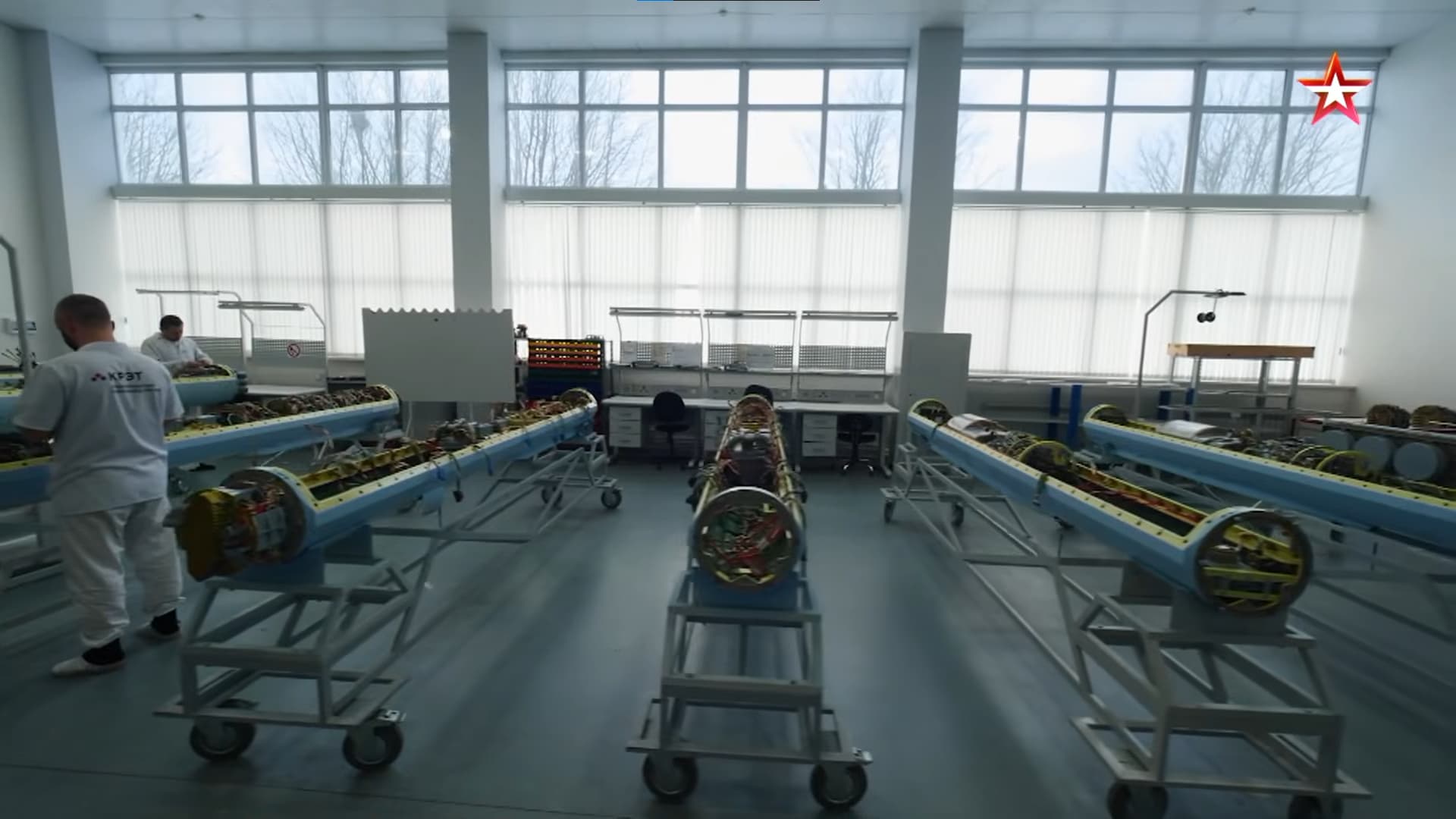
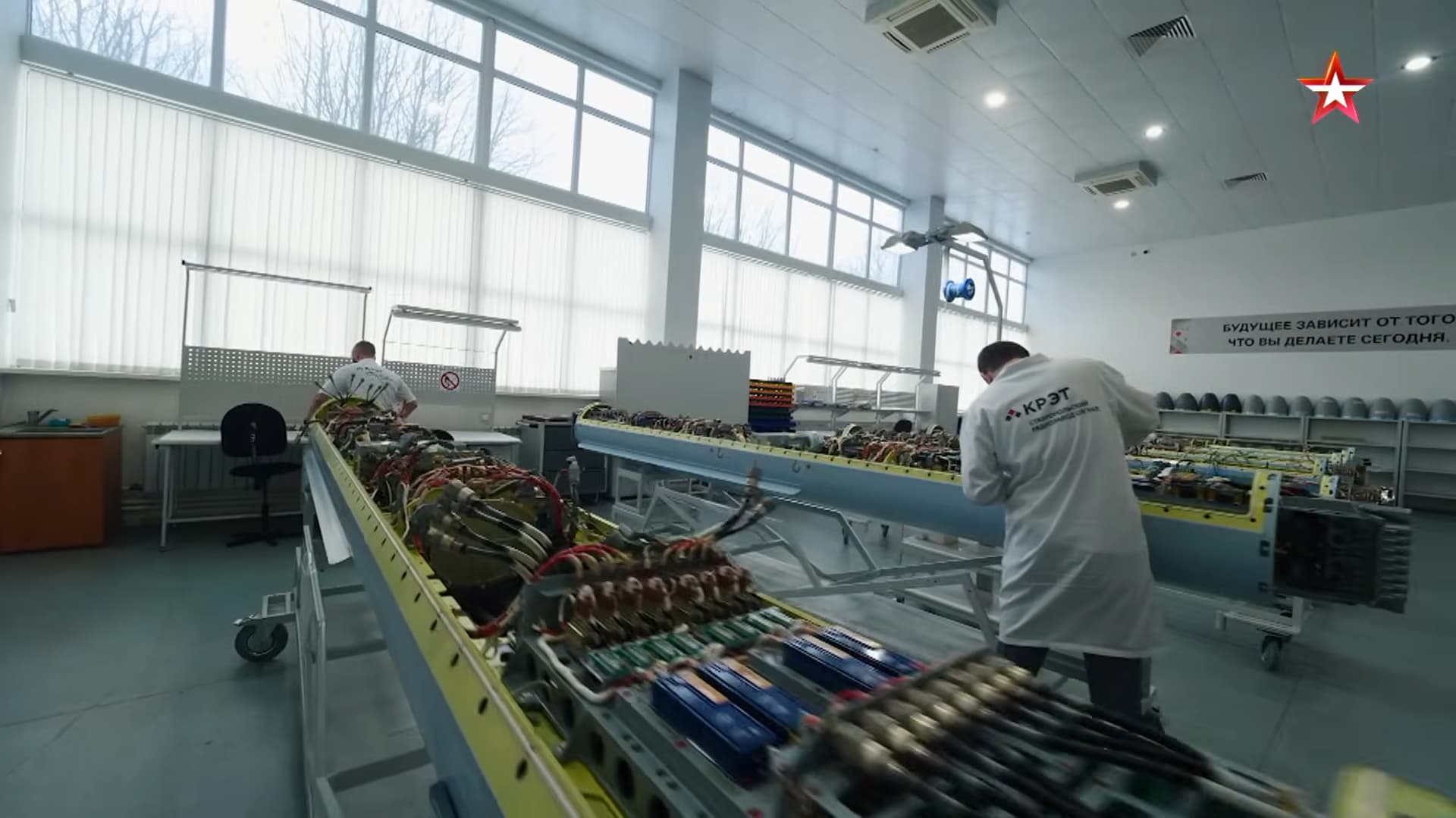
Khibiny assembly line
Not necessarily as detection range and locking range are not the same. It’s still significant feat that those ‘‘older’’ ARH can lock low RCS targets.
Indeed as with any RCS reduction measure , the goal is to reduce detection range.
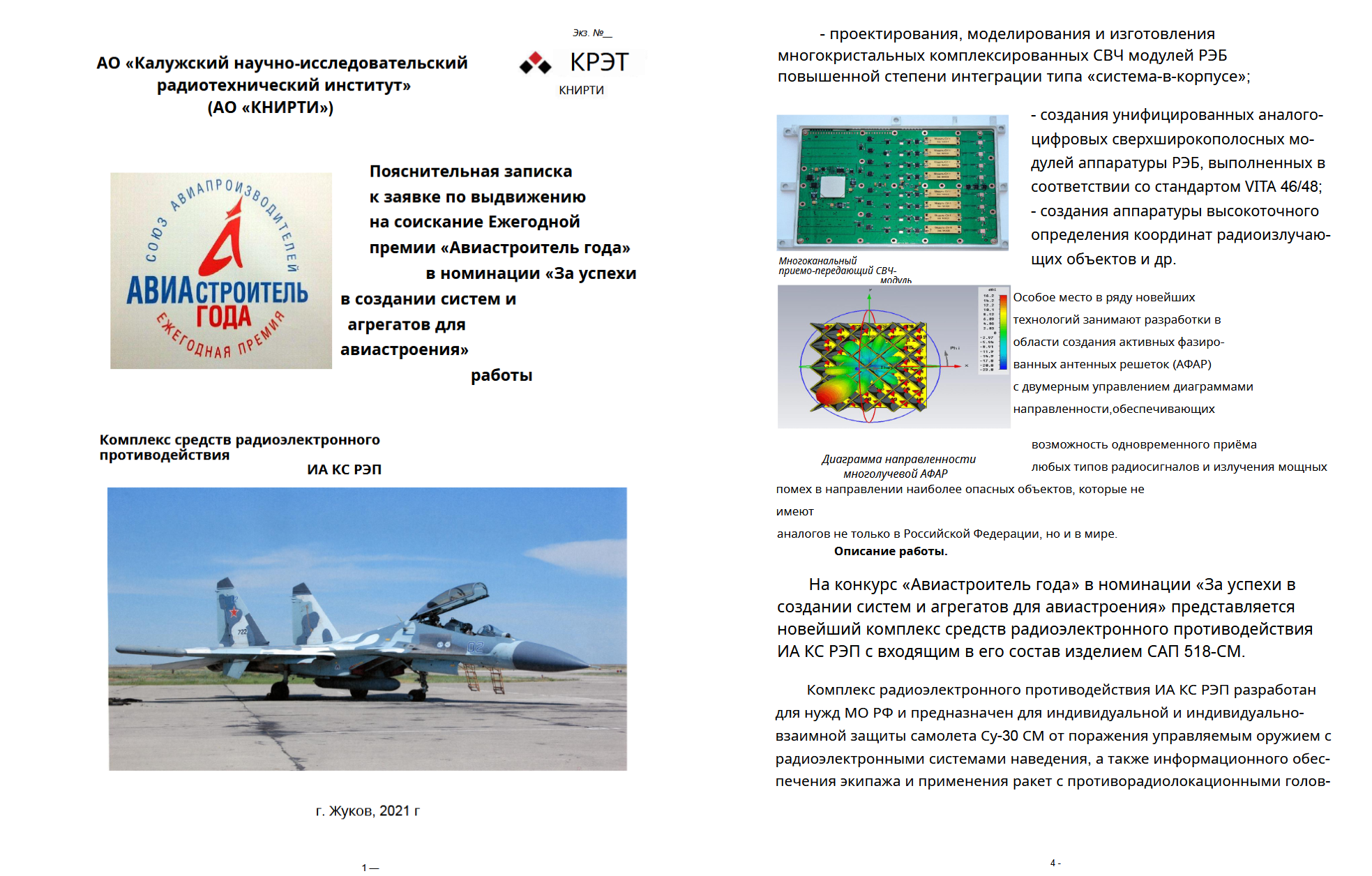
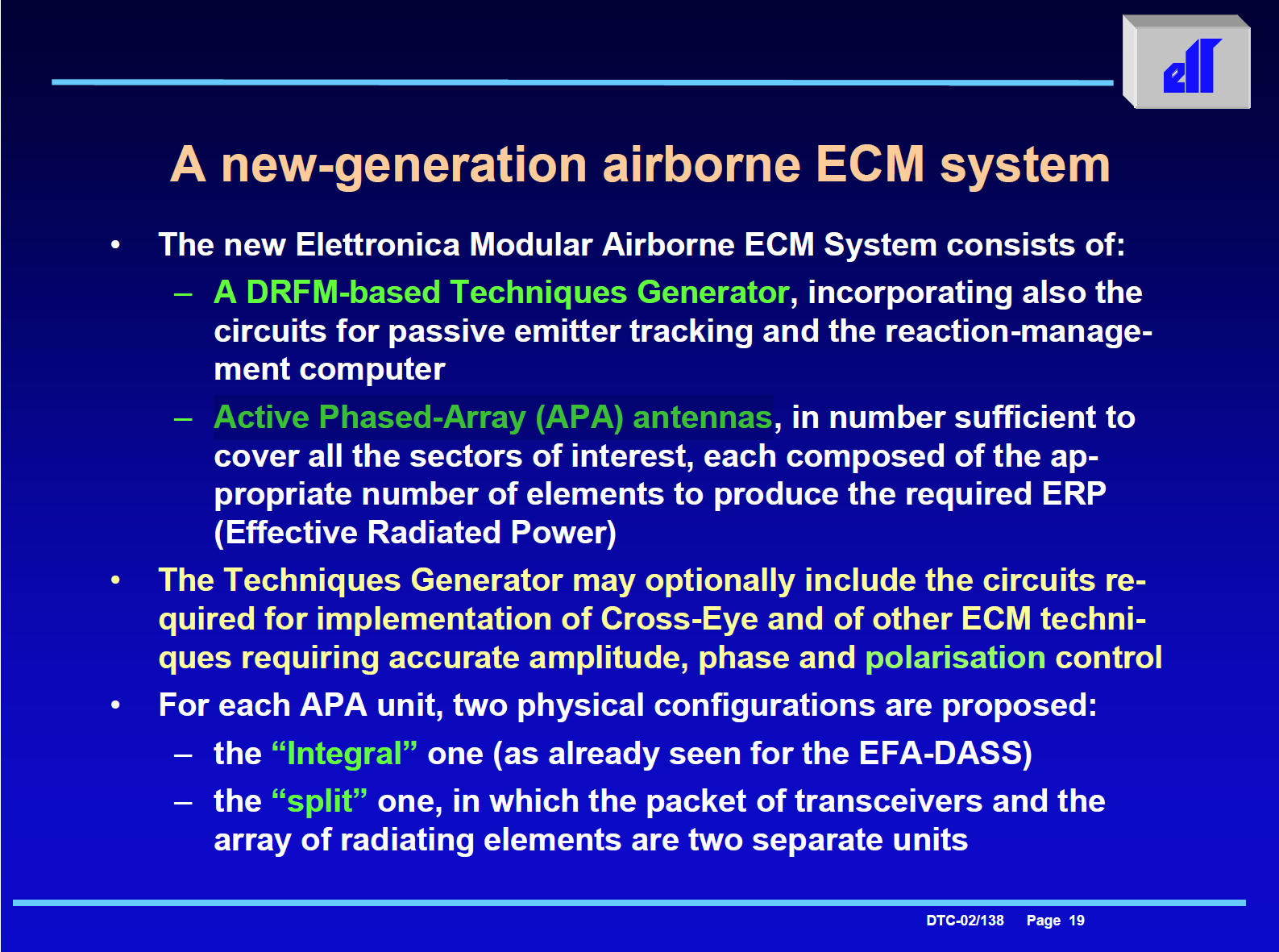
Not sure about that . On paper published by JSC KNIRTI in 2021 they state they are actively working on development of AESA for future ECM. They state there are no analogs in Russia.
There have been calls from Russian MoD for upgraded Khibiny ( presumably called Khibiny-2 ) that would integrate the lessons learned from the SVO since 2022 so it is likely those new pods only integrate AESA .
Assembly line is from a documentary made in 2024, so you might be right on that part.
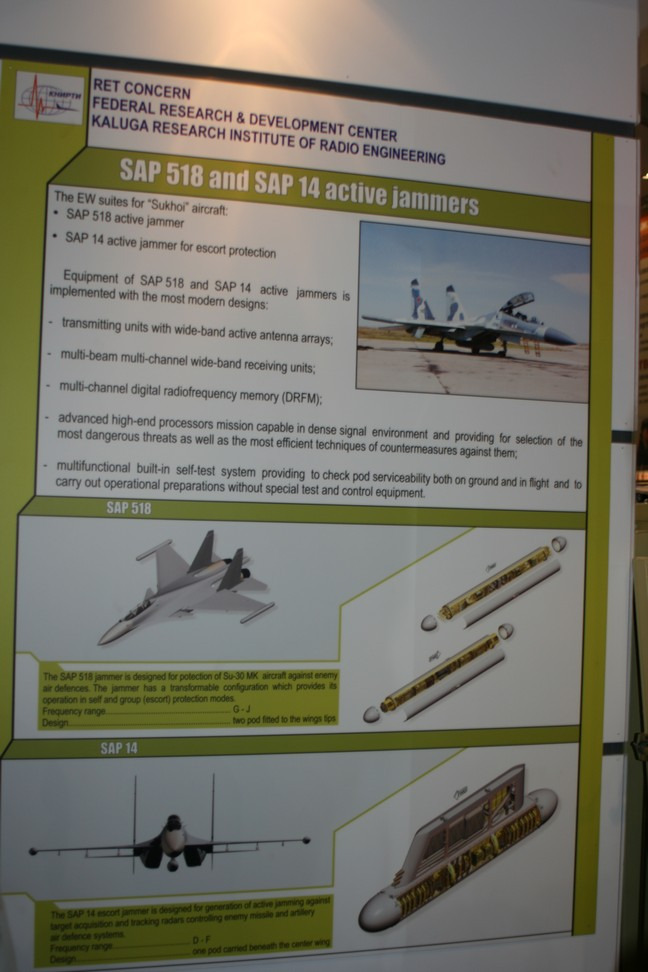
This is from around 2009, dunno what they mean under “active antenna arrays” exactly
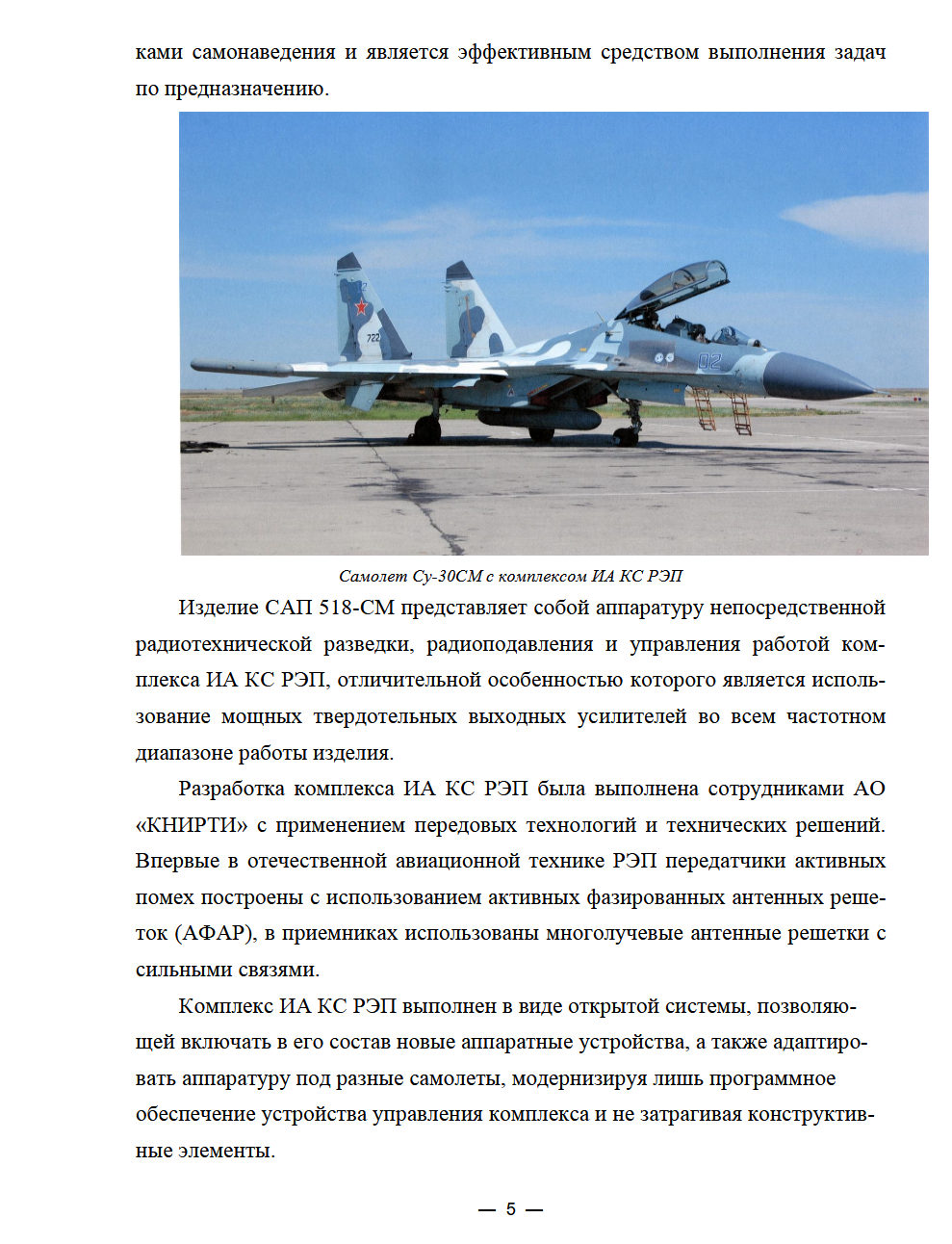
Managed to find the whole paper , they state that SAP 518-SM uses AFAR. Makes it a bit confusing as to why they talk about a ‘‘first in Russia’’ on paper 4 especially if the tech has been around from 2009 ¯\_(ツ)_/¯
Well, it might be some different type of AESA? More advanced or something.
They’re probably only now getting funding for mass production of the new pods with AESA radars
The ‘’ solid-state output amplifiers across its entire frequency range ‘’ may be the reason they qualify as a first. Nose mounted AESA radars only work on one band where ECM pods need to work on wide range of bands. But this is an essential requirement for AESA ECM. From what i can find other countries started prototyping AESA ECM since 2015 so if KNIRTI effectively had prototypes since 2009 that would indeed make it a first in Russia and in the world as they state. Not sure why they are boasting about it in a 2021 paper though . Are you shure the expo poster is from 2009 ?
Could be that aswell , god knows how many projects have been lost in the drawer only to surface one or two decades later .
Dunno about that.
For example Eurofighter had AESA ECM, and that is somewhere in 2001-2002.
i found it one one of the DCS forums and message itself dates back to 2009
Not to my knowledge, EF did not have AESA ECM in the 2001-2002. The ESM part relies on on 8 receivers that work based on amplitude modulation and the ECM works on phassed array but not active phased array. We know that digitalisation , with digital multi channel receivers and DRFM ( which is what feeds the ECM antennas ) only came with Praetorian Evo on trache 4-5 EF in the 2020s. So trully AESA EW came much later than early 2000s.
Interestingly in the early 90-2000s the industry talked about active phased array because that was technically accurate but that did not mean the AESA we are familiar with nowaday. This could also explain why the Russian 2009 brochure also talks about active phased array while the 2021 paper makes the disctinction about digital multi channel transmitter and receiver module and employs the term AFAR which is the distintive term for AESA.
The Rafale certainly uses internal AESA jammers, and has been for a long time and I can provide documentation on that.
They are most likely getting mid course updates from the Su-35 in this case, until the seeker locks up the target at very close range