DISCLAIMER: This is just a work in progress draft/backup for a future suggestion and is not a suggestion as of yet

Overview: The ZSU-23-4 “Shilka” in Iraqi and US Service
Origins and Technical Development
Developed by the Soviet Union in the early 1960s, the ZSU-23-4 was designed to solve a critical vulnerability: protecting mobile ground forces from high-speed, low-altitude strike aircraft. By mounting four 23mm autocannons on a tracked chassis and integrating the RPK-2 “Gun Dish” radar, Soviet engineers created an all-weather, day-and-night air defense platform. This integration provided a level of mobile lethality that NATO forces had never previously encountered, allowing the vehicle to track and engage targets through darkness, smoke, or heavy fog.
Combat History and Evolution
The Shilka proved its worth during the 1973 Yom Kippur War, where it worked alongside Surface-to-Air Missiles (SAMs) to create lethal “no-fly zones.” Its massive volume of fire forced pilots to fly at higher altitudes, where they became vulnerable to larger missiles. In the Soviet-Afghan War, the vehicle’s high gun elevation allowed it to engage insurgents hidden on mountain ridges—a role that earned it the nickname “the sewing machine” due to the rapid, rhythmic cadence of its fire. Despite its aging electronics, the Shilka remains a staple in over 30 countries today.
Operational Usage: The Liberation of Kuwait
During the 1990–1991 Iraqi occupation of Kuwait, the ZSU-23-4 served as the primary mobile air defense for Iraq’s elite Republican Guard. These units were strategically positioned in desert berms and urban centers to provide a 360-degree “wall of lead” against Coalition aircraft. Iraqi commanders used the Shilka to fill the gaps where larger SAM systems struggled at low altitudes. Its presence effectively forced Coalition pilots to fly above 10,000 feet, sacrificing bombing precision for safety.
However, during Operation Desert Storm, the system’s reliance on radar became its downfall. The “Gun Dish” radar acted as a beacon for Coalition anti-radiation missiles and was frequently neutralized by advanced electronic jamming. This forced Iraqi crews to use manual optical sights, which were significantly less effective against fast-moving jets. Ultimately, many Shilkas were picked off from long range by AH-64 Apaches and A-10 Warthogs using Hellfire and Maverick missiles, which outranged the ZSU’s 2.5 km reach. By the war’s end, many functional vehicles were abandoned by retreating Iraqi forces along the “Highway of Death.”
US Acquisition and OPFOR Evaluation
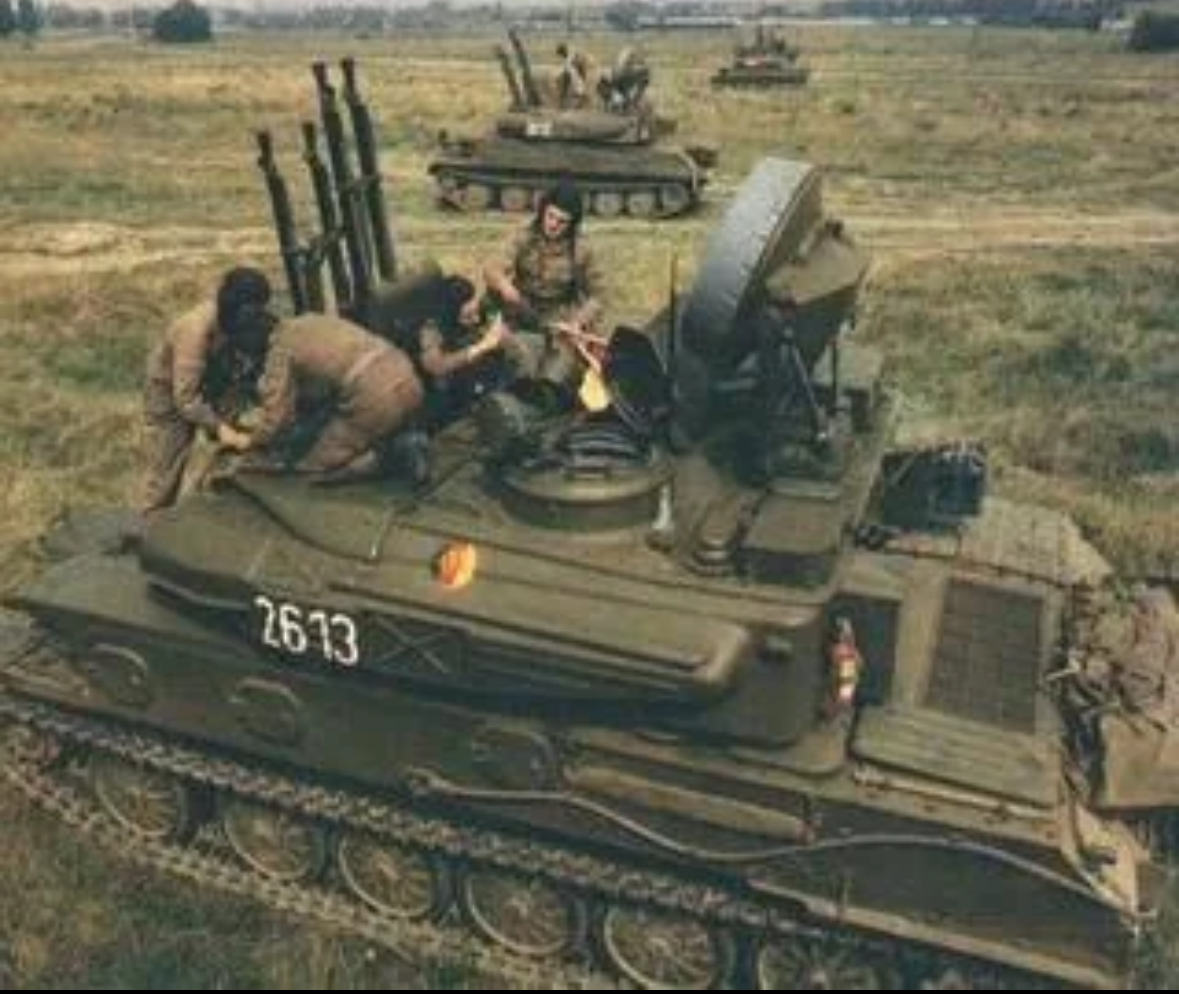
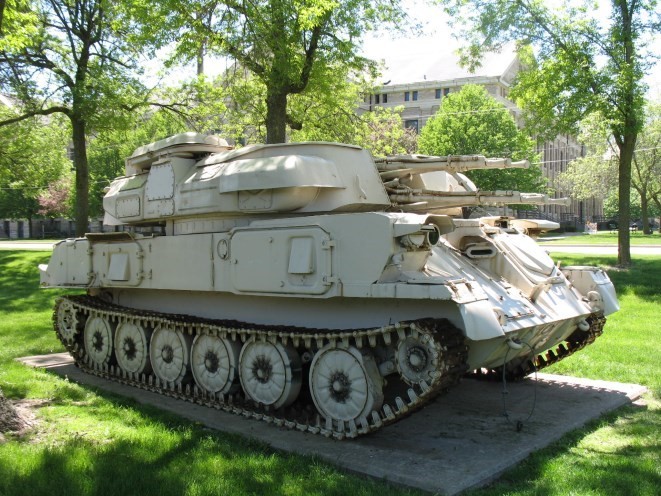
Following the collapse of the Iraqi lines, Coalition forces captured several fully functional ZSU-23-4s. These vehicles were shipped back to the United States for extensive technical assessment. Before becoming museum pieces—such as the example currently housed at the Kansas National Guard Museum—they were operated by the US Army to study their threat profile against Western aircraft. They were also utilized as OPFOR (Opposing Forces) training assets to simulate Soviet-bloc tactics, with at least one ZSU-23 being documented in use at Camp Pendleton, California, as late as June 1997.
Sources
RIA Self-Guided Tour: The Shiika | Article | The United States Army
https://kansasguardmuseum.com/ (virtual tour: Exterior 14)
A single ZSU-23-4 was last known to be located at the Rock Island Arsenal in May of 2019; however, the official site for the RIA no longer has any mentions of it or its current location.
https://catalog.archives.gov/id/6463613
Images:

- Yes
- No
Closed because people dont know how to read something rather than just assume what it is, and dont realize this is a draft meant for feedback on how its layed out
Edit cause this got false reports as spam when it clearly isnt