History
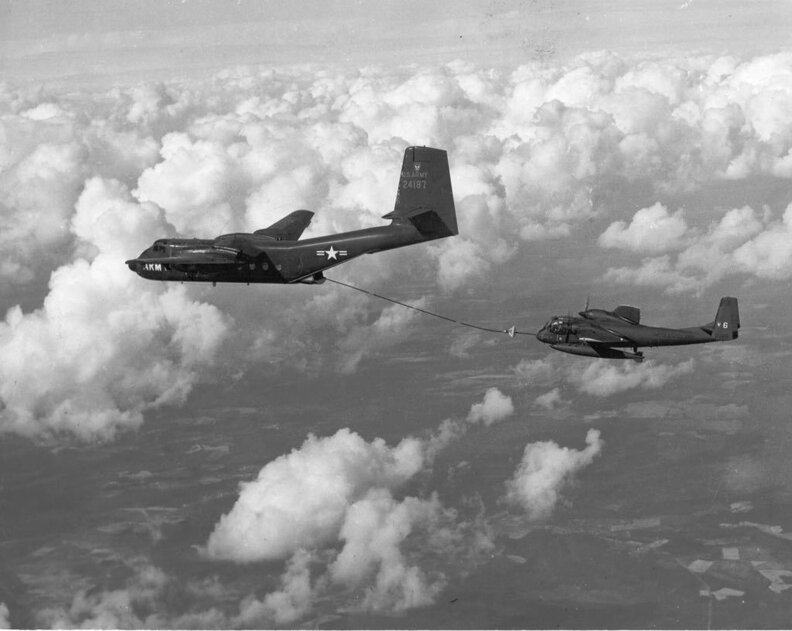
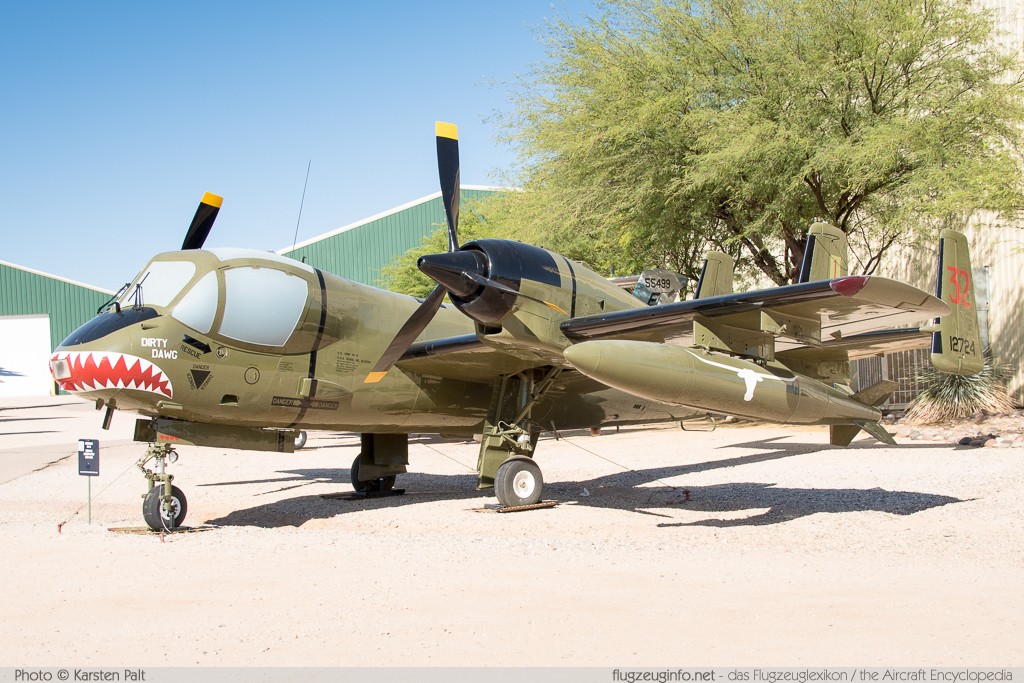
The Grumman OV-1 Mohawk stands out as one of the most iconic and capable battlefield surveillance aircraft of the Cold War era. Its development began in the mid-1950s as a joint project between the U.S. Army and the U.S. Marine Corps, intended to meet a requirement for a high-performance, short-takeoff-and-landing observation platform. While the Marines eventually withdrew from the program due to budgetary constraints (the Navy decided to purchase a fleet of tanker aircraft instead) and differing mission priorities, the Army persevered with Grumman, leading to the aircraft’s first flight in April 1959. The resulting design was a rugged, twin-turboprop machine built specifically to operate from the rough, unimproved airstrips of the front lines.
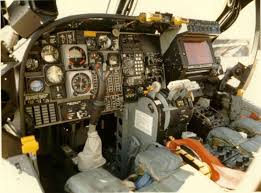
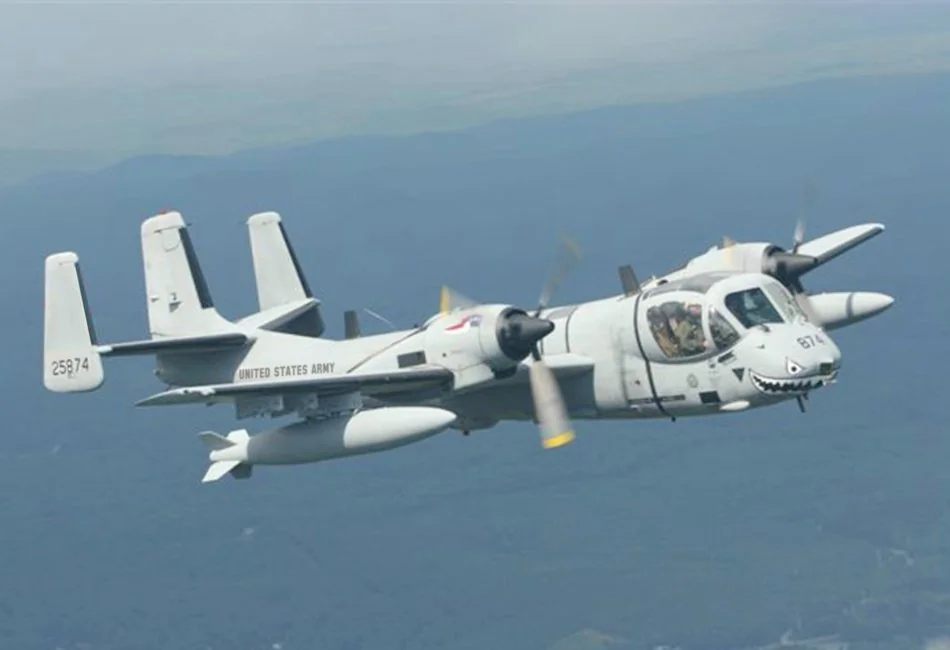
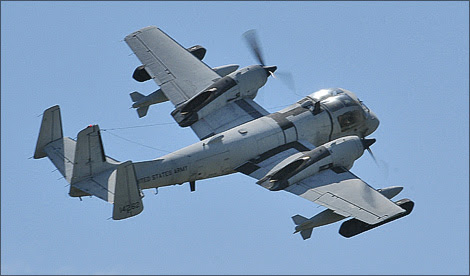
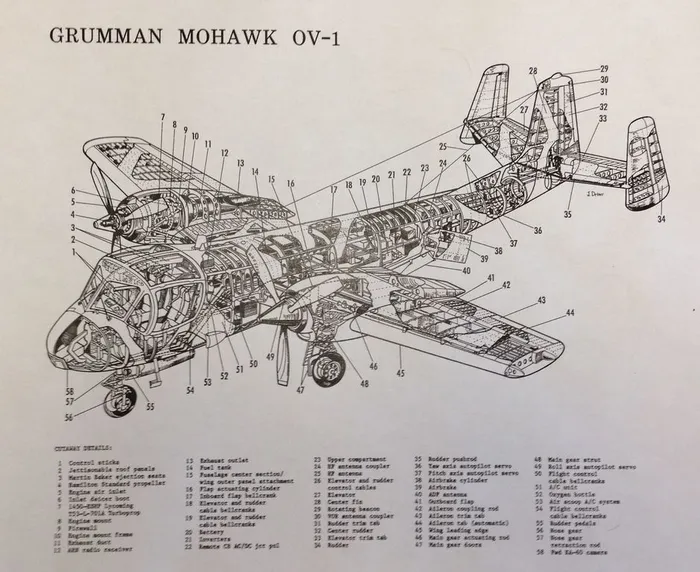
The Mohawk’s physical appearance was as functional as it was unusual. To provide the two-man crew with an unobstructed view of the battlefield, Grumman designed a “bug-eyed” canopy with bulging side windows, allowing the pilot and technical observer to look directly down at the terrain. The aircraft featured a unique triple-tail configuration, necessary to maintain stability and maneuverability against the high torque of its twin Lycoming T53 engines. Furthermore, the cockpit was armored with a heavy aluminum-alloy floor and bullet-resistant glass, reflecting the Army’s expectation that the Mohawk would spend much of its life flying low through hostile small-arms fire.
In September 1962, the OV-1 made its combat debut in South Vietnam with the 23rd Special Warfare Aviation Detachment. Its role quickly expanded from simple visual reconnaissance to a sophisticated intelligence-gathering mission. The aircraft were deployed in three primary variants: the OV-1A for visual and photographic missions, the OV-1B equipped with Side-Looking Airborne Radar (SLAR) for mapping terrain and tracking movement through weather, and the OV-1C, which utilized infrared “Red Haze” sensors to detect heat signatures from enemy campfires or truck engines at night. This technological suite made the Mohawk indispensable for monitoring the dense jungles and the winding supply lines of the Ho Chi Minh Trail.
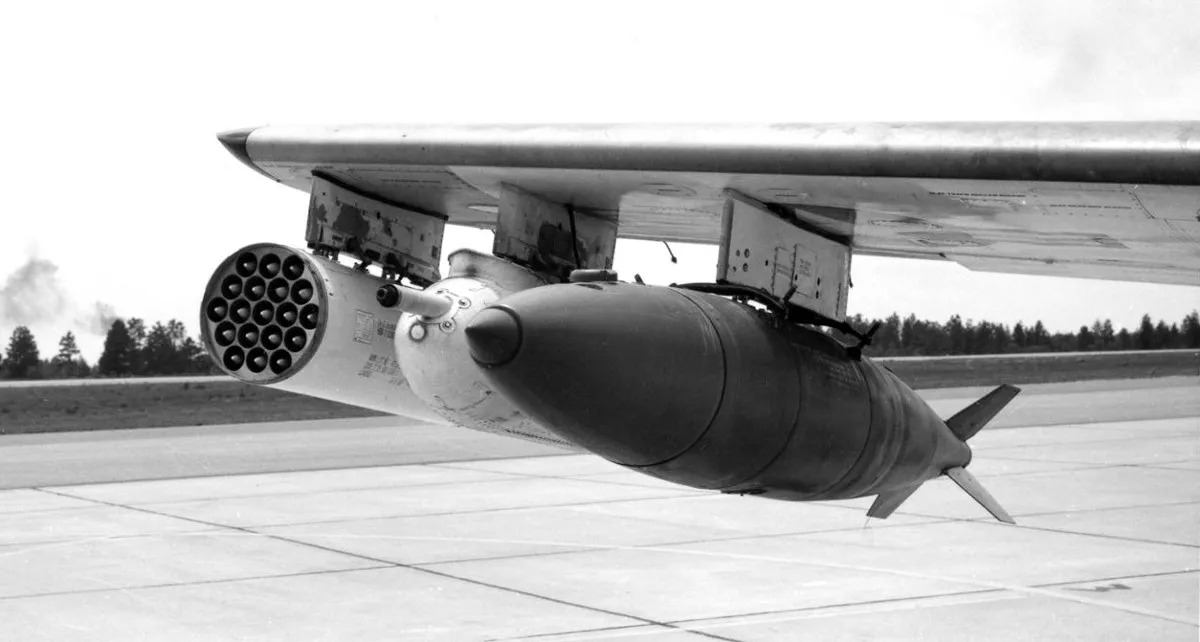
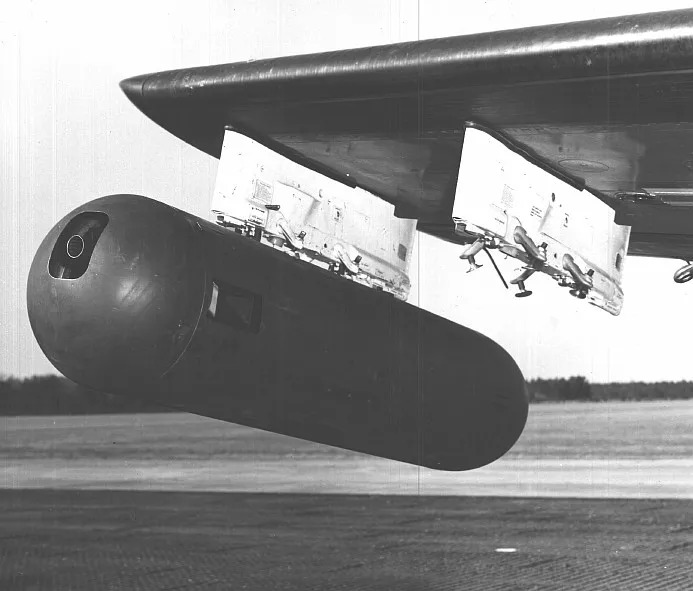
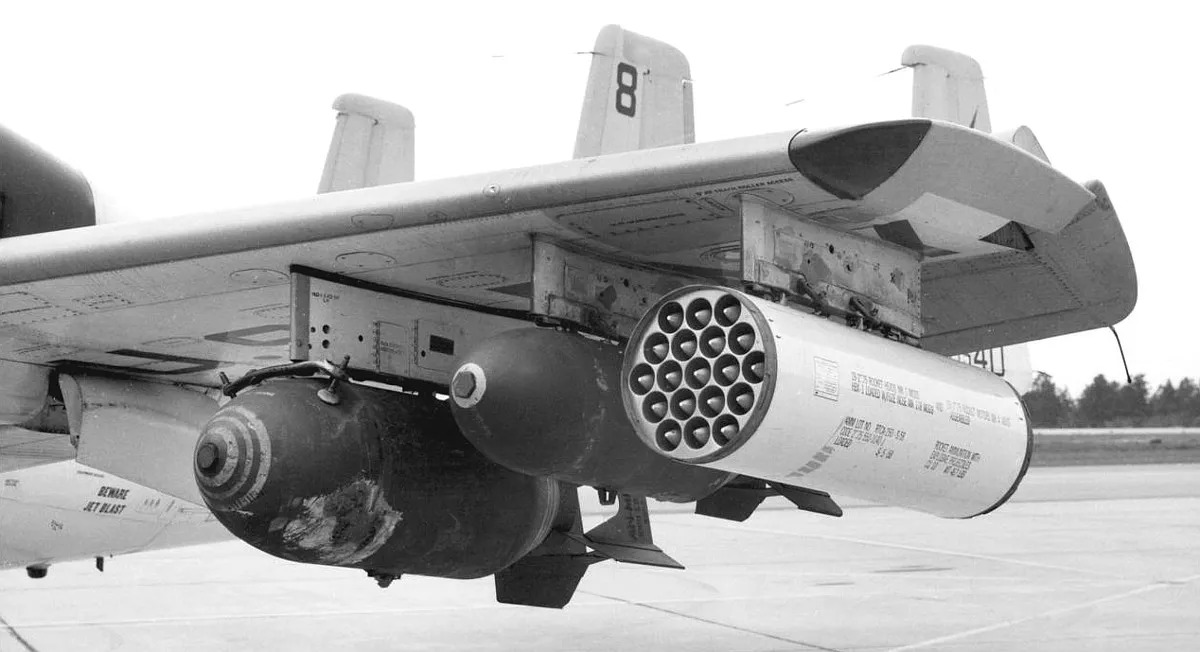
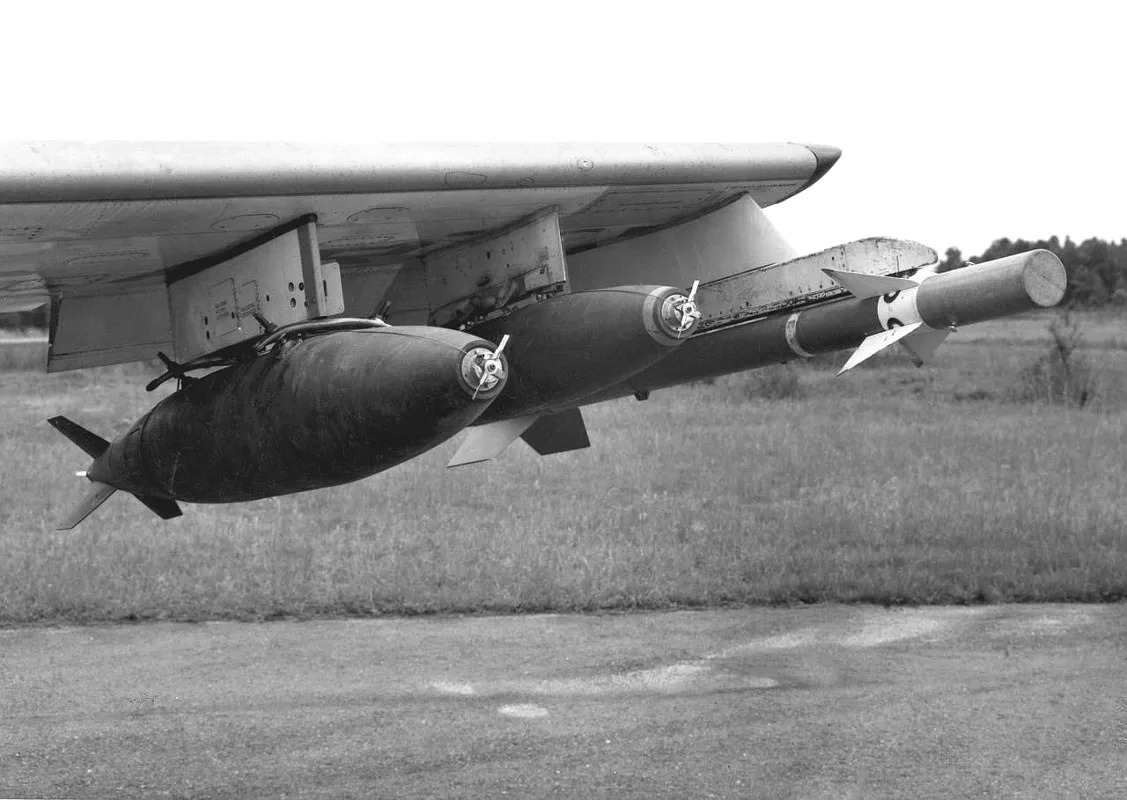
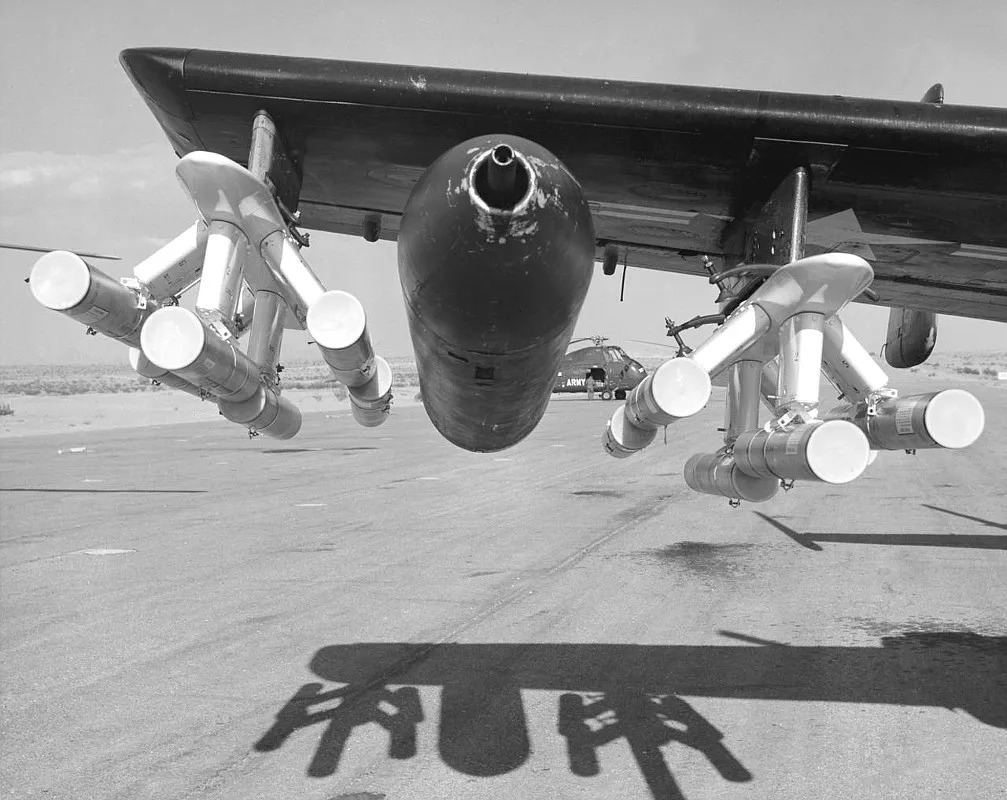
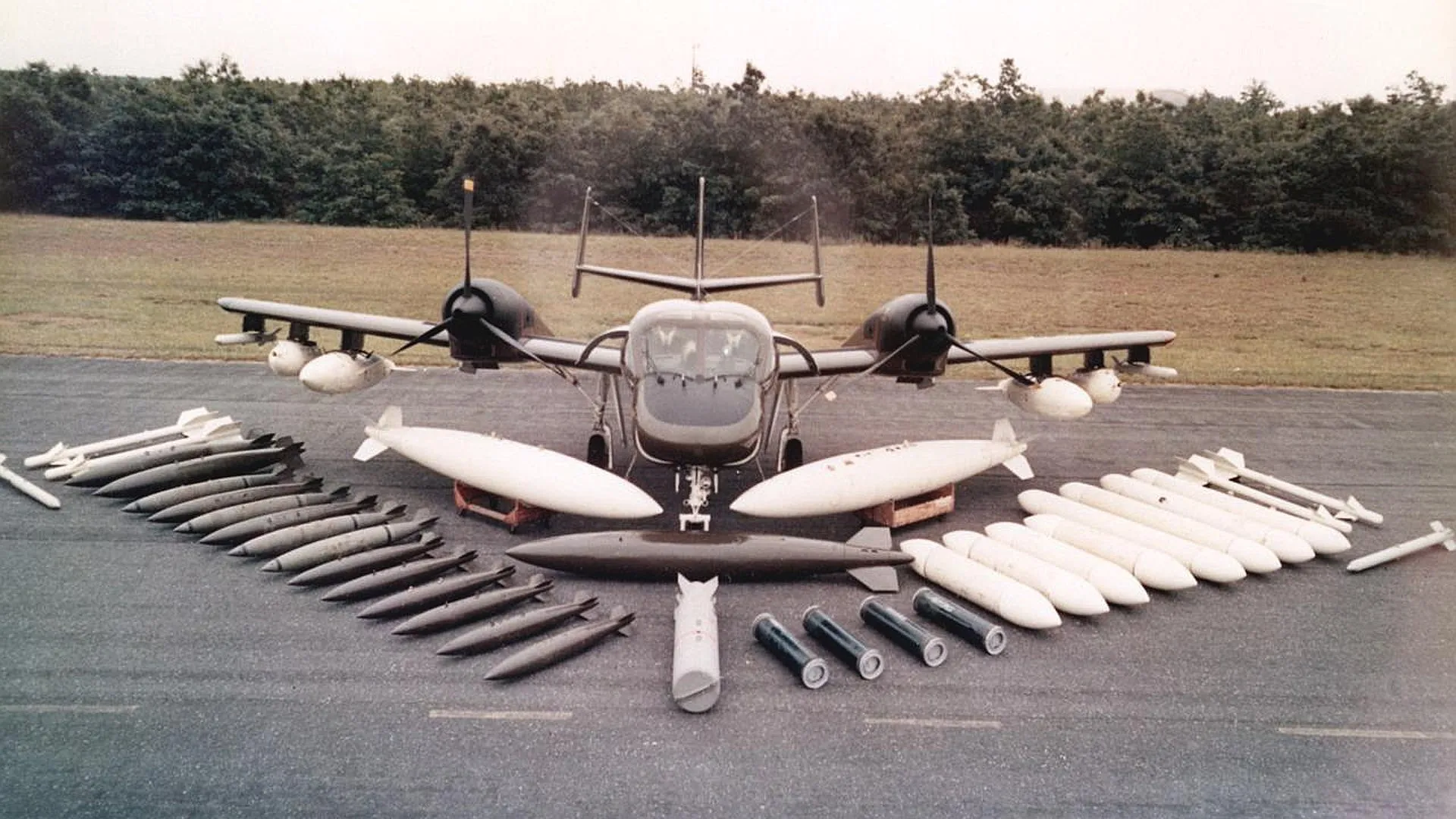
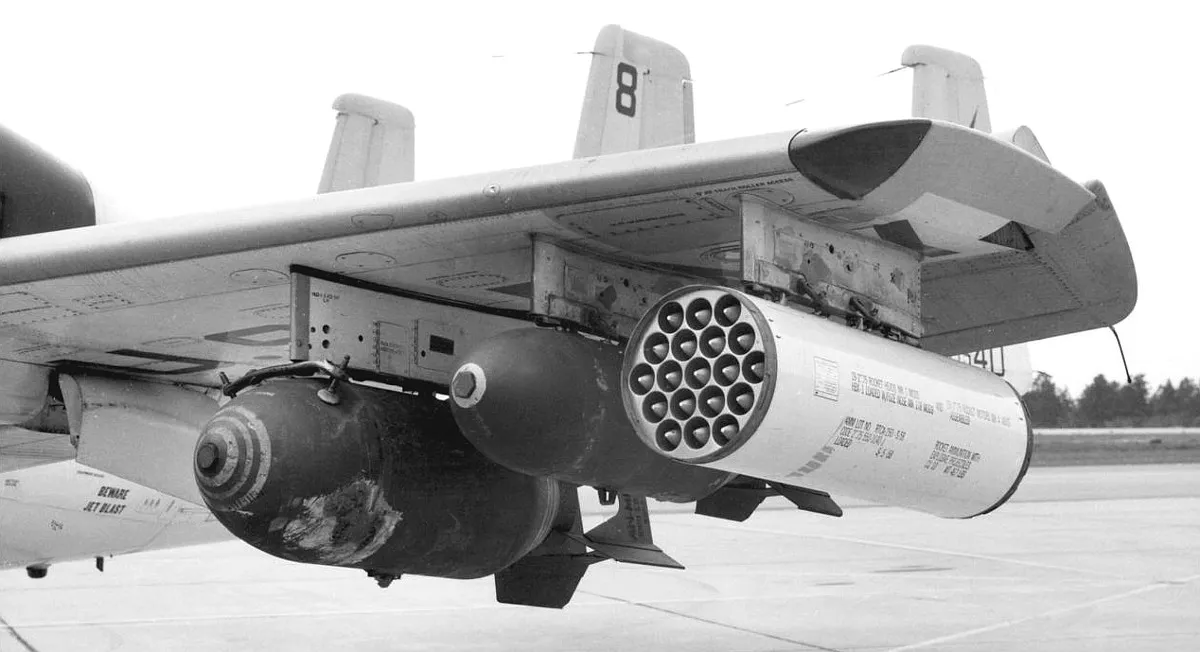
One of the most defining aspects of the Mohawk’s Vietnam service was the political friction it caused between the Army and the Air Force. Because the Army was technically restricted from operating armed fixed-wing aircraft, many Mohawks were “unofficially” equipped with hardpoints for rocket and machine-gun pods to provide self-defense and light-strike capabilities. These armed versions were often designated as JOV-1A. The Air Force frequently protested these configurations, viewing them as an encroachment on their exclusive domain of close air support, eventually leading to orders that forced the Army to remove many of the weapon systems in the mid-1960s.
Despite these restrictions, the Mohawk proved it could fight back in one of the most famous episodes of Army aviation history. In 1968, Captain Ken Lee was flying an OV-1A over the A Shau Valley when he was jumped by a North Vietnamese MiG-17 jet fighter. Though his aircraft was significantly slower, Lee used the Mohawk’s maneuverability to bring it into position to fire his gunpod at the MiG, most likely successfully shooting it down. Because of the ongoing inter-service tensions regarding armed Army planes, the kill was not officially recognized for decades to avoid a renewed political battle with the Air Force. The kill was finally recognized in 2007.
Throughout the war, the Mohawk earned a reputation for extreme durability. Pilots often returned to base with their aircraft riddled with bullet holes, yet the twin engines and rugged frame frequently brought them home. However, the mission was inherently dangerous; over the course of the conflict, the Army lost 65 Mohawks to various causes, including ground fire and operational accidents. The crews who flew them, known as “Mohawkers,” developed a fierce loyalty to the plane, often remarking that it felt less like an aircraft and more like a piece of heavy machinery that you “wore” into battle.
As the Vietnam War drew to a close, the Mohawk’s evolution continued with the OV-1D, which featured interchangeable sensor pods that allowed a single airframe to perform both SLAR and infrared missions. The Mohawk remained a cornerstone of Army intelligence for decades, serving in the Cold War corridors of Germany and performing vital reconnaissance during Operation Desert Storm in 1991. The U.S. Army finally retired the last of its Mohawks in 1996, handing the baton to unmanned aerial vehicles (UAVs) and more modern electronic platforms, though the “Bug-Eyed” Grumman remains a legendary icon of tactical aviation history.
Weaponry
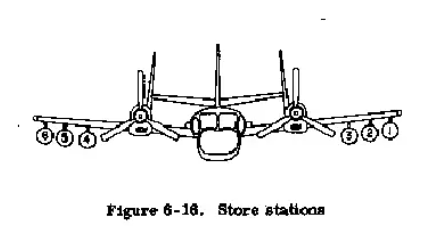
GUNS:
3,4 SUU-11/A 7.62mm (ammo: 1500)
3,4 MK14 12.7mm (ammo: 750)
BOMBS:
1,2,5,6 MK81 (250 lbs GP)
1,2,5,6 MK82 (500lbs GP)
3,4 MK83 (1000 lbs GP)
3,4 MK79 (1000lbs napalm)
ROCKETS:
1,2,5,6 LAU-10A ZUNI
1,2,5,6 LAU-3/A (AREO 7D)
1,6 MK 28 HVAR 5in
1,6 AIM-9B (theoretically it can carry 4 however, that was never done for combat operations)
2,3,4,5 LAU-32A (AREO 6A)
OTHER:
3,4 150-gallon drop tank
Stats
Top speed: 305 mph (490 kph)
VNE (Never Exceed Speed): 450 mph (724 kph)
Length: 41 ft 0 in (12.5m)
Width (Wingspan): 42 ft 0 in (12.8016m)
Height: 12 ft 8 in (3.858768m)
Weight (Max Takeoff): 15,399 lb (6984.8689kg)
Ground turn radius: 25 ft 0 in (7.62m)
Engines: 2 × Lycoming T53-L-7 turboprops (1,100 shp each)
Armor: Windshield: 1-inch bullet-resistant glass (front only)
Cockpit Floor: 1/4th inch armored Dural plate
Bulkheads: Flak sheets (front and rear of cockpit)
Fuel System: Self-sealing central fuel tank
Other:
IFF: Yes
RWR: Yes
LWS: No
Airbrake: Yes
IRCM: No
Flares: Yes (upwards launched illumination flares x52) from a pair of A6 Pod mounted at the wing roots with 26 on each pod (only effective against earlier missiles that lack IRCCM and advanced seekers)
Chaff: No
Radar cross-section: Semi-low observable due to its design features and size
CCIP: No
CCRP: No
Ballistic computers: No
Gunsight: Yes
Gunsight modes: None (fixed infinity sight)
Sources
TYPO: JOV-1A should BE OV-1A
- yes
- no
Br’s shown below are for an average of both ground and air combined, not its exact br.
- 5.0
- 5.3
- 5.7
- 6.0
- 6.3
- 6.7
- 7.0
- 7.3
- 7.7
- I said no, but thank you for asking