STRIDSVOGN KW.III Ausf.J1 (Late) 50mm L/60
INTRODUCTION
HISTORY
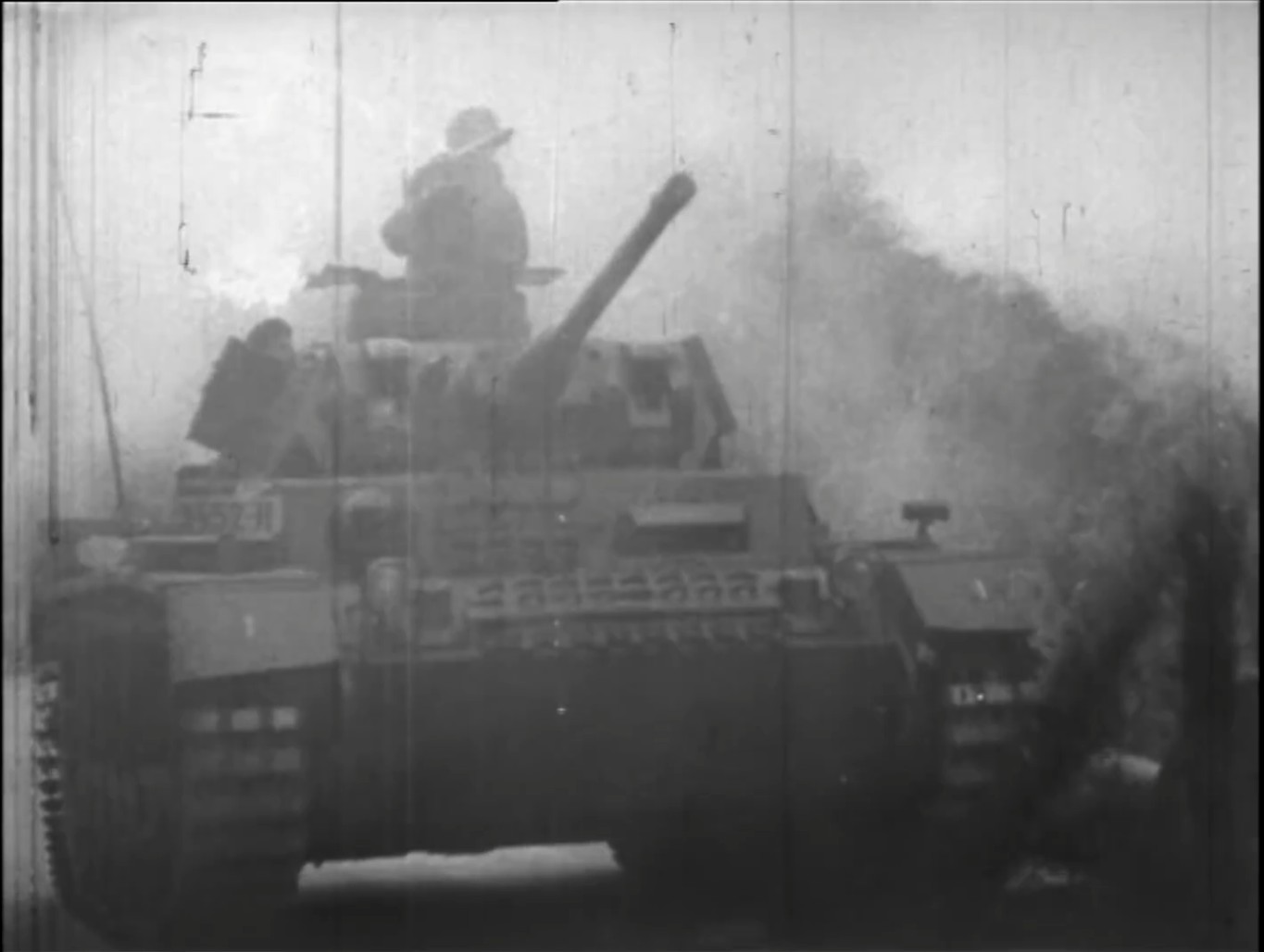
This is an Ausf.J1 Late, the hull and turret is pure Ausf.J and the L/60 idicates the Late variant, upgrade. It’s spotted during an autumn exercise in Oslo, Norway in the 1950’s, and it’s Definetly used in the platoon at Fornebu airport, one of the country’s most active airports then and today.
DETAILS OF THIS SPECIFIC VEHICLE
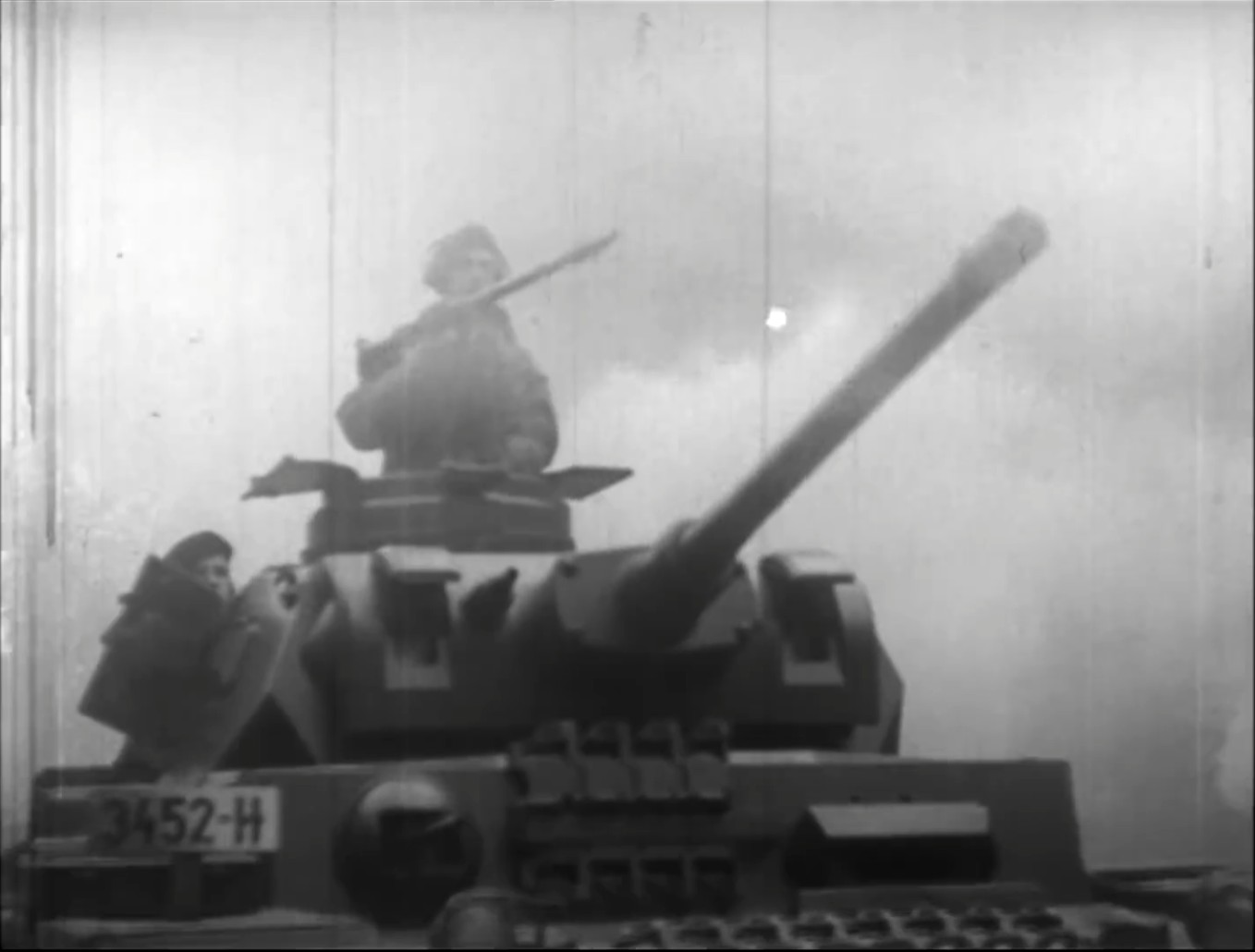
Key details of this topic’s specific vehicle
-Iisence numer: 3452-H
-Track add on armor on upper frontal plate, 20mm RHA protection according to WT specs
-Track add on armor on frontal plate between drivers hatch and hull coaxial machinegun, 20mm RHA protection according to WT specs
-7.92mm MG34 hatch mounted Machinegun
Ausf.J Upgrades from earlier variants
-Hull Front and Rear: The flat 30 mm armor of earlier models (Ausf. D through H) was upgraded to a solid 50 mm plate on the front and rear of the hull.
-Turret: The armor on the front, sides, and rear of the turret remained 30 mm, but an additional internal plate was added to the front, increasing local thickness to a maximum of 57 mm in some places.
-Other changes: The design of the armored front brake vents was changed, and an armored extractor fan was added to the turret roof.
-Main Gun upgrad The Ausf. J was equipped with the 5 cm KwK 38 L/42 cannon as standard, which had significantly better penetration and destructive power compared to the earlier 3.7 cm KwK 36 L/45 gun used on models up to the early Ausf. G.
Coaxial Machine Gun: Models from the Ausf. F onwards, when fitted with the 5 cm main gun, had a single coaxial 7.92 mm MG 34, down from the two present in earlier variants.
Ausf.J 1Upgrades from early to late
-5 cm KwK 39 L/60 gun (a longer barrel)
-50 mm base armor plus additional 20 mm spaced armor plates on hull and turret front
-Longer main gun barrel, additional bolt-on armor plates visible
-It has the more powerful L/60 50mm cannon installed, this was added mid-production and it was given the designation J1 to avoid comfusion
ARMAMENT
Spoiler
-
1x 5cm KwK 39 L/60 cannon
Pipe length: 3000 mm
Caliber: 5 cm
Caliber length: L/60
Firerate: 13 shots/min
Elevation range: −10° to +20° angle
lateral alignment area: 360° -
1x 7.92x57mm Mg34
-Placement: Hatch mounted MG
-Cartridge: 7.92x57mm Mauser
-Ammunition capacity: 600 rounds
-Mass: 12.1 kg
-Length: 1,219 mm
-Barrel length: 627 mm
-Action: Recoil-operated, opened rotating bolt
-Rate of fire: 800–900 rounds/min
-Muzzle velocity: 765 m/s
-Effective firing range: 3,500 m with tripod and telescopic sight
-Maximum firing range: 4,700 m -
1x 7.92x57mm Mg34
-Placement: Turret coaxial, right side of cannon
-Cartridge: 7.92x57mm Mauser
-Ammunition capacity: 600 rounds
-Mass: 12.1 kg
-Length: 1,219 mm
-Barrel length: 627 mm
-Action: Recoil-operated, opened rotating bolt
-Rate of fire: 800–900 rounds/min
-Muzzle velocity: 765 m/s
-Effective firing range: 3,500 m with tripod and telescopic sight
-Maximum firing range: 4,700 m -
1x 7.92x57mm Mg34
-Placement: coaxial hull MG, right side
-Cartridge: 7.92x57mm Mauser
-Ammunition capacity: 600 rounds
-Mass: 12.1 kg
-Length: 1,219 mm
-Barrel length: 627 mm
-Action: Recoil-operated, opened rotating bolt
-Rate of fire: 800–900 rounds/min
-Muzzle velocity: 765 m/s
-Effective firing range: 3,500 m with tripod and telescopic sight
-Maximum firing range: 4,700 m -
6x smoke grenade launchers of unknown caliber
-Placement: 3x on each side of the turret
TECHNICAL DATA Ausf.J1 (Late)
Spoiler
Weight: 25 tonnes
Length (overall): 7.02 m (including main gun)
Width: 2.88 m
Height: 2.68 m
Crew: 5 (Commander, Gunner, Loader, Driver, Radio Operator)
Propulsion: Maybach HL 120 TRM V12 gasoline engine, 265 hp (earlier models had 320 hp)
Top Speed: 38 km/h (road)
Operational Range: Increased to 320 km (road) due to an auxiliary fuel tank, which replaced the electric turret traverse motor.
ARMOR
Front (upper & lower glacis): 80 mm
Sides (upper & lower): 30 mm
Rear (upper & lower): 20 mm
Top and Floor: 10 mm
Misc
Return Rollers: The number of return rollers on each side was reduced from four to three to save material and time.
Towing Eyes: Later Ausf. J/J1 models featured a redesigned lower hull (Wanne) with built-in towing eyes, eliminating the need for separate bolted-on brackets.
Vision Ports: Pistol and vision ports were removed from the hull sides.
Hatches: The driver’s and radio operator’s hatches were modified to a simpler, rounded edge style with a new locking mechanism.
Air Intakes: Later models had simpler handles on the transmission/brake inspection hatches instead of original cast air intakes.
SOURCES
Spoiler
Where i found and screenshotted the images
At 11:00 https://www.youtube.com/watch?v=qqOIYPmoPZE
Information and specs about various Pz.III variants
https://fox3000.com/pz3.htm
Images and some information
Redirecting...
Background and service history
Book: Motoriserte Militærkjøretøy i Norge
Copyright 2005 by Forsvarsmuseet/HMK All rights reserved
Billedbehandling/Grafisk produksjon: Mikro Marketing, Asker
Press: Gan Grafisk, Oslo
Motoriserte Militærkjøretøy i Norge Bind 1
ISBN 82-91218-43-9
The book is printed in 3,000 copies, 100 of which are leatherbound
front cover/back cover: The wheel rider squadron at Trandum 1953
Defense publications No. 3 Oslo 2005
Stridsvogn & Stormkanon KW-III (Panzer III & StuG III in Norwegian Service) - Tank Encyclopedia
POLL
- Yes
- No