History:
The IS-3 (Object 703) its a heavy tank made by the URSS at the end of 1944, it features the classic 122 mm D-25T cannon from the IS-2, and a revolutionary “V” shape upper frontal plate armor with a rounded but low profile turret. The IS-3M its a modernized version of this heavy tank, featuring a new 520 hp V-54K-IS engine (derived from the V-54 engine used by the T-54s), improved communications equipment, night vision equipment (TVN-2), DShKM and DTM machine guns (DShk and DT previusly).
In the late 1950s, Egypt started receiving IS-3 tanks from the USSR, and in the 1960s, they already had 120 IS-3 tanks in its inventory (which was a mix of IS-3 (UKN), IS-3 (MTU) and IS-3M tanks).
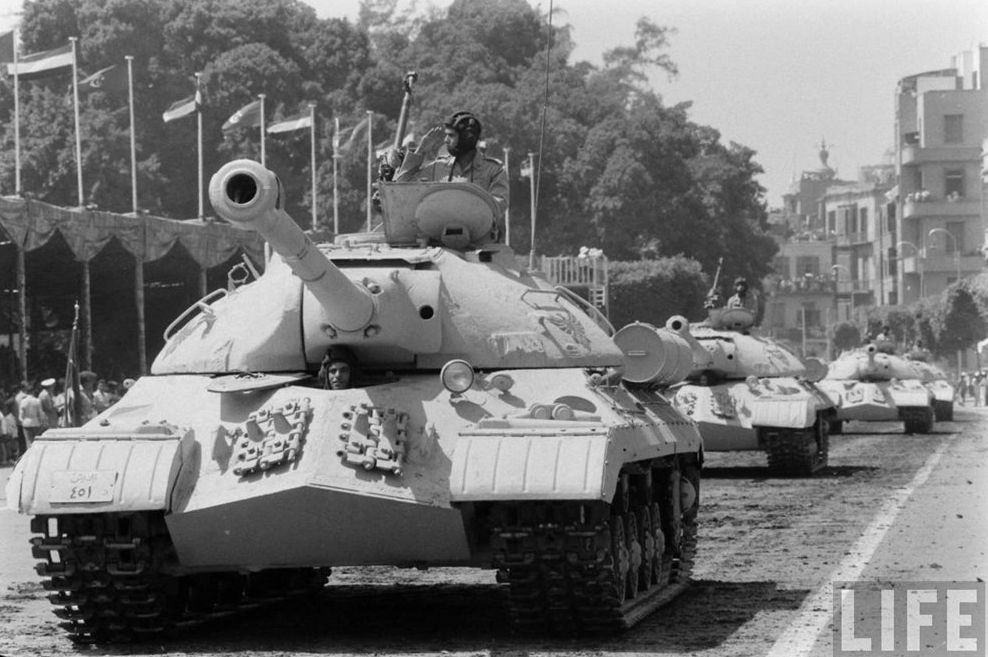
During the 1967 Six Day War, egyptian IS-3 tanks were deployed in defensive positions along Khan Yunis-Rafah line and near Al Kuntillah. The first encounter of egyptian IS-3M tanks with israeli forces occurred at the Rafah battle, the egyptian 7th Infantry Division, which included a battalion of IS-3M, against an israeli parachute brigade with support from a battalion of Magach 3s.
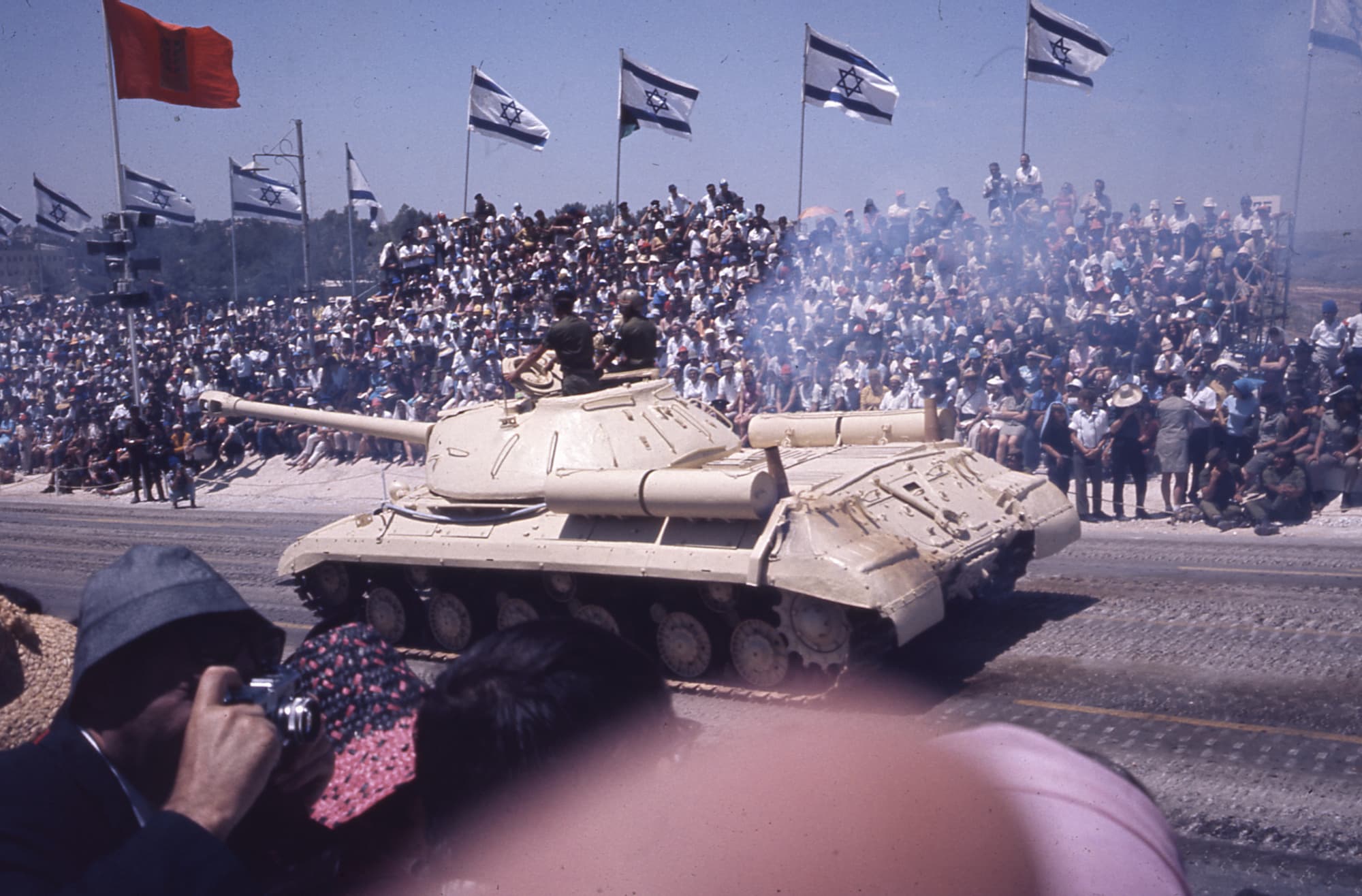
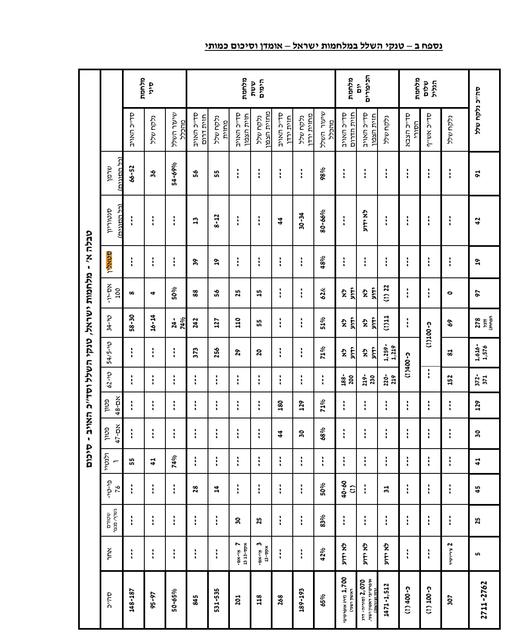
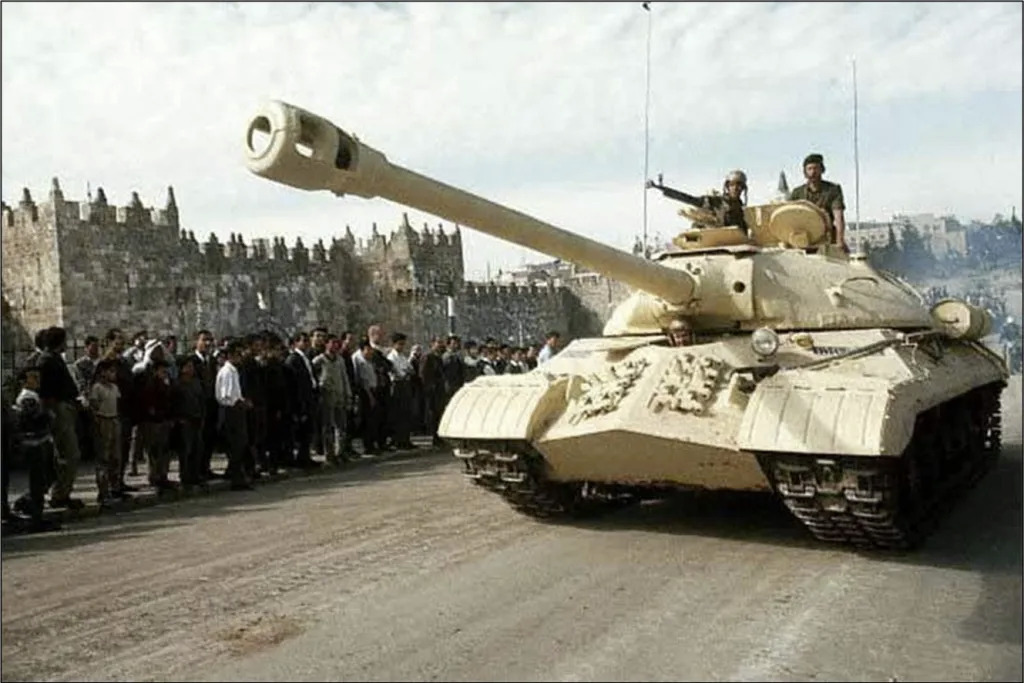
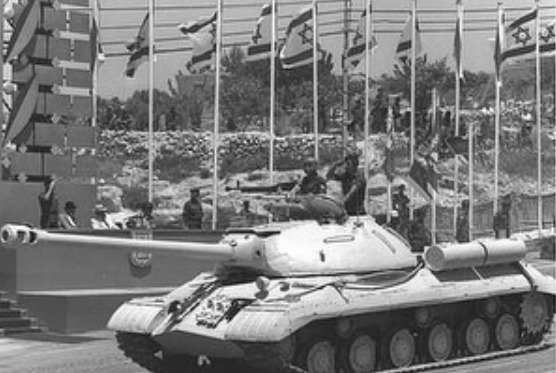
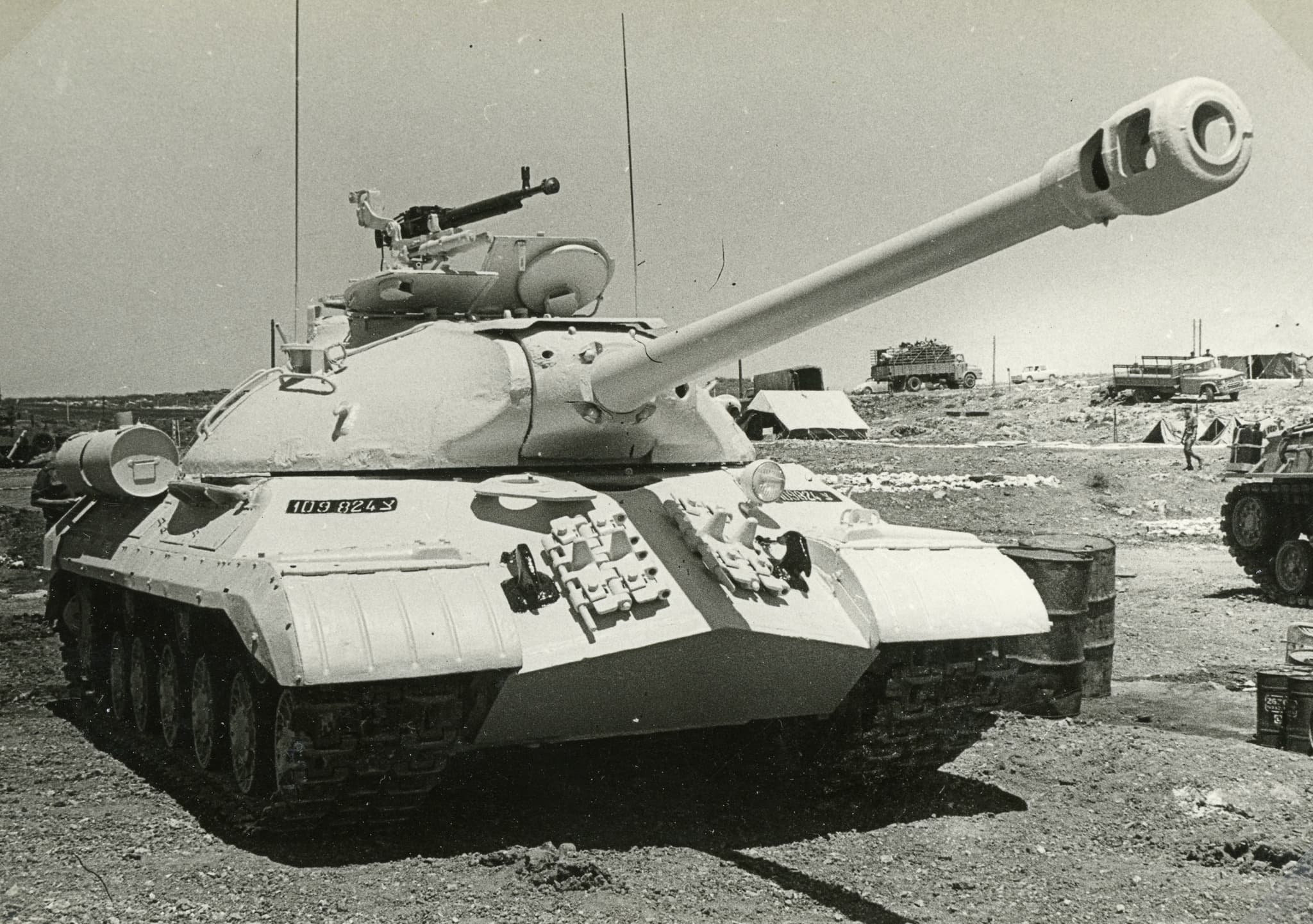
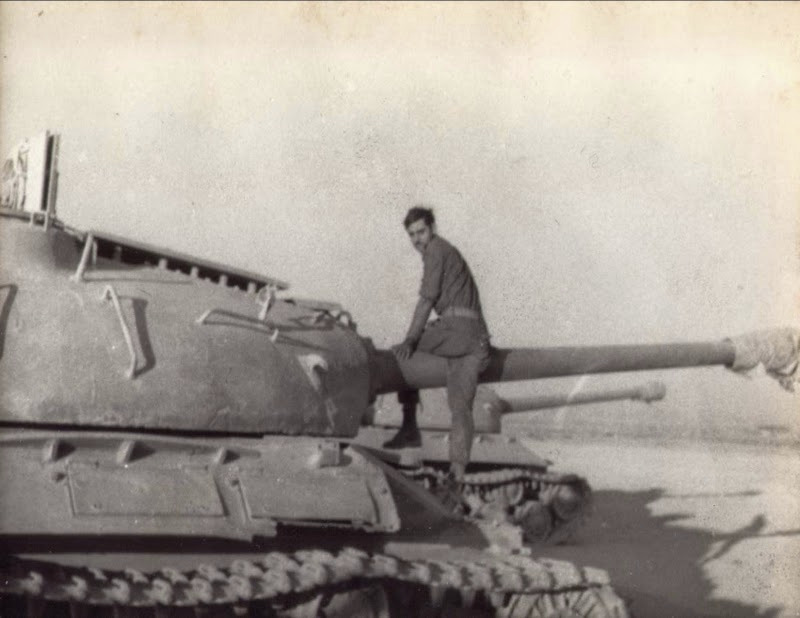
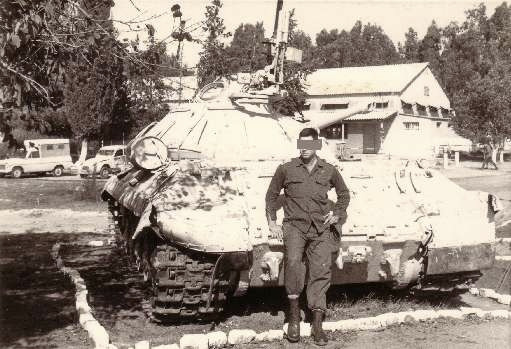
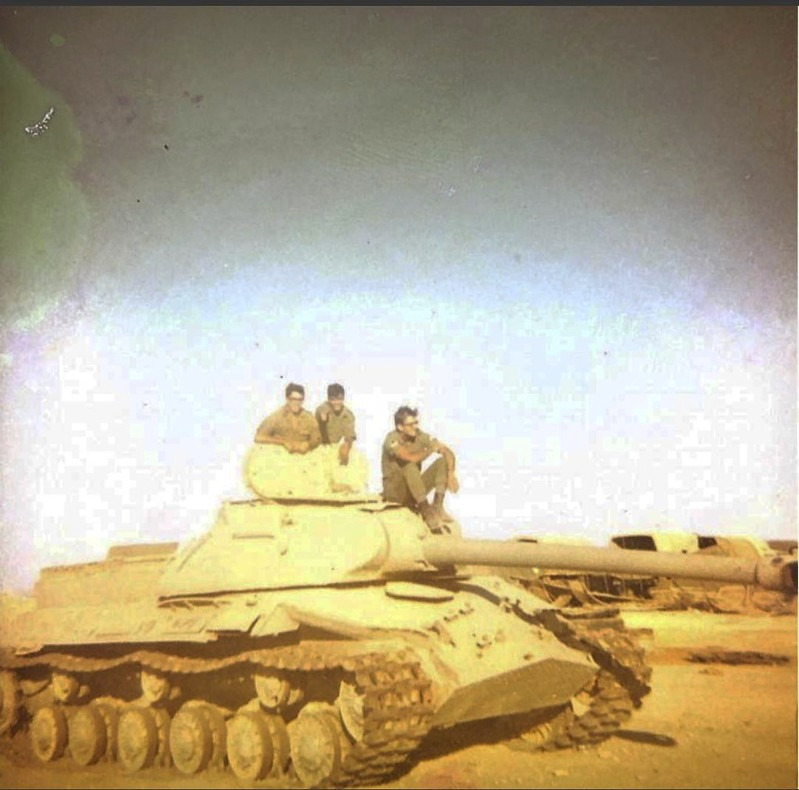
By the end of the war, it is estimated that Egypt lost 73 IS-3 tanks, which 33 were destroyed and 40 captured. Though, more trustable sources states only 19 were captured (probably only counting ones in operable conditions or put in service? same as the Tiran documents). It is unknown how many of the captured IS-3 were put into IDF service and which versions of the IS-3 were used by the IDF. Many third party sources states that the captured IS-3 tanks are from the M version, and others that captured IS-3 were modified by the IDF, putting the V-54 engines themselves.
Dr. Maor Levy, from the History Department of the IDF
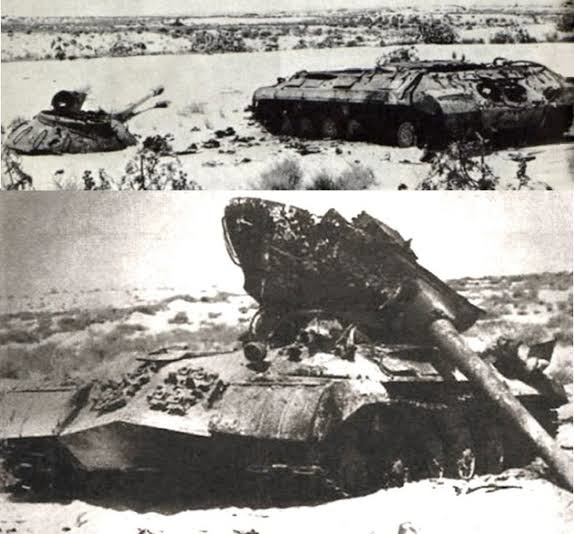
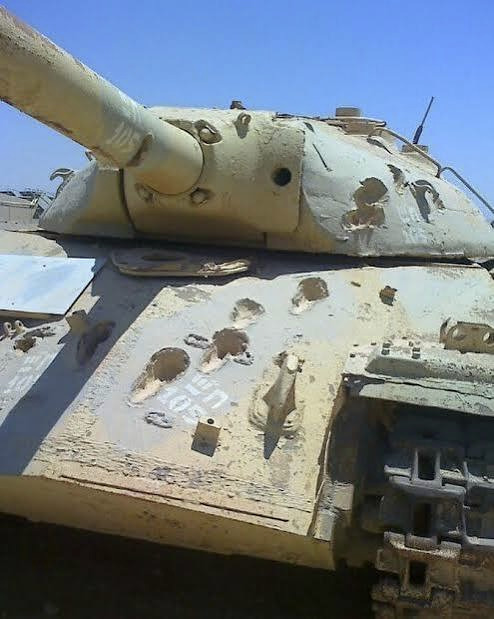
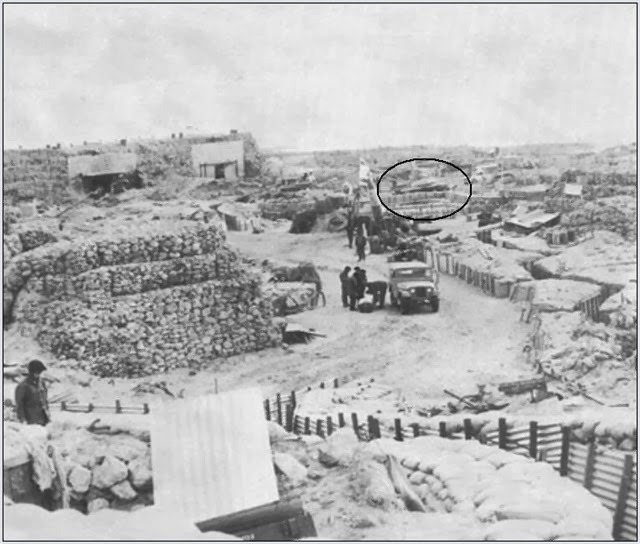
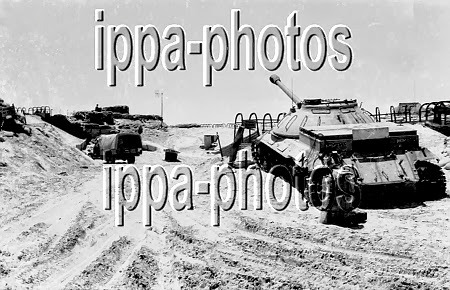
At the 1969-1970 War of Attrition, the Chief of Staff of the Israeli Army, General Haim Bar-Lev, buried 33 tanks, containing also captured IS-3 tanks, along the Suez Canal, creating a fortified defense line, named “Bar-Leva Line”. Two IS-3 were located in the Tempo (Okral) position, and other two at the “Budapest” position. As said before, the IS-3 tanks were burried, because they were used as bunkers, they also got the engine stripped and replaced with an external ammo compartment.
IDF designation
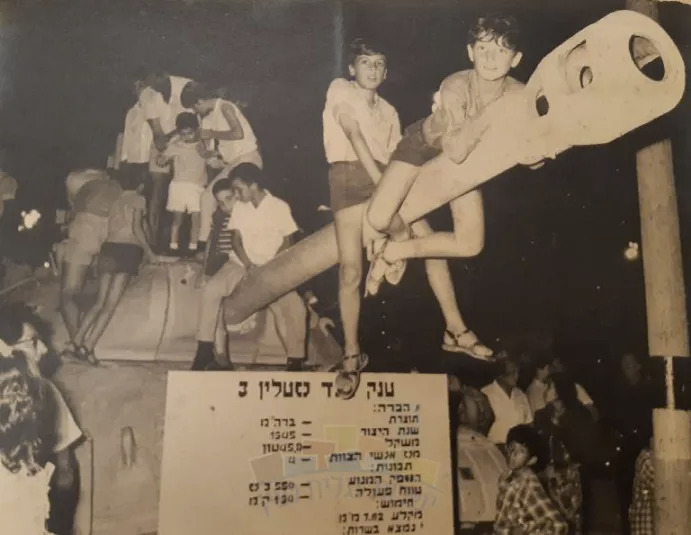
The IDF designation for the IS-3 in service its “Stalin-3”, sometimes in official documents even shorter name “Stalin”. But for the sake of distinguish between the IS-3 variants used, I will use the common/international designation.
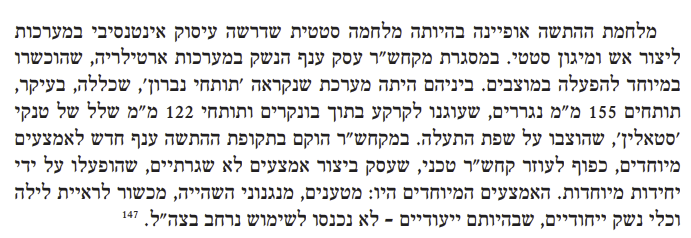
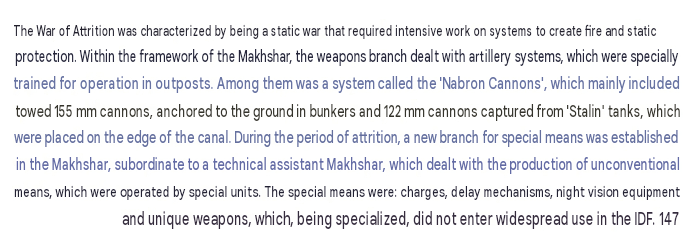
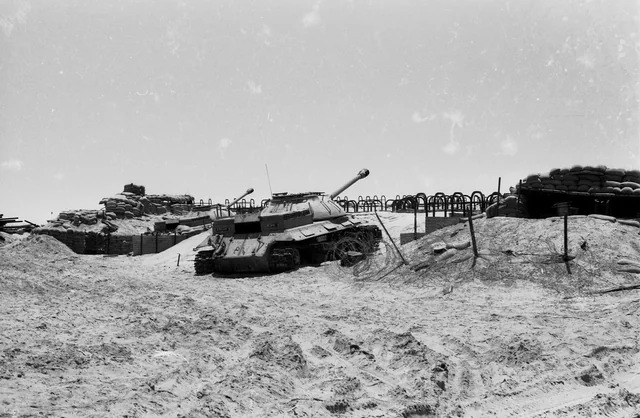
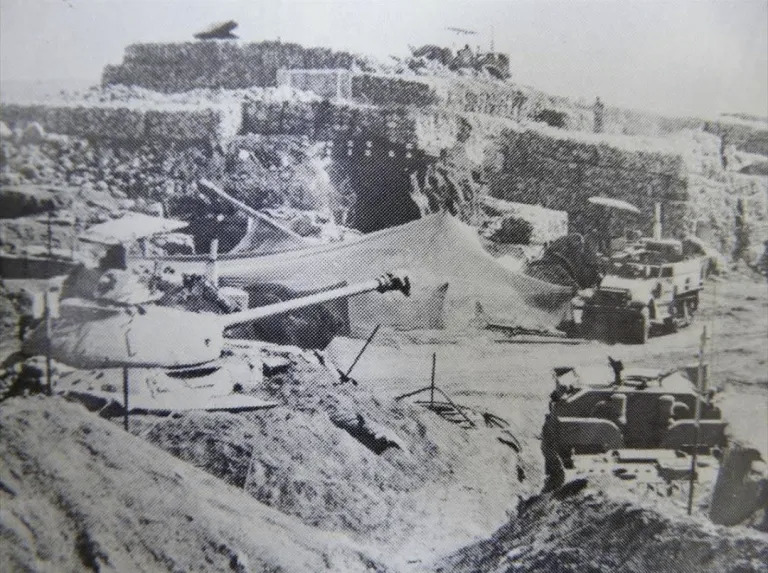
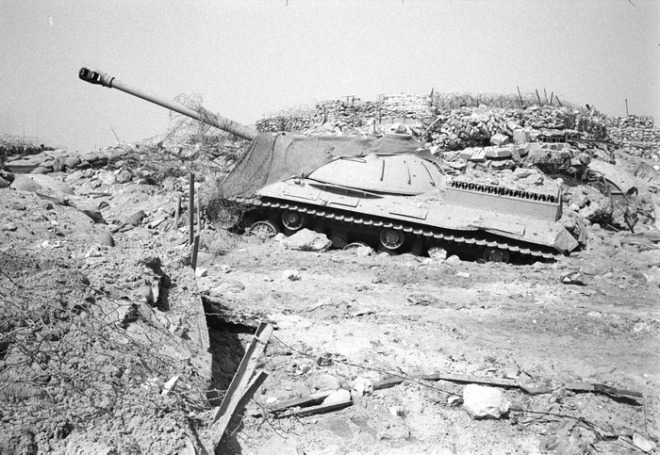
During the 1973 Yom Kippur War, on October 6th, the Bar-Leva Line was overwhelmed by egyptian assaults (Operation Badr), in only 48 hours, from the 16 active forts along the line, only Fort Budapest successfully resisted. The IS-3 tanks were re-captured by the egyptians, and in the early 1980s, all IS-3 and IS-3M tanks were put out of service, some were melted down while others sold to museums around the world.
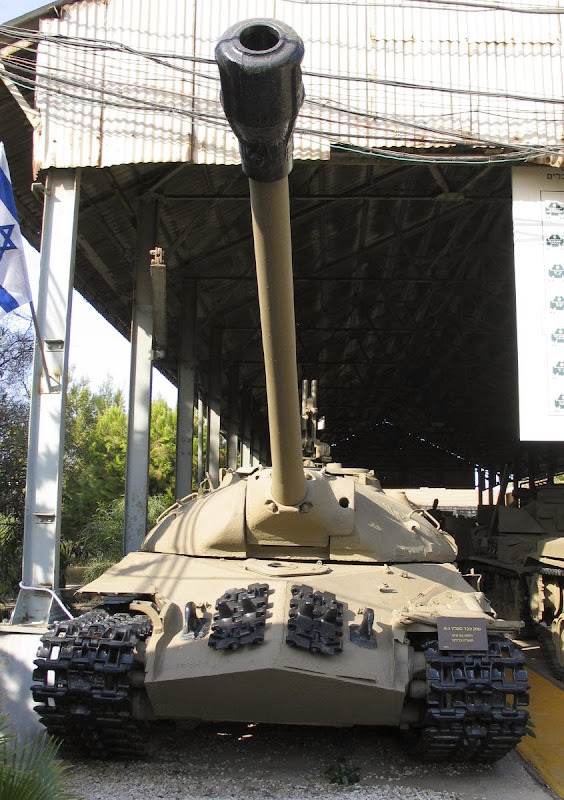
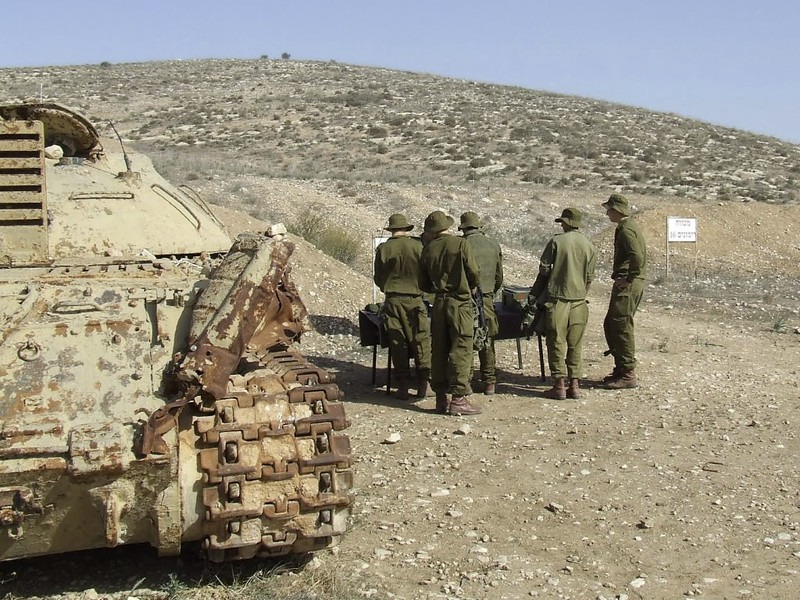
While the rest of israeli IS-3 tanks were also scrapped or used in firing ranges, there is only one israeli IS-3 (M) that survived, and its currently displayed at the Yad La-Shiryon museum, in Latrun.
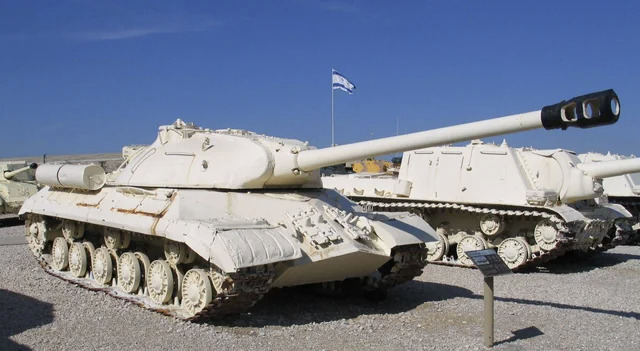
Specifications:
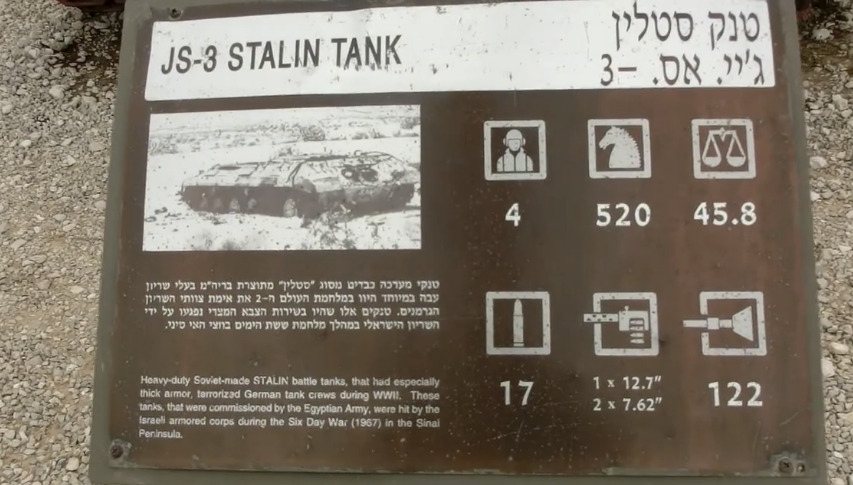
- Crew: 4
- Engine: V-54K-IS diesel
- Horsepower: 520 hp
- Max. speed: 40 km/h
- Weight: 45.8 tonnes
- Length: 6.9 m
- Width: 3.15 m
- Height: 2.45 m
- Ammo: 17 rounds (original soviet one 28 rounds)
- Main armament: 122 mm D-25T cannon
- Secondary armament: (two?) 7.62 mm DTM and one 12.7 mm DShKM (note: when they were used as bunkers, you can’t really see the machine guns, they were only shown at the israeli parade after the Six Day War)
Sources
https://www.youtube.com/watch?v=QJ9-NHWzmb0
Tank Archives: IS-3 in Combat
Tank Archives: Evolution and Revolution
Armor - Google Libros
Operation Badr (1973) - Wikipedia
IS-3M – The IS-3 of The Cold War
https://www.himush.co.il/himush.co.il/originals/nisim11/hil-hacimos//toldot-hil-hcimos1967-1985.pdf
ДОТом будешь 2. - Пещера злобного Буквоеда — LiveJournal
