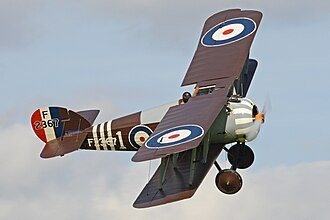
History
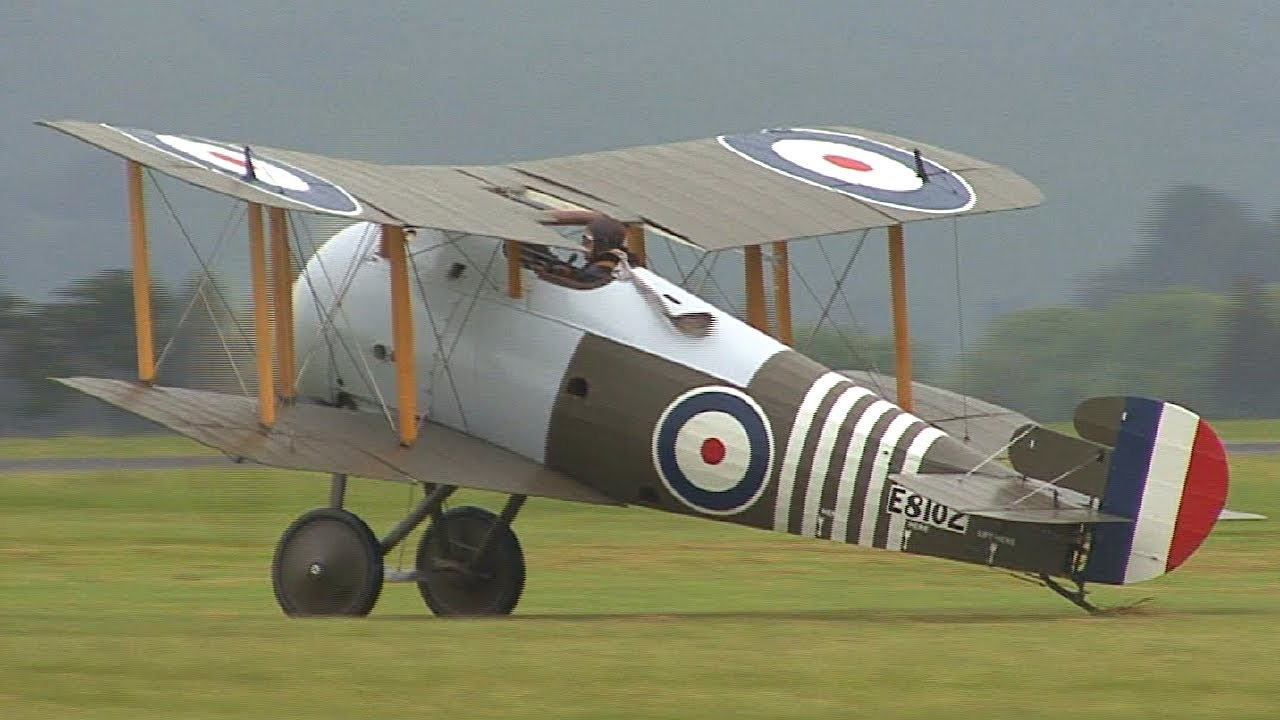
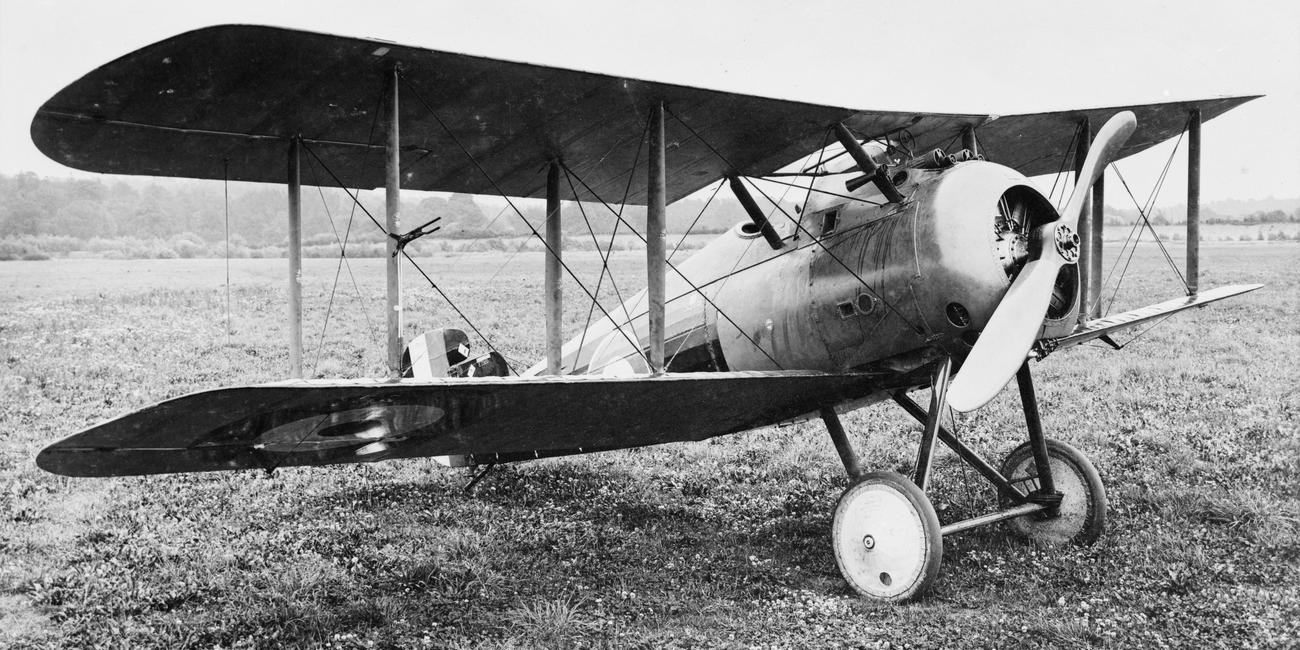
Design of the Snipe began in April of 1917 as a future replacement for the Sopwith Camel lead by Sopwith’s chief designer Herbert Smith. The initial design was of just a smaller Camel powered by the same engine, the pilot would be sat higher in the cockpit and have a section of the top wing cut out to improve visibility and swap it’s armament from a pair of Lewis Guns to Vickers machine guns.
The first prototype would be completed in October 1917 and be powered by the Bentley AR.1 engine. The second prototype would be completed in November of the same year but swap out the AR.1 engine with the more powerful Bentley BR.2. During trials of the second prototype it would be noticed enough to warrant an official contract for 6 prototypes to be built however only 3 would be built before production orders were issued. The third prototype would have a modified wing with a wider centre wing section but a smaller cut out for the pilot. The fuselage would have a circular section rather than be slab sided. The changes done to the third prototype allowed it to reach a speed of 195kph. Production orders for the Snipe would be placed in March of 1918 with orders for 1,700 to be produced.
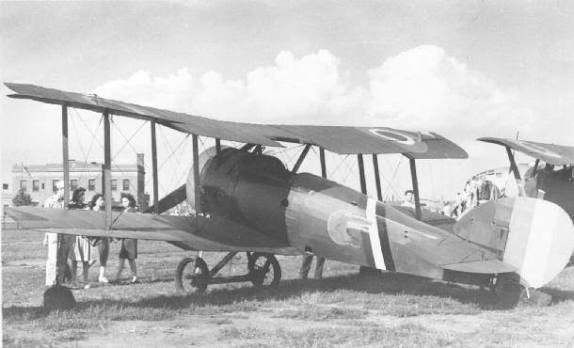
Production would begin soon after with the first few units reaching the Western Front around October 1918 just a few weeks before the end of the war. Due to the end of the war production would be cancelled in 1919 with around 500 units being built. These units would remain in service with the RAF in numerous roles. They would be part of the British Army of the Rhine but then return to Britain by September of 1919. They would replace the Sopwith Camel in four of the Home Defence Squadrons but by the end of 1919 this would be reduced to just a single squadron.
The Snipe however would see service elsewhere with the RAF such as during the Allied intervention of the Russian Civil War where one Snipe would be captured and used in Bolshevik service. The Snipe would also be used by the RAF over Turkey where they flew demonstrations over Constantinople to deter Turkish forces from attacking the British forces in Dardanelles during the Chanak Crisis in September 1922. The last of the Snipes wartime service would take place in Iraq where the No.1 RAF Squadron would fly ground attack missions against Kurdish forces in 1916. It would however remain with the RAF until a year later in 1927 as a trainer before being declared obsolete in 1928.
Specifications
Size
- Length: 19 ft 10 in (6.05 m)
- Upper wingspan: 31 ft 1 in (9.47 m)
- Lower wingspan: 30 ft 0 in (9.14 m)
- Height: 9 ft 6 in (2.90 m)
Weight
- Empty weight: 1,312 lb (595 kg)
- Gross weight: 2,020 lb (916 kg)
Powerplant
- 1 x Bentley BR.2 nine-cylinder rotary engine, 230hp
Performance
- Maximum speed: 121 mph (195 km/h, 105 kn) at 10,000 ft (3,000 m)
- Endurance: 3 hr
- Service ceiling: 19,500 ft (5,900 m)
- Time to altitude:
- 5 min 10 s to 6,500 ft (2,000 m)
- 18 min 50 s to 15,000 ft (4,600 m)
Armament
- 2 x 7.7mm Vickers machine guns
- 4 x 11kg Cooper bombs
- Yes
- No