Hey @Yamahagi do you know if any J-11BS’s have been equipped with AESA’s?
anybody know when we’re getting the much needed china update? any leaks?
is the j-11 cockpit supposed to be in russian
No. The J-11BS was produced in limited numbers and is primarily used as a trainer aircraft, so there is little need for modifications or upgrades.
So, question for the China peeps:
The J-10C is known to have a fixed plate AESA, mounted at an angle, KLJ-10 from what I can find online, as seen in the pics below:

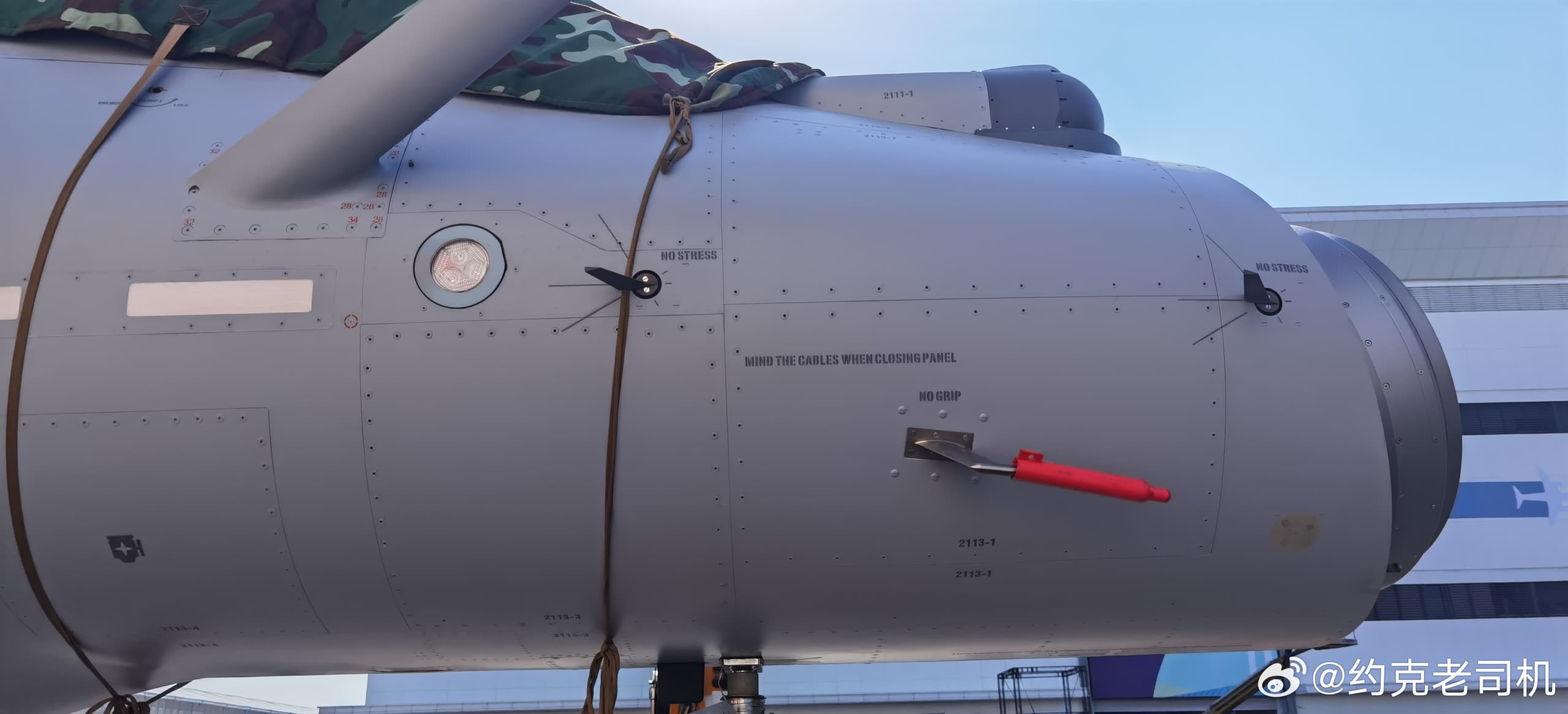
For which the radome is clearly seen to be angled

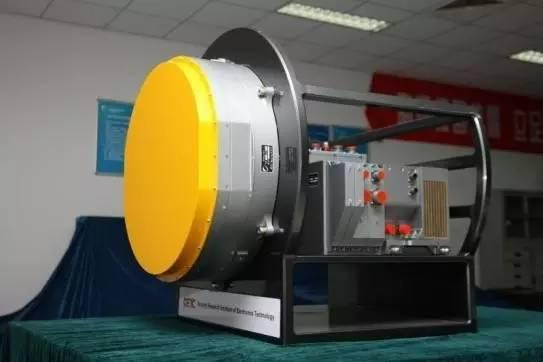
We’ve also seen the KLJ-7A, another Chinese AESA, in 4(?) configurations at expos (I’m not sure if these are all KLJ-7A’s, they are all referred to as such online, but the antenna shape appears different?):
Flat fixed plate:
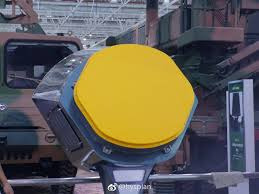
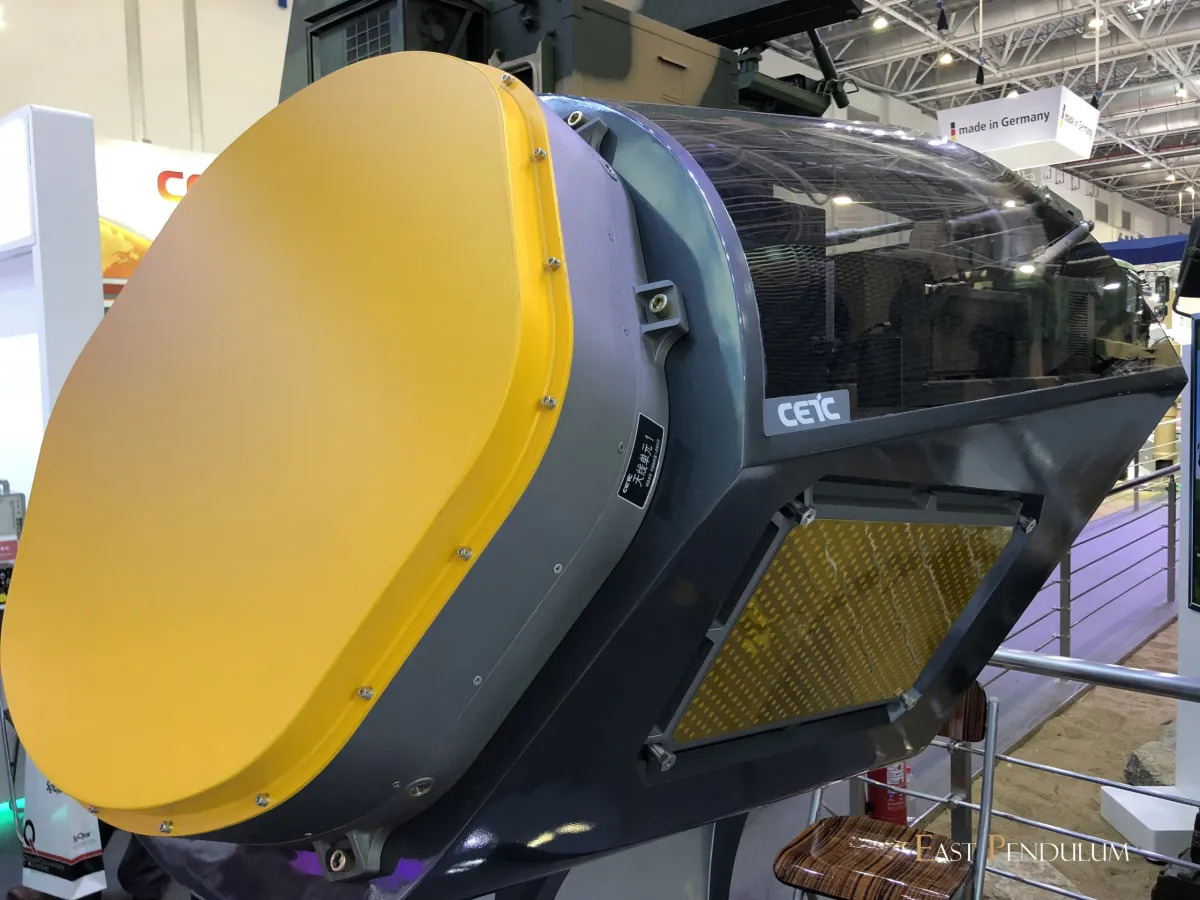
Swashplate repositioner
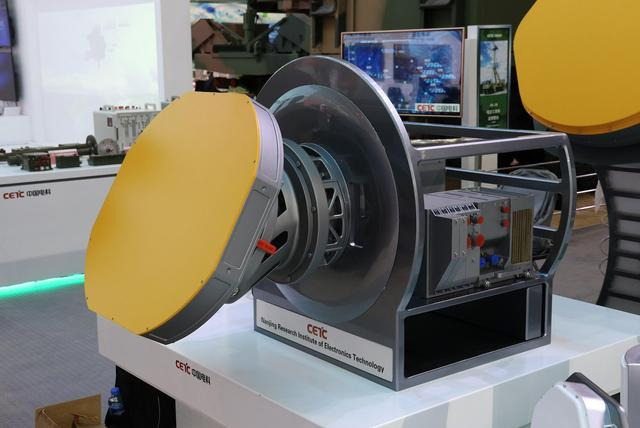
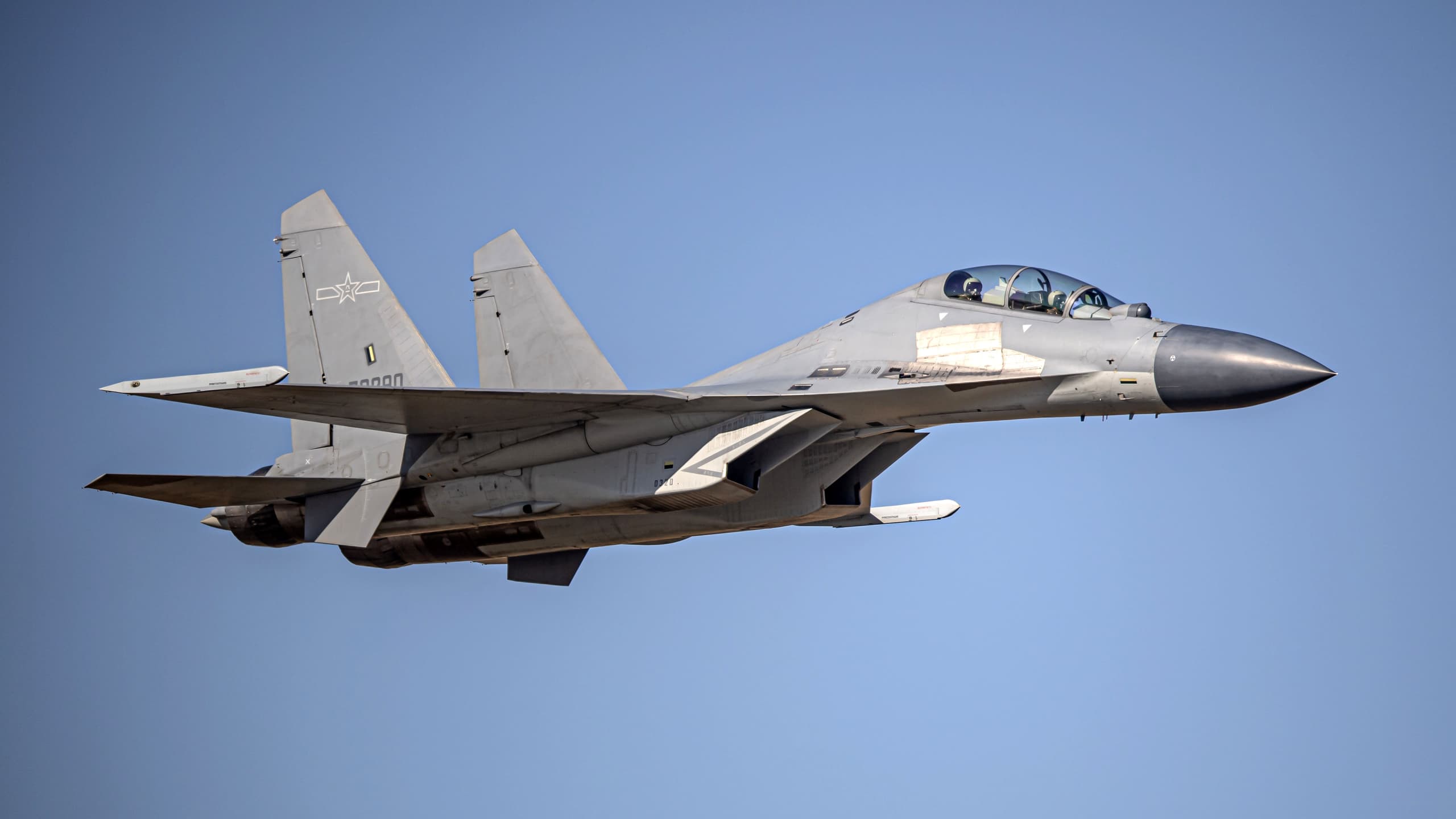
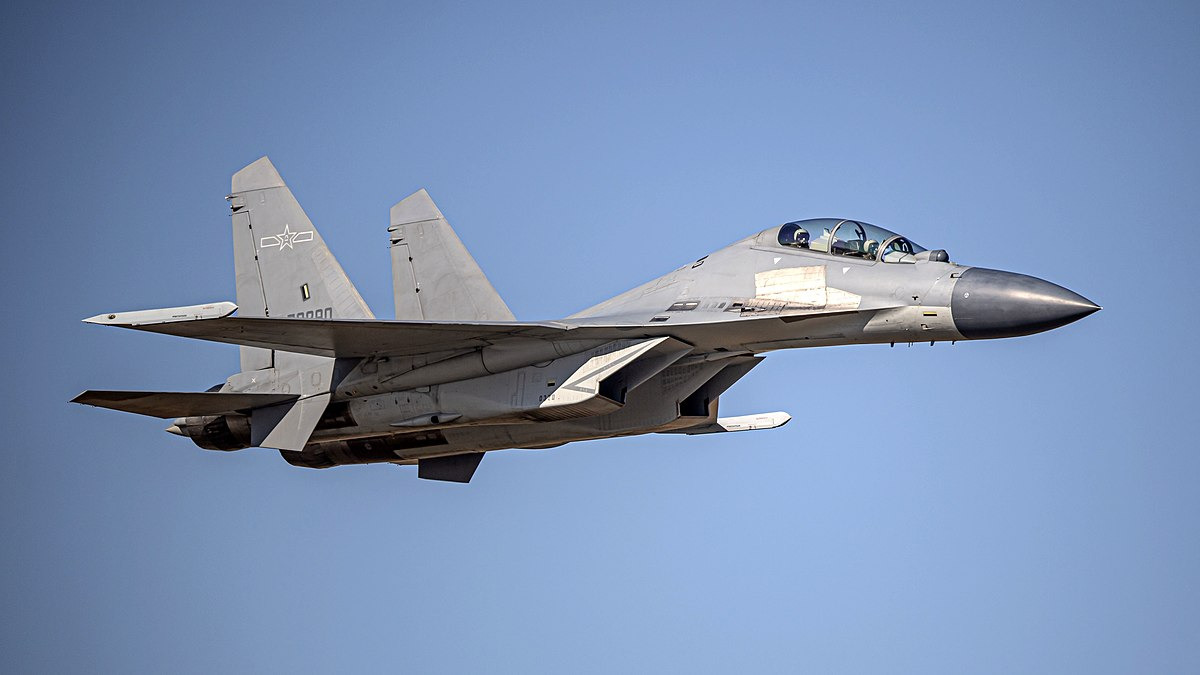
So my question is, considering the J-16 is shown to have a non-angled radome, do we have any idea what kind of layout it uses for its AESA? I see no obvious sign of SLAR on it, and the non-angled radome would suggest (though not guarantee) that the radar it carries is not an angled fixed plate AESA, nor a multi-array system, which makes me think its either a fixed flat plate, or a swashplate repositioner, but I cant find any further details on the matter…
1 Like
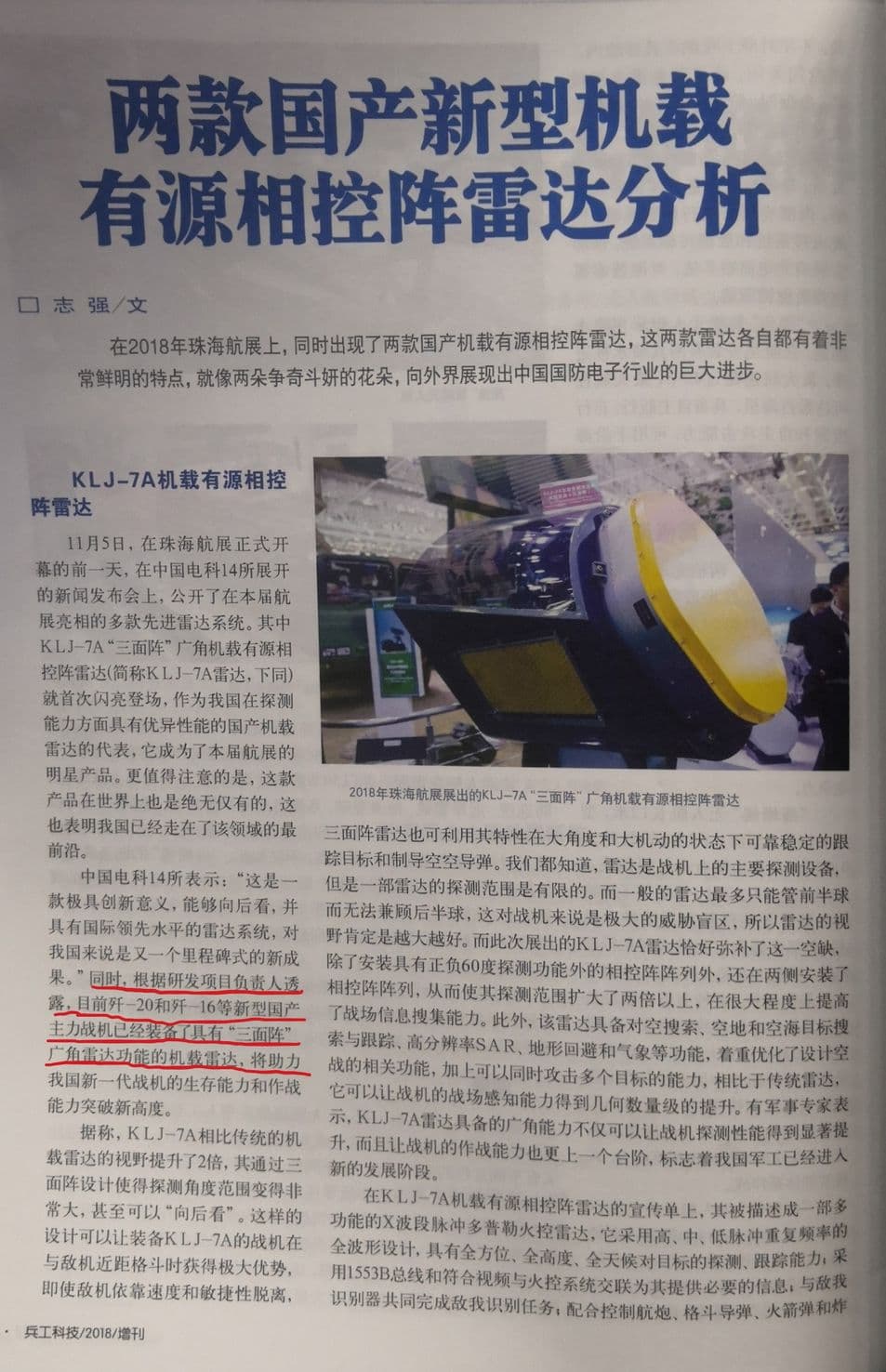
I’m not exactly adept at reading moonrunes, so gonna need a translation of what this actually says (or if its even a reliable source in the first place), cuz I see both “-16” and “-20” in there
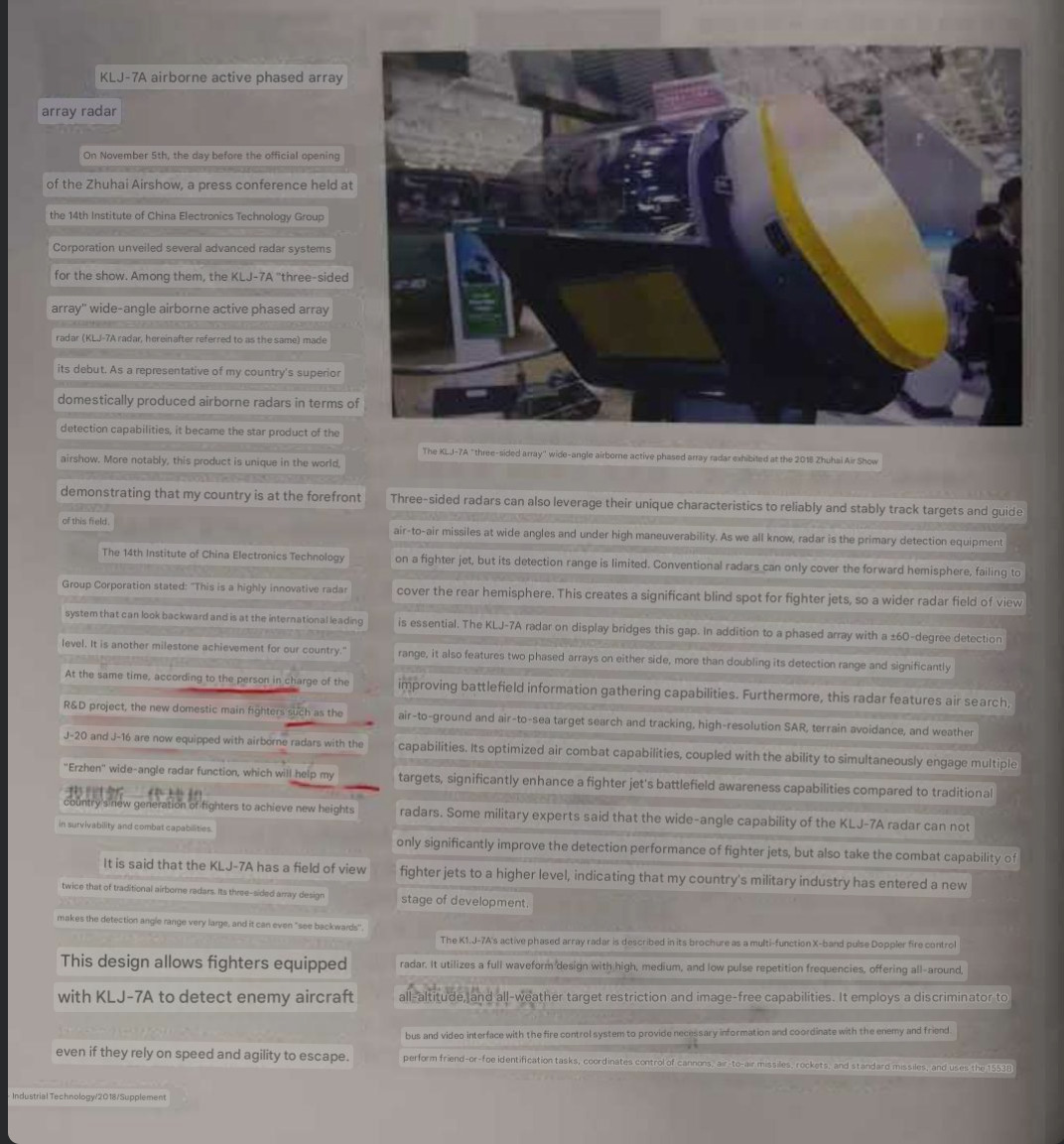
That doesn’t say that the J-20 and J-16 have the same radar, it says they have some kind of wide-angle radar function as well.
The J-20 very clearly also has an angled radome, though its not clear exactly where its SLAR might be (I assume the white slots behind the radome, or potentially the darker hexagons on the intakes, but they look different to the main radome, so maybe not???)
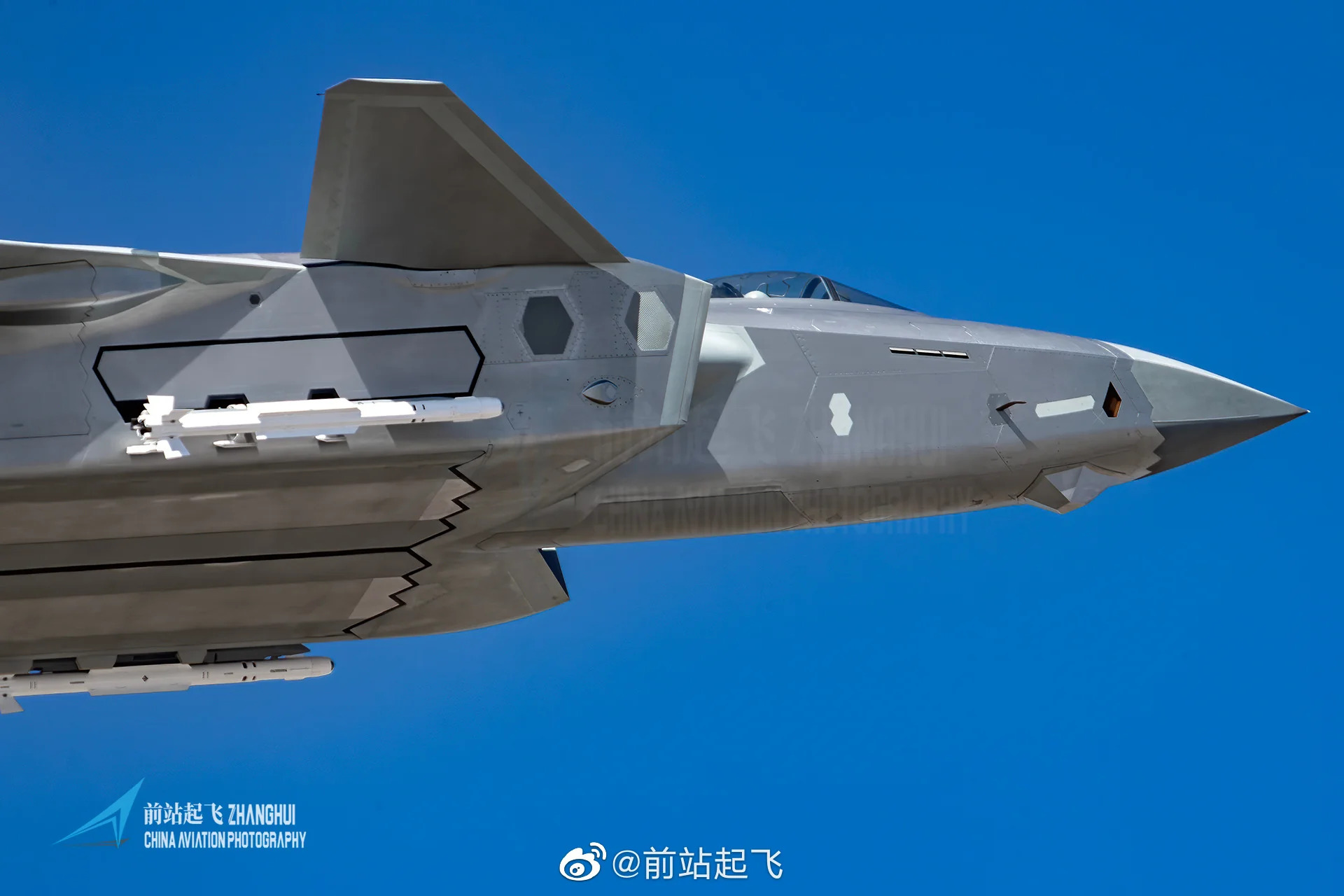
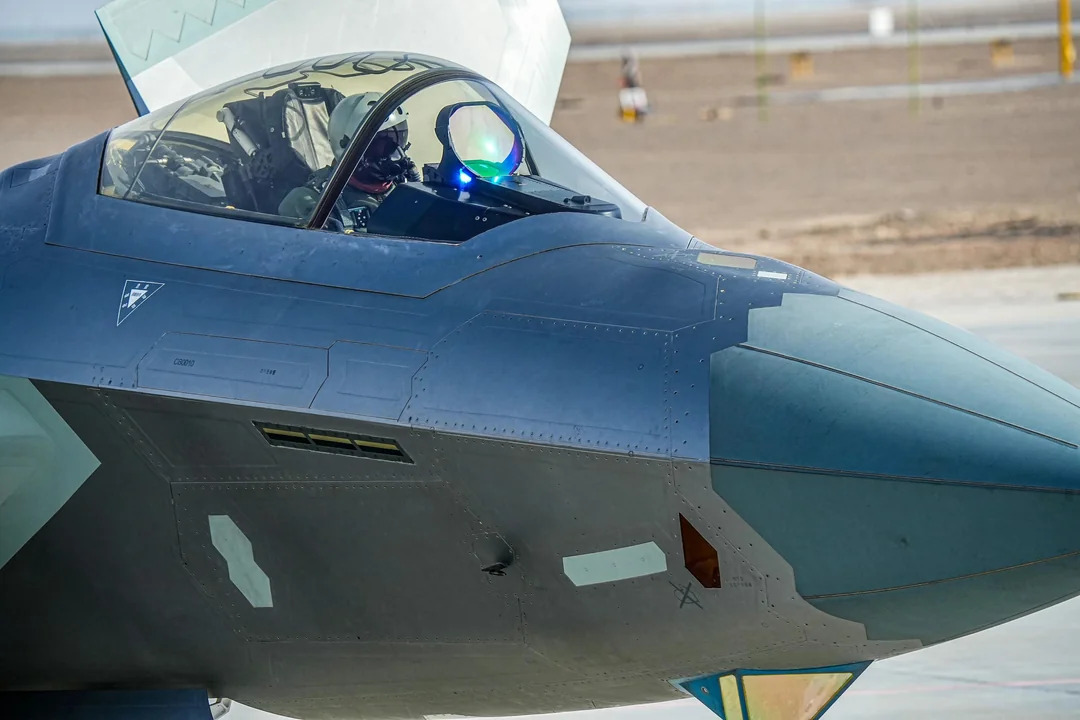
The J-16 on the other hand straight up doesnt have anything that I could point to as a potential additional radar array, so I’d assume it would have to be a repositioner
Maybe, but J-15T looks like it have fixed plate. And J-16 really maybe with repositioner
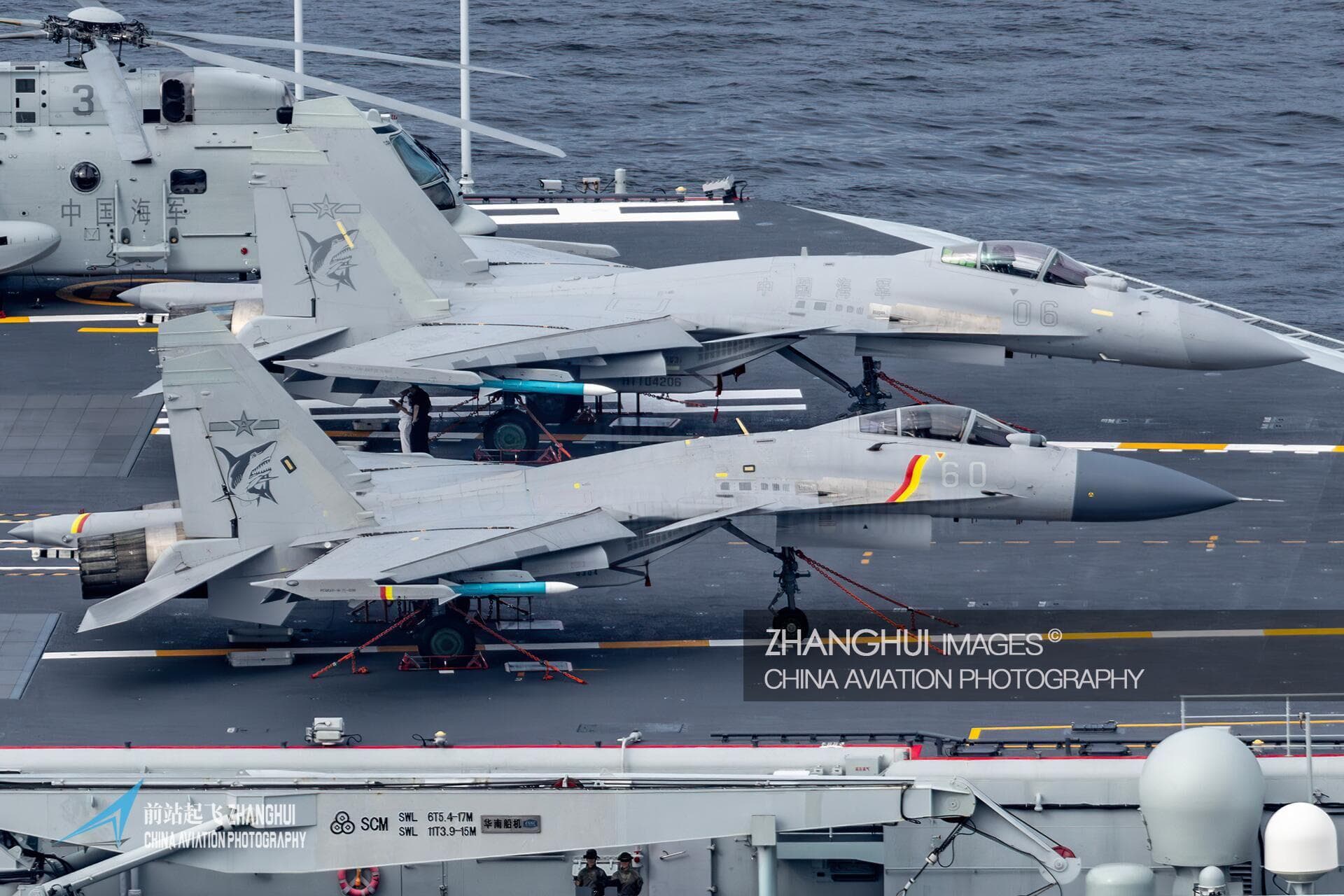
I think it is too small?..
1 Like
I think so too, but the KLJ-7A pic has the right antenna shape for what I’d expect the J-20’s main antenna to look like, so unless it has arrays tucked away somewhere in the wings or body, thatd be the only place near the nose where they might be?
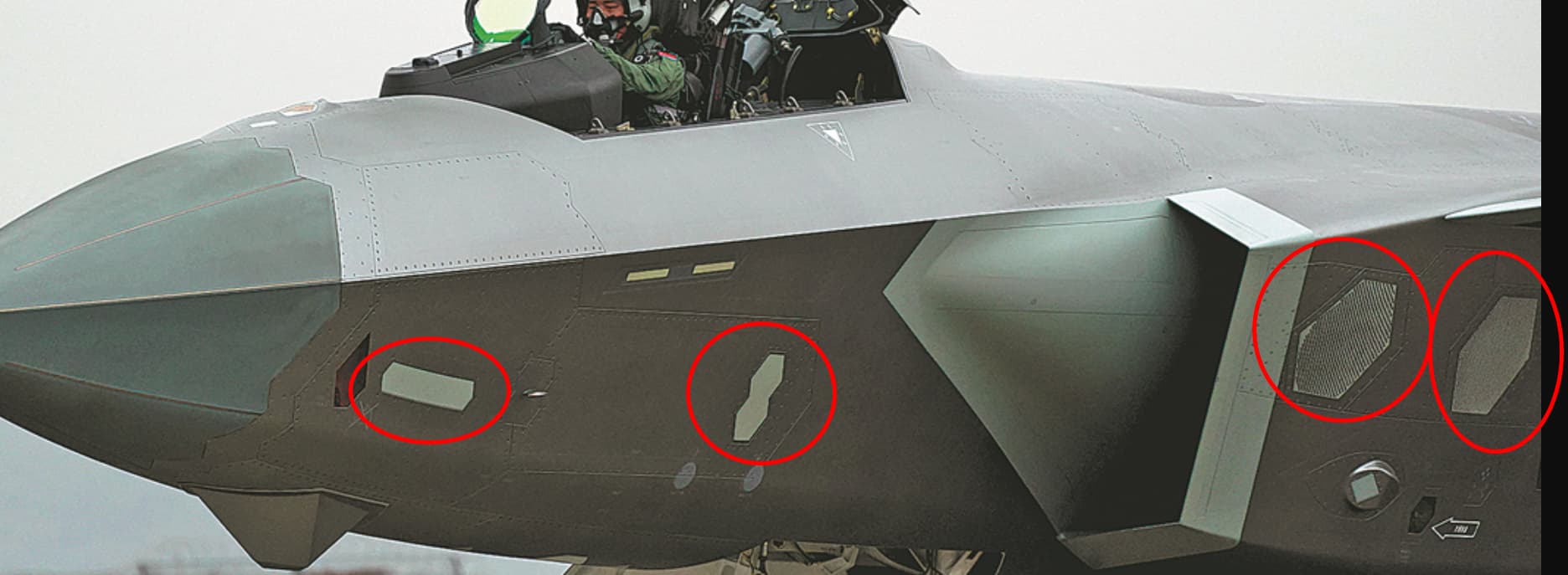
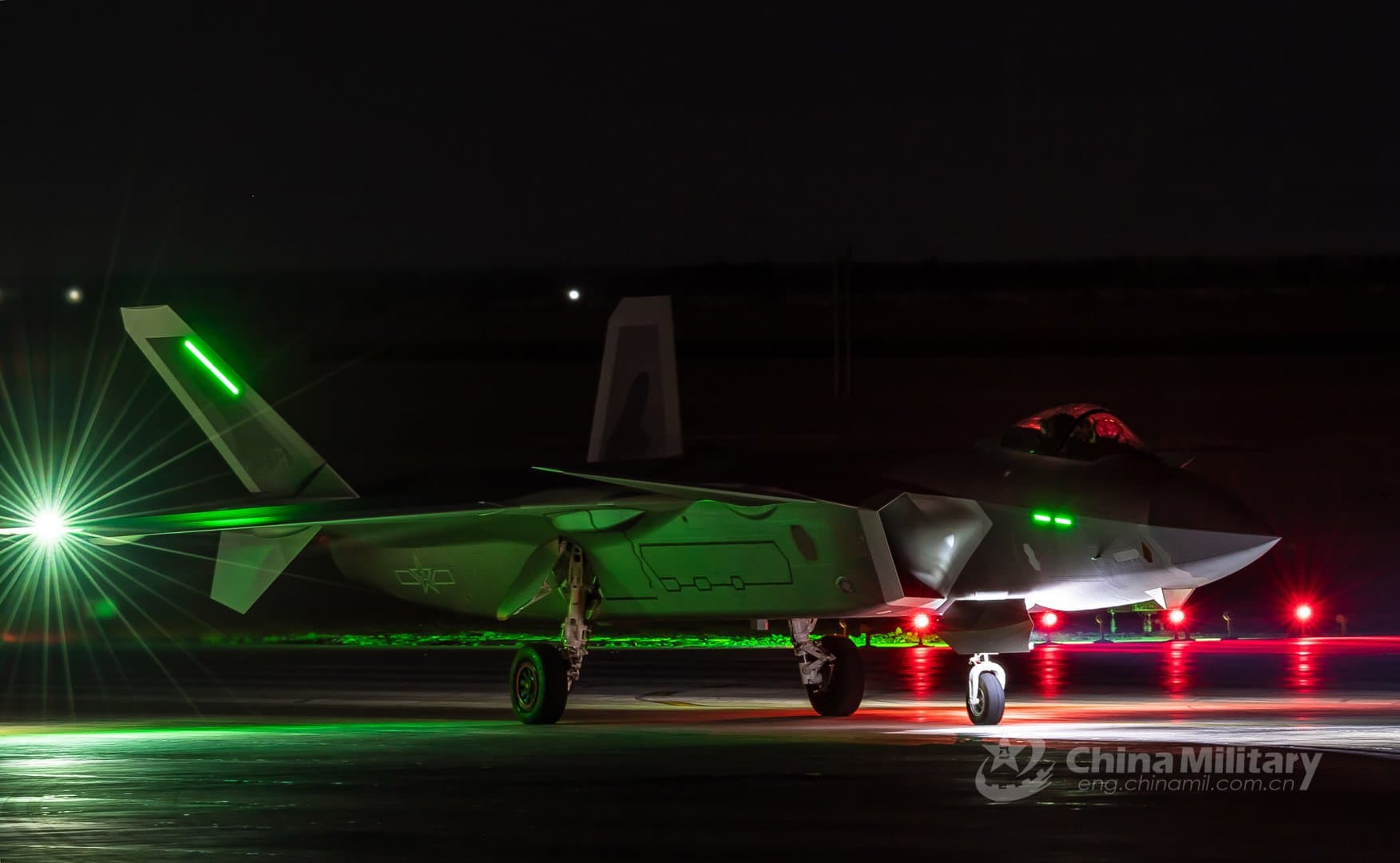
All AESA radars currently deployed on Chinese fighter jets feature fixed flat plate, as the PLAAF appears unwilling to sacrifice aperture size and detection range for broader scanning coverage.
i think it also has pretty big maintenance advantages. no moving parts and mechanical systems that can fail
Spoke to a chinese friend of mine about this and he says it read more like the person was just explaining what an AESA is rather than saying its a special kind of AESA.
I’m not sure a repositionner really has much or any impact on the allowable aperture size tbh. The internal volume of the radome remains the same. I think a stealth jet might “need” a fixed plate due to the sacrifices that must be made to the dark gods of stealth, leading to oddly shaped noses, but this shouldnt impact stuff like the J-16 at all.
Due to the nose cone taper, any additional mechanical structures or multi-faced arrays would occupy more space, forcing the radar array to be shifted forward, which reduces the radar aperture and consequently decreases the number of T/R modules, leading to a decline in overall power output.
This can be designed around though, either with a less tapered part of the radome, as seen on the J-16’s radome
or with a swashplate repositioner like seen on the ECRS and one of the KLJ-7A picks posted above, allowing the radar to always sit at an angle inside the radome, giving it more space despite the taper, or so I’d think.
I dont think ive ever actually seen anything authoritative explicitly state moving arrays are inherently smaller than fixed ones, its just something people on the WT forums seem to say here and there. As far as I can find, the only real concern about AESA’s with repositionners is that it reintroduces the mechanical failure points that ESA’s had originally eliminated.
Let’s take the nose cone space of the J-10C as a straightforward comparison.
As can be seen from the KLJ-7A configuration you mentioned earlier, in terms of aperture area, tilted fixed flat plate > vertical fixed flat plate > swashplate repositioner > multi-array. Additionally, the swashplate repositioner has another drawback—it requires the radar base to be vertically oriented, which is unfavorable for reducing frontal RCS.
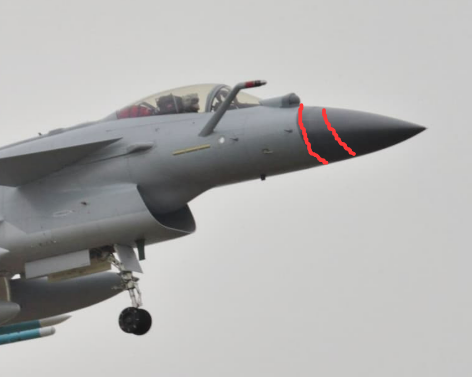
Except, like I already said, thats something that you would design the radome around. Of course a swashplate radar isnt going to be as space efficient in a tilted fixed plate radome, its not designed for it, and your example ends up proposing pushing forward a radar that is already pushed forward (since an angled fixed plate radar is also pushed forwards of where a flat plate array would sit)
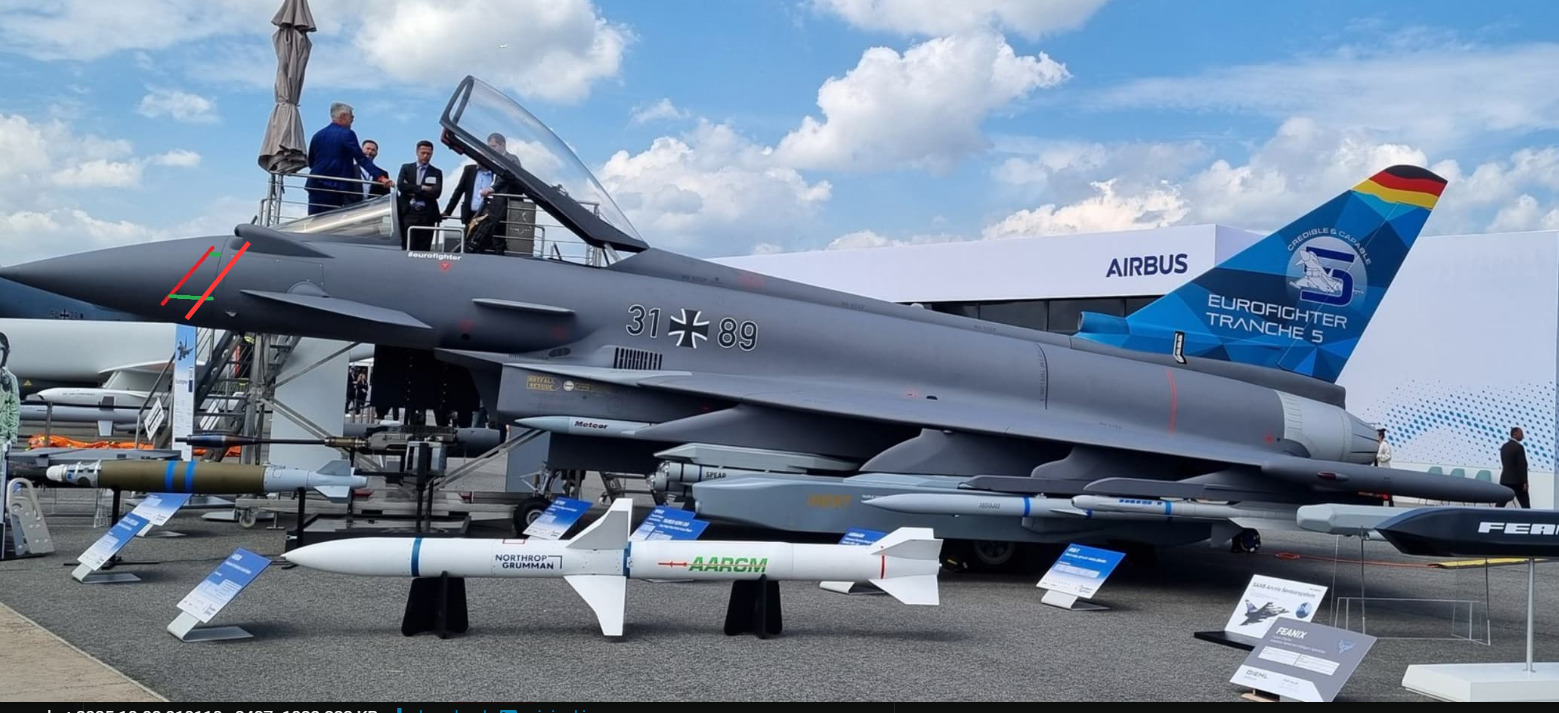
If you take a pic of the Eurofighter “Tranche 5” mockup for example, with a normal radome, it becomes a lot more obvious:

Where the red line is the antenna for the CAPTOR-E, and the 2 green lines demonstrate the edges of the repositionner, it makes quite literally no difference if what the angled plate is attached to is a fixed structure, or a swashplate repositionner space-wise.
Its also super obvious when you consider the fact that a swashplate repositioner is quite literally just an angled plate that also gets rotated about its center axis, making it effectively no different to a fixed angled plate in terms of required space.
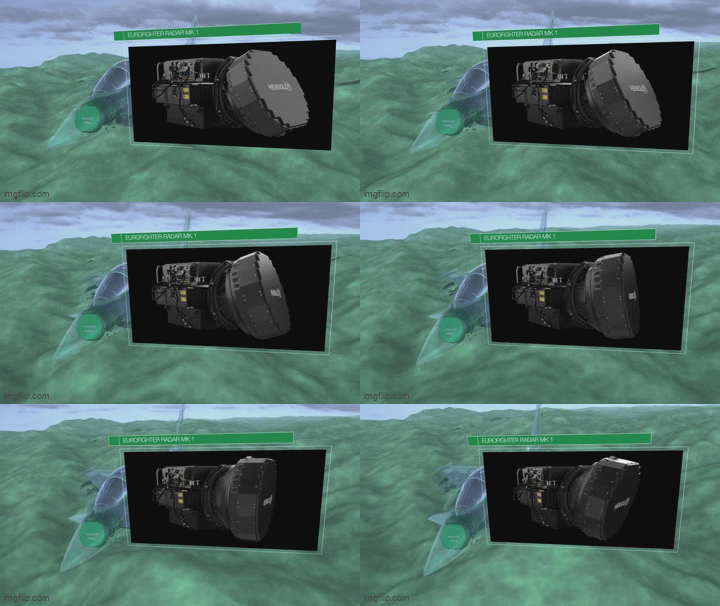
The J-10C’s radar aperture is only flush to the back of the radome because the radome was designed to accommodate it. Theres no need to have radome material behind the antenna if the antenna is fixed.
This is related to the nose space distribution of the EF2000, where the rear components of the radar are housed beneath the front windshield of the canopy, positioning the radar array base immediately behind the windshield. In fact, opting against a swashplate repositioner could allow for a slightly larger array.
However, to maximize radar space, the J-10C’s nose features an oval-shaped cross-section, which is inherently unsuitable for a swashplate repositioner mechanism.