According to the PLA Daily , on December 25, 2003, a J-10 baseline variant successfully completed a live air-to-air missile test exceeding 100 km using a PL-11. This was the final test before the missile entered service. Such a range would be impossible for a conventional Aspide or even an AIM-7M—whether in terms of kinematic range or seeker lock-on limit.

2 Likes
An awkward fact is that due to significant delays in the PL-11’s development, it essentially became a parallel project to the PL-12, and may have even adopted a rocket motor similar to that of the early SD-10. As for the PL-11A, I’m only aware that an ARH AAM project based on the PL-11 lost the bid to the PL-12 (in fact, the PL-11 team was told they had lost right after getting off the plane, without even being given a chance to present their proposal, lol) which might serve as the basis for the PL-11AE’s improvements.
After so many years, I prefer they are just 2 different missiles. especially PL-11AE is multi-platformed, it is both AAM and SAM, 2 version has some difference in fins.
This touches on a philosophical question: if we take a PL-11, change its motor, change its control surfaces, and change its seeker, is it still a PL-11?
1 Like
essentialy what a 9X is to a 9B
The PL-11 may have originated from the HQ-61C.It uses the HQ-61C’s airframe, while its seeker technology is derived from the Aspide.
hq61c

The HQ-61 itself was actually a reverse-engineering project based on the American Sparrow missile—though the Aspide is also a variant of the Sparrow. The HQ-61 adopted a structure similar to the Sparrow but used a Chinese-developed engine.
Due to technological limitations in China at the time, its diameter was enlarged to ensure adequate range.

hq61&pl11
hq61
hq61a
pl11
The HQ-61 was a ship-based surface-to-air missile, the HQ-61A was a road-mobile land-based version, and finally, the HQ-61C evolved into the PL-11.
Finally, there’s the PL-11AE. Apart from the name “PL-11,” I feel it has little in common with the original PL-11—completely different airframe, wings, and an infrared imaging seeker…
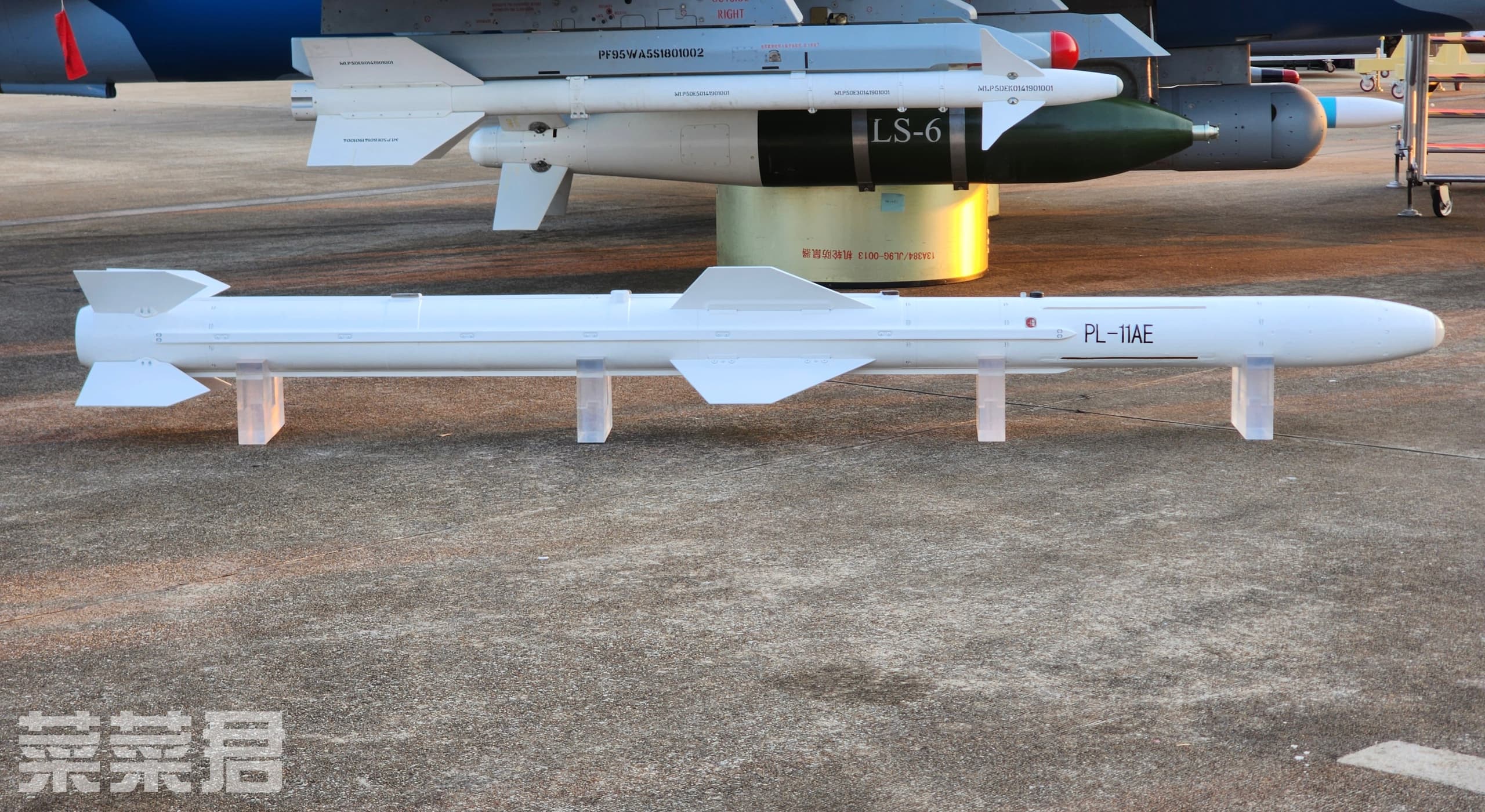
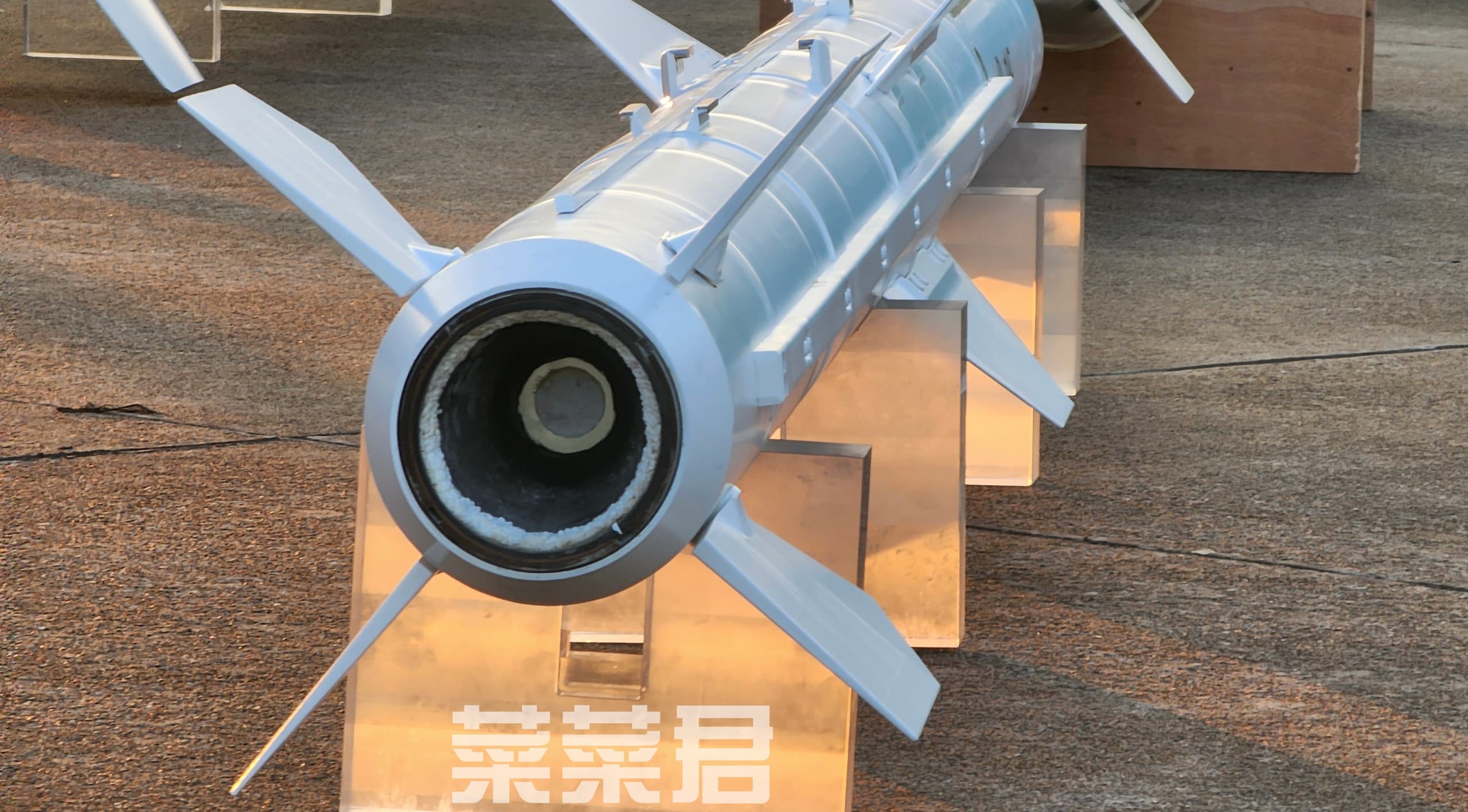
Regardless, the technological lineage of the PL-11 broadly traces back to the reverse-engineering of the Sparrow. However, due to the difference in the diameter of the HQ-61, the range of the PL-11 might surpass that of the Aspide. As mentioned in the PLA Daily report cited above, the J-10 used the PL-11 to hit a target at 100 km.>
2 Likes
does anyone know anything about the radar on the j11bg? its probably next on the chopping block for chinese air
j11bg,j11d,j16,j16d will copy by klj10a i guess.
6 Likes
cant wait for J-20 with 100km more detection range(not tracking) KLJ-10A
1 Like
The radar on the J-11BG comes from early‑batch J-16s. Those radars had excellent air‑to‑air performance but fell short of expectations in air‑to‑ground capability, so they were replaced during subsequent upgrades by better units from the 14th Research Institute. These removed radars were later installed on the J-11B.
2 Likes
So to say the least they should have a gimbal?
P sure the J-16’s radar is about as known as the J-15T’s
Carrier catapult still doesn’t work on the J-15T.
Has a bug report been made about it yet? Or does Gaijin know about this issue already?
In the simulator mode, the tactical map also appears bugged which affects not only the J-15T, but every other flanker airframe
4 Likes
Well we can assume that given that it ain’t fixed from randome, and there are some pics to support mech structure.
more like totally designed form nothing than changed, since section layout is also totally changed, left only 203mm diameter.
is it? I remember it’s a customized air cooling radar, for modifying old planes like J-11B, while J-16 is designed for liquid cooling radar with much better performance
In the early years, there was speculation about replacing it with an air‑cooled AESA, but considering that whether newly built or retrofitted from older airframes, the J-11BG has been fitted with the new WS-10B (2 or 3, depending on the batch), the necessary power supply and cooling systems for the radar have in fact been added as part of the upgrade.
Well that is theseus paradox, if it was based off the original missile.
the cooling system isn’t just part of the engine. also need space in front cabin, for a plane designed for mechanic radar, it’s hard to find space for the cooling devices and pipes, so it chose air cooling radar to reduce the modifications required, with disadvantage of limited max power and working time
The conversion isn’t as difficult as you might think. The Batch 08 J-11BGs were all newly built, giving them ample opportunity to redesign the nose space and then directly apply the results to retrofitting the earlier J-11Bs.Additionally, the J-16 did undergo a radar replacement in the early stages of its service life, and the number of units involved matches the current quantity of J-11BGs.
1 Like
so, if combined, I guess it should be like, early J-16 used air cooling radar for some reason, maybe like J-10B’s PESA’s condition, problem quickly solved so they removed the radar and put them on J-11BG