Still more pull than the PL-12Gs 🥀
4 Likes
1 month anniversary of PL-12 kill
10 Likes
@kizvy Assuming the PL-11A is a possibly real mod (aka HQ-61 but air to air) from the HQ-61 the PL-11AE might be based upon that
2 Likes
ngl the hq61 missile looks completely different to pl-11ae. Don’t see any resemblance
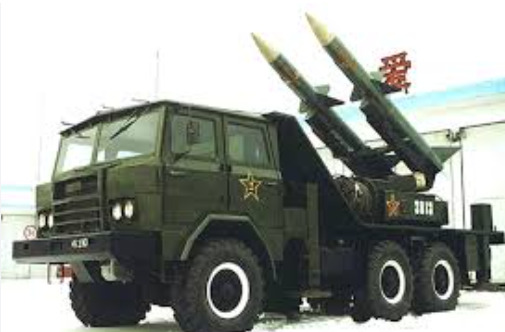
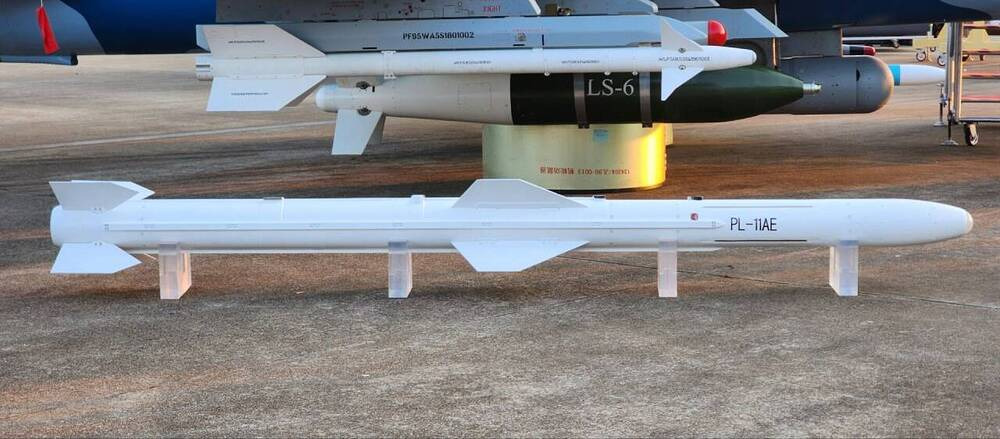
why do you think the 2 missiles r connected?
2 Likes
just cause but tbf its based of the PL-11 100% actually i just double checked, afaik i know the PL-11 is based of the HQ-61 (or the otherway around) in some regards so they do have history
1 Like
In fact, it is the HQ-61C, which already possesses the complete outward appearance of the PL-11. A view holds that the PL-11 originated from the HQ-61C, meaning it utilized the HQ-61C’s airframe and the seeker from the Aspide.
The PL-11AE is the modernized version of the PL-11, though the only thing they still share in common is the name “PL-11.”
2 Likes
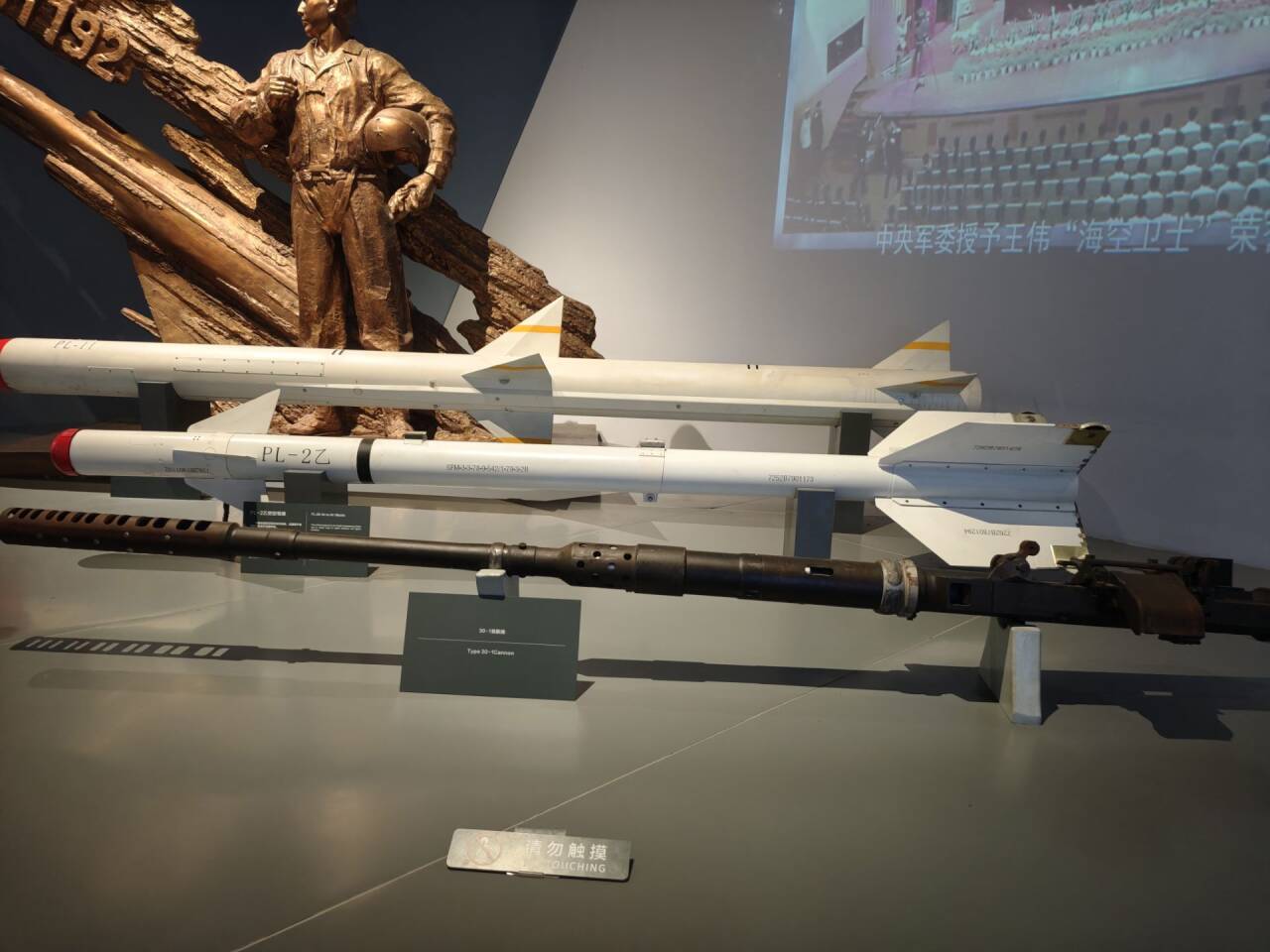
It should be an analog of AIM-9E
1 Like
I wish there were more pictures of the missile in use to make a suggestion for the J-6A and J-7II, the extra speed can be quite handy and the F-100A already carries 4 × AIM-9E so I don’t see why the PRC fighters can’t get PL-2B
1 Like
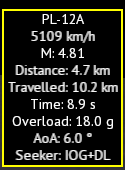
we need to nerf the PL-12A /s
1 Like
add to J-6A and J-7II ASAP
1 Like
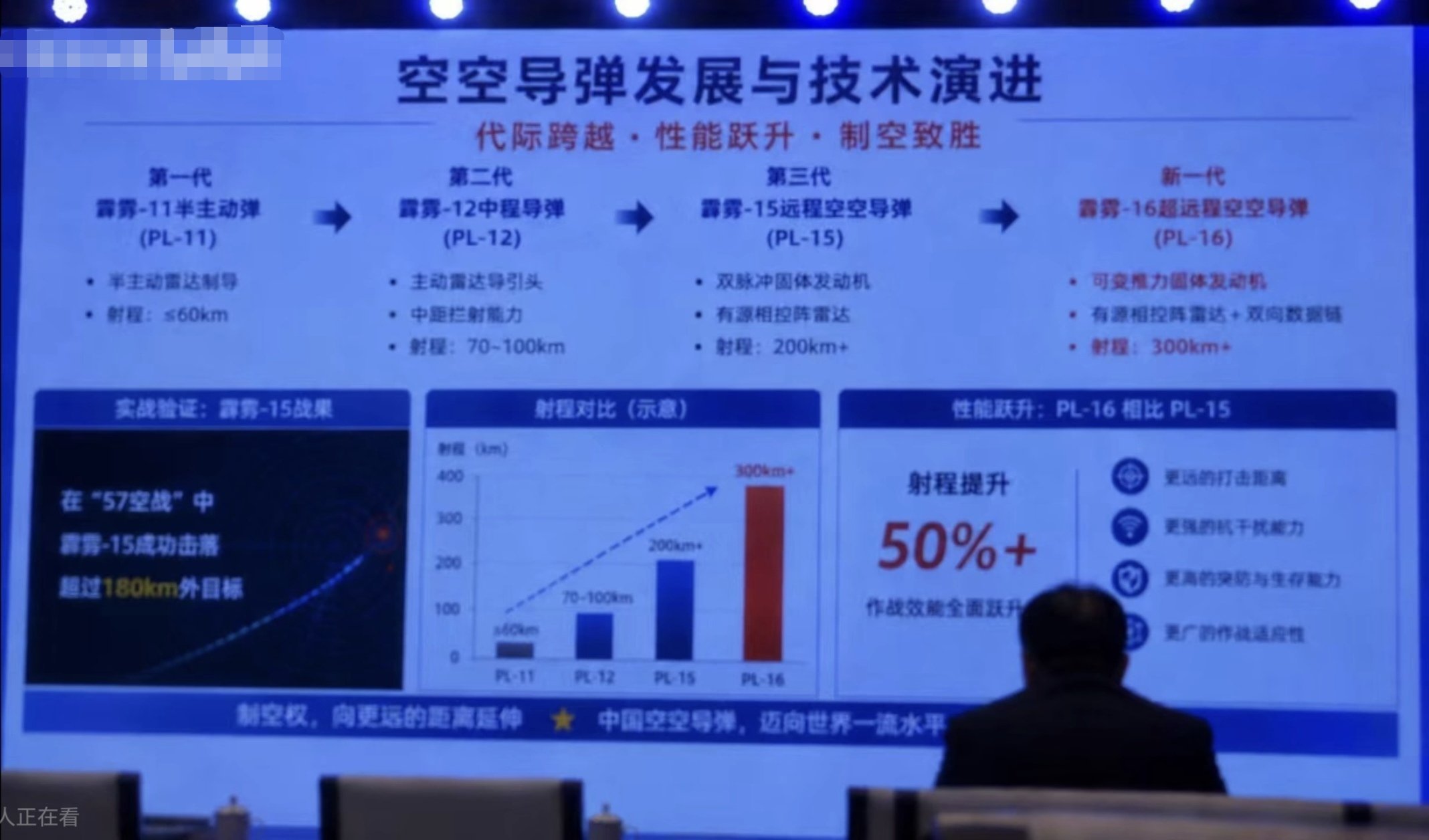
Regarding the PL-16: it uses a variable-thrust solid rocket motor, achieving a 50% range increase over the PL-15 and reaching 300+ km.
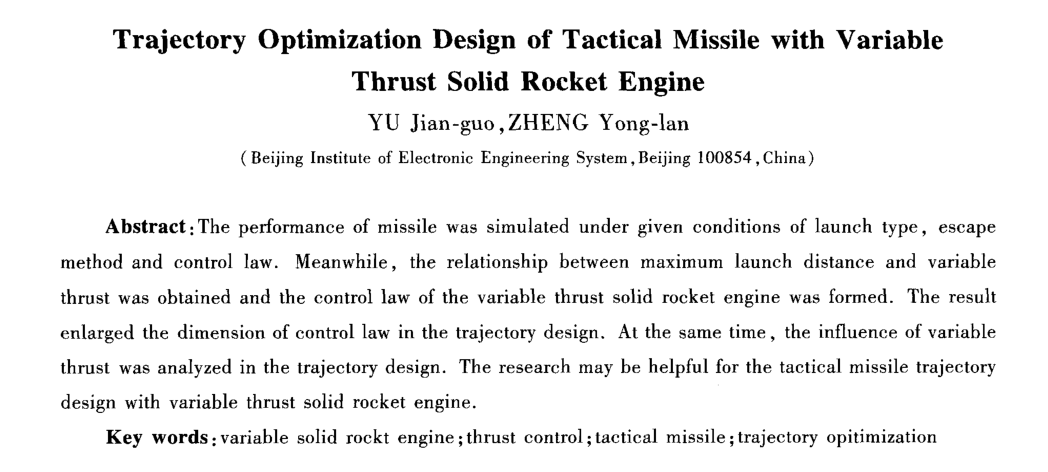
Regarding the variable-thrust solid rocket motor itself: by significantly reducing the sustain stage thrust and increasing the loft altitude, it can extend the NEZ of an air-to-air missile with a 203 mm diameter and a weight of 200 kg (of which the motor accounts for 140 kg) to 320 km.

9 Likes
Only a matter of time before air to air missiles start lofting into karman line to achieve ranges greater than 500km.
3 Likes
why use a variable thrust solid motor over dual pulse?
Dual pulse can avoid using remaining fuel altogether and will have reduced heat signature on final approach until the second pulse is ignited. It offers more variety whereas variable thrust is probably better for evasive maneuvers during midcourse?
There are probably a lot of pros and cons.
I believe variable thrust has the option to fly slower → less energy wasted to drag → more range with the same amount of fuel. Or you can do more fancy flight paths: Loft in high drag air at lower speed, then increase speed at altitude where drag is less effective.
Disadvantage is probably decreased fuel capacity due to throttling mechanism taking up space and weight in the missile.
But that is just my theory, might be completely wrong.
Dual-pulse motors reduce the missile’s maximum speed by extending the time interval between the two pulses, thereby achieving lower drag. A variable‑thrust solid rocket motor doesn’t need such complexity—it can directly reduce thrust to maintain a constant‑speed cruise for the missile at high altitudes, while in low‑altitude areas where air resistance is higher, large thrust is needed to ensure the missile gains sufficient speed.
It has already been achieved. (by measuring latitude and longitude, the horizontal projection of the missile’s actual flight distance is close to 600 km.)

1 Like

No. I just happened to come across this paper on variable‑thrust solid rocket motors, found it quite interesting, and happened to see this picture.