Isnt the pl15e supposed to not have dual pluse
1 Like
This guy pops up every time China gets a vehicle that seems even slightly strong, writing up a nerf issue report. The most classic example is when he got the MBT-2000’s reverse speed nerfed to -4 km/h, and he even photoshopped a document to “support” it.🤣🤣🤣
2 Likes
Probably the same as J16, 2 large screens and a bunch of smaller ones
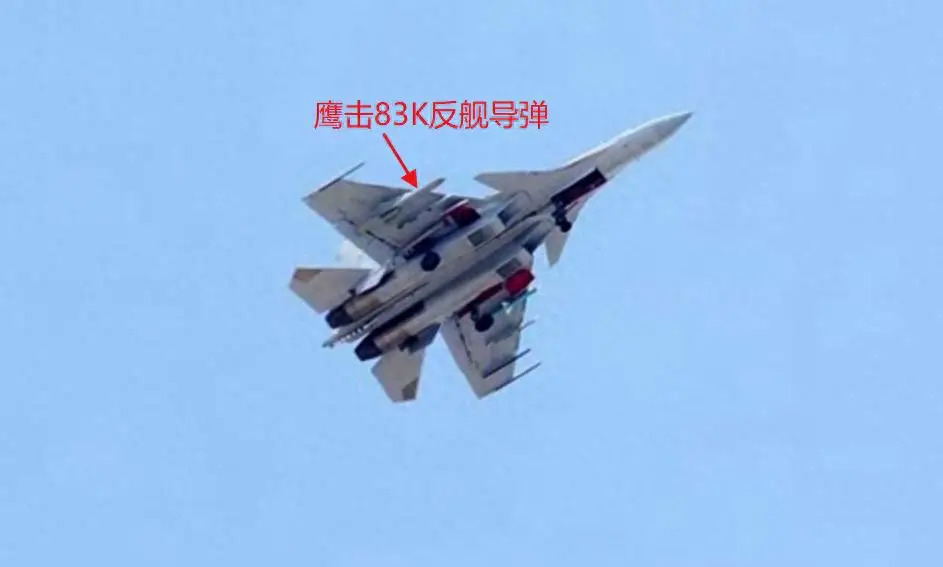
J-15 with YJ-83K on 3rd weapon station, it can carry 4x YJ-83Ks
2 Likes
Not gonna lie now I really want to know how much it weighs if it was somehow capable of supercruising with 4 missiles
Gaijin still hasn’t fixed the bug where the LS-6 model . Every time I see that triple pylon can only carry two LS-6-250 , I can’t help but laugh. XD
5 Likes
taking from a J-15 sea trial interview, J-15 was capable of 5t carrier take-off, can carry 5 anti ship missiles + 2 PL-8Bs max, 4 anti ship missiles can be carried on wings and one on the centerline, pylons outside folding point (three pylons) can carry up to a combined maximum of 920kg.
so 4x YJ-83Ks are definitely possible but it will almost be at its max weight, taking 4x YJ-83Ks means you cant take 4x PL-8Bs only 2 due to outer wing limit
link to full interview: J-15 carrier fighter thread | Page 10 | Sino Defence Forum - China Military Forum
Jeese, that guy needs to get a life. It’s like back in the day when Gaijin had to fire that Chinese ‘expert’ who was sabotaging the tree.
Edit: LOL, i found some of his other slop
https://community.gaijin.net/issues/p/warthunder/i/a5jfH3PPn08p
https://community.gaijin.net/issues/p/warthunder/i/nN4sH4BmU2hZ
Pathetic.
7 Likes
What’s here? I don’t have a registered account on this forum.

the full interview, its very long
original link domain has been bought off
The very long interview
(20131104开贴)歼15 9吨内油还可以挂5吨弹药。 对海 鹰击83K 5枚 两格斗弹 3.7吨左右。 对地 500公斤激光制导炸弹6枚或者憋版JDMA或者KD88A 两枚格斗弹 3.5吨 空战8枚PL12C加4枚PL10 3吨。这些是195米起飞点挂载能力。
1 . 2 号起飞点 7.5吨内油 6枚霹雳12C 4枚霹雳10 2吨多一点。。。。。
这是飞出来的数据。
至于9吨内油 5吨弹药挂载,只飞了两三次。。。具体什么挂载 先不说了
忘了补充一下。。。。这是在24节航速下得出的数据。 辽宁舰由于锅炉方面的成绩 在28节速度都可以很长时间保持,极速飙到过30节
飞五吨弹那两次 。那种弹药才是保密度比较高的,一种对地的 一种对舰的 。 陆地飞的真弹,舰上飞的假弹
飞9吨油5吨弹药那两次 起飞轨迹不是很理想。。 上头不太满意,说是舰机配合不到位。飞了两次就没飞了。
平了三百米
舰载预警机遇到大麻烦了。。。。。。。。。。。。
明年就会通过各种渠道公布了。。。。。也没什么可隐瞒的。(20131104)
我不知道001A的情况 。。。
伙伴加油很早前就飞过了。
(海盘)新平台有问题,有向后延后计划的打算。。要改的地方不少。机体设计挨批啦,得改,被骂拖了后腿。。
我们以6小时为一个计算周期。(回答辽宁长时间高航速)
网上那个算纯标本。据某个老头说我读书的时候就有了。(回答网上Y7改图)
平300米的时候 高度60米 而后转入正常飞行。我们规定滑越甲板出去时低于25米记入一次安全警告记录。
(海盘)18.6米 26米 6.2米 巡航速度要在500以上 巡航时间不能低于5小时 还得改。。。。。
当时气象条件 风速都比较好,他觉得战场环境恶劣一点的话这样就不行。(回答平三百米不让飞)
我会选择合适的时候发一些当时的照片。
额,没马甲穿。就是个闲逛的。上去收数据,然后需要调整的调整。(回答是否甲板上穿马甲的)
最近进展不错,也有点时间休息,所以发上来为那几个 大叔 老头 高兴一下。
我们要求飞行员着舰至少保留15%左右的油量。最多的时候带了两吨多一点的弹药着舰。
下一步要做完全侧风的起飞。这是我们最紧张的。
我不是舰上人员。。。。我们上去采数据的 也不是每次都我去。
(海盘)主要设计是以弹射为重点,但是也能以25吨的重量滑跃起飞。
现在为止我们的测试都是很保守的,留有很大的安全余度。以后会逐渐增加测试强度和难度。
进展不错 除了预警机 其他都很顺利 所以为那几个大叔老头高兴一下。平时对我挺关照的。出于开心,奉命的话就轮不到我啦。。。。。基本都是些对保密来说无关痛痒的东西。呵呵挺高兴的。。。。。
帮各研究组成员跑腿的角色,船上船下白天夜里都要跑。
当时确实气象条件不错,如果只靠24节的速度,可能起飞轨迹会下沉,至于还剩多少安全余度 还得进行测试,这方面还没有展开。下一步 侧风的起飞测试完了之后 也许会跟进。
其实这个公开图的起飞重量是31吨。。。。。。。。。
这个起飞重量是28.7吨
近点的9吨油带了两枚中距弹两枚格斗弹。后面的情况新闻没播,不是很轻松的飞行轨迹。24节
(空重)18700公斤。算滑油 飞行员 和两个常用挂架。翼尖是设计挂架
我们还没开始极限数据的测试。 这次是搞侧风的起降和夜间的多批次起降。
额。。。。。。没KH41那么大 。挂了三枚(回答飞五吨弹那次的新弹)
是两种比较新的弹
从别国得到的数据显示库兹涅佐夫号不能长时间保持24节的航速对苏33的起飞造成很大影响 。
这次跑其他地方去了 没上舰。我们采数的五个人得伺候好几个研究团队 跑腿工。
以后会飞极限挂载,至今飞过最高的就是接近33吨和前点28.7吨。。。。。。还没测试过下沉的极限起飞轨迹。实弹的挂载也还没测试,伙伴加油只挂过没装配完的主加油仓。侧风的起降也还没做。。。还有得弄了。慢慢来。
有几款比较重的新型弹药。反舰和对地的,一吨多和两吨级别的。他们希望是能尽可能的得到歼15各种条件下所能做到的数据。。。。
对面武器挂起来飞过的就KD88A YJ83K 还有两款新蛋。一吨多一个的。。 他那个图第二张的怕是要接近极限挂载了吧,还没飞过极限挂载呢。(回答高山CG)
滑跃是依靠战机自身动力和气动性能,只要飞机的动力够强,起飞的气动性能够好,推重比够高,理论上对飞机起飞重量并无限制。
弹射对比滑越的优势在于起飞更节省甲板空间使甲板能放更多飞机,起飞效率更高,对于不好的天气环境起飞适应性更好。很多人对于弹射和滑越的认识不全造成各种误解。
前点我们现在飞过最高的重量是28.7吨,起飞线长105米 起飞滑越距离是95米 这样短的距离在现在的发动机推力水平上就必然比不过使用距离差不多的弹射了。如果发动机推重比比现在高得多,前点的起飞重量也不是不能跟弹射相比甚至更大。说到底还是发动机推重比水平高低限制着滑越甲板的飞机起飞重量。
按我们从国外弄到的一些数据来看。米格29K在远点都能以接近22吨的重量起飞,油料弹药总载荷都可以达到9吨多。
歼15 设计指标舰上起飞的最大重量极限是34.5吨。 他这个38吨应该是理论值吧。。。。舰载机训练大纲里面也没说过。
单机极限测试还早呢。暂时没看见实验安排。下一步侧风起降 实弹挂载 。夜间起降实际上次就进行过初期测试了,后面还要继续。。。。能看见的实验进度表后期是三起飞点恶劣天气条件下 挂弹 密集起飞。。。
噢。舰载伙伴加油测试还没搞,上次弄了个没装配完全的主加油吊舱飞了几次。后面还要继续
实际上以前也考虑过米格29K 。因为给我们的数据是 母舰20多节航速下 远点可以载5吨多的油 外挂4吨多执行作战任务。后面综合各方面考虑包括本身对性能的需求 和 中间还掺杂着一些我们隐形舰载机发展计划(要求保密)的情况下马上就否决了。
现在看来当初的决定没错。。
是这样。甲板风对提高舰载机的载荷帮助很大,差不多的飞行轨迹。24节甲板风与没有甲板风之间的载荷可以相差几吨。
同意,我们现在还没飞过极限下沉轨迹。等准备充足之后会尝试。(回答:这实际上就是滑跃起飞的特点,不允许平飞段出现是约束了滑跃起飞的最大重量,或者说之是约束了滑跃起飞的效率,之所以不允许平飞段出现只不过是滑跃起飞在世界范围内仍是新事物,无经验下不敢放手去试而已。)
对,美国的航母弹射重挂载舰载机的时候一样需要母舰高速航行来配合起飞。搞核动力航母除了众所周知的好处之外追求持续的高航速来配合舰载机也是主要原因之一。
这个确有其事,普加乔夫进行极限轨迹测试的时候飞过31吨多 前点。以前通过乌克兰渠道弄到的测试数据里面有提到这个事情,轨迹下降到了20米安全线之下拉起来的。(回答普加乔夫在前点飞起过31.8吨)
有钻地弹,反舰弹,防区外武器等,一吨级别 两吨左右级别。。 型号比较新 没了。(回答新弹)
俄罗斯胆很大的,步子比我们迈得大。普加乔夫飞前点31吨多 这没胆没能力的不敢轻易尝试,安全线之下都快坠海了才拉起来的。
我们都是小碎步稳稳当当。
通过数百架次的测试,我国渤海一带的气候条件有的季节有时候会让战机推力减少4%左右,至今没发现更高的推力损失。这也是为什么平了300米上头都不满意的原因,安全余度留得很大。
不考虑自然风24节和18节的对比这个一系列的详细数据没经过计算不敢乱说。
陆地相对无风状态和舰上24节航速加自然风的测试对比相同起飞距离相同滑越角度的载荷是差了好几吨
库兹涅佐夫号有一段时间的航速还是不错的,后来某些原因造成以后的动力问题。俄罗斯还派了人来想获得一些帮助。现在还在洽谈中。
(辽宁)滑跃甲板的角度船厂给来的资料说是 14.3度。
你这个模型挂了5吨多。。。不过我们测试进气道下方的挂架只挂过中距弹。机翼折叠处外面那个挂架可以挂850公斤左右的武器。(20131116)
换KD88A 有卫星制导滑翔炸弹 有激光制导炸弹 有反辐射导弹 防区外对地导弹 又有格斗弹中距弹防身。。。。对地的多任务没问题啦。
没有。就是增快母舰航速,选择合适的风向航向和以后换装更大推力的发动机。。。现在挂三枚1.5吨的某型对地巡航弹也就平了300米,安全余度还很足。(回答有无针对超重载起飞的辅助措施比如火箭助飞)
最低配置24 标准30(回答辽宁会载多少J15)
机翼折叠处外的那个挂架可以挂920公斤左右的武器。 肌腹中线挂架可以串两枚500公斤炸弹或者一枚反舰弹
从现在知道的数据来看,两个前点起飞的歼15油料加弹药总载荷可以略超过米格29K195米起飞的最大载荷。。
特殊情况下留一定的安全余度下应该还能提高0.5-1吨的载荷,现在前点飞过最高重量是28.7吨。整个飞行轨迹无下沉但有转平的现象。
早就研究过各方优劣了,当初选择重型机也是考虑重型机底子好 弥补一下与弹射的差距。。要是用米格29K的话与F18E差距太大。。
粗略的计算同样的甲板面积 同样的舰载机 滑越方式甲板载机量只能达到弹射的70%
恶劣天气条件下弹射所能起飞的海况可以高一到两级,这次出去的辽宁舰训练了 四级海况的起飞。
同样的条件弹射的重载效率比滑越方式高得多,与尼米兹级相比辽宁舰重载起飞效率只有它的30%
所以上头还是要求走弹射的路。。。第二艘真正国产的航母(不算辽宁舰和某改进型)一直是计划上弹射器的。
850–920公斤,连挂架和不连挂架的区别,70公斤一个挂架一般的重载,超重的那种有一两百公斤的。(回答机翼折叠处挂架到底挂多重)
换新相控阵雷达? 新款的那个好像更重。。。我们不负责那个 。不好发表看法,只知道性能很不错。具体什么时候装不知道。(回答J15以后会否换相控阵雷达)
歼15主要是机翼折叠位造成外面那个挂架 强度损失。
重载起飞效能比不上尼米兹级,但比戴高乐号那种中型弹射航母是没问题的。。。
空战任务能达到尼米兹级的70%。这也不错的。
量产型跟歼16一个档次的雷达航电系统。(回答J15雷达)
在安全的情况下,前后点应该还能有0.5-1吨的载荷提升空间。 这在以后的训练测试中还要继续。。
当时歼16基本都搞定后,上头很高兴。就说了一句话。 我们的第一代舰载机也要达到这个水平,那是我们的远洋保障。
好吧,辽宁舰的弹药库 油库,动力舱,机库的某些部分 加装了一种新研制的材料和损管设备,有什么用呢??,似乎很有用。
米格29K挂重型武器最多挂两枚,其他重载挂点要挂副油箱 不然飞不远,选择歼15的时候就考虑过这一点。
歼15与苏33在外部设备上只有一些细节的变化,机翼折叠后也是一模一样长。7.4米
航母编队测试训练在舰载机所有测试实验任务完成之前就会展开。2014年年底之前。。。。(回答舰载机试验估计还要多长时间才完成)
根据实验进度表来看2015年基本能完成所有舰载机和母舰的测试任务。
详细点应该说是2015年基本能完成歼15单座,某型通用直升机,母舰的测试实验任务。。。
三亚太黑了,一顿饭吃了两千多,几个普通菜而已。。。(20131130)
同时起降,意思是1.2号起飞点战备值班飞机待飞 或者准备起飞的同时,回收带弹的降落飞机。军官说这很重要。。
这个不算新,以前也弄过 这次算正式操练。
然后。其他的 只能说很热闹。很刺激。我从没经历过这些。闪了。过段时间再来。(回答南海有没有新科目)
轮流操练,1.2号起飞点待飞准备的飞机 等带弹降落的飞机降落后飞出去一架,降落的飞机补上2号点的位置待飞准备,第二架降落的飞机降落后,1号点的飞机起飞,第二架降落的飞机补上1号点位置待飞准备。。
如此循环了几十个架次。。。当然机库的其他飞机也从升降机升上来轮流操练。
这次可待久了。没两个月怕是不不肯走了。看来过段时间我得坐运保障设备的飞机回去了。(20131201)
实际上,从斜角甲板中线冲出去,J15的翼尖也擦不到偏流板。大概有3米多的间隙。
三亚这地方消费有点高。。。。。。这次我居然有点晕船的迹象。一路跑得有点快。有点颠簸。
最后回下贴。这次搞高海况起降,夜间多批次起降(加强版)。编队防空训练。。。。。。高海况。会吐的。(20131201)
很长时间以来参加测试的不止这三架,只是没曝光。。。J15已经进入了小批量产阶段。这次不止3架 但也不多。。。
现在大概有20架左左右右。。。。
2号点与飞机降落回收同时运作已经有一定的架次了。保证回收作业的同时前点有一到两架值班飞机随时起飞作战。。。。
2015年要完成所有的舰机实验任务。。。。。2014-2015年航母这一块会有重大的事情发生。比如说某改型国产航母等。比如固定翼舰载预警机可能会曝光。16号舰也会到一个高峰期,会看见甲板上很多各种的飞机。有些是现在没上过新闻的。(20131202)
2015年完成舰机所有试验任务是工作安排。。其他的都是我猜的。。如今资讯这么发达我看也隐藏不了多久。。。
到现在为止甲板上还从来没同时运作超过5架战机。。。。还要点耐心。
2号点参与同时起降作业 已经是常态化训练,没有想象中那么危险。
俄罗斯的锅炉 但从锅炉内部 到外部设备全部被改过 可以说是面目全非。。。
嗯,侧风起飞和降落是必练科目。。。
2号点参与同时起降作业已经是常态训练之一了
必须有国产发动机。再等等,时间长了会慢慢曝光滴。。。(回答J15后续发动机)
准备前的时间暂时不来了。。准备准备要晕船喽。再见各位。。(20131203)
累惨了。瘦了五斤 吐了十几次。。。晕船药似乎没啥效果啊。也可能浪太大。通报说6级海况。。。。还开高速!受不了。测试机库和甲板的飞机固定。。。(20131223)
话说这次测试整舰 和护航舰艇的电子系统电磁兼容,某国的巡洋舰收到了风声 心急火燎的开过来。。。
第一次看见了11管的近防炮开火,右舷 两门 嗡嗡嗡的声音。。。。以前只听同事说过。他们见过了,这次轮到我大饱眼福了。。嘿嘿
短时间我是没什么反应,长时间 受不了。。。。不过虽然吐了幸好还能吃得下东西。舰上有做披萨的。加培根。。。饮料就不敢多喝了 喝一点点。
新设计的机体。。。(回答海盘为何不用Y12)
通用直升机。。。。。比直九大。
25节甲板风 160米长的平甲板 就可以放飞25吨的类似E2的窝浆飞机。。。我们就是朝E2这个标准在走,或许会超过E2的技术指标。
说看见 实际也就一个黑点。。。别人不说我还以为是个芝麻。。。在编队区域内左冲右突 摆明了捣乱。看见辽宁舰的位置后开直线过来想伴行。中途被一艘大船挡住了。(20131224)
舰上厨房还真有咸鸭蛋,。。,。。早餐 稀饭陪咸鸭蛋 或者豆浆配油条啊。。包子也有 白菜猪肉馅的。
谢谢。。。。。。有成果的话也不觉得怎么累。最郁闷的时候搞一个东西最后 白辛苦。比如等了整整一天因为各种原因也没弄到数据的时候。。
电子水平设计超E2C。。。当然还要看以后实际出来之后的测试数据。。。
不能说的 我不敢说。。。。前途不能开玩笑。三十岁的人了 。
比较有意思的一点我注意到了,。。 几乎每次都有随舰记者啊几乎。。。。保密测试的时候让他们呆舱室里面斗地主,有时候让他们出来拍拍照。呵呵呵。不准单独接触。
一分钟 接近一万发的射速哟。。。(回答11管)
有啊,测试舰机适配,高海况下的甲板 机库固定必须要真飞机,还有各种直升机。。(回答这次有无带J15)
那大船 和巡洋舰都只能看到一个黑点而已,不知道有多大。隔太远。
伴随我们的驱逐舰开了一段距离。 当时的驱逐舰大概在辽宁舰的20多公里远。然后朝辽宁舰开过来,半路被一艘大船拦住了。。
近防 ,电子系统 ,声呐。。(回答新闻说是综合测试作战系统,包括电磁兼容还有什么)
非常不错,动力充沛,起伏不大,综合作战系统都运作正常。。。(回答6级海况表现如何)
设计可以,实际还没挂过。。。。。。只挂过两吨的。(回答J15腹部前后两个挂点联合起来使用,可以挂单件4吨的重物)
高海况飞过了,次数不多,四级海况。。。
这次最高的时候有六级海况。。。。我就是这么吐的。
2015年会看到个大概。。(回答舰载预警机进度)
噢。。。。。。美国人恶人先告状啊,他们在编队内乱窜 阻挡正常航行 在提前警告的情况下还企图靠近辽宁舰,幸好半路把它拦了。。。
一种传感器,全面衡量船体的状况,了解其不同部位的变形力矩、剪切压力、甲板所受的抨击力。。。。
可测量船体的弯曲应力,而且可测量海浪对湿甲板的抨击力。
这东西不属于我的工作范畴。。。。。。。我那时候呆在机库检测 飞机固定受力。(回答甲板上一排白色物体是什么)
坐直九到另外一艘船搞定一些事情之后 从那艘船爬下来的。。。。(回答是否先爬到交通艇上然后摆渡上岸)
不敢威武,飞过去 顺带把我捎上的 。。。呃呃呃。老一辈真是值得钦佩,我也一直被关怀照顾。版主老大四十多了???我82年的 小你一轮啊,你也是前辈。
似乎科研行业的身体都不怎么样。熬夜熬的吧。还有经常接触一些有害物质。。橡胶什么的 长久下来都危害健康。颈椎病,慢性气管炎 鼻炎 这些。
2015年应该会透露出一些大概,上舰还早。。。。除非有大进展(回答海盘)
2015年辽宁舰基本就是青壮年了。。。能参与持械斗殴了。
通用直升机嘛。。。会发展舰载型,这个系列我没参与过,数据就不知道了。。
稳步推进中。这个回答有点那个啥。。。。。。我自己都觉得吐。(回答太行上舰)
至今为止 我就到过餐厅 住舱 机库 甲板 舰桥 。洗衣房这些。。 ,但确定没有变成机库的一部分 因为机库的前端也就稍微过了前一个升降机一点点。再往前就是弹药库了。。。(回答辽宁舰上原来放反舰导弹的地方现在变成啥了)
实际上每次飞行 都有搜救直升机待命 新闻里面没拍那个画面而已。。
滑跃航母,重点是舰体设计。。。(回答第一艘自制的航母,会不会装蒸汽弹射器)
我只知道北方的。。(回答第二艘自制航母)
2015年 舰载机方面可能有个惊喜。。。。。嘿嘿嘿
歼15的各种改型中的一种至关重要的。。。对战力提升非常有帮助的。
惭愧惭愧 辅助人员一个 打下手的,跟搞科研的比差一大截。中航工业集团直属部门。由集团分配工作。
能带,长剑10??? 没见带过。KD88A 还有一些激光制导炸弹 卫星制导的滑翔炸弹 这些对地武器都可以带。火箭发射巢什么的等等。。。(回答J15能否带对陆攻击弹药)
长。。。(回答你给的18.6米是长还是翼展?)
所以国产滑跃航母会扩展一点宽度。。(回答预警机只能从3号长跑道起飞,翼展太宽不好调度)
精确地就不说了 。。。大概的试验情况是 195米处起飞在一定条件配合下大概 推比0.72-0.75就可以比较稳妥的滑跃起飞。。。。。105米处同样条件就是大概 0.86-0.88.。。 增加10米甲板 这个能产生什么 我不知道。。。
前批次不是AESA。后面的会慢慢上。前面楼层也说过这个。进度合适的话2015年底到2016年有一款比较强的雷达系统会开始装配,前批次的也会慢慢换装。(回答中秋的航电和J16一样,那就是AESA雷达,数字电传)
8中四近不是接近三吨?带挂架2.7吨。。(回答确定是接近三吨?)
The very long interview (but translated)
(Post started on November 4, 2013) The J-15 has 9 tons of internal fuel and can carry 5 tons of ordnance. For anti-ship missions: 5 YJ-83K missiles and two short-range air-to-air missiles, approximately 3.7 tons. For ground attack: 6 500kg laser-guided bombs, or a modified version of the JDMA or KD-88A, and two short-range air-to-air missiles, 3.5 tons. For air combat: 8 PL-12C missiles and 4 PL-10 missiles, 3 tons. This is the payload capacity at a takeoff point of 195 meters.
At takeoff points 1 and 2: 7.5 tons of internal fuel, 6 PL-12C missiles, and 4 PL-10 missiles, a little over 2 tons…
These are flight-ready data.
As for the 9 tons of internal fuel and 5 tons of ordnance payload, it was only flown two or three times… I won’t go into the specific payload details now.
I forgot to add… This data was obtained at a speed of 24 knots. The Liaoning aircraft carrier, thanks to its boiler system, can maintain a speed of 28 knots for a long time, and has even reached a top speed of 30 knots. It flew two missions carrying 5-ton missiles. These missiles were highly classified, one for land attack and one for ship attack. The land-based missiles were live, the ship-based missiles were dummy missiles. The two missions carrying 9 tons of fuel and 5 tons of ammunition had less than ideal takeoff trajectories. The higher-ups were not satisfied, saying the ship-aircraft coordination was inadequate. They only flew twice and then stopped.
The aircraft leveled out at 300 meters.
The carrier-based early warning aircraft is facing major problems…
It will be announced through various channels next year… There’s nothing to hide. (20131104) I don’t know the situation with the 001A…
Buddy refueling was flown a long time ago.
(Haipan) The new platform has problems, and there are plans to postpone the project. There are many things that need to be modified. The aircraft design was criticized and needs to be changed; the criticism is holding us back.
We use a 6-hour calculation cycle. (Answer to Liaoning’s long-duration high-speed flight)
The one online is a pure specimen. According to an old man, it existed when I was in school. (Answer to the online Y7 modified drawing)
At 300 meters, the altitude is 60 meters, then it transitions to normal flight. We stipulate that if the altitude drops below 25 meters when ski-jumping off the deck, a safety warning is recorded.
(Sea plate) 18.6 meters, 26 meters, 6.2 meters. The cruising speed must be above 500, and the cruising time cannot be less than 5 hours. It still needs to be changed…
The weather conditions and wind speed were relatively good at the time. He felt that this wouldn’t work if the battlefield environment were more severe. (Answer to not allowing flight at 300 meters)
I will choose a suitable time to post some photos from that time.
Um, no pseudonym. Just wandering around. Going up to collect data, and then making adjustments where necessary. (Regarding whether vests were worn on deck)
Recent progress has been good, and I’ve had some time to rest, so I’m posting this to share the joy with those older gentlemen.
We require pilots to retain at least 15% fuel upon landing. At our busiest, we landed with a little over two tons of ammunition.
The next step is to perform takeoffs with a full crosswind. This is what we’re most nervous about.
I’m not on board… I don’t always go up to collect data.
(The aircraft carrier) is primarily designed for catapult launch, but it can also take off with a ski-jump ramp carrying 25 tons.
So far, our tests have been very conservative, leaving a large safety margin. We will gradually increase the intensity and difficulty of the tests later.
Progress is good; everything is going smoothly except for the AWACS, so I’m happy for those older gentlemen. They’ve been quite considerate of me. I’m just happy about it; if I were on official orders, I wouldn’t be here… It’s mostly trivial stuff that’s not important for secrecy. Hehe, I’m quite happy…
He was in charge of running errands for the research team members, running both on and off the ship day and night.
The weather conditions were indeed quite good at the time. If relying solely on a speed of 24 knots, the takeoff trajectory might have sunk. As for how much safety margin remained, further testing is needed; this aspect hasn’t been developed yet. The next step, after crosswind takeoff tests, might follow.
Actually, the takeoff weight in this publicly available image is 31 tons…
This takeoff weight is 28.7 tons. The closer one carries 9 tons of fuel, two medium-range missiles, and two short-range air-to-air missiles. The subsequent situation wasn’t reported in the news; it wasn’t an easy flight trajectory. 24 knots
(Empty weight) 18700 kg. This includes lubricating oil, the pilot, and two standard hardpoints. The wingtips are the design hardpoints.
We haven’t started testing the extreme data yet. This time, we’re testing crosswind takeoffs and landings and multiple nighttime takeoffs and landings.
Um… not as big as the KH-41. Three missiles were carried (the new missiles mentioned in the previous five-ton missile test).
These are two relatively new types of missiles.
Data from other countries shows that the Kuznetsov’s inability to maintain a speed of 24 knots for extended periods significantly impacts the Su-33’s takeoff.
This time, it was deployed elsewhere and not on board. Our five data collection team had to serve several research teams, acting as errand runners.
In the future, we will test maximum payloads. So far, the highest payload we’ve flown is close to 33 tons and 28.7 tons at the forward point… We haven’t tested the extreme takeoff trajectory under descent. Live-fire tests haven’t been conducted either; buddy refueling has only been done with the incomplete main refueling tank. Crosswind takeoffs and landings haven’t been tested either… There’s still a lot to work on. We’ll take it slowly.
There are several relatively heavy new munitions, anti-ship and land-attack, in the one-ton and two-ton range. They hope to obtain as much data as possible about the J-15’s capabilities under various conditions…
The aircraft that flew over with its weapons mounted were the KD88A, YJ83K, and two new types of aircraft. Each weighed over a ton. The second one in his picture is probably close to its maximum load capacity; it hasn’t even flown past that yet. (Reply to GaoshanCG)
Ski jumps rely on the aircraft’s own power and aerodynamic performance. As long as the aircraft’s power is strong enough, its takeoff aerodynamics is good, and its thrust-to-weight ratio is high enough, theoretically there is no limit to the aircraft’s takeoff weight.
The advantage of catapults over ski jumps is that they save more deck space, allowing more aircraft to be placed on the deck, resulting in higher takeoff efficiency and better adaptability to adverse weather conditions. Many people have incomplete understandings of catapults and ski jumps, leading to various misunderstandings.
The highest weight we’ve flown over so far is 28.7 tons, with a takeoff line length of 105 meters and a takeoff ski jump distance of 95 meters. With current engine thrust levels, this short distance is inevitably inferior to catapults, which use a similar distance. If the engine thrust-to-weight ratio were much higher, the takeoff weight at Qiandian wouldn’t be incompatible with catapults, and might even be greater. Ultimately, the engine thrust-to-weight ratio limits the takeoff weight of aircraft using ski-jump decks.
According to data we obtained from abroad, the MiG-29K can take off at a distance of nearly 22 tons, with a total fuel and ammunition load exceeding 9 tons.
The J-15’s design specification for maximum carrier-based takeoff weight is 34.5 tons. This 38-ton figure is likely a theoretical value… It’s not mentioned in the carrier-based aircraft training syllabus.
Single-aircraft limit testing is still a long way off. There’s no experimental schedule yet. The next step is crosswind takeoffs and landings with live ammunition. Initial tests of night takeoffs and landings were conducted last time, and will continue… The visible experimental schedule later includes three takeoff points under adverse weather conditions, with live ammunition and intensive takeoffs…
Oh. Carrier-based buddy refueling tests haven’t been done yet. Last time, an incompletely assembled main refueling pod was flown a few times. More tests will follow.
Actually, the MiG-29K was considered before. The data we received indicated that the carrier could carry over 5 tons of fuel and an additional 4 tons of cargo for combat missions at a speed of around 20 knots. However, after considering various factors, including performance requirements and our own stealth carrier-based aircraft development plans (which required secrecy), the plan was immediately rejected.
Now it seems that the initial decision was correct.
That’s right. Deck wind greatly helps increase the payload of carrier-based aircraft, even with similar flight trajectories. The payload difference between 24 knots of deck wind and no deck wind can be several tons.
Agreed. We haven’t yet flown the extreme descent trajectory. We will try it after sufficient preparation. (Answer: This is actually a characteristic of ski-jump takeoff. The prohibition of a level flight phase limits the maximum weight of ski-jump takeoff, or rather, its efficiency. The reason for not allowing a level flight phase is simply that ski-jump takeoff is still a new technology worldwide, and we are hesitant to try it without experience.) Yes, when US aircraft carriers launch heavily loaded carrier-based aircraft via catapults, the carrier also needs to travel at high speed to facilitate takeoff. Besides the well-known advantages, the pursuit of sustained high speeds to support carrier-based aircraft is another major reason for developing nuclear-powered aircraft carriers.
This is indeed true. During extreme trajectory tests, Pugachev flew over 31 tons forward. Test data obtained through Ukrainian channels previously mentioned this; the trajectory descended to below the 20-meter safety line before pulling back. (Answer: Pugachev flew over 31.8 tons forward.)
They possess bunker-buster bombs, anti-ship missiles, standoff weapons, etc., in the one-ton to two-ton range. The models are relatively new. That’s all. (Answer: New missiles.)
Russia is very bold, taking bigger steps than us. Pugachev flying over 31 tons forward—those without guts and capabilities wouldn’t dare attempt that; he almost crashed into the sea below the safety line before pulling back.
We take a more cautious, step-by-step approach.
Through hundreds of tests, the weather conditions in the Bohai Sea region of my country sometimes reduce fighter jet thrust by about 4% in certain seasons; no higher thrust loss has been found to date. This is why even a 300-meter ski-jump ramp wasn’t satisfactory; a large safety margin was left.
I can’t comment on the detailed data without considering natural winds and the difference between 24 knots and 18 knots.
Comparing land-based tests in relatively calm conditions and shipboard tests at 24 knots with natural wind, the load difference at the same takeoff distance and ski-jump angle is several tons. The Kuznetsov had a good speed for a period, but later experienced power problems for various reasons. Russia sent people to seek assistance. Negotiations are still ongoing.
The shipyard’s data for the ski-jump angle (Liaoning) states it’s 14.3 degrees.
Your model carries over 5 tons… However, our tests on the pylons below the air intakes only showed medium-range missiles. The pylon outside the wing fold can carry weapons weighing around 850 kg. (20131116) Replacing it with the KD88A means it has satellite-guided glide bombs, laser-guided bombs, anti-radiation missiles, standoff air-to-ground missiles, and short-range and medium-range air-to-air missiles for self-defense… Multi-mission air-to-ground capability is no problem.
No. It’s just about increasing the carrier’s speed, choosing the appropriate wind direction and course, and later upgrading to more powerful engines… Currently, carrying three 1.5-ton air-to-ground cruise missiles only requires a 300-meter clearance, leaving ample safety margin. (Answer: Are there any auxiliary measures for takeoff with heavy loads, such as rocket-assisted takeoff?)
Minimum configuration: 24; Standard configuration: 30. (Answer: How many J-15s will the Liaoning carry?)
The pylon outside the wing folding area can carry approximately 920 kg of weapons. The centerline pylon on the belly of the aircraft can carry two 500kg bombs or one anti-ship missile.
Based on current data, the total fuel and ammunition load of two J-15s taking off from the ski-jump launch site can slightly exceed the maximum load of a MiG-29K taking off from 195 meters.
Under special circumstances, with a certain safety margin, the load should be able to be increased by another 0.5-1 ton. The highest weight achieved by the ski-jump launch site so far is 28.7 tons. The entire flight path showed no descent but exhibited a leveling phenomenon.
The advantages and disadvantages of each method have long been studied. The initial choice of a heavy fighter was due to its superior capabilities, which could compensate for the gap with catapult launch. Using the MiG-29K would be too much of a disadvantage compared to the F-18E.
Rough calculations show that with the same deck area and the same number of carrier-based aircraft, the ski-jump method can only achieve 70% of the aircraft capacity of catapult launch. In adverse weather conditions, catapult launches can operate in sea states one to two levels higher. The Liaoning aircraft carrier that recently conducted training for takeoffs in sea state four.
Under the same conditions, catapult launch is far more efficient for heavy loads than ski-jump launch. Compared to the Nimitz-class carriers, the Liaoning’s heavy load takeoff efficiency is only 30%.
Therefore, the higher-ups still insist on using catapults. The second truly domestically built aircraft carrier (excluding the Liaoning and a certain improved version) has always been planned to have catapults.
850-920 kg, the difference between with and without pylons. 70 kg per pylon is typical for heavy loads; the extra-heavy loads can reach 100-200 kg. (Answering the question about the weight of the pylons at the wing folding area)
Replacing with a new phased-array radar? The new one seems heavier… We are not responsible for that. We cannot comment, only that its performance is very good. We do not know when it will be installed. (Answering the question about whether the J-15 will be equipped with a phased-array radar)
The J-15’s main problem is the strength loss of the external pylons caused by the wing folding area.
Its heavy load takeoff efficiency is not as good as the Nimitz-class, but it is no problem compared to medium-sized catapult carriers like the Charles de Gaulle.
The air combat capability can reach 70% of that of the Nimitz-class carriers. That’s not bad.
The mass-produced version has a radar and avionics system on par with the J-16. (Answer: J-15 radar)
Under safe conditions, there should still be a 0.5-1 ton increase in payload capacity at the forward and aft points. This will continue in future training and testing.
When the J-16 was basically completed, the higher-ups were very happy. They said one thing: Our first-generation carrier-based aircraft must also reach this level; that’s our long-range support.
Okay, the Liaoning’s ammunition depot, fuel depot, engine room, and certain parts of the hangar have been fitted with a newly developed material and damage control equipment. What’s the use? It seems very useful.
The MiG-29K can only carry a maximum of two heavy weapons; other heavy-load hardpoints need to carry external fuel tanks, otherwise it can’t fly very far. This was considered when choosing the J-15.
The J-15 and Su-33 only have some minor differences in external equipment; the wings are exactly the same length when folded. 7.4 meters
Carrier battle group testing and training will begin before all carrier-based aircraft testing and experimentation tasks are completed. Before the end of 2014… (Answering how long it will take to complete carrier-based aircraft testing)
According to the experiment schedule, all carrier-based aircraft and carrier tests can be basically completed in 2015.
More specifically, the testing and experimentation tasks for the J-15 single-seat fighter jet, a certain type of general-purpose helicopter, and the carrier can be basically completed in 2015…
Sanya is so dark, a meal cost over 2,000 yuan, just a few ordinary dishes… (20131130)
Simultaneous takeoff and landing means that while aircraft on combat duty at takeoff points 1 and 2 are waiting to take off or preparing to take off, a landing aircraft carrying ammunition is recovered. The officer said this is very important.
This isn’t new; we’ve done it before. This is considered a formal exercise.
Then… the rest… can only be described as very lively and exciting. I’ve never experienced anything like this before. I’m off. I’ll come back in a while. (Answering whether there are new training subjects in the South China Sea) The aircraft take turns practicing. After the aircraft carrying live ammunition lands at points 1 and 2, one aircraft flies out, and the landed aircraft takes over point 2. After the second aircraft lands, the aircraft at point 1 takes off, and the second aircraft takes over point 1.
This cycle repeats dozens of times. Of course, other aircraft in the hangar also take turns practicing from the elevators.
This time I’ll be staying for a long time. I’m afraid I won’t want to leave for at least two months. It seems I’ll have to take a support equipment plane back soon. (20131201)
Actually, when going out from the angled deck centerline, the J-15’s wingtip doesn’t even touch the deflector. There’s about a 3-meter gap.
Sanya is a bit expensive… I even felt a bit seasick this time. The journey was a bit fast and bumpy.
Finally, I’ll reply to this post. This time, they conducted high-sea-state takeoffs and landings, with multiple nighttime takeoffs and landings (enhanced version). Formation air defense training… High sea state… It’ll make you nauseous. (20131201) For a long time, more than just these three aircraft have participated in testing, but it hasn’t been publicly revealed… The J-15 has entered small-batch production. This time, there were more than three, but…
3 Likes
Basically, if US planes come near, just start doing manoeuvres around them. Normally like works well with recon planes, especially because huge internal fuel and good low speed performance.
That is for J-15 though, J-15T has more thrust and could potentially be lighter, with catapult as well, that would at least push up the maximum takeoff weight by 20-30%. The interview itself also addressed that saying the efficiency between catapult or not is huge.
no… no better CAS weapons than the IR bombs? man… all the cool weapons are locked in the files.
In dev stream it also had the KD-88, which was not in the same class tab as the YJ-83K, so I assume KD-88s will be air to ground missiles;
Yes, it appears to be the TV variant, and not the radar one which bears the same name. So basically a Kh-59 analogue.
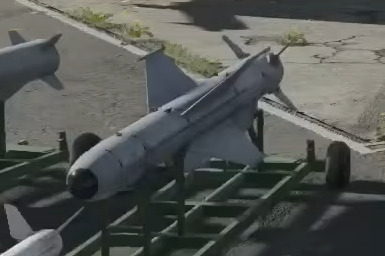
Much needed. Good job, Gaijin.
Wait so is this the 88 or 88A?
Loadout menu says KD-88, so TV variant. ARH is called the same, but that doesn’t have the seeker.
Other side:
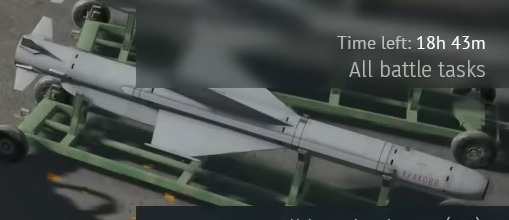
The IR variant would say K/AKD88A and have probably opaque seeker dome:
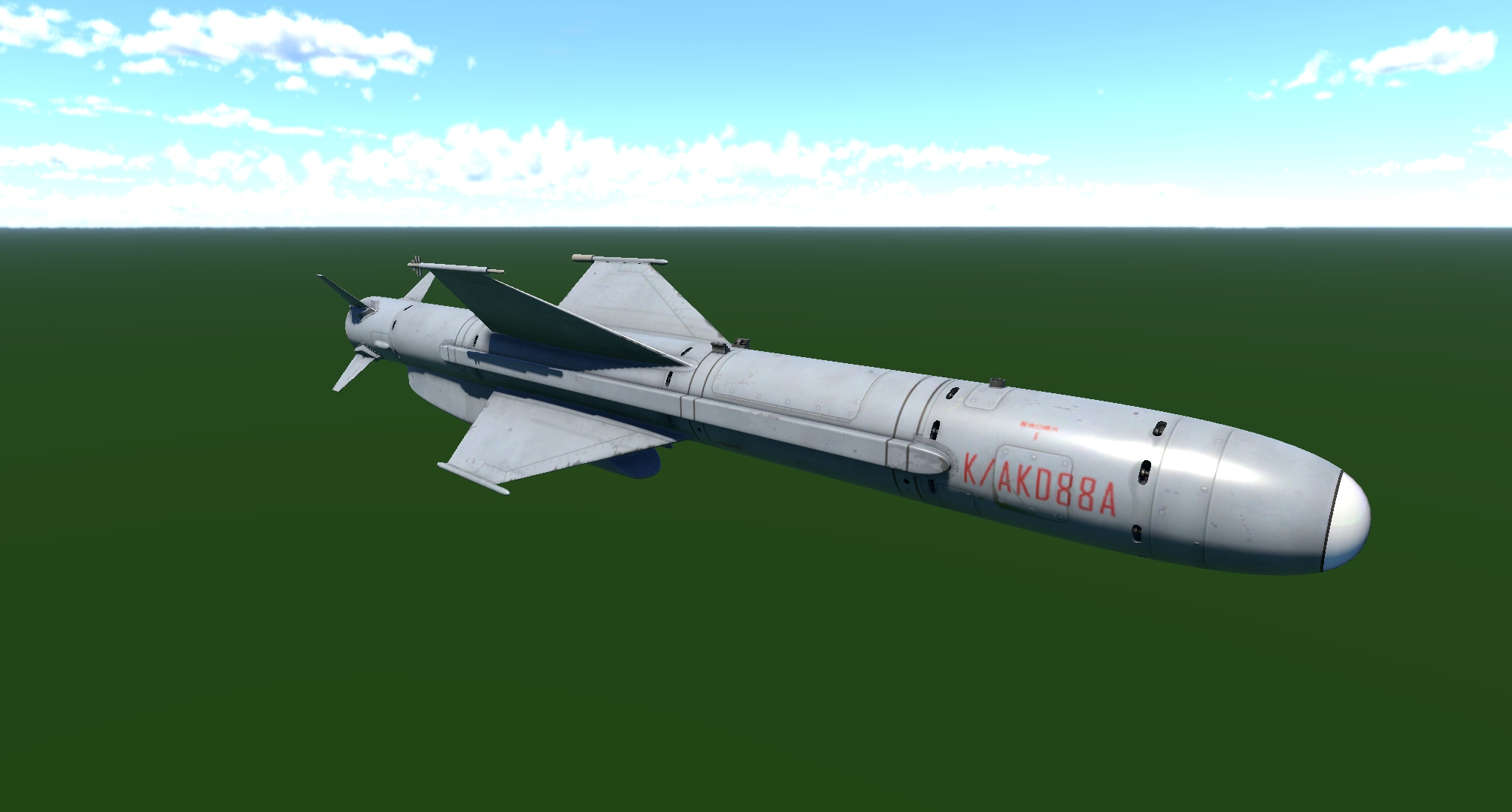
2 Likes
Its rather easy to spot hypocritical and malicious intent in these kind of reports. SHAMEFUL
2 Likes
Yeah, but TV sucks for lock range issues. IR would be far better…
wait isnt KD-88 an air-to-ground ?