Would you like to see the New Zealand SH-2G (I) Super Seasprite In War Thunder?
- Yes
- No
0
voters

Introduction
The Seasprite family of helicopters, manufactured by Kaman Aircraft Corporation, can trace its roots back to the 1950s. Developed as a single engine utility and anti-submarine warfare platform, it entered service in 1962 with the USN. The single engine was quickly identified as a weakness and it was upgraded to a twin engine design. Numerous variants and prototypes were to follow. In the 1980s development began for a major upgrade, the SH-2G model “Super Seasprite”. America, seeking an improved ASW and anti-surface platform, felt it would be more cost effective to upgrade an existing model, while some of their frigates were unable to support the larger Seahawk.
In the mid-1990s, New Zealand selected the Seasprite to replace their severely out of date Westland Wasps. They received four SH-2F models as a stopgap in 1997, with a follow-on order for five SH-2G Super Seasprites placed that same year. Deliveries began in 2001 of the SH-2G(NZ) model, and these operated from the ANZAC Class frigates HMNZS Te Kaha (F77) and HMNZS Te Mana (F111) and their shore base. Seasprite helicopters are also able to operate from the Offshore patrol vessels HMNZS Otago (P148) and HMNZS Wellington (P55), as well as the Logistics Support vessel, HMNZS Canterbury (L421).
Around the same time that New Zealand was placing an order for the Super Seasprite, Australia had also identified a need for a new maritime helicopter, and the upgraded SH-2G(A) model was developed for Australia, with some initial delivery taken in 2001. The Australian program however was plagued with issues, and by 2008 the contract was cancelled entirely. Kaman had the 11 airframes made for Australia in storage when, in 2013, New Zealand announced they would acquire them to replace their aging Super Seasprite airframes, now modified to the the SH-2G (I) Super Seasprite standard. These entered service in 2015, operated by No.6 Squadron RNZAF, embarking in HMNZ Ships Te Kaha, Te Mana, Aotearoa, Canterbury, Wellington and Otago.
The most notable difference between the SH-2G(NZ) and SH-2G (I) Super Seasprite would be the replacement of the AGM-65 Maverick with AGM-119 Penguin.
As of 2026, it has been announced that New Zealand will retire their Super Seasprites, soon to be replaced by MH-60R Seahawks.
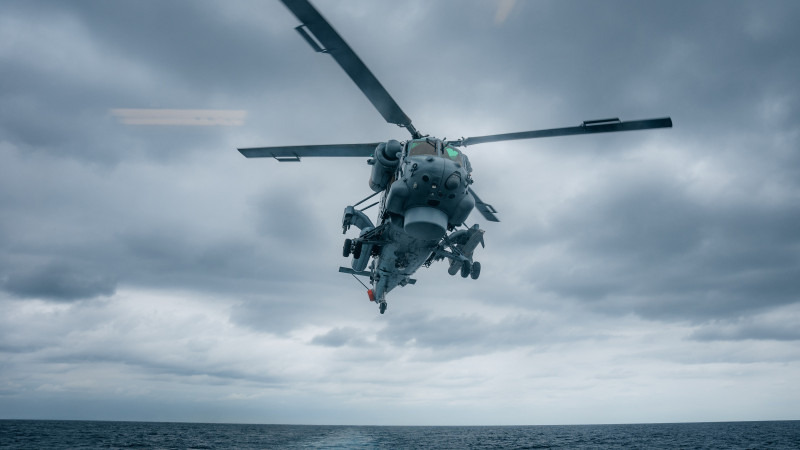
Specifications
Top Speed: 256km/hr
Rate of climb: 12.7m/s
Armament: 2x AGM-119 Penguin MK2 or 2x Mk 46 torpedoes, RH door mount MAG58 mg
Engines: 2x General Electric T700 turbines (1600 hp each)
Crew: 3 (pilot, observer, loadmaster)
Countermeasures: Northrop Grumman AN/ALR-93 electronic protection measures, ATK AN/AAR-47 missile warning system, BAE Systems North America AN/ALQ-144 infrared jammers, twin BAE Systems Integrated Defense Solutions AN/ALE-39 flare and chaff dispensers, Northrop Grumman LR-100 ESM.
Sensors: BAE Systems Seaspray and Telephonics APS-143 advanced search radar, Raytheon FLIR Systems AN/AAQ-22 thermal imager
Overall Length: 16m
Rotor Diameter: 13.5m
Height: 4.5m
Range: 275 nautical miles/2hrs 45min
Additional Photos
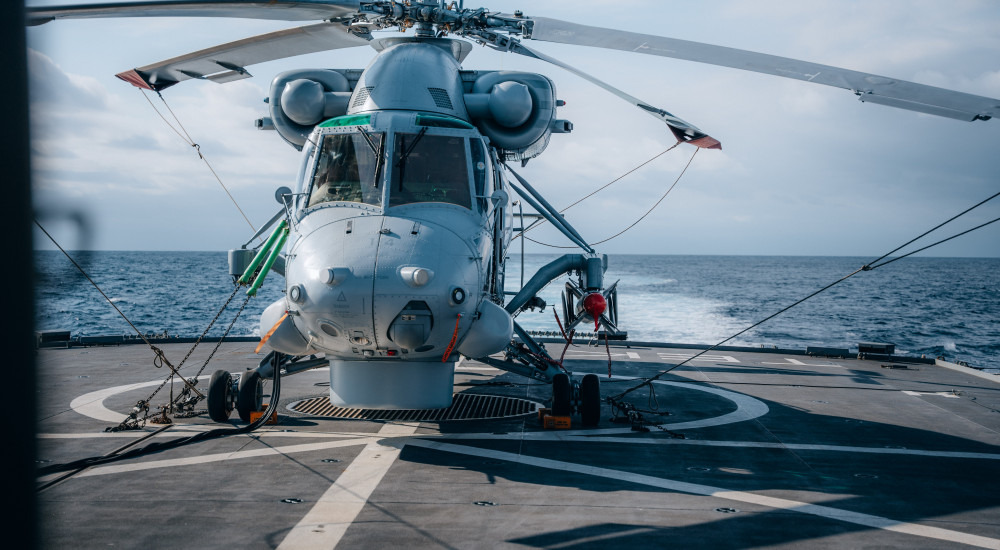
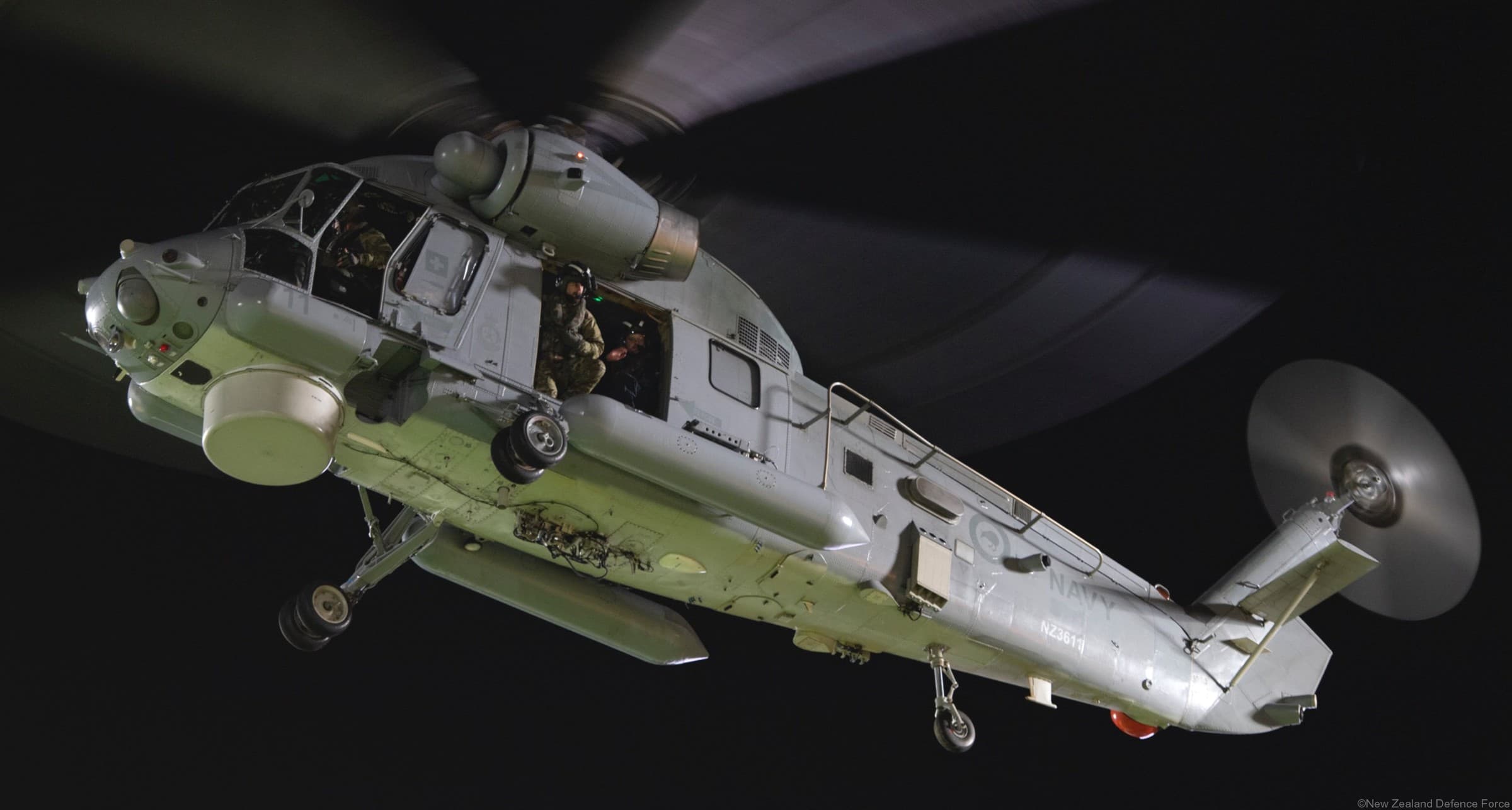
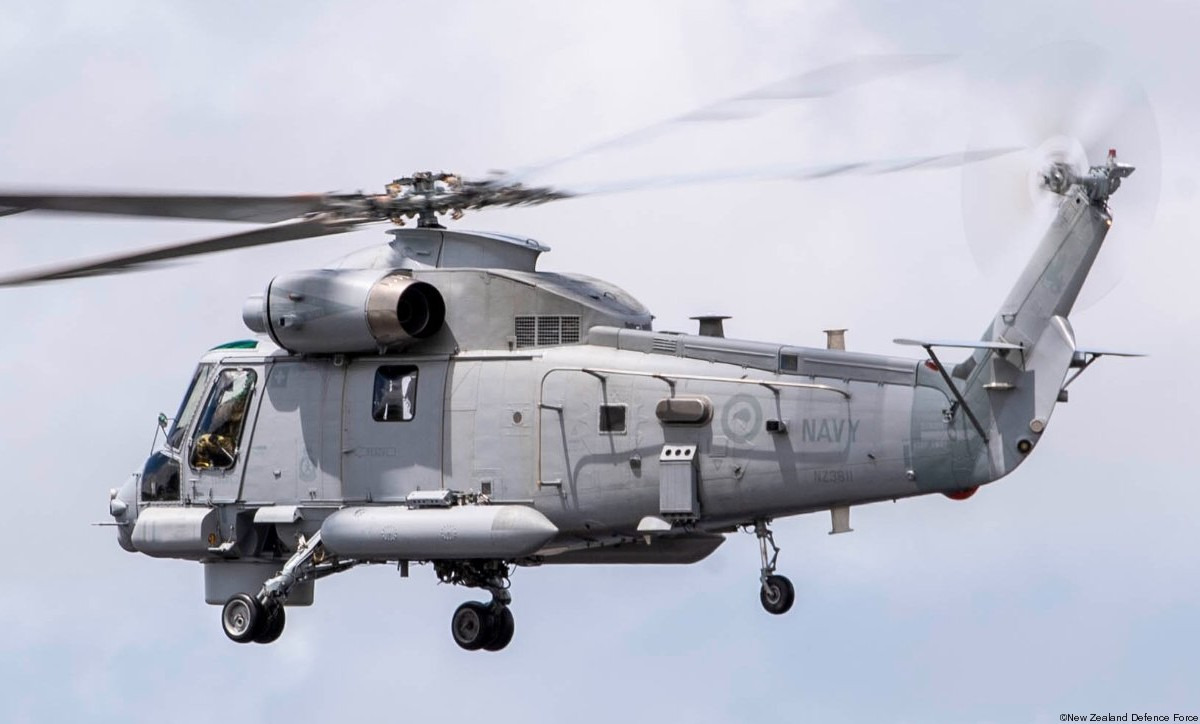
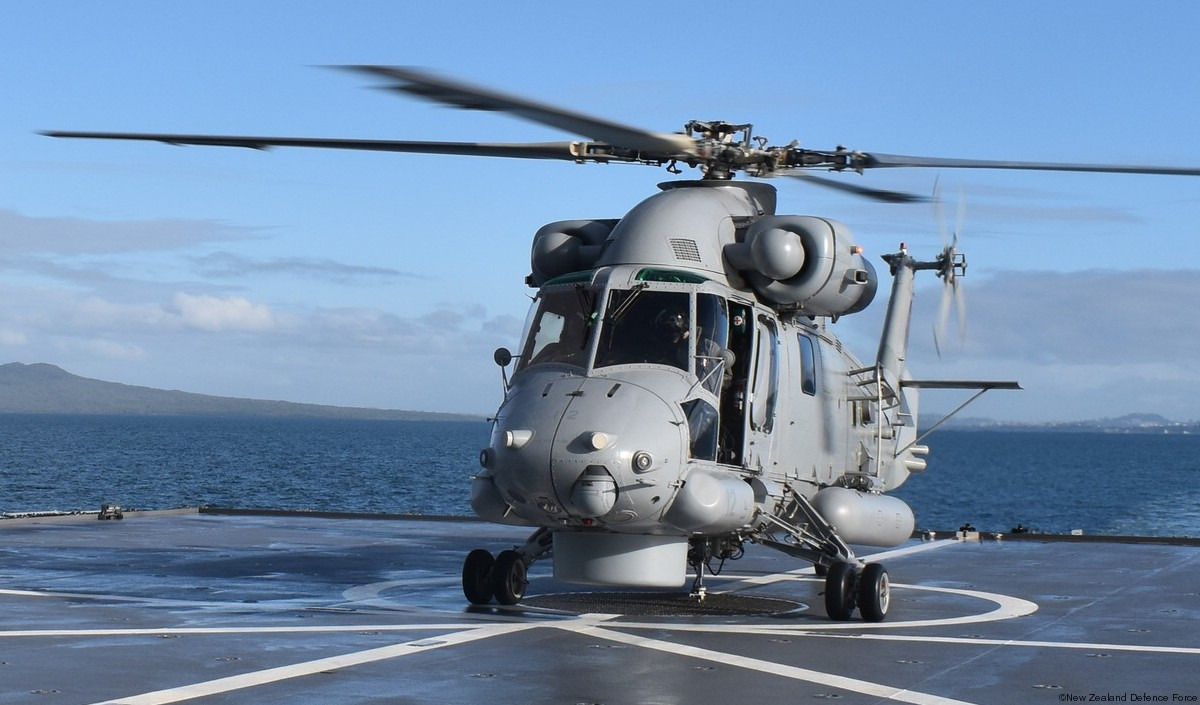

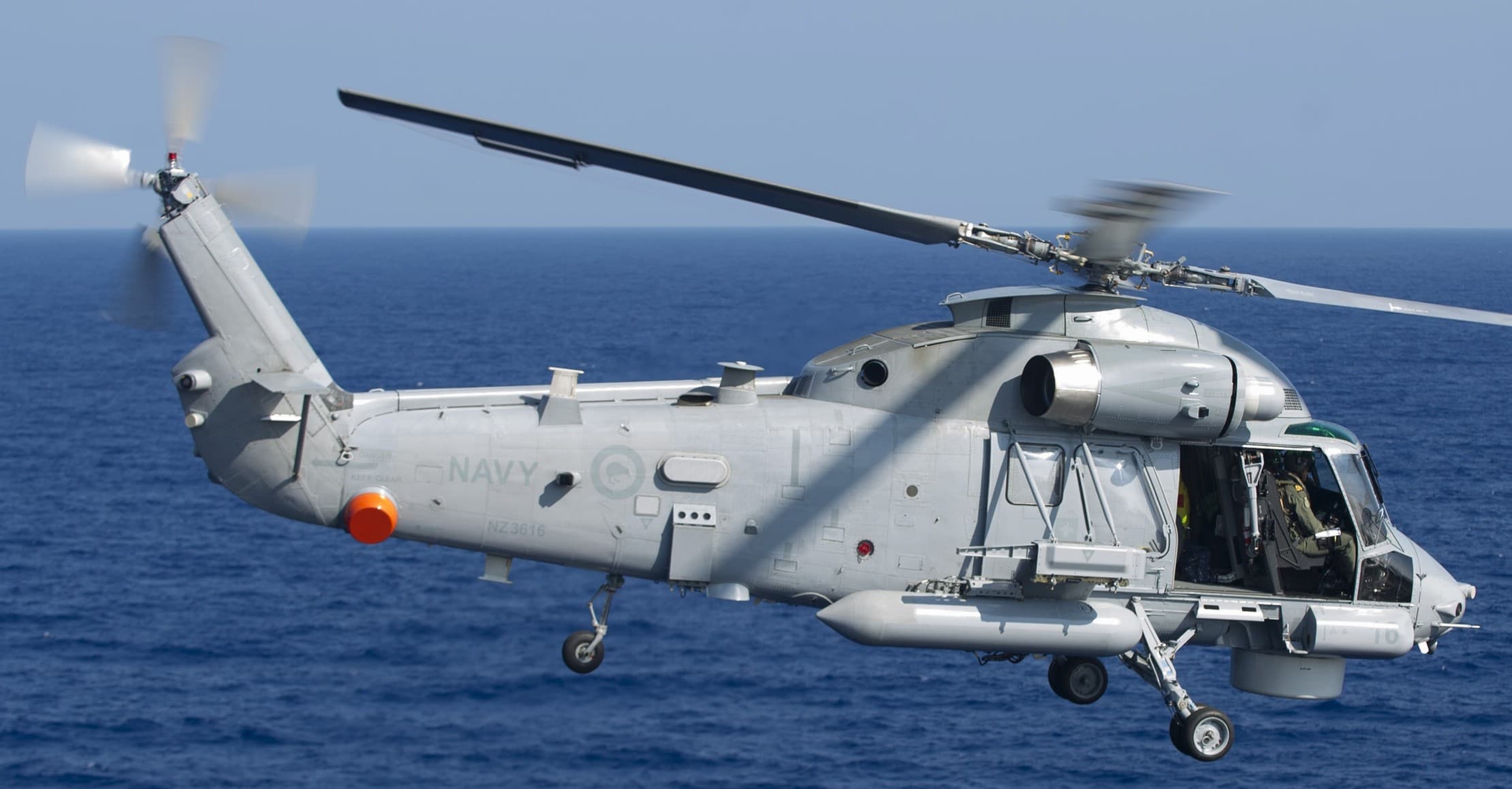
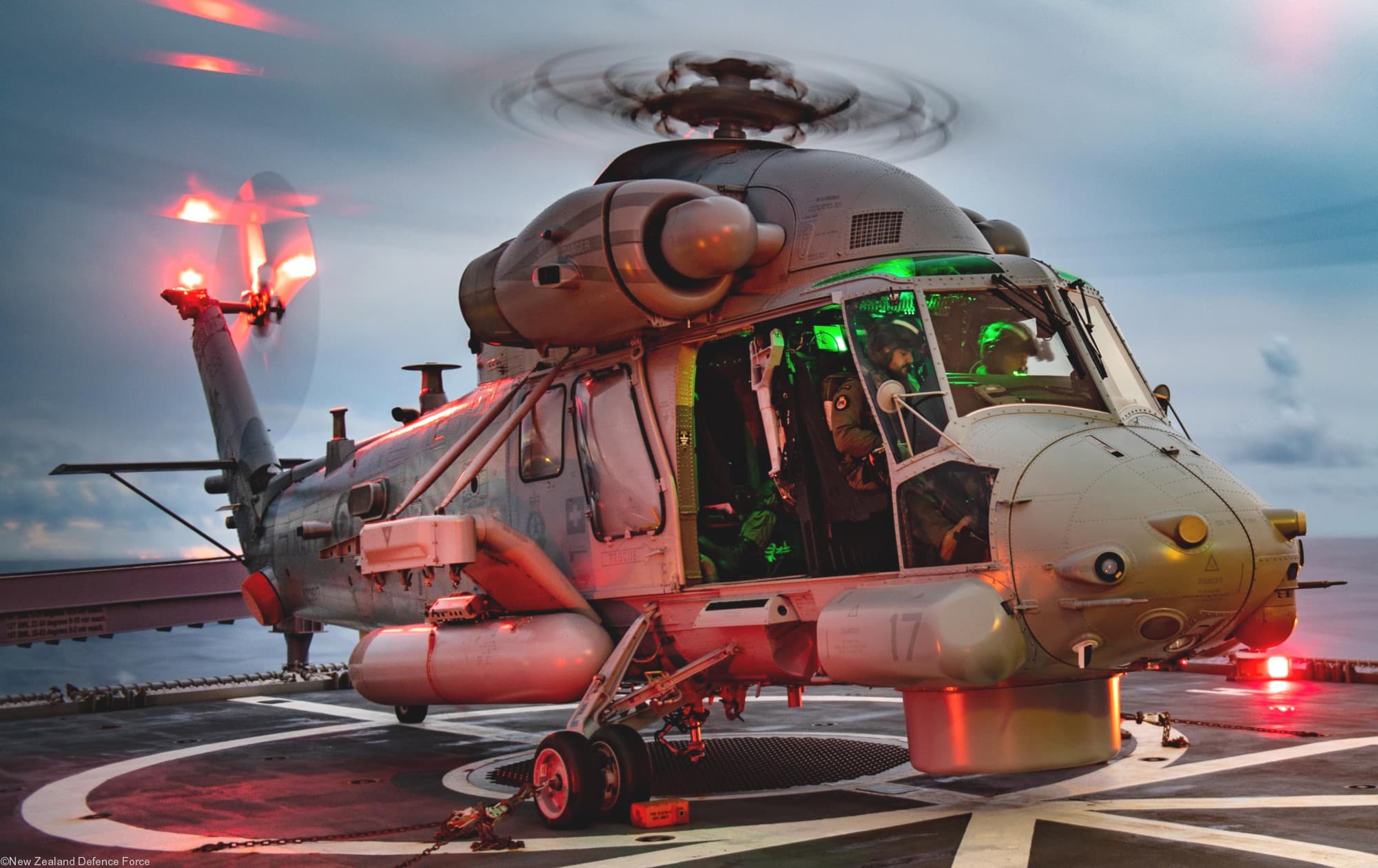
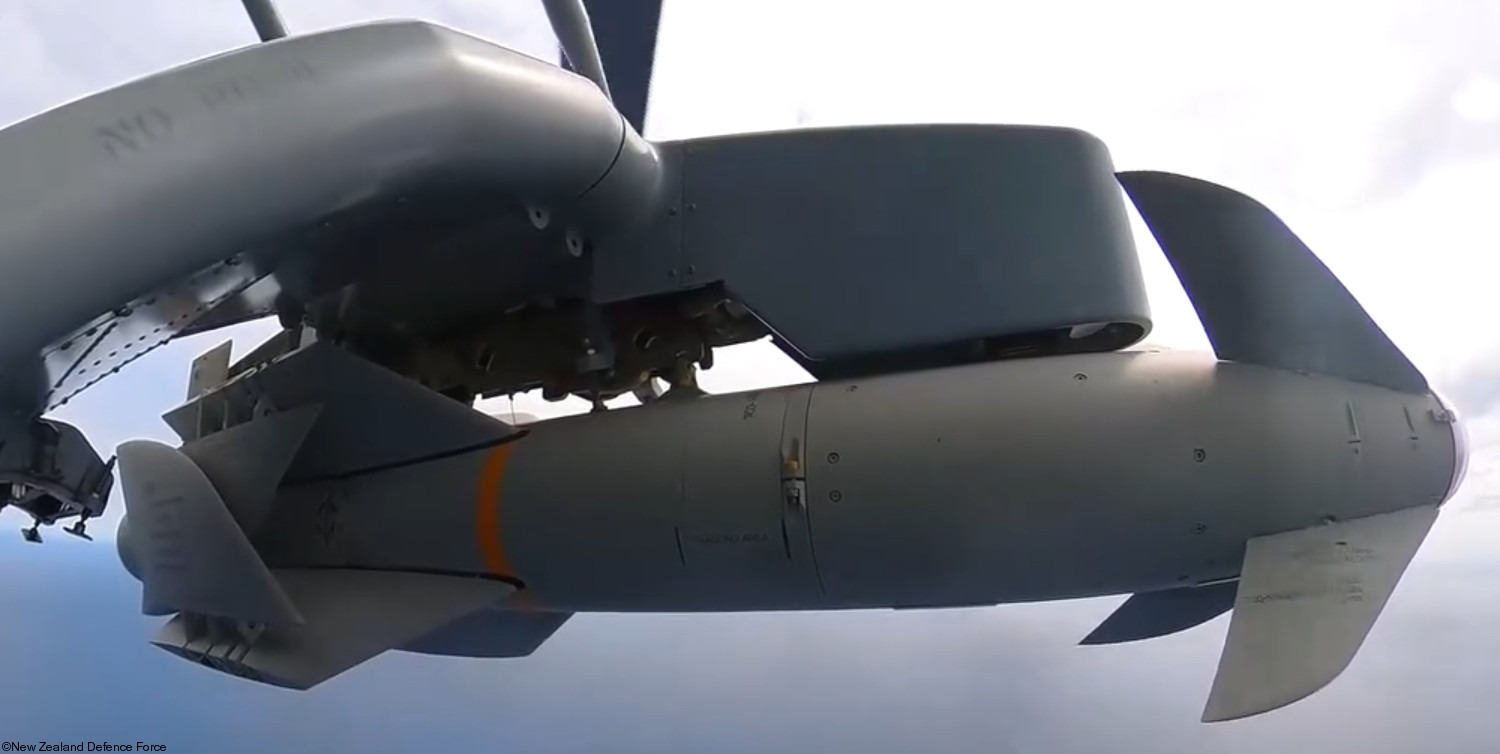

Video
Spoiler
https://youtu.be/y6_kfM4ECoY?si=KYYUrf76a6wq1Tjh
https://youtu.be/ACScRafhJ7s?si=cmlSvJ2nvmb19BgU
https://youtu.be/drVWd-WM_v8?si=WTFJvjevDCv96Vuo
Conclusion & In War Thunder
The SH-2G (I) Super Seasprite would be a little different to most helicopters in War Thunder. The Penguin missile is not the most effective at targeting ground targets, but it certainly can be done and in that sense becomes a FnF missile while also having quite a large warhead. The limitations of the missile combined with only having two of them will likely land the Super Seasprite in the 9.3-10.0 range, where it’s advanced countermeasure systems and FnF missiles could make it useful in an area where most other helis struggle against SPAA of the BR. The downsides being you only have two missiles and you need to be somewhat close to accurately target them at tanks. This would also make it fantastic addition for the UK tech tree, where New Zealand’s Australian brothers are found (see: ANZAC). There is a large gap in capability here between the largely useless Wessex and the Lynx and Superhind models.
And finally, if you see any errors please let me know, accurate info on modern/current military equipment is not always easy to find. If you also have accurate descriptions of other differences between this model and directly preceding models I’d be happy to include it.
Sources
Spoiler
https://www.nzdf.mil.nz/nzdf/our-equipment/aircraft/sh-2gi-seasprite-helicopter/
https://adf-serials.com.au/nzdf-serials/rnzn-seasprite
SH-2G(I) Super Seasprite Kaman New Zealand Air Force Navy
https://seapower.navy.gov.au/history/units/kaman-sh-2ga-super-seasprite
https://www.naval-technology.com/projects/sh2g-super-seasprite/?cf-view
https://en.wikipedia.org/wiki/Kaman_SH-2_Seasprite
Kaman SH-2G Super Seasprite - Wikipedia