- Yes
- No
- Research
- Premium
- Battle pass
- Squadron
- Event
- I said “No” to the first poll
 Sd.Kfz.250/9 - Shtrafbat Scout
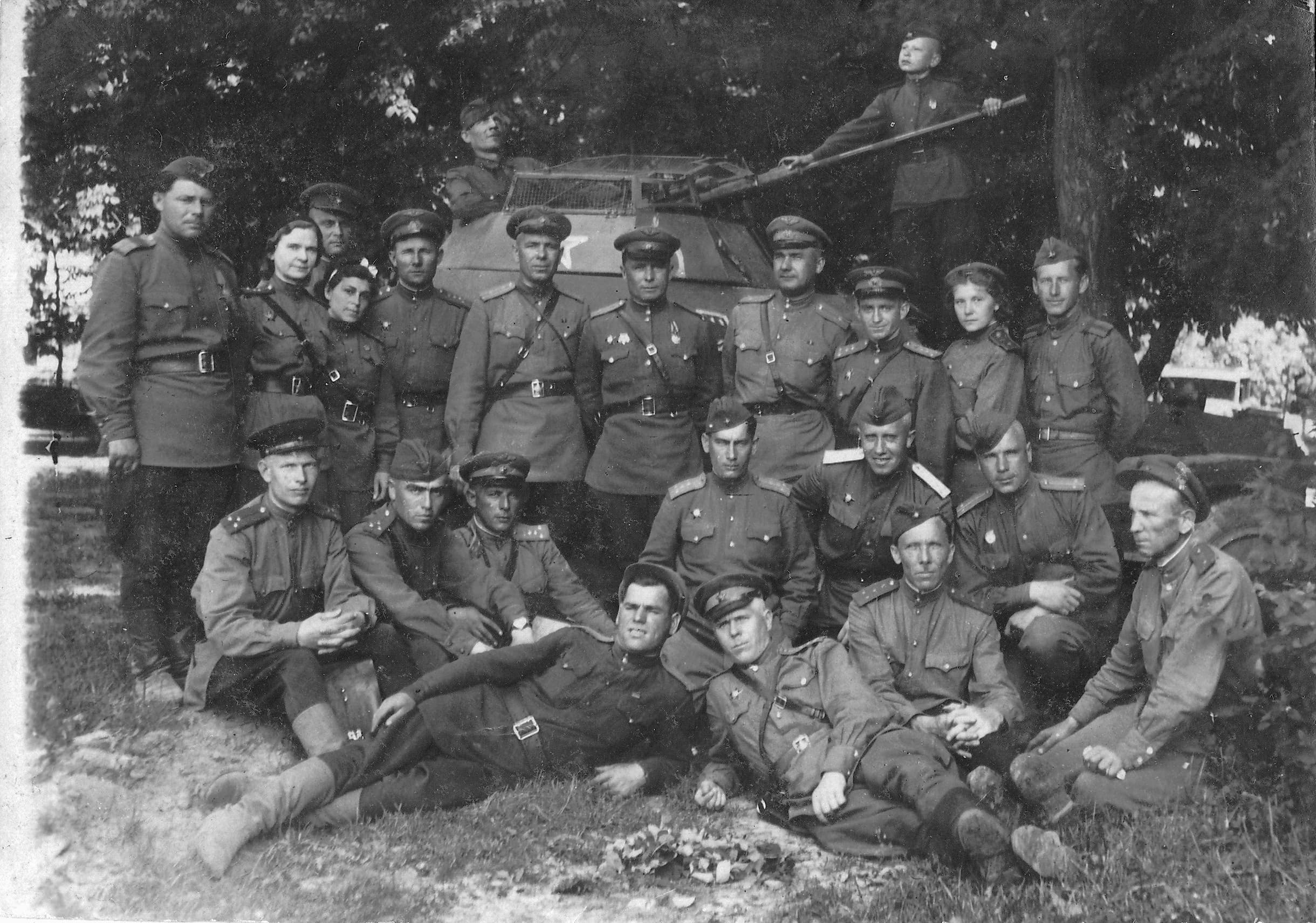
“Captured light half-track armored personnel carrier Sd.Kfz.250/9 with a red star on the armor. 210 BAO 16 RAB.”
History
The Sd.Kfz.250/9 was a German light armored half-track designed for reconnaissance and infantry support. It had a 2cm KwK 38 cannon alongside a coaxial 7.92 mm MG34 machine gun. Powered by a Maybach HL42 TRKM engine producing 100hp, it could reach speeds up to 65 km/h on roads and had a range of around 300 km. Its armor was light, between 8 and 14.5 mm, sufficient to stop small arms fire but vulnerable to anti-tank weapons. The vehicle weighed about 5.8 tons and carried a crew of four.
The Red Army captured several Sd.Kfz.250/9s during German retreats in 1943-1944, particularly in Ukraine and Belarus. Despite its relatively weak armament, Captured half-tracks were often integrated into reconnaissance battalions or mechanized infantry units, where their speed and off-road mobility were valuable.
While the Sd.Kfz.250/9 never became a mainstay of Soviet armored forces, its use reflects the Red Army’s practical approach of employing captured equipment wherever it could fill a gap. Many vehicles were eventually reassigned to training units or secondary roles as the front moved west, and only a few survived the war, making them a rare example of captured German light armor pressed into Soviet service.
Sd.Kfz.250/9 History
The Sd.Kfz.250/9 was a German light armored half-track developed during the Second World War as a mobile reconnaissance and support vehicle. It was part of the larger Sd.Kfz.250 series, which included various specialized versions designed for reconnaissance, command, and support roles. This allowed the vehicle to provide both direct fire support for infantry and self-defense against lightly armored vehicles.
The half-track was powered by a 6-Cylinder, Inline, Water-Cooled producing 100 horsepower, giving it a maximum speed of around 65 kilometers per hour on roads and a range of roughly 300 kilometers. Its armor was relatively light, between 8 and 14.5 millimeters, providing protection against small arms fire and shell fragments but leaving it vulnerable to anti-tank weapons. The vehicle weighed about 5.8 tons and carried a crew of four, including the driver, commander, gunner, and radio operator.
The Sd.Kfz.250/9 was deployed in a variety of roles throughout the war. It was most commonly used by reconnaissance battalions within Panzer divisions, where its speed and mobility allowed it to scout ahead of main forces, relay information, and harass enemy units. It also saw service supporting infantry in defensive and offensive operations, providing mobile fire support in areas where heavier tanks could not operate effectively. Its relatively small size and half-track design made it highly maneuverable over rough terrain, although its light armor required careful tactics to avoid exposure to anti-tank weapons.
Production of the Sd.Kfz.250/9 began in 1942 and continued in limited numbers until 1944. While never produced in the same quantities as larger tanks or half-tracks, it played a useful role in German reconnaissance and light support operations throughout the Eastern and Western fronts. Despite its limitations, the 250/9 exemplified the German approach to combining mobility, firepower, and versatility in light armored vehicles.
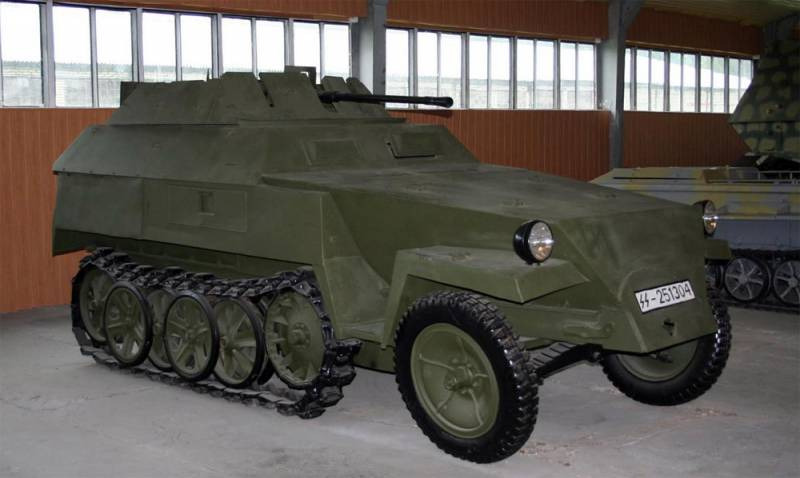
Museum piece Sd.Kfz.250 / 9, stored at Kubinka
Specifications
General:
- Origin: Germany
- Crew: 4
- Number Captured: Unknown but should be quite a few
Dimensions:
- Weight: 5.8 tons
- Length: 4.8m
- Width: 2.1m
- Height: 1.9m
Preformance
- Engine: Maybach HL42 TRKM
- Max Speed: 65 km/h (road), 30-35 km/h (off-road)
- Operational Range: 300 km
Armament:
- Primary: 2cm KwK 38 autocannon
- Secondary: 7.92mm MG34 coaxial machine gun
Ammunition:
- Primary: (100 rounds)
- Secondary: (3,000 rounds)