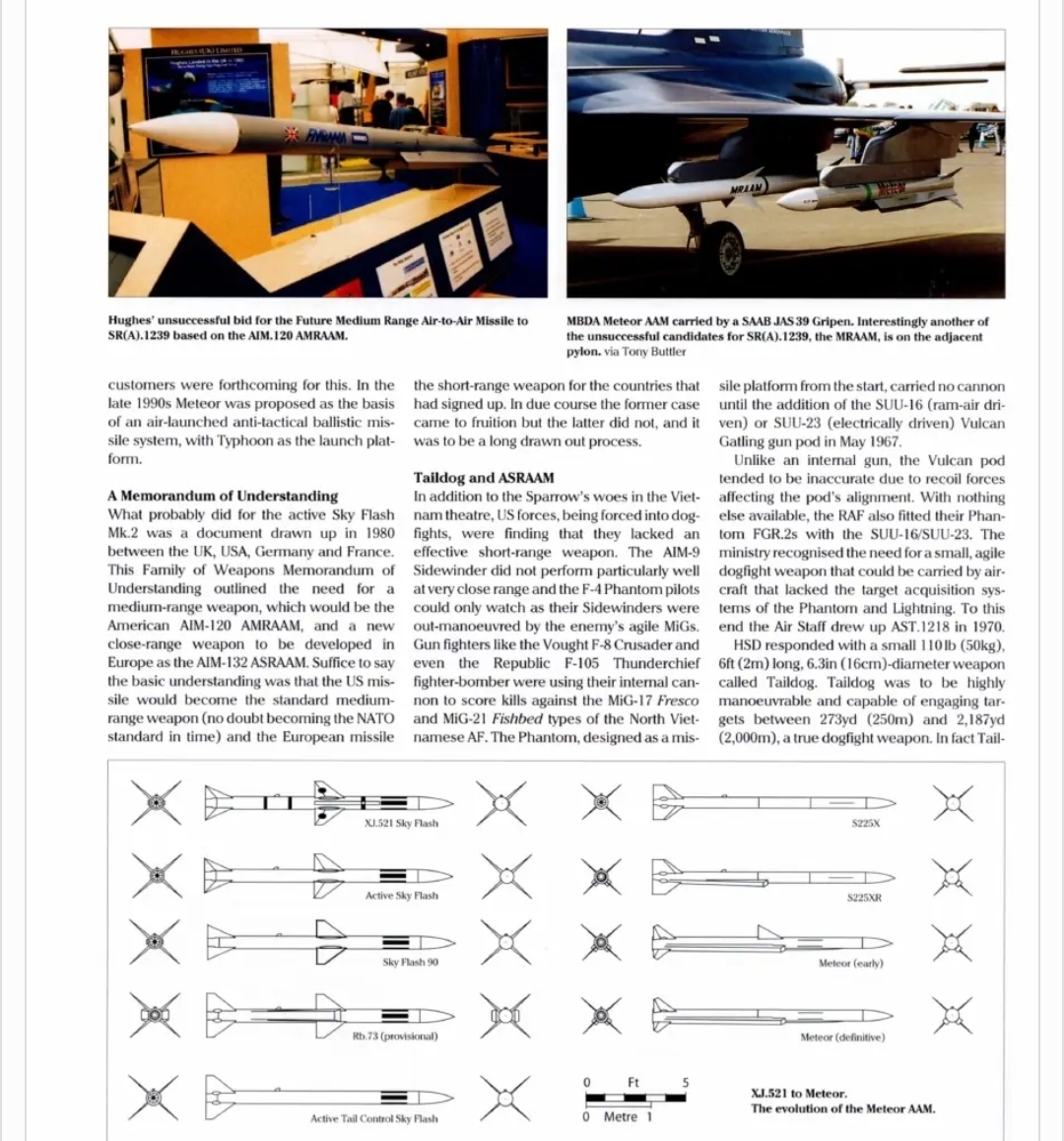
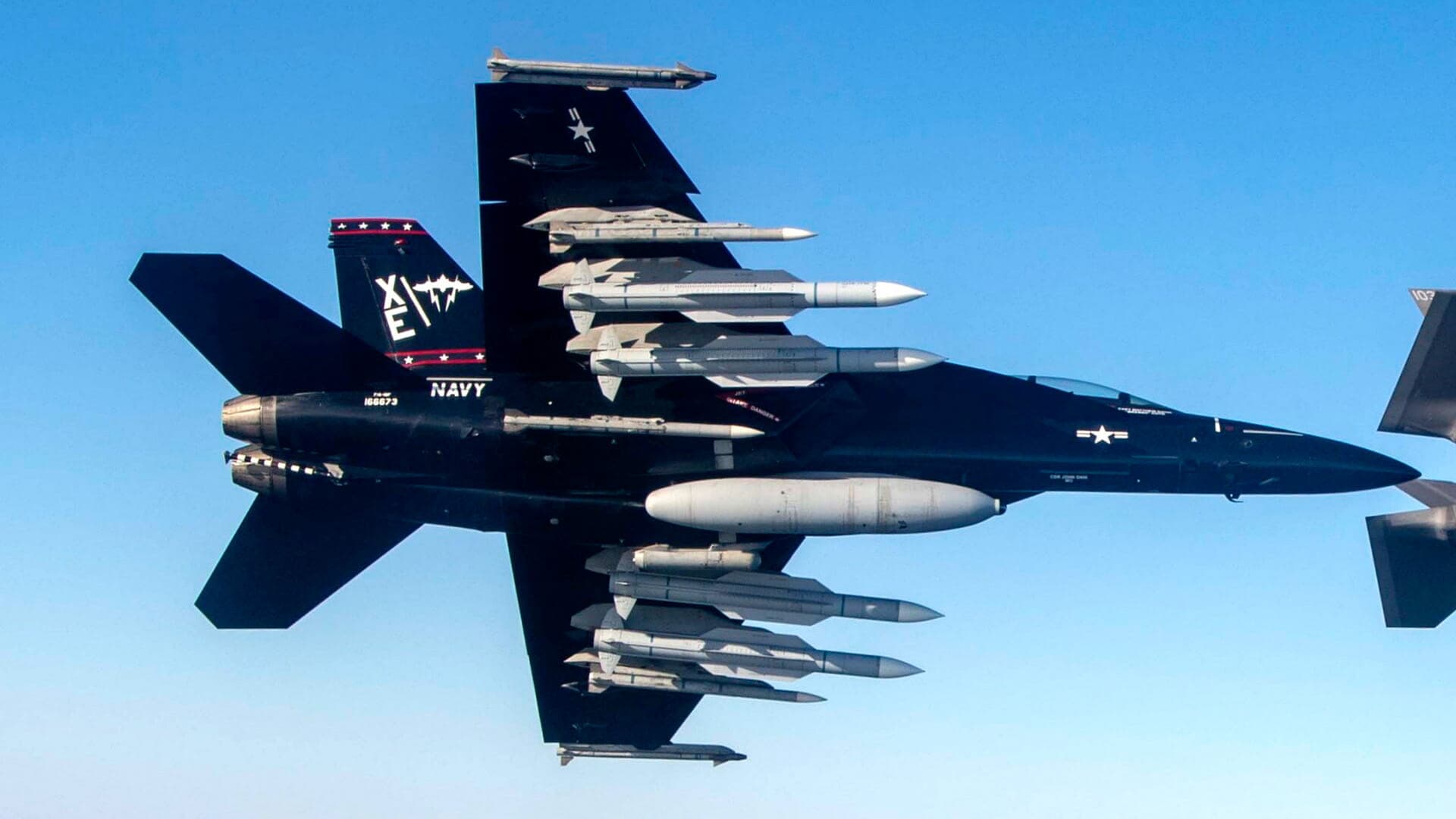
Tbf, Meteor was something SAAB and the Flygvapnet wanted back in the 90s and such. Not too surprising that they decided to go with the finished model of their own research given the beginning that SAAB had with Ramjet missiles for the west.
It could be a cost factor, as i’d assume a ramjet engine right now is more expensive for a missile, than more traditional propulsion methods. I could also argue that some of these missiles are specifically not too different to make them interoperable with existing systems, and component stockpiles
Ramjet missiles are typically bigger in size and harder to fit in bays than missiles with conventional or dual pulse motors. Obviously China, US, and Russia will have some concerns with that.
I think that has to do with doctrine and cost more than anything else.
One option is to make medium range missiles better and bank on the fact that your stealth and EW capabilities will get you close enough to use it effectively. The other option is to bank on the fact that you will be able to detect the adversary really early, increase range of your missiles and not let the adversary get close enough to even fire theirs.
Meteor is likely going to be more complex and expensive to make compared to the AIM-174 and equivalents.
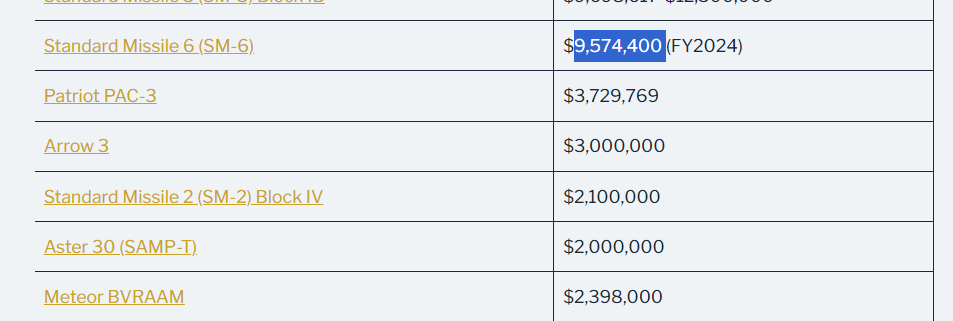
Afaik the cost per unit of the AIM-174 is more than the Meteor.
Assuming the AIM-174 costs about as much as the SM-6 it’s based off, that is.
The point can be made that money was saved on development costs tho. And since we don’t have any Price Per Unit estimates on stuff like the PL-17 or AIM-424, we can’t really comment on that.
An argument could be made that the AIM-174 could be cheaper than the SM-6, since it seems to have some differences (namely the motor) compared to the SM-6.
Air launched versions of ground/sea launched missiles can remove a decent amount of thrust and/or fuel to get the same range cause they are almost always being launched way higher up and at much higher speeds so aim-174 is gonna be cheaper per unit than sm-6 but the amount its cheaper by is the real question
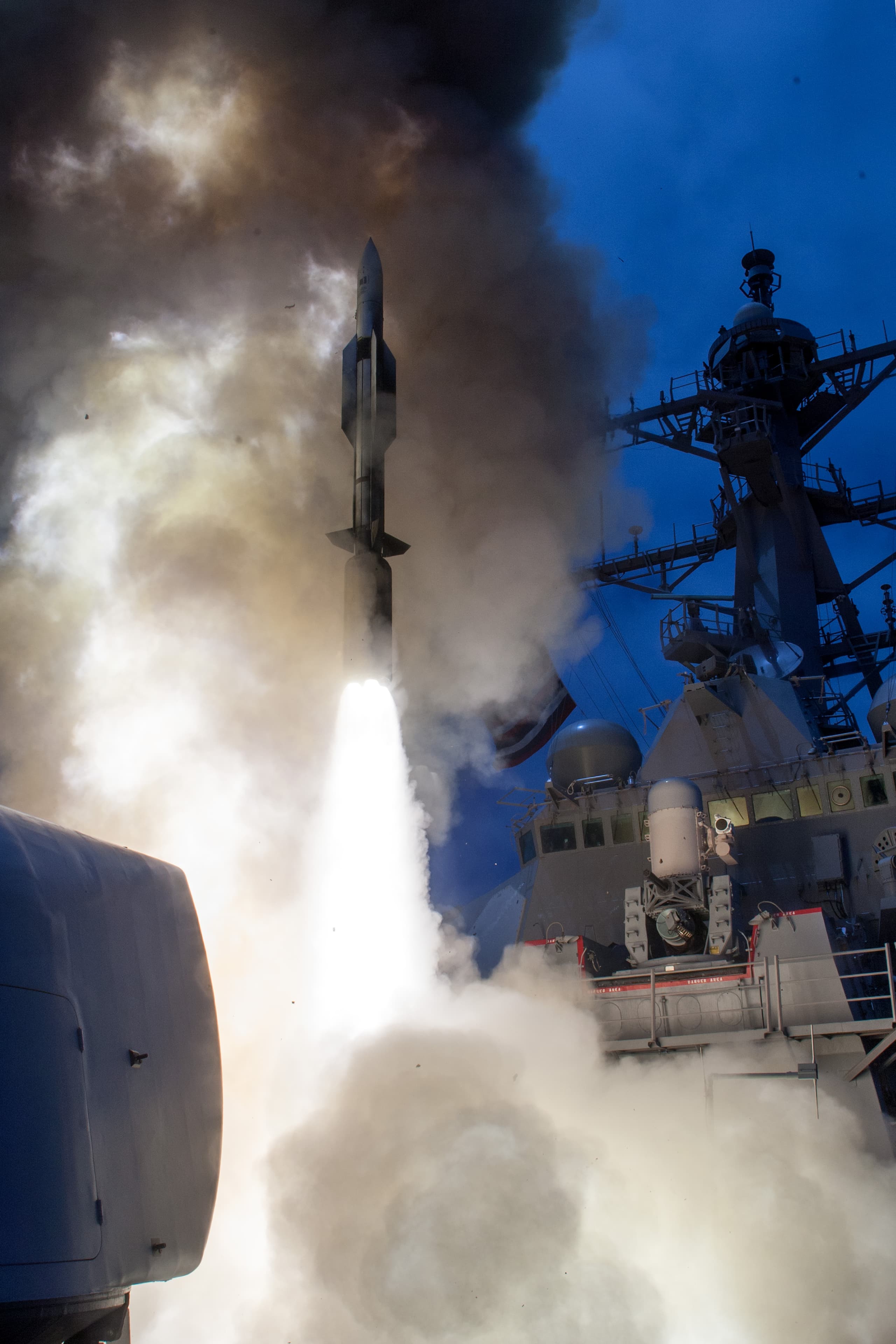
that’s the mk-72 booster that gets jettisoned after 6 seconds of flight, after that the air and sea launched versions are practically the same. the superhornet does the job of that booster and probably outperforms it too
AIM-174 is quite a bit more expensive, presumably so is AIM-424 and other foreign missiles.
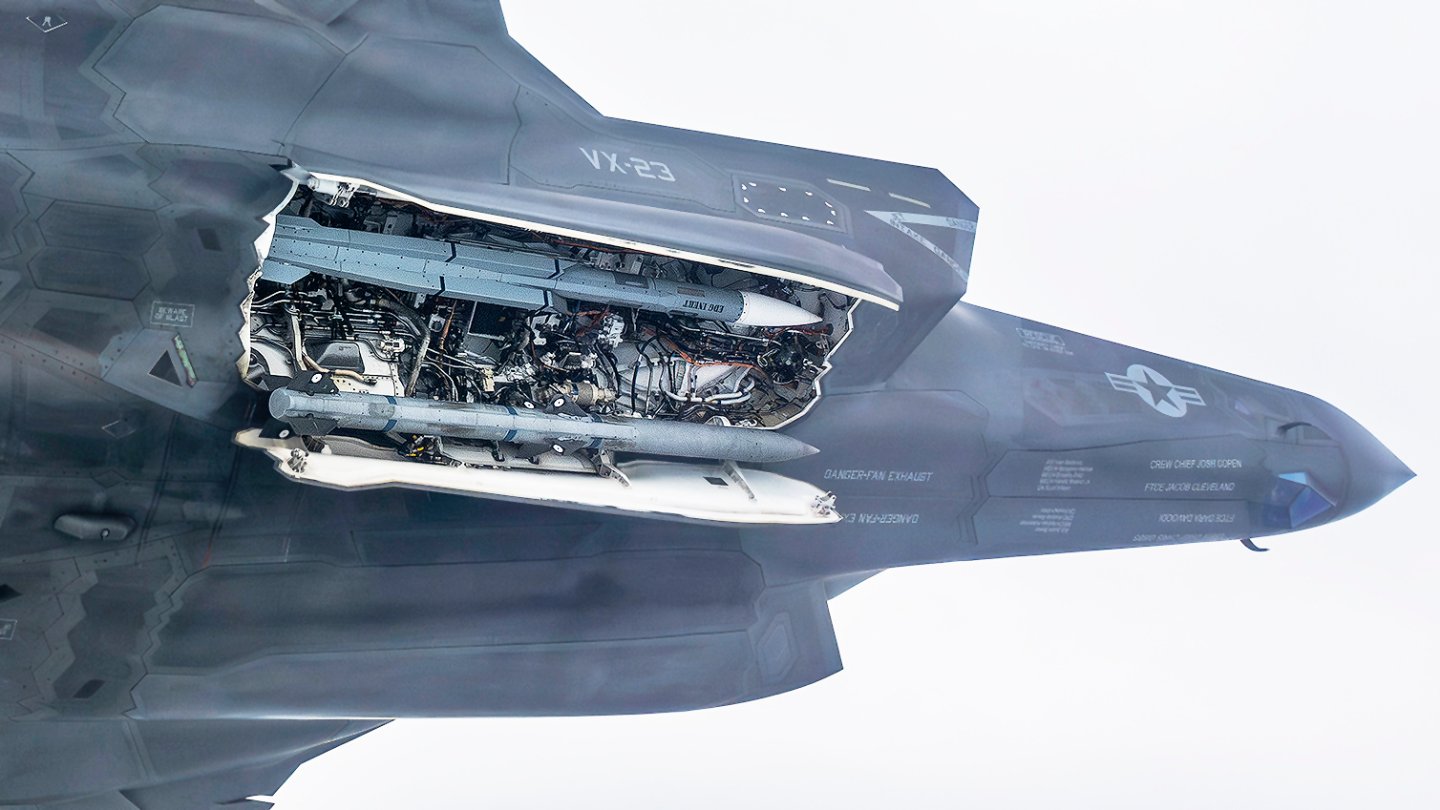
The problem is, the AIM-424 is specifically made for internal carriage and extreme range yet it is rocket powered, by no means does it seem like a cheap missiles. It is the most high end air to air missile in the US arsenal publicly known
That’s why I find the advantages of ramjets over modern rocket powered missiles so questionable, they’ve always been dropped or not even proposed despite such a big supposed advantage
Tbf, you keep comparing the AIM-424 and AIM-174B to missiles of completely different classes and purposes. It would be like comparing the AIM-424/174B to AIM-260 as well.
Should I find the AIM-260’s potential dual-pulse motor questionable just because AIM-174B completely outclass it in range and doesn’t have dual-pulse motor?
It’s also like comparing the AIM-54 to AIM-120/MICA/R-77s.
No you didn’t though, you can’t make any conclusions whatsoever when you still compare missiles of different classes/purposes. AIM-424 and AIM-174B aren’t just what I would call “long-range” which I’d reserve for the AIM-260/Meteor/R-77M/R-37M, they’re in what I’d call ultra-long range missiles. Feel free to use the AIM-260 to try to explain why rocket motors are the way over the ramjet Meteor.
These solid rocket motors are the US’ bet on what to do for ultra long range air to air. It’s still not the same class and purpose as these other missiles. The only thing comparable to the AIM-174B/Malice is the future Stratus-RS which is being produced by a country that also knows how to make dual-pulse motors and conventional motors.
The thing is with your comparison is that since the 174 and PL-17 are so much larger and heavier and you refuse to look at the missiles and the weight and size they have. The reason to go with ramjet is to get a lot longer range within more or less the same size constraints. So compare the Meteor to AIM-120. Or if you still want to look at the 174 then take in to account all the drawbacks of having such an incredibly heavy and cumbersome missile. Yes of course it has longer range but you give up everything else. Meteor will get you a long way to the range of the 174 in the same size of an AIM-120.
In the context of the RIM/AIM-174 the biggest drawback with the ramjet other than increased complexity and cost is that you need to stay within the atmosphere where there is still enough oxygen to supply the motor, making an anti-ballistic missile which is a large part of what the SM-6 was designed for (terminal phase) would also be pretty idiotic since the intercept happens relatively quickly. No need for a long sustained burn since you want to get up to speed as quickly as possible in order to effectively hit the missile. So you want a lot of trust for a short duration. For the purpose of staying in parallel with the surface at longer range the advantages of a ramjet becomes significant.
Now the SM-6 isn’t exo-atmospheric to my knowledge, that would be the work for SM-3, but anti ballistic defence was still one of the priorities of the design.
just terms, to me meteor/r77m/aim260 all sort of fill that AIM-120ish role so i call AIM-174, PL-17, and AIM-424 long range because thats what they are relative to the newer mid tier AAM. even then, China, US, and Russia have all still opted for rocket powered missiles in that class.
in air to air only good for stuff like tankers or AWACS. and they are pursuing Comet as a true air to air long range replacement for Meteor, i think you yourself mentioned something about it being a solid rocket motor