- Yes
- No
- Tech-Tree
- Nuclear Thunder
- Consumption Reborn Point Call
- Ai control as airport air defense
- Fixed air defense points deployed at ground birth points
- I said No
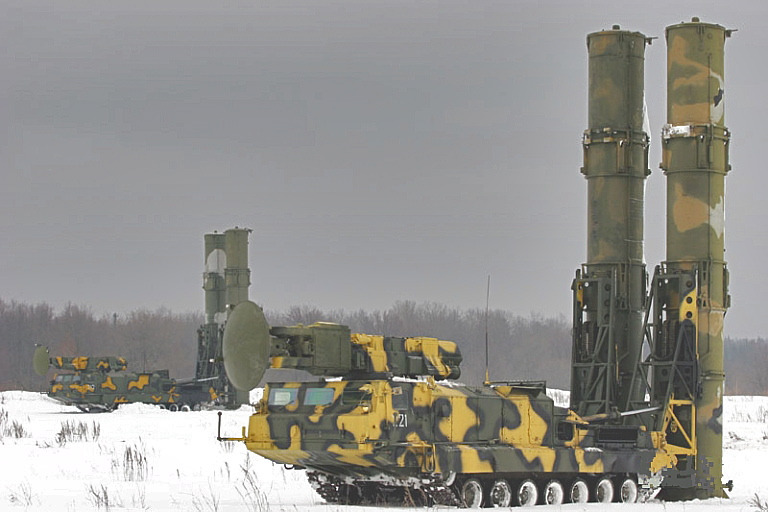
Hello everyone :), what I would like to introduce today is S-300V.
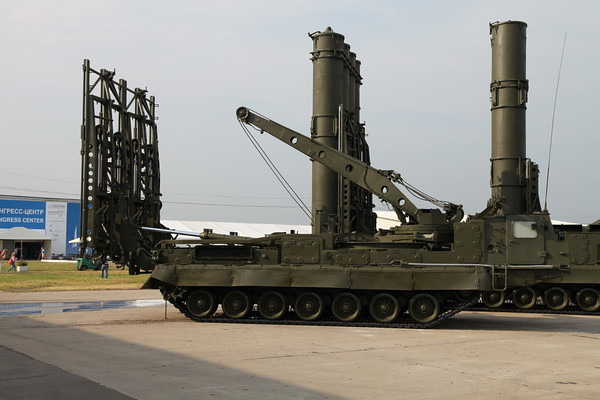
In the Nuclear Thunder, we have already witnessed the power of the S-300P—a stationary, site-defense air defense system boasting exceptional range and strong resistance to electronic countermeasures, making it extremely difficult to evade. Today, I would like to introduce the S-300V, a highly mobile, tracked field version of the S-300.
In the late 1960s, the Soviet military, through in-depth assessments of future warfare, came to realize that its existing field air-defense system was facing an unprecedented challenge. At the time, the Soviet Army’s main air-defense missile systems, represented by the 2K11 “Krug”, while capable of engaging medium- and high-altitude aircraft, were powerless against the U.S. Army’s new generation of tactical missiles then under development. American weapons such as the “Pershing-1A” medium-range ballistic missile and the “Lance” tactical missile, with their high re-entry speeds and relatively small radar cross-sections, could easily penetrate traditional Soviet air-defense networks. This meant that even with powerful field air-defense firepower, Soviet mechanized forces could not withstand America’s deep-strike precision capabilities and could only passively endure until the enemy’s missiles struck.
To fill this strategic gap and maintain the Warsaw Pact’s offensive capabilities on the European continent, the Soviet military formulated a stringent set of technical and tactical requirements: a mobile defense system capable of advancing alongside tank formations at high speed, while simultaneously performing both air-defense and anti-missile missions under all weather conditions. In November 1969, the Soviet Council of Ministers and the Ministry of Defense formally issued the development directive, codenamed S-300V (where “V” stood for “Army” or “Ground Forces”). The task was exceptionally demanding, as the system had to be capable of both intercepting high-altitude, high-speed aircraft and countering short-range ballistic missiles. To tackle this challenge, the Soviet leadership designated the Antey Design Bureau as the prime contractor and appointed the distinguished weapons designer Vyacheslav Efremov to lead the effort, tasked with building from scratch a comprehensive weapons platform capable of operating on the move, with extremely short reaction times and comprehensive fire coverage. This undertaking laid a solid foundation for the S-300V “Gladiator/Giant” series of systems.
Efremov faced a design dilemma: the system had to intercept two vastly different types of targets. Aircraft possess a large RCS but are highly maneuverable, whereas ballistic missiles have a small RCS but travel at extremely high speeds; intercepting both simultaneously seemed all but impossible. Efremov, however, made a brilliant decision: instead of relying on a single missile type, he developed two distinct missiles, each specialized for its respective target—resulting in the 9M82 “Giant” (anti-ballistic missile) and the 9M83 “Gladiator” (air defense missile). While the two missiles shared similar aerodynamic configurations, they differed in size; the 9M82 was larger and longer to handle ballistic missile interception, limiting each launcher to carrying two missiles, whereas the smaller, shorter 9M83 allowed a single launcher to carry four.Meanwhile, the Kirov Plant in Leningrad developed the GM-830 series of armored tracked chassis—based on the T-80 tank and the MT-T heavy prime mover—specifically for the system, ensuring that the radar and launcher vehicles could keep pace with the advance of Soviet Guards tank divisions across muddy terrain.
Because the S-300V system incorporated a host of cutting-edge technologies—such as phased-array radars, fully automated digital command vehicles, and two types of missile launchers—its system integration was exceptionally complex. Consequently, the Soviet military was compelled to conduct state acceptance testing on the system’s components separately. The first phase concluded in 1983; the configuration at this stage, designated the S-300V1, comprised the 9M83 missile launcher, the 9S15 search radar, and the 9S32 fire-control radar, providing comprehensive field air defense capabilities alongside a preliminary capacity to counter tactical missiles. Subsequently, in 1988, development of the anti-ballistic missile component was completed, introducing the 9M82 missile and the associated 9S19 “High Screen” sector-scanning anti-ballistic missile radar. Following successful target-interception trials, the S-300V system officially entered service, joining the Soviet Union’s air and missile defense network.
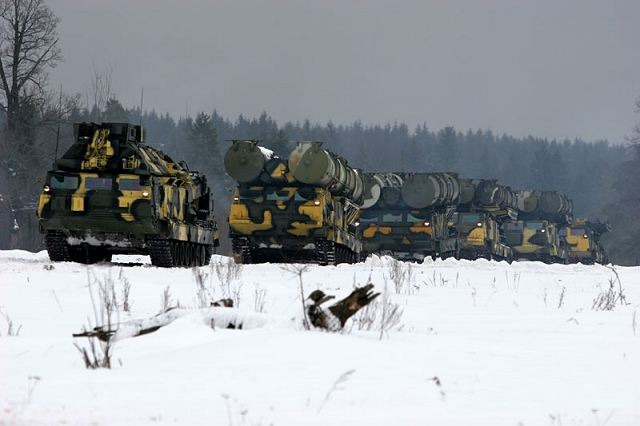
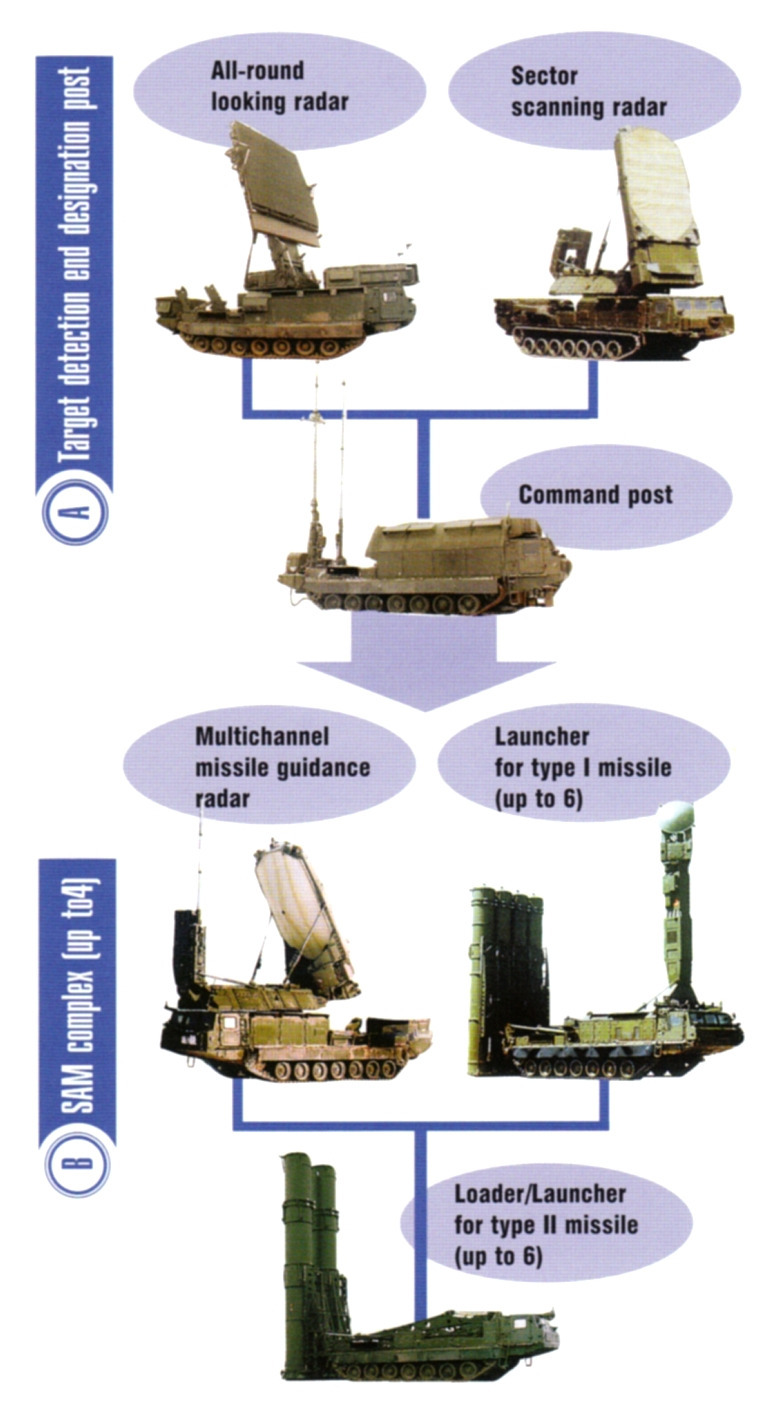
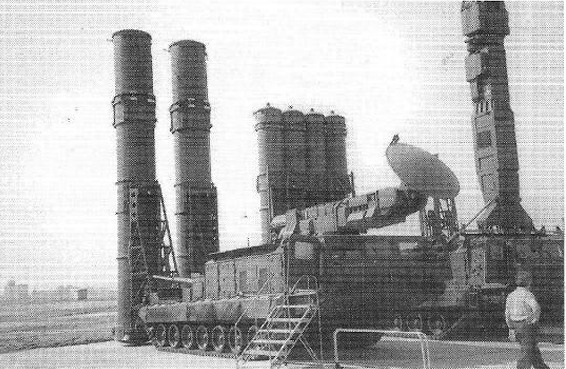
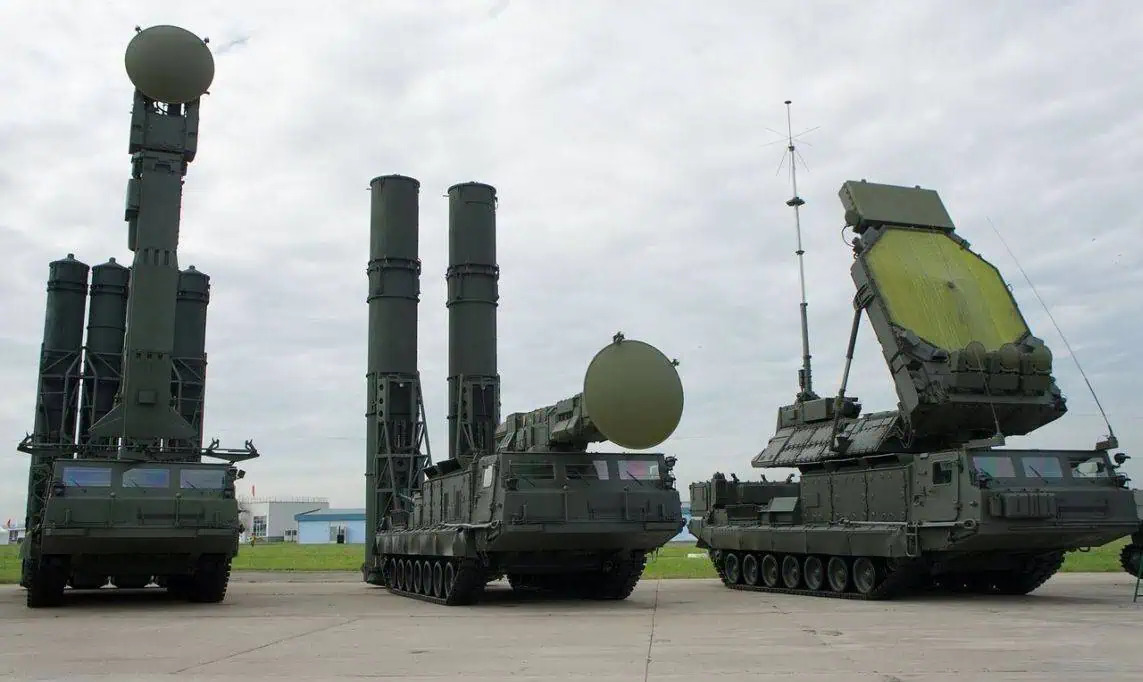
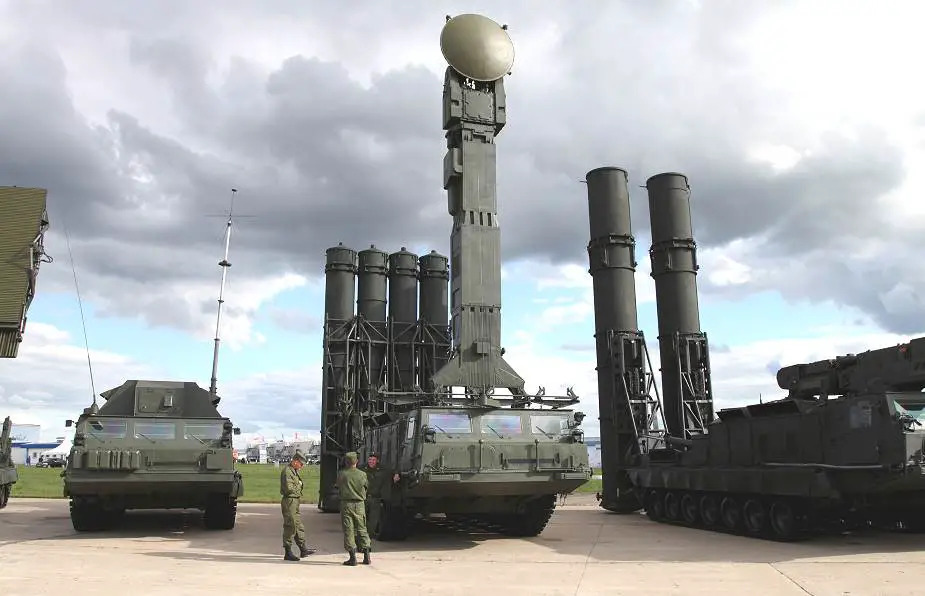
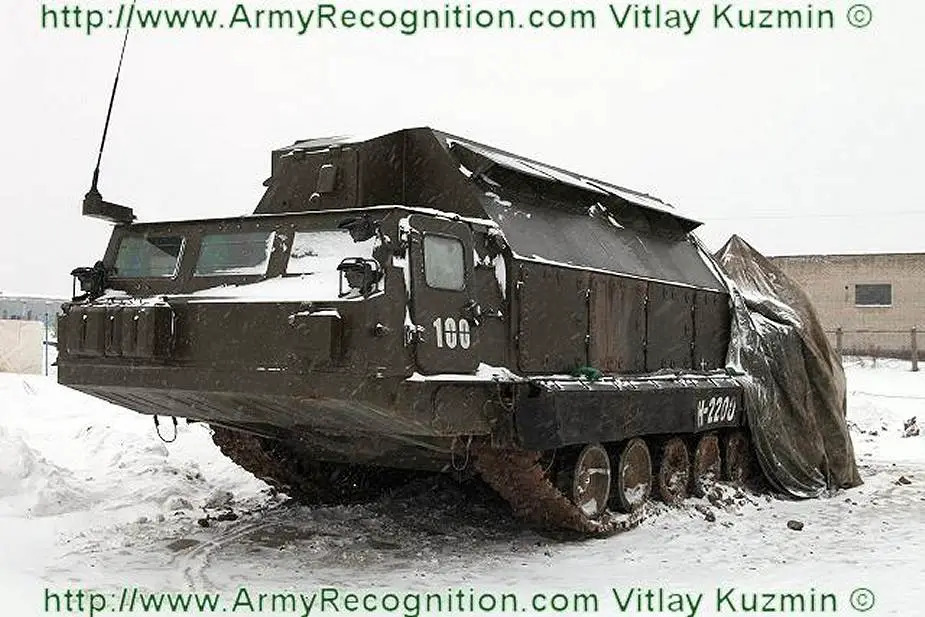
A complete S-300V air defense battalion comprises:
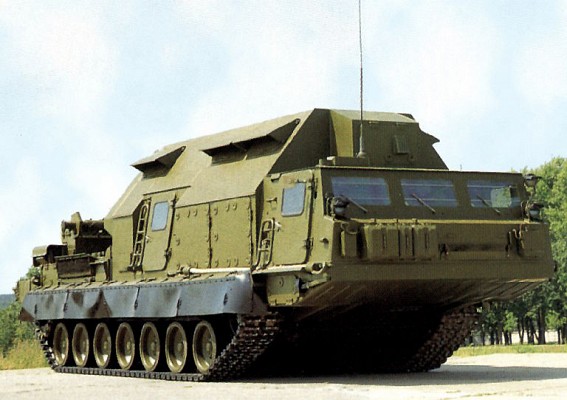
It receives radar air situation data, uses a fully automatic fire-control computer to prioritize threats, and assigns targets to subordinate firing batteries; it is capable of simultaneously processing approximately 200 aerial targets while continuously and automatically tracking 70 of them.

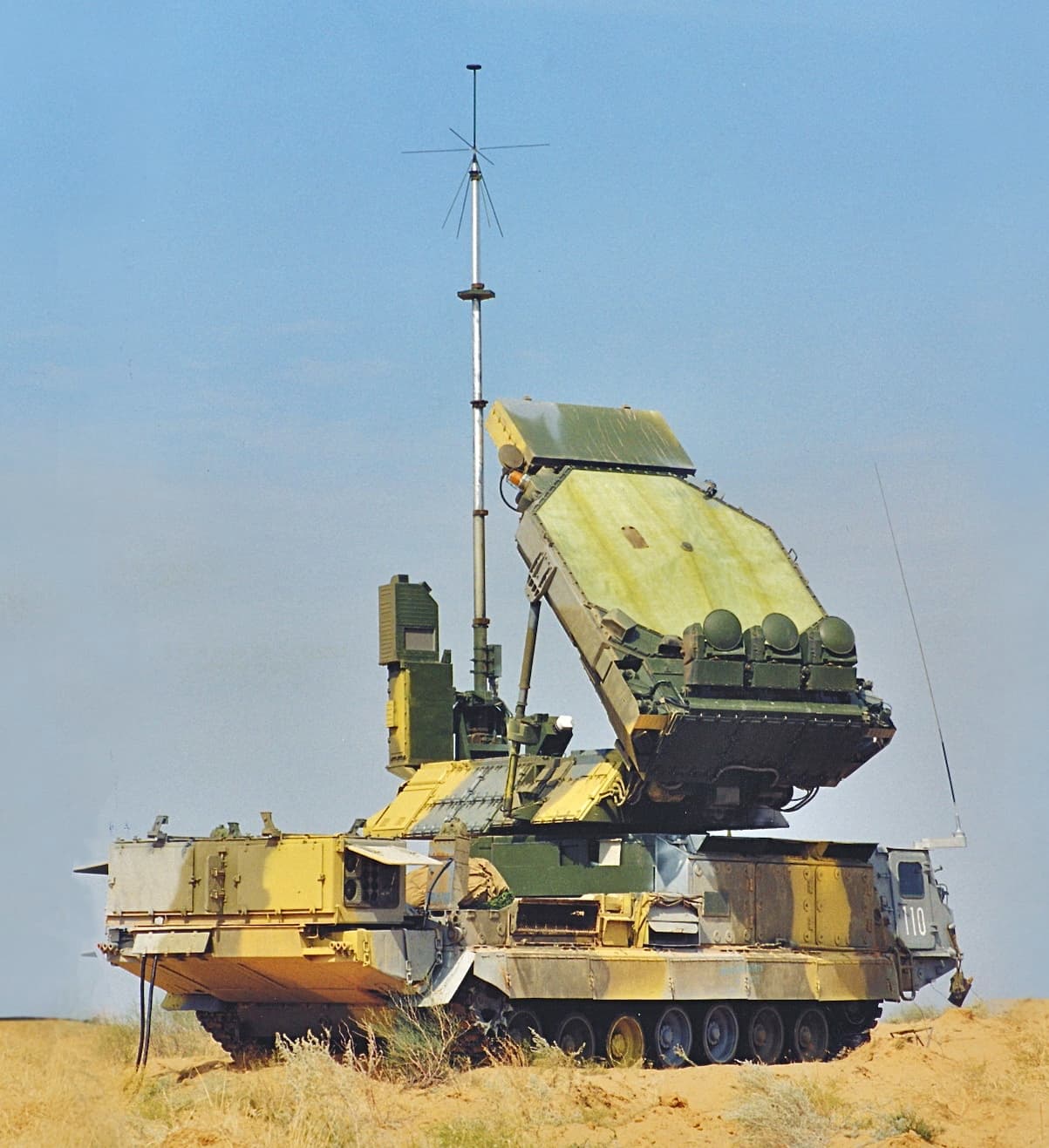
The 9S15MT radar vehicle is primarily designed to search for airborne targets. It operates in the S-band (IEEE standard) / F-band (NATO standard). The antenna performs a 360° horizontal omnidirectional scan with a rotation period of 6 or 12 seconds. It features an electronic elevation scan range of 0° to +55°, a maximum detection range of up to 330 km against large or conventional combat aircraft, and the capability to track the real-time positions of 200 targets.
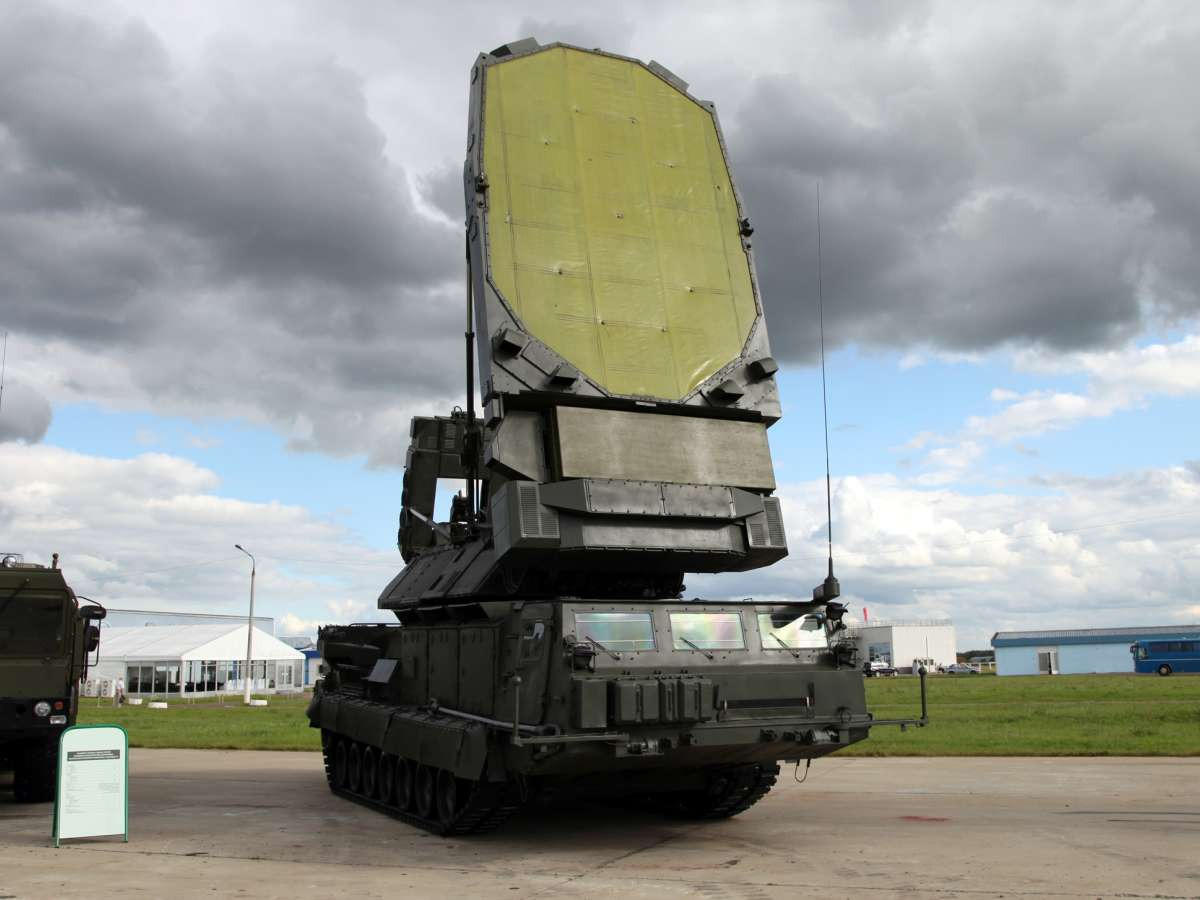
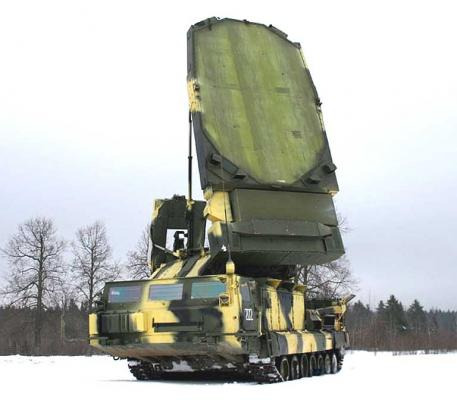
The 9S19MT anti-ballistic missile/sector search radar vehicle is responsible for detecting high-altitude ballistic missile targets. It employs a design featuring a non-rotating antenna capable of high-frequency electronic sector scanning at high elevation angles, remaining fixed on a specific threat sector. Upon detecting a target, it relays the information to the command vehicle, which then issues engagement orders to the 9A82 launcher vehicle to engage the target using 9M82 missiles.
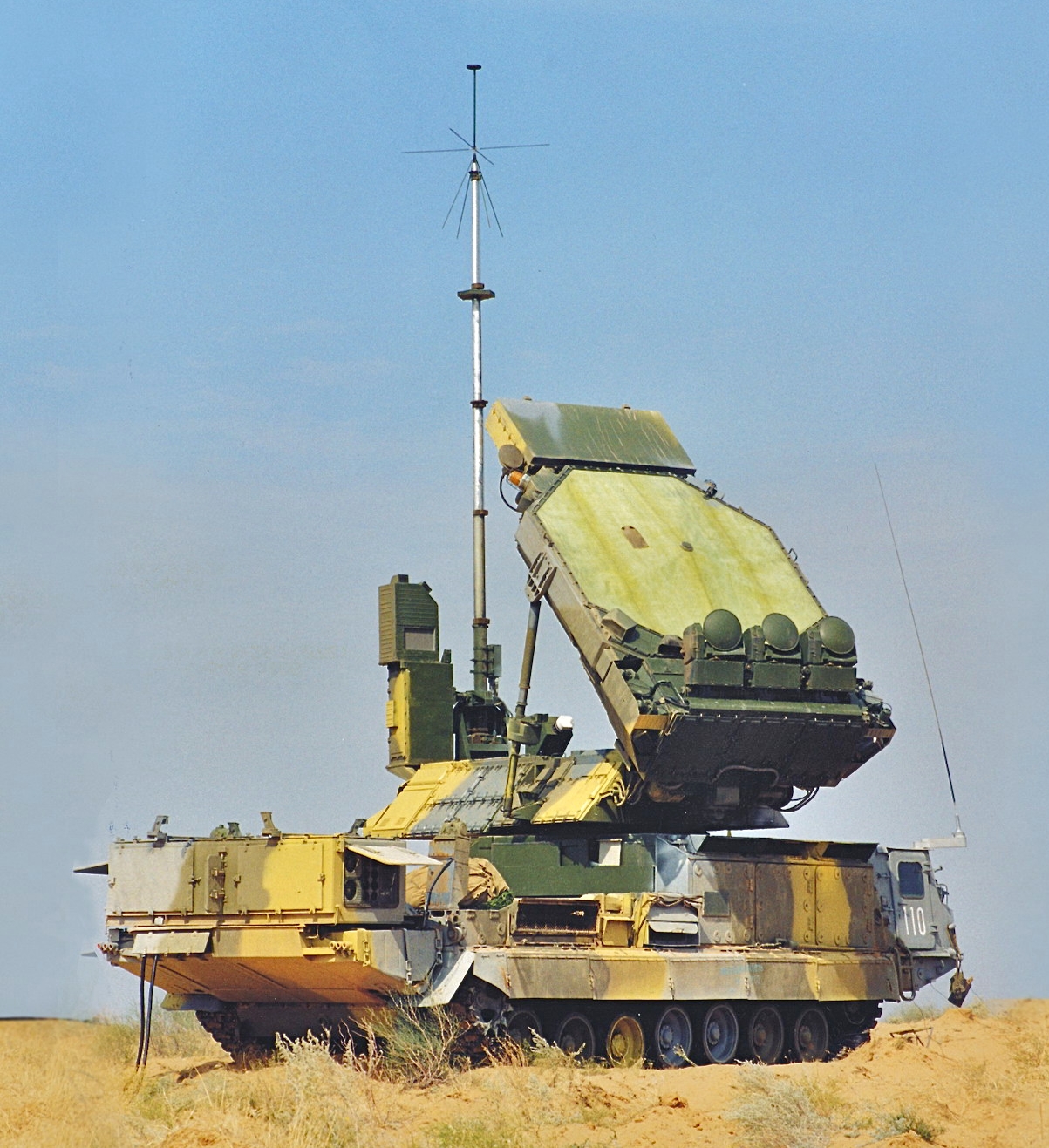
The 9S19MT phased-array guidance radar operates in the X-band. Upon receiving an engagement command from the command vehicle, it slews to the target’s bearing, locks onto the hostile aircraft, and provides mid-course guidance for the missile. A single 9S32 radar vehicle is capable of simultaneously tracking 12 aerial targets and guiding 6 surface-to-air missiles to intercept the 6 most threatening ones.
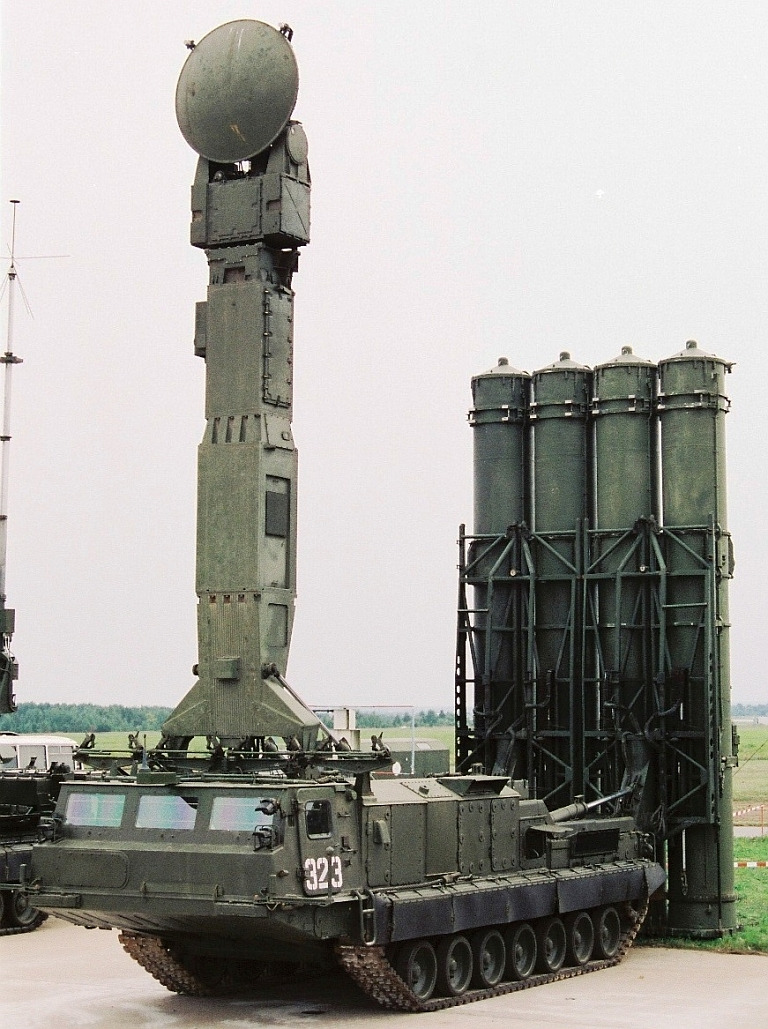
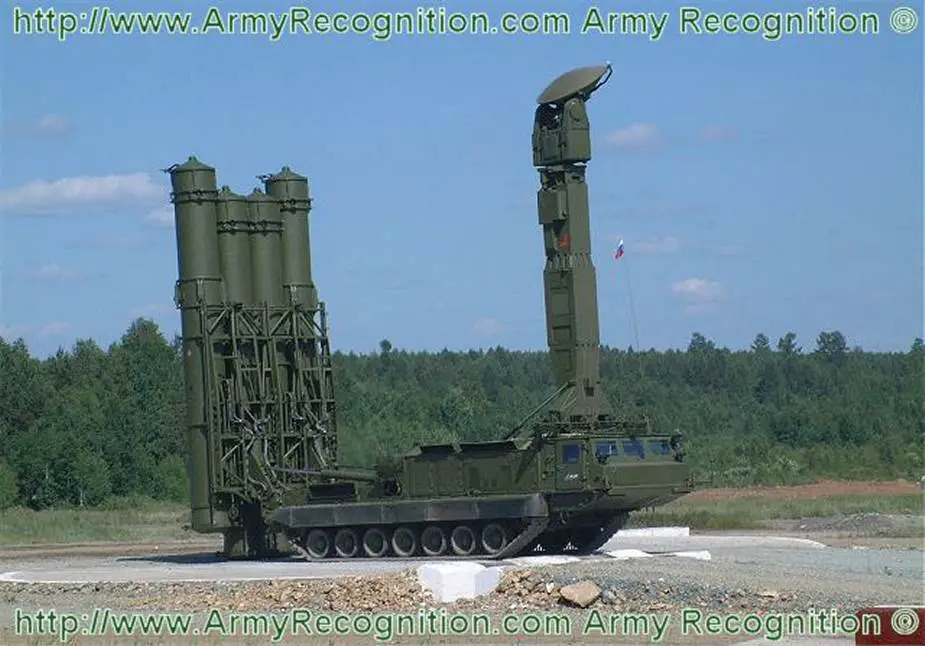
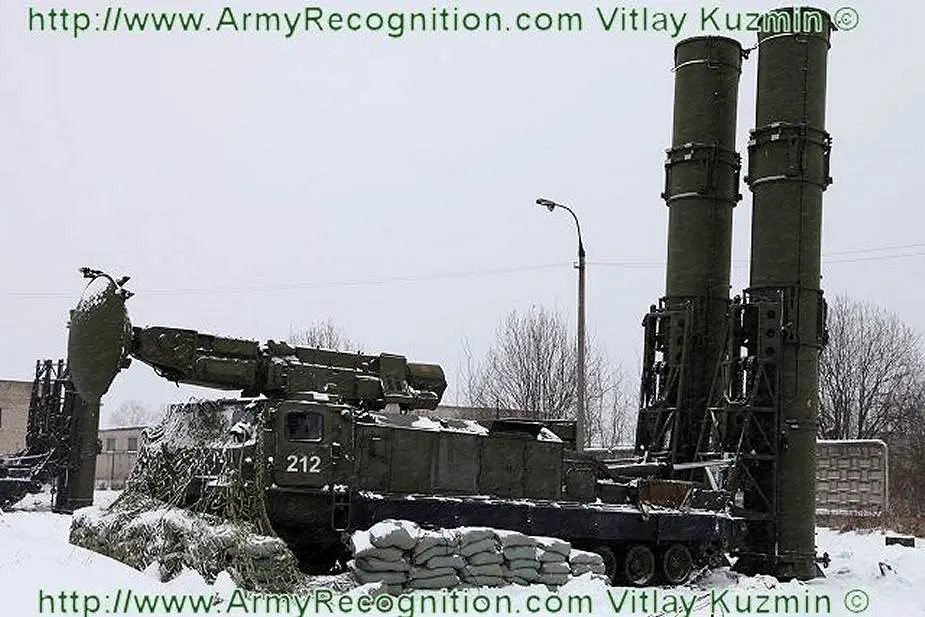
The 9A83 missile launcher vehicle utilizes the 9M83 air-defense missile, primarily targeting aircraft and various cruise missiles; upon entering combat status, it deploys its integrated 9P83 radar. During the initial post-launch phase, the 9P83 radar transmits course-correction signals. In the terminal phase prior to impact, the radar projects a high-power continuous-wave beam at the target; the reflected signal is captured by the semi-active radar seeker in the 9M83 missile’s nose, guiding it toward the target. Should the primary radar vehicle be damaged and unable to provide target data, the launcher vehicle’s own small-scale radar can provide limited target search and missile tracking capabilities.
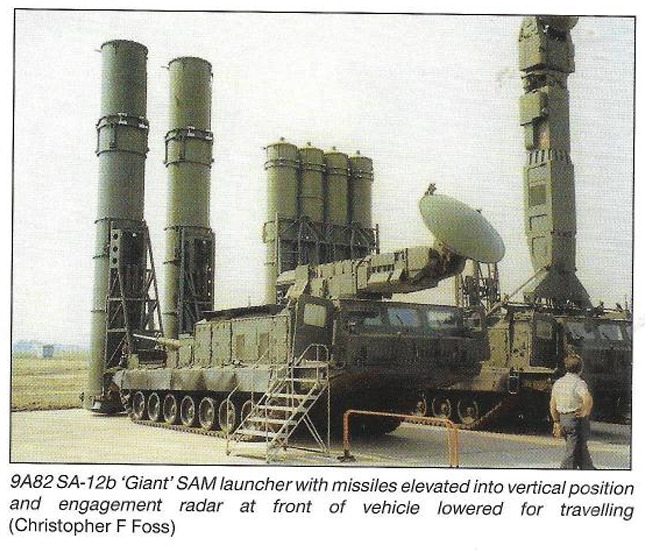
The 9A82 missile launcher vehicle utilizes the 9M82 air-defense missile, primarily targeting ballistic missiles. Upon entering combat mode, it deploys its onboard 9P82 radar, which offers an elevation coverage of 0° to +110°. Following launch, the missile relies on mid-course command updates for guidance. As anti-ballistic missile interceptions typically occur at high altitudes and long ranges (40–100 km), the radar continuously transmits high-frequency radio correction commands to the ascending 9M82 missile. During the terminal phase, just prior to impact, continuous-wave illumination is employed. Should the dedicated radar vehicle sustain damage and fail to provide target data, the launcher’s own small-scale radar can facilitate limited target search and missile tracking capabilities.
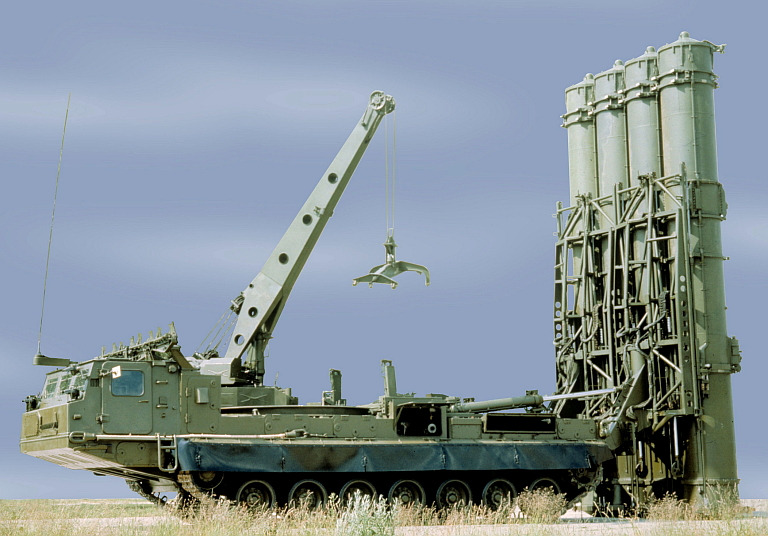
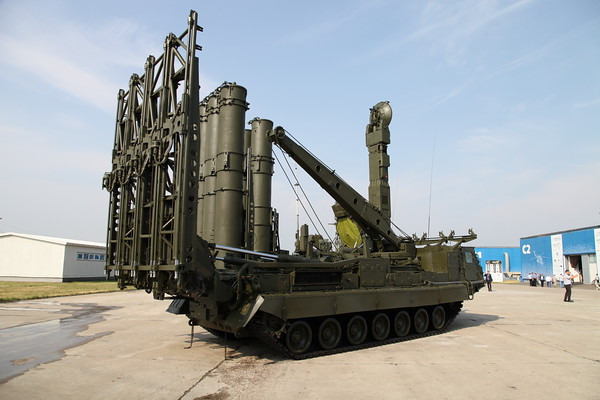
Used for loading 9M83 air-defense missiles; carries four missiles per vehicle.
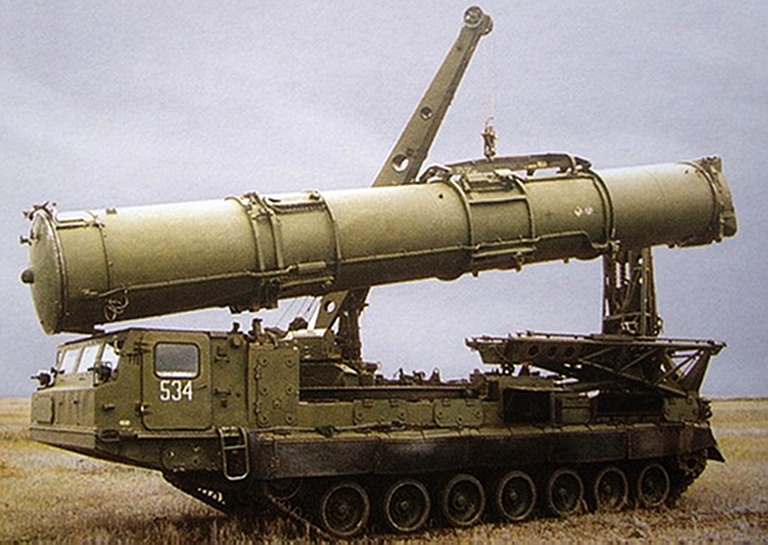
Used for loading 9M82 missiles; carries two missiles per vehicle.
The S-300V is a massive, complex air defense system characterized by high target-acquisition efficiency, powerful and high-speed weaponry, and robust resistance to electronic countermeasures. Current War Thunder maps are too small for the S-300V, preventing it from realizing its full combat potential; conversely, it is overpowered against aircraft from other nations, making it extremely difficult to contend with on such confined battlefields. Therefore, I propose introducing player-controlled S-300V units as a special ground-based combat element in the next “Nuclear Thunder” event, while retaining the existing air-to-air combat mechanics. Players operating the S-300V would be tasked with intercepting nuclear-armed aircraft while rapidly repositioning to evade incoming anti-radiation missiles. Players would not be able to deploy the S-300V at the start of the match; instead, they would need to accumulate a specific number of spawn points before they could field the system for combat.
Due to the large and complex system composition of the S-300V, I suggest using a 1-command 2-commanded approach when joining the game, where one 9S15MT search radar vehicle commands two 9A83 missile launch vehicles, just like the Buk M3.

9M83:
Missile length 7.5 meters
Maximum Missile diameter of 0.5 meters
Launch weight 2500 kilograms
Propulsion method: Two stage solid rocket engine (boost+endurance)
Guidance method: Inertial guidance + semi-active radar terminal search
Combat unit 150kg high explosive fragmentation type with optional proximity/trigger fuse function
Maximum flight speed of 1700 meters per second
Maximum range of 75000 meters for aerodynamic targets
The maximum range for ballistic targets is 40000 meters
Minimum effective range 6000-8000 meters
Maximum combat altitude of 25000 meters for aerodynamic targets
Minimum effective combat altitude of 250 meters
Maximum target speed of 3000 meters per second
Minimum target speed 0 meters per second
Shooting rate 1 round/1.5 seconds
9M82:
Missile length 10 meters
Maximum Missile diameter of 0.85 meters
Launch weight 4600 kilograms
Two stage solid rocket engine propulsion method
Guidance method: Inertial+semi-active radar terminal search
Combat unit with 150kg high explosive disc, capable of air/collision explosion selection
Maximum flight speed of 2400 meters per second (approximately 7 Mach)
Maximum range (aircraft target) 100 kilometers
Minimum range (aircraft target) 13000 meters
Maximum shooting altitude (aircraft target) 30000 meters
Minimum shooting altitude (aircraft target) 1000 meters
Maximum target speed of 3000 meters per second
Minimum target speed 0 meters per second

Sources
- Jane’s Land-Based Air Defence 1996-97 , page 127
- Jane’s Land-Based Air Defence 2001-02 , page 174
- ODIN - OE Data Integration Network
- 9K81/9K81-1/9K81M / /SA-12/SA-23 Giant/Gladiator / Cамоходный Зенитный Ракетный Комплекс 9К81/9К81-1/9К81М / Антей 2500
- S-300V | Weaponsystems.net
- https://www.deagel.com/armies/s-300/a000372
- https://www.missiledefenseadvocacy.org/missile-threat-and-proliferation/todays-missile-threat/russia/russia-anti-access-area-denial/s-300v-air-and-missile-defense-system/
- https://www.armyrecognition.com/military-products/army/air-defense-systems/air-defense-vehicles/s-300v-russia-uk
- Name of the Roses | Microwave Journal
- S-300 missile system - Wikipedia
- 9S15M - Radartutorial
- ODIN - OE Data Integration Network