- Yes
- No
Ro-San Dan Rocket (Ro-3) (ローダンロケッツ ロ三)
The Ro Dan rockets are a series of three models (plus one experimental model) of Japanese rockets developed by the Japanese army. Work on them started in 1943, and they entered service in 1944. These missiles were probably used for attacks on the ground and ships, and possibly on planes too. In this suggestion, I’ll focus on the smallest rocket in this family, the Ro-3 (Ro-3 Kai (my name), Ro-5, and Ro-7 will appear in later suggestions).
History
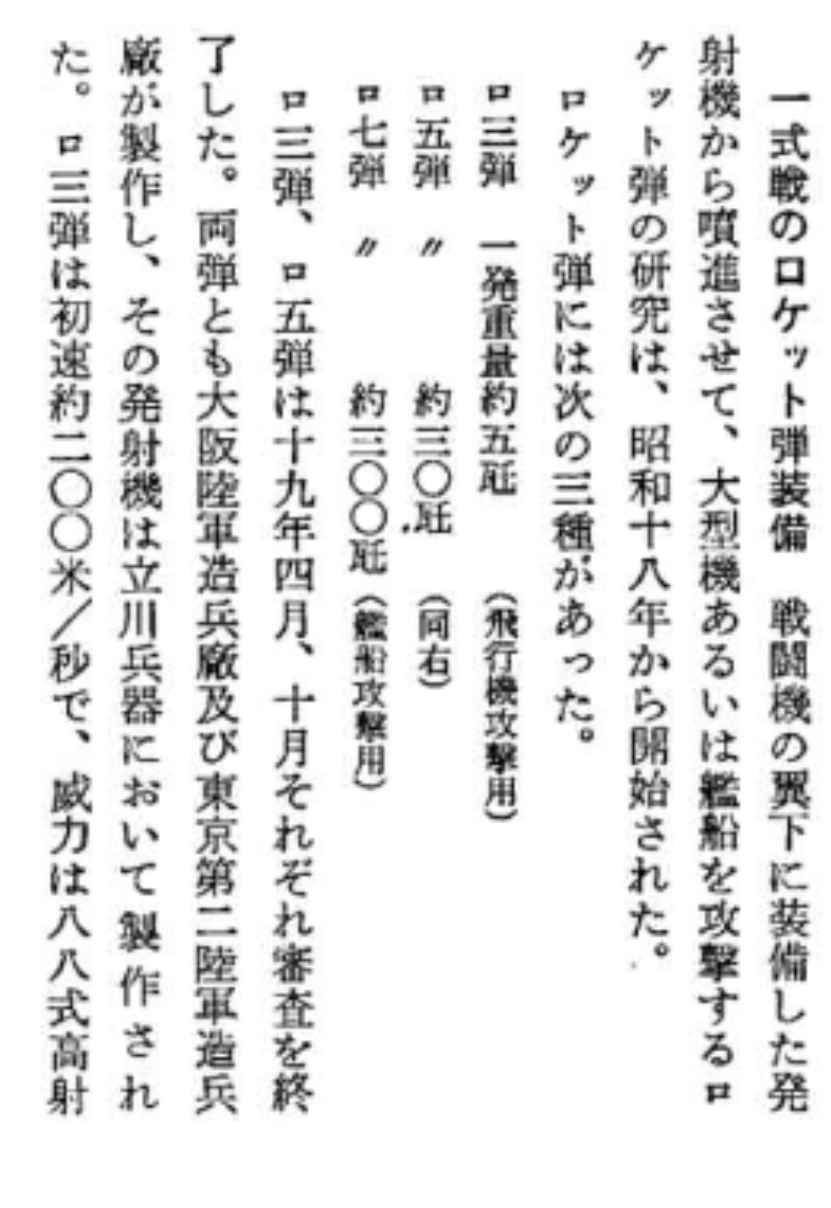
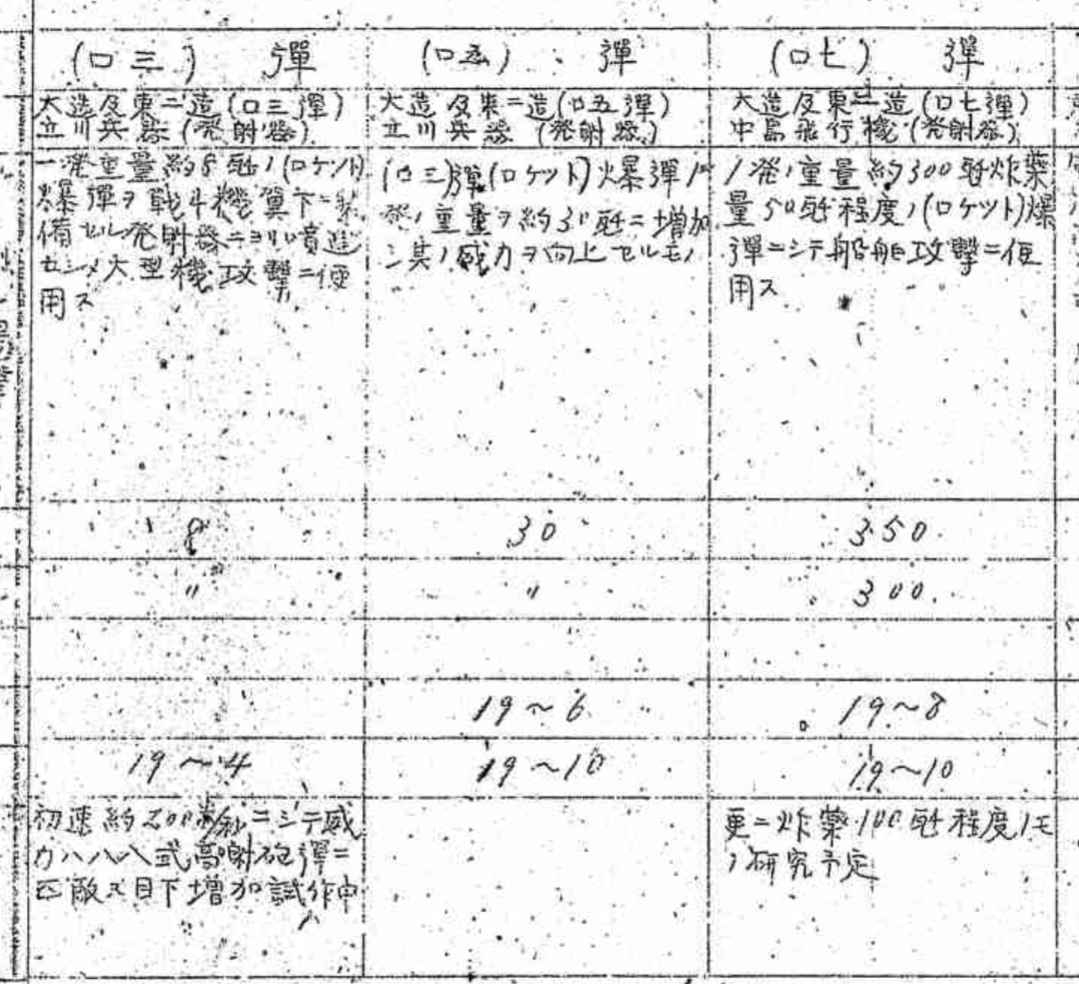
In 1943, the Japanese army began research on missiles that were to be launched from airplanes. These missiles were to be used for anti-aircraft and anti-ship purposes, although their use against land targets was not ruled out. Three rockets of very similar design but of different sizes were developed. These were rockets:
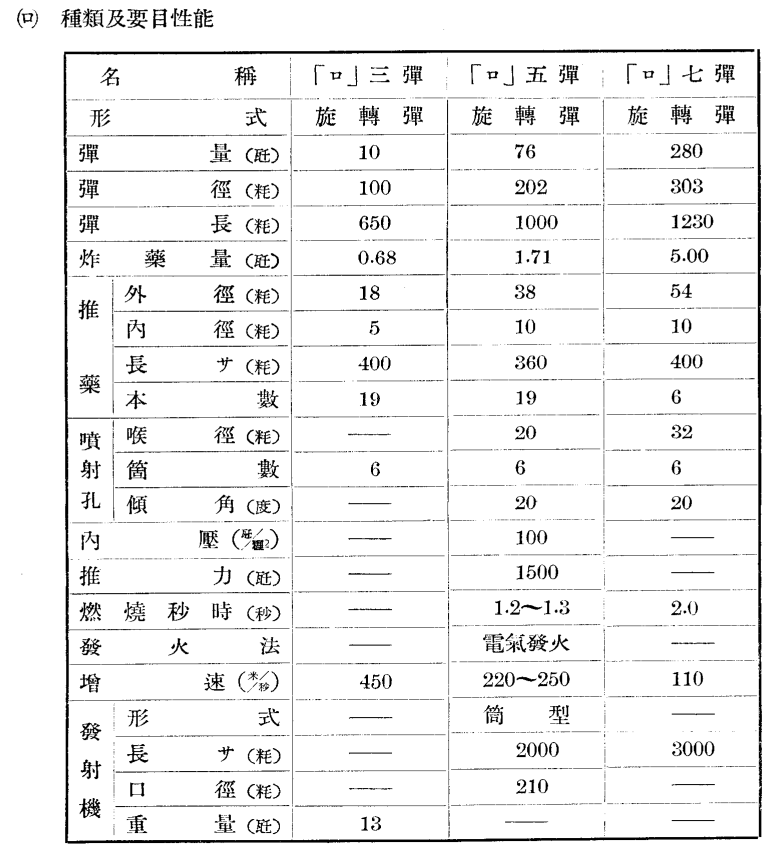
- Ro-San Dan (Ro-3) weighing about 10 kg and 100 mm in diameter (anti-aircraft)
- Ro-Go Dan (Ro-5) weighing 76 kg and 202 mm diameter (anti-aircraft)
- Ro-Shichi Dan (Ro-7) weighing 280 kg and 303 mm diameter (anti-ship)
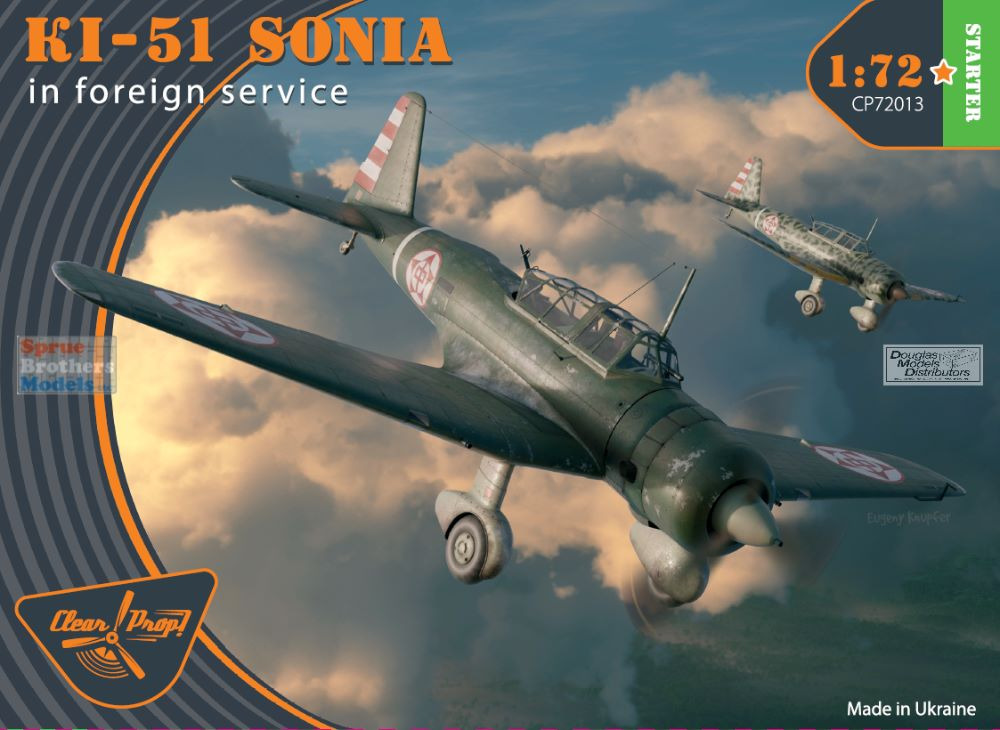
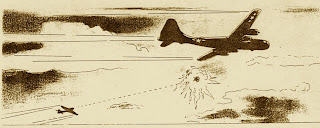
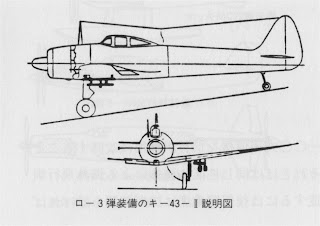
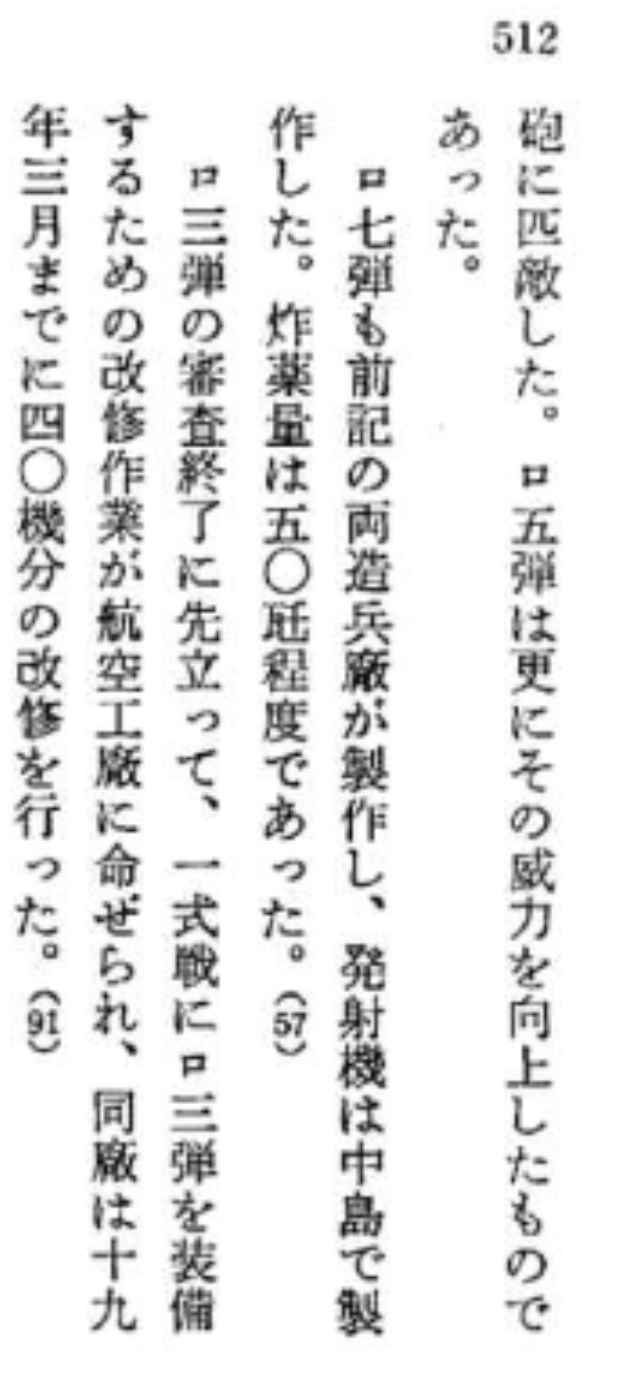
Tests on Ro-3 rockets were completed in April 1944 The Osaka Rikugun Zoheisho (Osaka Army Arsenal) and Tokyo Dai-2 Rikugun Zoheisho (Tokyo Army 2nd Arsenal) were responsible for the production of these missiles. Rocket slides were developed and manufactured at Tachikawa Heiki (Tachikawa Weapon). Even before the testing of the Ro-3 rocket was finished, the command of the Japanese army ordered 40 Nakajima Ki-43 fighters to be prepared for carrying Ro-3 rockets. At first, it was planned for each Ki-43 to carry the Ro-3 rockets under the belly and under the wings, but for safety reasons it was decided to mount the rockets only under the wings. The rocket mounts were attached to the hardpoints for extra wing-mounted fuel tanks, which allowed carrying up to four Ro-3 rockets. In March 1944, the launch configuration of the Ro-3 rockets was improved. Testing by the Japanese army showed that using Ro-3 rockets against aircraft was very difficult because the rockets were unstable in flight. It was then ordered to create a modified Ro-3 rocket with flight stabilizers (Ro-3 Kai (my name)). However, the Ro-3 rockets themselves were not abandoned, and the Japanese decided they could be used for other purposes, for example, for attacks on ground targets. For this purpose, research was started on using Ro-3 rockets on the Mitsubishi Ki-51 attack aircraft. It’s not exactly clear what came out of these tests, but there are assumptions that a limited number of Ro-3 rockets were actually used in combat. There are reports that the rockets were sent to Singapore, where they were test-used on Nakajima Ki-44 and Kawasaki Ki-45 fighters. The tests showed that there was only one attempt to use them during an attack, in the first frontal attack on a B-29 formation, and that the rocket firing system was very unreliable. Additionally, the Americans in the AAF HQ Intelligence Report 45-101 mention a Japanese Nakajima Ki-43 unsuccessfully attacking a B-29 bomber with a rocket (most likely this was the use of an Ro-3 rocket).
Sketch from AAF HQ Intelligence Report 45-101
Construction description
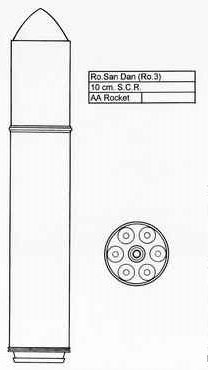
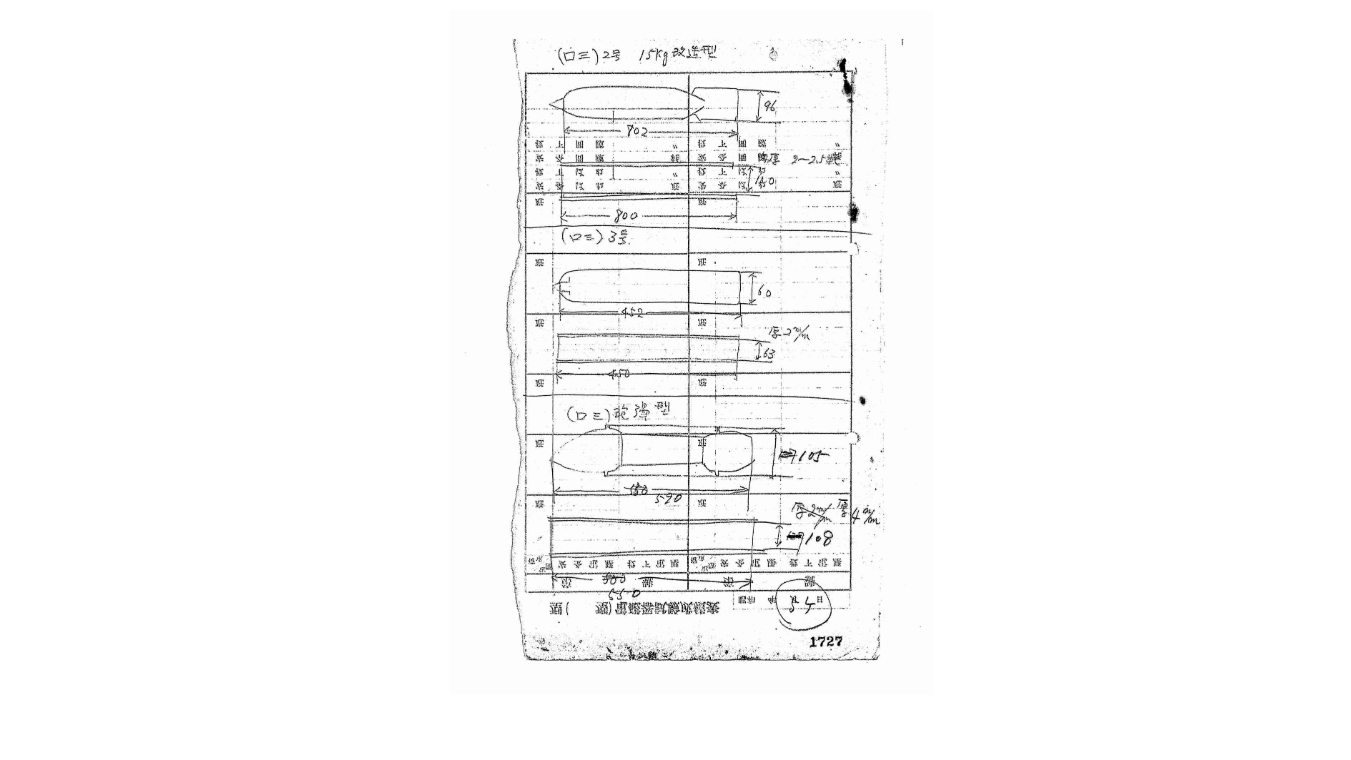
The Ro-San Dan (Ro-3) rocket weighed 10 kg and had a diameter of 100 mm and a length of 650 mm. The warhead contained 0.68 kg of explosive charge and had an effectiveness similar to the HE rounds for the Type 88 75 mm gun. The rocket was stabilized by six nozzles set at an angle of 20 degrees at the bottom of the rocket, which led to a rotational speed of 3600 rpm. During takeoff, the rocket accelerated to 200 m/s, and in flight, it reached 450 m/s.
Side sketch of the Ro-3 rocket
Estimated effectiveness
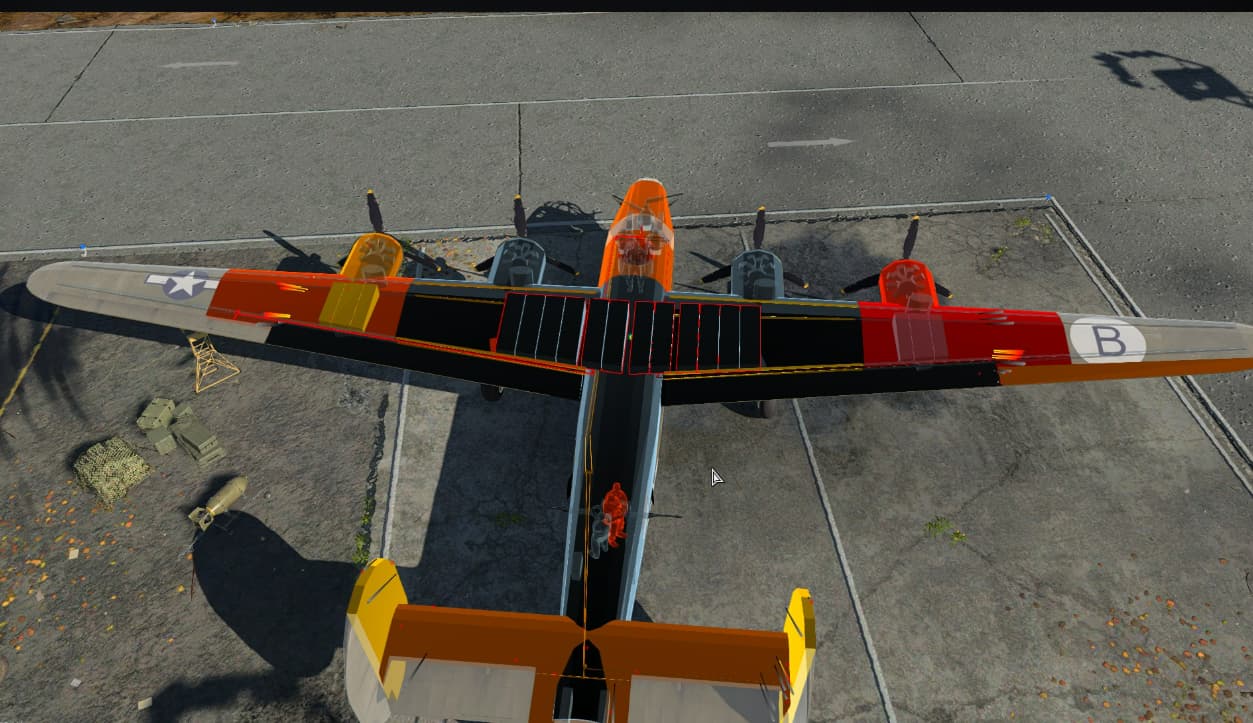
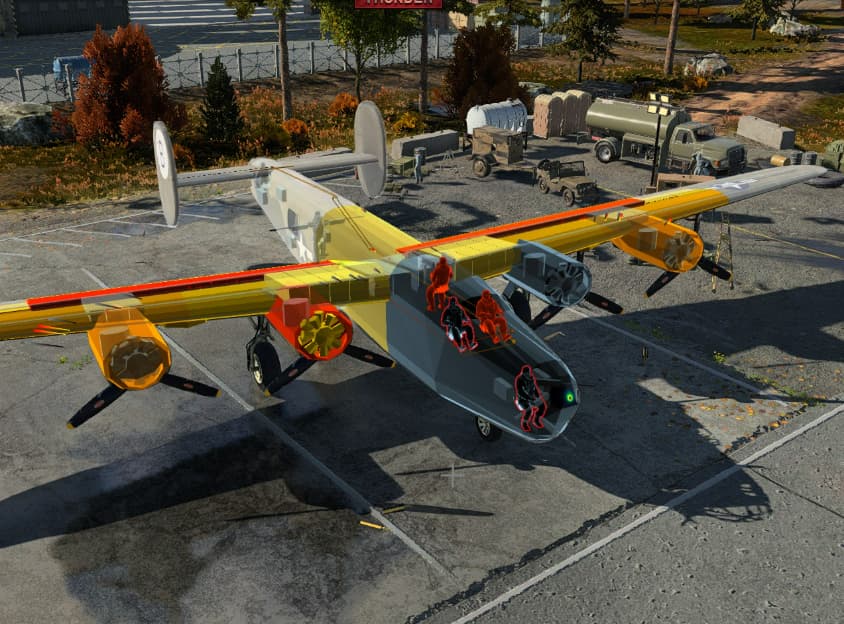
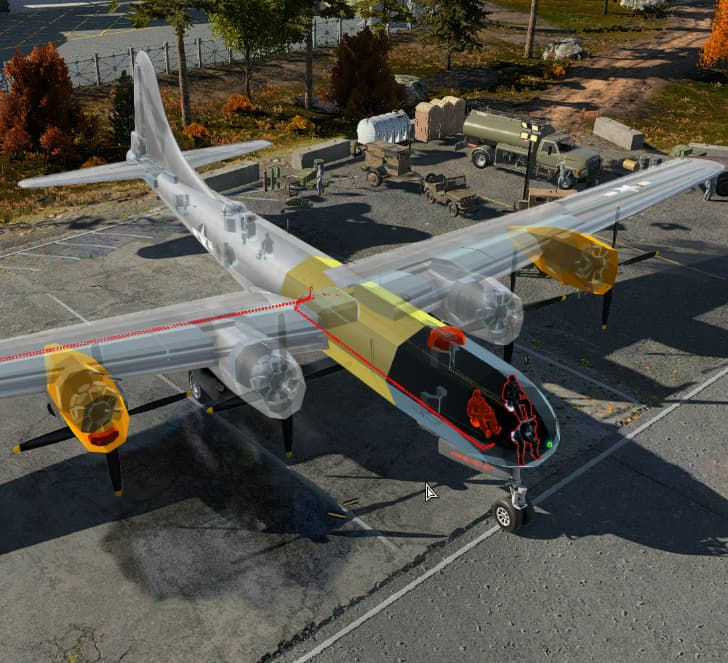
The results of a hit on the wing and fuselage from the rear and from above, and on the nose of the aircraft.
B-17
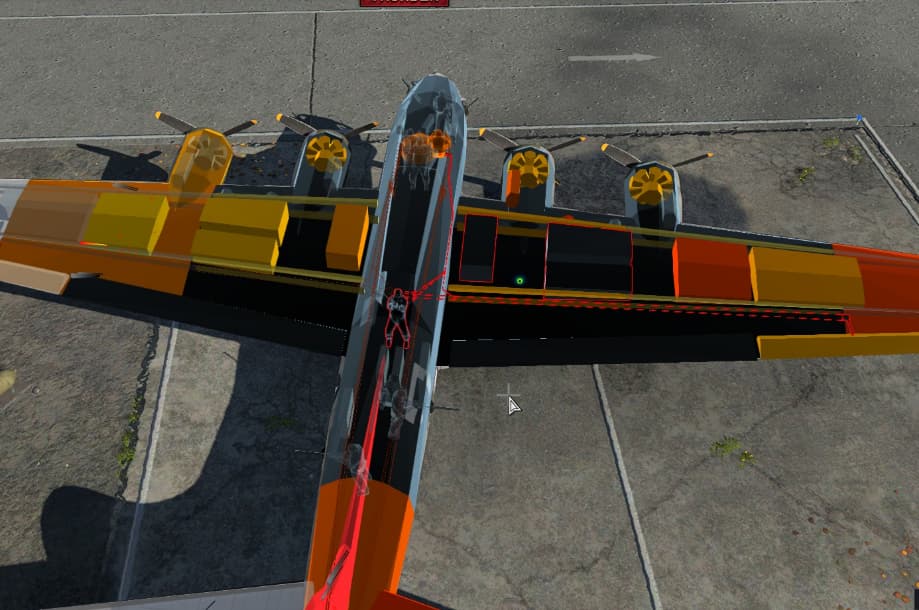
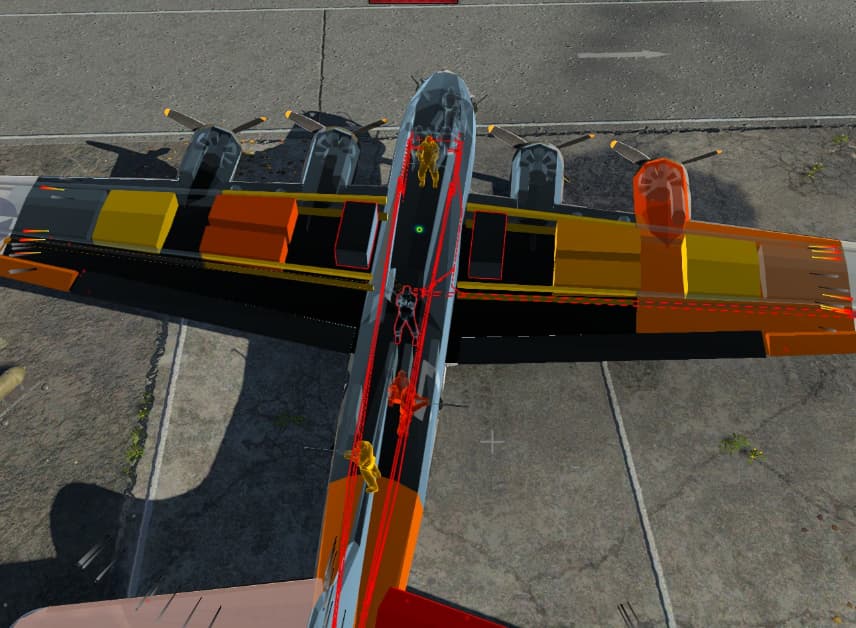
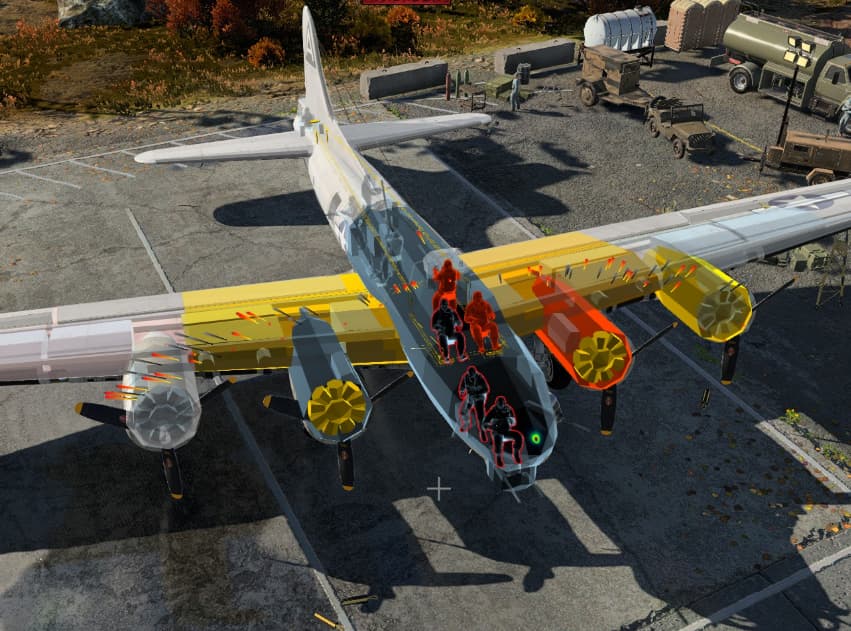
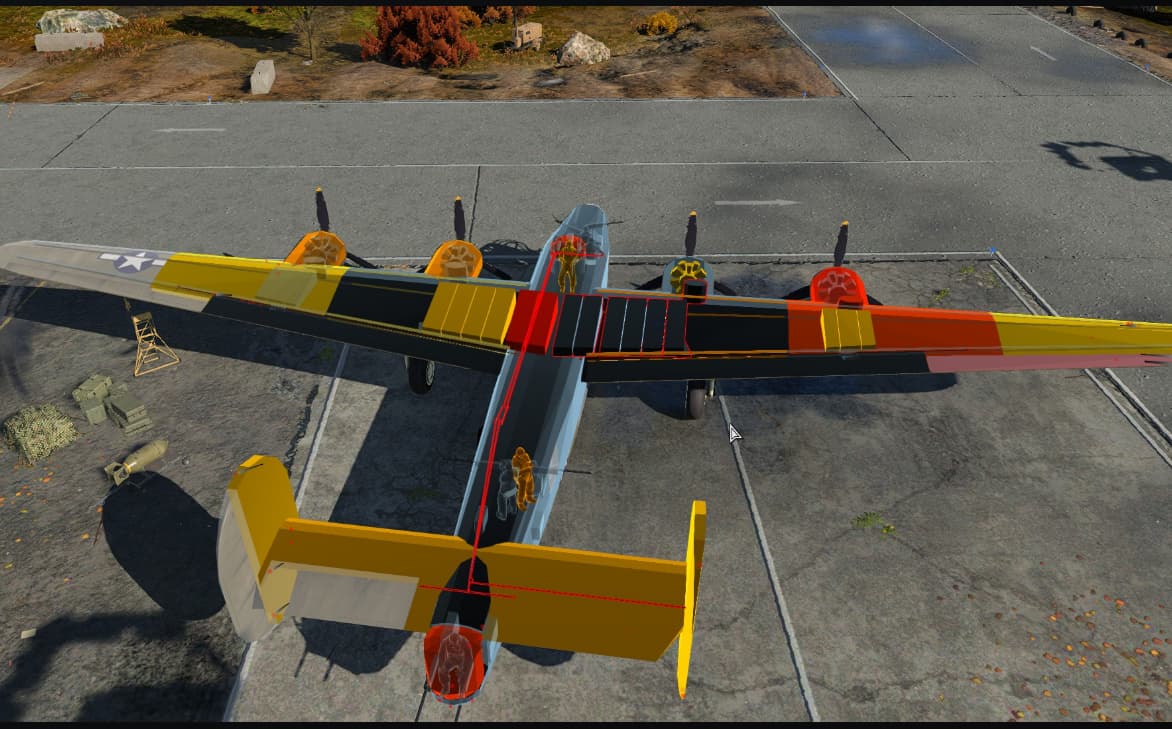
B-29
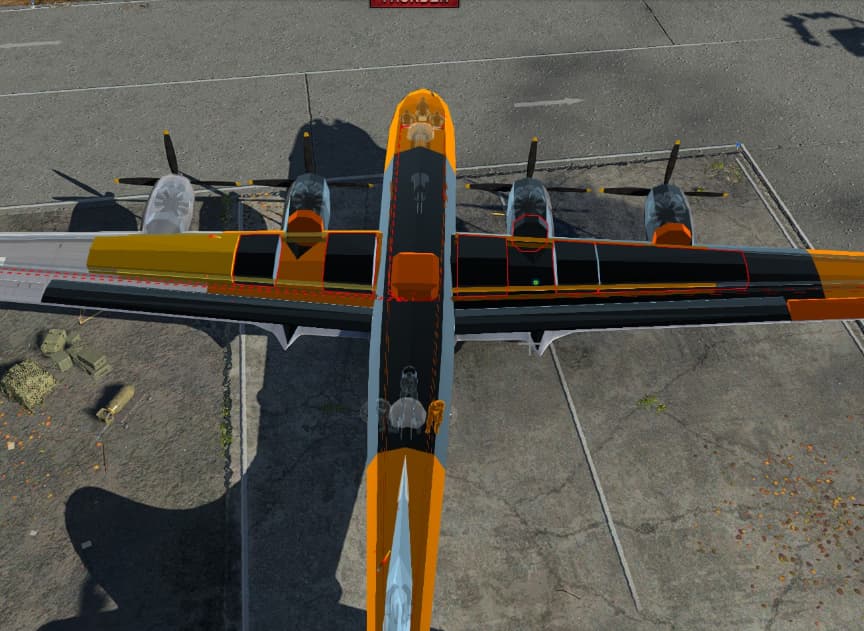
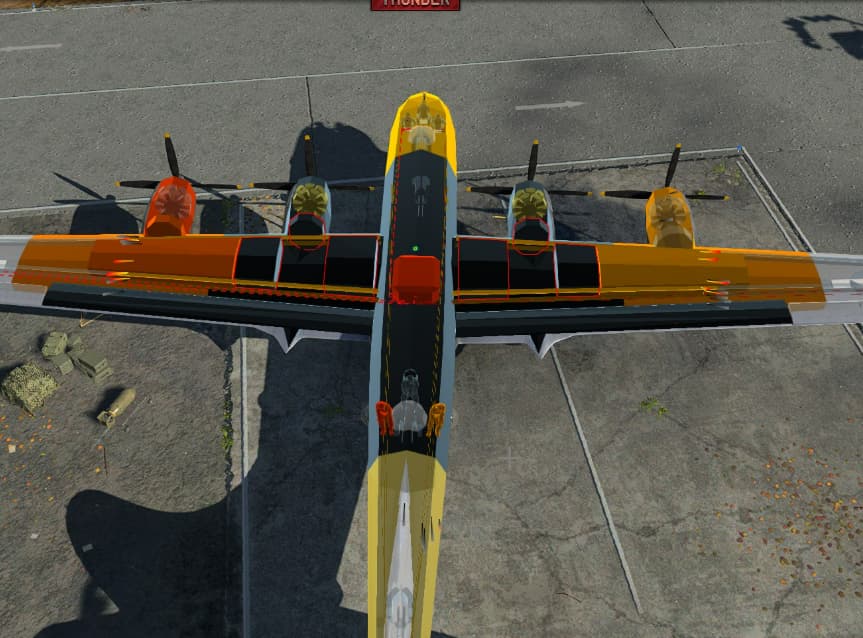
Possible carriers
Ro-3 rockets were tested and probably used by many planes. These included Nakajima Ki-43 (Ki-43-II and Ki-43-III) , Nakajima Ki-44, and Kawasaki Ki-45 fighters, as well as Mitsubishi Ki-51 attack aircraft. They were also probably compatible with Kawasaki Ki-61, Nakajima Ki-84, and Kawasaki Ki-100 fighters.
Mounting Ro-3 missiles on Ki-43
Special thanks
If it were not for these people, this suggestion would never have been made. Thank you so much
- @skultew1234
- @神風_000
Summary
Ro-3 (Ro-San Dan) rockets, along with the rest of the Ro rockets, are very interesting armament for Japanese planes in War Thunder. Adding Ro-3 rockets would allow Japanese army fighters to get rockets at lower and mid-tier levels (from BR 2.7 up), which would improve Japanese CAS capabilities and allow for interesting tactics in air and naval battles. Ro-3 rockets would be an early addition to Japanese unguided rockets, which players normally only have access to in larger numbers from BR 5.3 (before that, there’s only the D4Y2 with four rockets at BR 2.3). This would give better opportunities to learn how to use rockets and would bring Japan closer to other countries that have rockets on a large number of planes. Additionally, Ro-3 rockets would be a unique historical curiosity and a great way to spice up the gameplay. I encourage you to discuss in the comments and to share your own knowledge on this subject.
Finally, I apologize for the linguistic and logical errors because unfortunately English is not my main language and I had to use google translator.
Internet sources
Aviation of Japan 日本の航空史: Army Air-to-Air Rocket Projectiles
SOME MATERIAL ON JAPANESE AERIAL ROCKET BOMBS - PARTS ONE & TWO PICS
Nakajma Ki-44-III? | Page 2 | Secret Projects Forum
Book sources
- Fighters of the Dying Sun page 8,15,19
- 戦争史シリーズ:陸軍航空兵器 (War History Series: Army Air Weapons)


Thank you for reading the suggestion, see you in the next one. Good luck pilots