Everything had to be calculated by hand and tested. We did not know much about mach 2 plus in that era. But we could make bullets that could hit that speed easily so everything that needed to go fast was that shape.
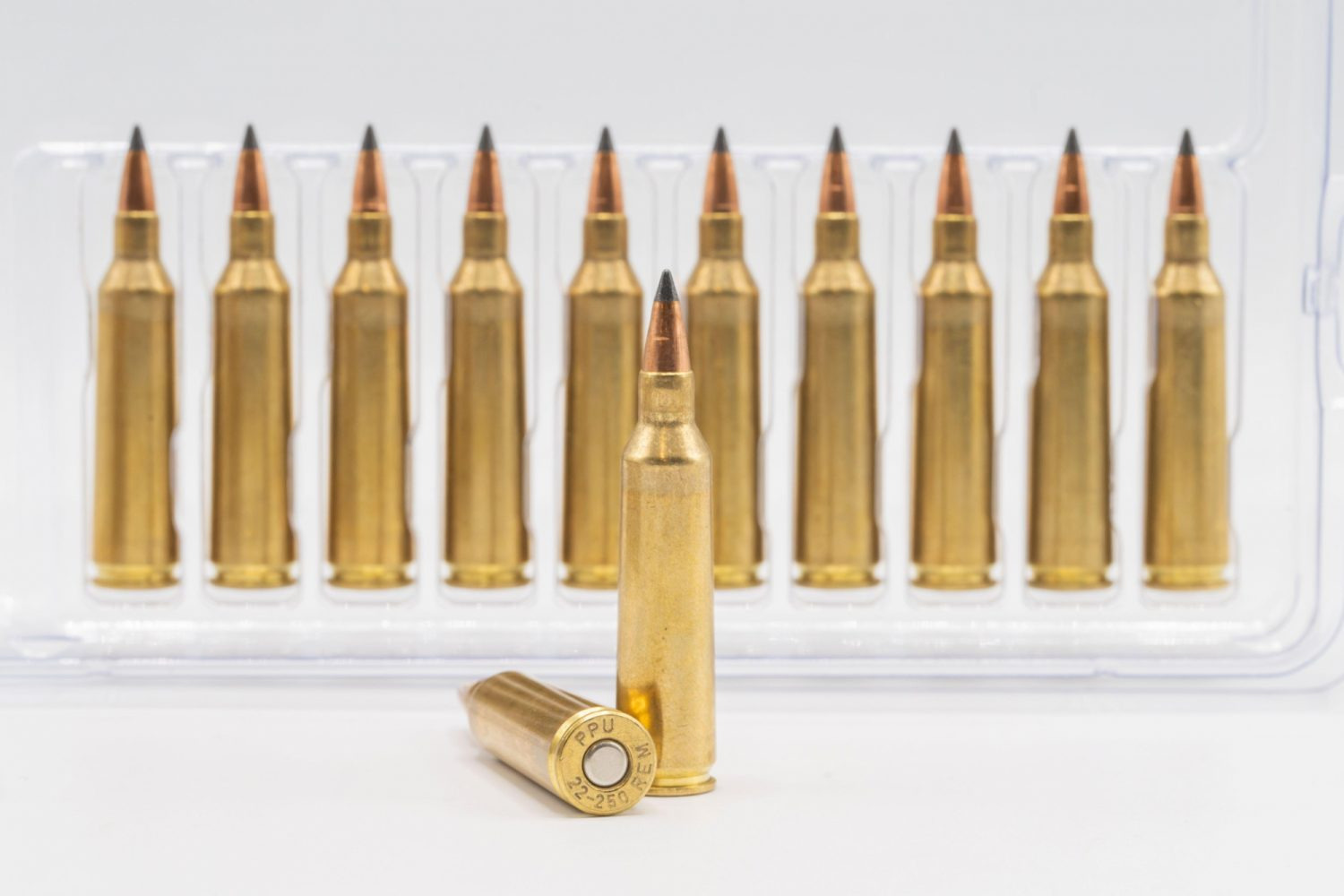
22-250 Remington ammo can reliably hit 3.4 - 3.6 mach
I am glad to see an approved Suggestion for it, I submitted one myself around the same time frame but it had been rejected for the plane not being far enough in development.
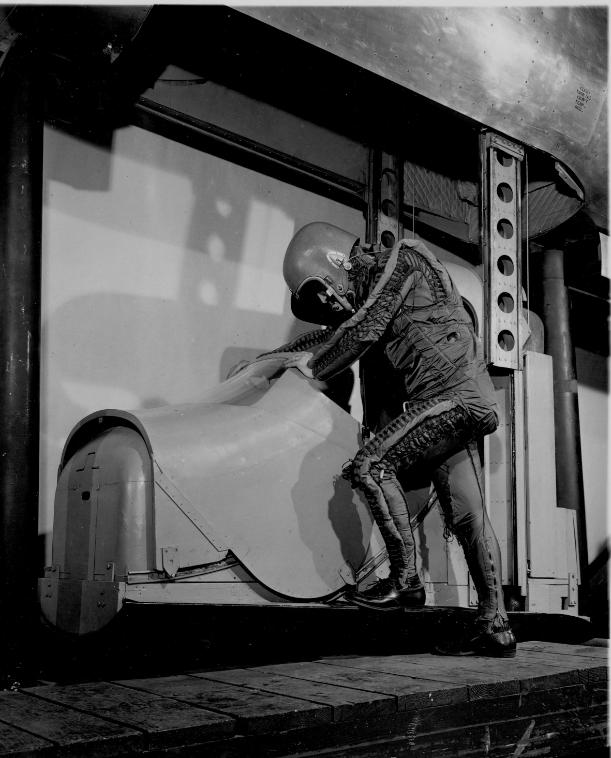
Great to know that the escape capsule was able to turn things around for the better.
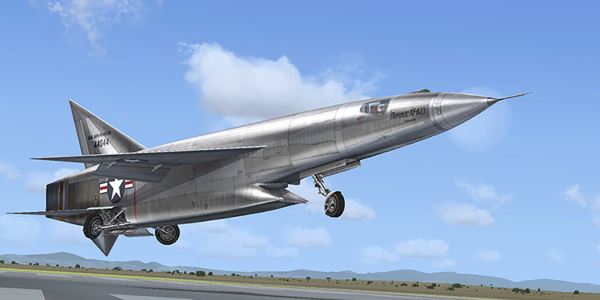
In the early 1950s the USAF held a competition for a new Interceptor to defend the United States from aerial attacks by Soviet Strategic Bombers. Although this design ranked only eighth out of nine in an evaluation by the Air Materiel Command, it was among the winners on July 2, 1951, alongside designs from Convair (Model 8) and Lockheed (L-205). The contract initially covered the construction of a full-scale mock-up.
History
Spoiler
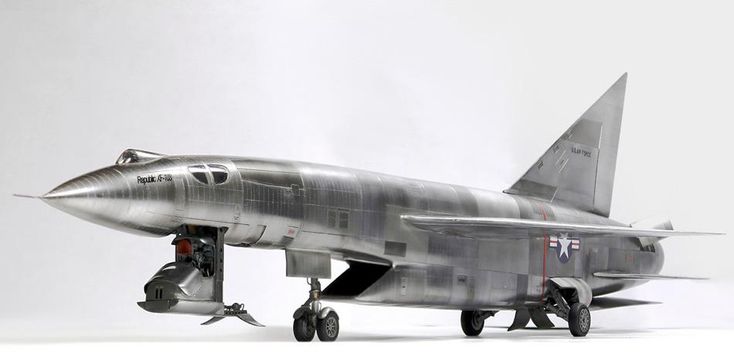
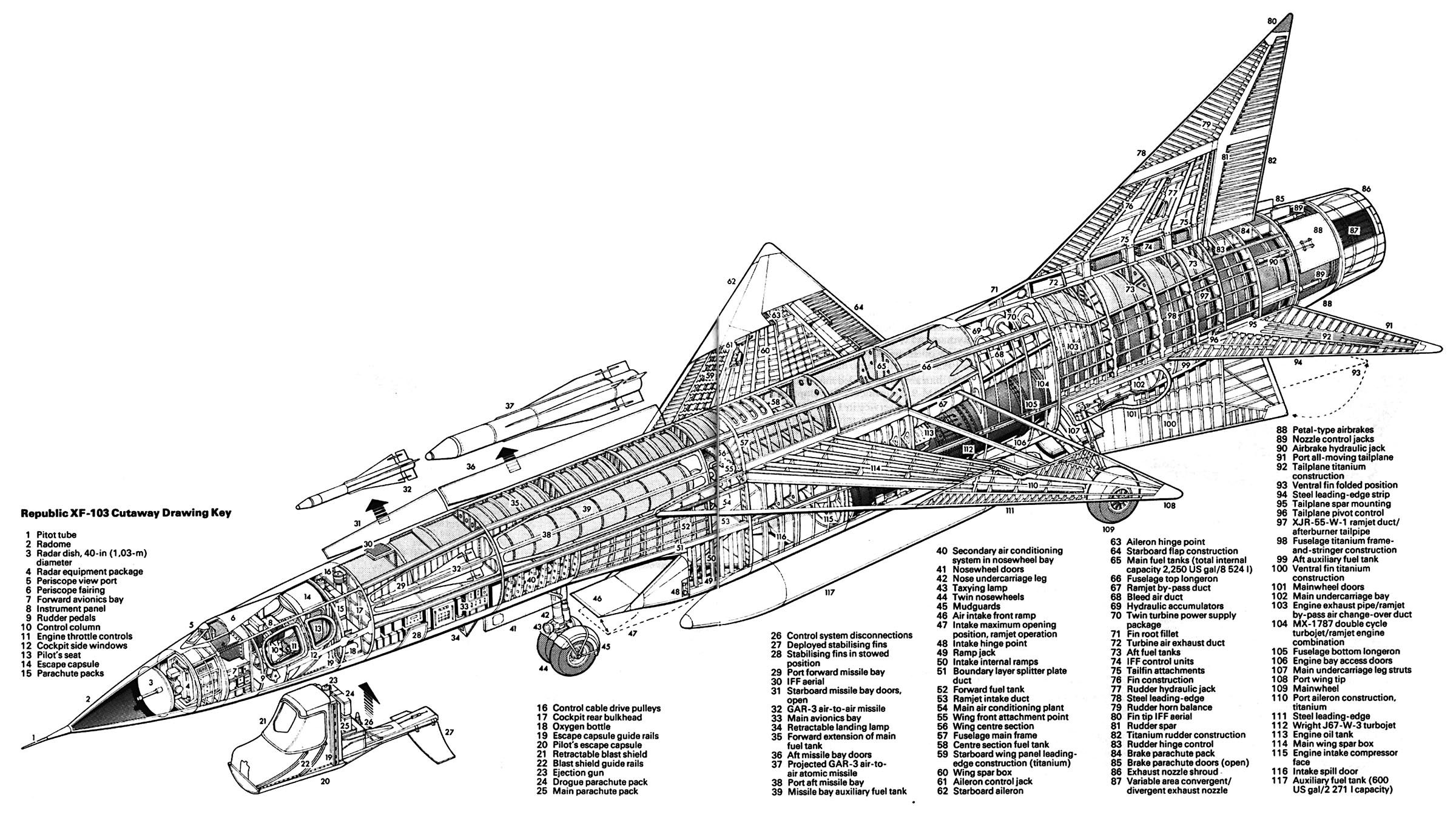
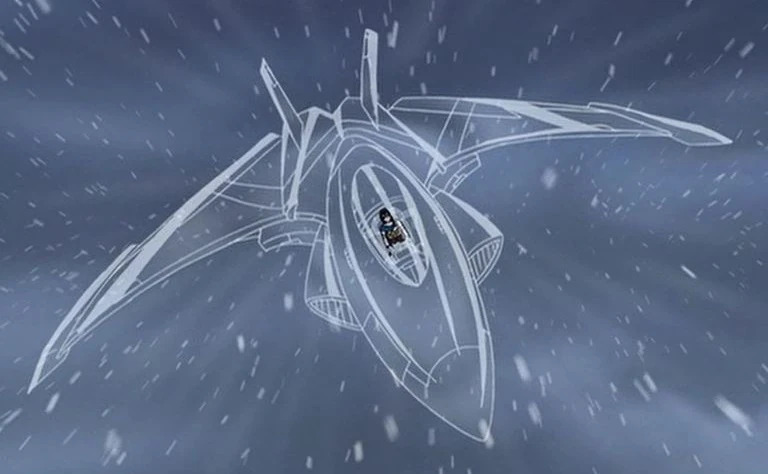
The XF-103 was based on Republic’s earlier model AP-44A from 1948, a concept for an all weather Highspeed and high altitude Interceptor that featured a combined turbo- and ramjet engine in which the USAF had shown no interest initially. 1949 Republic submitted their improved design AP-57 to the USAF Project WS-201A/MX-1554, informally known as 1954 Interceptor. A post WW2 competition to counter Soviet Strategic Nuclear Bombers.
The Republic proposal was among the chosen designs and a detailed 1:1 model was ordered in 2 July 1951. By November 1951 the Air force limited the selection further due to financial reasons, with Republic’s AP-57 being allowed to continue but now as a Research Project under the official USAF designation XF-103. The finished 1:1 model was inspected by the Air force on 2 March 1953 and made various suggestions. By June 1954 Republic received the order for 3 prototypes, but the development progressed slowly due to technical problems. Early 1957 the Air force further limited Republic to only one Prototype.
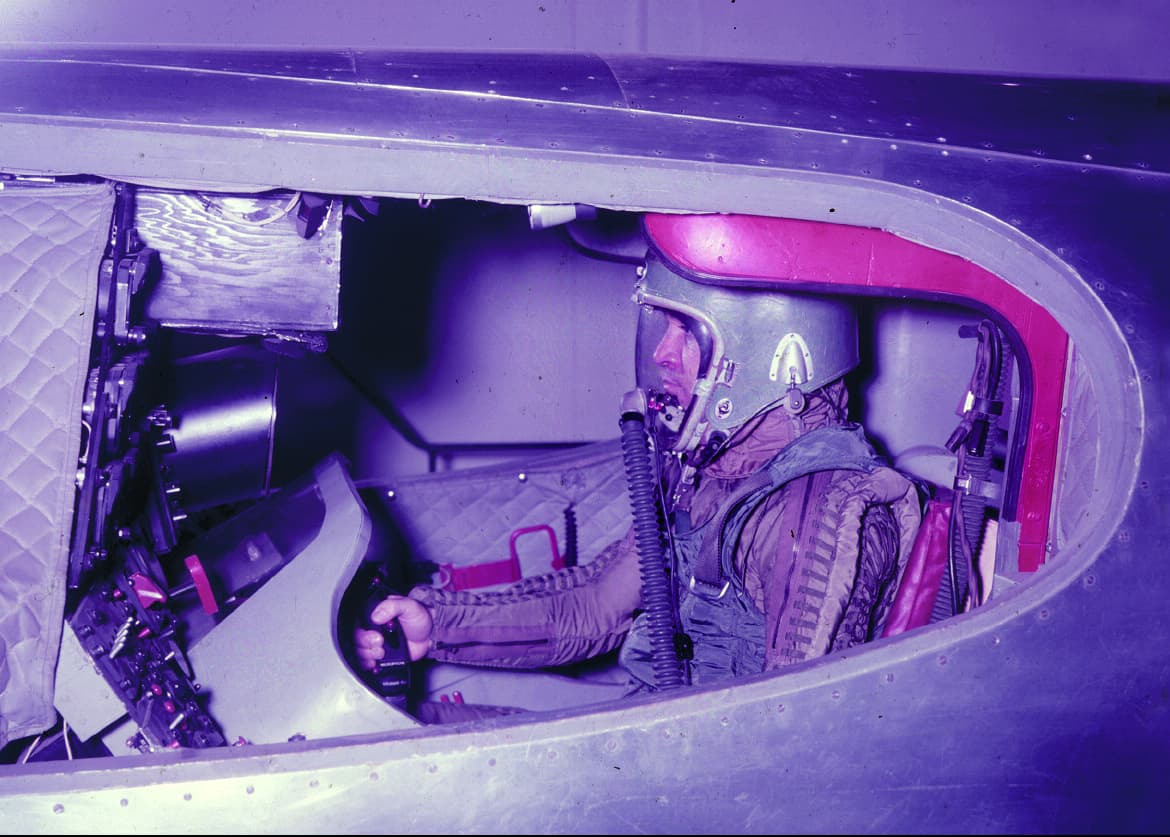
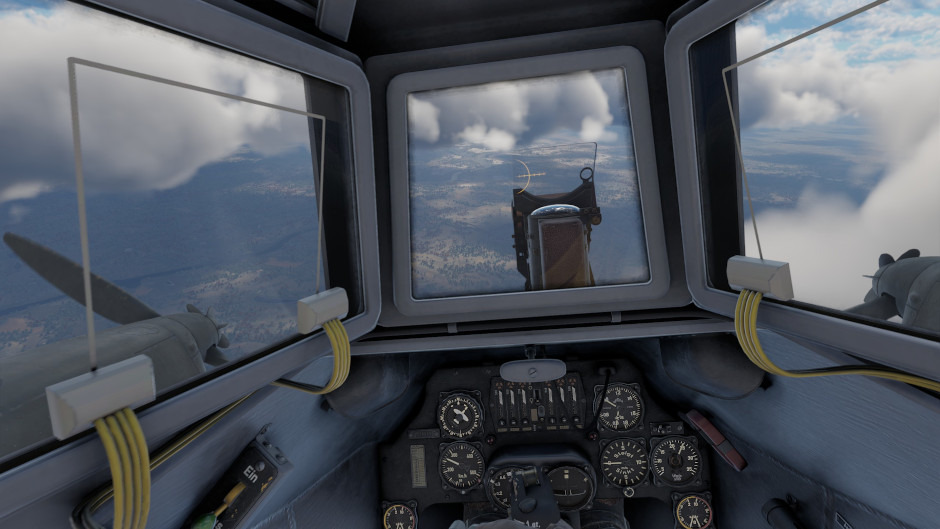
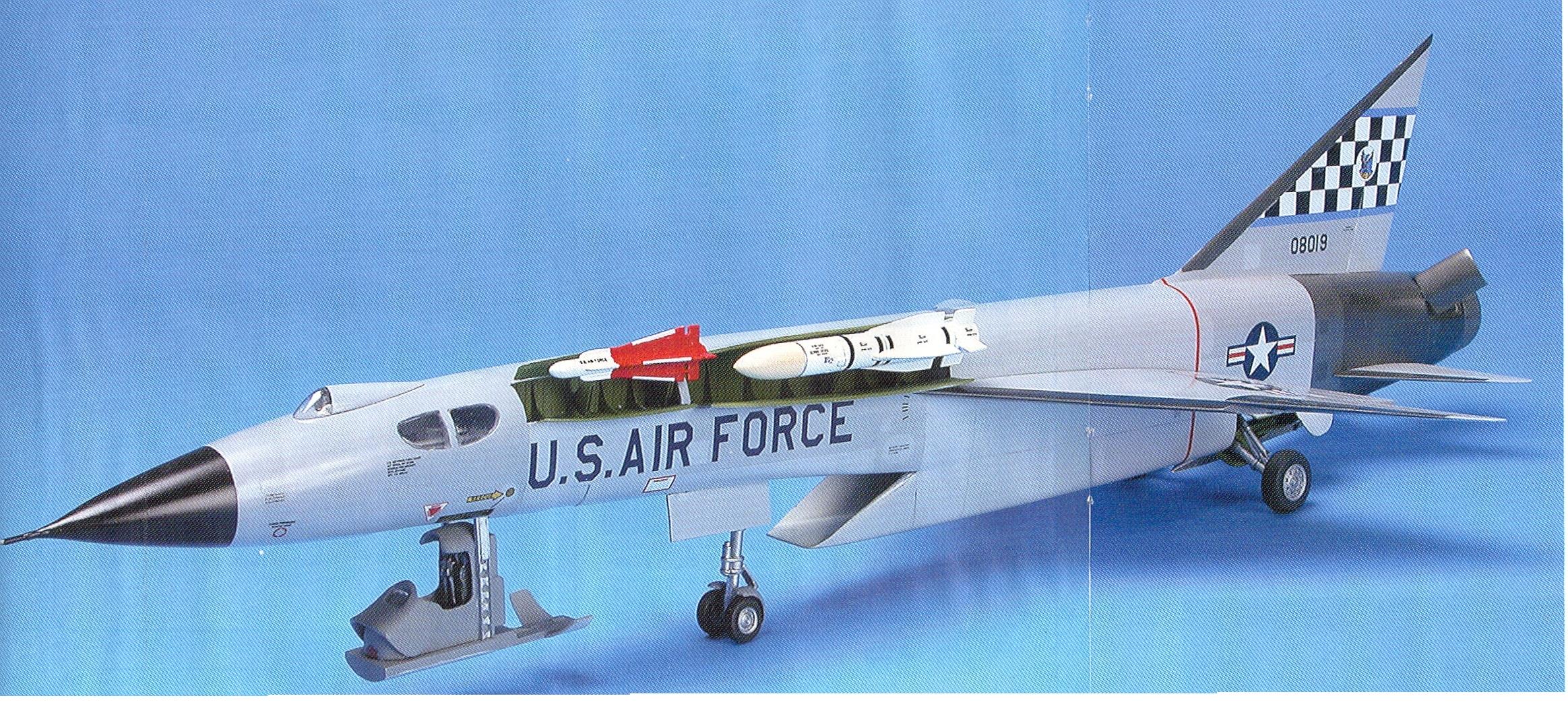
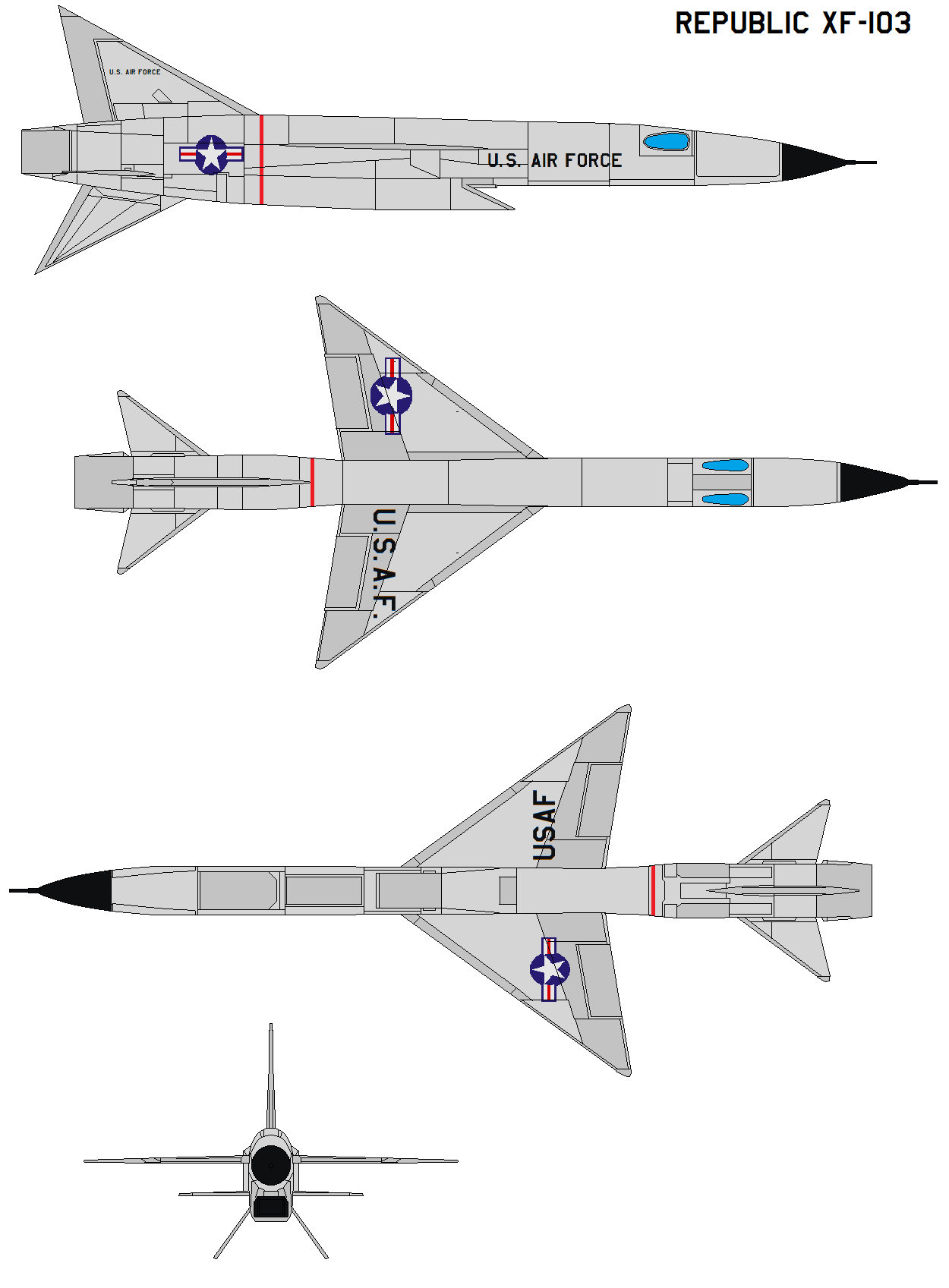
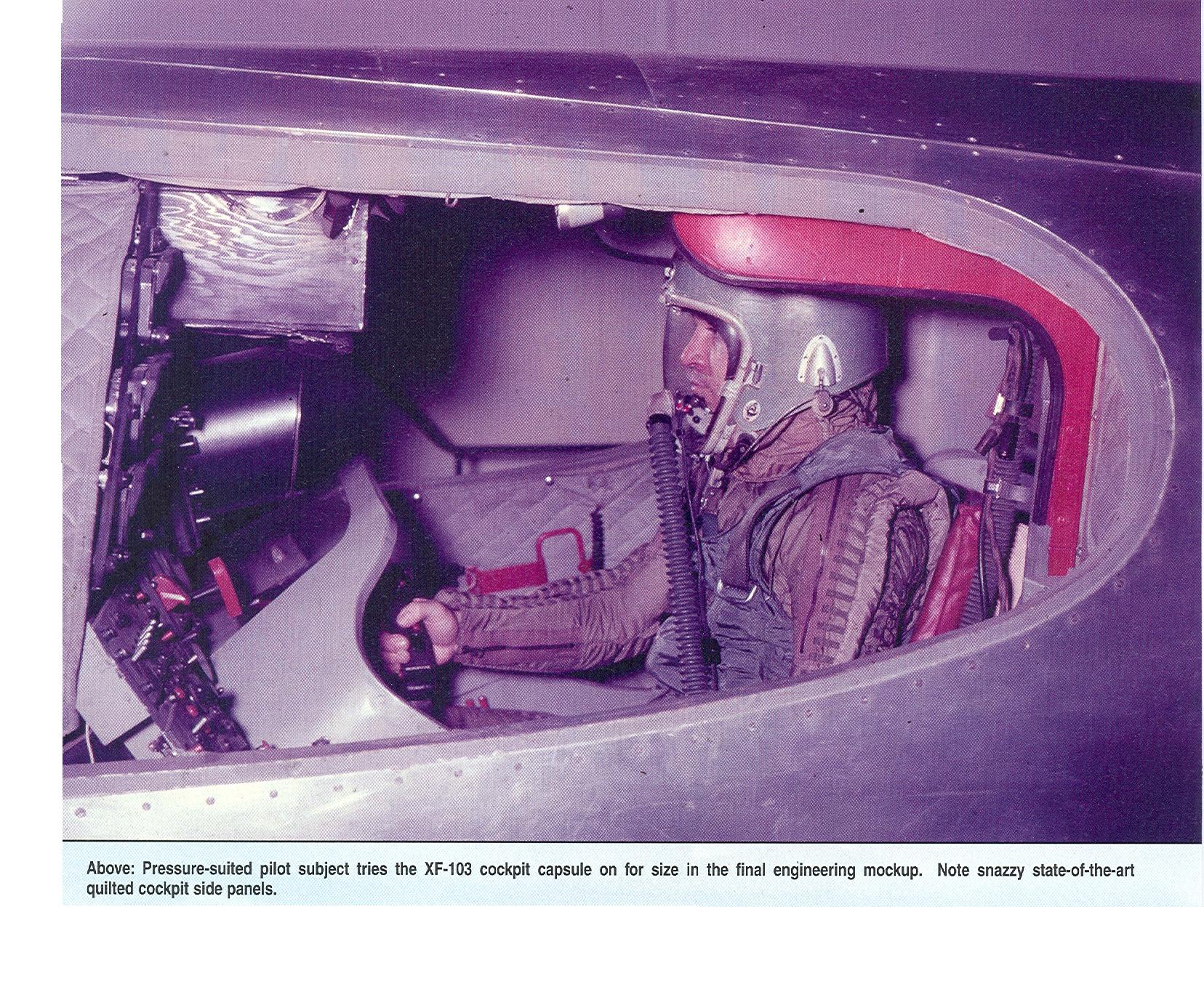
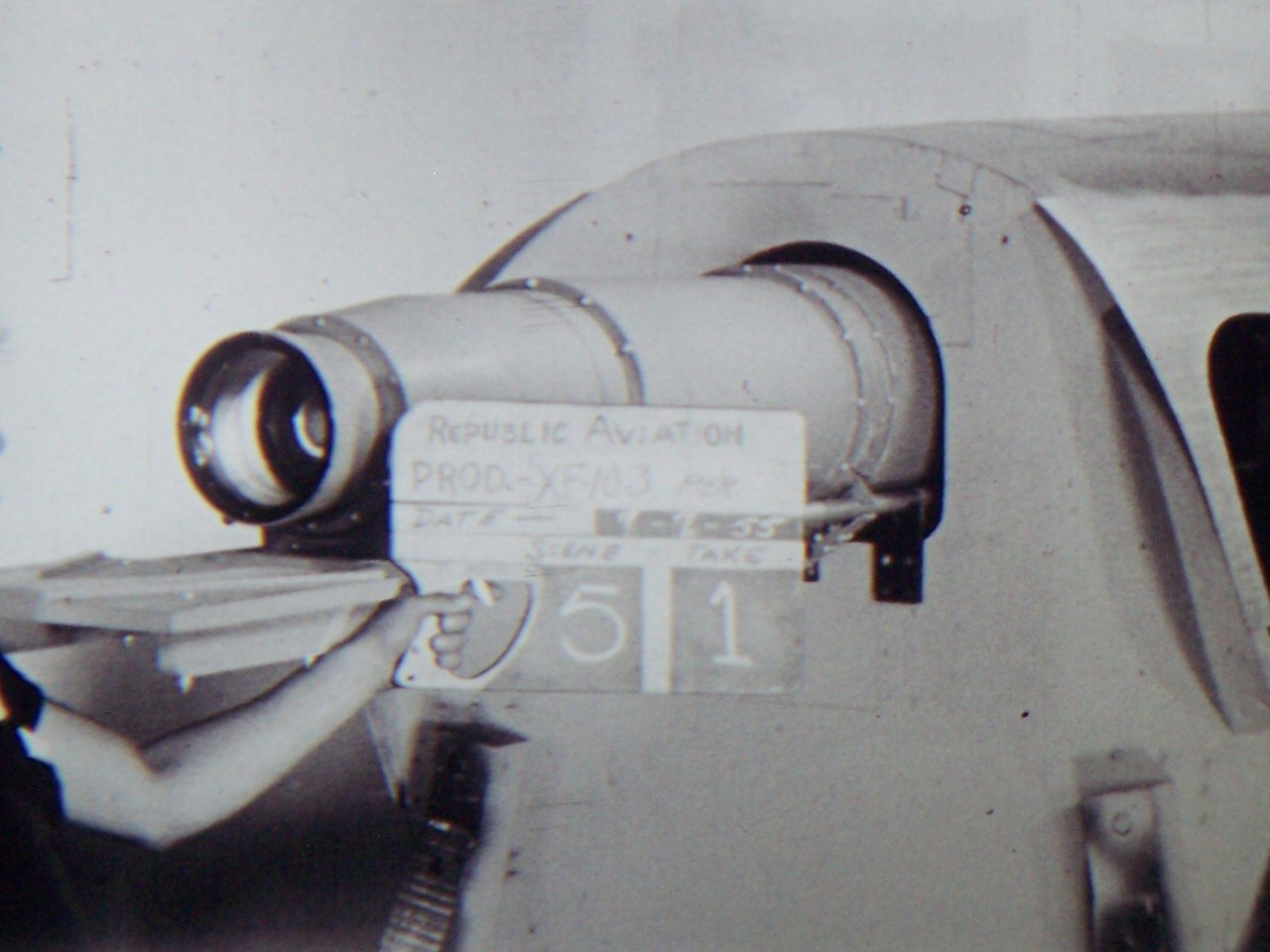
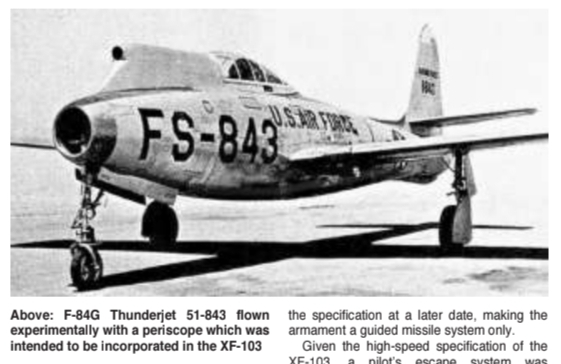
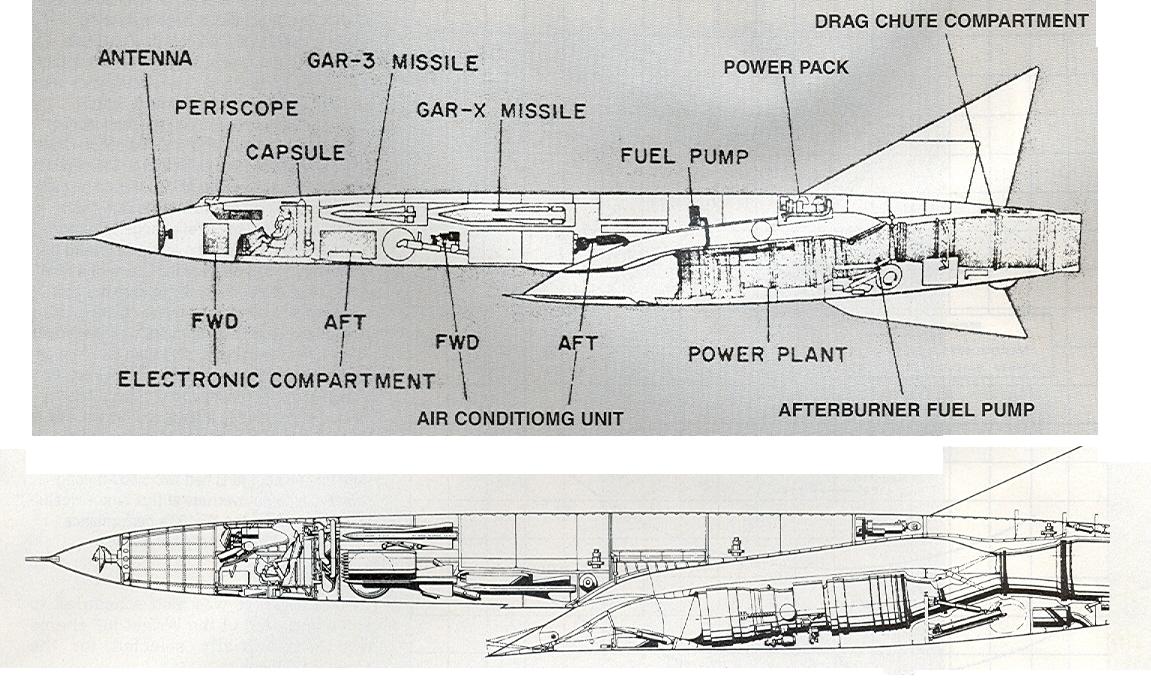
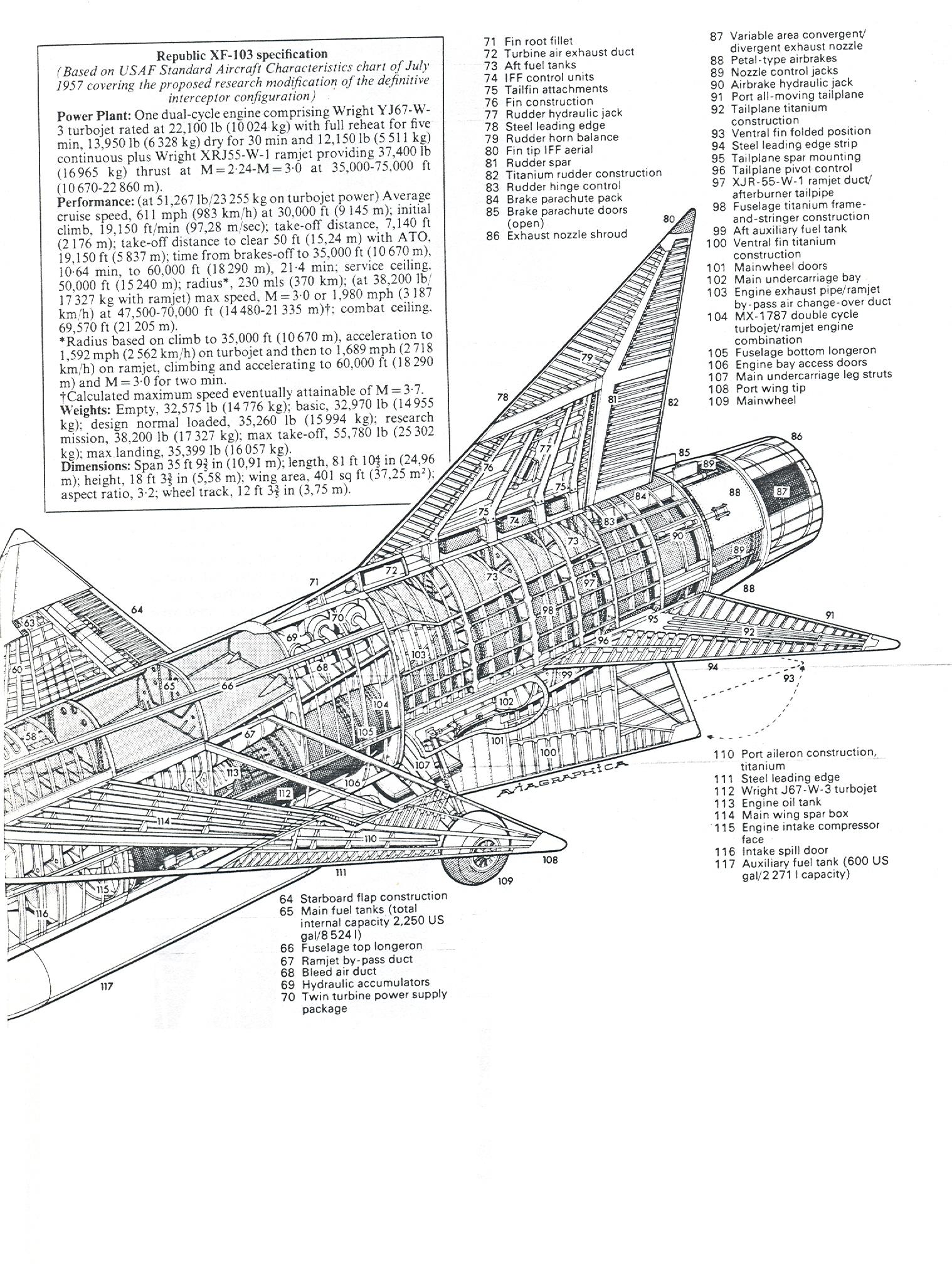
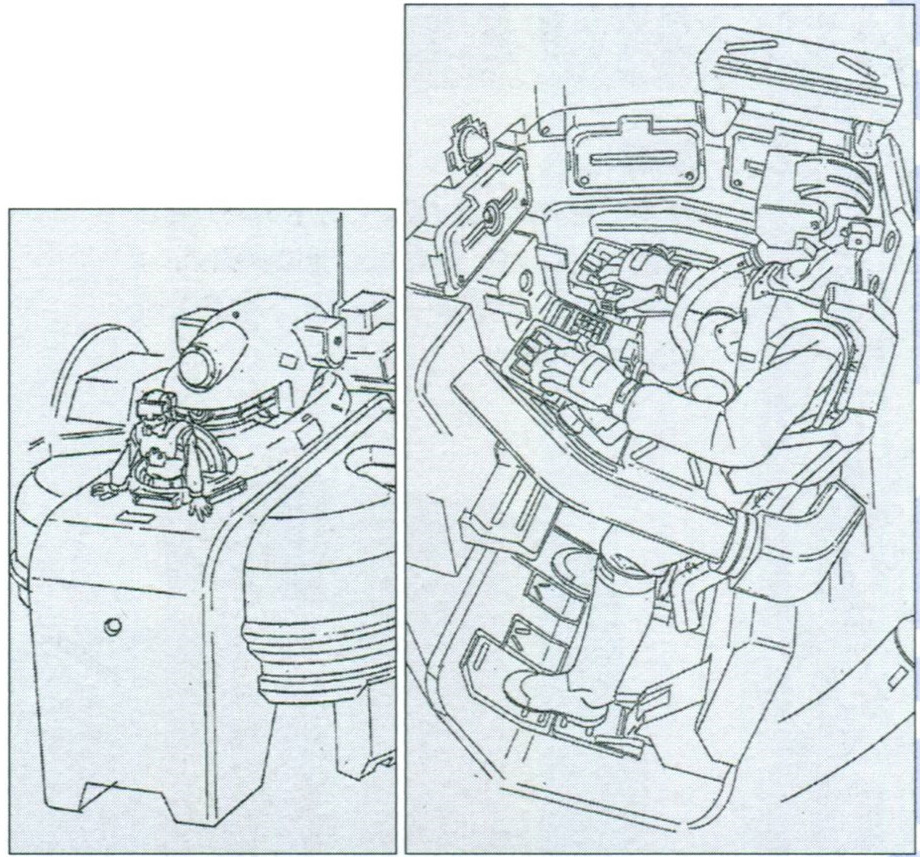
The XF-103 was to be built of steel and Titanium to withstand the near Mach 3 speeds. The Arnold Engineering Development Center (AEDC) of the Air force dedicated to high speed tested the full propulsion package of the XF-103 Thunderwarrior in December 1956 in their Wind Tunnel 16S, a continuous flow facility that could approach Mach 3.5 and 4.75 under special operating conditions, located in Camp Forrest near Tullahoma, Tennessee. The propulsion package of the XF-103 was a turbojet with an afterburner that functioned as a ramjet. This engine had a total length of 39 feet. But the test section within 16S had a length of 40 feet, which gave space to spare. But due to the extensive delays of the 1951 Thunderwarrior project, taking until December 1956 to carry out the AEDC Tests and a first flight of the XF-103 scheduled for as late as 1960. Main reason for this was the highly advanced and Titanium reliant Design. Other advanced features were the Pilot telescope for front visibility, extensively tested on a Republic F-86G Thunderjet 51-843. As well as a pilot’s escape system comprising a capsule with a sliding hood which completed the enclosure and maintained pressurisation at the time of ejection, but otherwise remained open to allow the pilot to reach the cockpit controls. Ejection would be downwards, and stabilising Fins and a drogue parachute would be deployed. At 20,000 ft and at speeds under 260 kt (480 km/h), the main parachute would deploy. The capsule also functioned as an Elevator to facilitate crew access into the Cockpit from ground level. Given the complexity and delays of the project, the Air force cancelled it on 21 August 1957 with the incomplete Prototype airframe subsequently scrapped.
The Powerplant
A Wright YJ-67 turbojet, developed under licence from Bristol Siddeley’s 9,800 lb thrust (43.6 kN) Olympus ½ turbojet formed the basis of the Power-plant, to which a Wright XRJ-55 ramjet was coupled to act as a reheat section. The XF-103 would take off and fly up to mach 2 under turbojet power and then the air intake would Bypass the turbojet and funnel the air directly into the reheat system, turning it into a ramjet. Speeds of Mach 3 at 75,000ft were projected. However, the AEDC Tests showed that although this Power-plant configuration was working, the expected amount of thrust could not be reached.
Armament
The XF-103 was proposed to field six Hughes GAR-1 Falcons, later redesignated as AIM-4 Falcon, in an internal weapons bay. Originally, a battery of Thirty-six 2.75-inch Folding-Fin Aircraft Rockets (FFAR) was also propsed but later dropped, making the Thunderwarrior a pure Missile based Air-to-Air Interceptor.
Specifications
Spoiler
Type: Interceptor
Length: 23.50 m
Wingspan: 10.50 m
Wing area: 37.20 m²
Aspect ratio: 2.96
Height: 5.10 m
Empty weight: 11,317 kg
Normal takeoff weight: 17,466 kg
Maximum takeoff weight: 19,443 kg
Maximum speed: up to Mach 3.7
Rate of climb: 11,600 m/min
Service ceiling: 24,390 m
Combat radius: 394 km
Ferry range: 2,486 km
Crew: 1 pilot
Powerplant:
• one Wright XJ67-W-3 turbojet engine with up to 6,810 kp thrust
• one Wright XRJ55-W-1 ramjet engine with up to 8,530 kp thrust