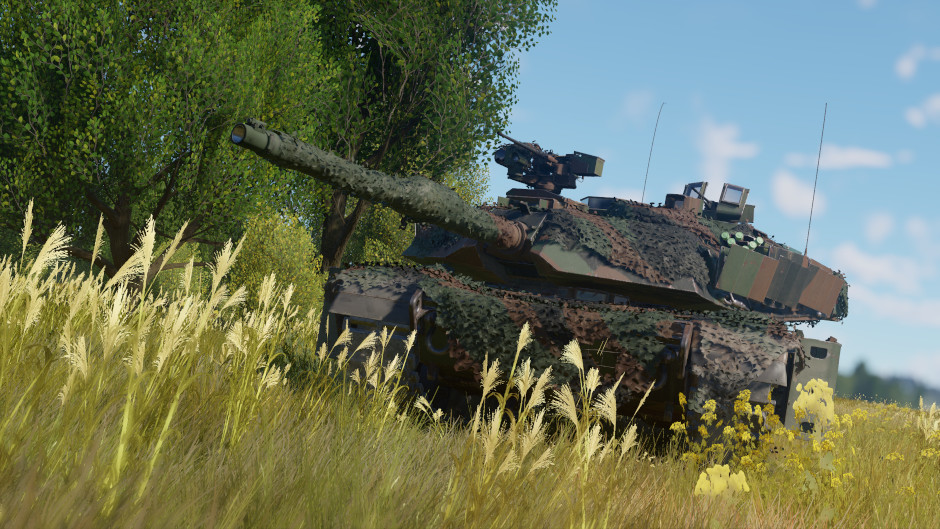
Hey everyone, today we’ll be going into detail on the hull protection of the new Abrams models, armed with scales, a ruler, and all the available data we have.
We’ll start with clarifying the data we used to create the version of the tank we have in game. We know the hull armor of the Abrams is a topic of heated debate, so we want to be as thorough as possible.
Very briefly, our conclusion is that there is evidence to suggest that changes were made to the frontal armor of the hull, so let’s get started!
The Hull Front: Projects, Myths, and Facts
Any serious improvement in protection always leads to an increase in the component’s weight and/or a change in its dimensions. For example, the switch to depleted uranium increased the weight of the M1A1 turret by 2.5 tons, while the M1A2 SEP V3 turret weighs over 4 tons more than the M1A2 turret. Back in the 90s, engineers understood that the hull protection of the Abrams was not keeping pace with the development of anti-armor weapons. This gave rise to projects such as the M1A3 Abrams with altered geometry and increased external dimensions (this is not referring to the modern Abrams currently undergoing trials, which will likely receive the M1A3 designation). Those blueprints remained as blueprints however, they were never built in metal, because doing so would have required a complete redesign of the front section of the vehicle.
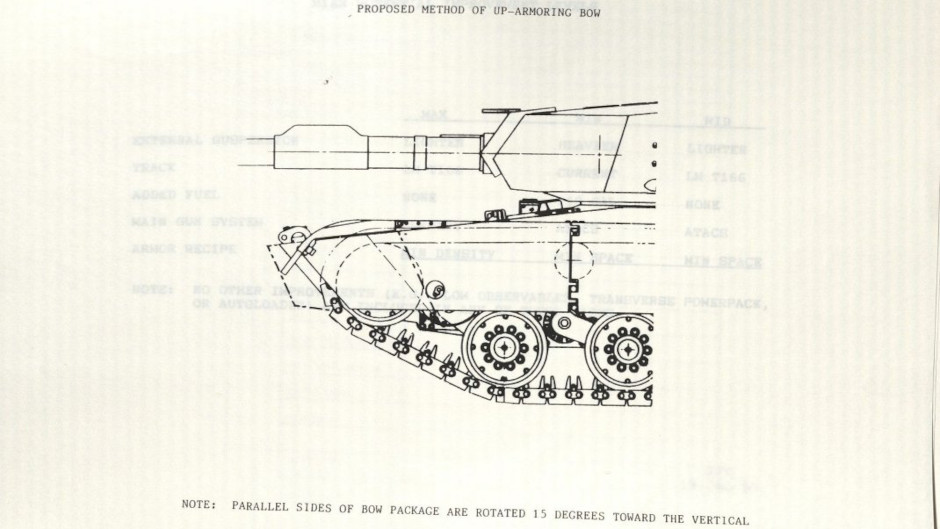
The M1A3, a 1990s project. The changes to the hull geometry remained on paper. Source: IMPACT OF LOADING DISTRIBUTION OF ABRAMS SUSPENSION ON TRACK PERFORMANCE AND DURABILITY
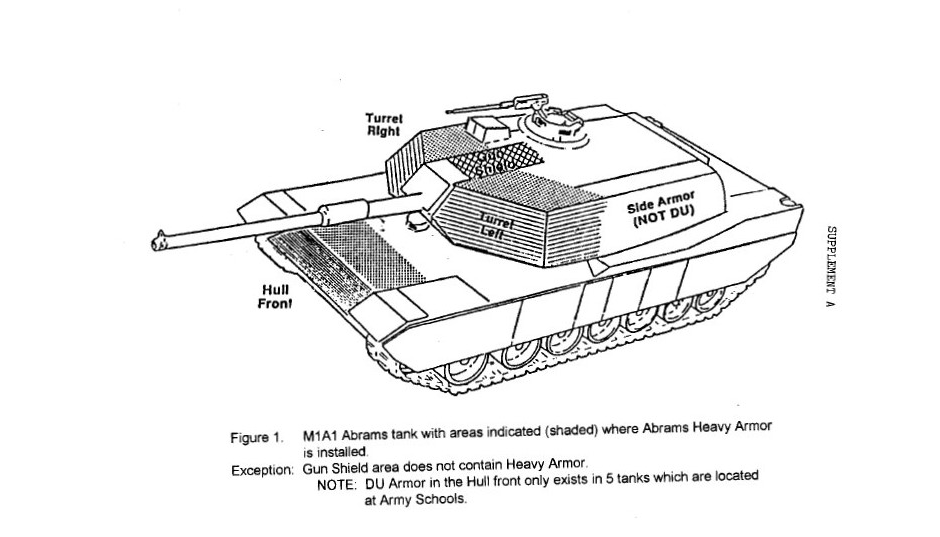
Locations of composite armor incorporating depleted uranium on five experimental vehicles. Source: Nuclear regulatory commission renewal license application for DU armor.
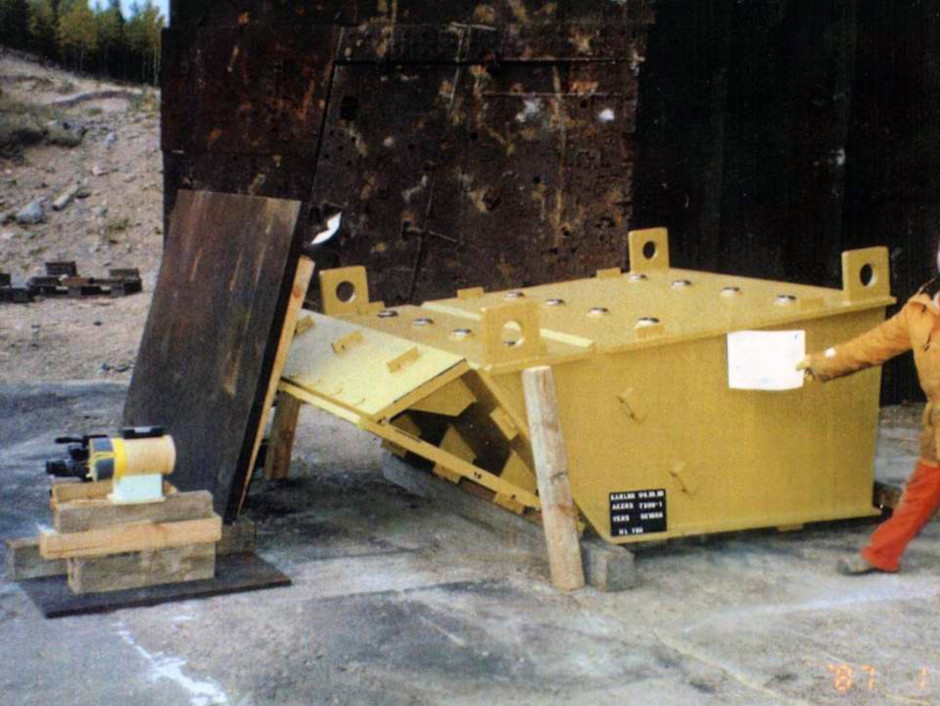
Rickard O. Lindström, Test Rig ACERS T90-1 during Ballistic Trials, photograph, Projekt Stridsvagn Ny Archive, https://www.ointres.se/strv_ny-16.jpg
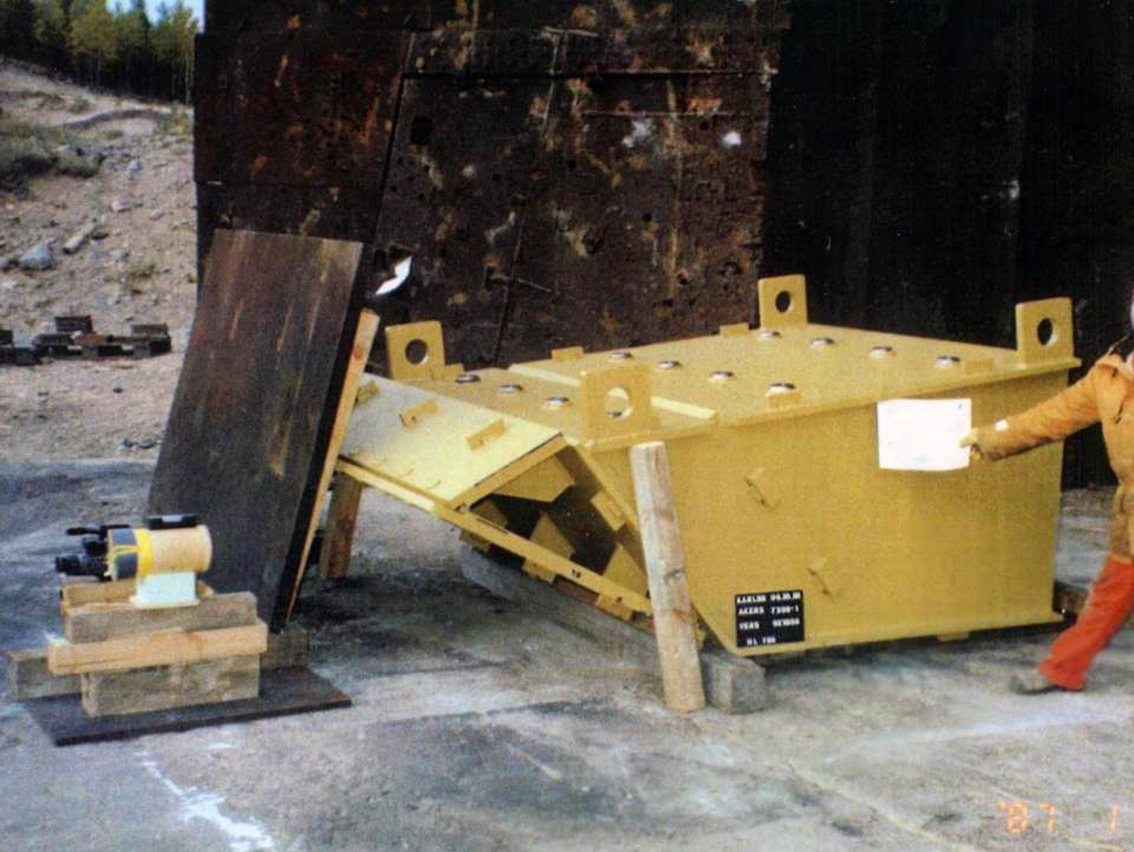
In the years that followed the Abrams’ introduction to the game, debates over its hull reinforcement repeatedly came up. The document regarding uranium inserts on prototypes at tank training facilities was cited routinely, and hypotheses were put forward regarding other methods of armor enhancement. In each instance however, no confirmation of these claims could be reasonably ascertained. Although, in photographs of the SEP V3 hull, we can clearly see a new weld seam in the frontal armor package area. No such seam existed here on the SEP V2 and earlier variants. This is one of the few direct pieces of evidence that some work was carried out on the hull armor package.
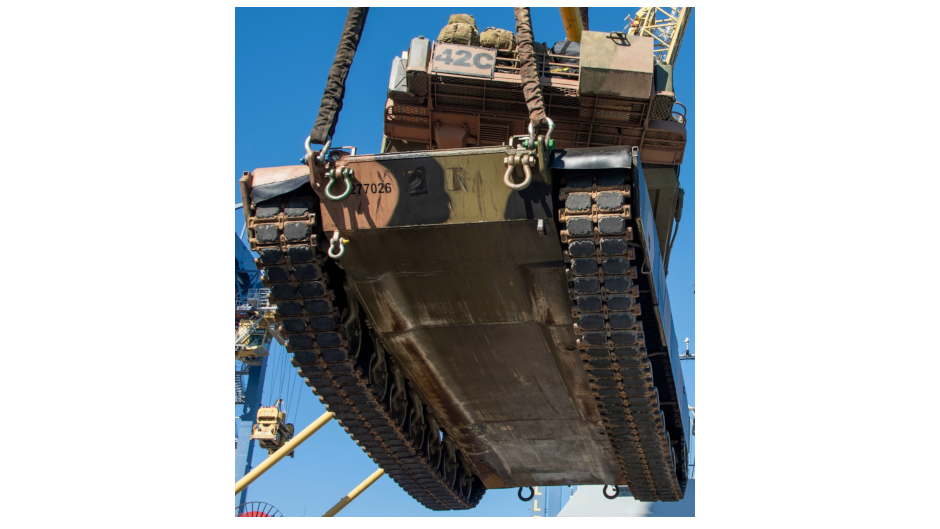
Another weld seam is visible on the hull
Source: IMPACT OF LOADING DISTRIBUTION OF ABRAMS SUSPENSION ON TRACK PERFORMANCE AND DURABILITY
On the Scales
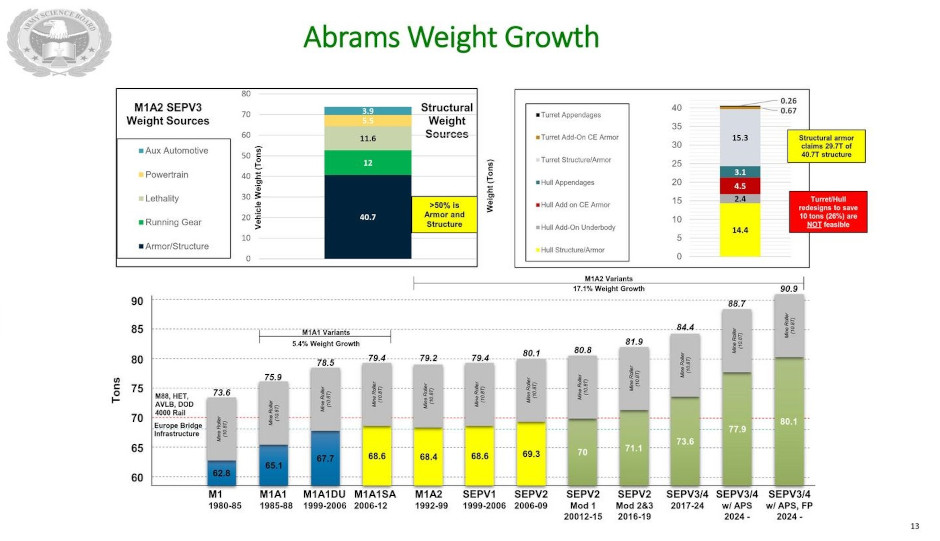
Changes in weight across various Abrams variants. Source: An Independent Assessment of the 2040 Battlefield and its Implications for the 5th Generation Combat Vehicle (5GCV), Department of the Army Office of the Assistant Secretary of the Army, 2023
 |
 |
 |
 |
|---|
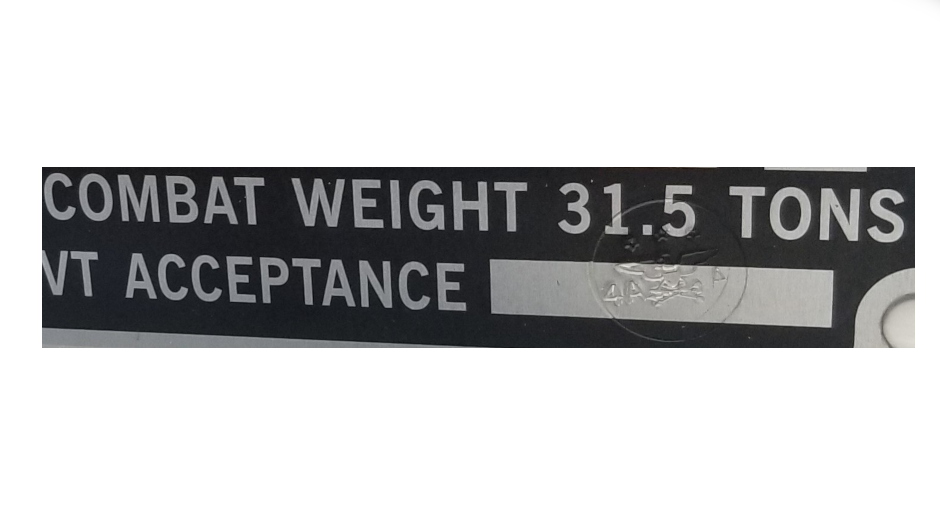
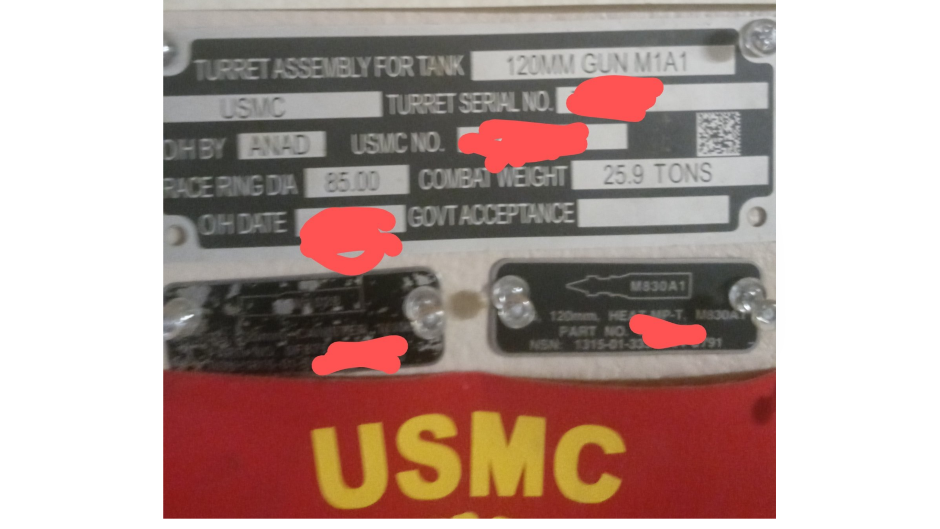
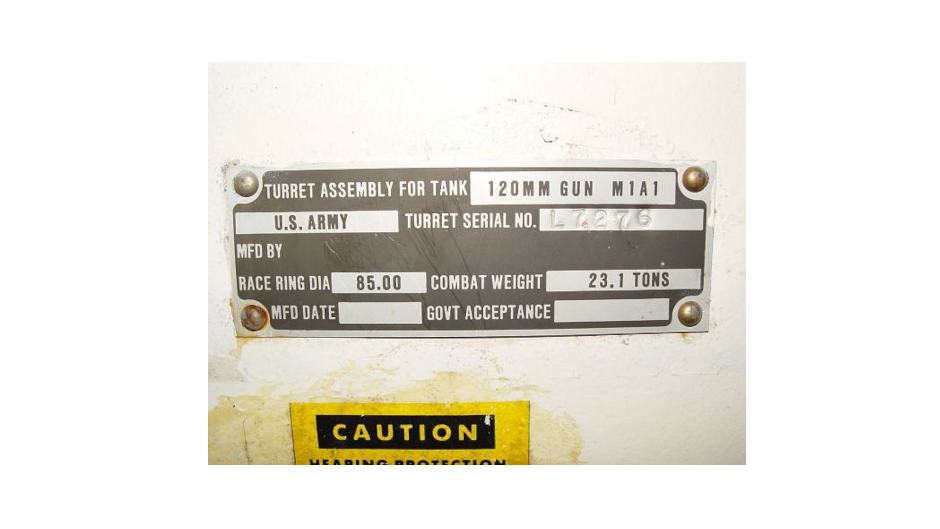
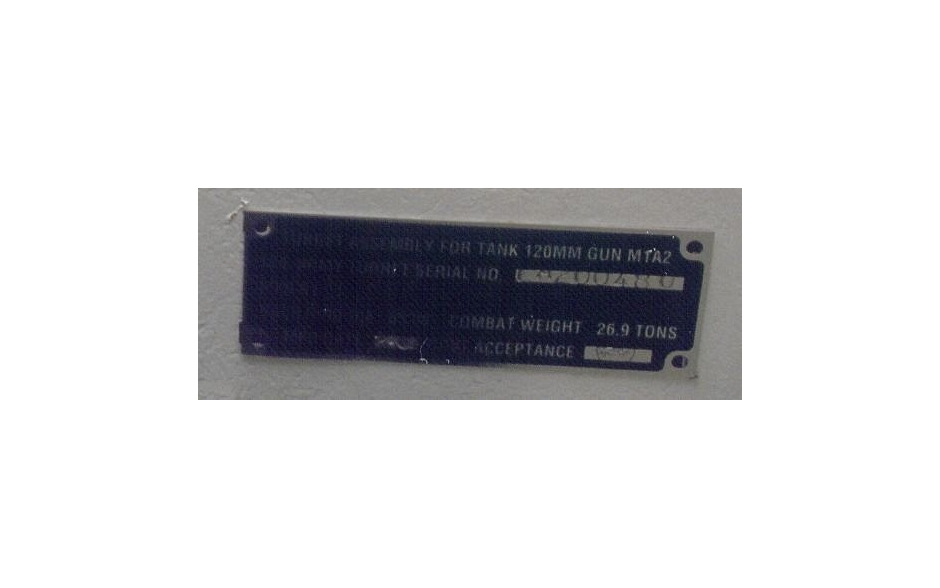
Weight placard data for the turrets of certain variants. Source : IMPACT OF LOADING DISTRIBUTION OF ABRAMS SUSPENSION ON TRACK PERFORMANCE AND DURABILITY
This is where things get particularly interesting. When we attempt to assess what exactly has changed internally, we naturally run into the question of weight. The overall weight of the SEP V3 hull increased, but the increase is minimal.
A lot of work was put into cross referencing between all existing sources, but we were unable to identify a reliable, concrete weight difference between the earlier versions and this variant. The issue is not that the data itself is poor, but that the tank itself was constantly changing. Weight was saved in one area while being added in another.
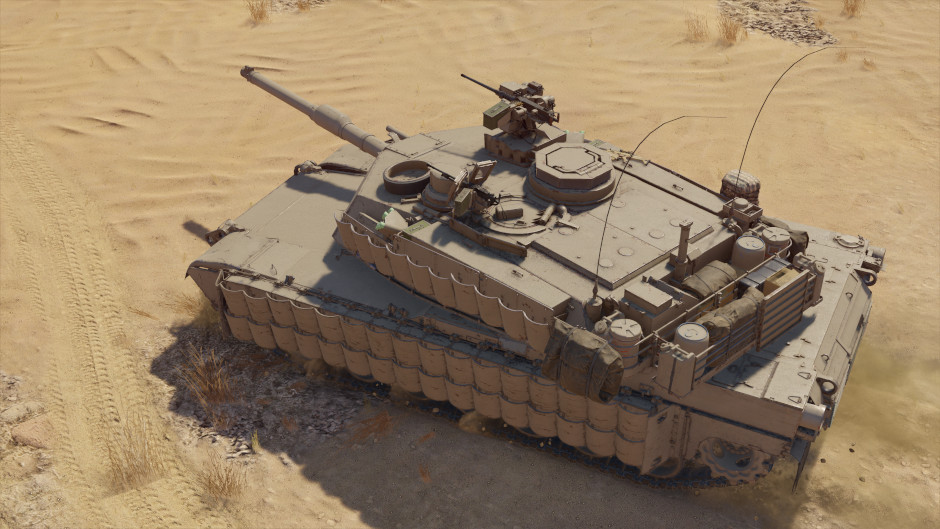
A good example of this is that the transition to heavier torsion bars was accompanied by the replacement of steel road wheel arm brackets with lighter aluminum ones, which partially offset the added weight. The SEP V3 also received massive tow pintle hooks, reinforced brackets for mine protection, and new APU armor, all of which increased the weight. It is extremely difficult to come to an accurate estimate of the change in hull weight in general, and even harder to conclude anything reliably in relation to the armor package itself. In this regard it’s always important to keep in mind that not everything with weight inside a tank is armor.
Looking at the combat weight data compiled for various Abrams variants and the weight of their turrets, the estimated change in hull weight is roughly 500 kilograms. Within the fixed finite dimensions of the hull front and working with such a limited weight budget, it is impossible to achieve a tangible increase in protection to a degree where modern kinetic weapons would be negated.
In order to protect the hull from APFSDS rounds that emerged after the mid-1980s (while retaining the same hull geometry, which is a fixed restraint), the entire available space would have to be filled with thick steel plates or other heavy fill materials. This can be calculated, and a package would have added no less than 2 tonnes, and no such increase is present.
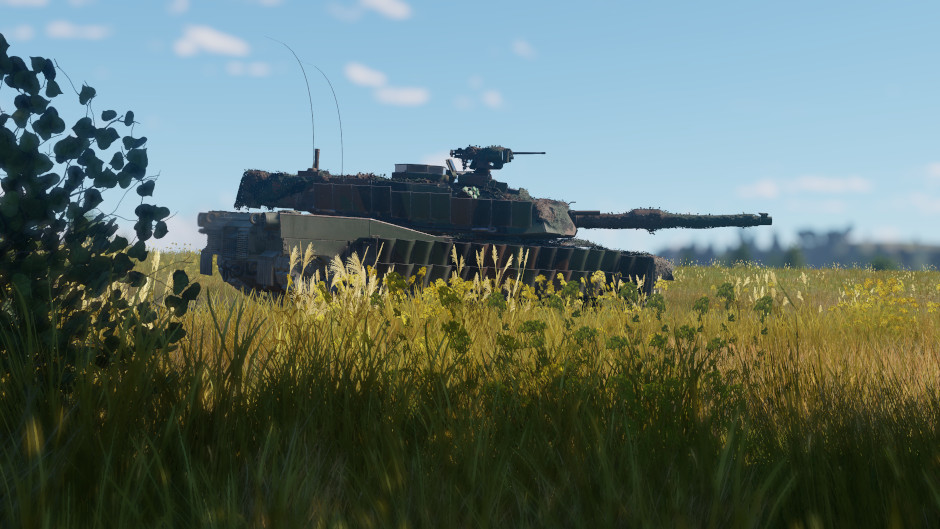
Front Torsion Bars
Here we run into another important factor, the load on the front suspension. On the Abrams, the armor package and fuel tanks are positioned far forward, and all of that mass is putting pressure on the first pair of torsion bars. On other contemporary tanks, a comparable load is distributed across two pairs of road wheels, in this case however, it’s not. Adding several tonnes of weight in this area critically reduces the service life of the first road wheels, torsion bars, swing arms, and other components of the suspension structure. For such an alteration to be logistically possible, engineers would have to redesign the entire suspension system, and provably no redesign was undertaken.
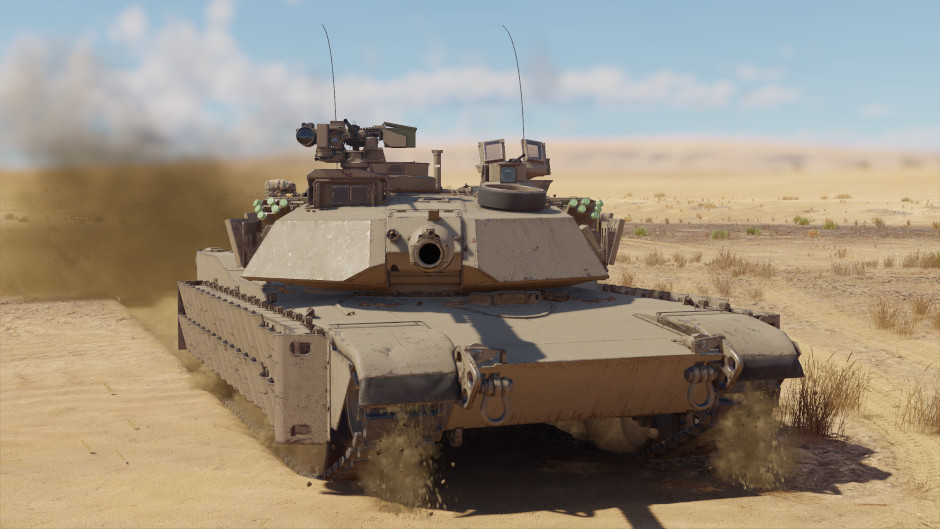
Weight Budget
Based on the Army Science Board report, the baseline SEP V3 without any additional modules weighs 66.76 tonnes. This figure is our starting point. Based on the above, we can model an improvement to the hull armor package within the bounds of this confirmed weight increase. The new weld seam indicates that some form of work was carried out on the hull armor package. As the exact particulars of this work are not defined, the only assumption we can make is that the modifications made to the armor package must have been made within the specified weight budget, and within that budget, protection against modern kinetic energy penetrators is unachievable.
The main focal point here is that while improvements against kinetic rounds could have been made in theory, the provable constraints of the space would mean that even though protection could be improved, it would be impossible to improve it to the extent that the armor would be able to defeat rounds it previously couldn’t within typical engagement ranges. Therefore, spending the extra weight budget on this kind of protection, while possible, would not lead to any tangible improvement to justify the alteration. Any alterations to the armor have to be logistically and functionally justifiable. Because of this, it is much more likely that any potential improvement in protection would be geared more towards defeating shaped charge (HEAT) threats, which in real life have been the primary threat to tanks over the past 40 years, in which improvement would be tangible within the constraints. As with all armor geared towards protection form HEAT, it does offer a marginal protection increase against modern kinetic rounds as well, but this will naturally be fairly minimal.
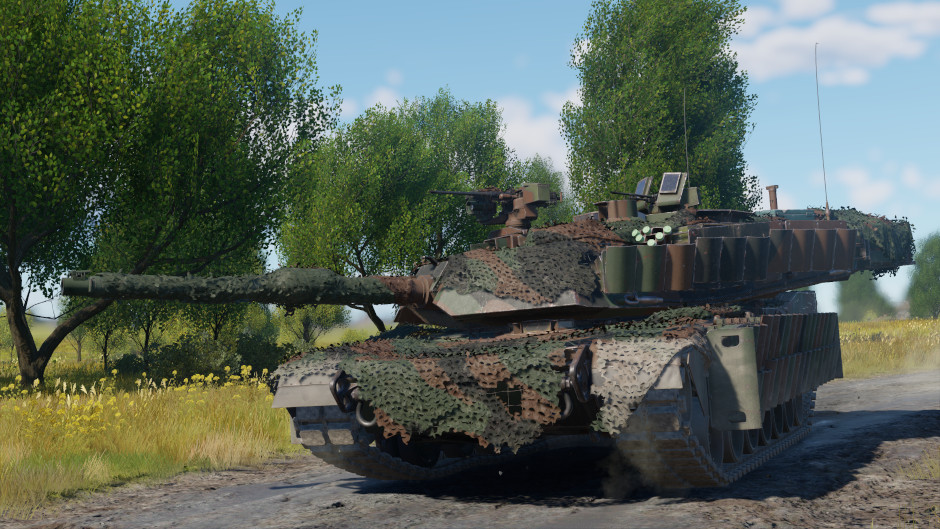
Conclusion
There is no confirmed data on the specific hull armor properties of the M1A2 SEP V3, the only thing that’s provable is that some modification was made to the armor array in the frontal hull. The hull armor of the SEP V3 will be strengthened in game, in relation to the only reasonable assumption we’re able to make based on the known change in weight. In the game, the tank’s hull will be better protected when compared to previous variants of the Abrams. This improvement is in line with what the engineers would be able to achieve without redesigning the entire vehicle from scratch.
In addition, and perhaps more importantly, we are currently working on the hull and turret armor of all tanks in the Abrams family. Part of this work includes converting sections of the armor to the volumetric model, which will improve survivability universally. This improves protection around the upper hull area and the turret ring, which we consider to be more impactful in game than the lower plate itself.