- Yes
- No

History
History
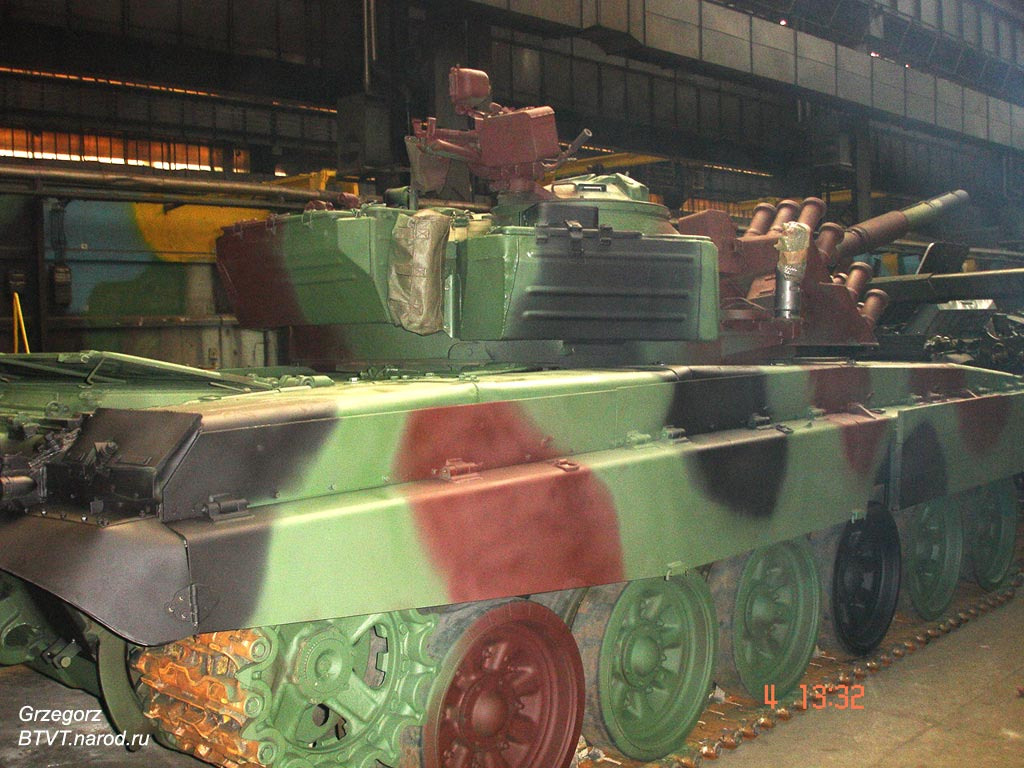
The PT-91 "Twardy "was born during a period of major political and military change in Poland. During the 1980s, the Polish People’s Army operated large numbers of Soviet-designed T-55 and T-72 tanks produced domestically under license. After successfully modernising its T-55 fleet to the T-55AM “Merida” standard, Polish military planners began investigating whether a similar programme could be applied to the newer T-72M1. By 1988, the Polish General Staff officially initiated studies into upgrading the T-72 rather than relying solely on imports of newer Soviet vehicles.
Responsibility for the project was given to OBRUM (Ośrodek Badawczo-Rozwojowy Urządzeń Mechanicznych) in Gliwice. The original programme was known as “Wilk” (“Wolf”) and aimed to address the most significant issues of the T-72M1. Polish engineers sought to improve armour protection, fire control, night-fighting capability, mobility and crew survivability while retaining the proven T-72 chassis.
Between 1987 and 1990, OBRUM constructed prototype vehicles under the Wilk programme, based on T-72A, T-72M1 and T-72M1K hulls. These prototypes introduced many of the technologies that would later define the PT-91, including the domestic ERAWA ERA, the digital DRAWA fire-control system, the SSC-1 OBRA laser warning receiver, improved side skirts and a new 850 hp S-12U diesel engine.
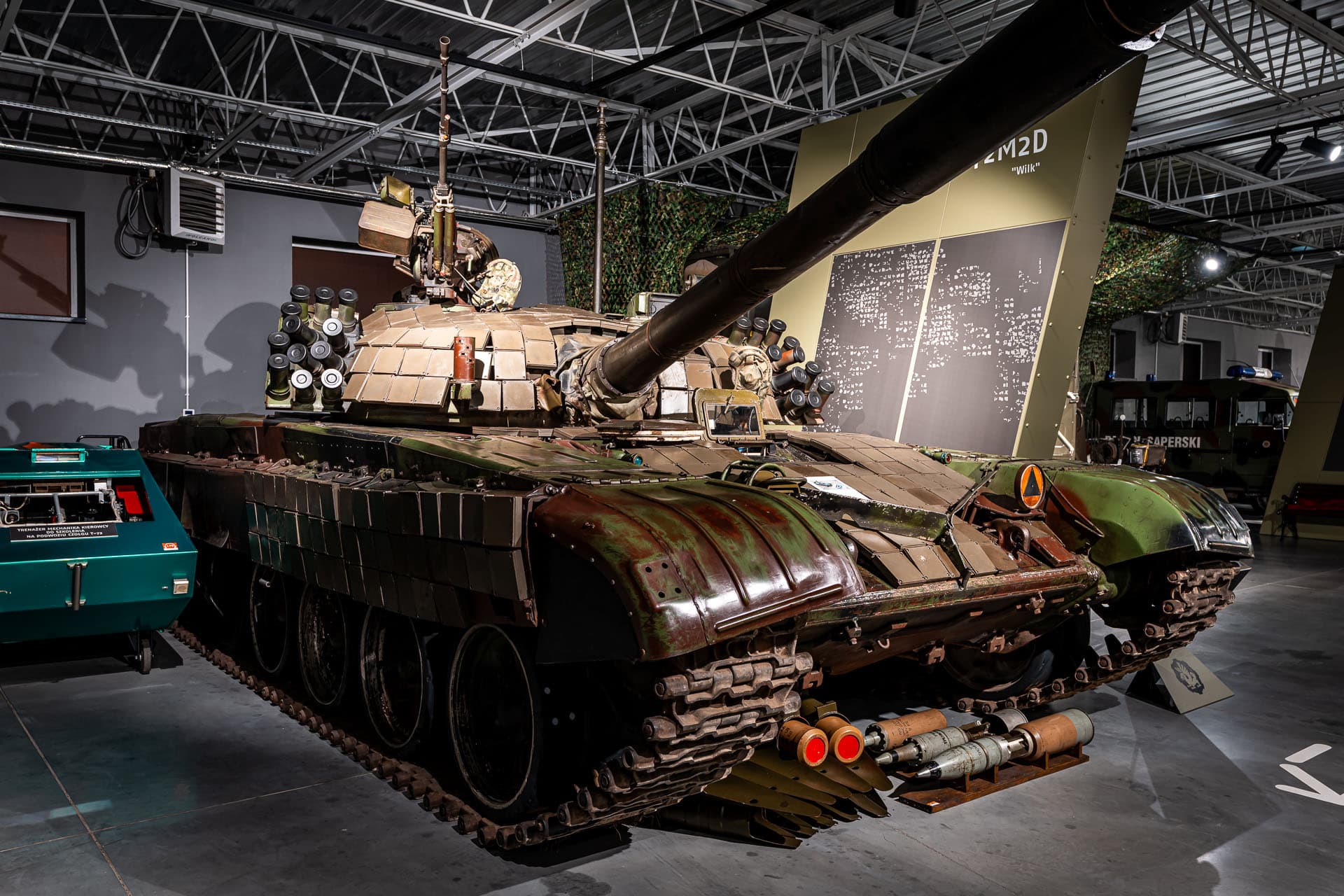
Out of these efforts the T-72M2D “Wilk” was forged, which effectively served as the direct technological predecessor to the PT-91. T-72M2D “Wilk” was the prototype of the command version of the tank. Following the collapse of the Eastern Bloc and the end of Warsaw Pact cooperation, this domestic approach became increasingly attractive. The political changes of 1989 effectively ended discussions regarding the purchase of more advanced Soviet tanks and accelerated development of a national upgrade programme.
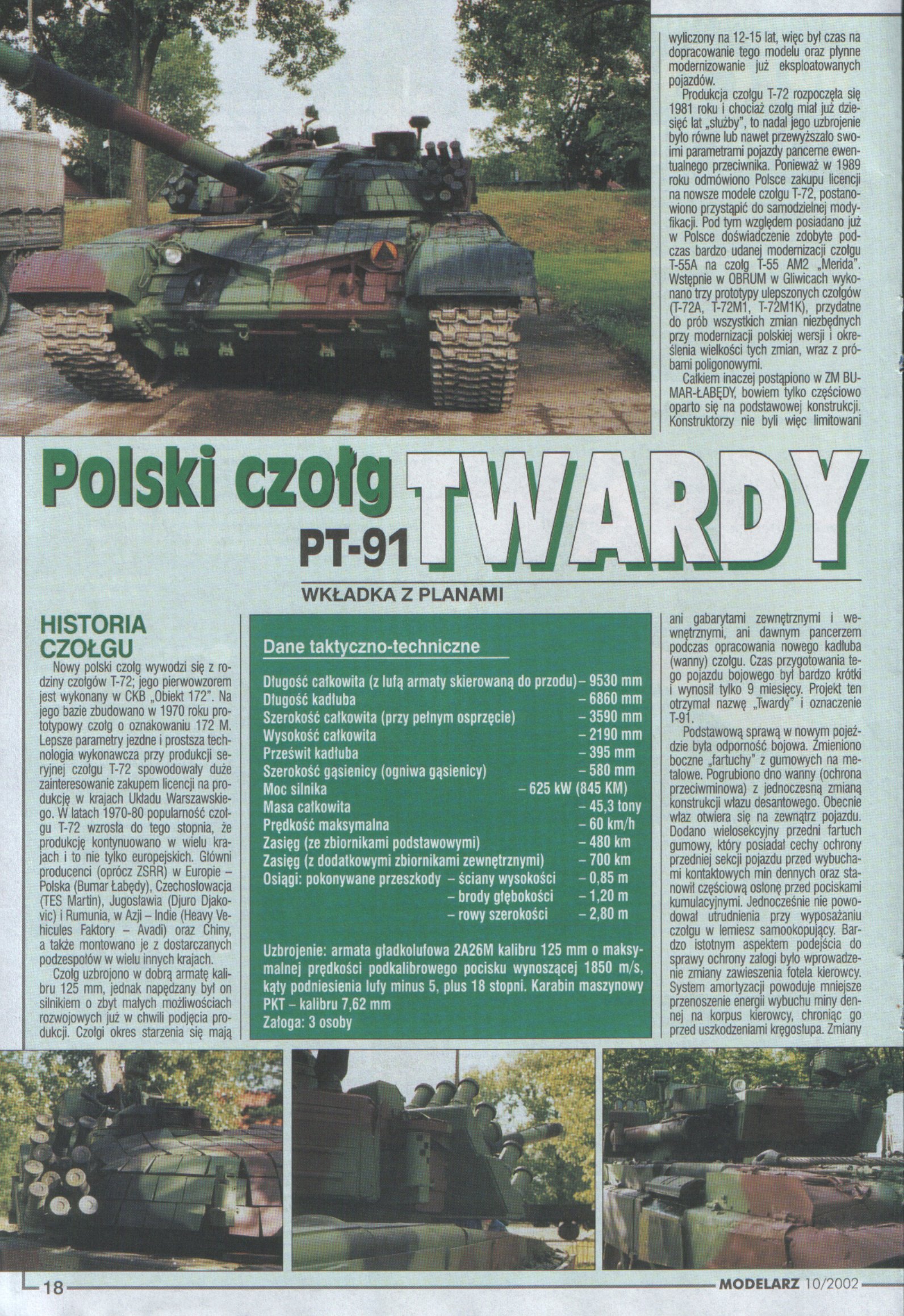
In July 1991, after successful evaluation of the Wilk prototypes, work began on a production-standard vehicle. The programme was transferred to Bumar-Łabędy, the manufacturer of Poland’s licensed T-72s, and the tank received its new designation: PT-91 “Twardy”(“Hard”). Rather than creating an entirely new main battle tank, the PT-91 represented a comprehensive modernisation of the T-72M1, incorporating a range of Polish-designed systems.
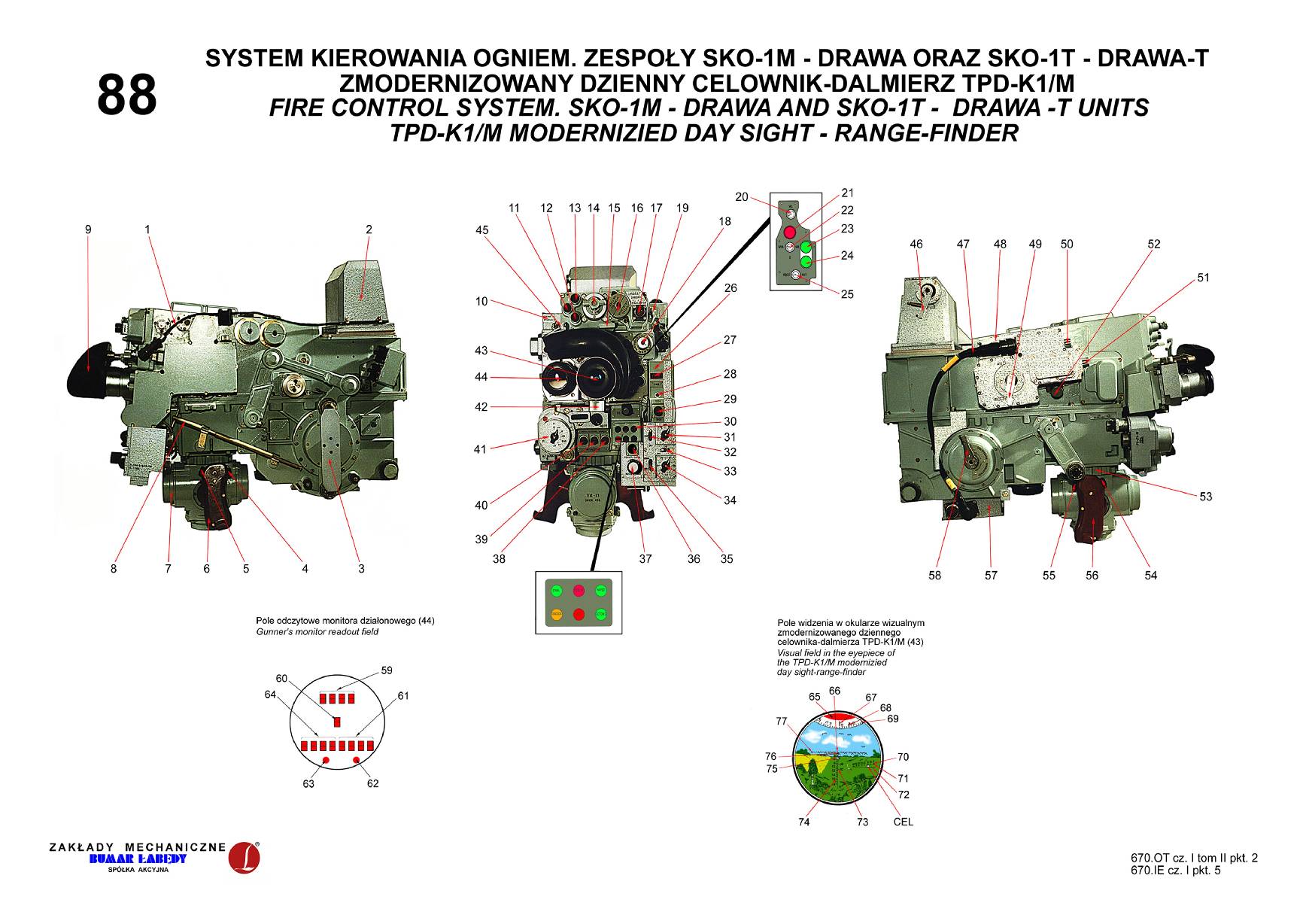
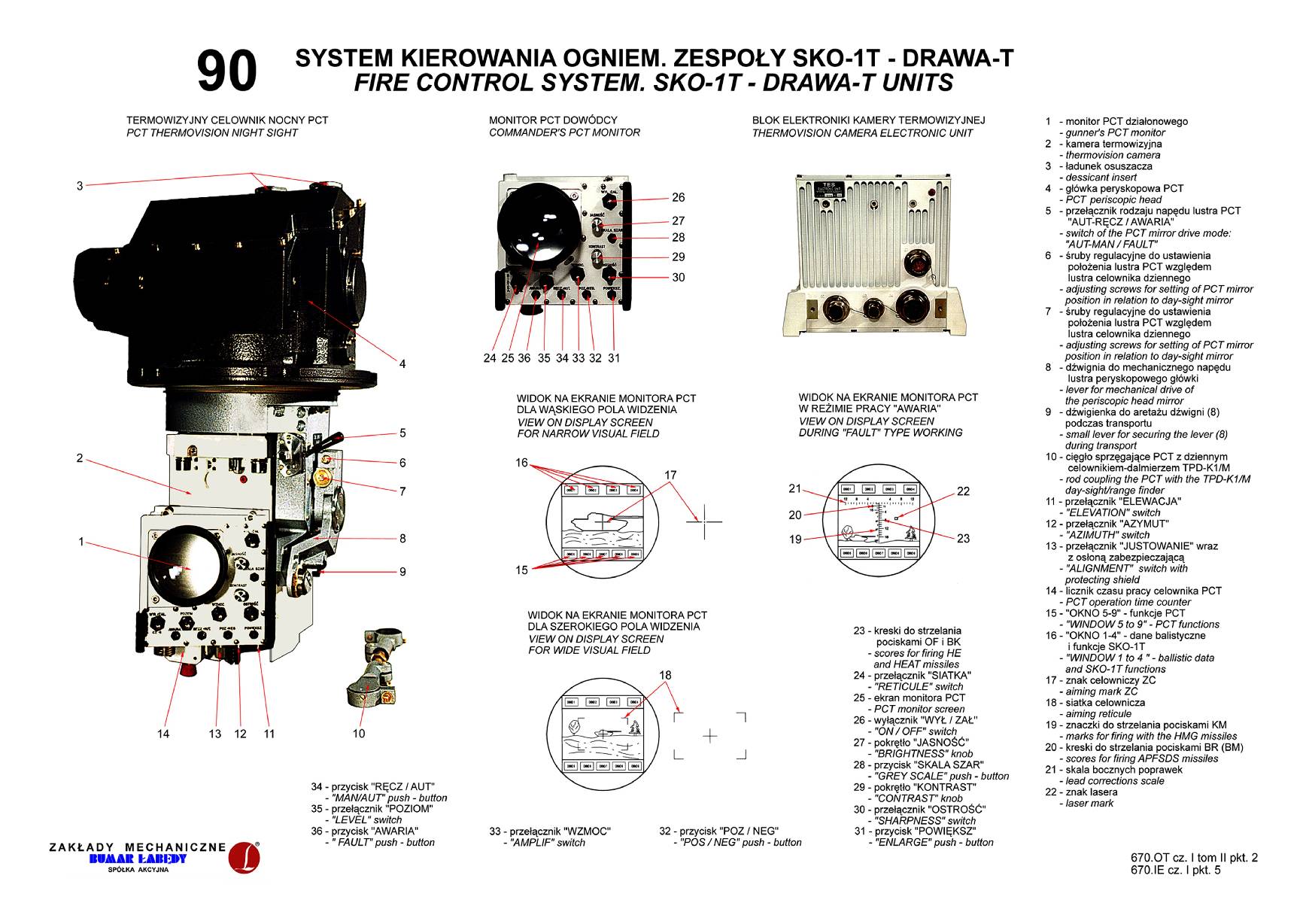
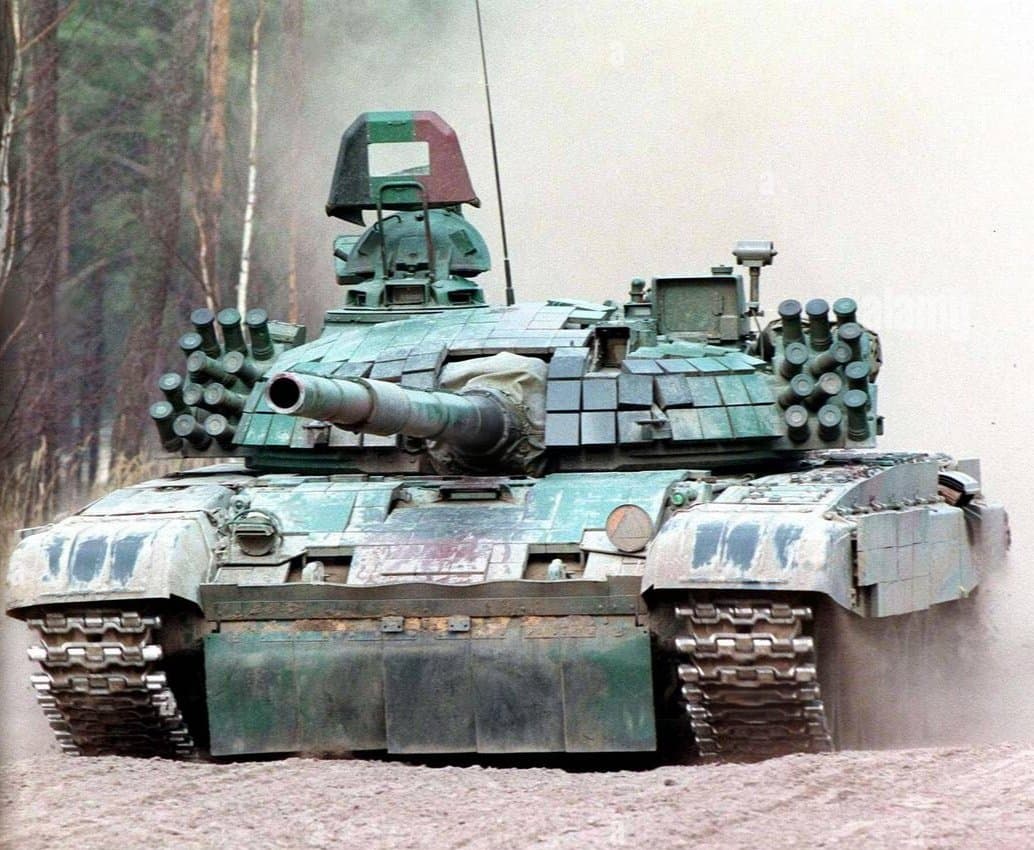
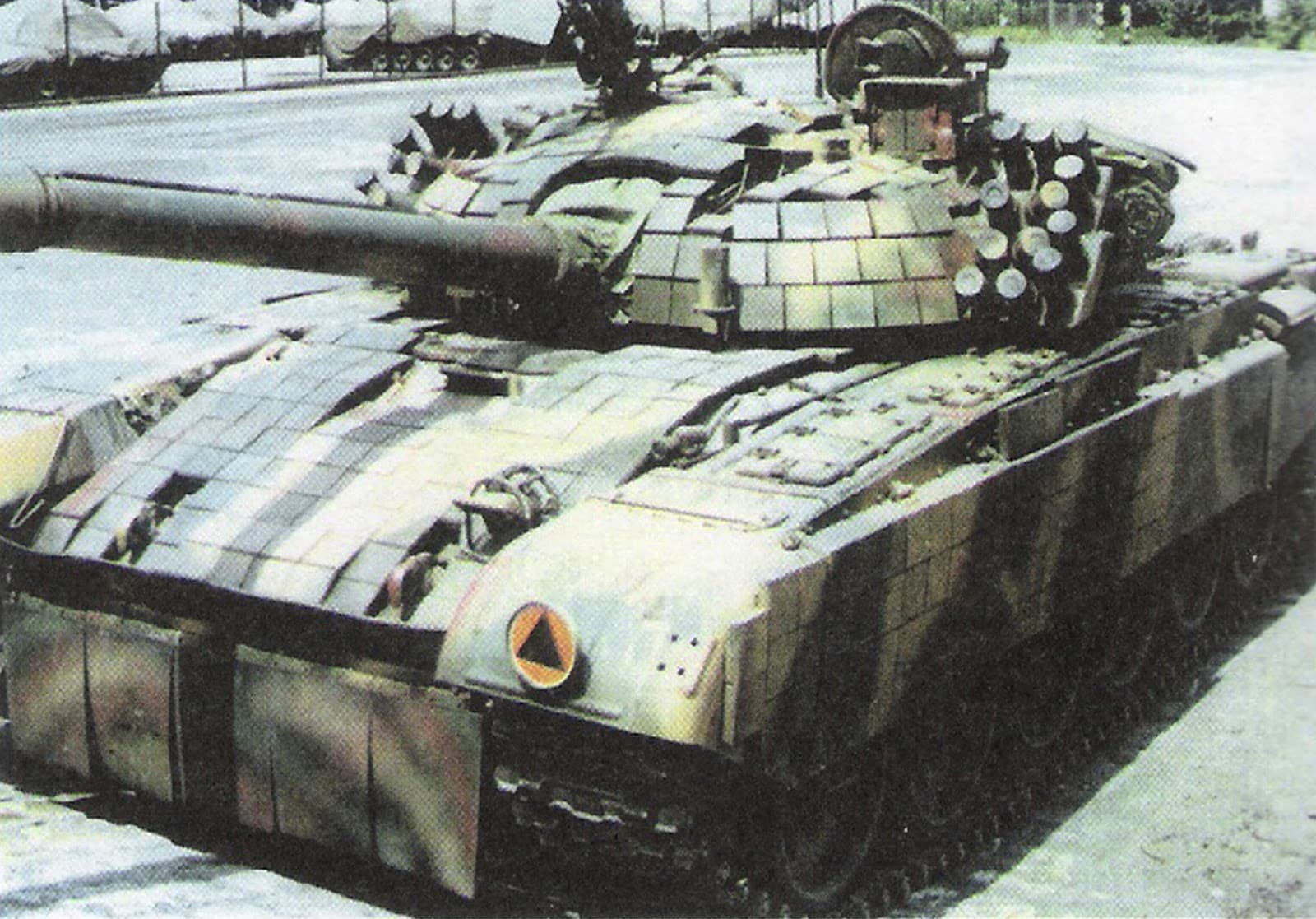
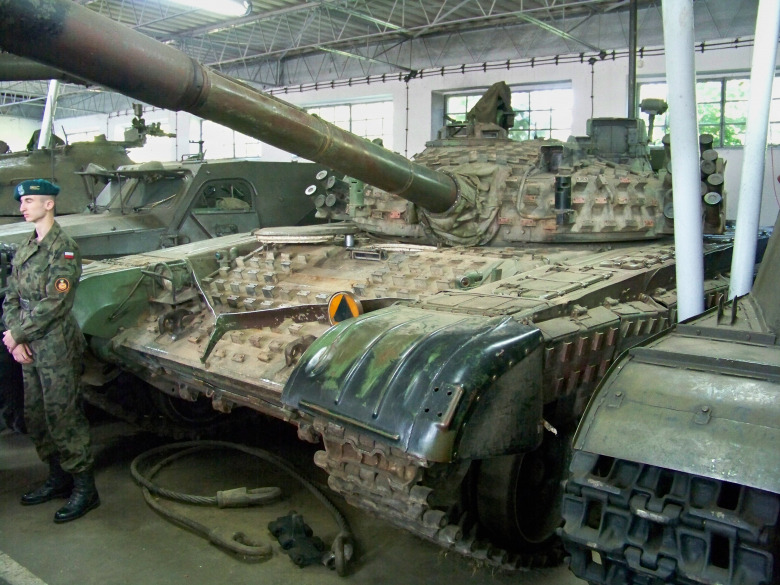
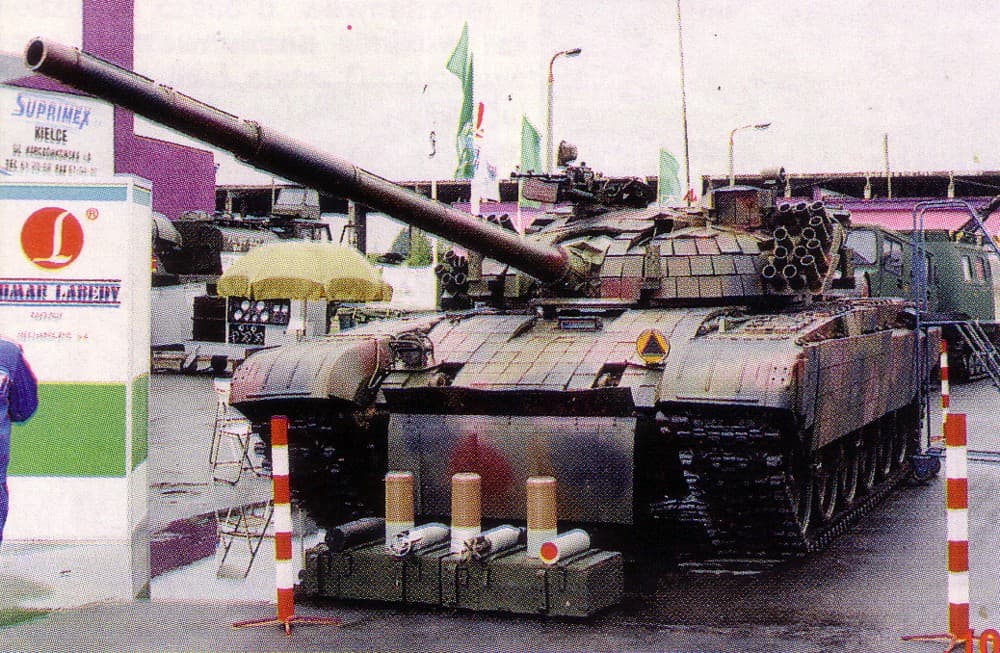
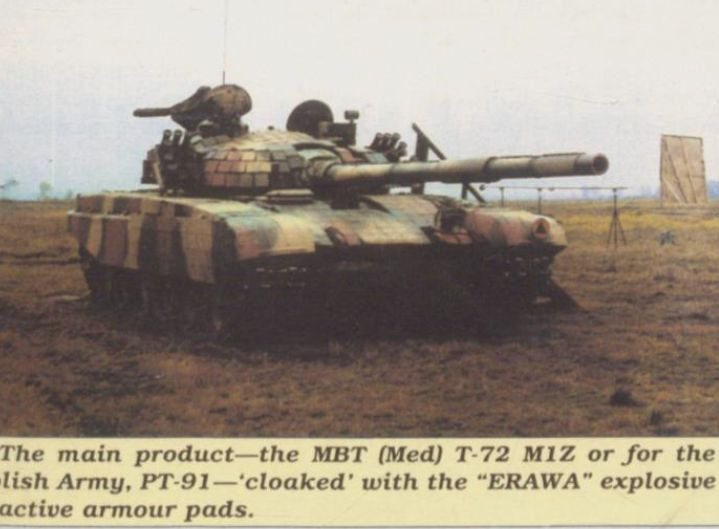
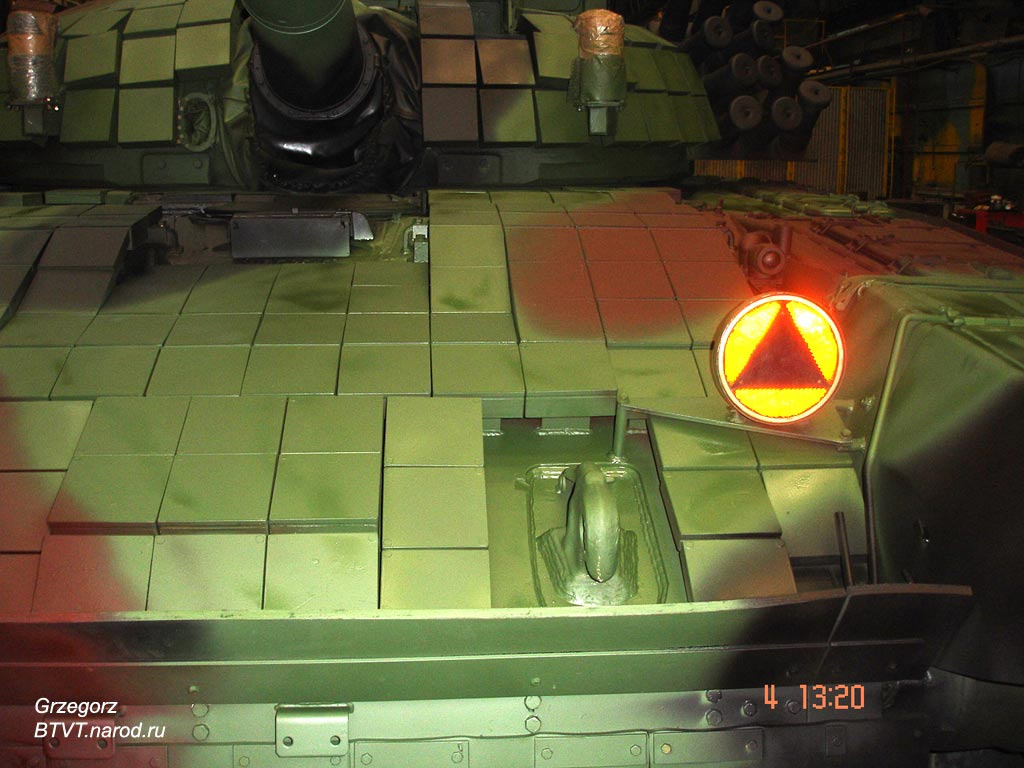
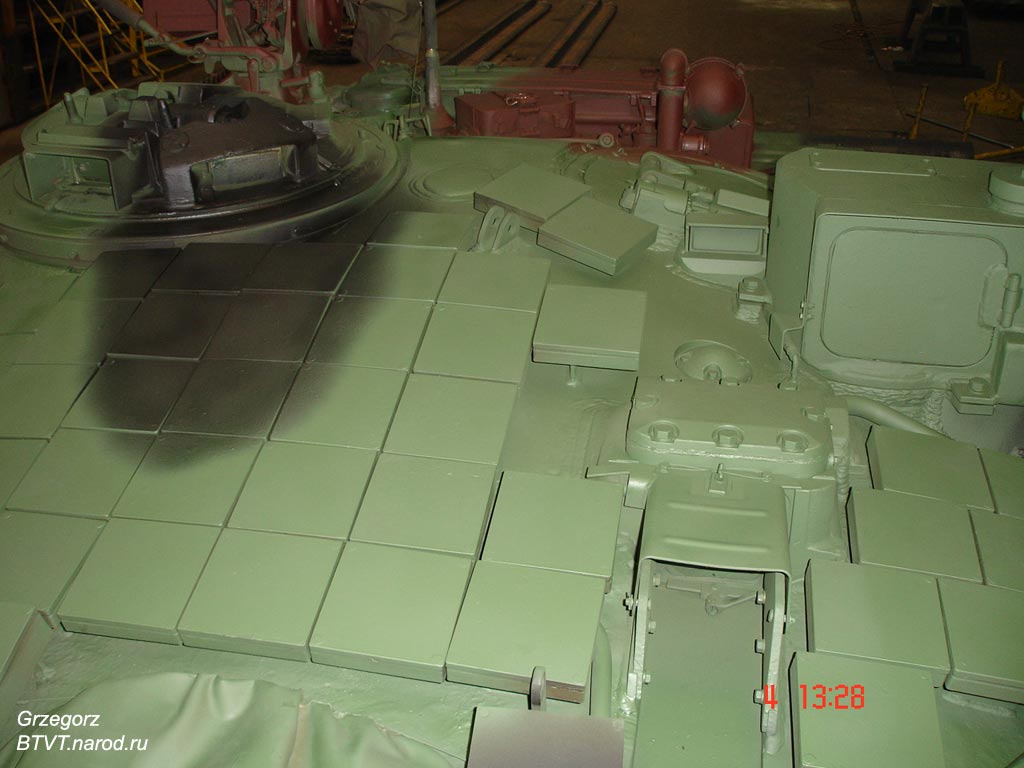
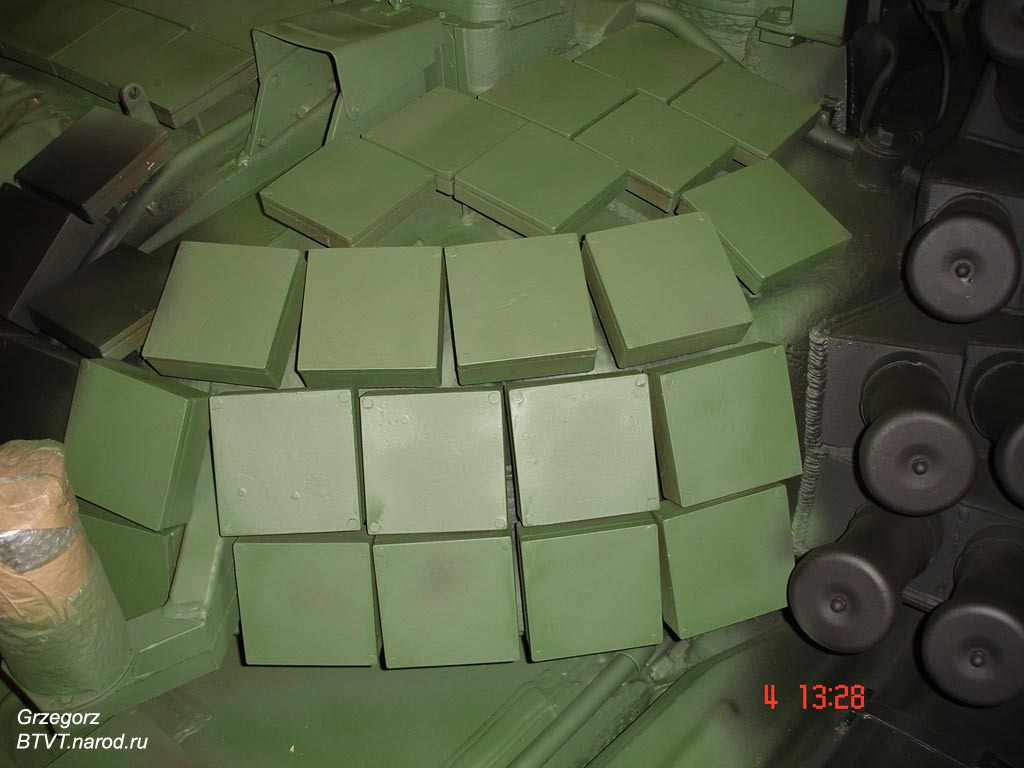
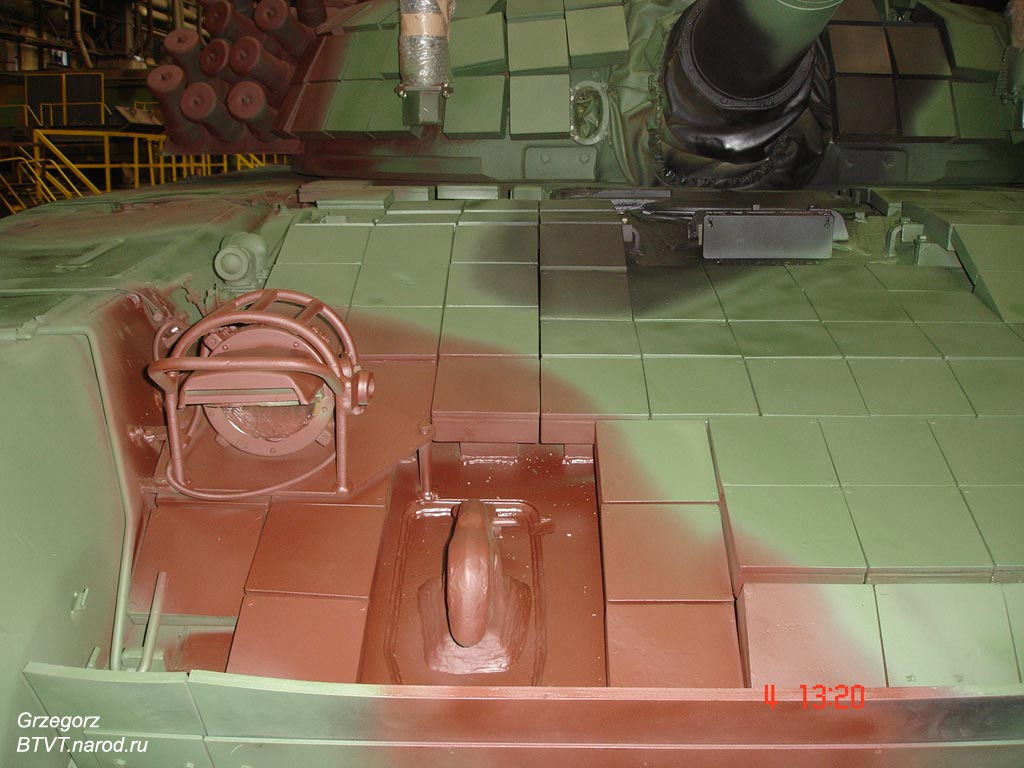
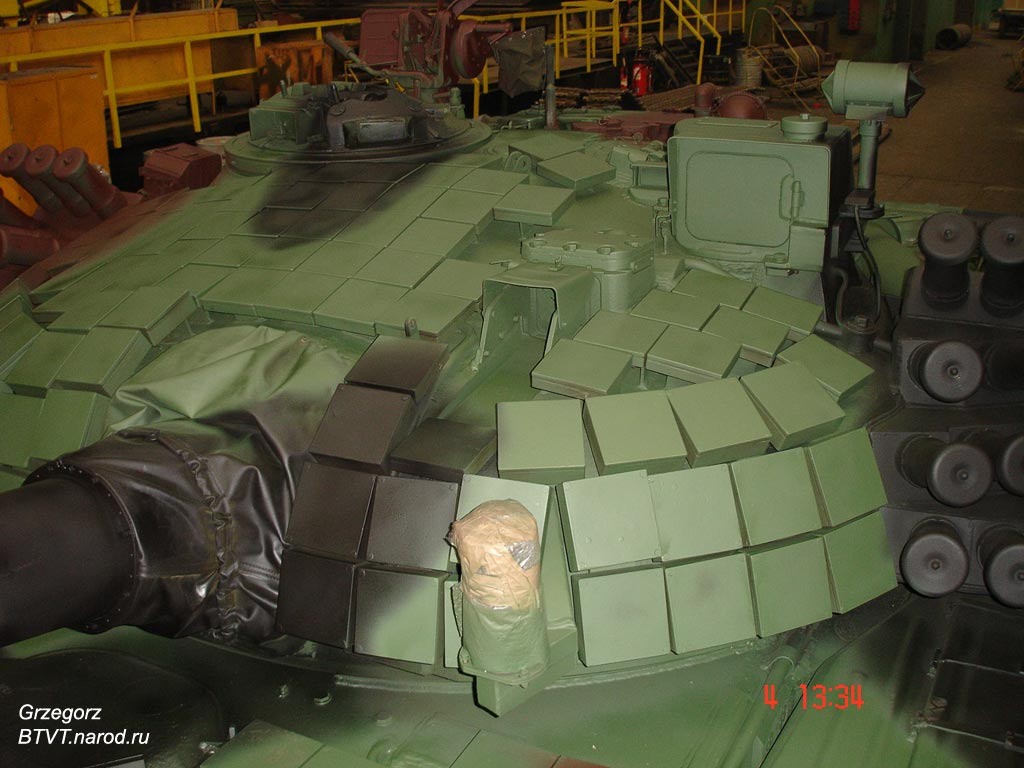
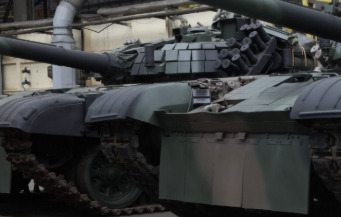
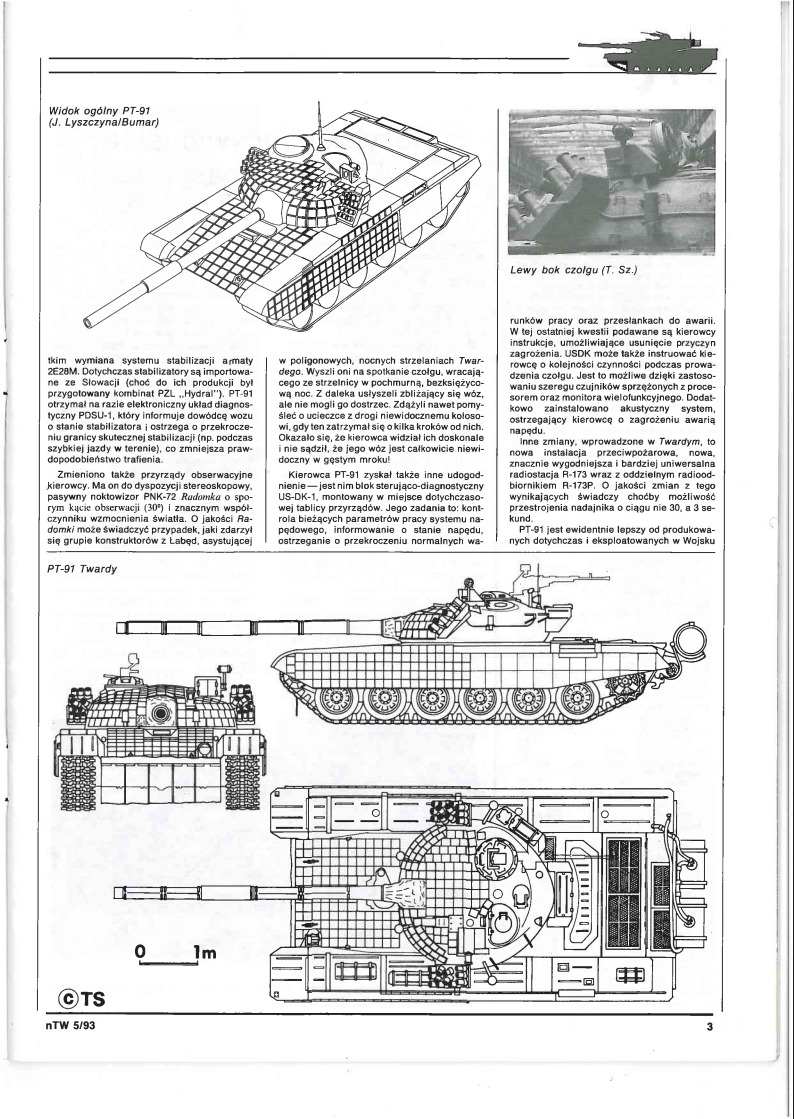
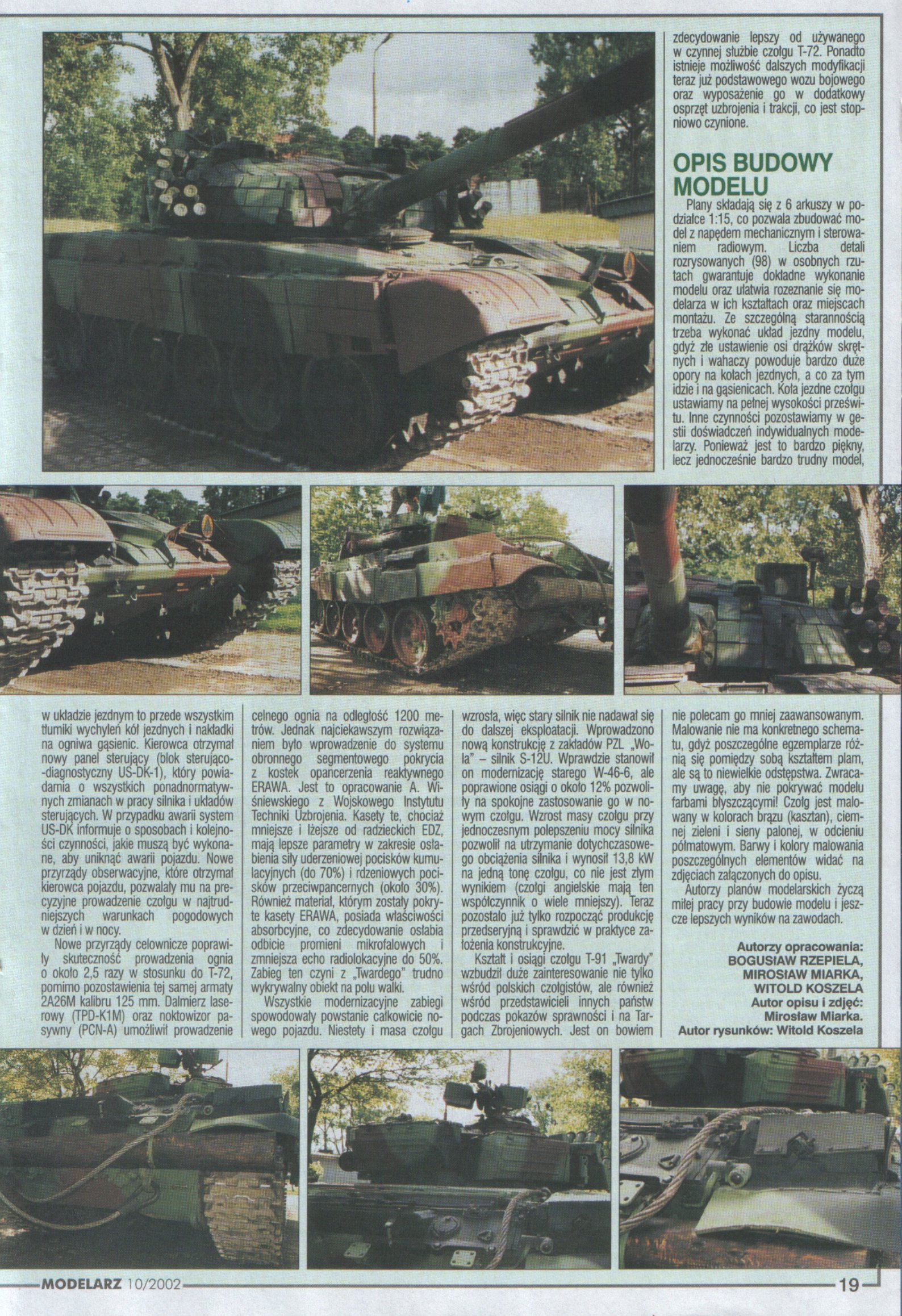
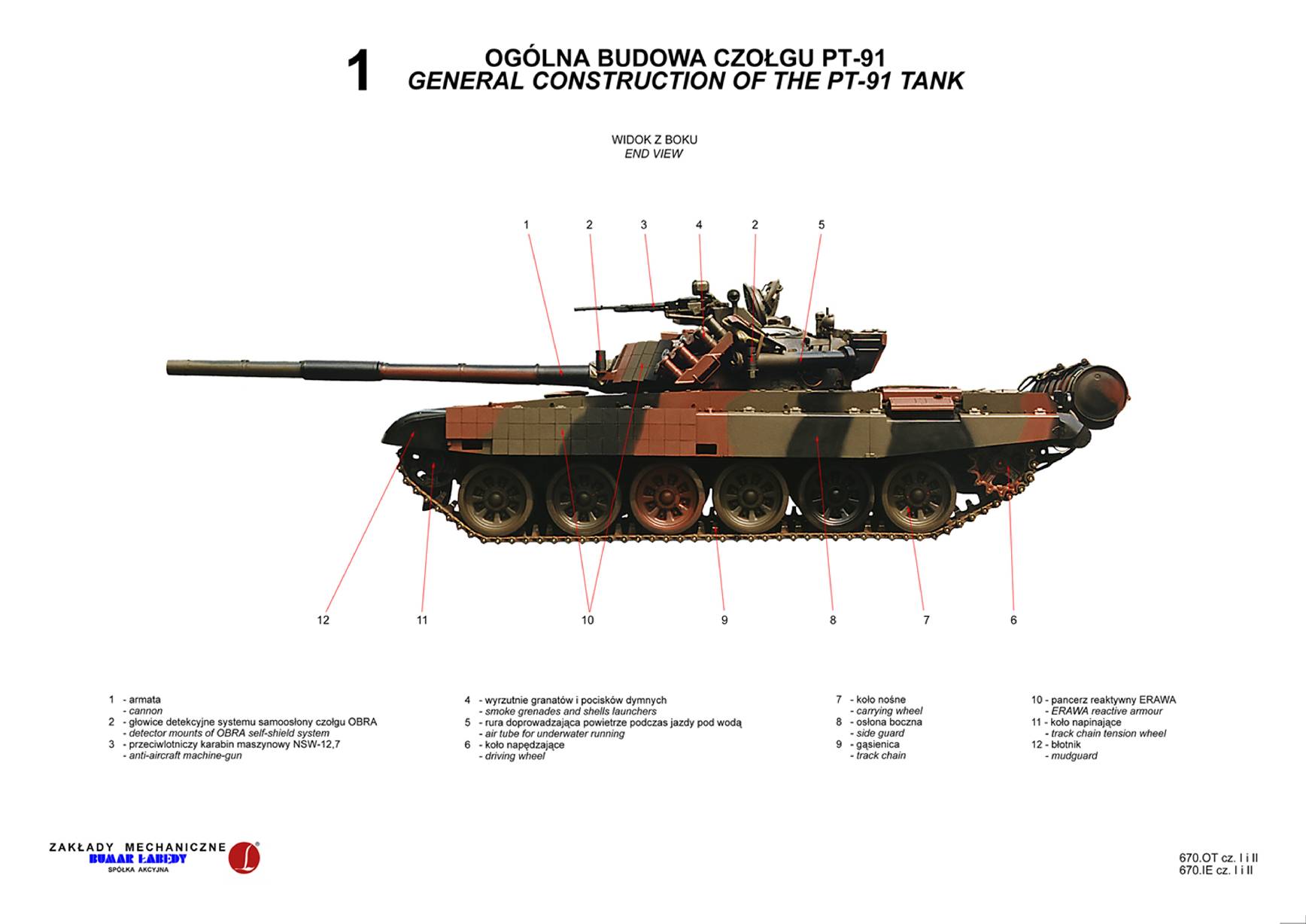
The most visible change was the installation of ERAWA ERA. Unlike Soviet Kontakt-1, the ERAWA modules were arranged with minimal spacing between individual blocks, significantly increasing coverage of the frontal arc and side protection. The PT-91 also introduced the DRAWA fire-control system, initally only equipped with night vision but later implemented with the Israeli TES thermal sight, it dramatically improved first-round hit probability compared to earlier Polish-operated T-72 variants. Additional improvements included the OBRA laser warning system, upgraded communications equipment, passive night-vision devices and the improved S-12U engine.
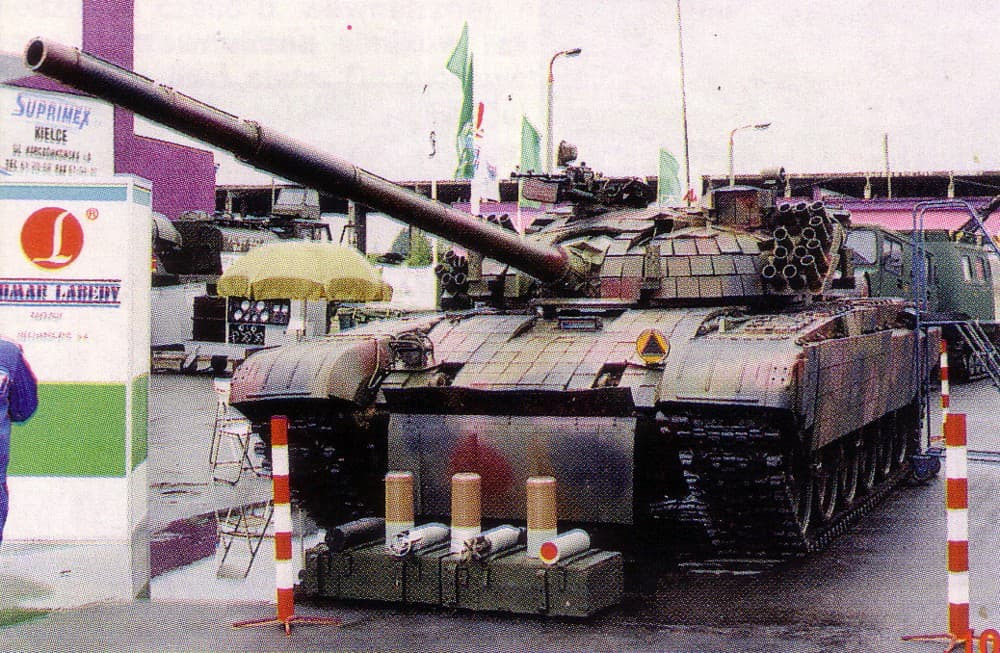
The first batch of twenty pre-production tanks was delivered for military evaluation between 1993 and 1994 (this specific varaint with gen 1 armour). Following successful trials, full-scale production began. Between 1995 and 2002, Poland received over two hundred PT-91s, consisting of both newly manufactured vehicles and rebuilt T-72M1s. The tank became the most advanced domestically produced armoured vehicle in Polish service and represented the culmination of Poland’s independent tank-development efforts during the post-Cold War period.
Although often described as a simple T-72 upgrade, the PT-91 built a foundation for a lot of interesting prototypes and modernisations which this game could enjoy, such as the EX, M2A2, PT-17 etc. Originally, the research work for the Twardy project was meant to be a preparation for a even bigger project, intended to match the capabilities of Western vehicles. But I will save this tale for another time.
PT-94 “Goryl” the Polish King Kong of tanks
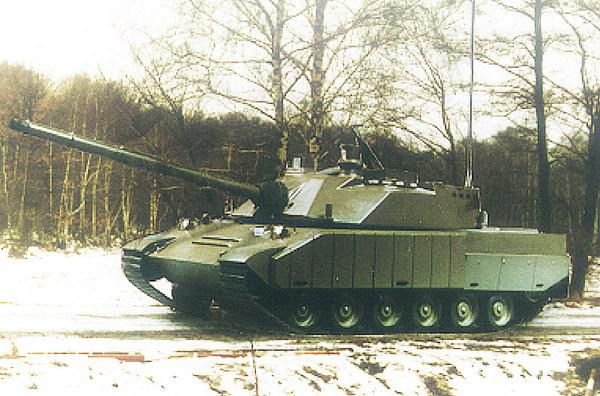
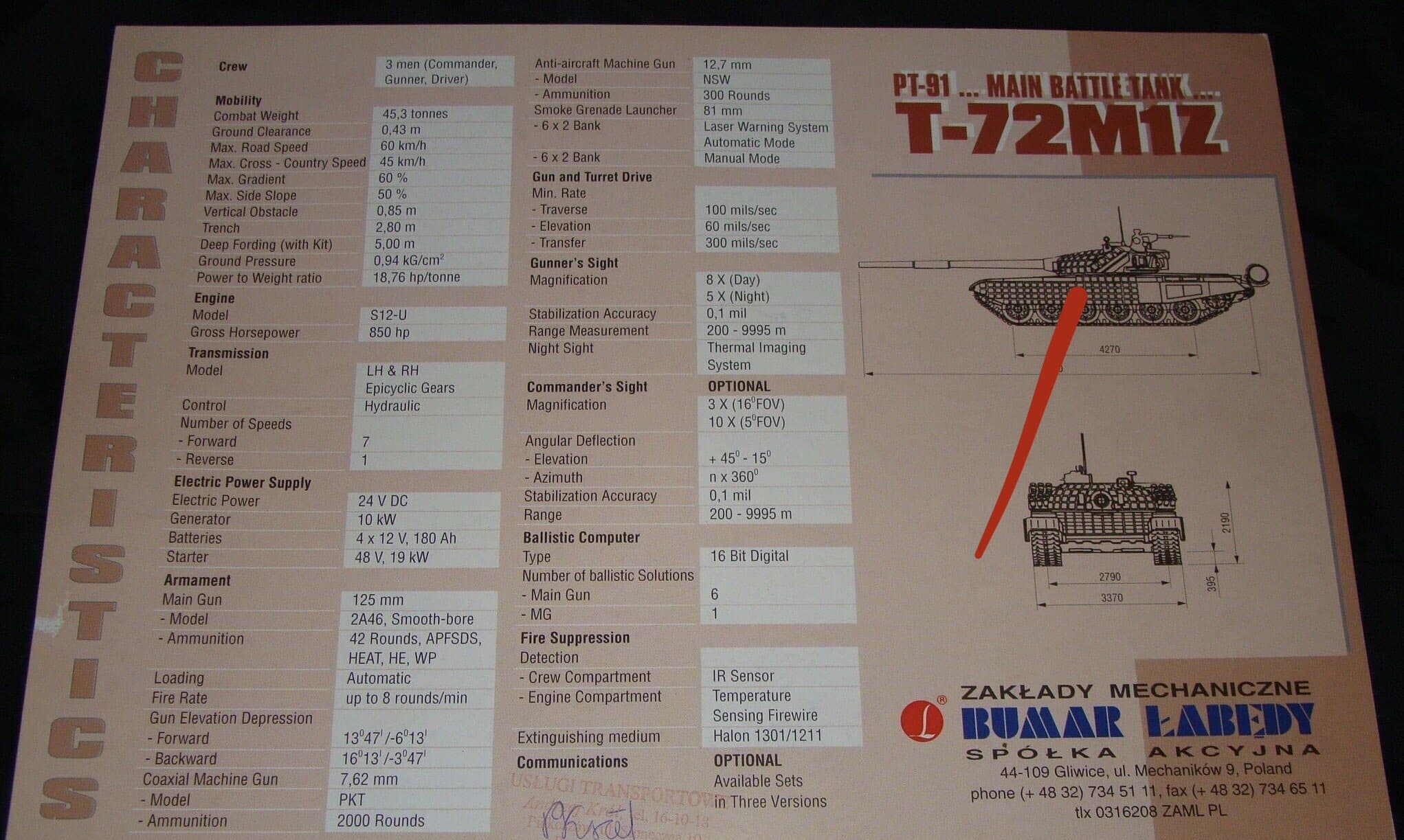
Summarised Characteristics
Details
- Crew (3)
- Driver, gunner, commander
- 125mm 2A46 L/48 Smoothbore Gun
- Ammo:
- 3BM15 APFSDS-T (Primary)
- 125mm APFSDS-T “Ryś” (Higher rank)
- 3BK18M HEAT-FT
- 3OF26 HE-FRAG
- Elevation: -6/+13°
- Two-plane stabilizer
- Fire rate: 8rds/m
- Gunner sight
- 1st Gen thermals
- LWS SSC-1 Obra
- Laser Rangefinder
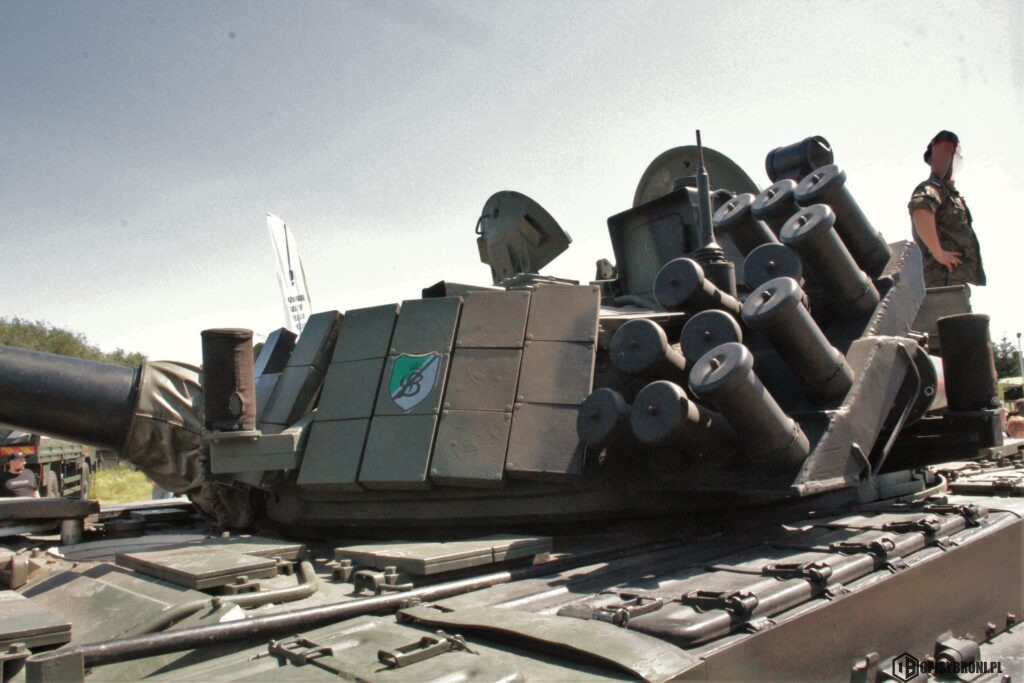
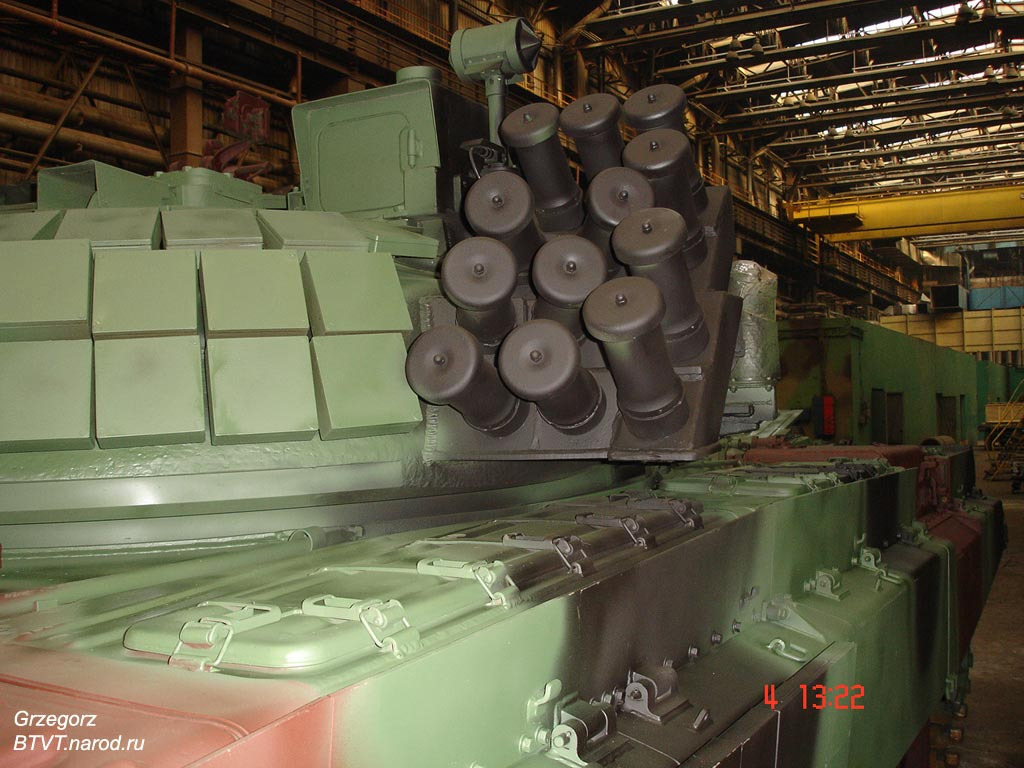
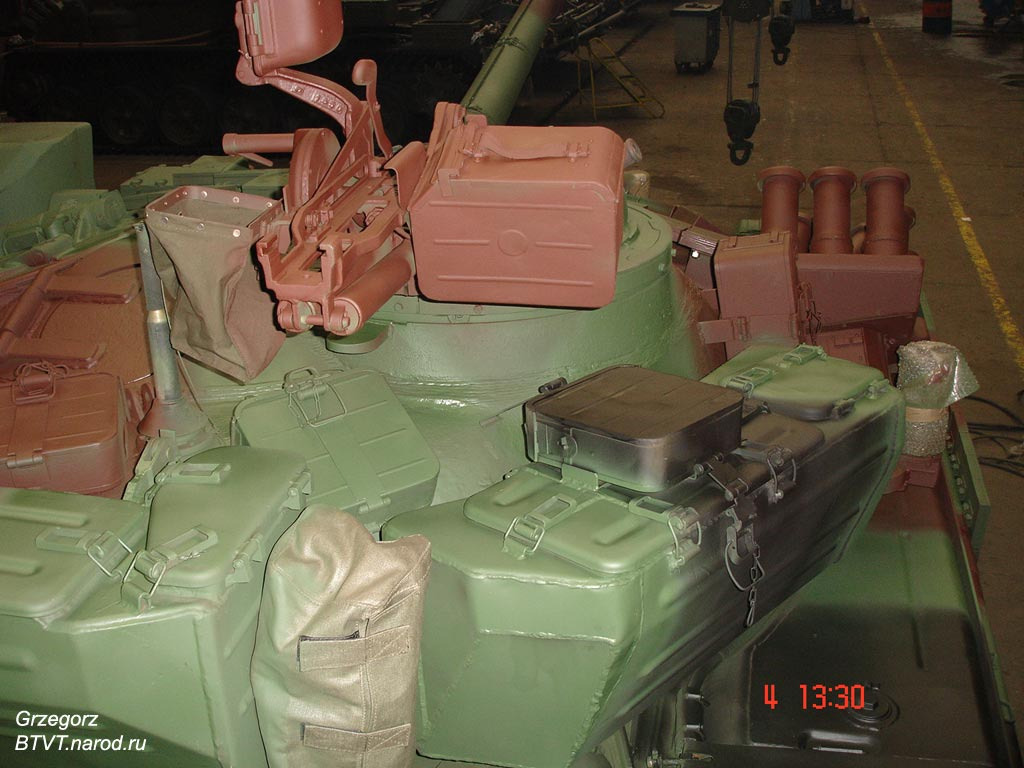
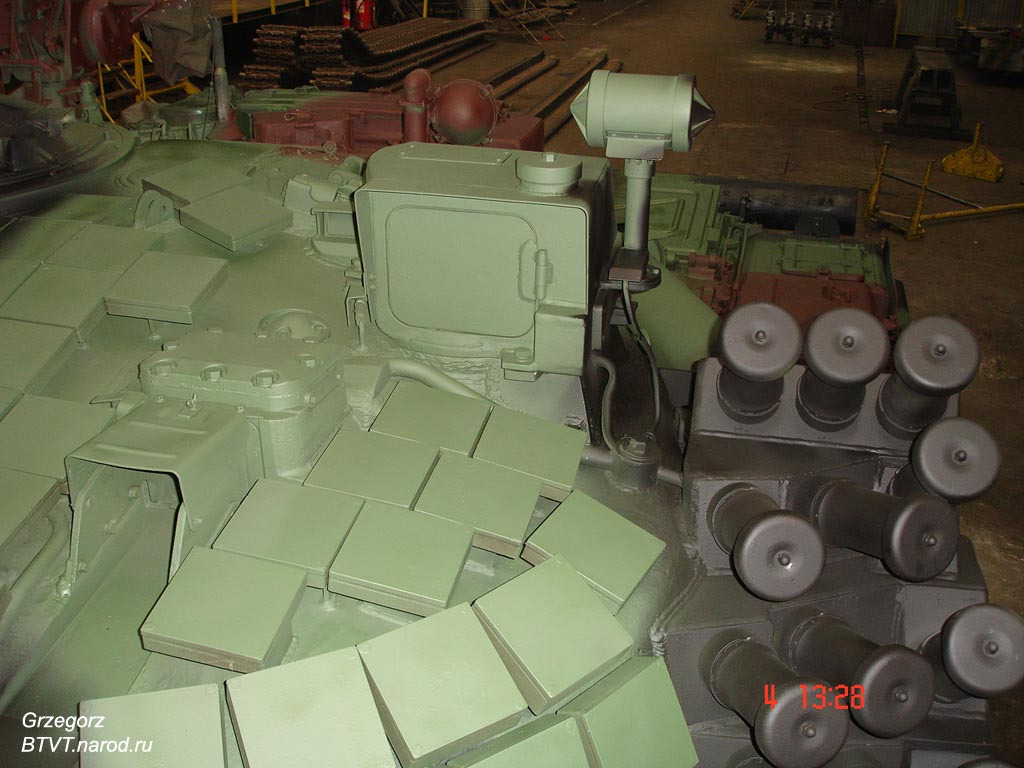
- 24x 81mm Dezamet Smoke Grenade Launchers
- ESS
- Entrenching Blade
- Combat weight: 45.3t
- Engine: 850hp PZA-Wola S-12U diesel engine
- Max speed: 60 km/h
Armament
Details
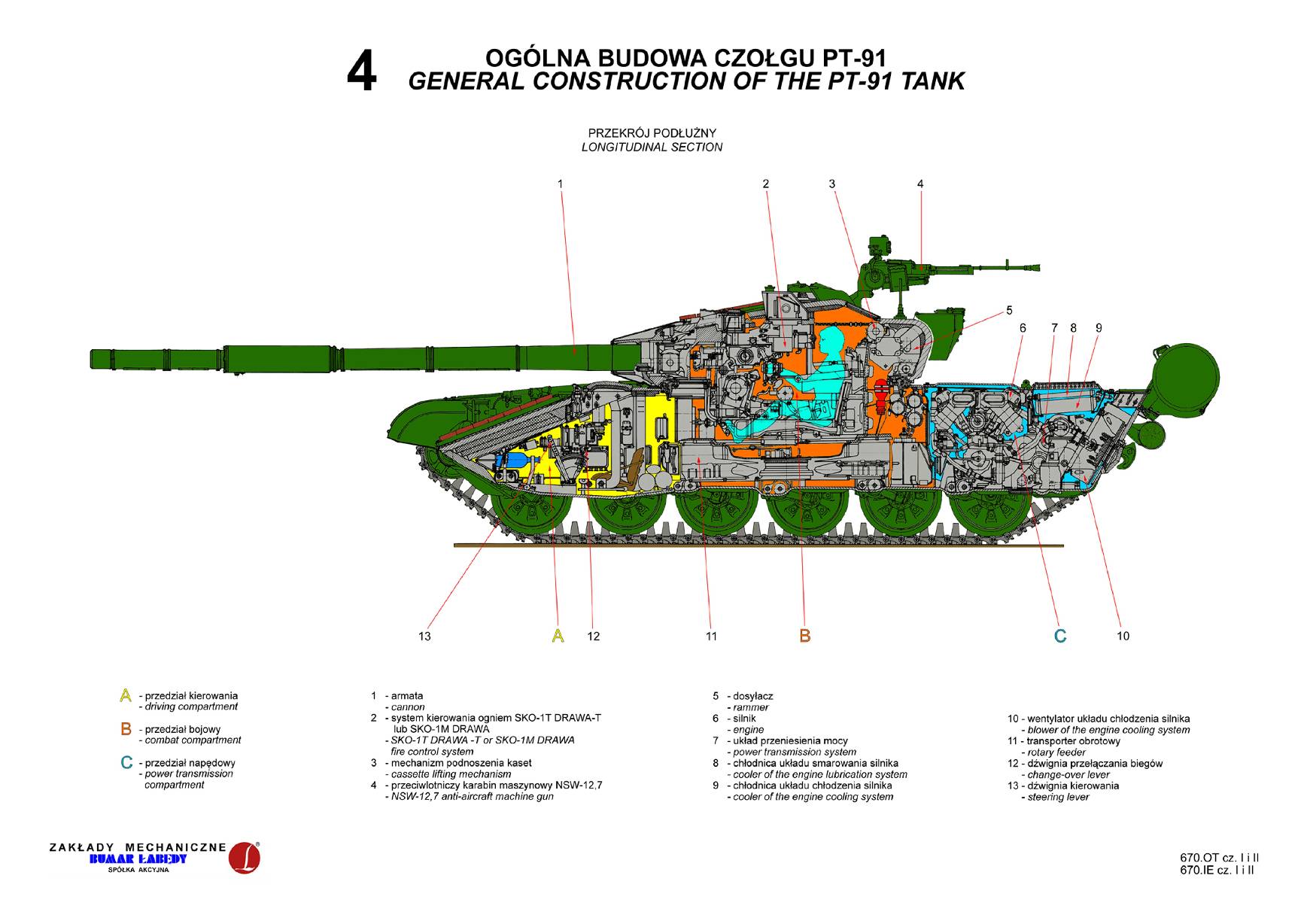
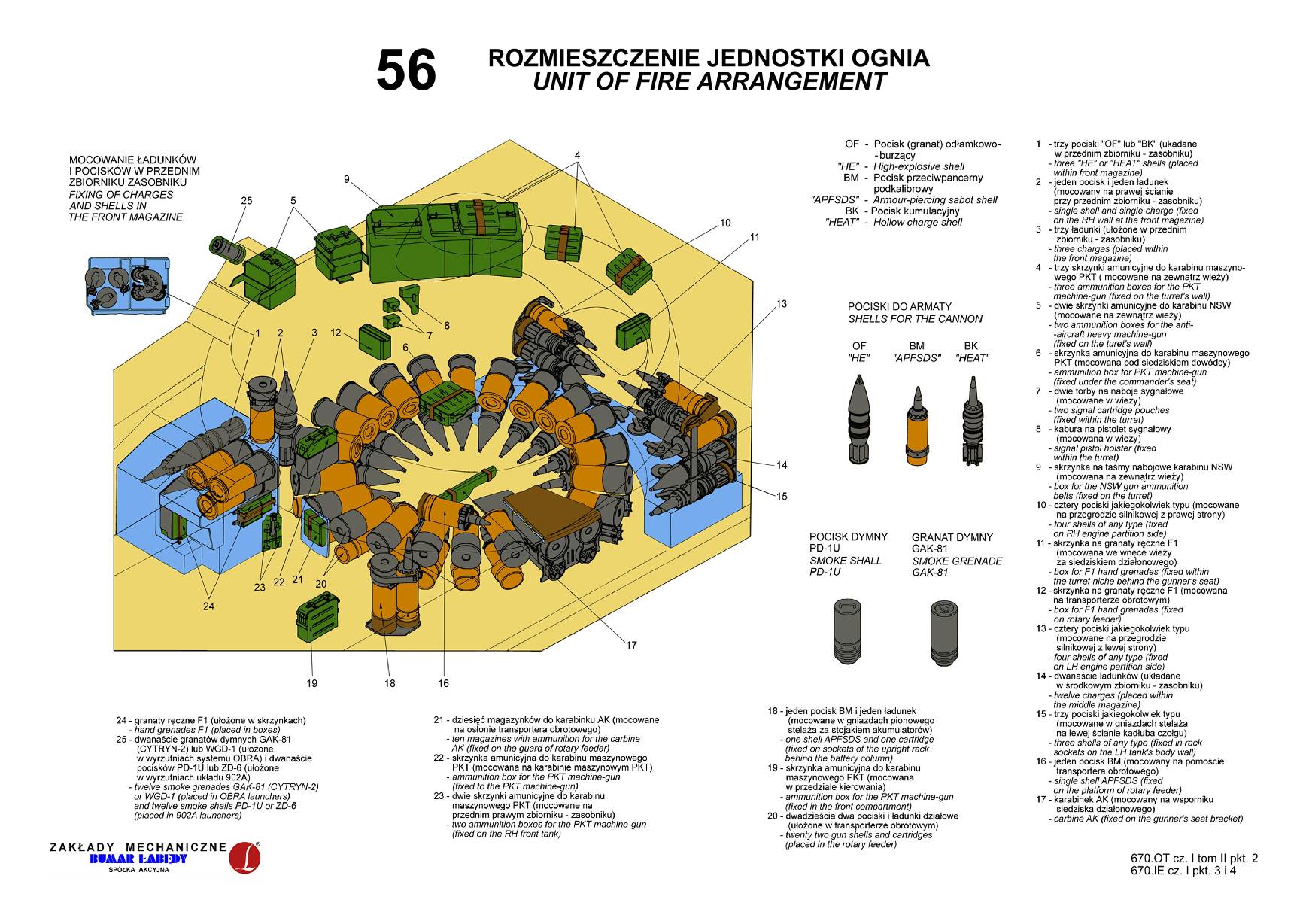
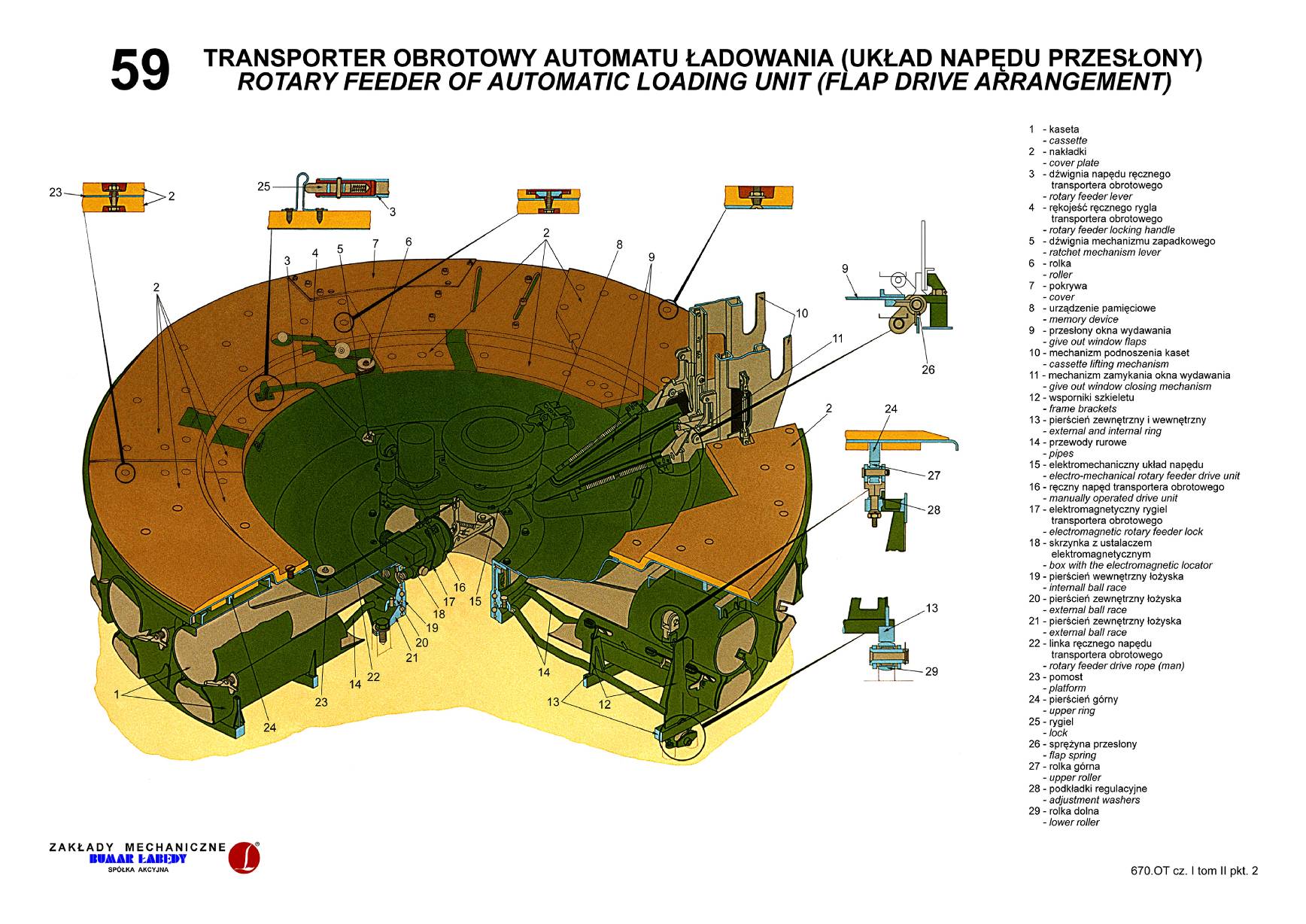
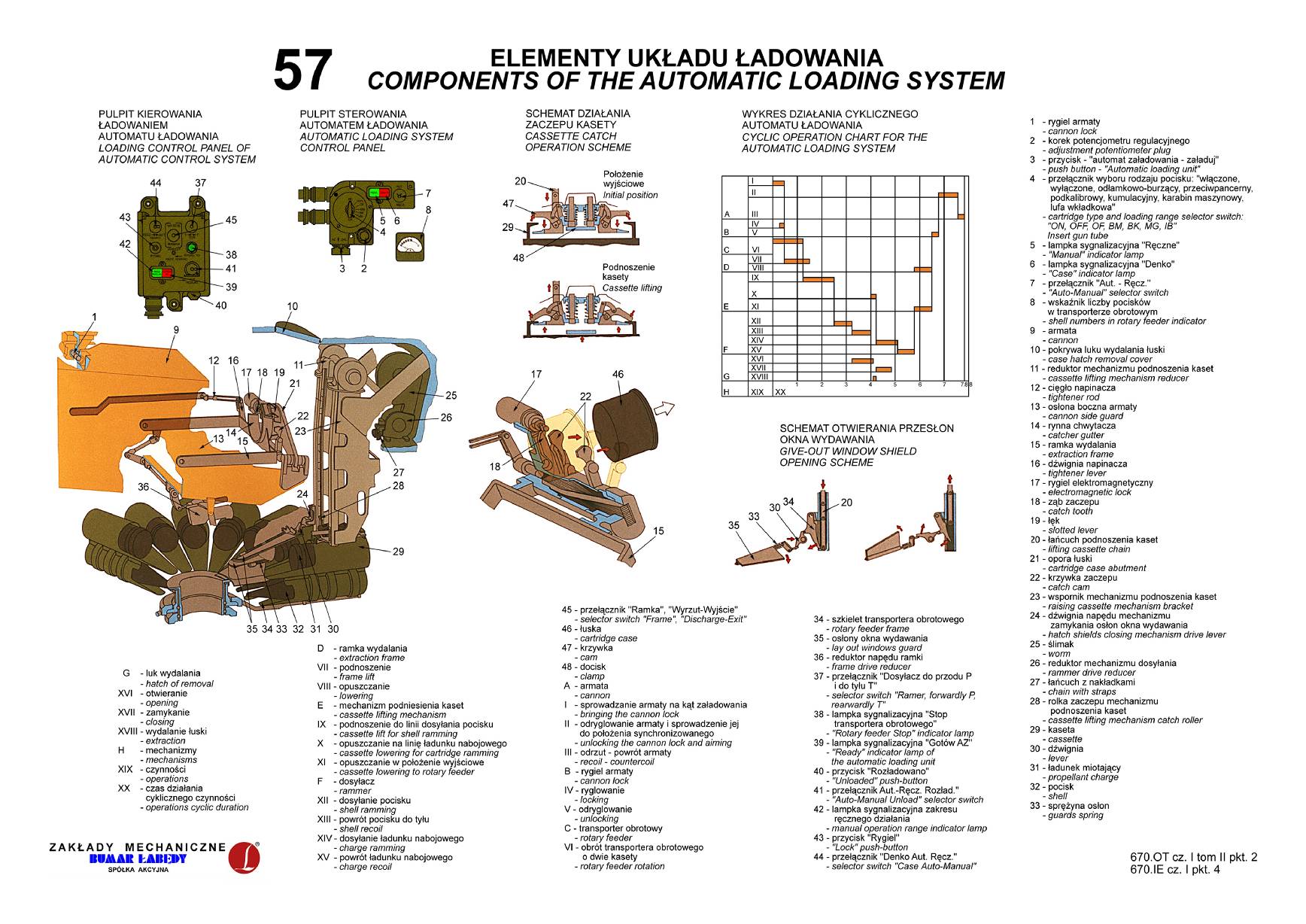
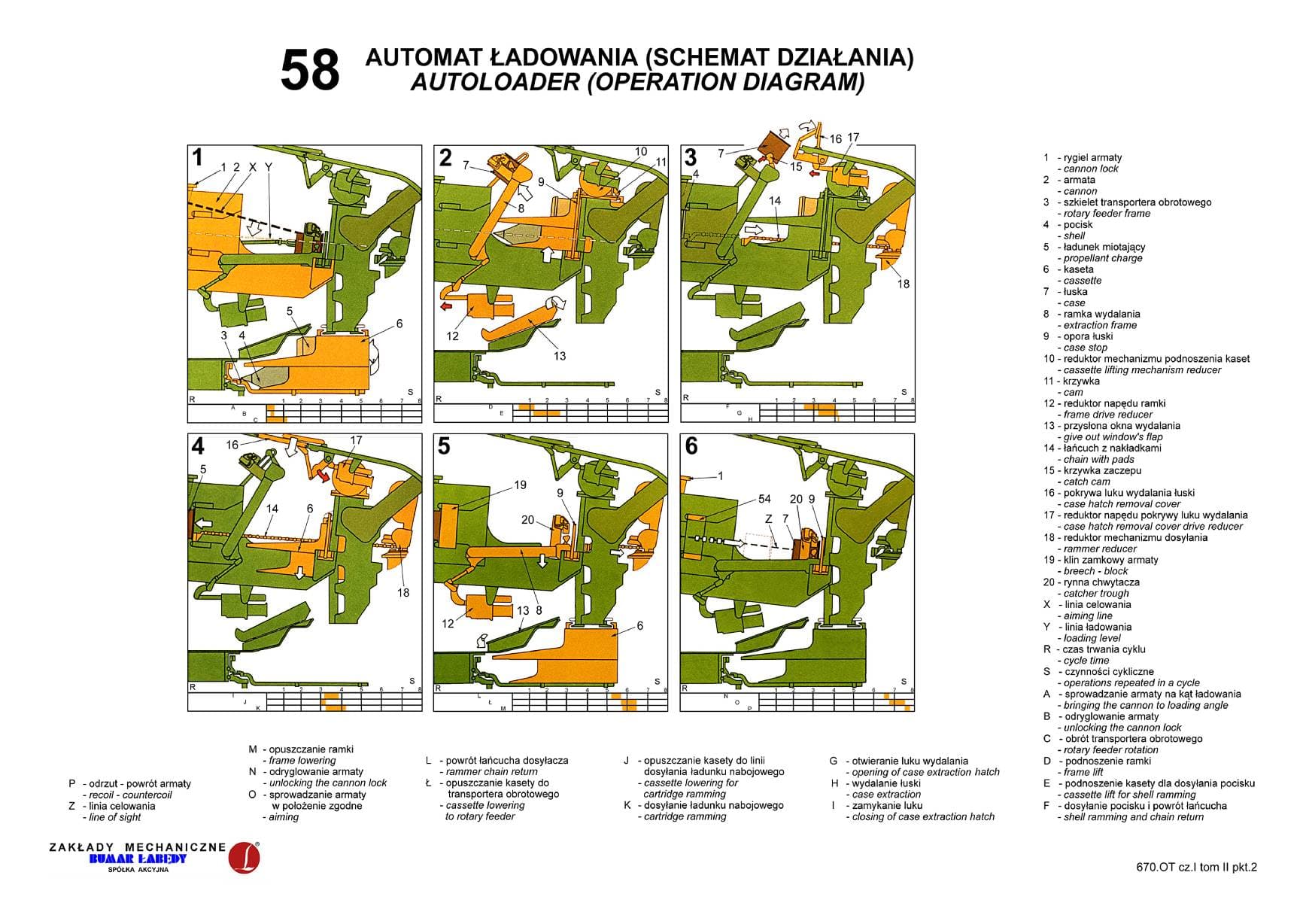
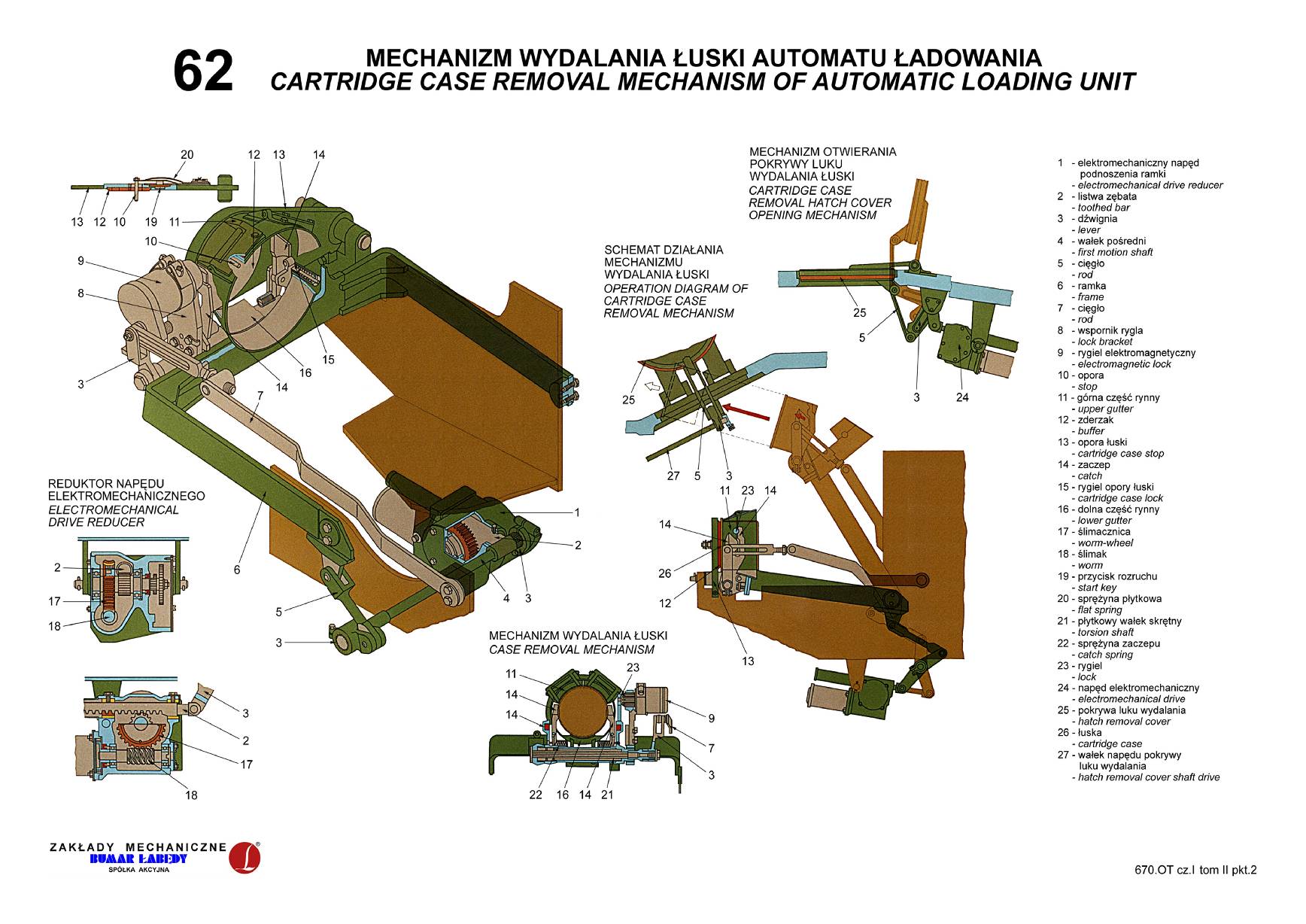
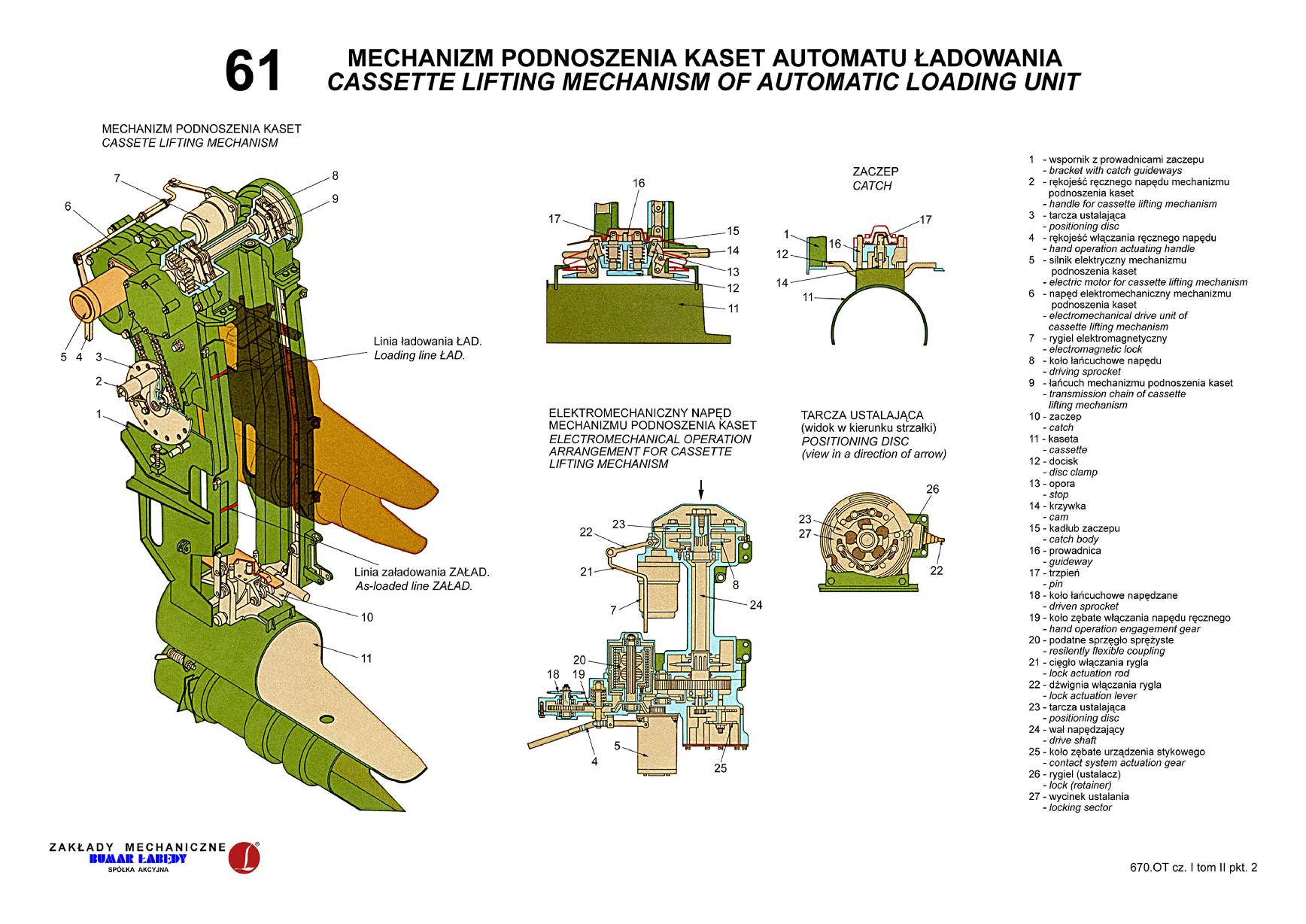
- Primary armament: 125mm 2A46 L/48 Smoothbore Gun (w/ 42rd, 22 in autoloader carousel)
- 3BM15 APFSDS-T (Primary)
- 125mm APFSDS-T “Ryś” (Higher rank)
- 3BK18M HEAT-FT
- 3OF26 HE-FRAG
- Depression/Elevation: -6/+13 degrees
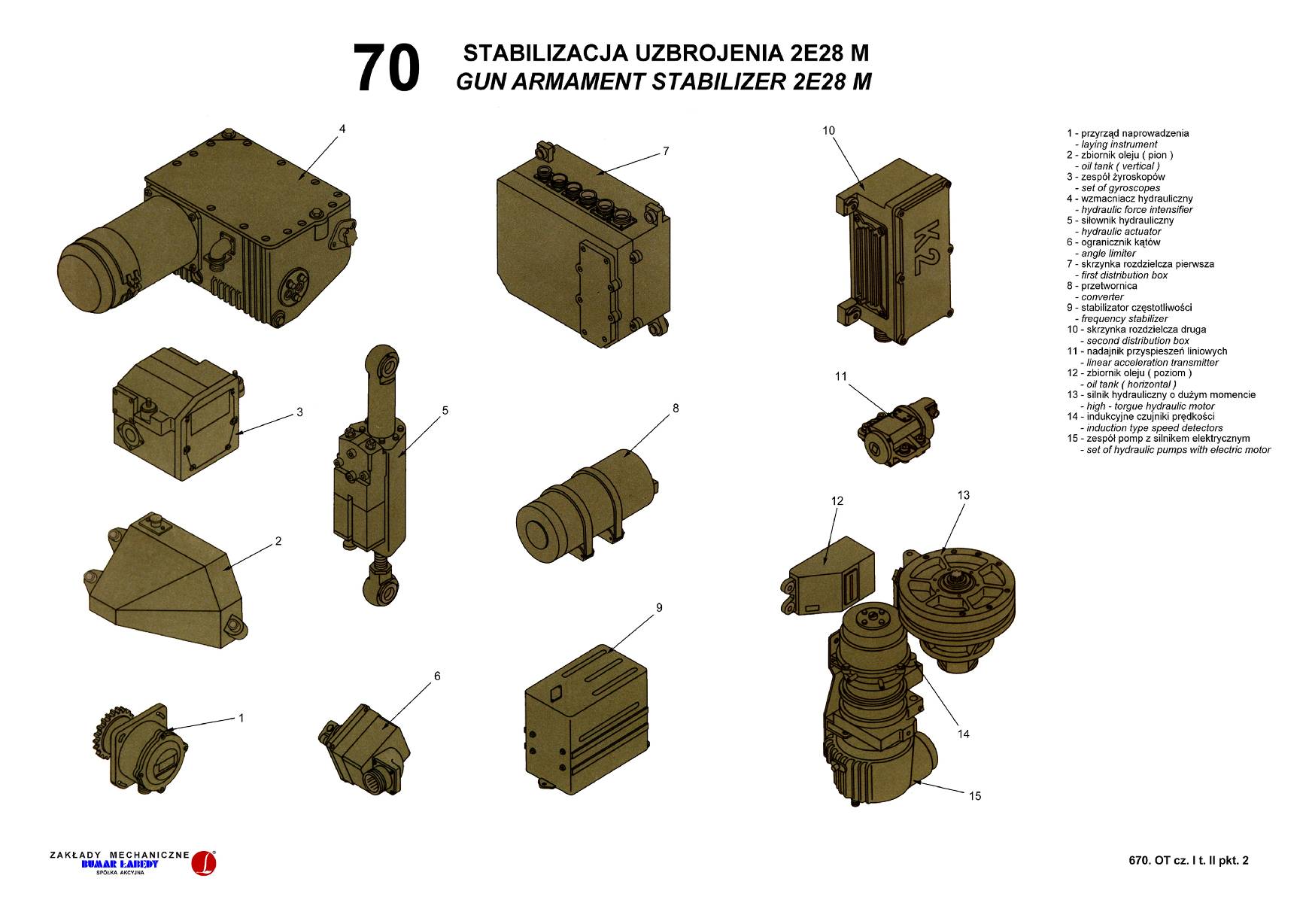
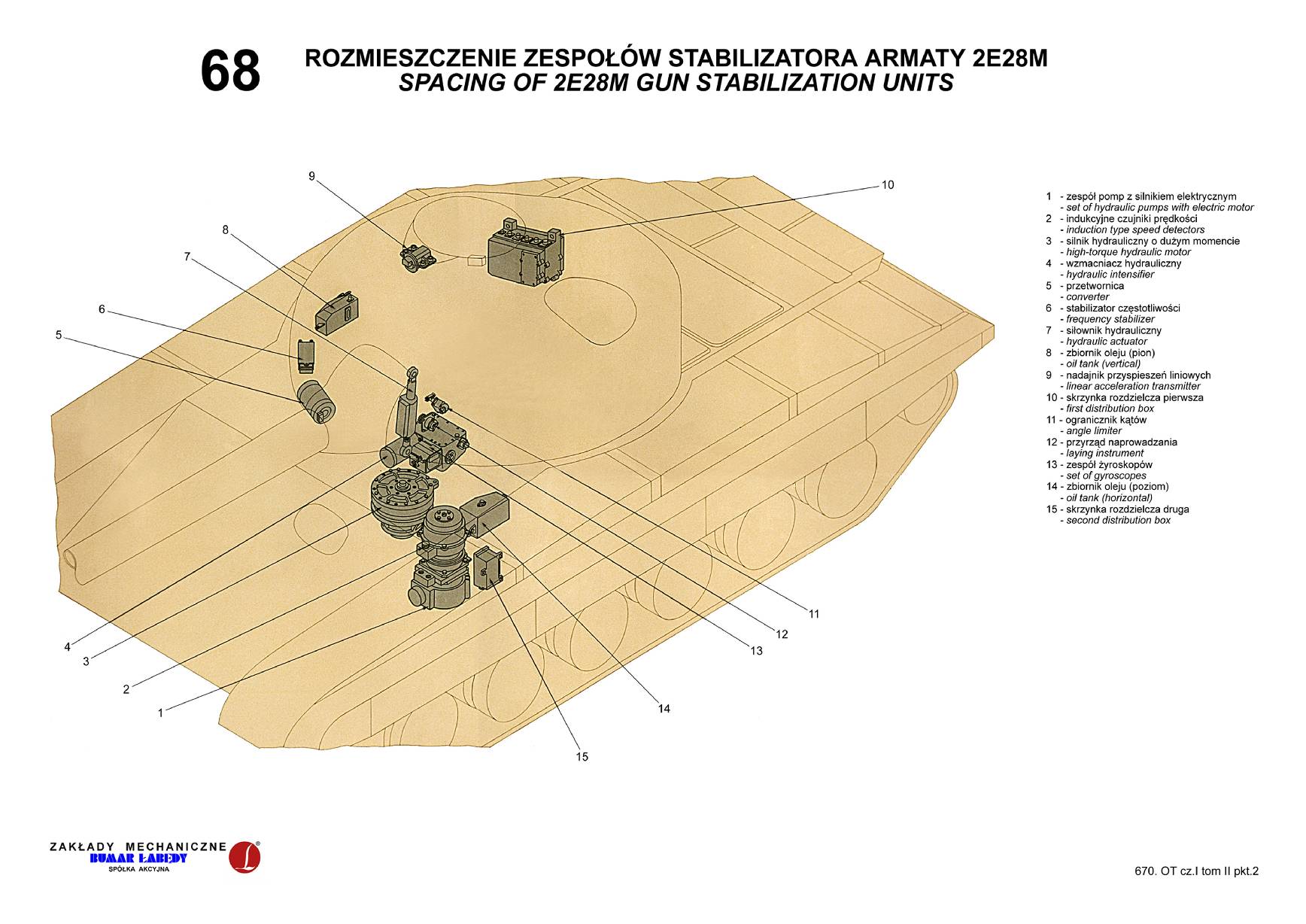
- Two plane stabaliser
- Coaxial machine gun: 7.62mm PKT GPMG (2000 rounds)
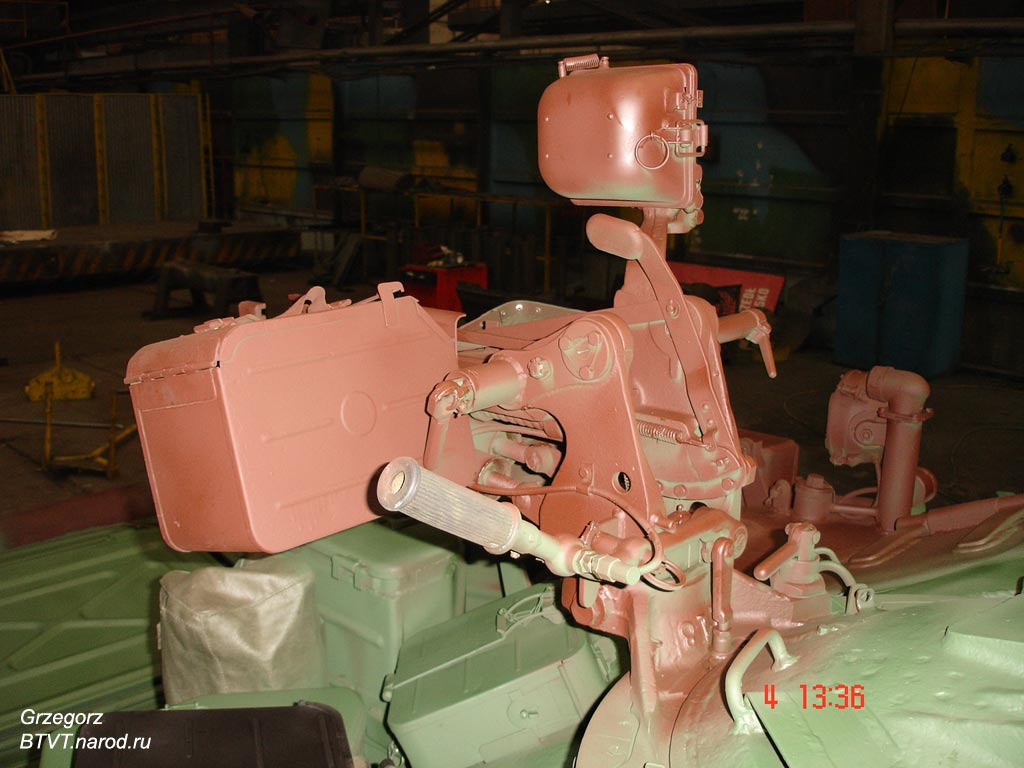
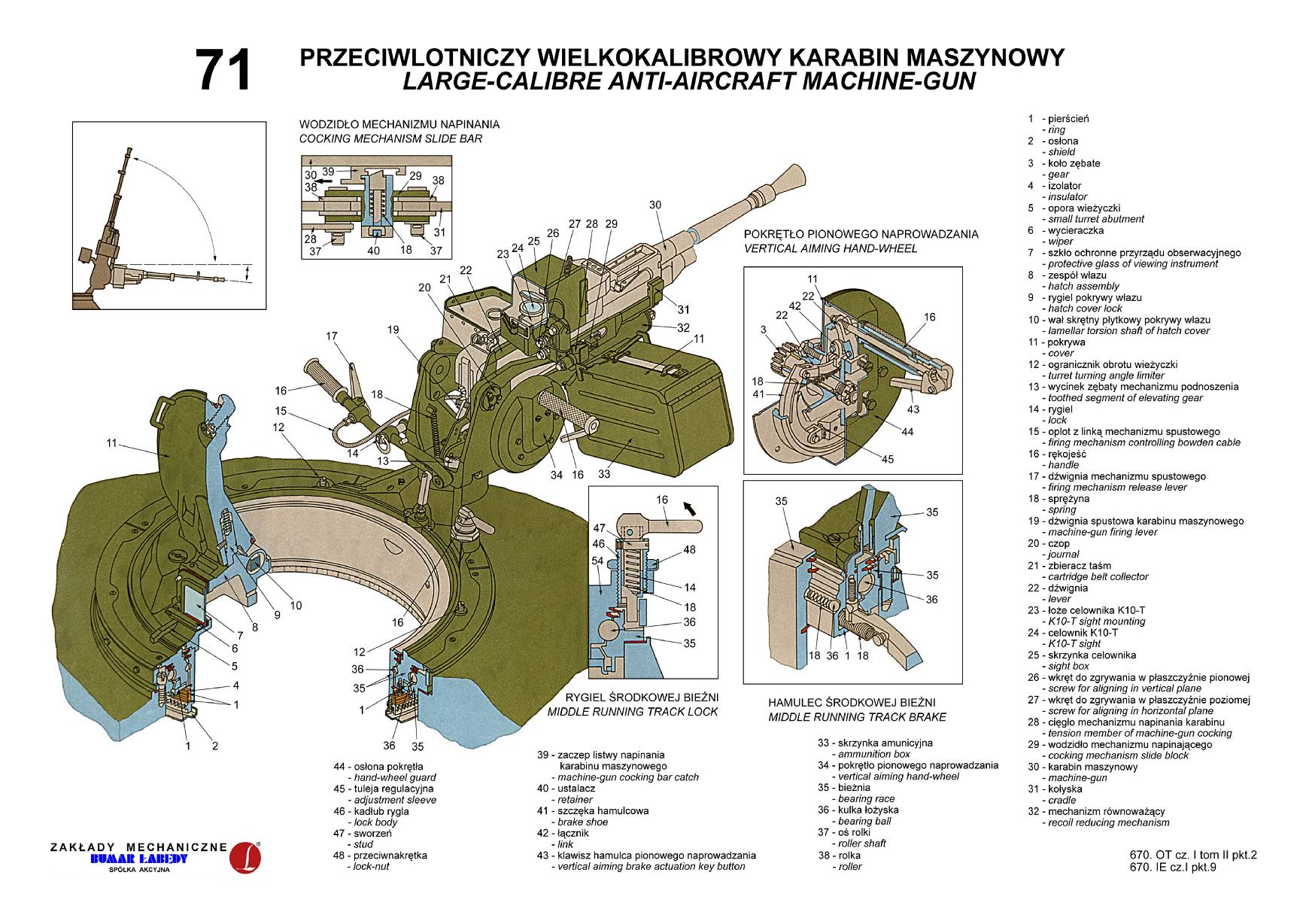
- Anti-aircraft machine gun: 12.7mm NWS (300 rounds)
Mobility
Details
- Engine: S-12U diesel engine (850 HP)
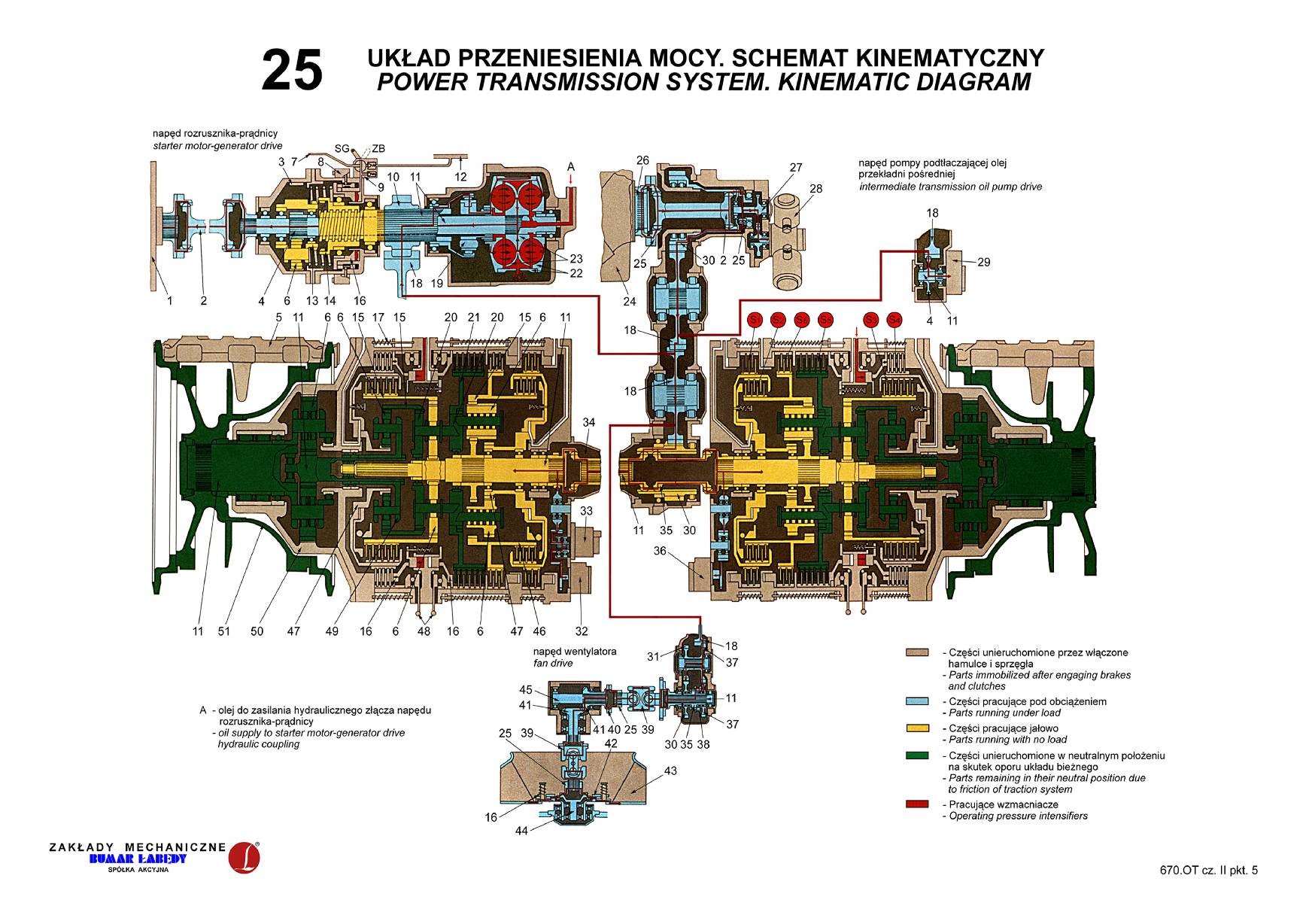
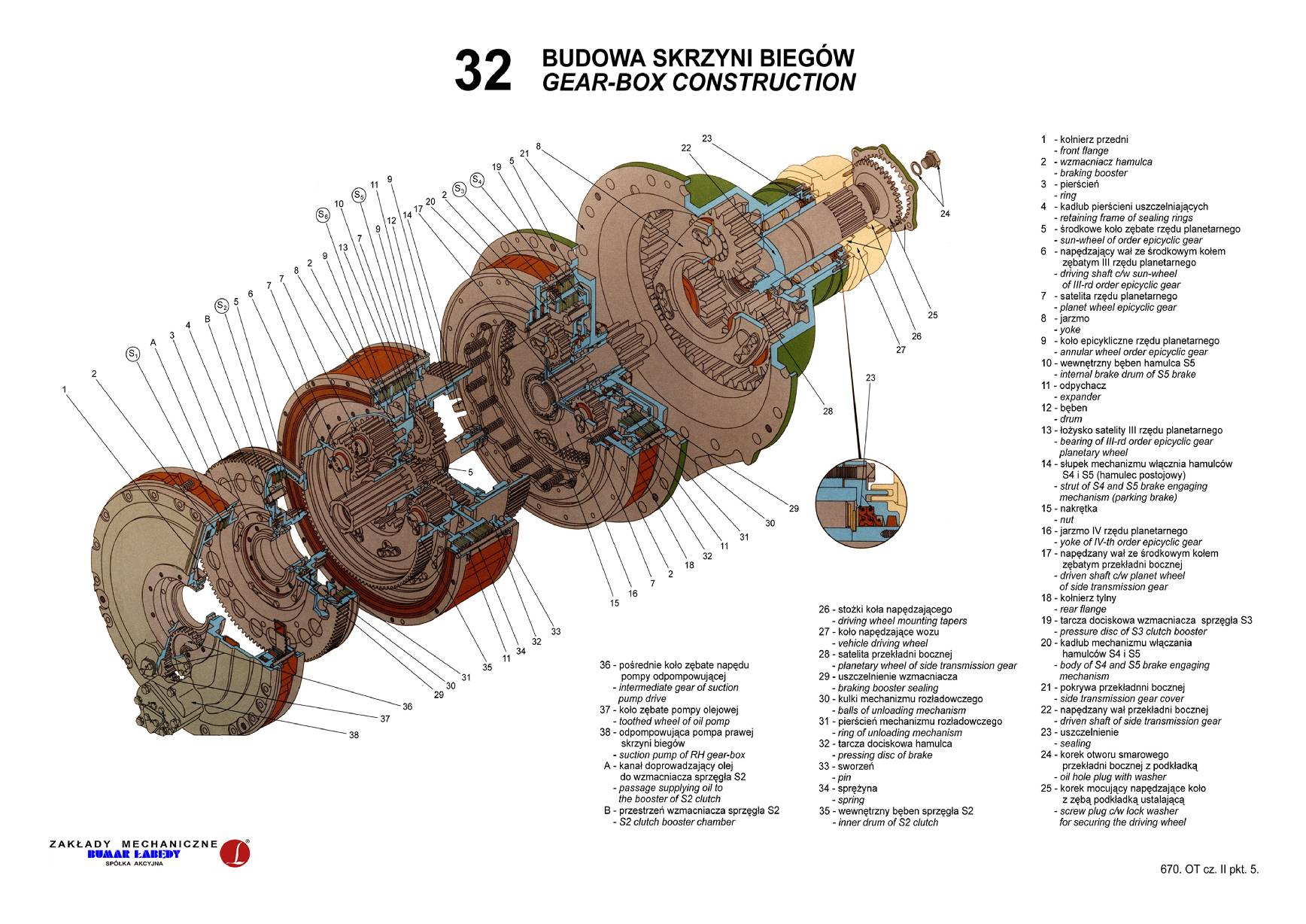
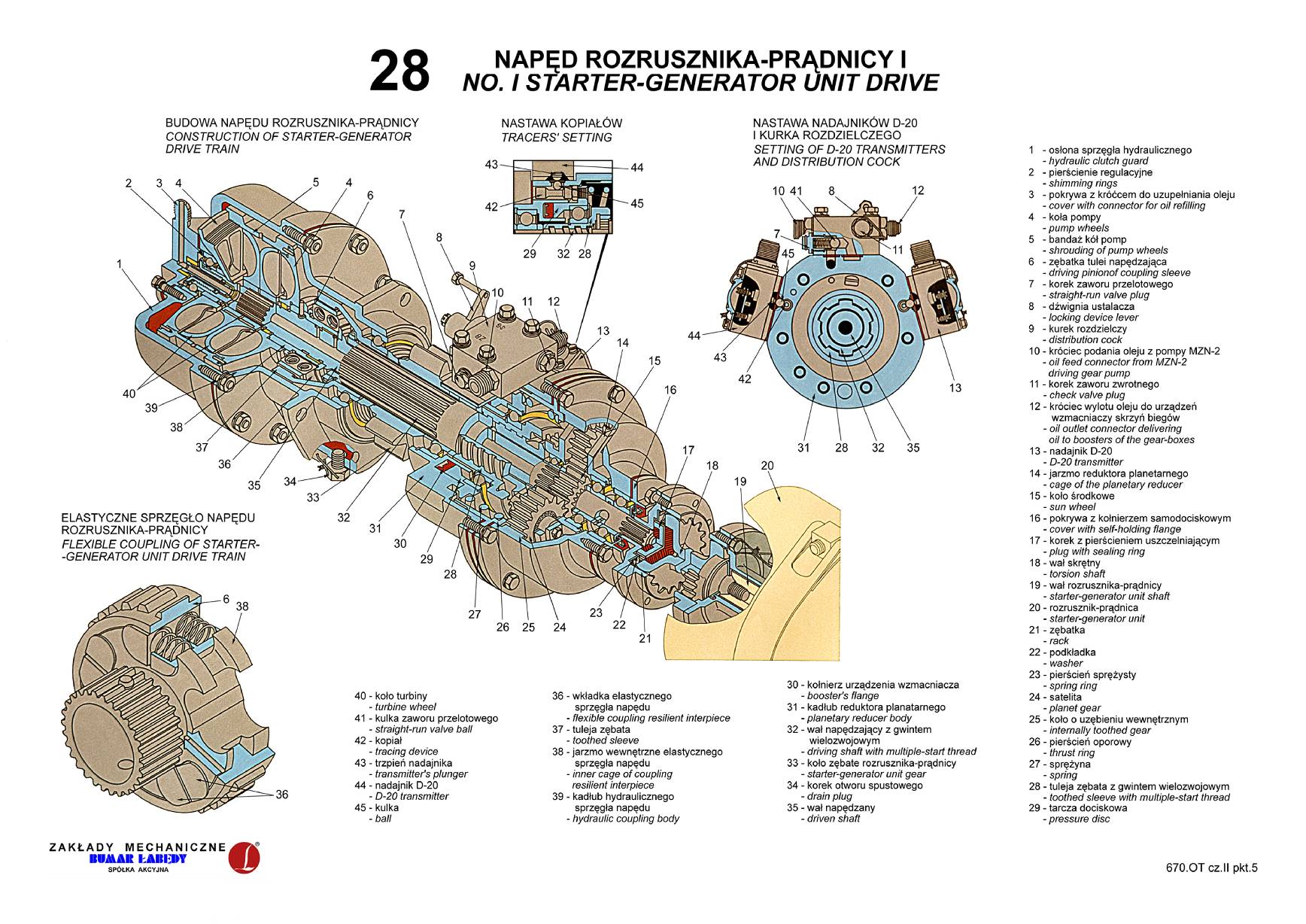
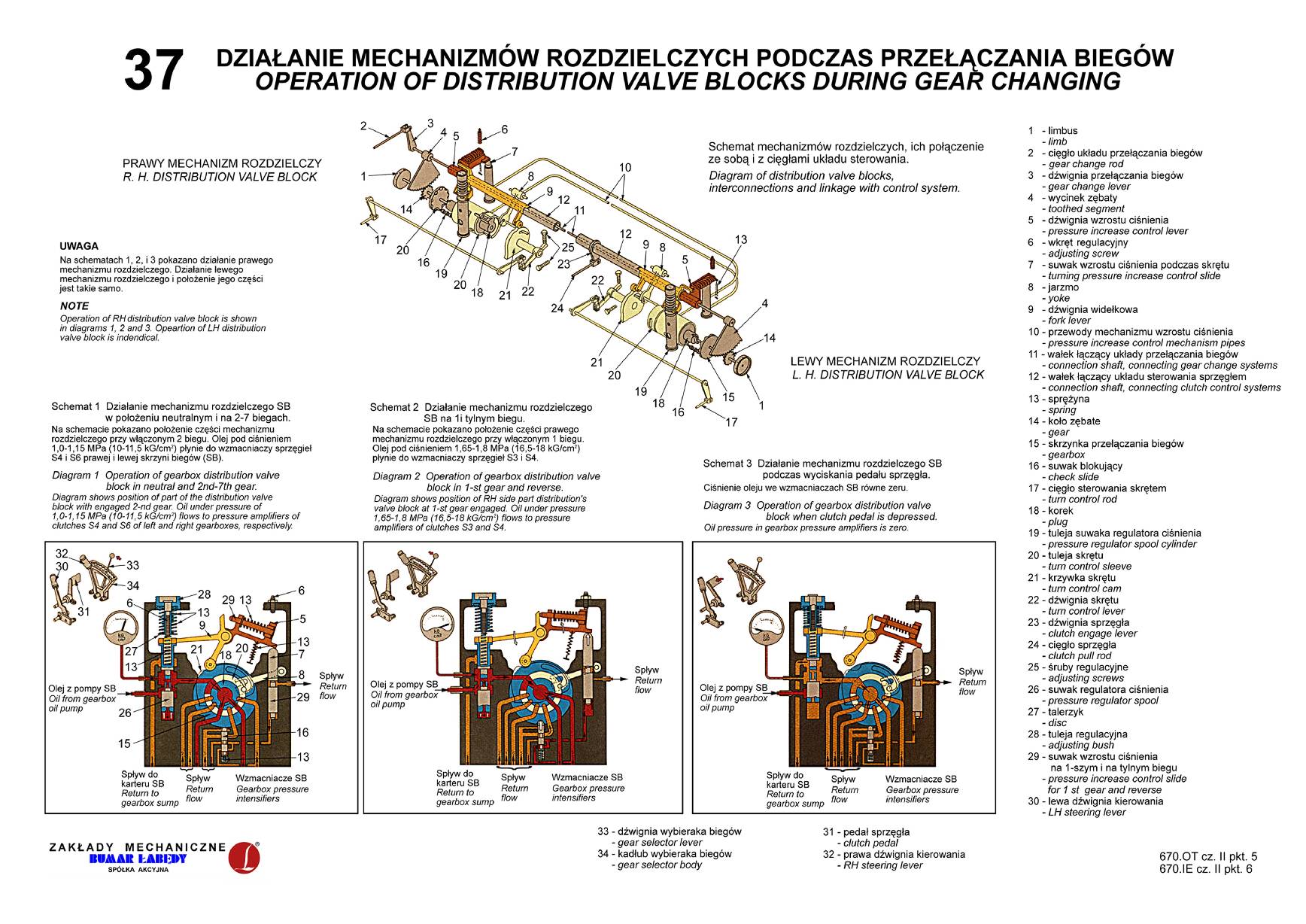
- Transmission: LH & RH Epicylic gears, 7-forward, 1-reverse gear
- Chassis: Torsion Bar Suspension
- Max Speed: 60Km/h
- Weight: 45300Kg
Armour
Details
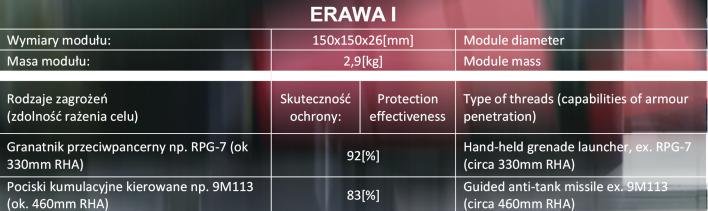
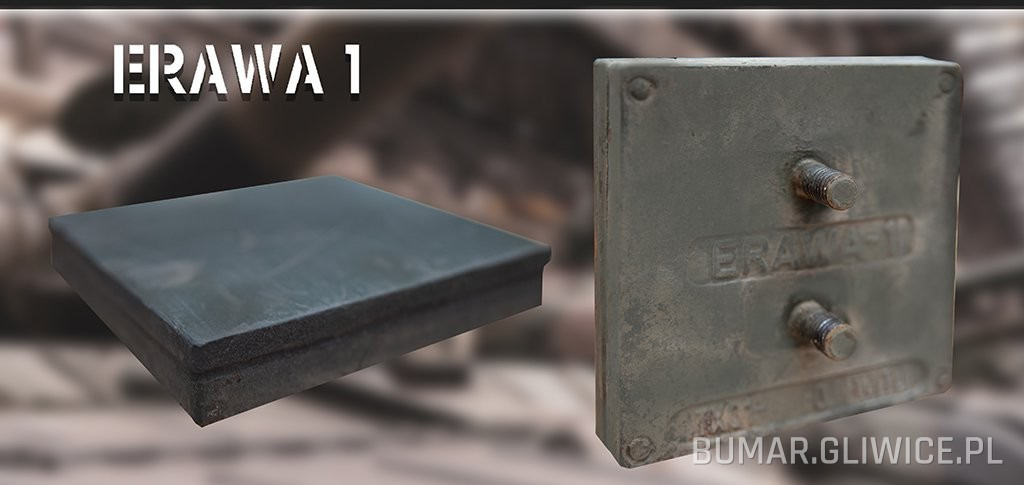
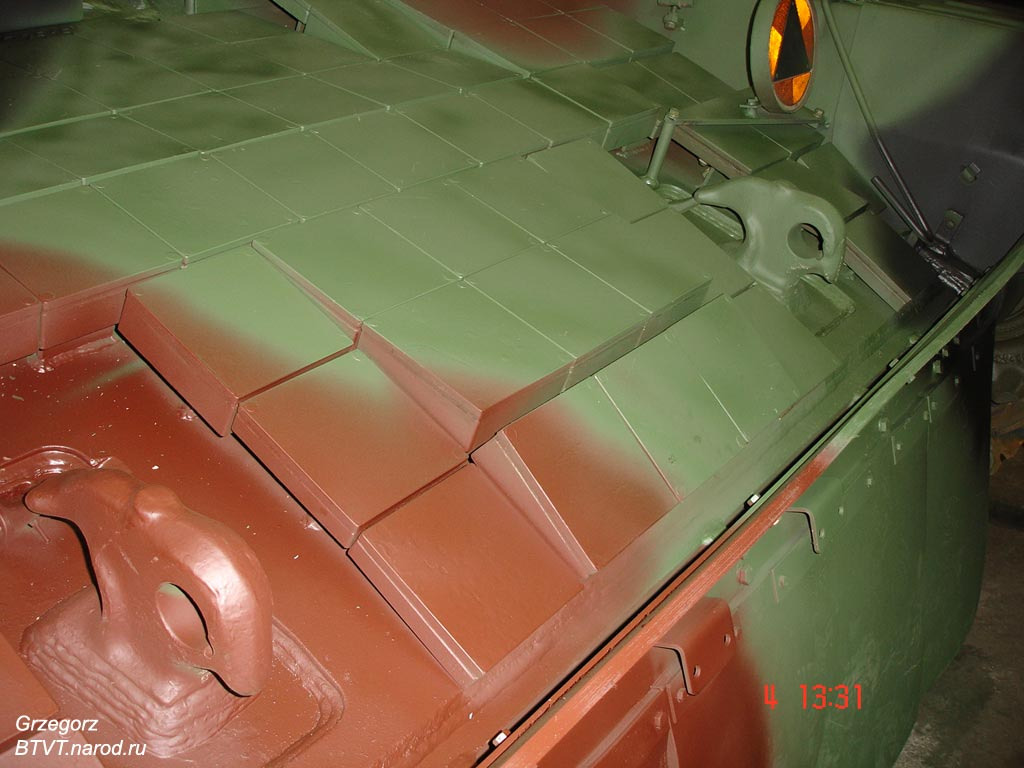
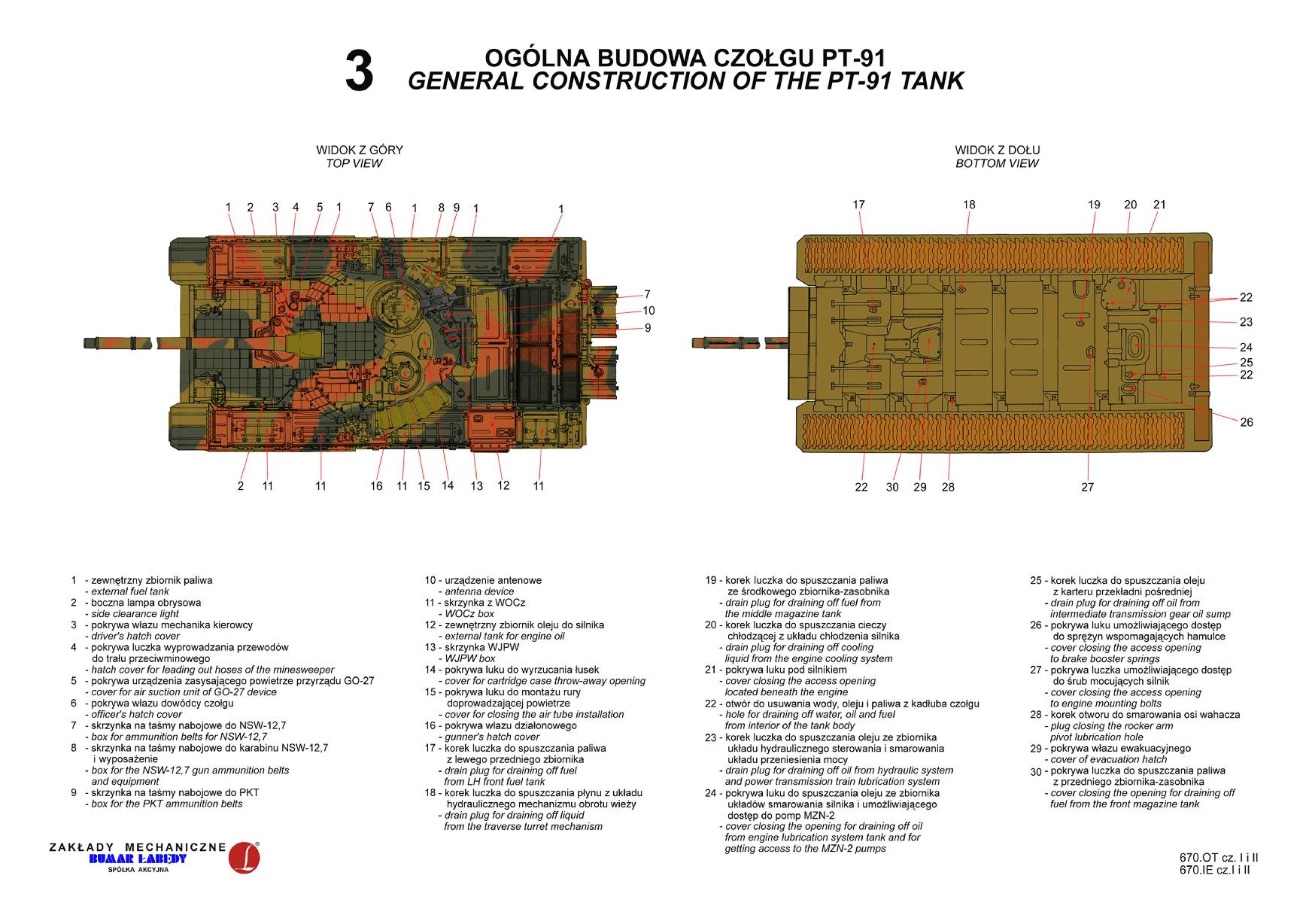
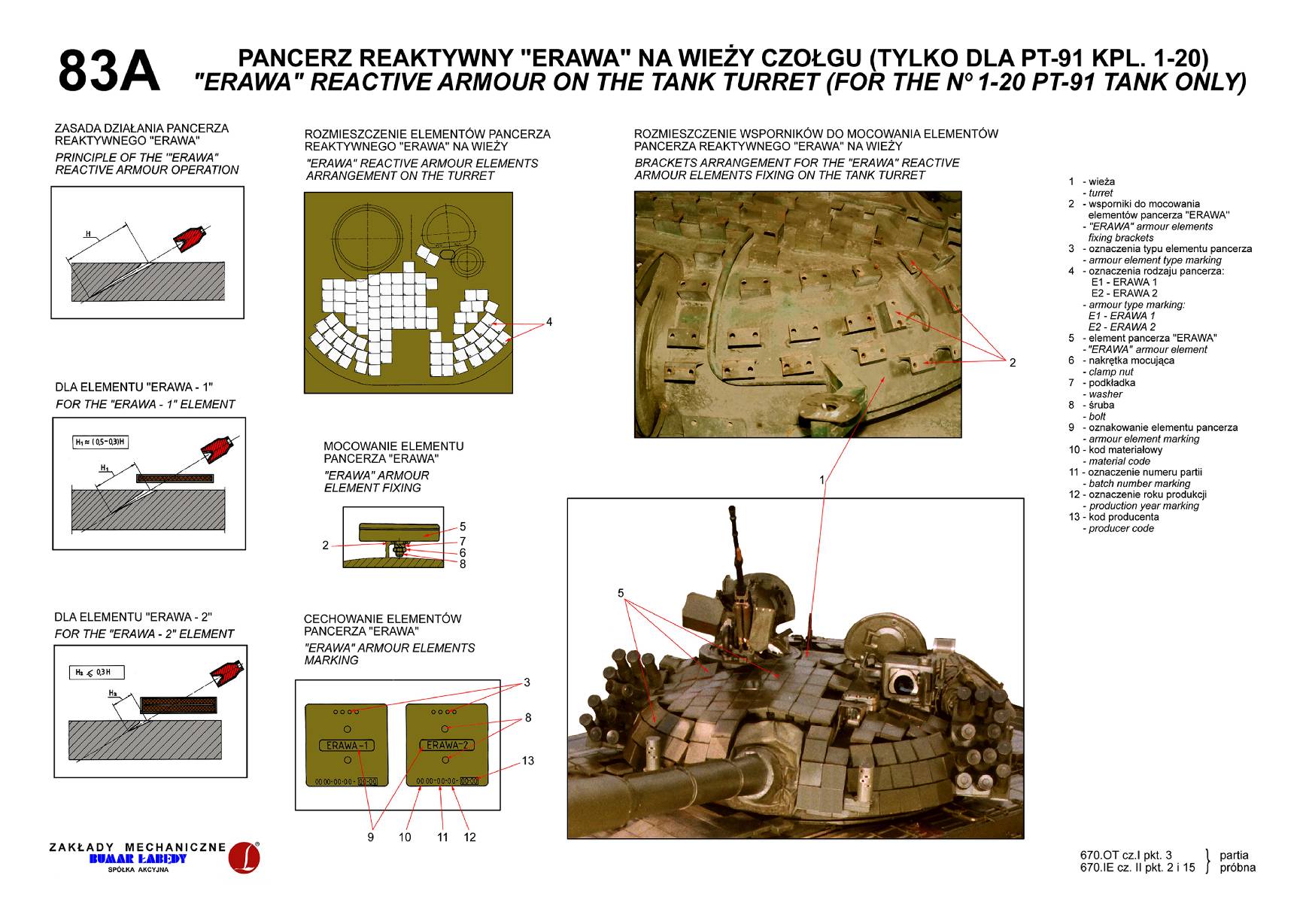
One of the main goals of the PT-91 modernisation was to increase its armour, this was done through the addition of additional ERA called the ERAWA. The origins of the ERAWA can be to traced back to the 1980s when Wojskowy Instytut Techniczny Uzbrojenia (WITU for short) under the lead of Prof. Ph.D Wisniewsik got to work on creating additional armour for the T-72M1. One of the products developed from the program was the ERAWA-1/2 ( Explosive Reactive Armor Wisniewski Adam 1/2).
ERAWA-1
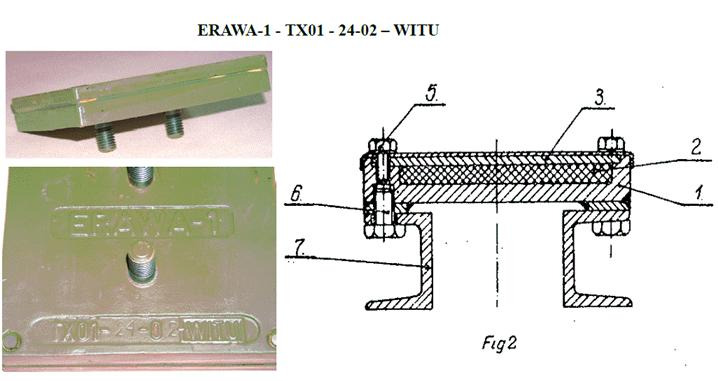
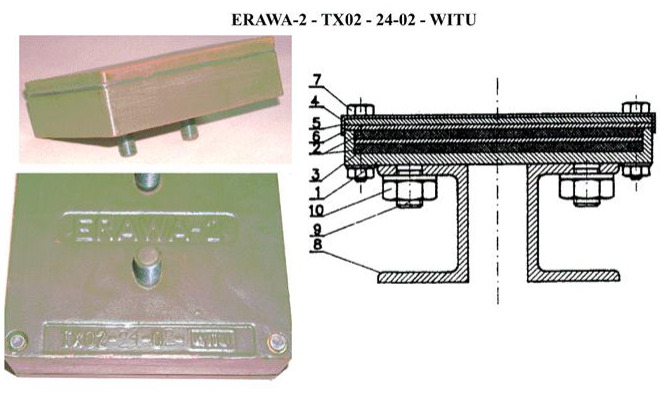
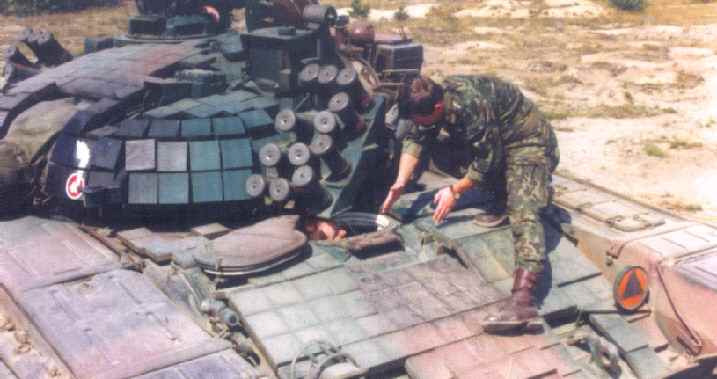
The first cassete was the ERAWA-1, it is built from a RHA cassette whit HE insert (TNT or TNT-hexogen) covered by circa 6mm HHS plate whit 500HB hardness. The whole cassette is mounted by two screws to the brackets wedled onto the tank, while som may consider this a primitive design it is rather effecective.
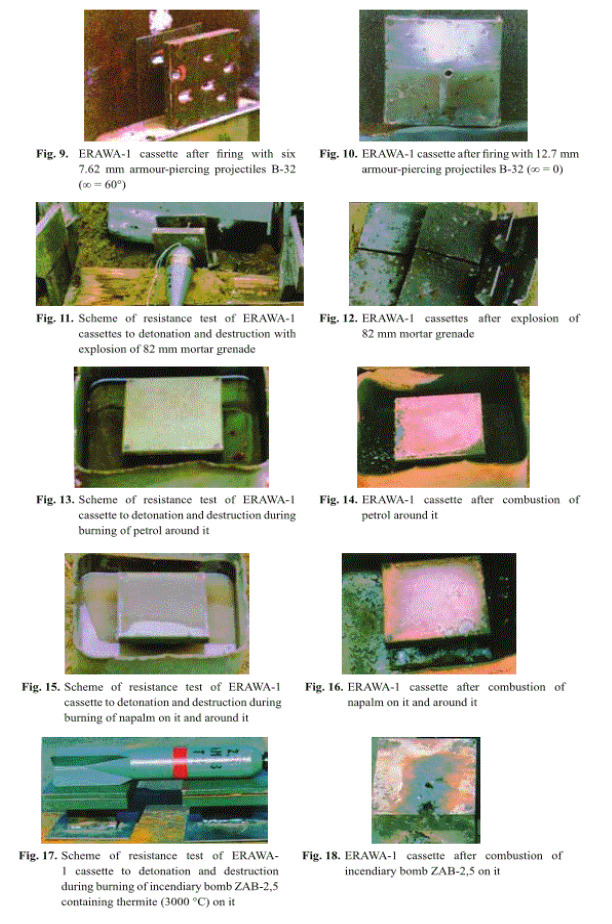
Diagram showing the inside of the ERAWA-1 cassete.To ensure safety and effectivenes the cassetes were made to be insensitive to react to damage of: AP small callibre ammunition, fragments from artillery ammuniton, and the burning of napalm.
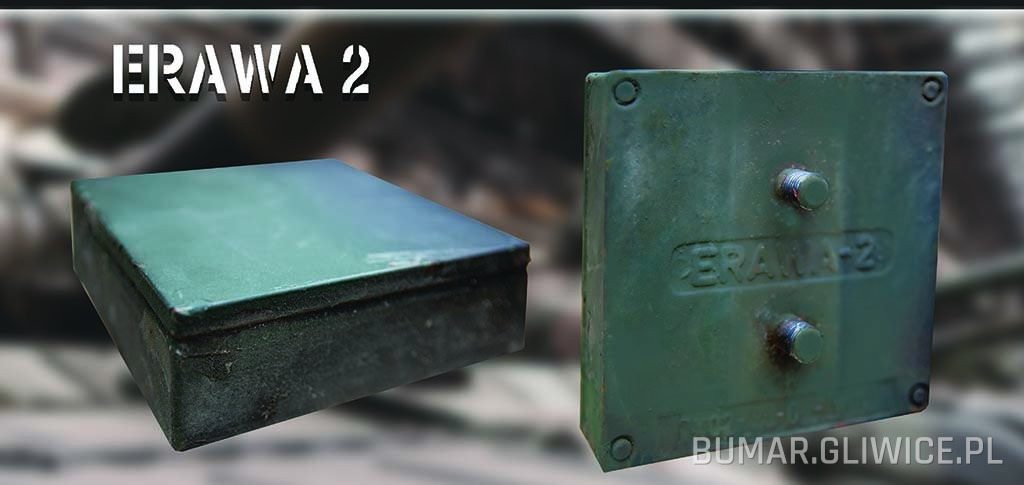
ERAWA-2
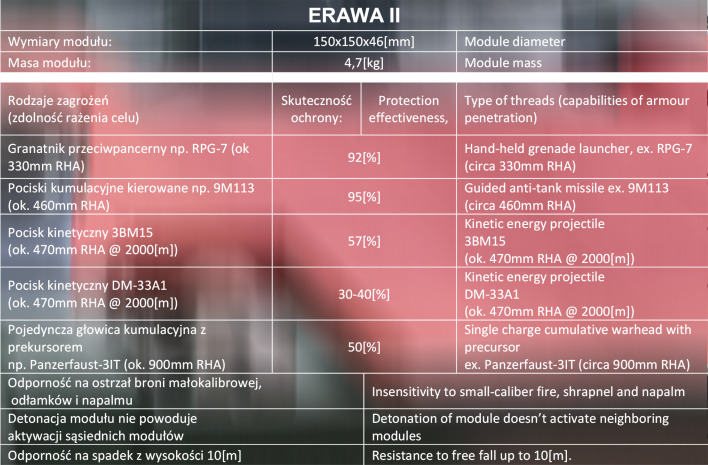
The second cassette ERAWA-2, was developed to counter more advanced threats such as tandem-charge anti-tank weapons, EFP projectiles formed from charges up to 100 mm in diameter, and to provide disruption of APFSDS penetrators while also reducing the vehicle’s radar signature. Like ERAWA-1, it is mounted to the tank using screws attached to welded brackets and remains fully interchangeable with ERAWA-1 modules. However, its internal construction is significantly more advanced, featuring two HE layers separated by a thin high-hardness steel plate exceeding 500 HB, while the outer cover consists of a thin metal lid, a ceramic layer approximately 4–5 mm thick, and an additional 2–3 mm high-hardness steel plate.This structure gave the ERAWA-2 surprisingly good performance for its time.
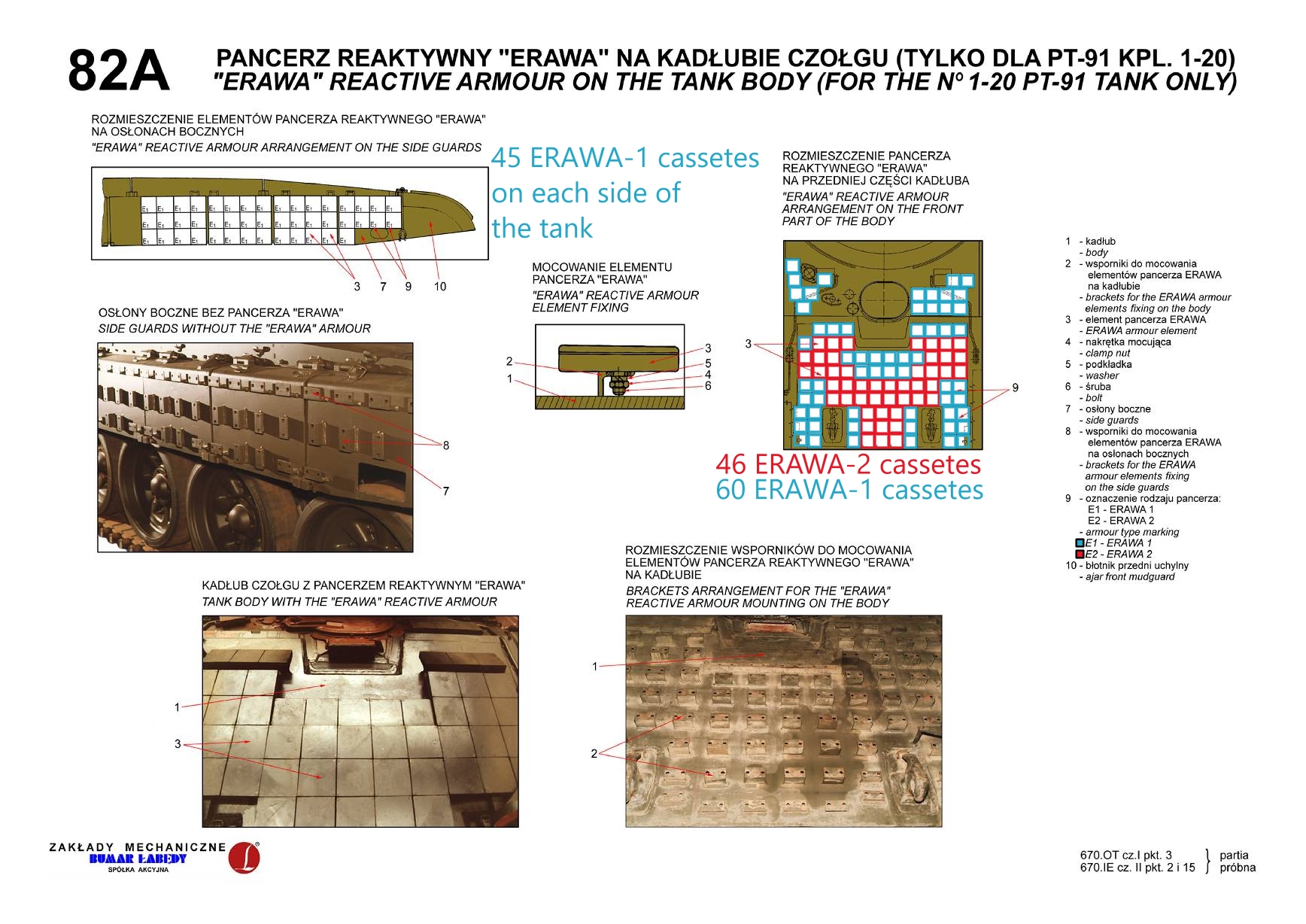
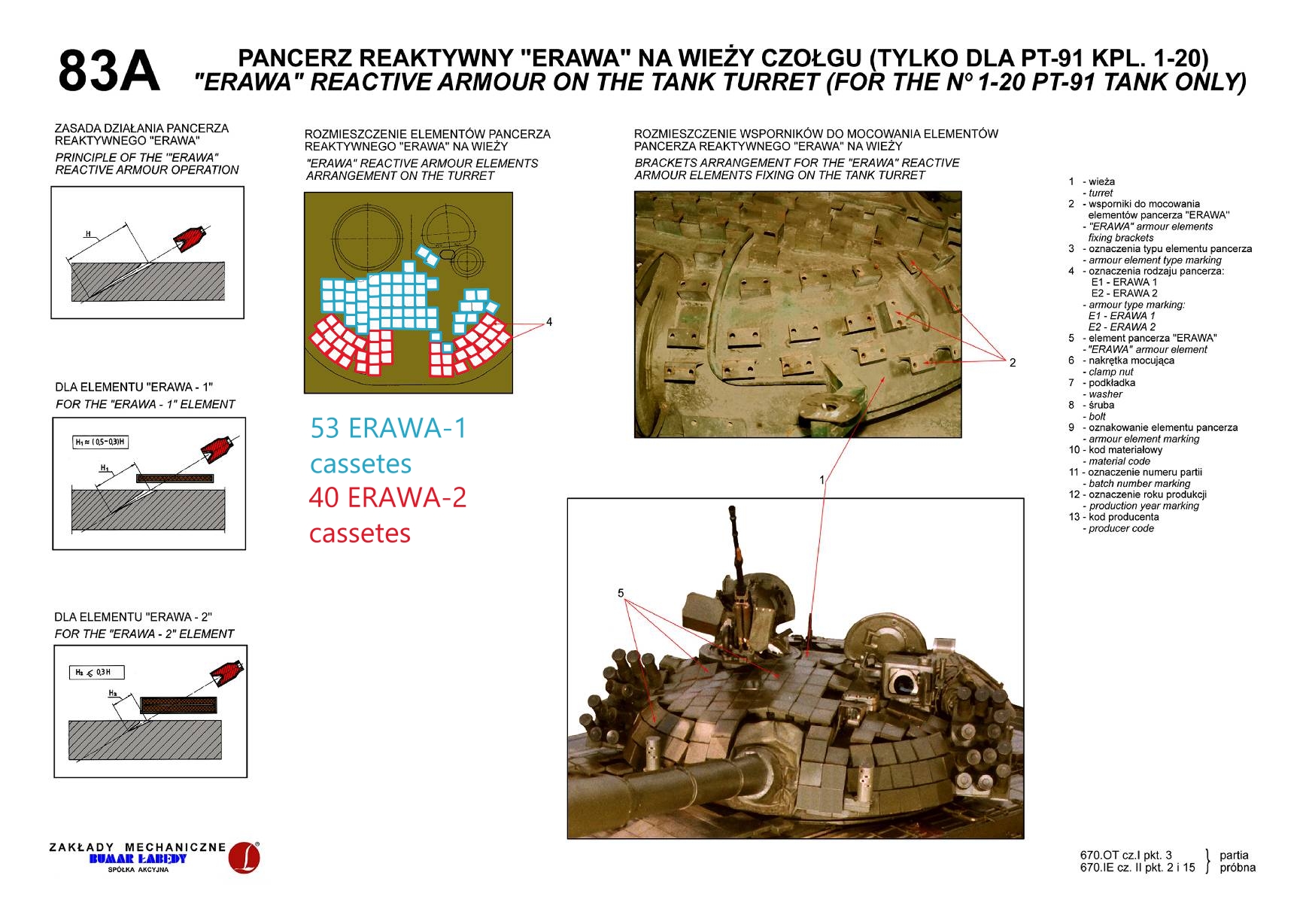
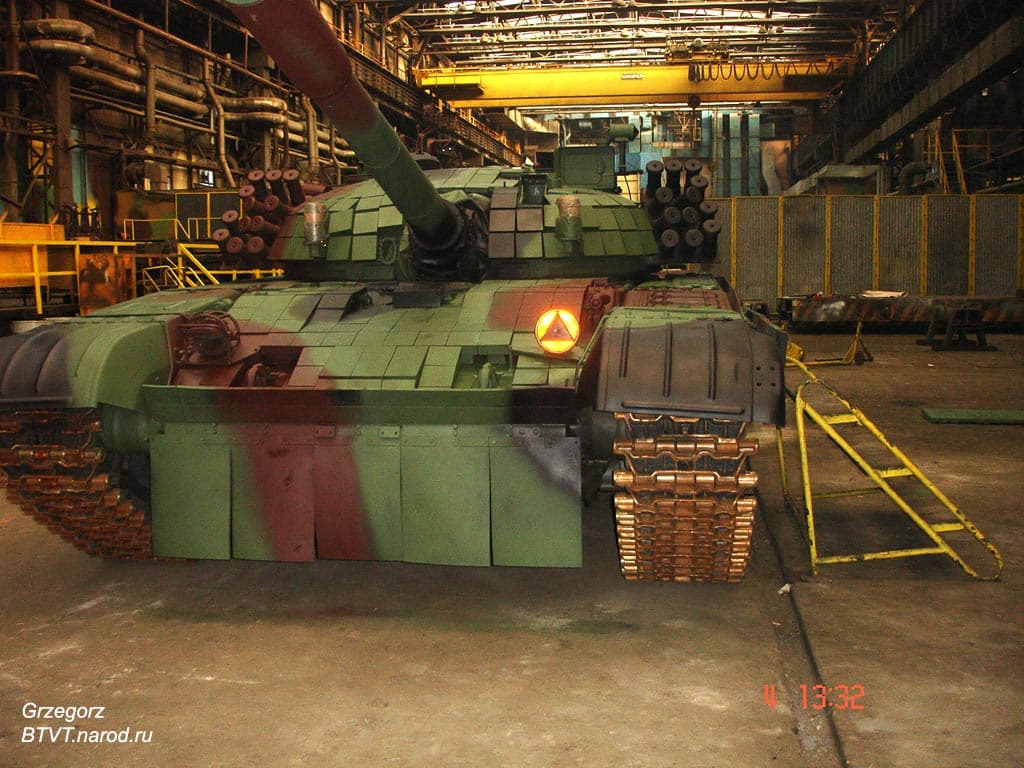
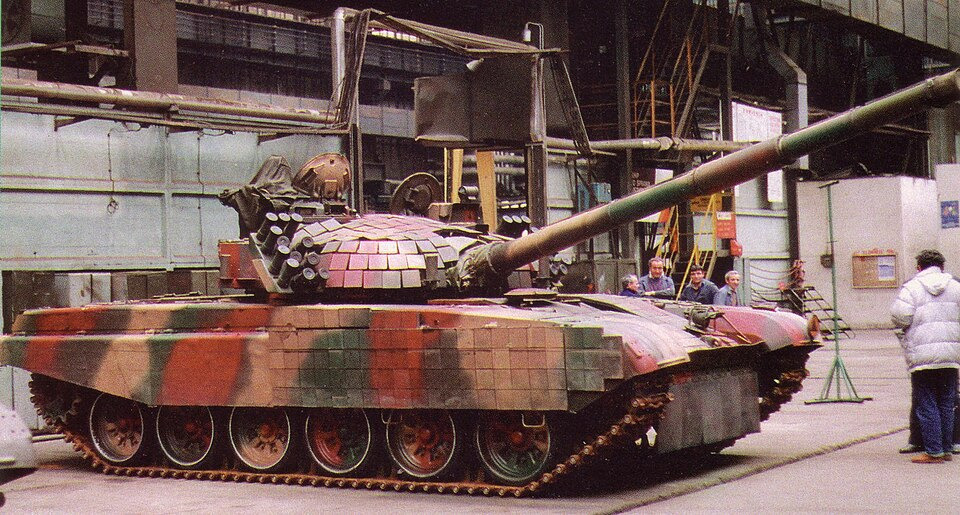
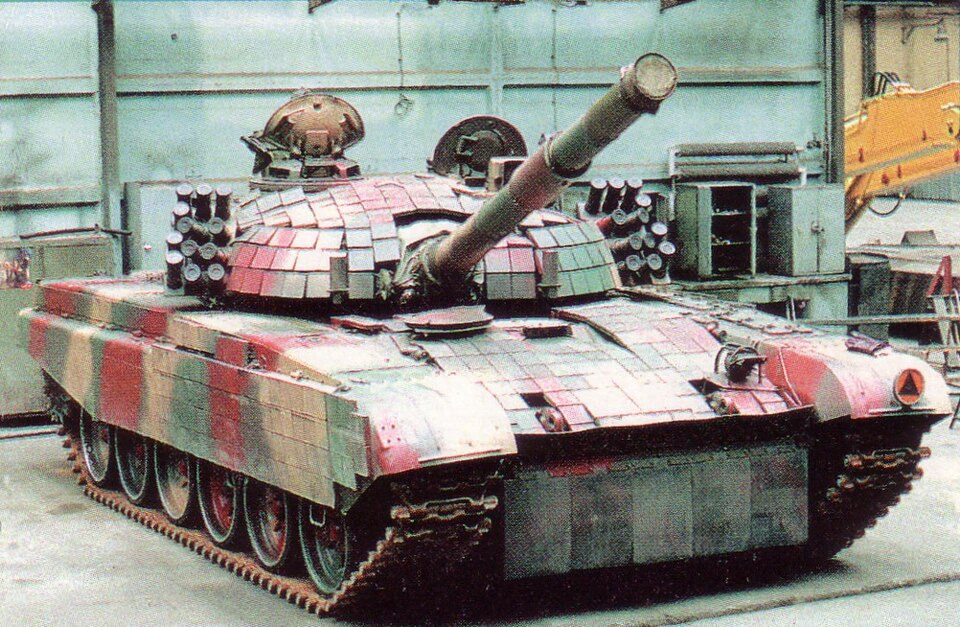
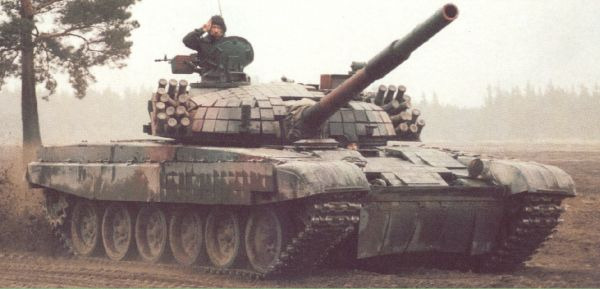
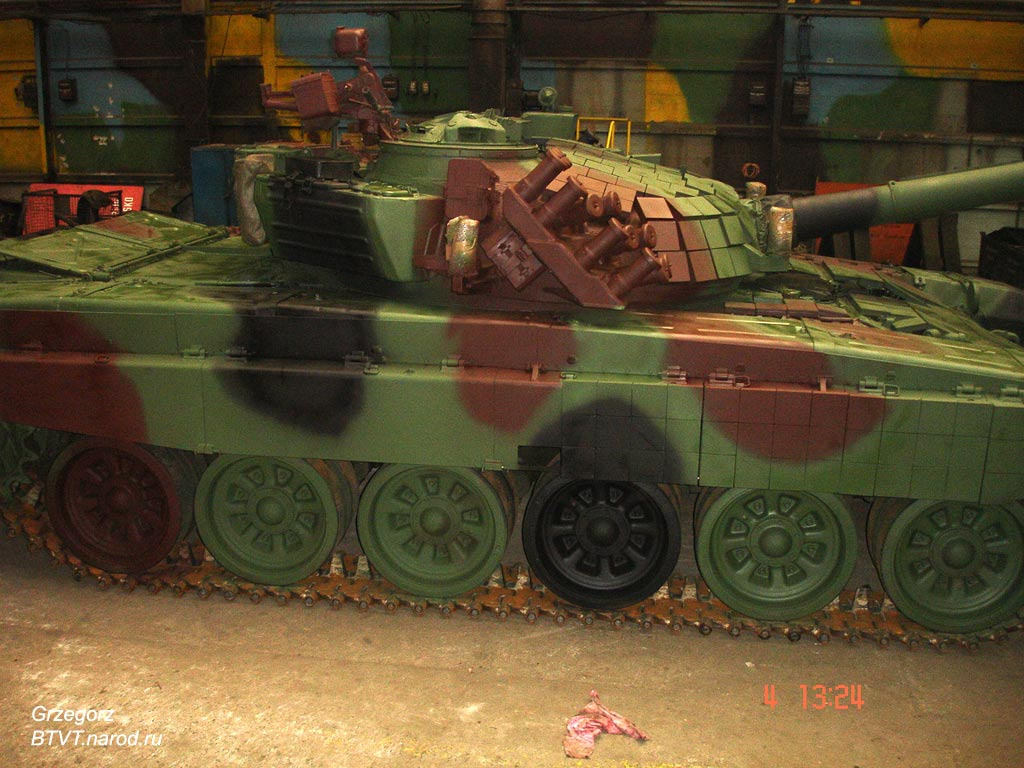
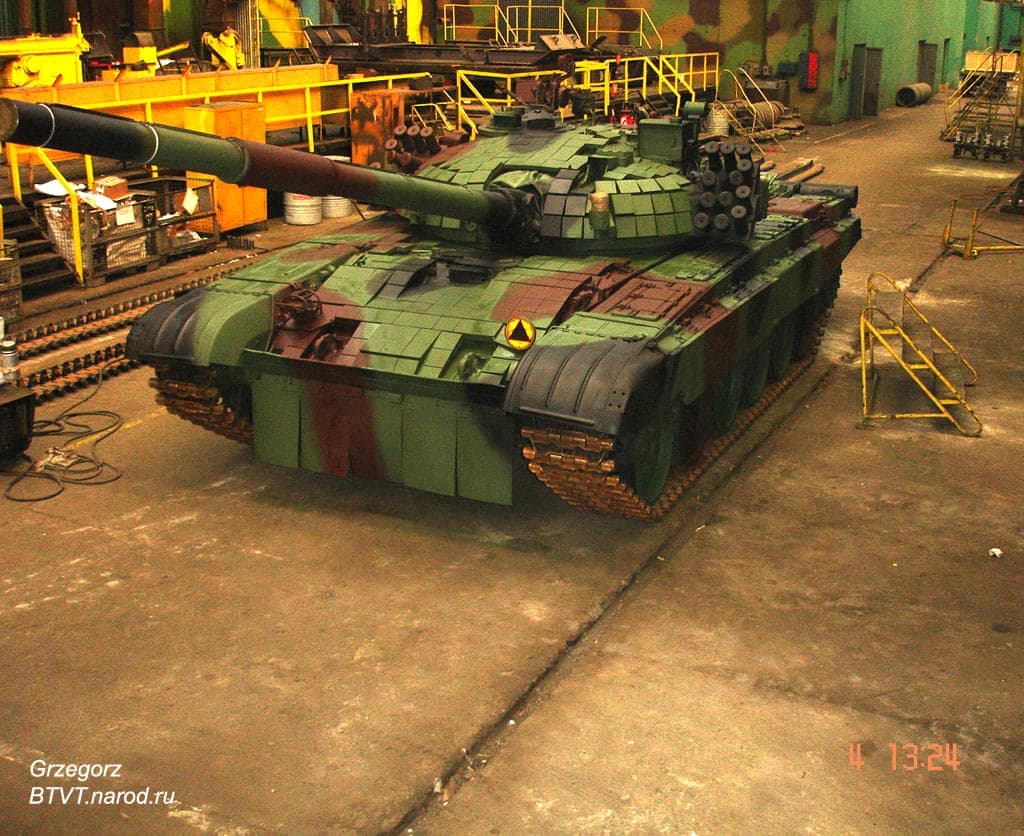
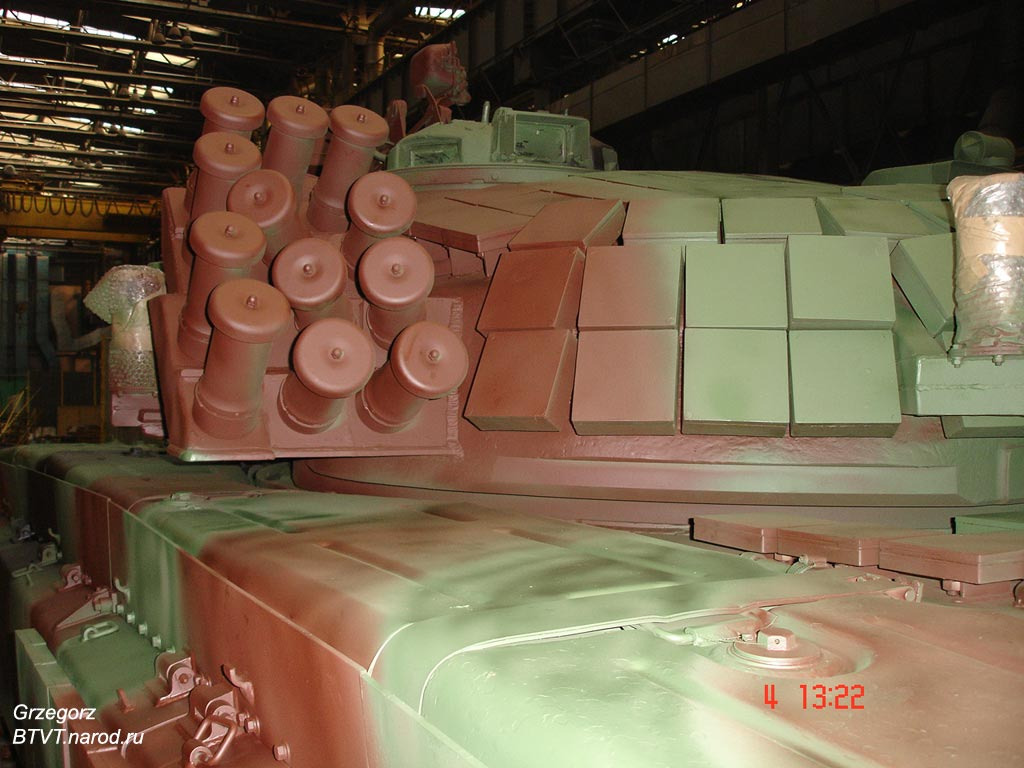
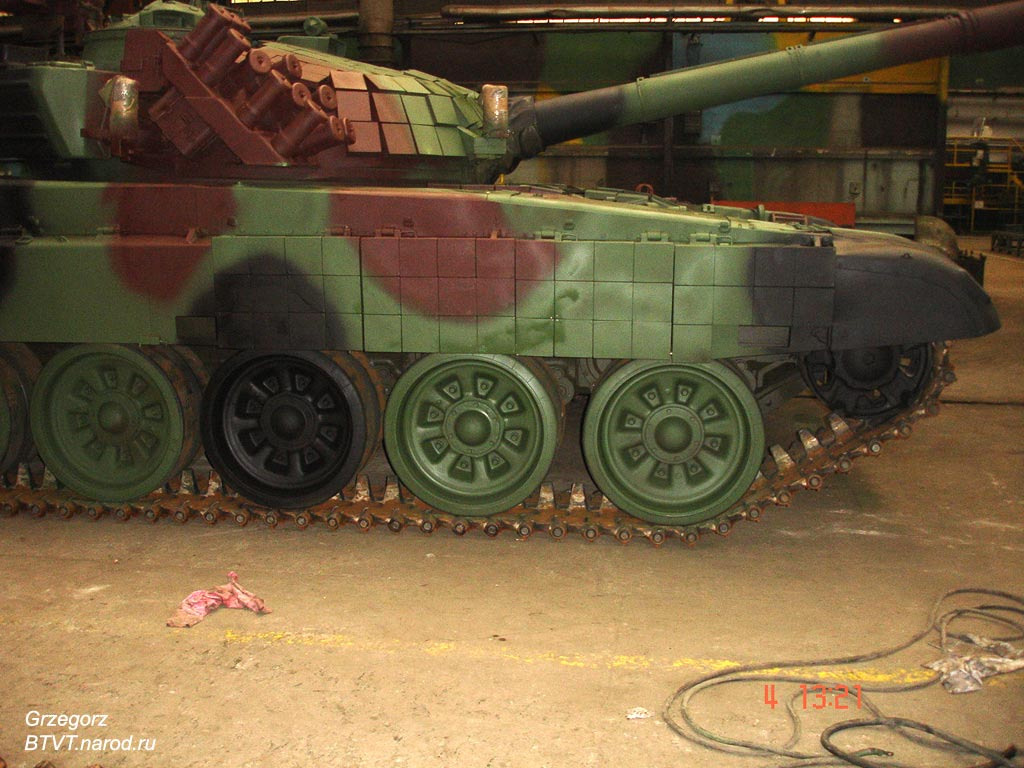
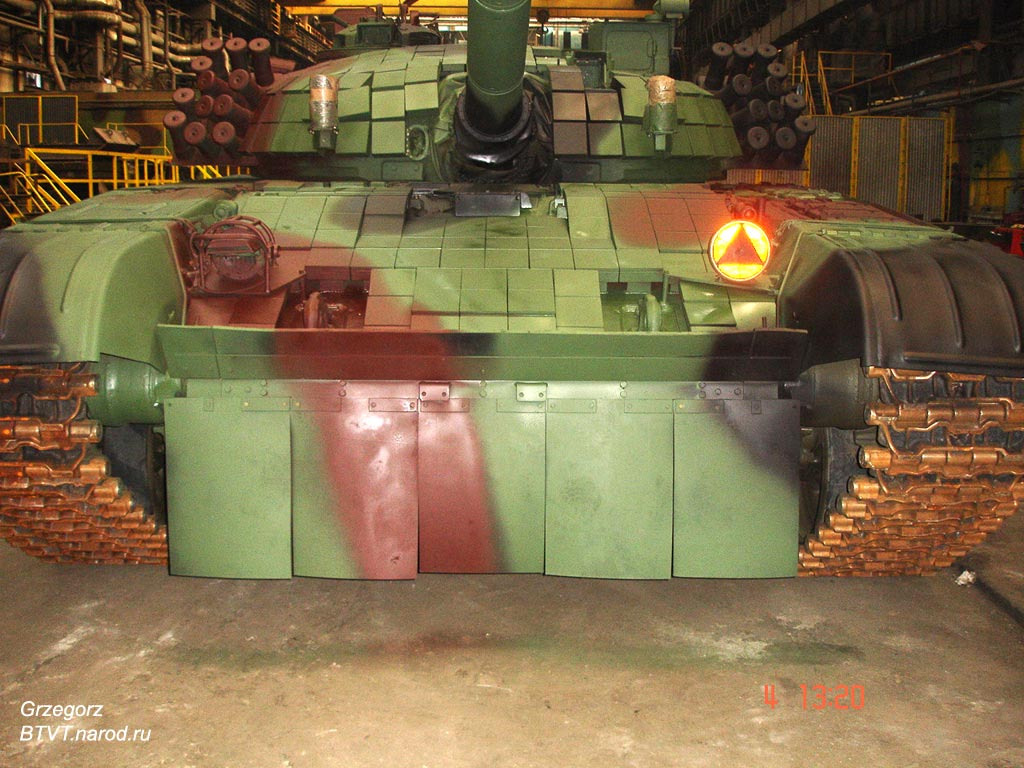
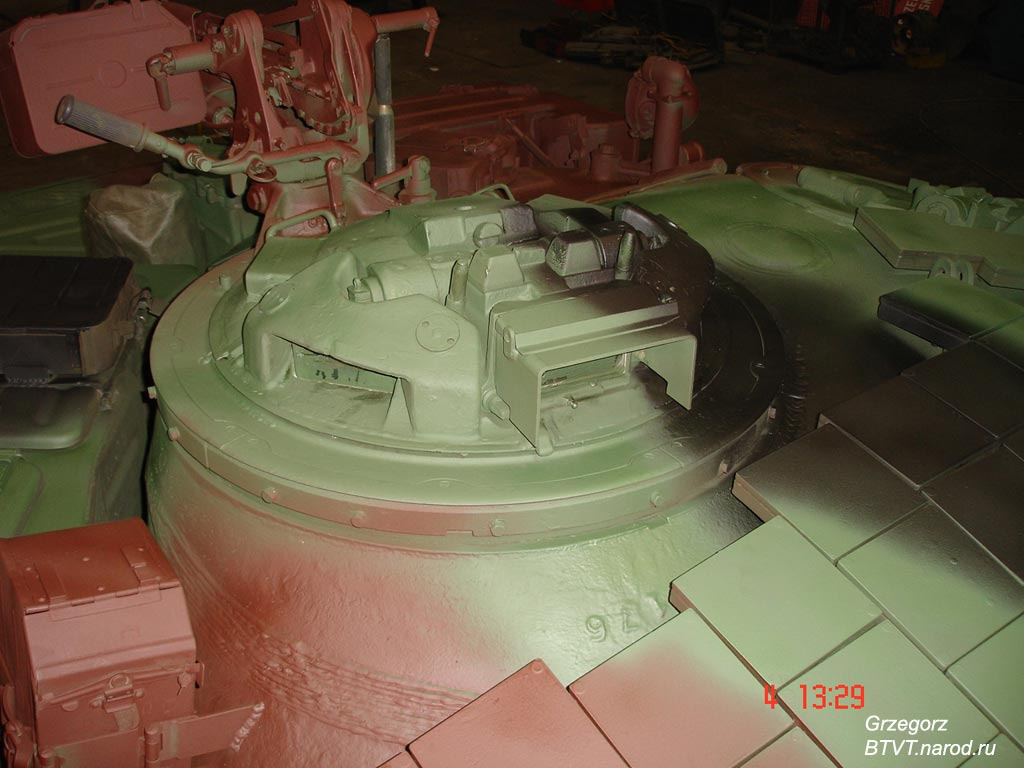
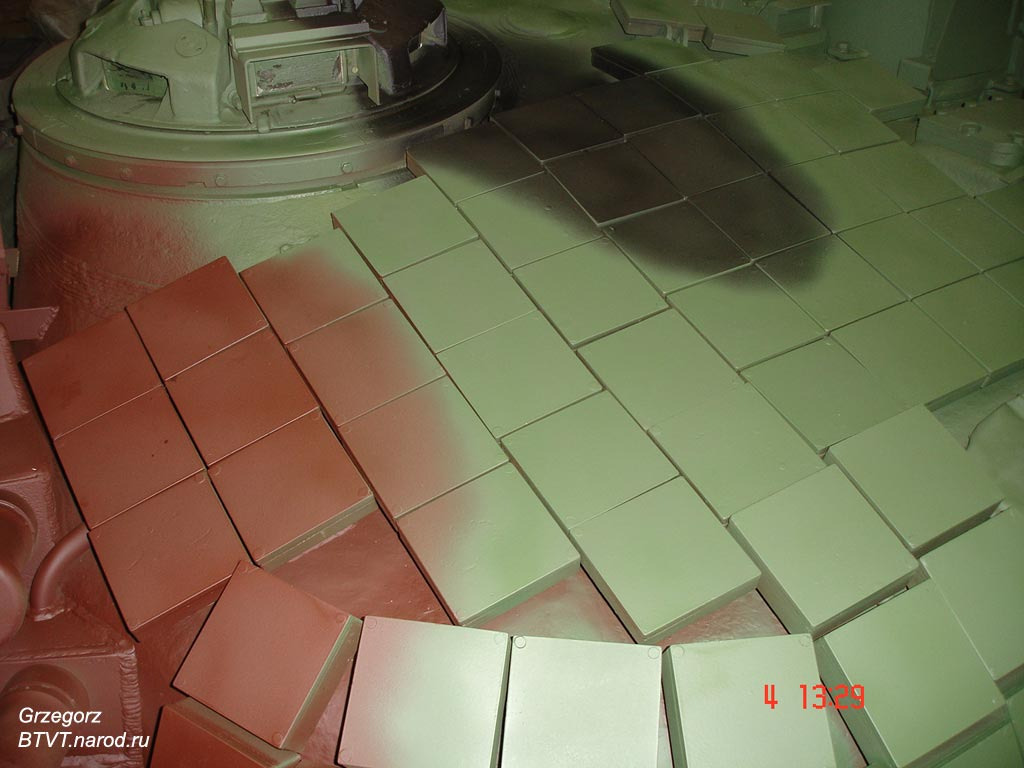
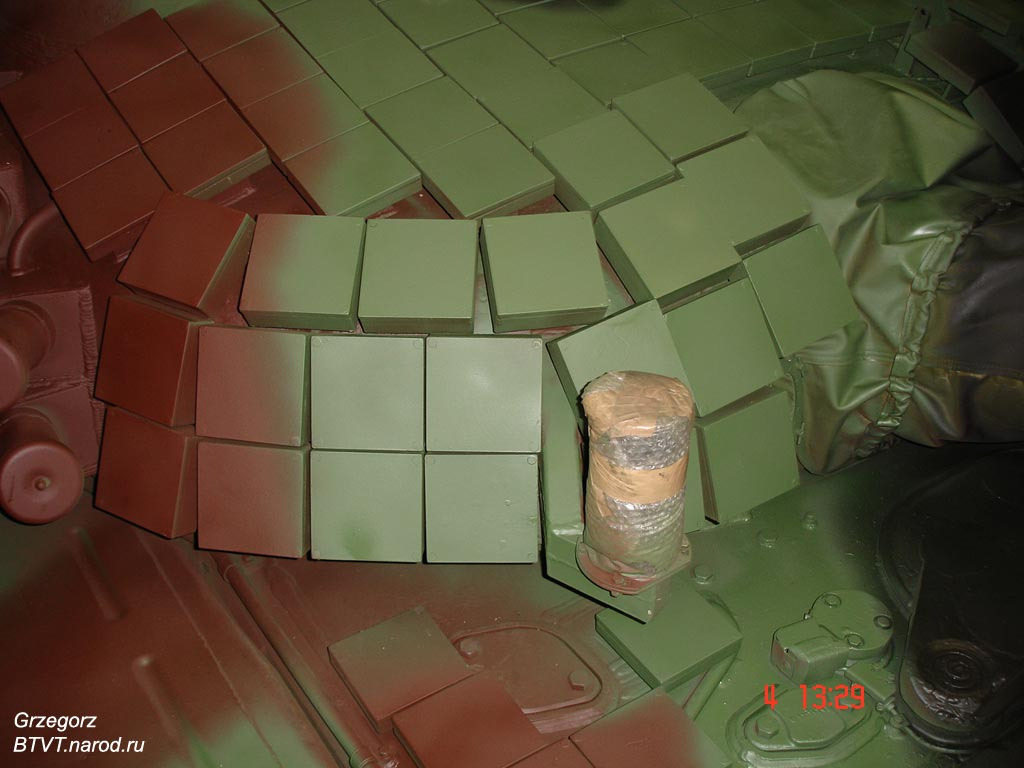
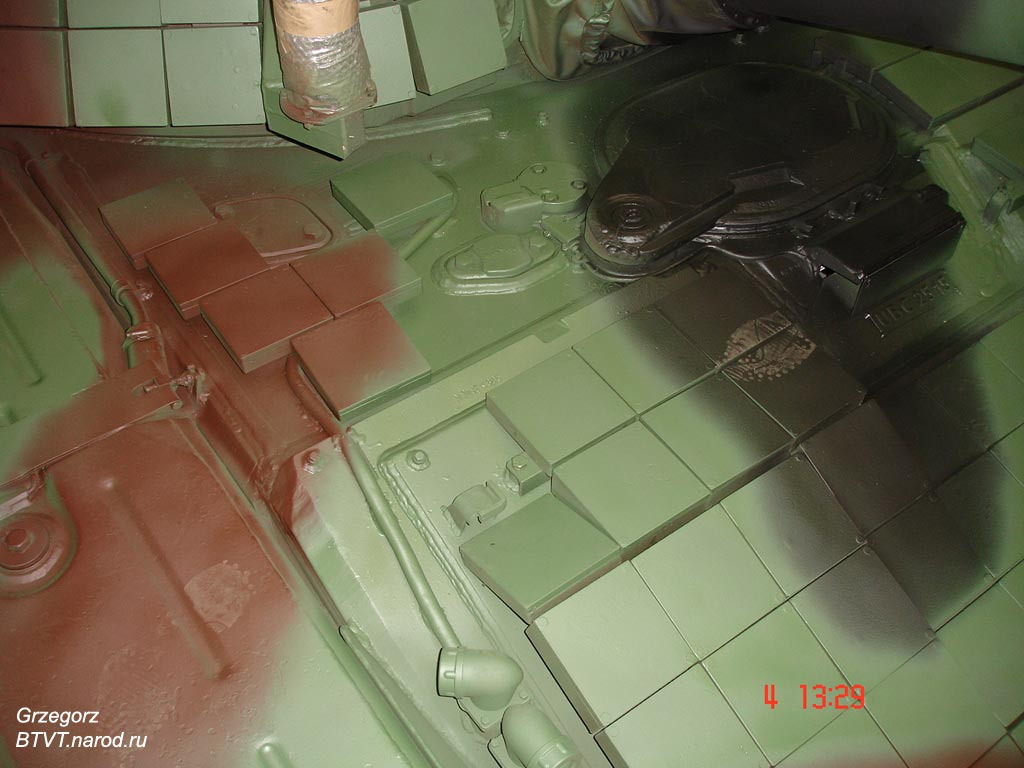
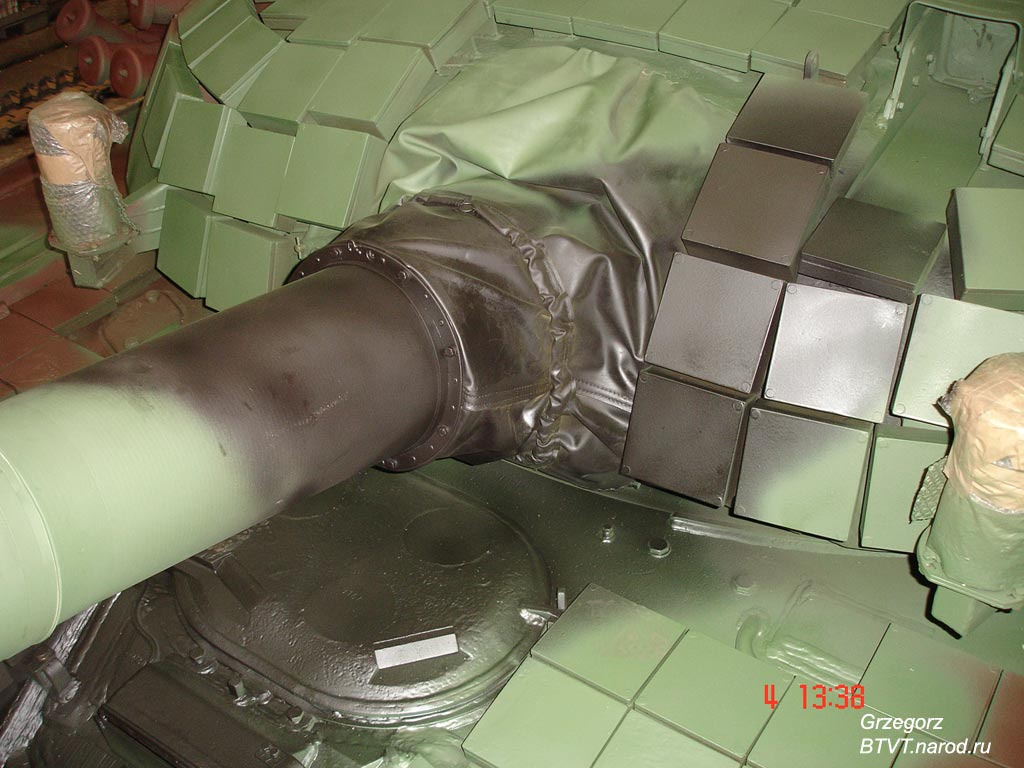
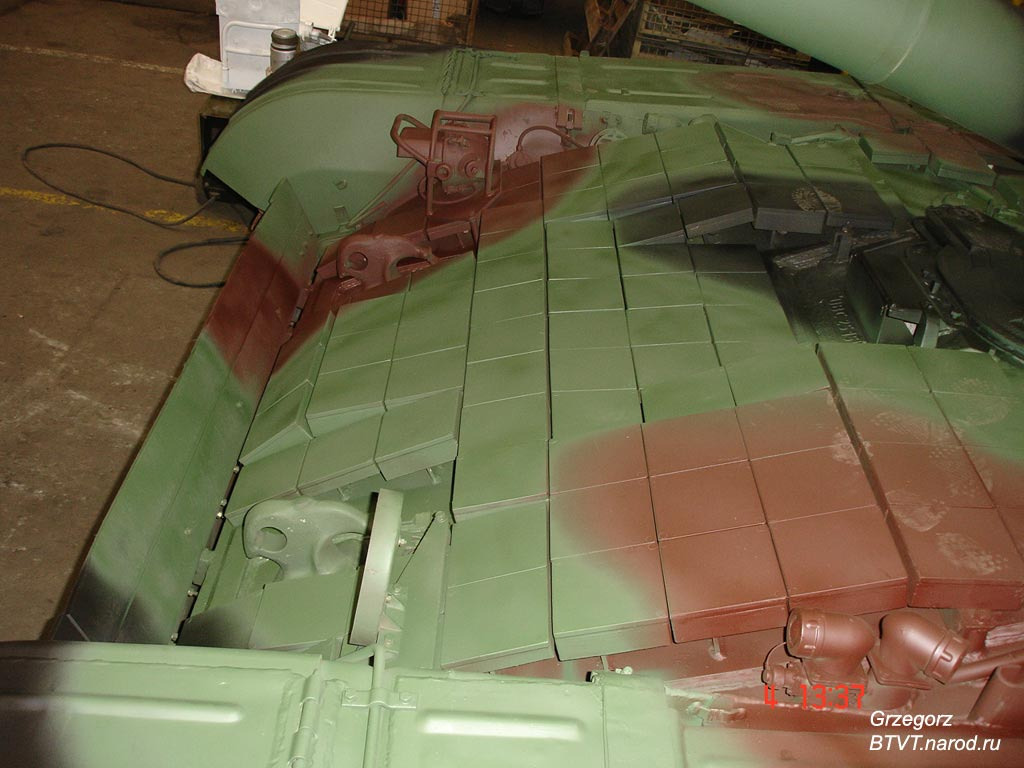
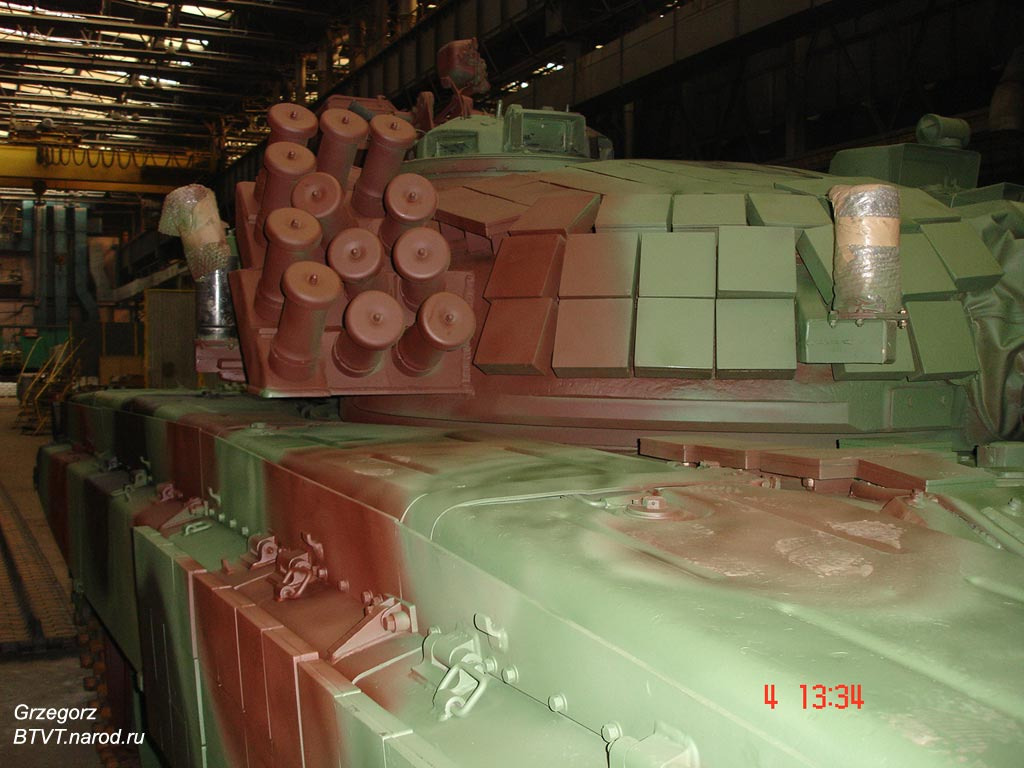
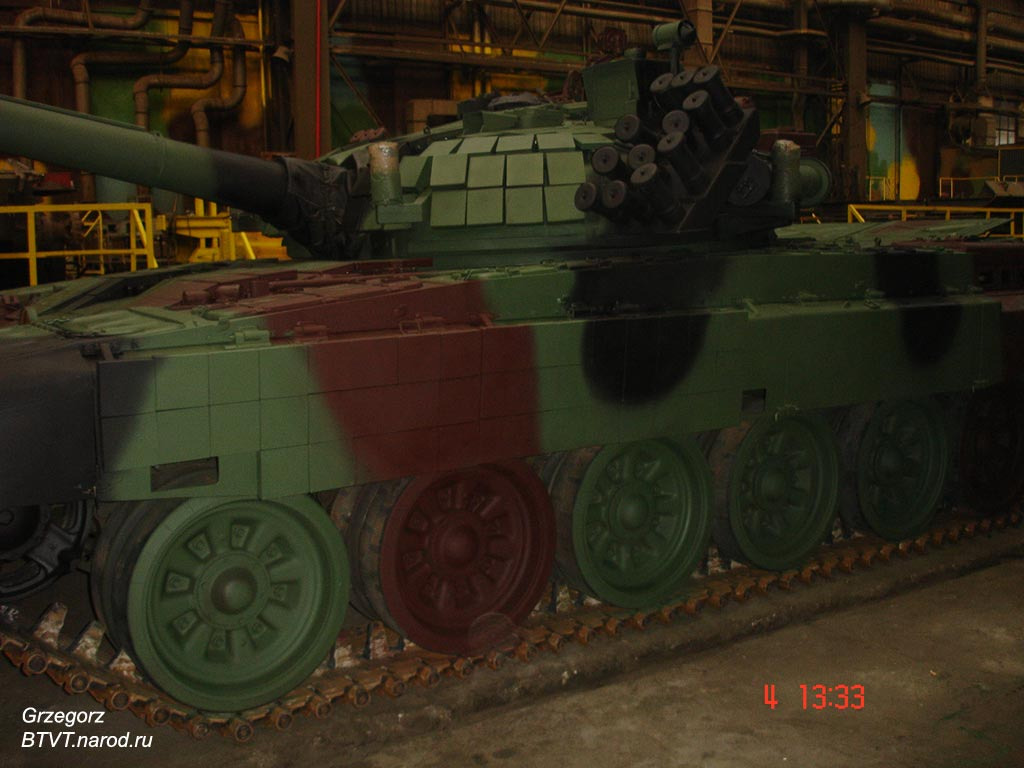
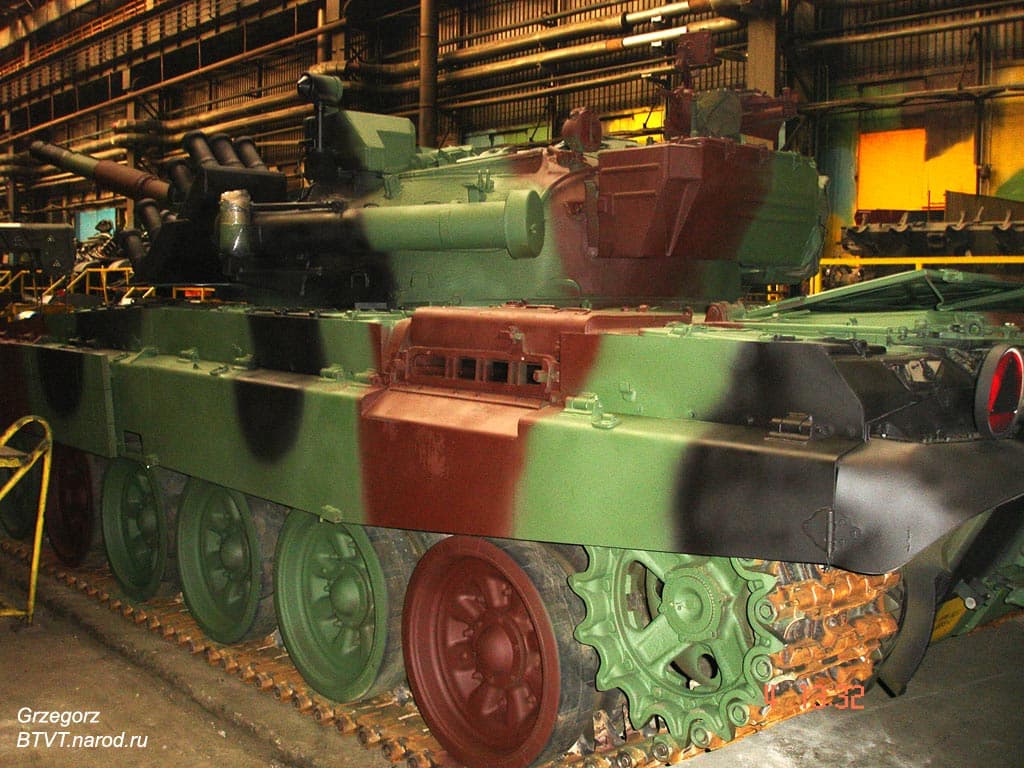
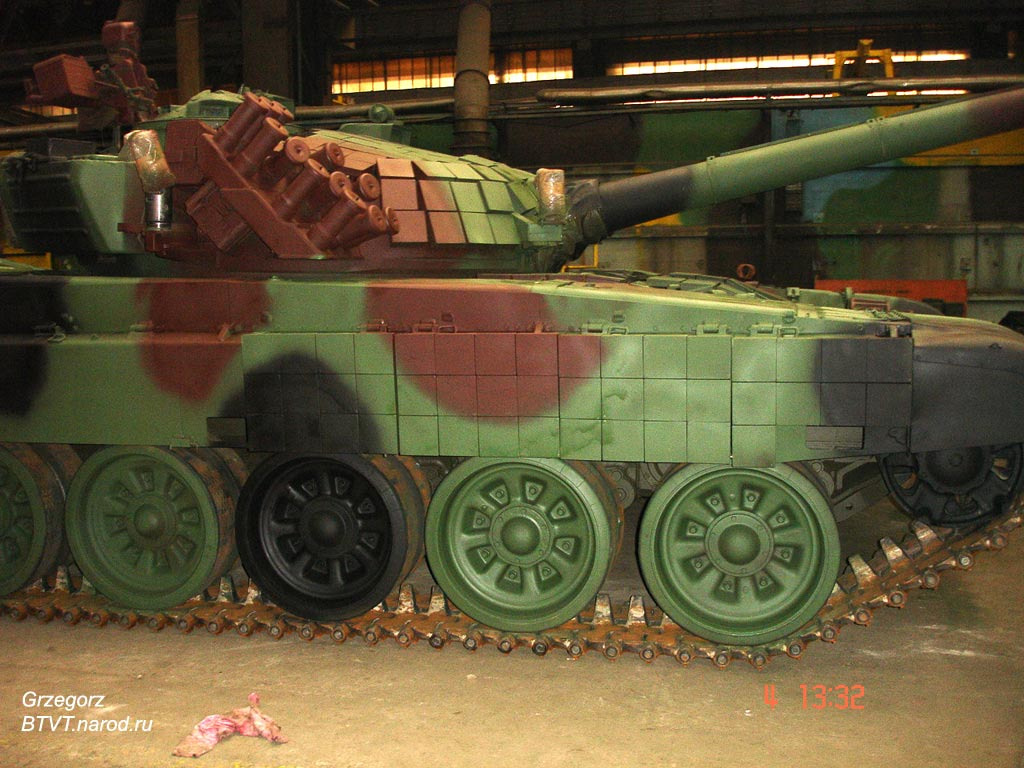
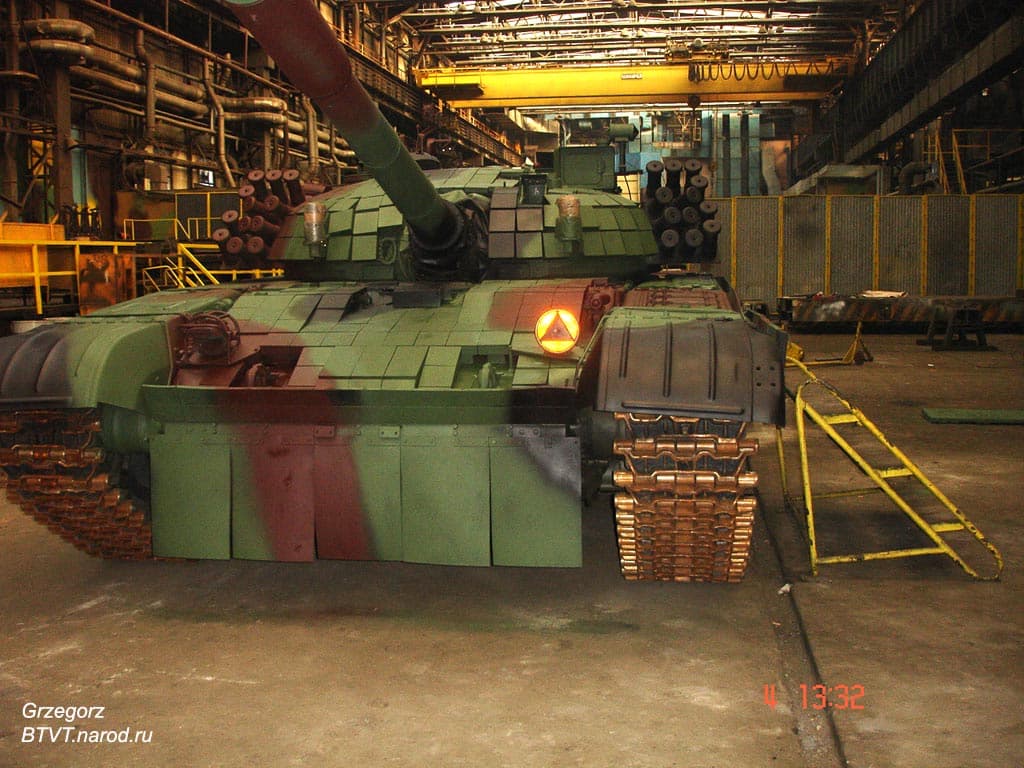
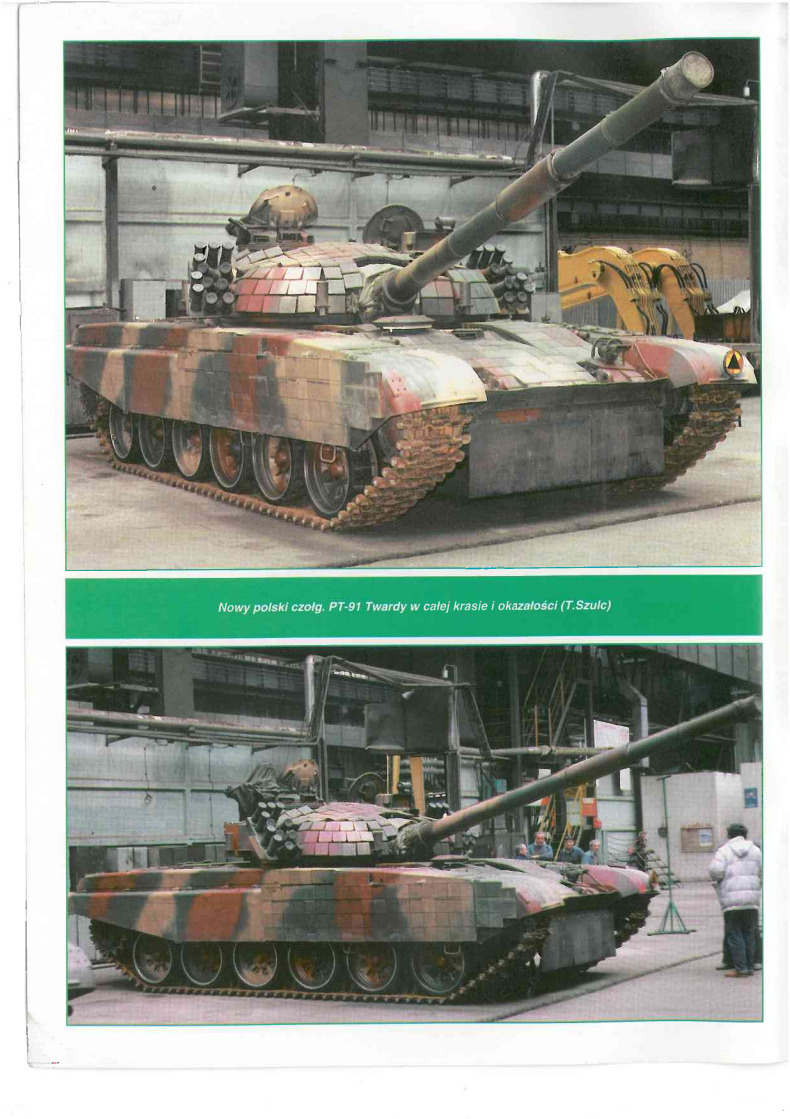
The first 20 PT-91 tanks produced had the iconic curved design on the turret which made it very distinctive from the later generations, how ever this arrangement of the ERAWA wasn’t really efficient compared to the later generations, so it would be less effective. The first generation of ERAWA arrangement consisted of 86 ERAWA-2 cassetes, and 203 ERAWA-1 cassetes.
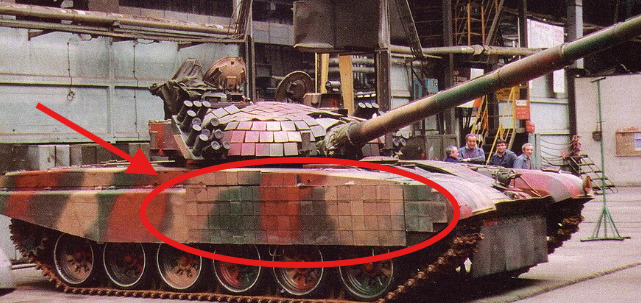
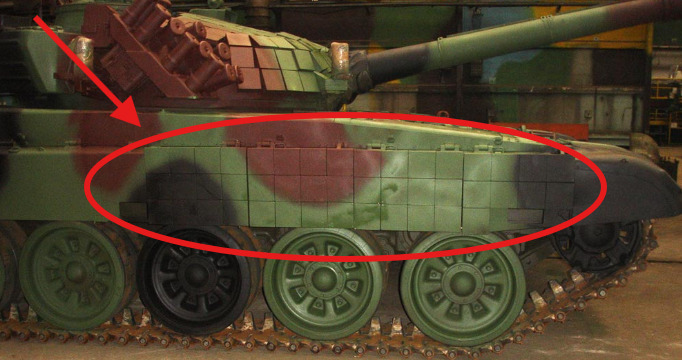
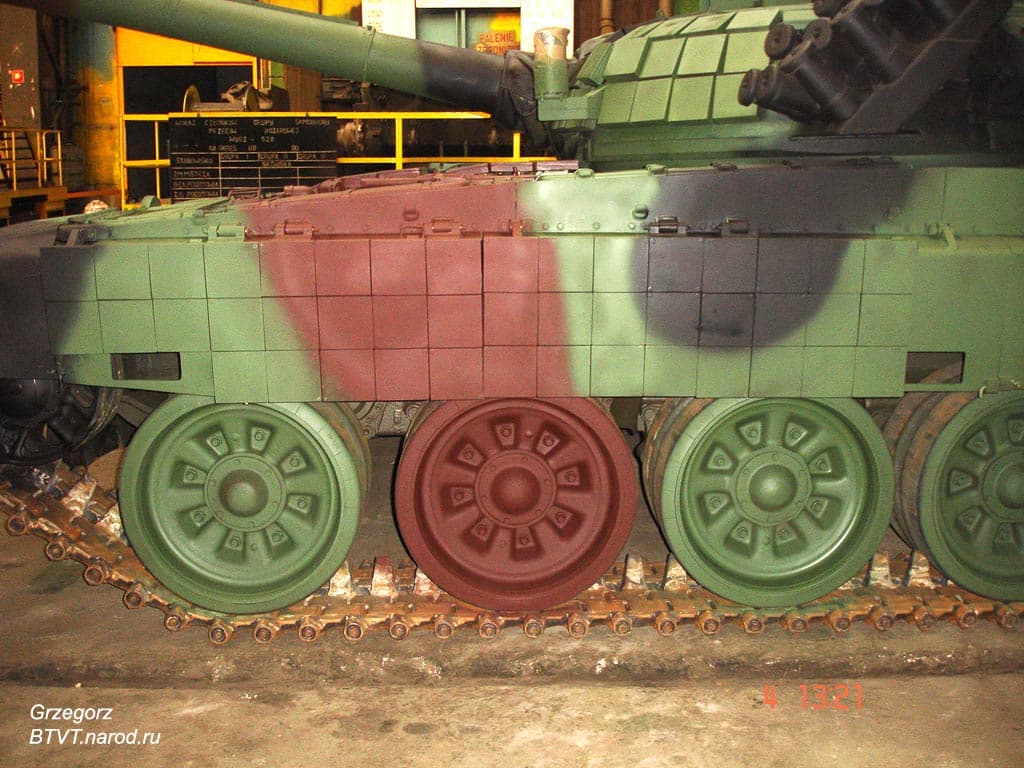
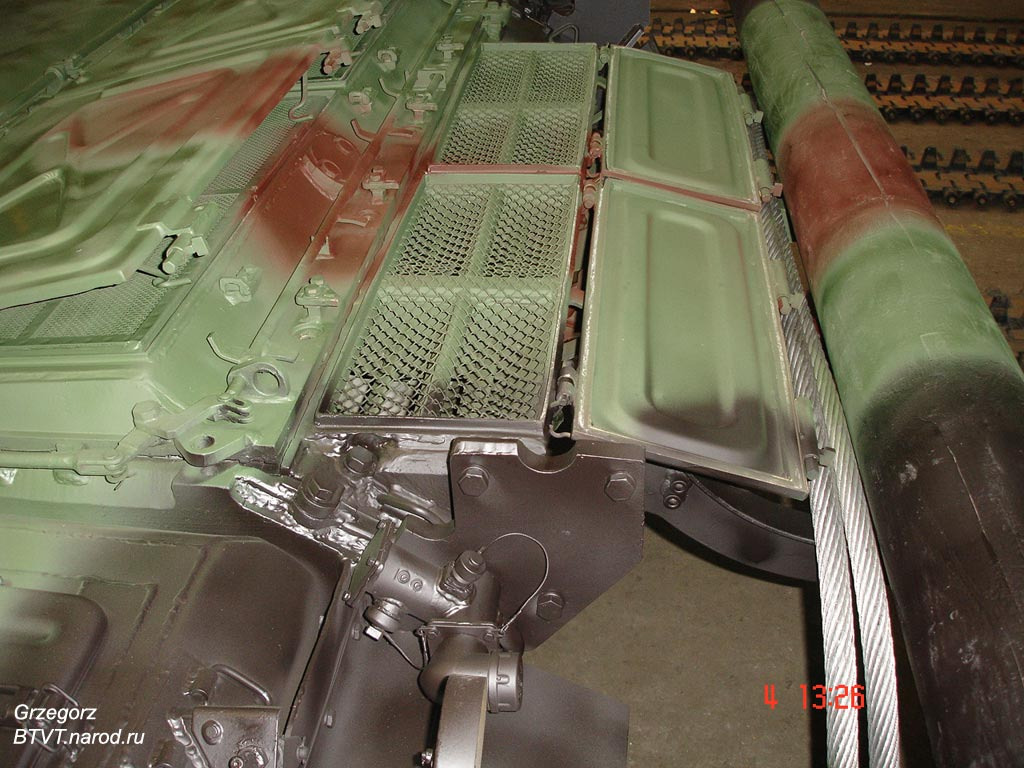
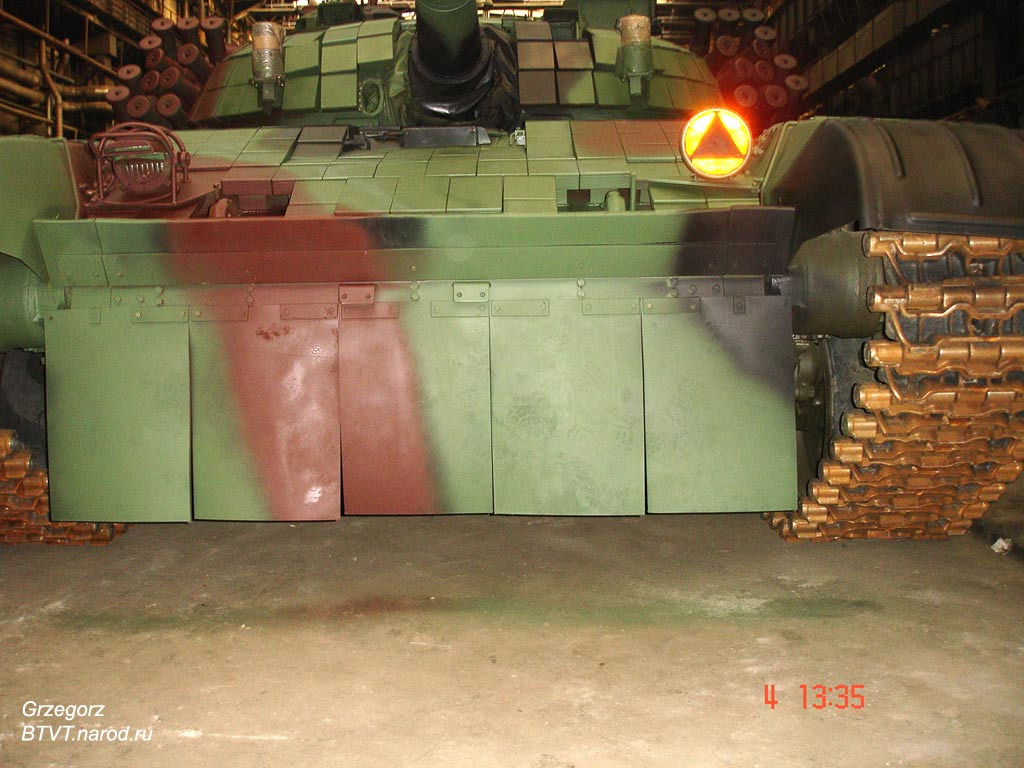
While it can be observed that initially, the first 20 PT-91’s had way more ERAWA on their side skirts, they were later lost for reasons which I’m not aware of yet, possibly to save weight.
First initial arrangement of the side armour on the PT-91 Gen 1 armour
Final arrangement of the side armour on the PT-91 Gen 1 armour


Optics, electronics, other
Details
- Gunner optic: TES
- Two-plane stabilizer
- Generation: 1st gen
- Wavelength: 8-12µm
- Zoom: 5x
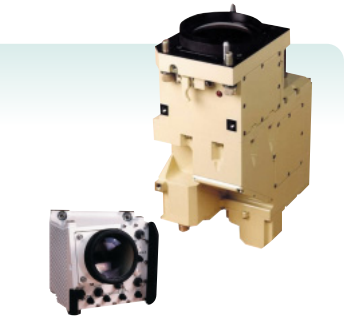
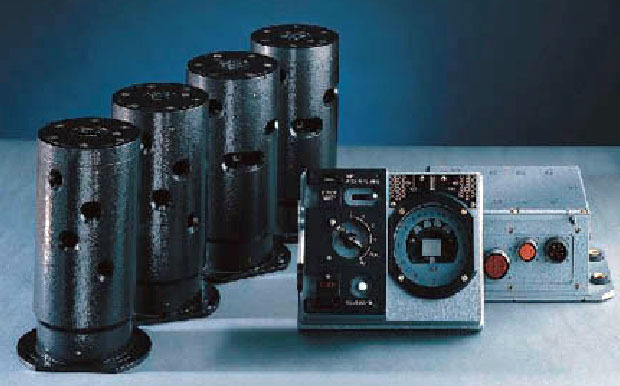
Laser warning system: SSC-1 Obra Laser warning system
- Detection angular range in vertical plane: -6°/+20°
- Detection angular range in horizontal plane: 360°
- Range of detected radiation: 0.6 μm – 11 μm.
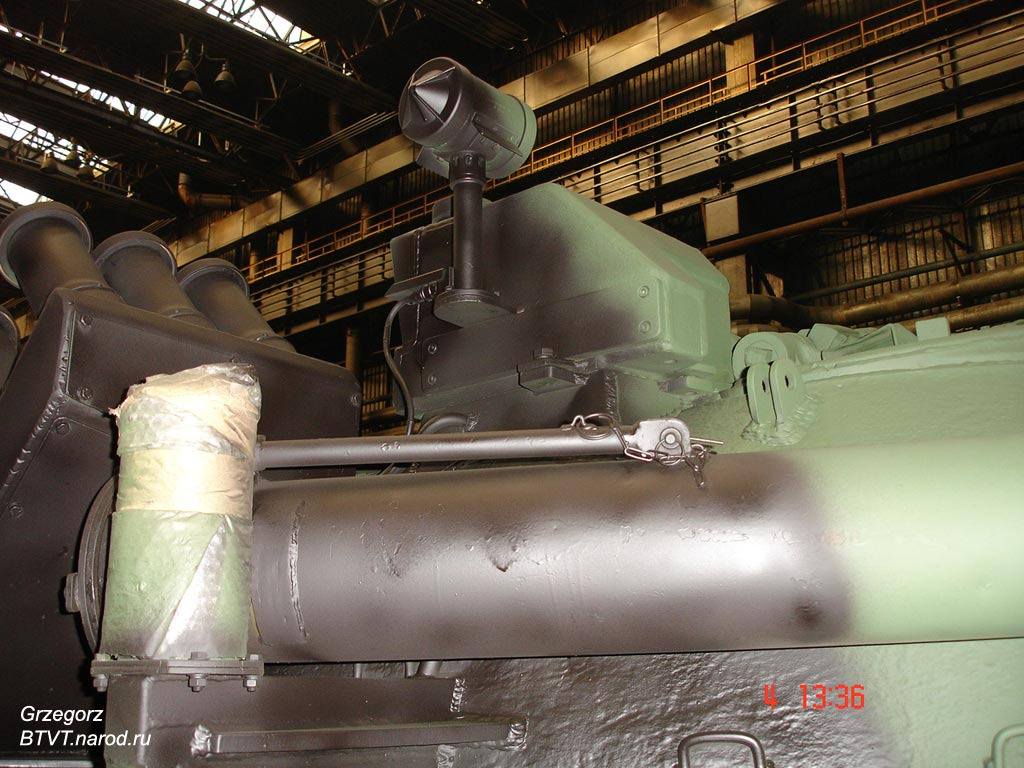
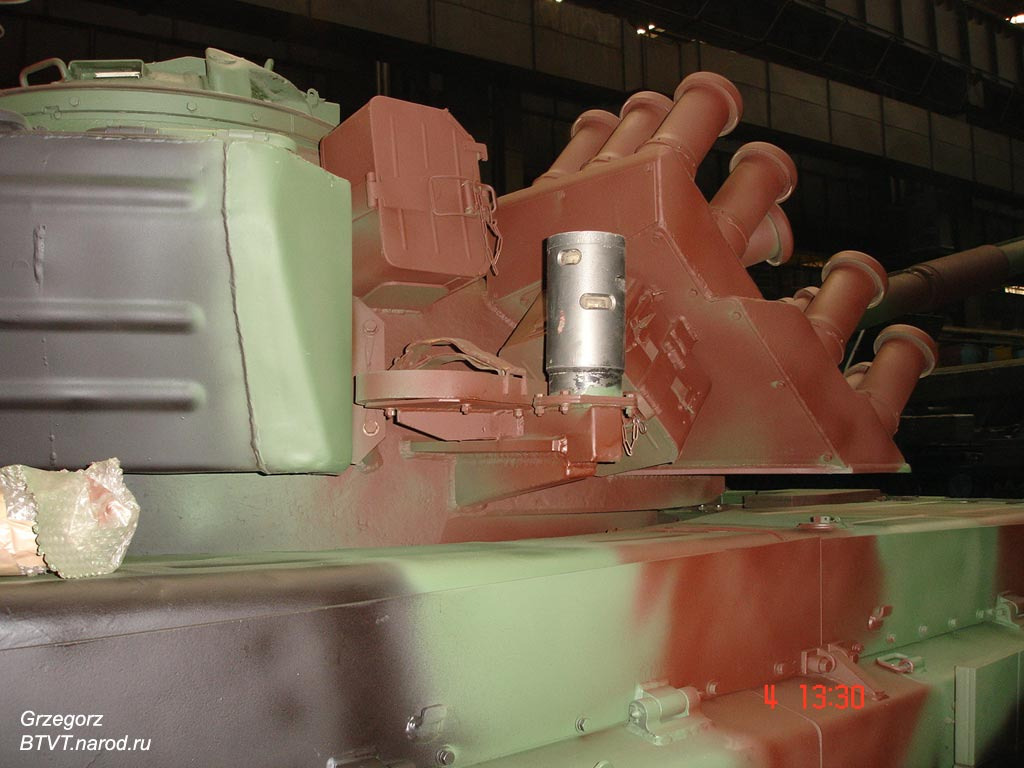
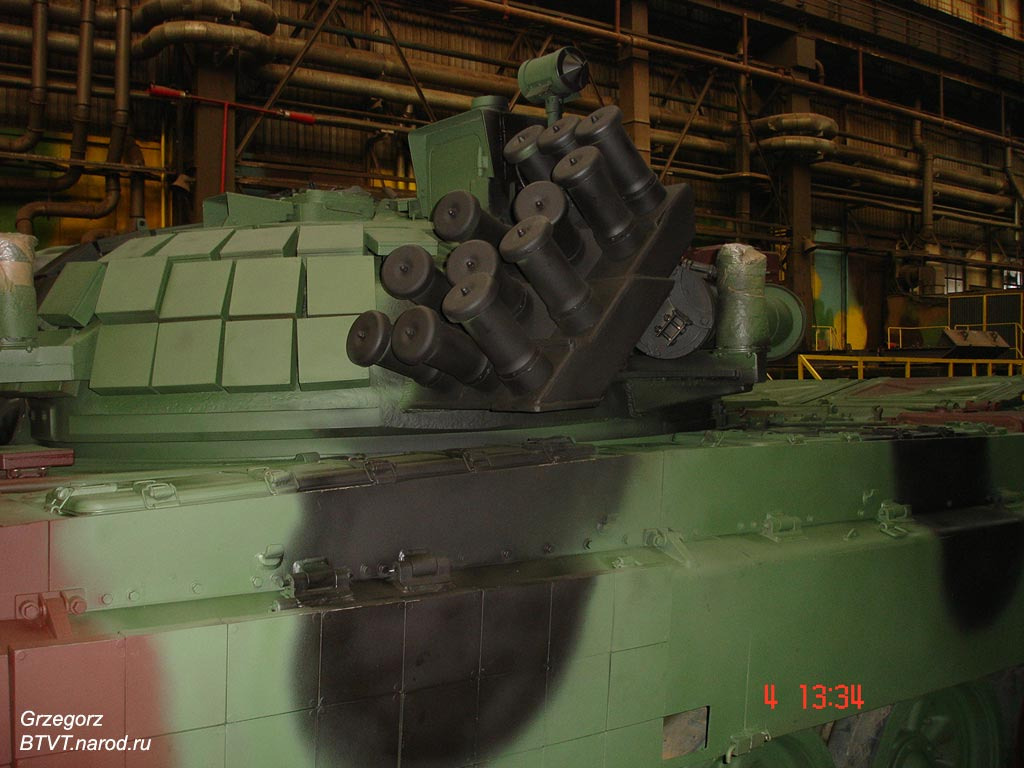
24x 81mm 902A ZM Dezamet Smoke Grenade Launchers
LRF
ESS
Entrenching Tool
Length: 6.86m (9.53m w/ gun)
Width: 3.59m
Height: 2.19m
What is the difference between the PT-91 (early) and (late)?
Details
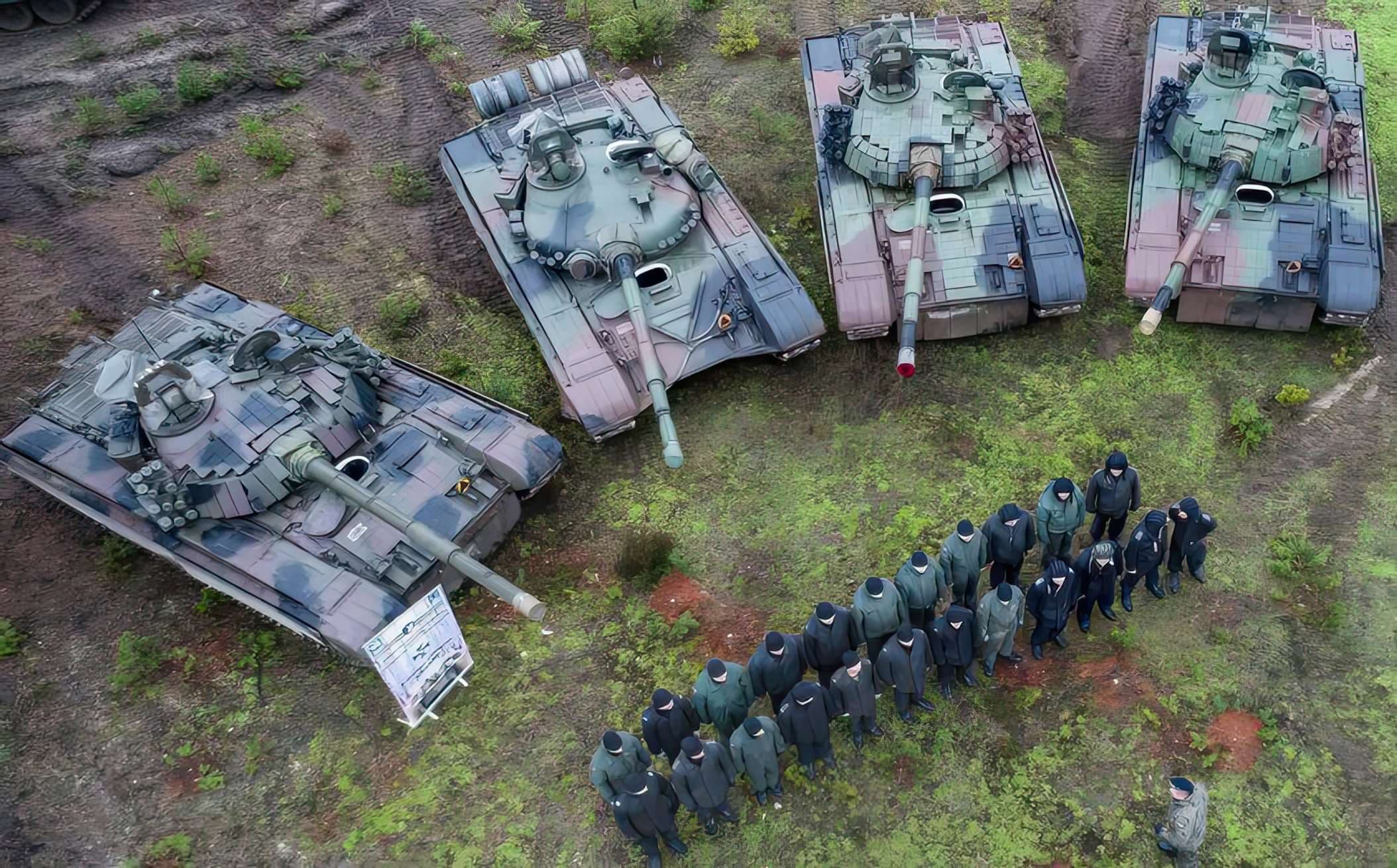
The PT-91 (early) is the first 20 tanks of serial production, which have the generation 1 ERAWA arrangement. And 1st gen TES thermals.
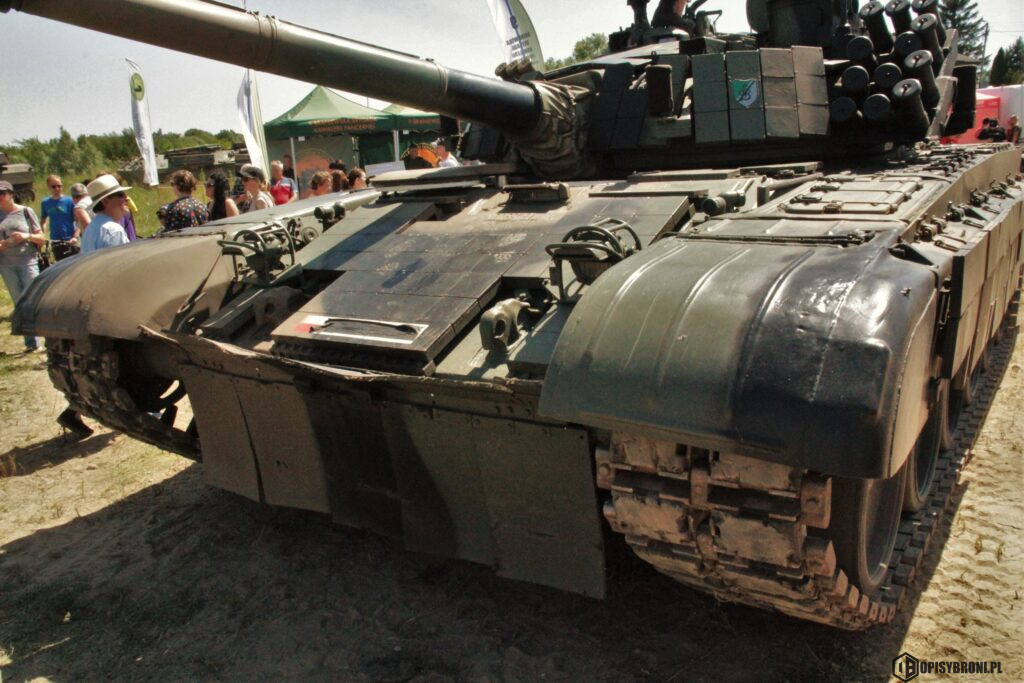
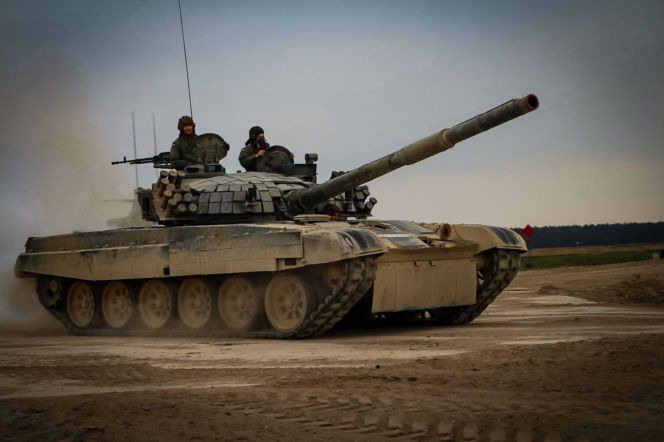
The PT-91 (late) is the later production version of the tank featuring the more effective and better generation 2 ERAWA arrangement (It gets more ERAWA-2 on the hull, eliminating certain weakspots). It can also be further differentiated by the fact that during some overhauls it received the 3rd gen KLW-1 thermals.
Sources


Armament
Armour


Optics, electronics