
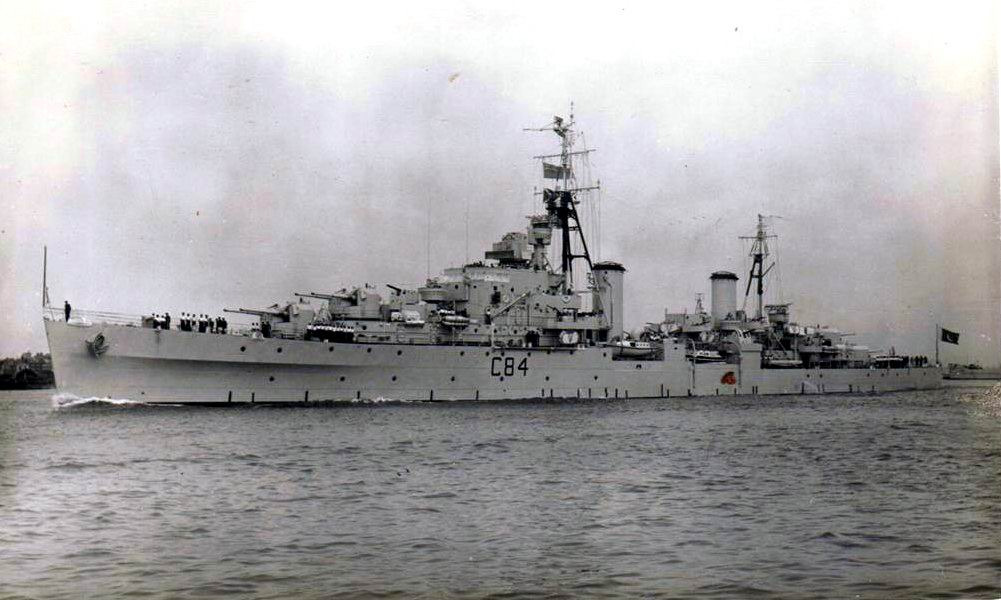
History and Introduction
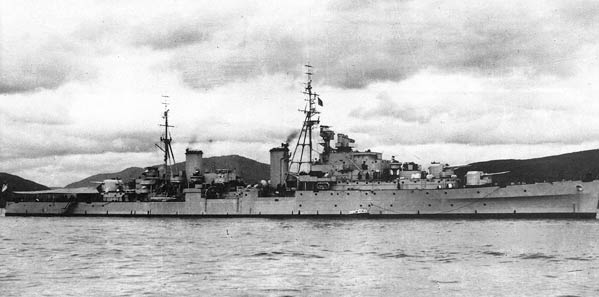
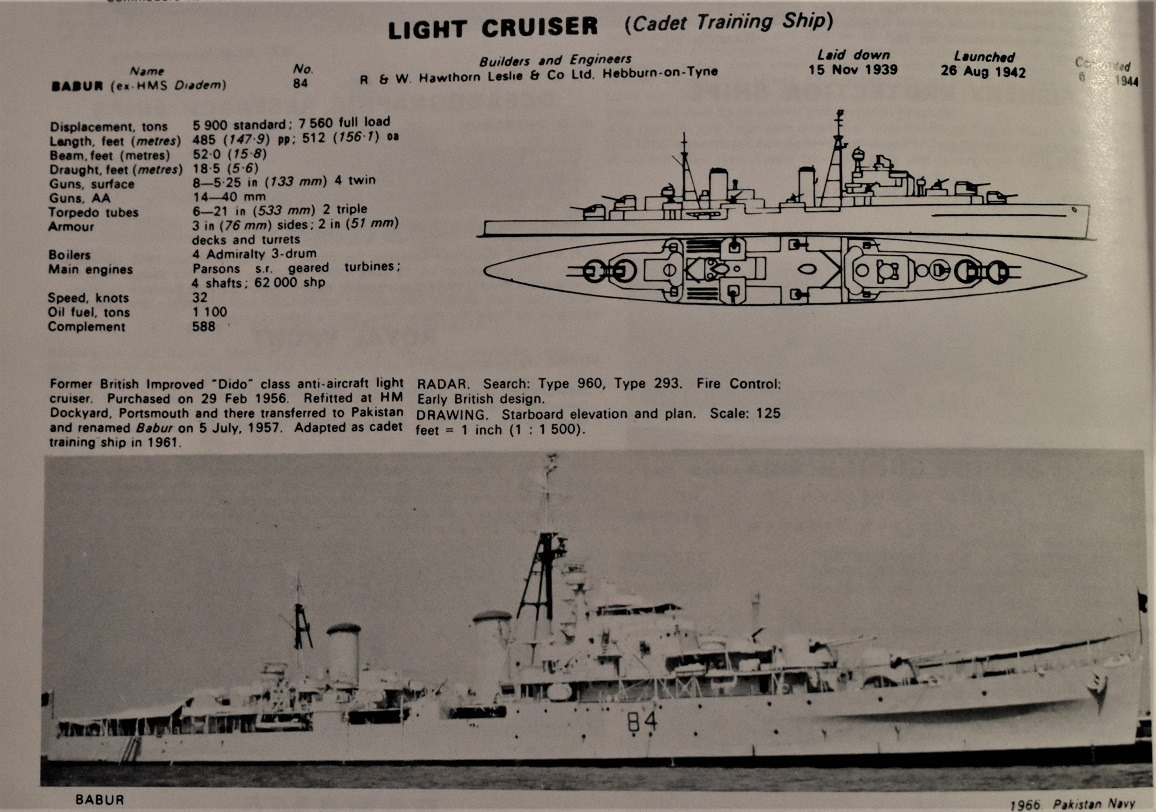
Babur carries with it a fascinating story, As HMS Diadem, it went from battle against the mighty KMS Tirpitz to participating in the invasion of Normandy and staging attacks against German maritime supply lines and sinking the Sperrbrecher 7 alongside allied destroyers. Diadem’s journeys took it from providing cover to Russian convoys to engaging in battle with HMS Mauritius against three German destroyers, wounding Z31 and Z34 before the destroyers managed to escape. This came to be the the last battle between the Royal Navy and the Kriegsmarine in Norwegian waters during WWII.
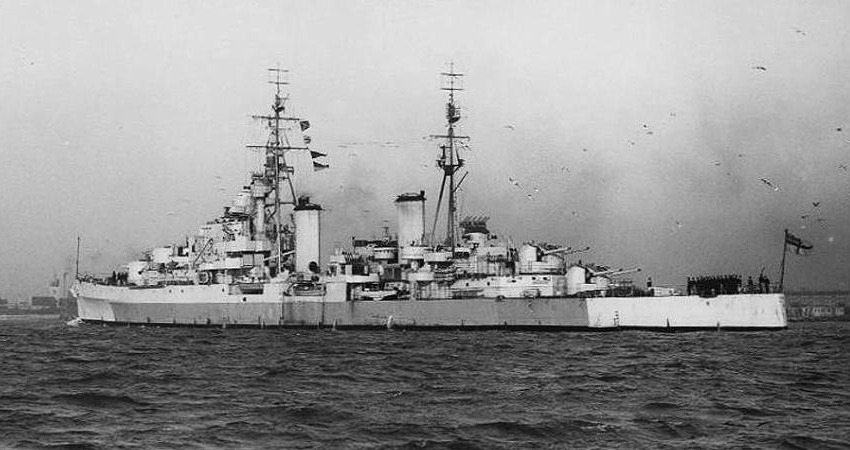
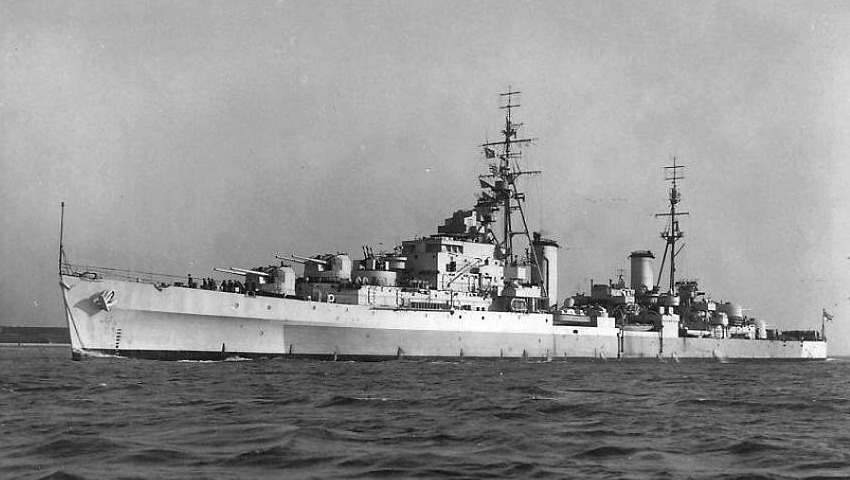
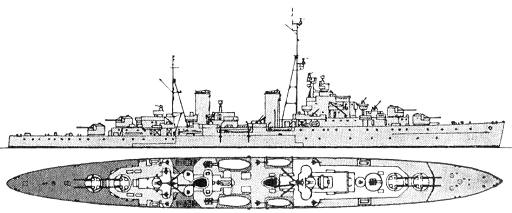
Diadem was laid on 15 December, 1939 as a Dido class battle cruiser as part of the Bellona subgroup. These vessels included visible differences in smoke stacks and masts being straighter than the elders (first 6) of its family. Other modifications/improvements also took place although finding a full description is difficult.
The bellona class was already different from the Dido in the sense that the twin turret just ahead of the citadel was removed in exchange for a smaller turret housing a quad 40mm 2-pounder AA cannons among other changes.
Comparison
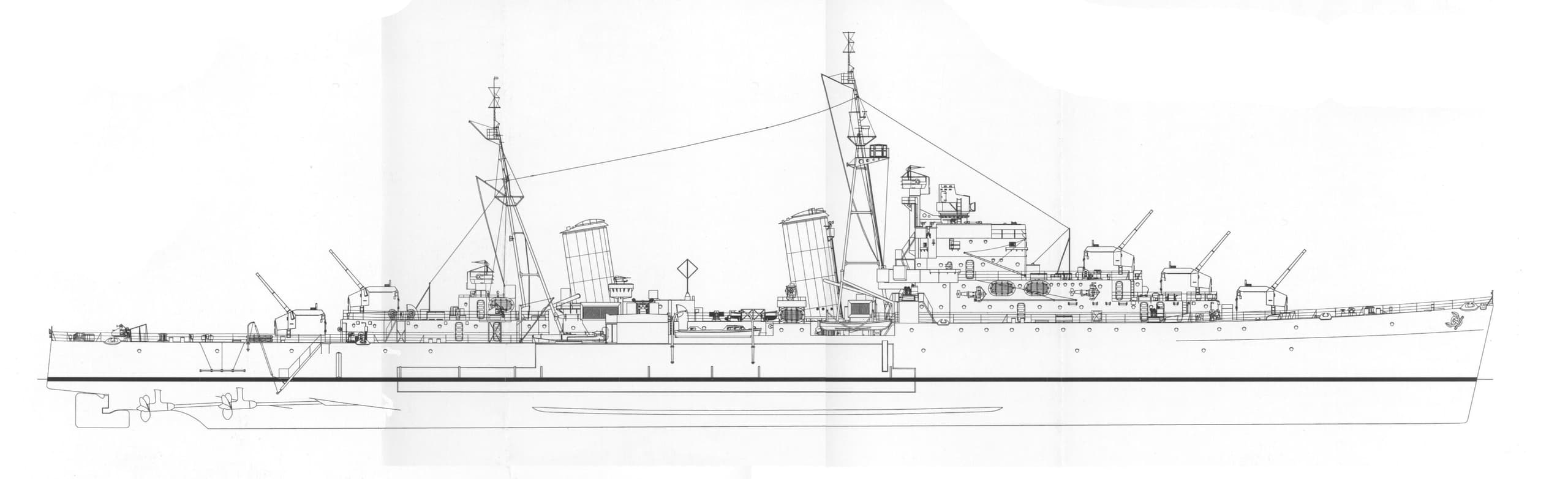
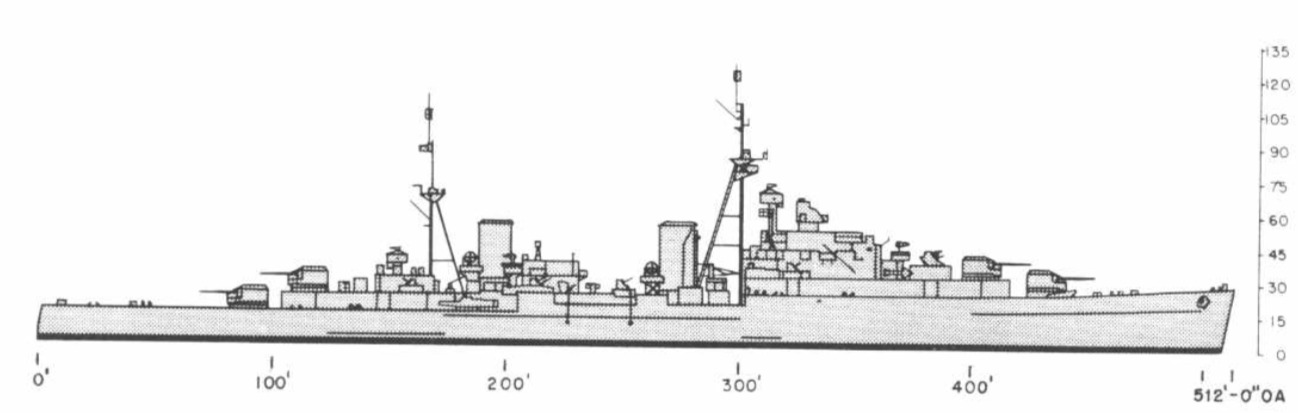
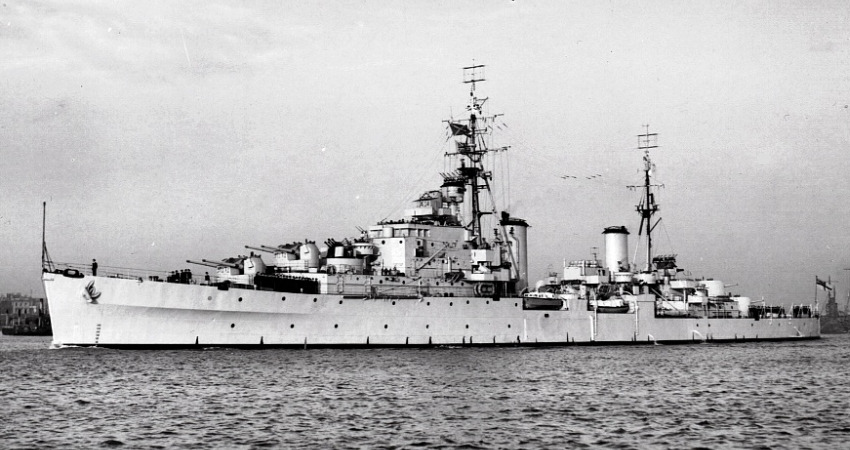
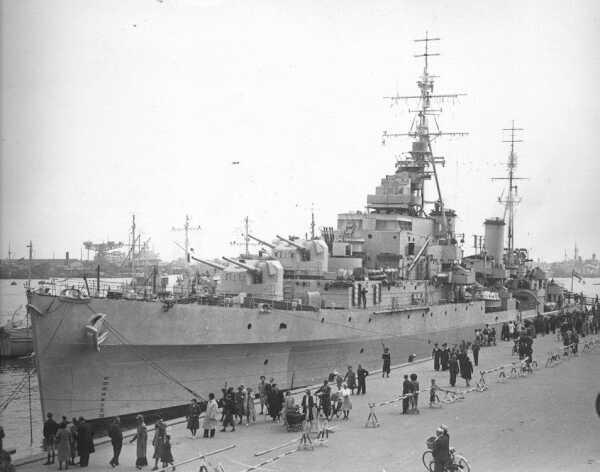
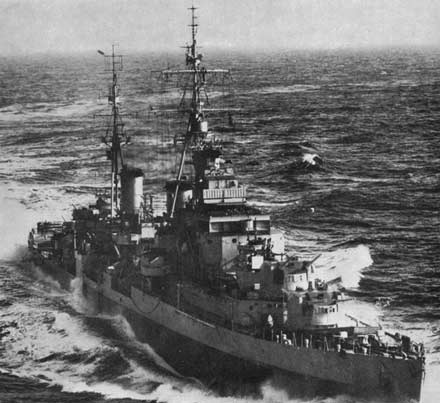
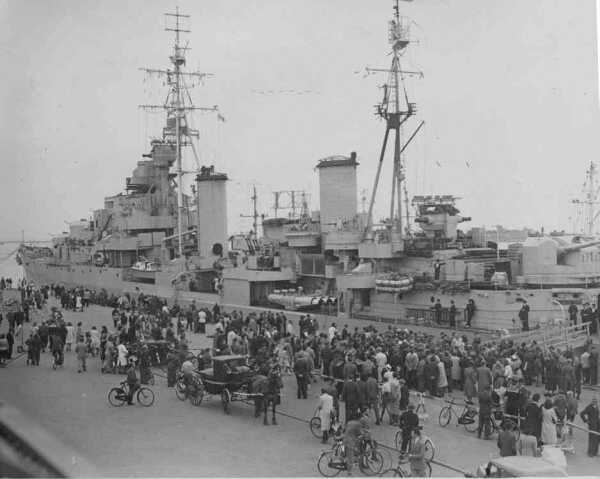
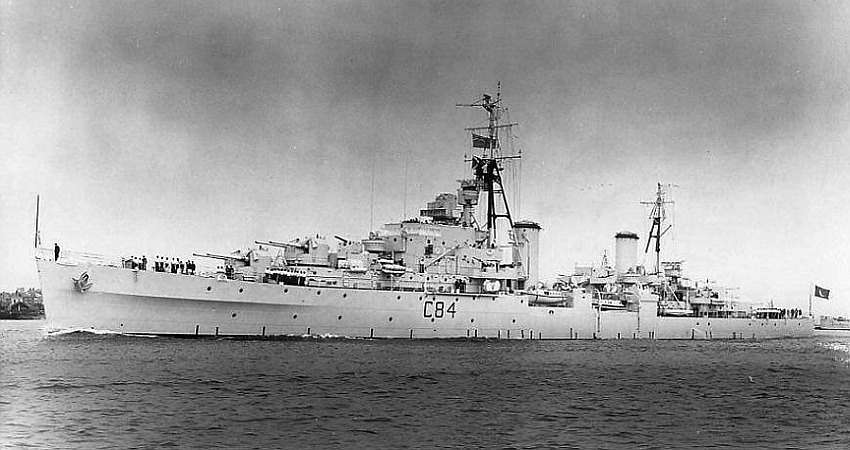
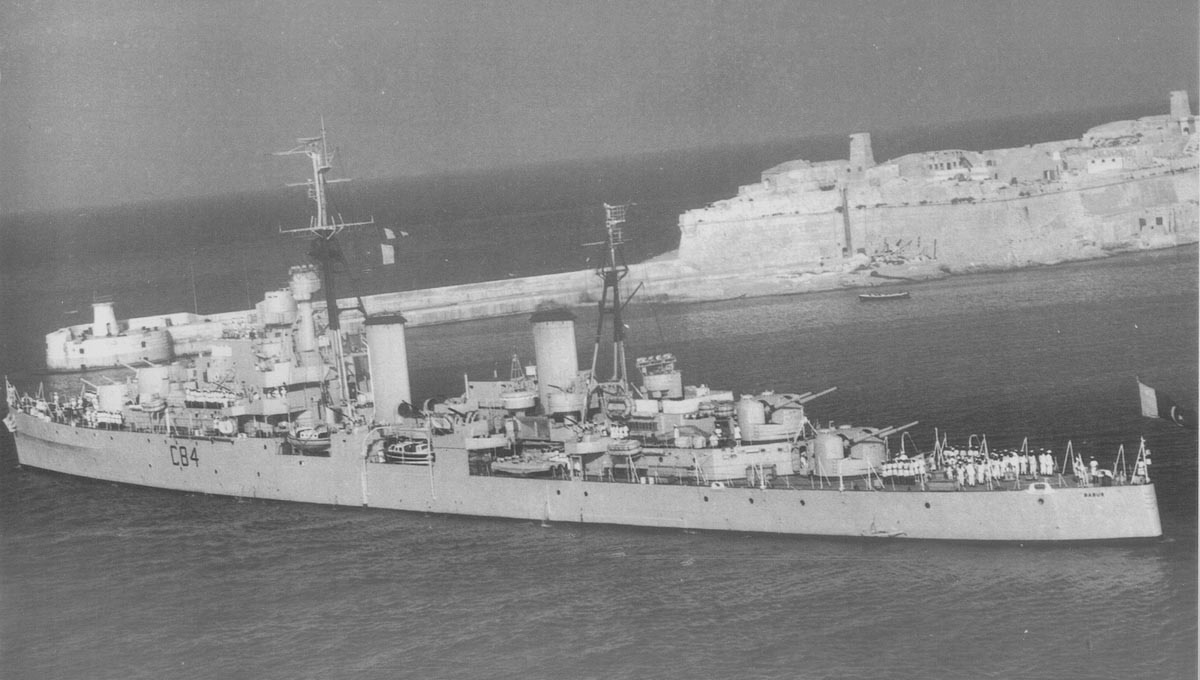
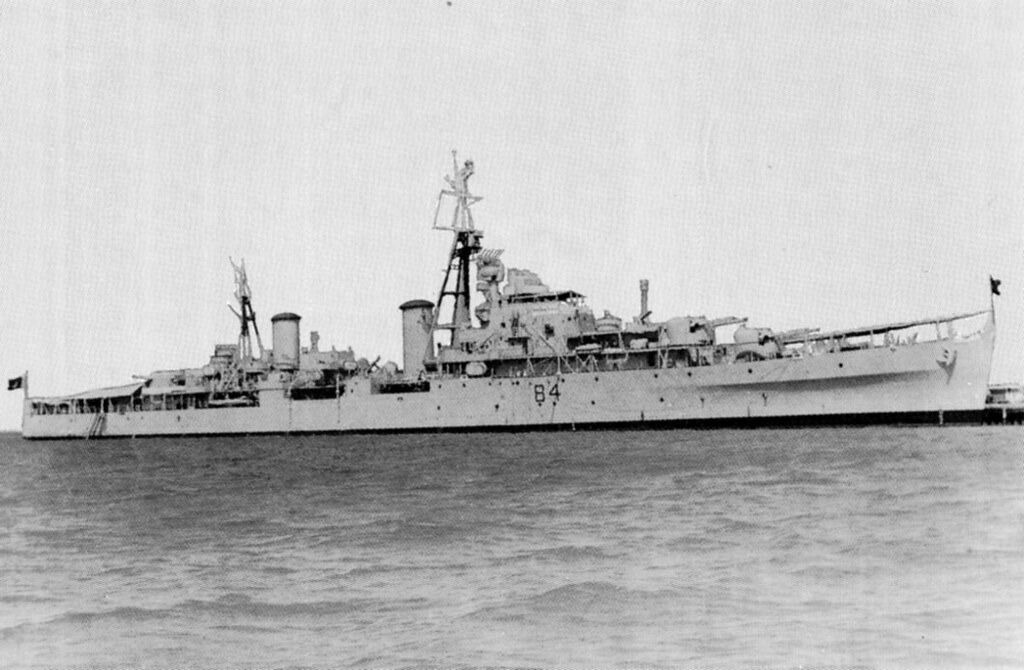
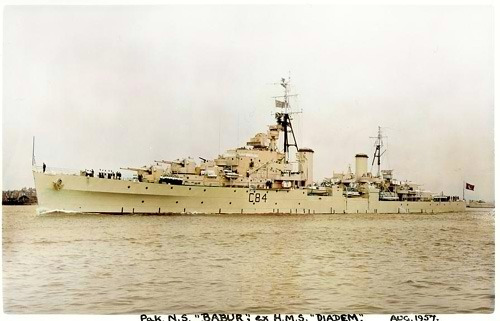
After service with the Royal Navy, Diadem was sold to the Dominion of Pakistan under the pretext of serving as a training vessel but in fact it was a double game move by the British to counter the sale of the HMS Nigeria by the Indian Navy (from the British)(see a pattern?). The cruiser underwent an extensive refit in 1956 at Portsmouth Dockyard after the sale. It was then handed over to the Royal Pakistan Navy on the 5th of July, 1957 as Her Majesty’s Pakistani Ship (HMPS) Babur.
The 1956 refit
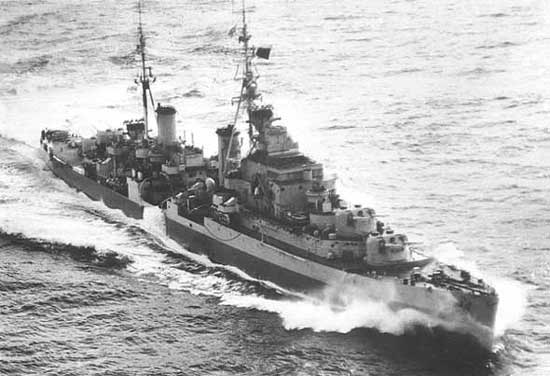
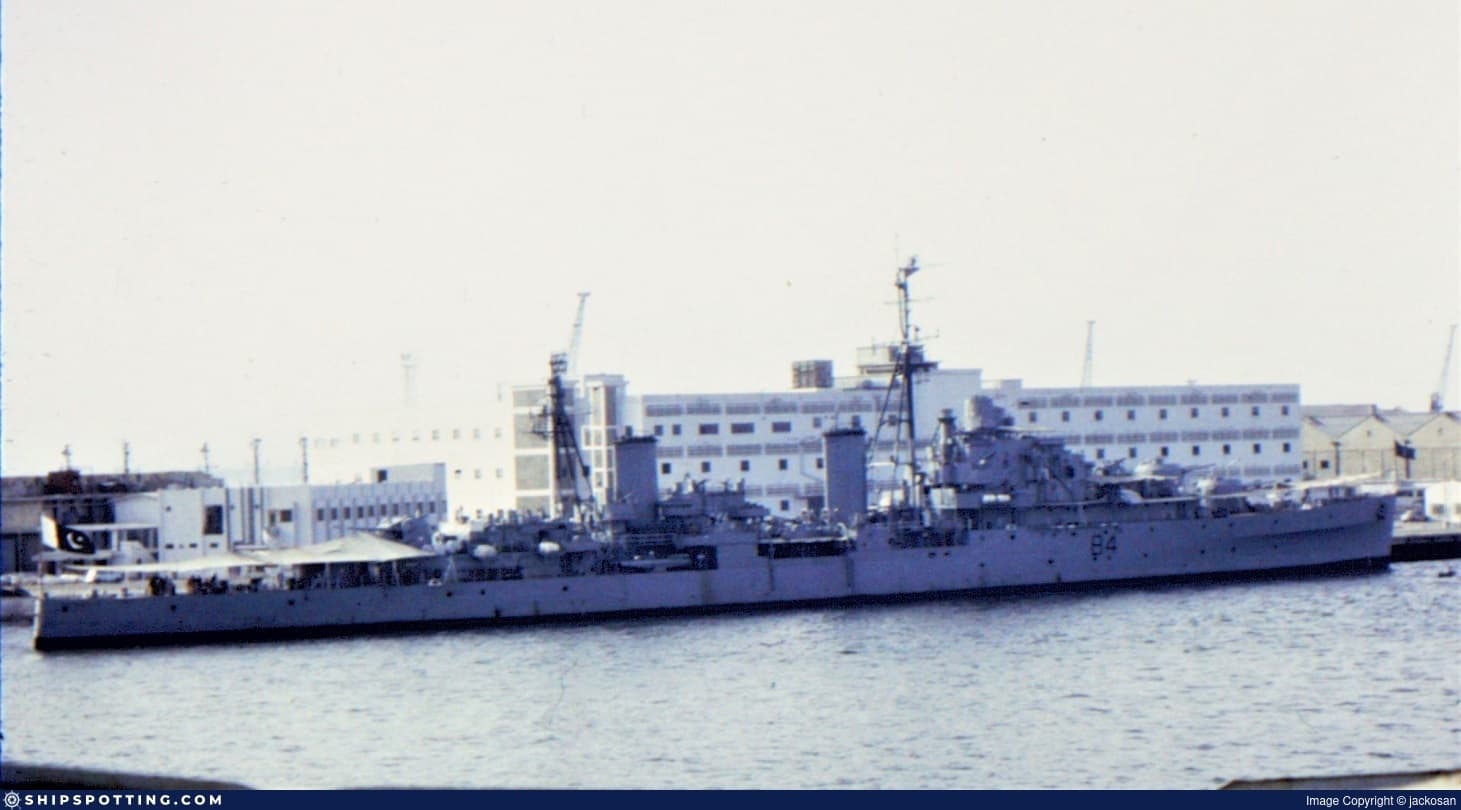
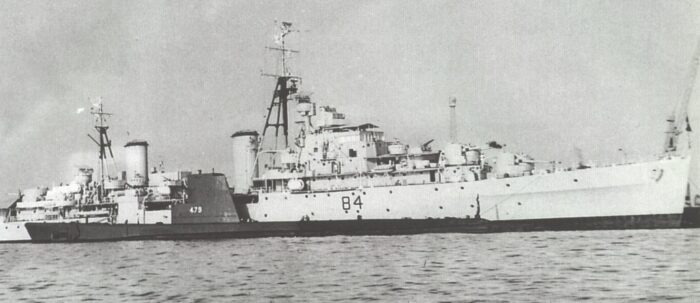
Babur’s modernisation was quite extensive, so much so that it far exceeded the initial £400,000 allocated for the process by the Pakistani Government. After a long financial battle the refit was finally completed. However this was not the end of the struggle as defence budget cuts forced Babur for some time to be restricted into harbour as a static training ship for cadets in 1961. Not to be left to the history books, Babur climbed its way back upto full operational service in 1963.
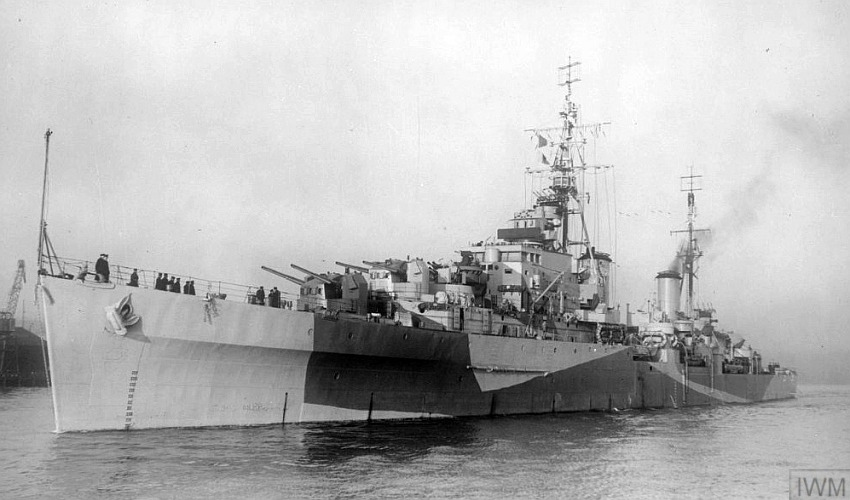
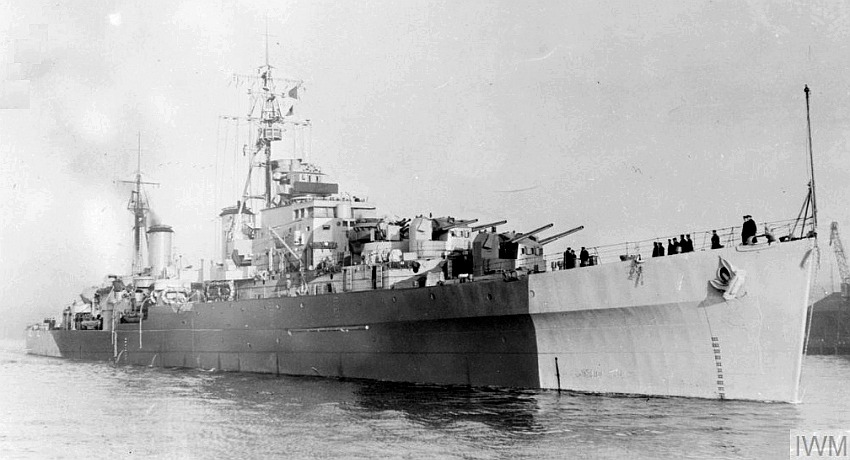
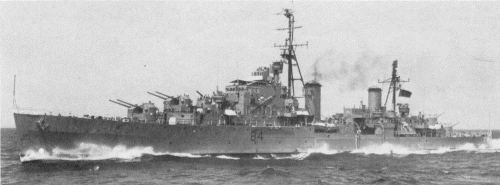
In the modernisation, Babur’s light armament was standardised. The quad 40mm 2 pounders were replaced by twin 40mm L60 Bofors cannon turrets (of which the name sounds slightly more intimidating than pom poms), which can be seen in the front of the vessel behind the higher twin 5.25 turret. Fourteen of these new L60 40mm bofors guns were installed in three twin Mk 5 mounts and eight single Mk 7 mounts. Babur maintained use of the 21 inch triple torpedo tubes on both sides of the mid ship.
The radar sensor package was also upgraded to a Type 974 navigation suite, a Type 293 target indicator and air warning 281B with Type 960 search and AD Radar. A new bridge was fitted and the ship was tropicalised. Surface and long range AA for the 5.25 turrets remained on the WW2 standard 984-985.
Pakistan Navy service
After Pakistan left the dominion following the creation of the first constitution, the Royal Pakistan Navy became the Pakistan Navy, and all vessels dropped the HMPS prefix and adopted the PNS prefix. PNS Babur then went on to participate in Operation Dwarka in a counterattack after the Indian invasion of 1965. Babur, being one of the Navy’s few large warships, carried out a shore bombardment of Dwarka port in September. Reports indicated that the extent of the damage is contested however the damage being done is confirmed as the smoke from the bombardment was visible all the way out to 20km. Among the targets hit were the railways, a cement factory and a radar installation. This, according to Pakistani sources, was one of, if not the main reason that Karachi, the primary port of Pakistan, was saved from future air raids by IAF Canberras as they no longer had radio communications operational in that sector.
Babur was proposed to be outfitted with Russian Styx missiles however the Russians were not prepared to undertake such an upgrade for large warships, only smaller fast attack craft were being offered the refit.
During the 1971 war, Babur was stationed 70 miles out of Karachi to defend the port from Indian attacks. The heavy AA prescence, dicouraging the IAF from conducting bomber raids, resorted to using their own Styx missiles to target the port and surface vessels protecting it. Unlike a C Class vessel of the PN which suffered losses and a Battle Class vessel which was sunk, Babur was immune to Styx missiles due to being fitted with USN standard ECM systems which enabled it to activate an electronic blackout in time. After the threat of missile attacks increased, Babur was recalled to its naval base as a static flag ship. Renamed to PNS Jehangir in 1982 - to make way for the new Babur (also C-84 but originally HMS London (D-16)), the vessel remained in ‘service’ until it was broken up in 1985, thereby ending its story.
Specifications
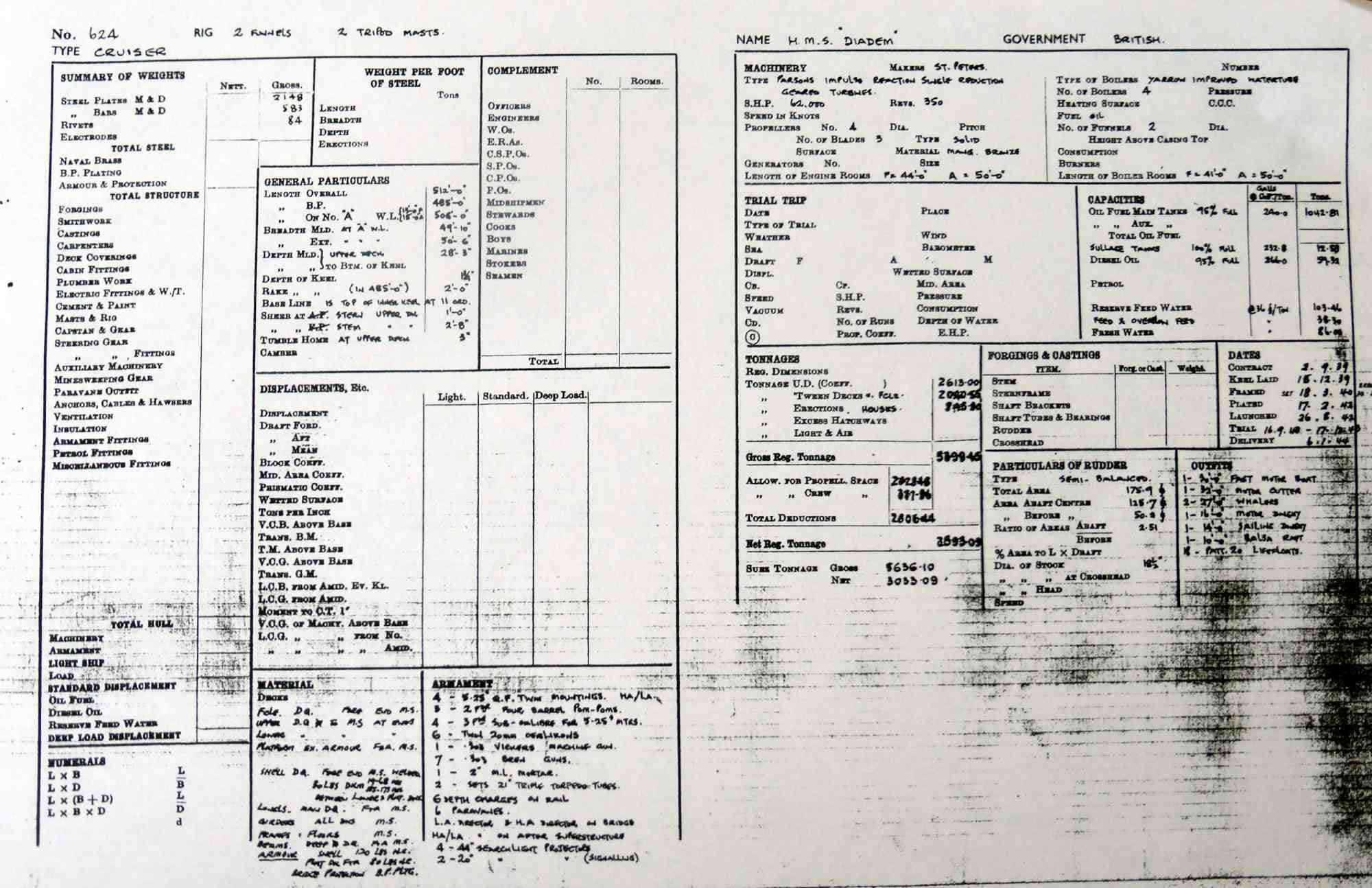
Crew: 588 persons
Dimensions: 485.0 x 50.5 x 14.0(draft)ft
Displacement: 5600disp - 6850disp
Engines: 4 x Steam turbines, SR geared, Parsons type
Power: 62000shp
Propulsion: 4 x Screws
Maximum speed: 32 knots
Construction: Steel
Armour:
Belt: 76mm (about 60% of ship length, thickness decreased at front & rear ends to 31mm, 102mm at upper edge)
Turrets: 13mm
Deck: 37mm front, 51mm mid section, 25mm rear
Magazines: 51mm
Bulkheads: 25mm
Armament
| Weapon system | HMS Diadem (original) | PNS Babur (post-1956) |
|---|---|---|
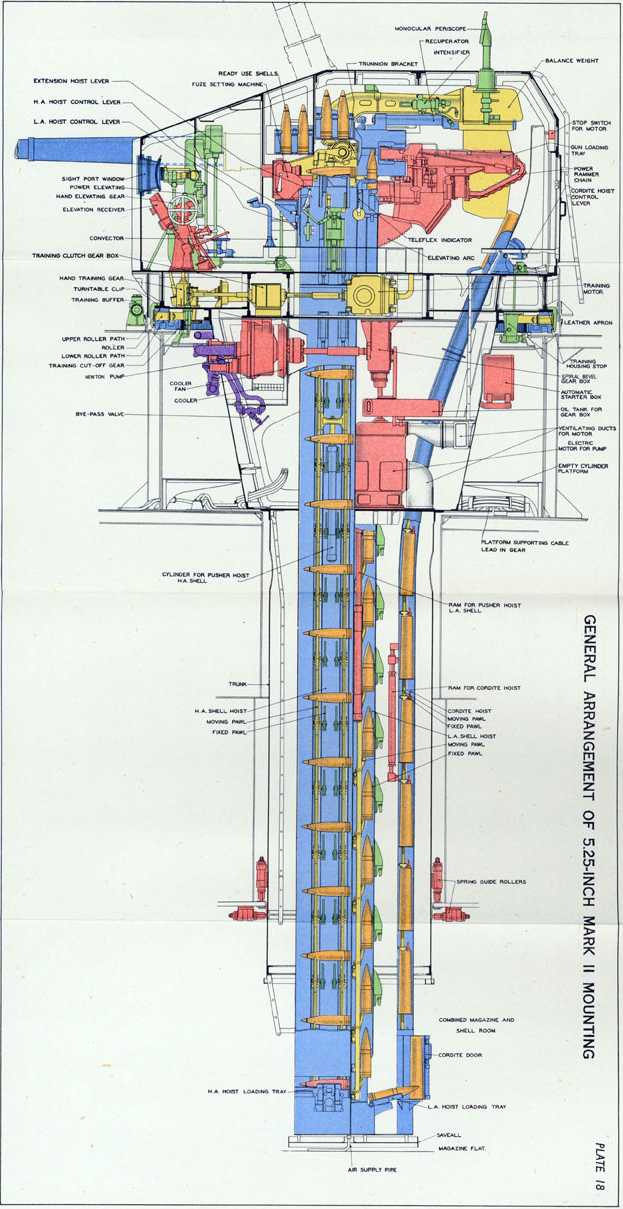
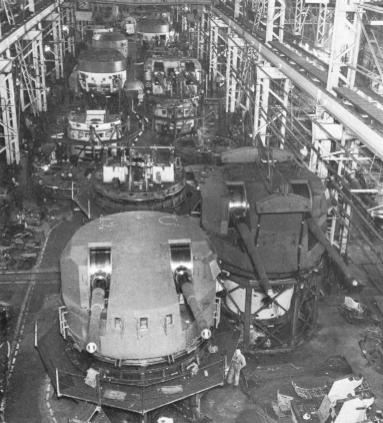
| Main battery | 4 × 2 - 5.25inch Mk.II | 4 × 2 - 5.25inch Mk.II |
| Medium AA | 3 × 4 - 40mm 2-pdr pom-poms | 3 × 2 - 40mm L60 Bofors (Mk 5 mounts) |
| Light AA | 8 × 2 - 20mm* + 6 × 1 - 20mm* | 8 × 1 - 40mm L60 Bofors (Mk 7 mounts) |
| Torpedoes | 2 × 3 - 21inch | 2 × 3 - 21inch |
| Depth Charges | 6 | 6 |
- Oerlikon 20mm autocannons, 450-480 rpm
Additional armament included 7 x 7.7mm browning machine guns and a 7.7mm vickers machine gun.
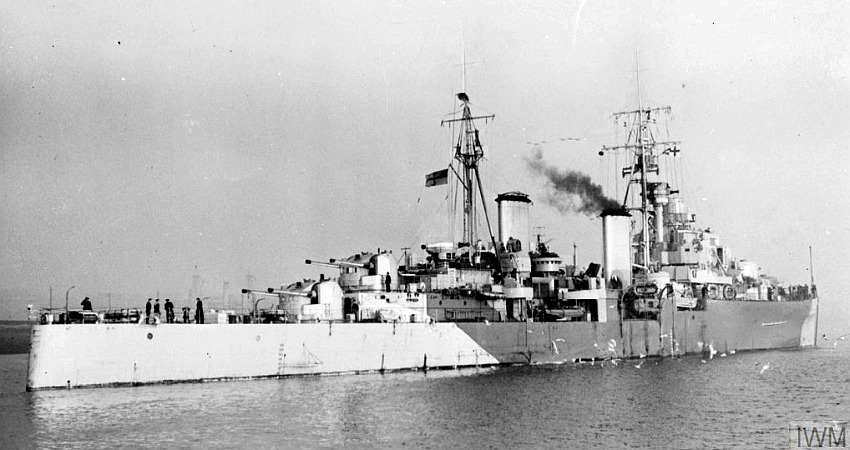
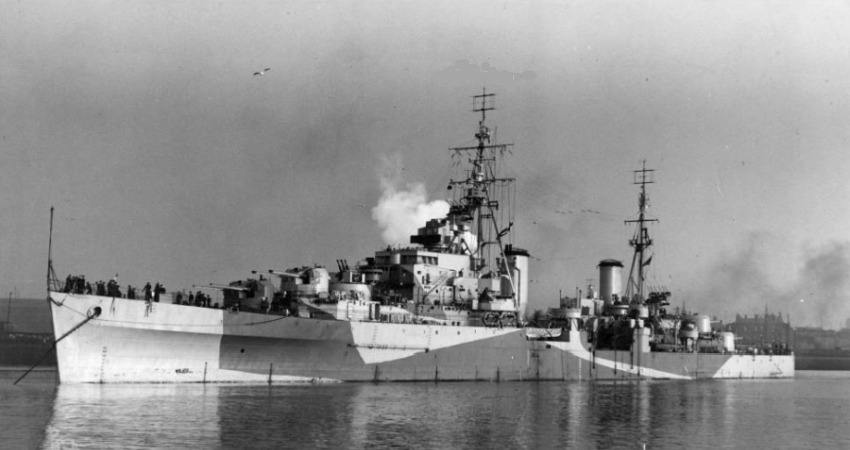
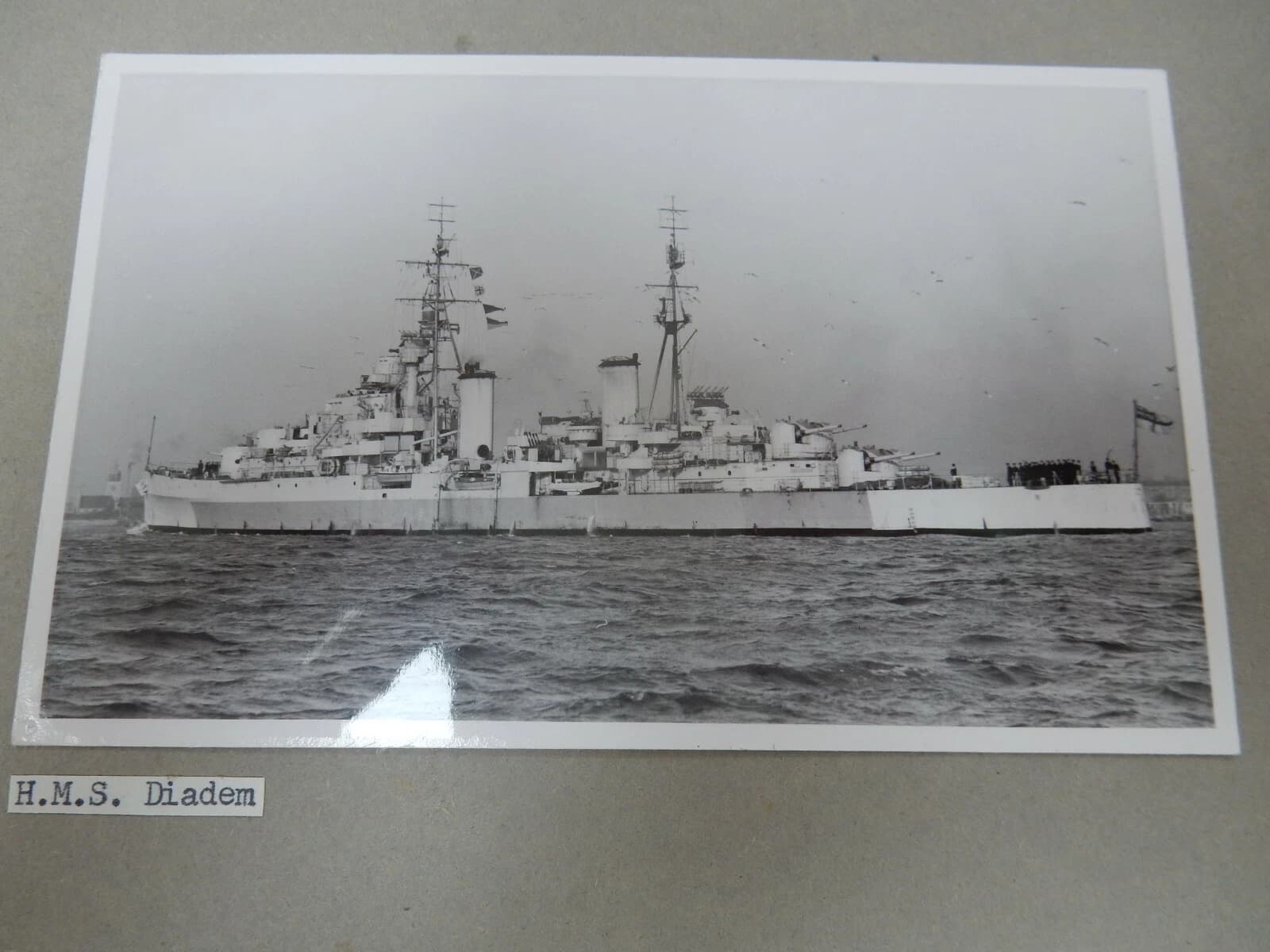
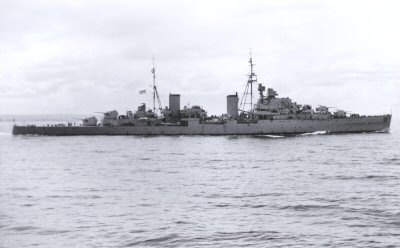
Photo Gallery & diagrams
Sources
- https://paknavy.gov.pk/pn_history
- HMS Diadem (84) - Wikipedia
- Pakistan Navy - Wikipedia
- Английские Крейсера ПВО типа Dido (1/11) [Форумы Balancer.Ru]
- https://www.navypedia.org/ships/pakistan/pak_cr_babur.htm
- http://web.archive.org/web/20090815144337/http://www.pakdef.info/pakmilitary/navy/gallery/didoclass.html
- HMS Diadem archive3 articles originally published on Posterous
- Rupak on X: "Four generations of PNS Babur. #Pakistan #Navy 1. C84, Dido class light crusier ex-HMS Diadem; bought 1955; scrapped 1973. 2. C84, ex HMS London; County class destroyer; bought 1982; scrapped 1995. 3. D-182, ex-HMS Amazon Type-21 frigate; bought 1993; decommissioned in 2014. https://t.co/p6HH5qhiRV" / X
- https://www.reddit.com/r/WarshipPorn/comments/fpmvzq/pns_babur_former_hms_diadem_light_cruiser_of_the/
- Diadem 1944
- https://www.world-war.co.uk/Bellona/diadem.php
- HMS Diadem, British AA cruiser, WW2
- Conway’s All the World’s Fighting Ships 1922–1946
- No Easy answer: The development of the Navies of India, Pakistan, Bangladesh & Sri Lanka 1945–1996
- Ships of the Royal Navy: The Complete Record of All Fighting Ships of the Royal Navy from the 15th Century to the Present
- British Cruisers: Two World Wars and After
- British & Empire Warships of the Second World War
- British Cruisers of World War Two
- Chronology of the War at Sea 1939–1945: The Naval History of World War Two
- Cruisers of World War Two: An International Encyclopedia
- The development of the Navies of India and Pakistan, J. Goldrick
- Jane’s Fighting Ships 1963-4 & 1967–68
- Conway’s All the World’s Fighting Ships, 1947-1995, Vol 4
- Yes
- No
- 1955 (pre modernisation, post sale)
- 1956-57 (modernised)
- I voted no