History
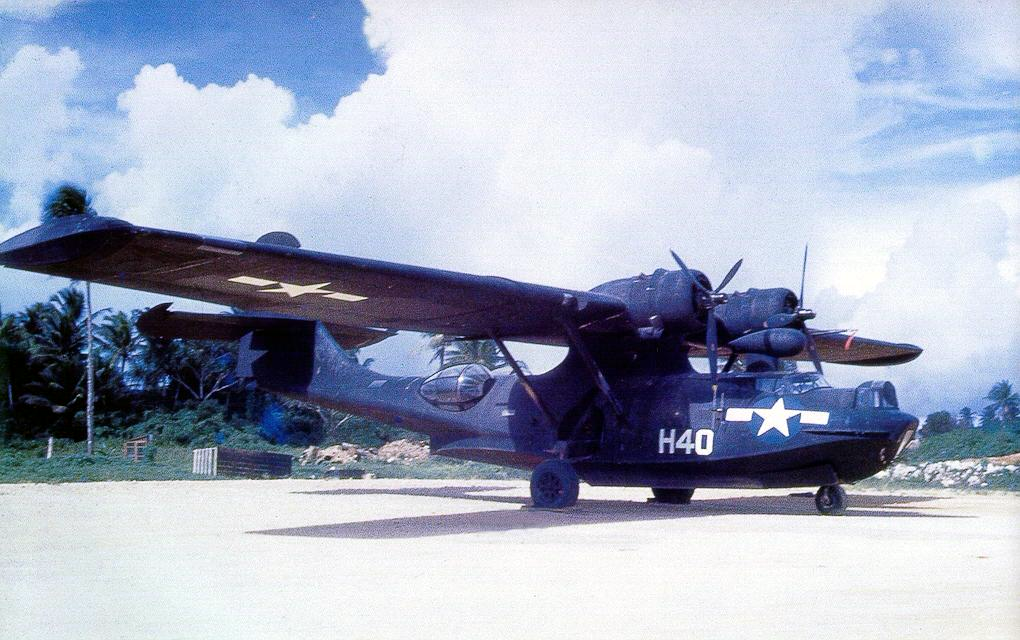
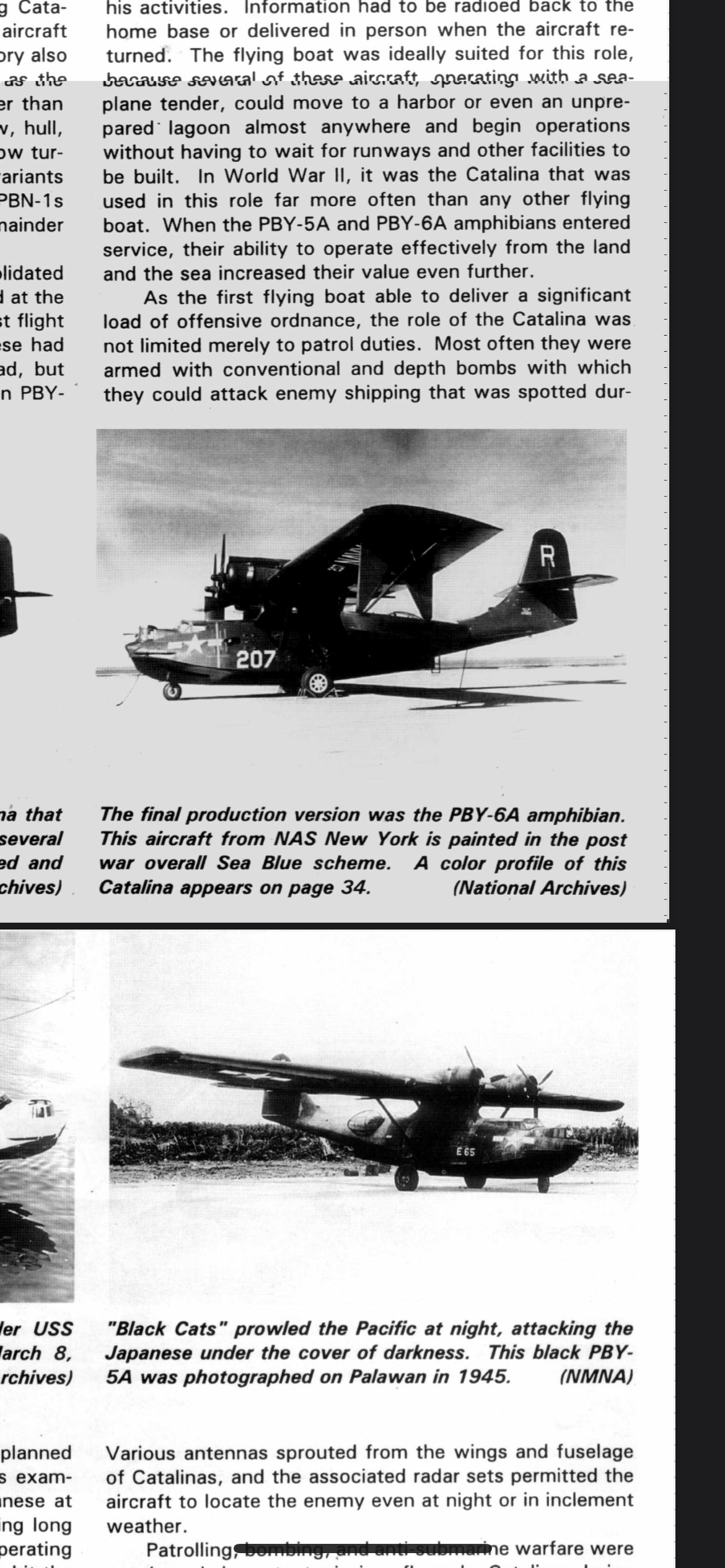
The PBY “Catalina” was the US Navy’s primary patrol aircraft prior to and during World War II, serving as a multirole aircraft. While the PBY-5A remains the most famous version of the line, the lesser-known PBY-6A represents the aircraft’s final evolution. This final variant was a patrol aircraft, equipped with an AN/APS-3 Search radar housed in a pod above the cockpit. This radar enabled the crew to locate enemy surface vessels and surfaced submarines even on a moonless night, turning the aircraft into a true night hunter. These “Black Cats” were tasked with stalking everything from heavily armed warships to the humble supply barges that kept Japanese island garrisons alive, often attacking at mast-height in total darkness. The PBY-6A accomplished this by using its radar in combination with its radar altimeter.
The PBY began its story in 1933 with the XP3Y-1 prototype, which was a radical departure from the cluttered, wire-braced biplane flying boats of the 1920s. Designed by Isaac Laddon, the aircraft was built to be much cleaner than the older models it replaced. It achieved this by using a high-mounted parasol wing supported by a single central pylon and four small internal struts, which drastically reduced aerodynamic drag. One of the most brilliant engineering feats was the retractable wingtip floats. Instead of dragging through the air, these floats folded upward via an electric screw-jack system to serve as the ends of the wings in flight. This streamlined profile helped the plane fly farther and more efficiently, a necessity for a scout plane that had to cover thousands of miles of open water.
As the Navy’s requirements evolved, they realized they needed a plane that could attack enemy targets, not just scout their locations. This led to the development of the PBY-1 through PBY-4 models. These designs focused on increasing engine power and adding more defensive guns to protect the crew. While they were relatively minor models that did not see the massive production numbers of later variants, they were vital in proving the airframe’s durability. Engineers added bomb racks under the wings and updated the tail sections to keep the plane stable during weapon release. During this formative period, the airframe proved incredibly resilient and rugged, capable of remaining in the air for extended periods—often 15 to 20 hours in a single sortie—while carrying heavy loads of depth charges or torpedoes over long distances.
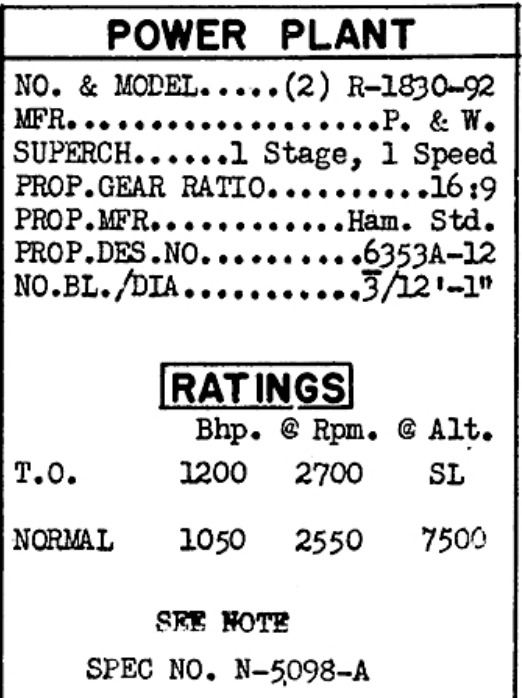
The PBY-5 was the most-produced upgrade and is the version most people recognize today. The most visible change was the addition of the famous teardrop-shaped glass bubbles, or “blisters,” on the fuselage sides. These allowed the waist gunners to scan the ocean for submarines or downed pilots without being exposed to the freezing wind. This model also received a power boost from 1,200 hp Pratt & Whitney R-1830-92 engines and significantly larger internal fuel tanks. It was during the production of the -5 that the British Royal Air Force began using the aircraft for Atlantic patrols; they gave it the name “Catalina,” and from then on, the aircraft was officially nicknamed the Catalina by the US Navy as well.
A major shift in the aircraft’s operational use occurred with the introduction of the PBY-5A, which turned the flying boat into an amphibian. By adding a retractable tricycle landing gear, the plane could finally operate from inland dirt runways just as easily as from the ocean. This amphibious nature made it the perfect tool for “Dumbo” rescue missions, where crews would land in rough seas to save downed aviators, and for the famous “Black Cat” night raids. Because the -5A could operate from land bases, it wasn’t stuck waiting for a seaplane tender to refuel or rearm. This flexibility allowed crews to take off from a secure island airstrip, fly a ten-hour mission, and land at sea in the middle of a combat zone to save a sinking crew.
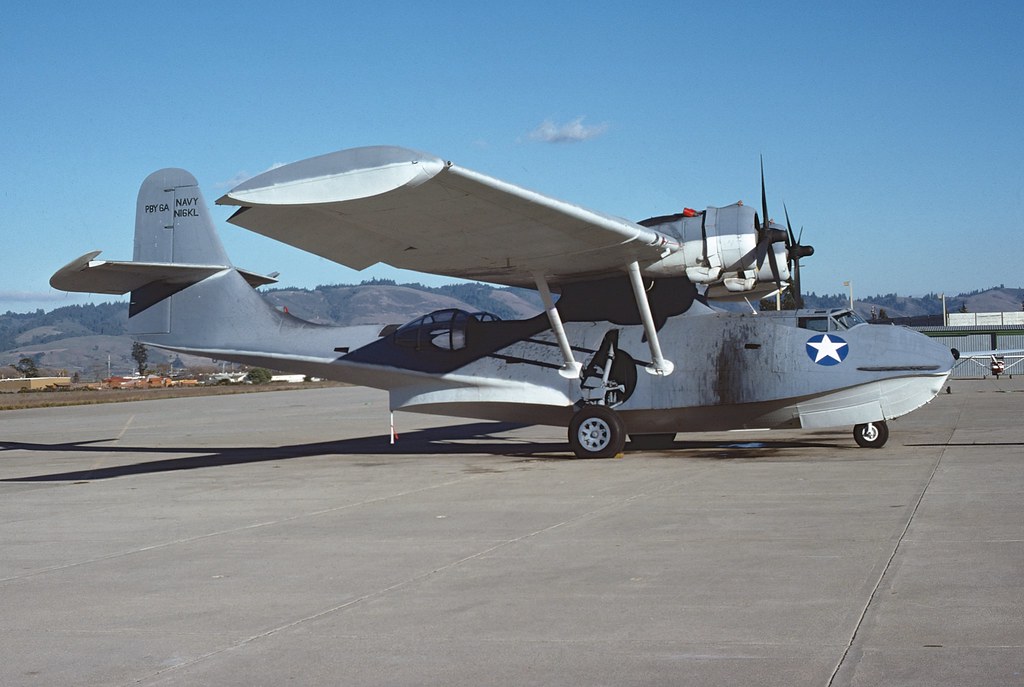
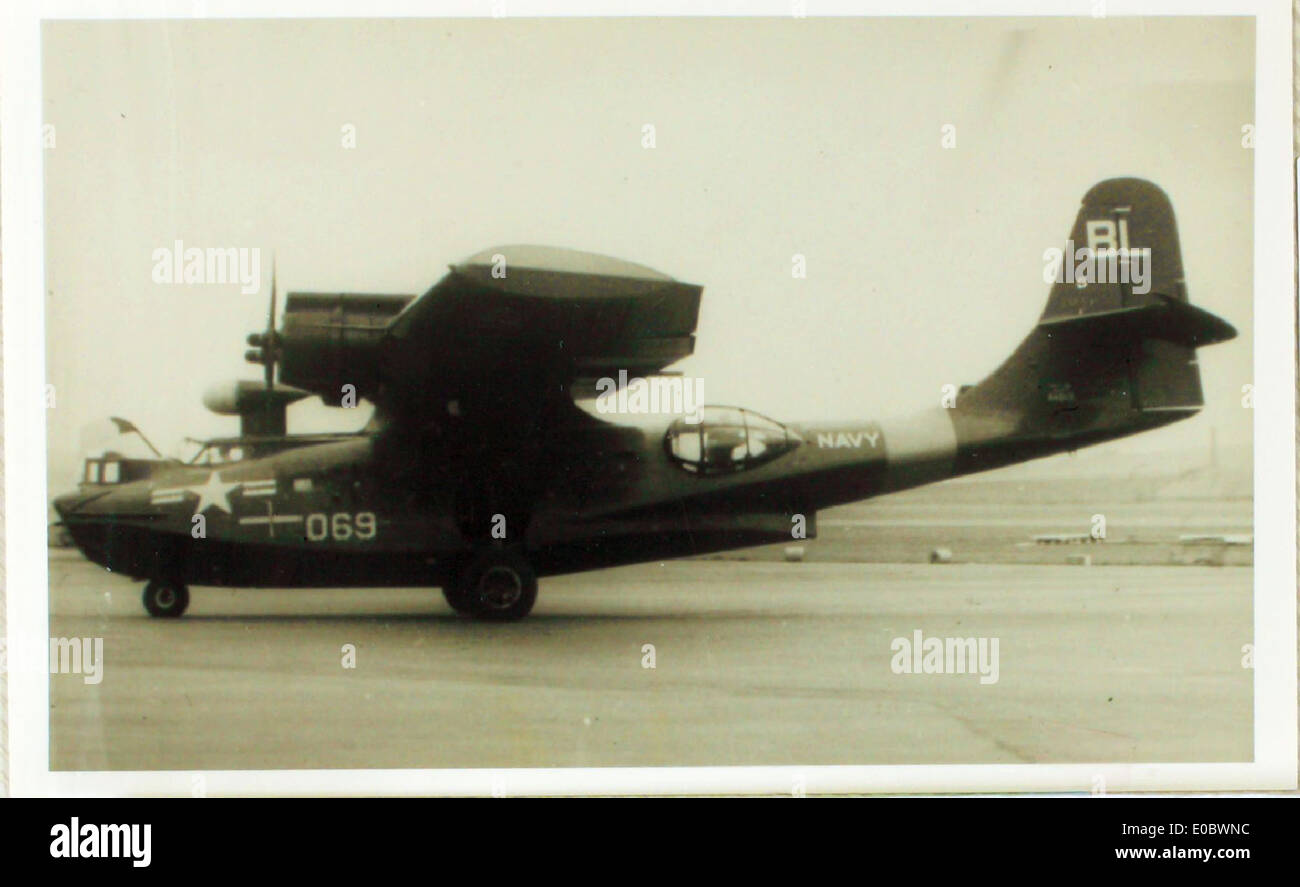
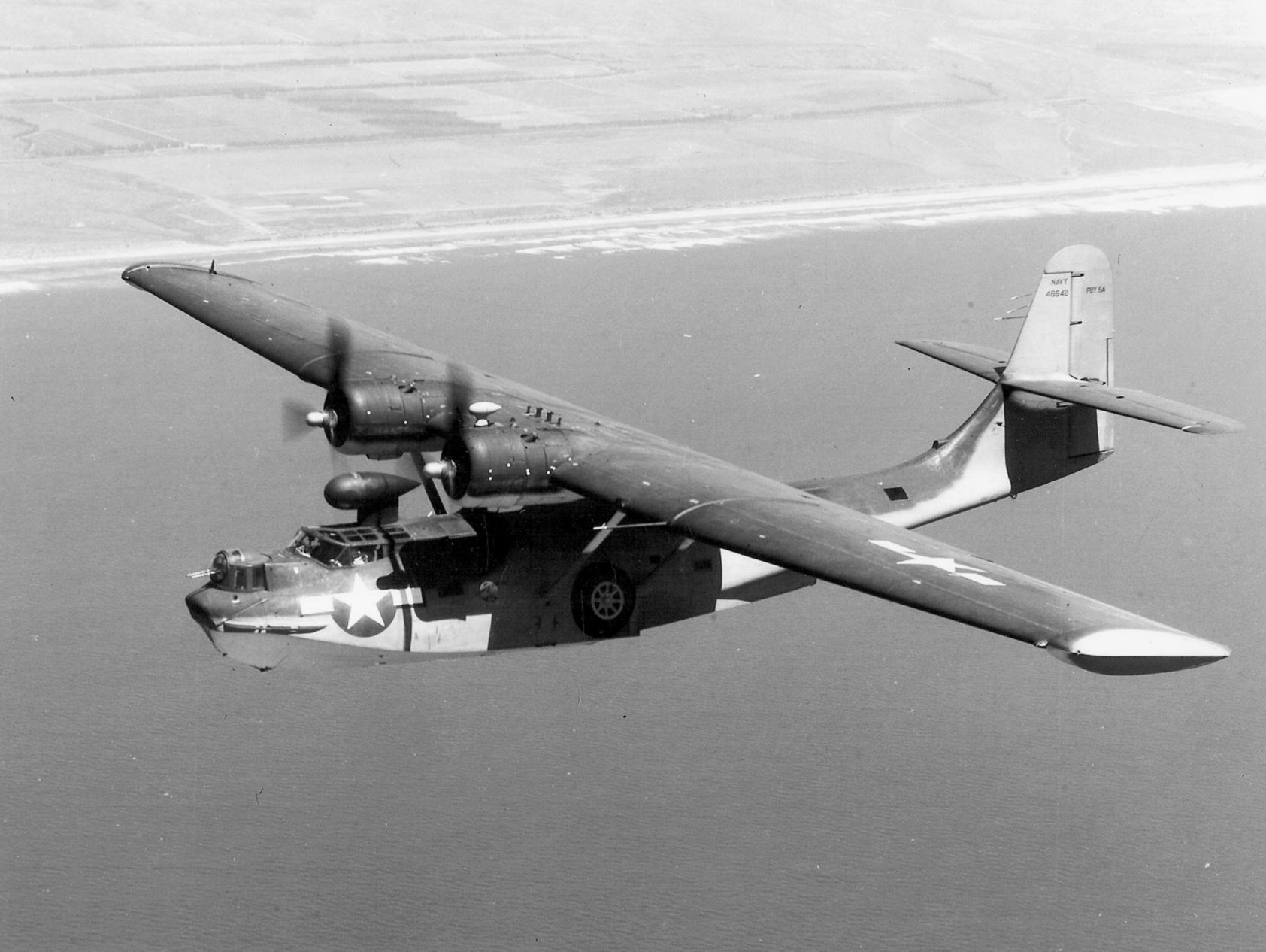
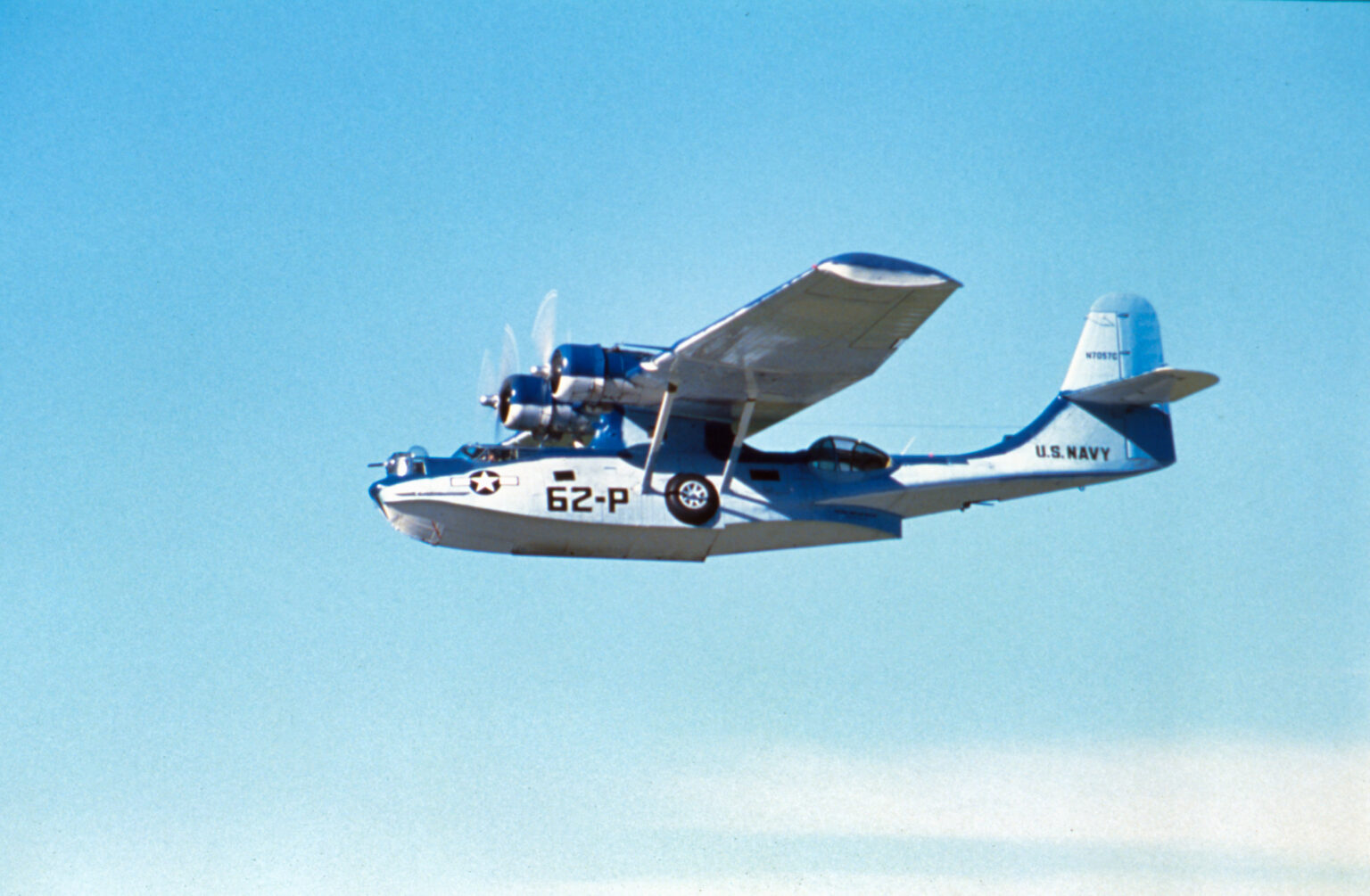
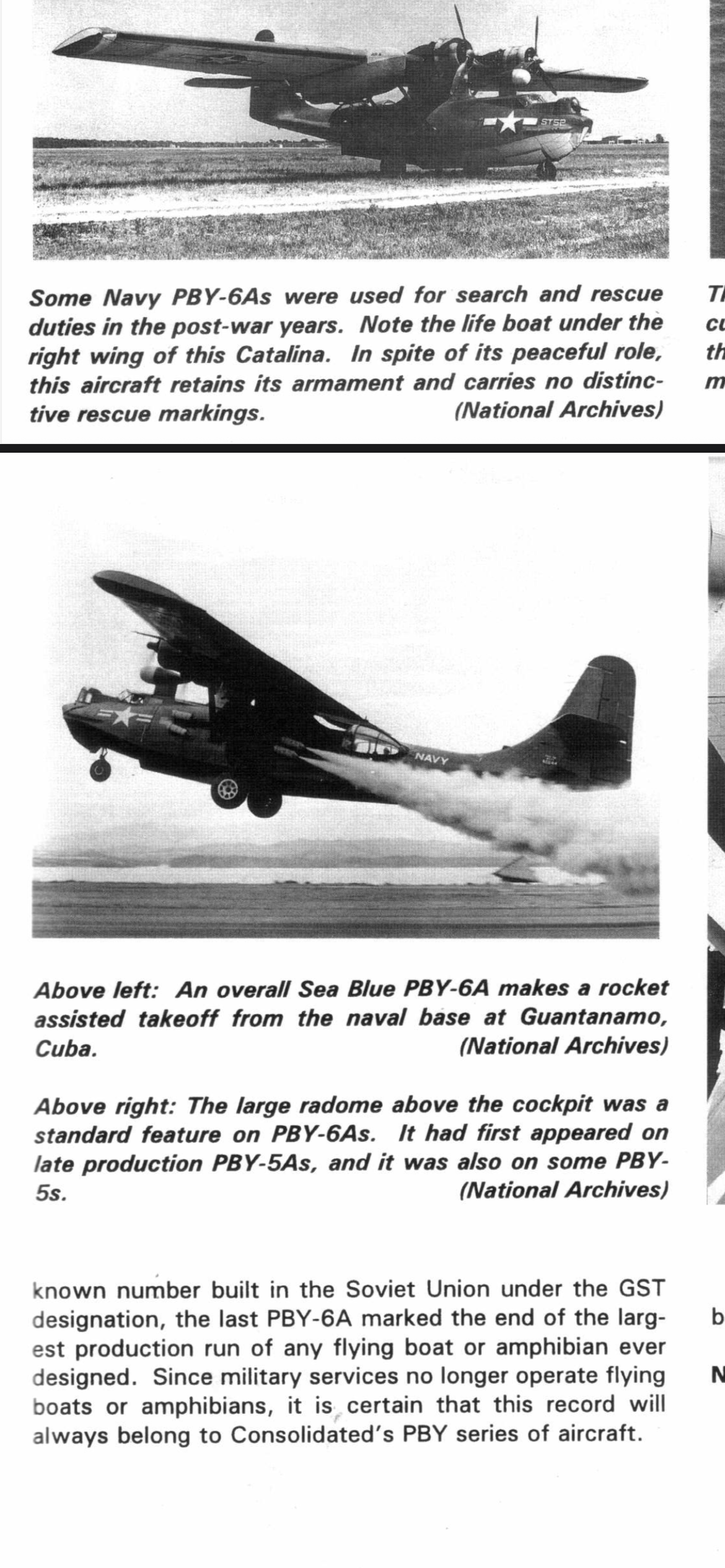
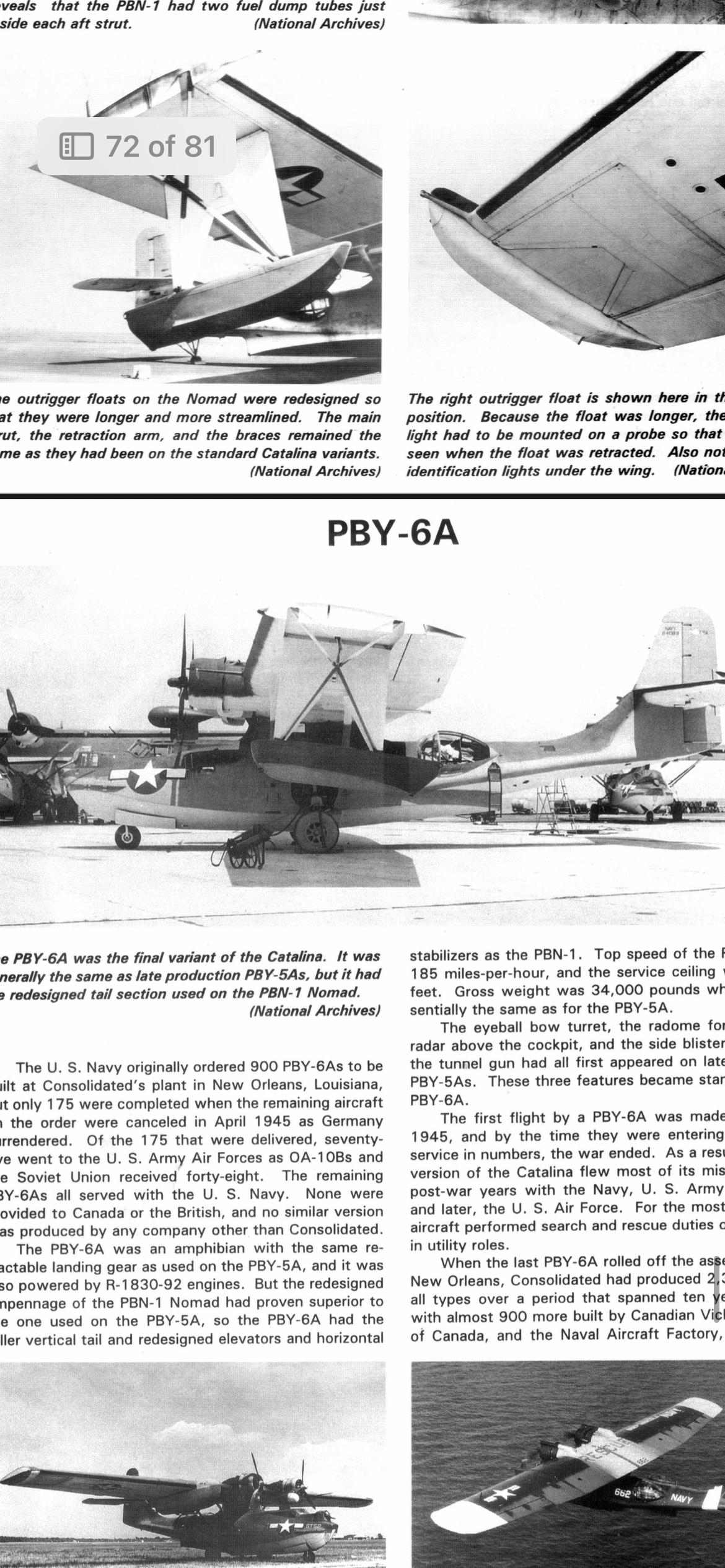
Further refinements eventually led to the PBY-6A, the final production variant built at the Consolidated plant in New Orleans. This model was the ultimate evolution of the design, incorporating a much taller, squared-off vertical tail and rudder. This tail design was taken from the PBN-1 Nomad (a version built by the Naval Aircraft Factory) to improve lateral stability and handling, which had become a concern as the aircraft grew heavier with equipment. The PBY-6A also featured a standardized motorized twin-gun turret in the nose for better forward defense and the aforementioned radar equipment for night hunting. These changes made the aircraft an even more effective predator during the final stages of the war. Operating alongside the 5A, the PBY-6A ensured that the Catalina remained a vital combat asset until the very day the war ended.
Information
Production
Amount produced: 175
Years produced: 1944-1945
Dimensions
Length: 62ft 11in
Width: 104ft
Height: 22ft 5in
Weight (BASIC): 23388 lbs
Wing area: 1400sq ft
Crew
Crew: 8
Gunners: 4
Pilots: 2
Other: 2 (not modeled)
Performance (with 4x 1000 lbs bombs)
Top speed: ~173 mph@ 4800ft
Minimum speed: ~75mph
Turn time: ~30 seconds
Rate of climb: ~560 fpm
Takeoff run: 2740ft (Airport)
service ceiling: 13600ft
Aircraft would respawn on airfield after rearming and get access to RATO (rocket assisted take off)
Weaponry:
GUNS:
2x 20mm M3 (fixed, optional, removes the bomb sight) ammo: 200 maximum, but there is no official ammo count (field modification)
2x .50 M2HB (blister turrets) ammo: 1156
2x .30 AN/M2 (nose turret) ammo: 2100
Ordnance:
100lbs bomb x 12
1000lbs bomb x 4
Mk13-3 torpedo x 2
325lbs depth bomb x4
images
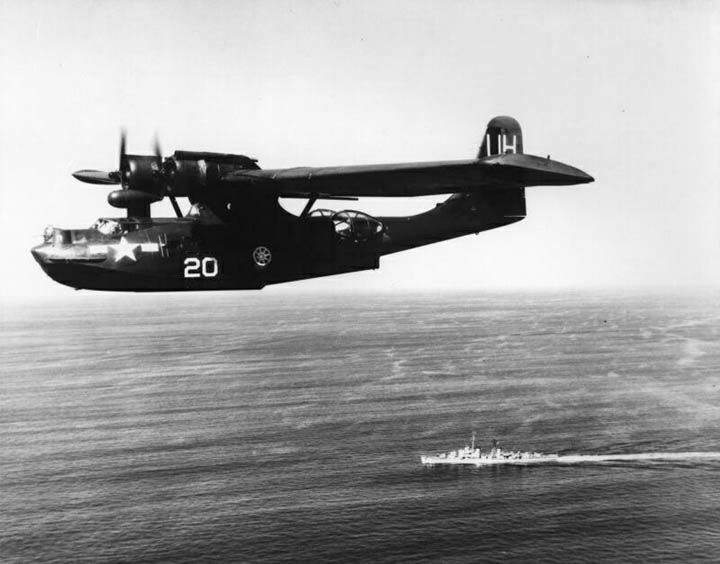
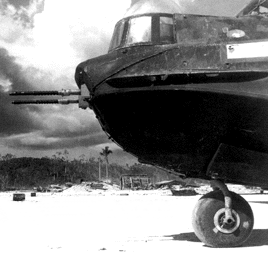
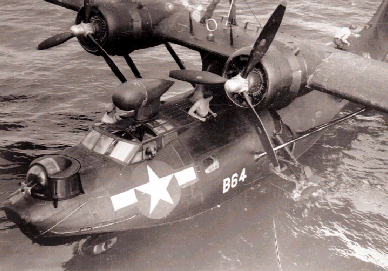
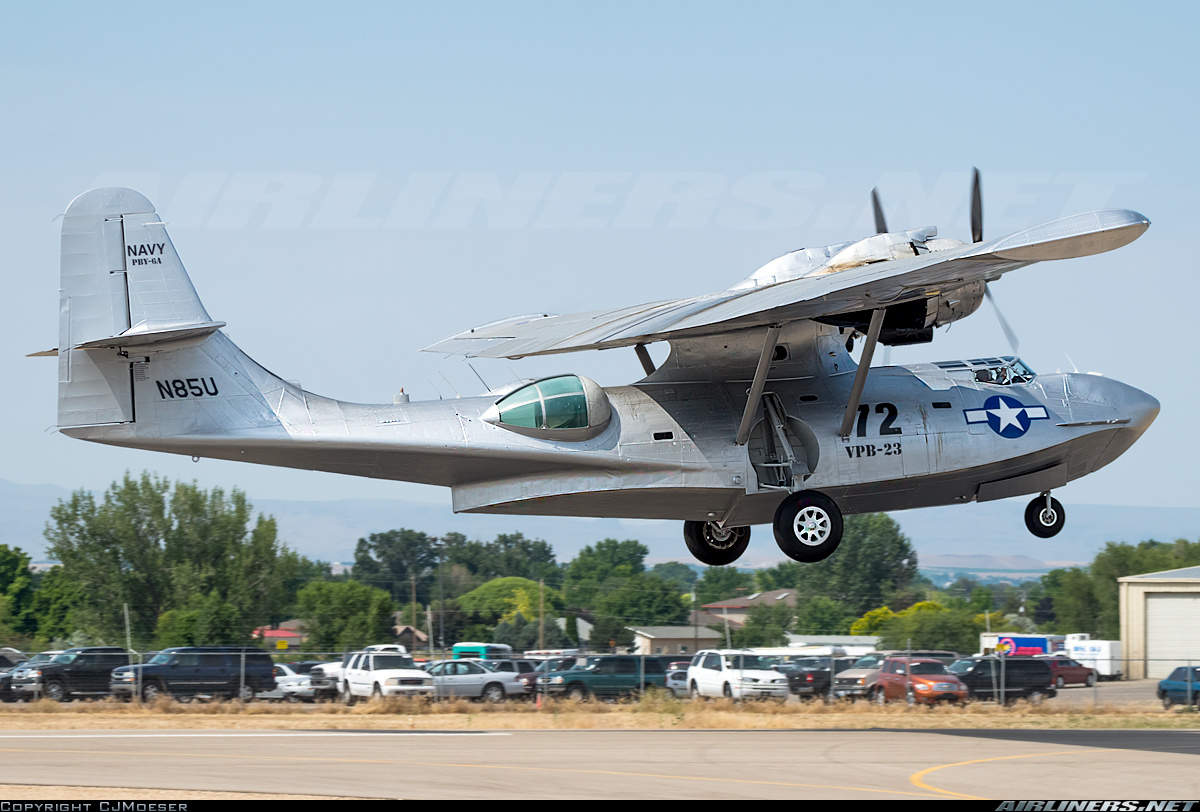
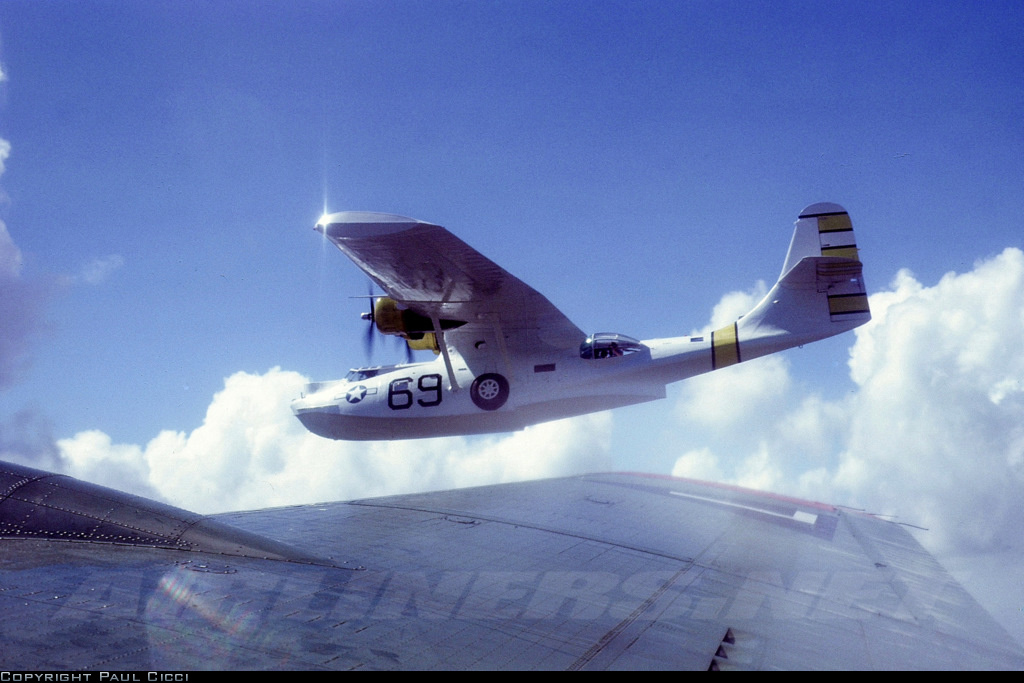
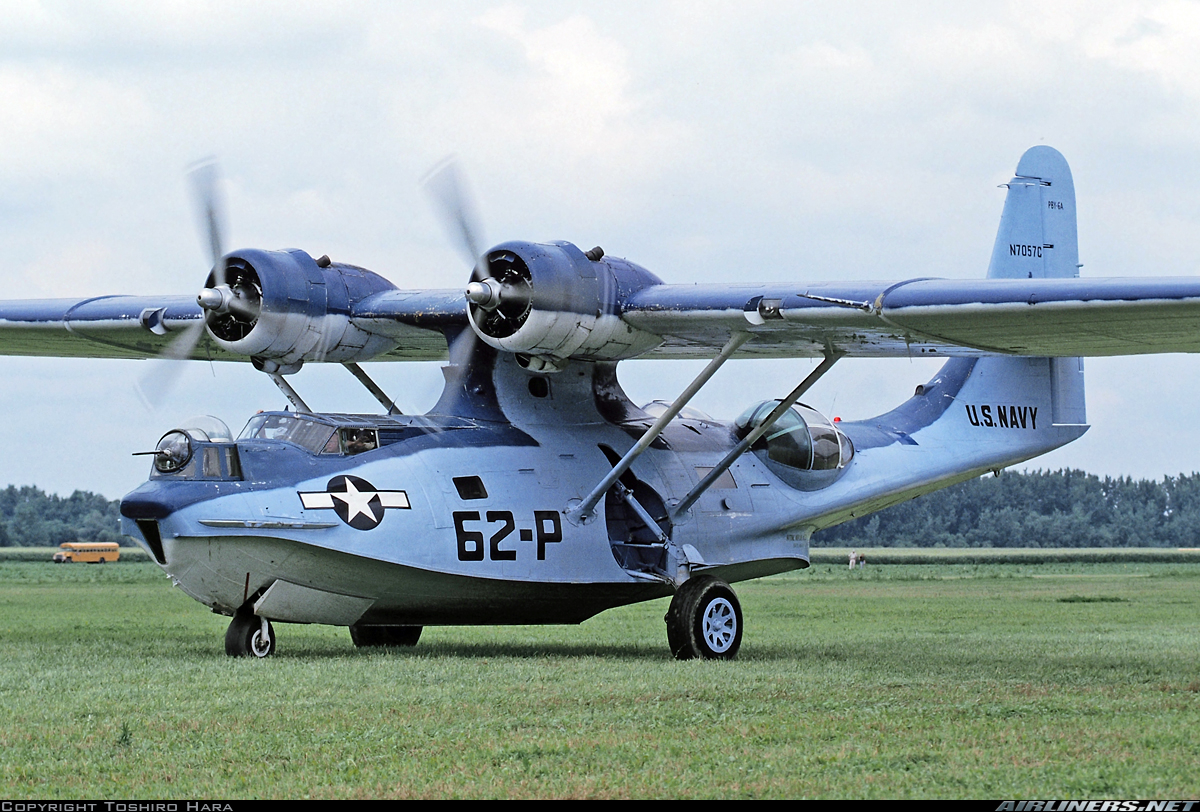
Note: many of these images lack the radar and nose turret due to them being demilitarized, civilian-owned aircraft.
Sources
https://www.aahs-online.org/images/Navy_SAC/PBY-6A.pdf
PBY-6A - The Catalina Preservation Society
https://www.seawings.co.uk/images/manuals/Catalina%20Manuals/Pilots%20Handbook%20-%20Catalina%20PBY-6A.pdf
Downloads
https://www.history.navy.mil/content/dam/nhhc/research/histories/naval-aviation/naval-aircraft/pdfs/pby-6a.pdf
- Yes
- No