- Yes
- No
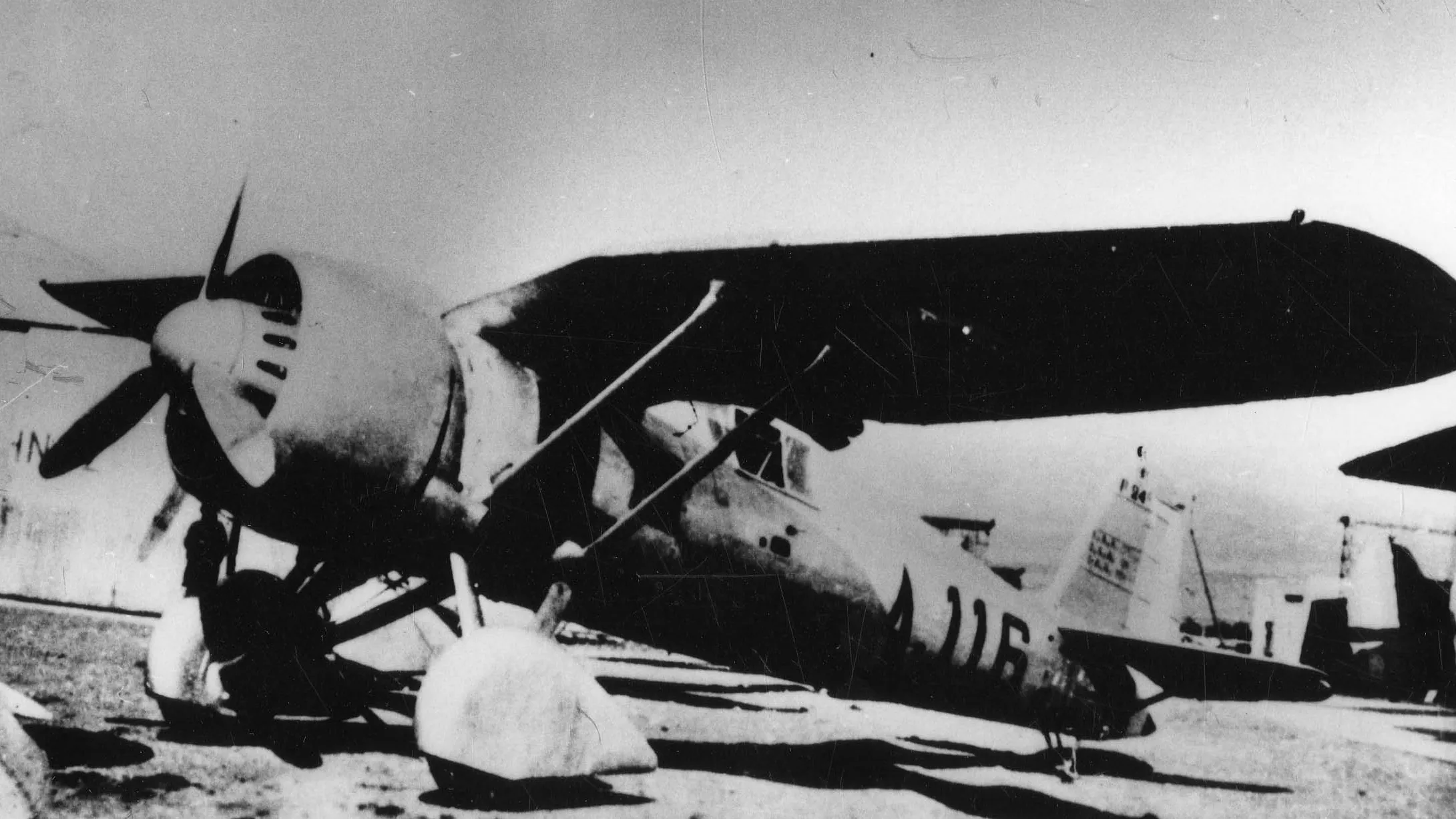
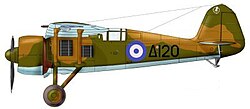
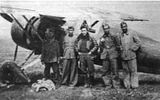
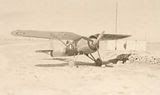
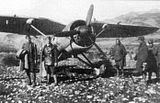
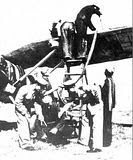
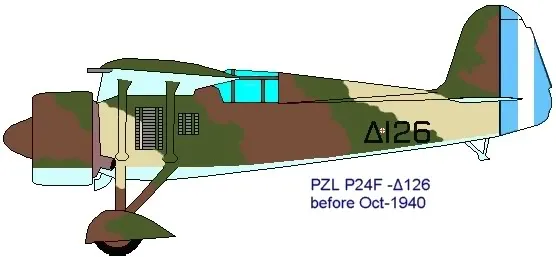
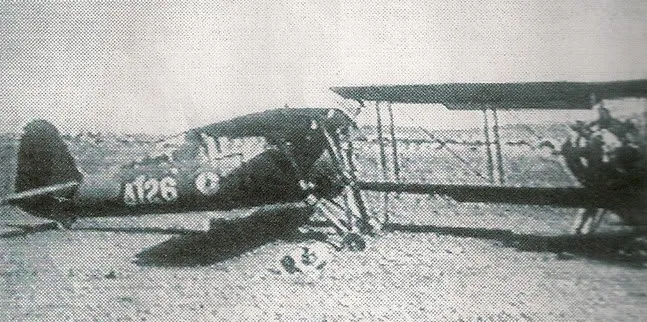
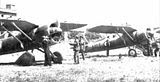
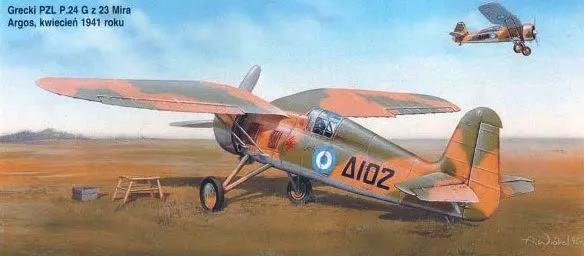
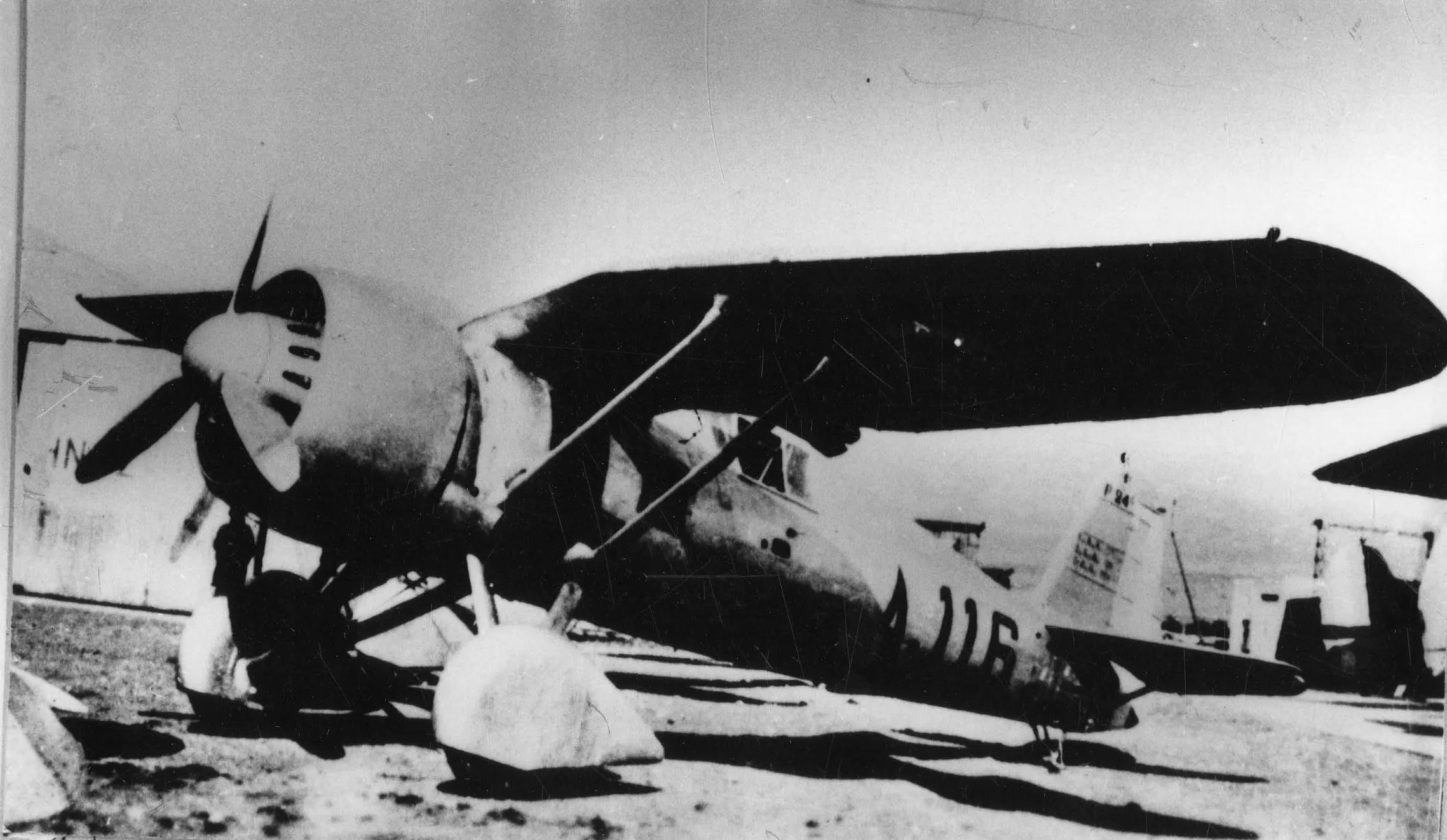
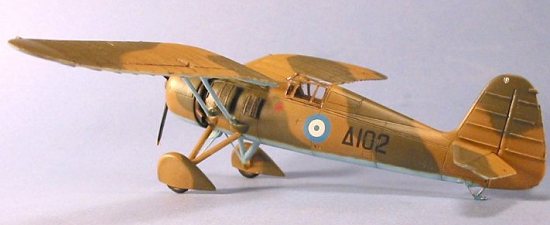
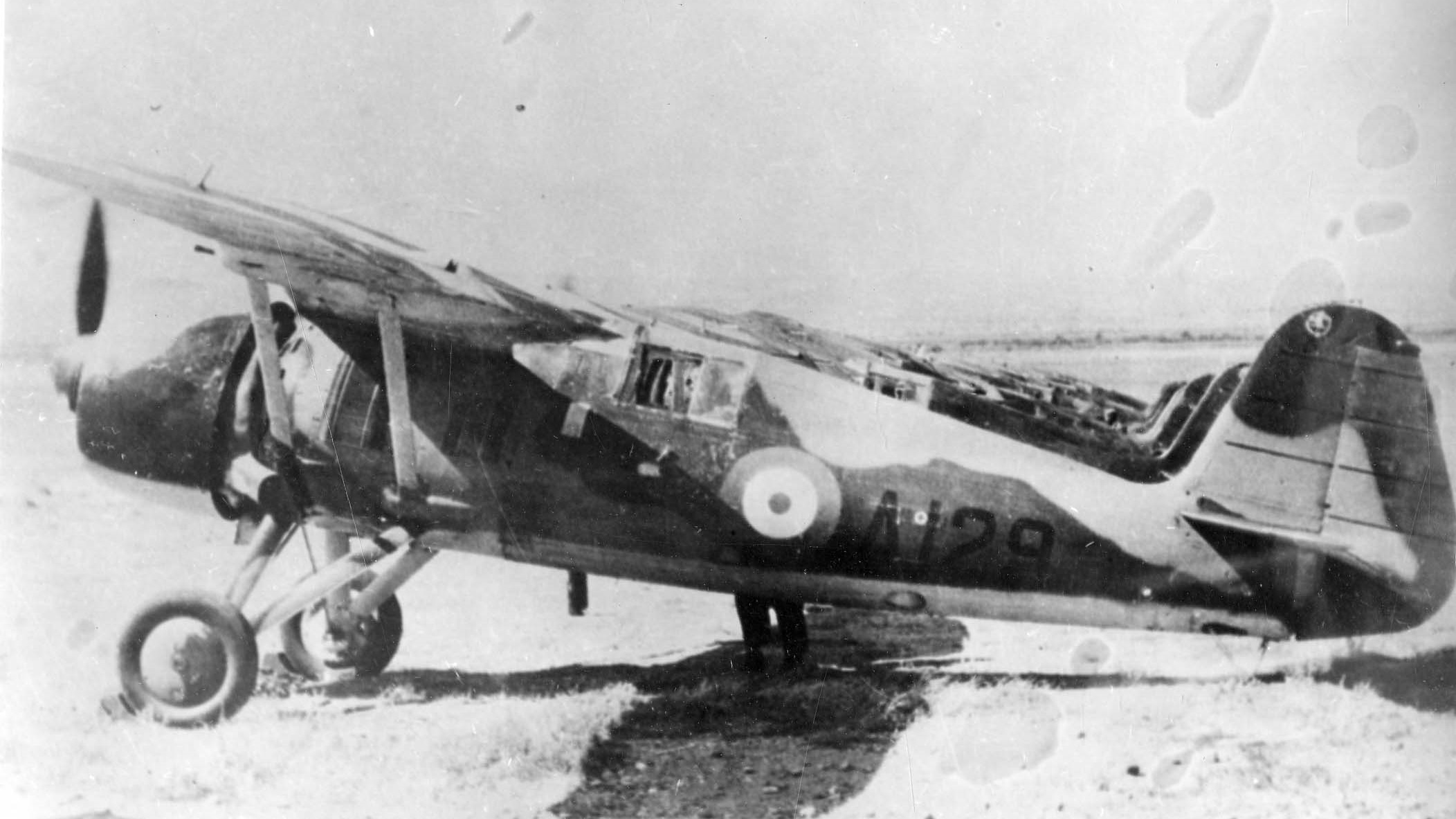
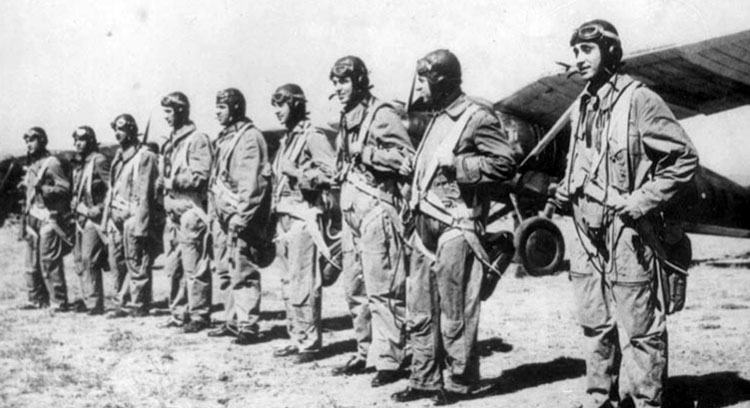
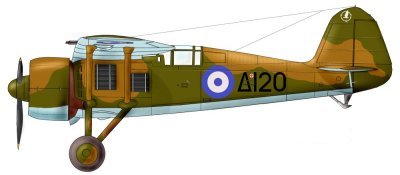
As war clouds gathered over Europe in the late 1930s, the Royal Hellenic Air Force urgently needed capable modern fighters. Instead of the preferred British Gladiator, Greece selected the Polish PZL P.24, a gull-winged monoplane that represented a further development of the successful P.11 design. Although the type was nearing obsolescence by the time fighting began in 1940, the F and G variants became the principal fighter of the RHAF. They bore the brunt of air combat during the Italian invasion and the subsequent German assault. Young Greek pilots, driven by determination rather than extensive experience, managed to inflict surprising losses on much larger enemy air forces.
The P.24 was born out of necessity. Polish designers sought to create an export-friendly fighter free from restrictions on the Bristol Mercury engine. With financial and technical help from France’s Gnome-Rhône company, they produced a new aircraft powered by a more powerful radial engine. Early prototypes performed impressively, even setting a world speed record of approximately 414 km/h for radial-engine fighters.
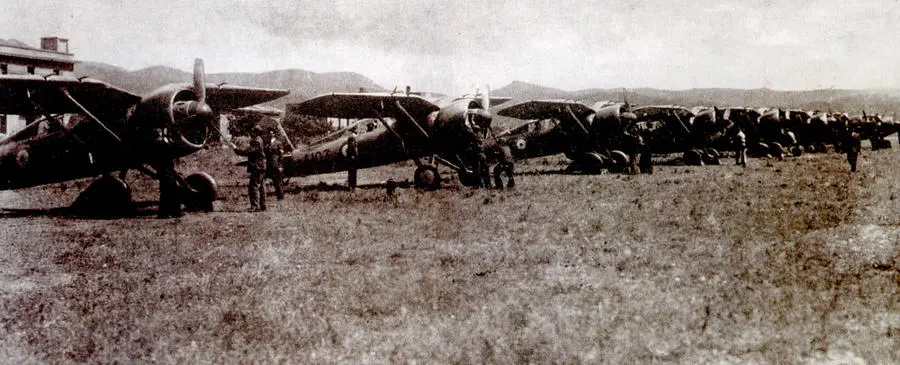
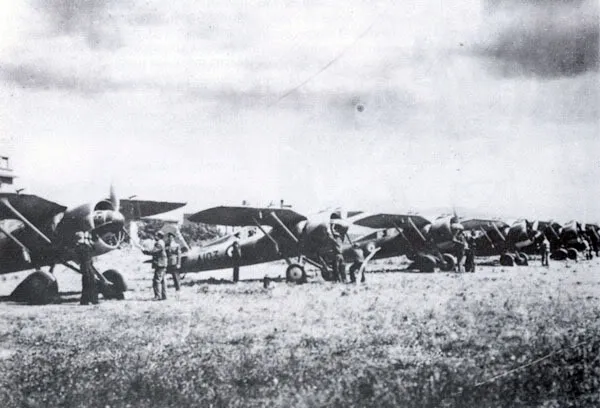
In September 1936, Greece ordered 36 P.24s. By May 1937, all had arrived after a delay caused by machine gun deliveries. The order consisted of 30 P.24F models and 6 P.24G models. One additional F variant was later assembled in Greece under license at the State Aircraft Factory. The planes were organized into three fighter squadrons — the 21st, 22nd, and 23rd — operating from forward bases at Trikala, Thessaloniki, and Larissa.
Technical Profile:
- Engine: Gnome-Rhône 14N-07 (970 hp)
- Maximum Speed: ~430 km/h
- Range: ~700 km
- Service Ceiling: ~10,000 m (32,800 ft)
- Dimensions: Wingspan 10.68 m, length ~7.6–7.81 m, height 2.69 m
- Armament: 4 x 7.92 mm LK32
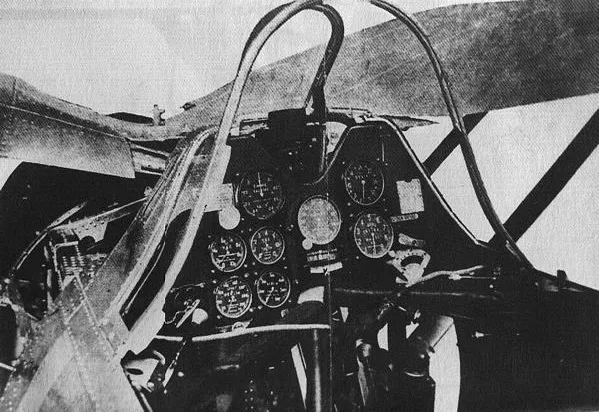
Its original speed was about 420 km/h, but due to modifications, such as engine, camouflage and armament, this quickly dropped to 400 km/h, and to 380 km/h after two months of intensive use in Greek service. The type’s two main weaknesses, as noted by the Greeks, were the bad cockpit visibility and the duration of flight, which was limited to 1 hour and 45 minutes. In practice, they would be able to patrol for 30-35 minutes over the front. Also, a pilot of average quality would need at least 600m of runway to land, which was difficult to find in Northern Epirus.
The P.24 had only slightly inferior performance in comparison to the Italian CR.42, but was completely outclassed by newer Italian and German fighter aircraft, such as Macchis and Messerschmitt BF109s.
Action in the Greco-Italian War
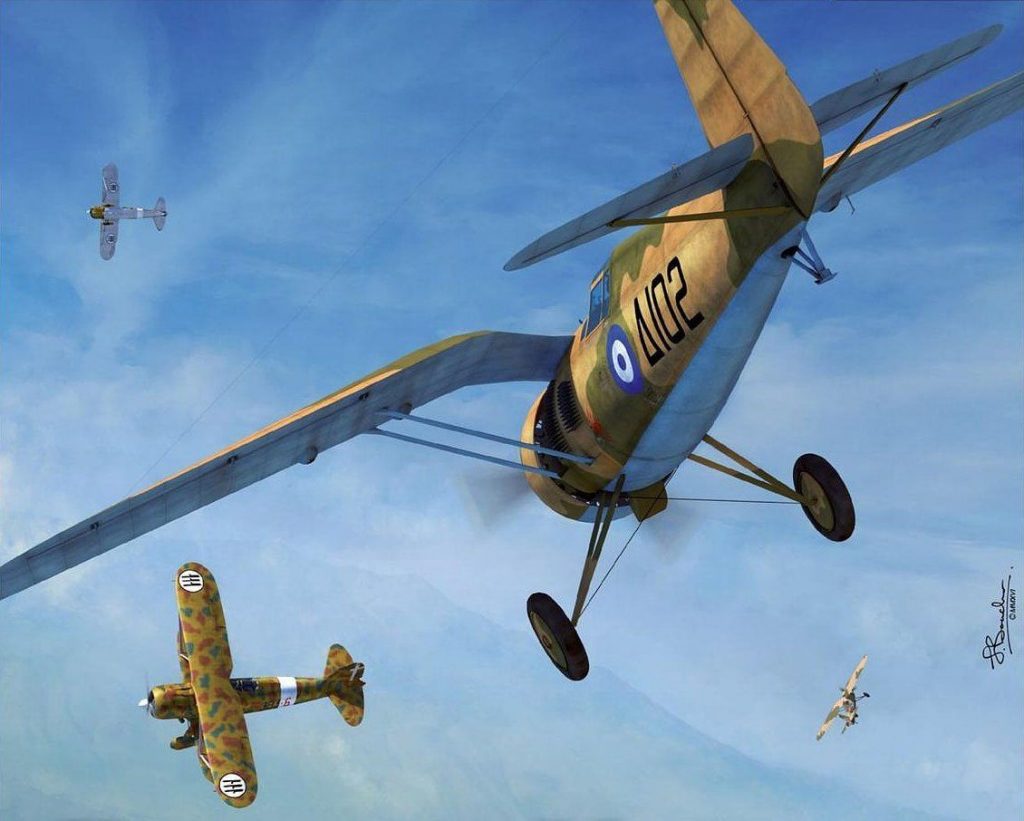
Italy’s invasion of Greece on 28 October 1940 placed the small Hellenic Air Force in an extremely difficult position. With only around 77 operational aircraft against hundreds of Italian machines, the P.24 squadrons, aided by a few Bloch MB.151s, formed the main defensive line. Although outpaced in level flight by several Italian types, the P.24 proved agile and well-armed for its role.
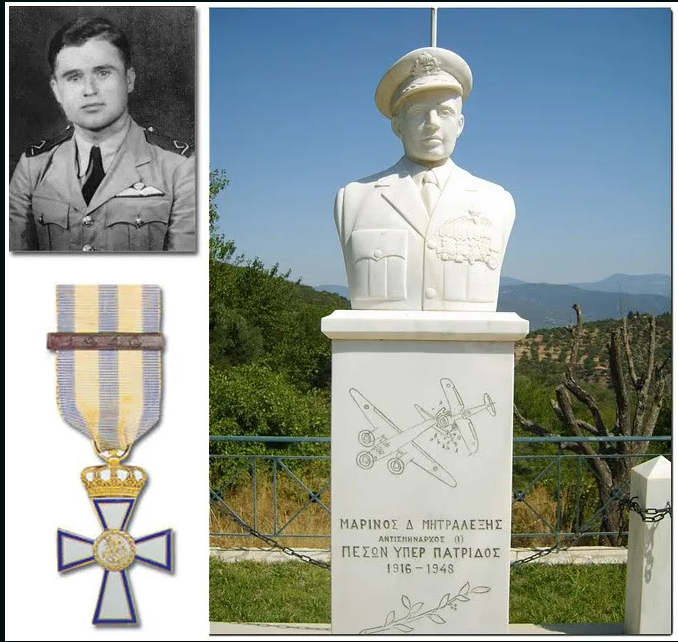
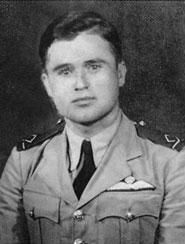
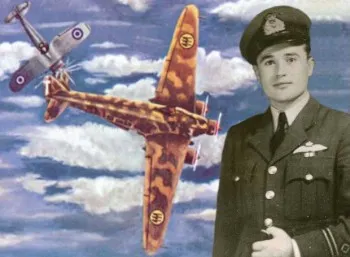
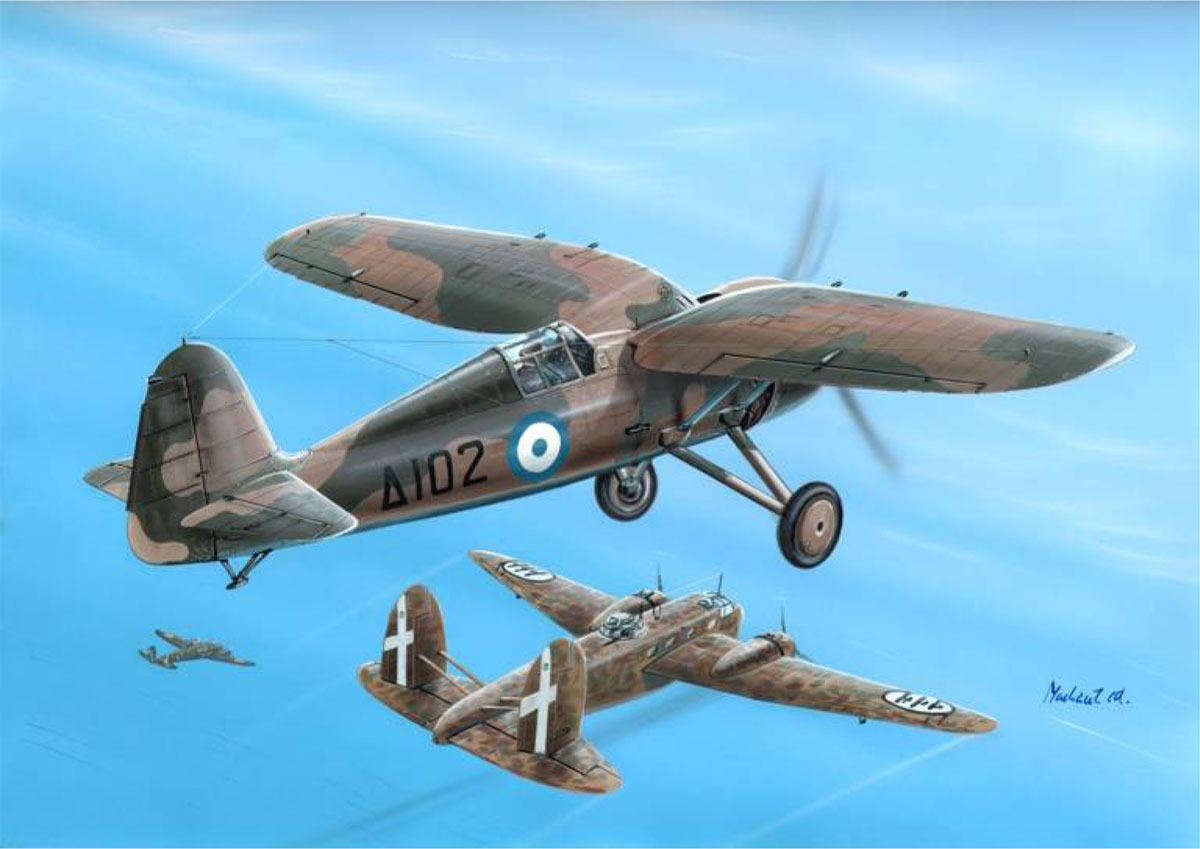
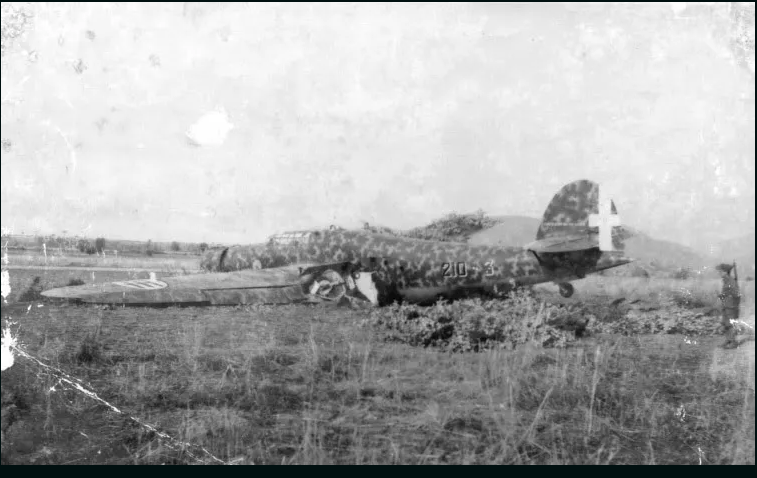
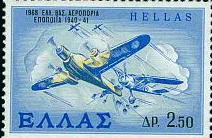
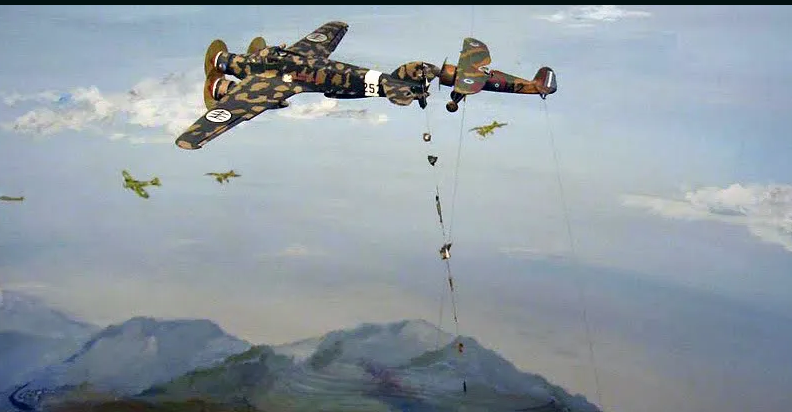
One of the war’s most memorable episodes occurred on 2 November 1940. Flying Officer Marinos Mitraleksis of the 22nd Squadron ran out of ammunition while attacking a Cant Z.1007bis bomber. He courageously used his propeller to shear off the bomber’s rudder, forcing it to crash. Mitraleksis then landed safely and personally took the Italian crew prisoner. This dramatic feat became legendary in Greece.
More about November 2 1940
2 November 1940
- 3 PZL-24s of 21 Mira attack a formation of (probably) Cant Z-1007 bis bombers and presumably fighter escorts over the Epirus front. F/Lt Sakellariou & Sgt Papadopoulos are shot down and killed in action. The third PZL manages to escape.
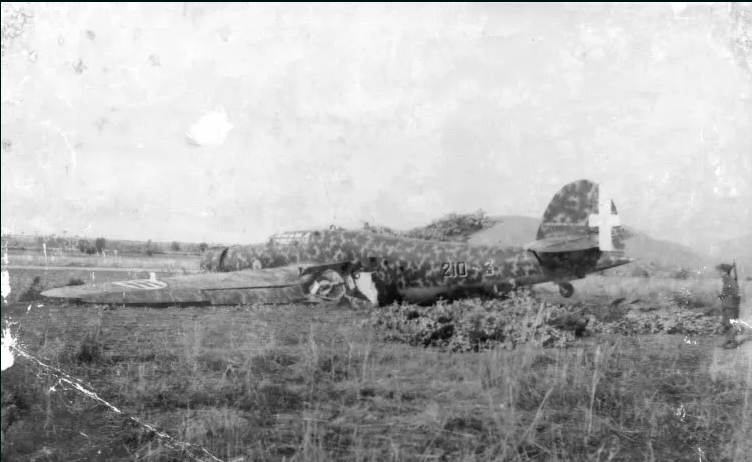
The same day a formation of Cant Z-1007 bis bombers tries to bomb Thessalonica. Six PZLs of 22 Mira and antiaircraft guns engage the enemy bombers. F/Lt Marinos Mitraleksis (P.24, Δ130), after using up all his ammunition unsuccessfully against an enemy bomber (Cant Z-1007 bis, MΜ 22381), he rams it and saws off its rudder with his propeller’s blades. The bomber plummets to the earth out of control, while Mitraleksis successfully crash-lands his P.24. He will be decorated with the Golden Order for Valour and later on with the Flying Cross, War Cross, Golden Cross of St. George’s Order with Swords and the Phoenix Order with Swords.
A diorama at the National War Museum in Athens commemorates this achievement.
The Diorama showing Mitraleksis downing an enemy bomber using his propeller. Note that the aircraft was Δ130 and not Δ142.
During the same action Sgt Epameinondas Dagoulas claims one more bomber. The evening of the same day, another formation of 15 enemy bombers and 7 fighters, raids the city of Thessalonica again. Antoniou (leader of 22 Mira) shoots down one enemy fighter. One P.24 is shot down, but the pilots, Sgt Konstantinos Lambropoulos, bails out safely.
Greek P.24s flew hundreds of sorties in the following months, focusing on bomber interceptions and escorts. The 22nd and 23rd Squadrons were particularly successful over northern Greece and the Albanian front. As losses mounted and supplies dwindled, many cannons were removed due to ammunition shortages. British Gloster Gladiators arrived to reinforce the depleted squadrons.
According to various accounts, the Greek P.24s were credited with roughly 40 confirmed victories, contributing heavily to the RHAF’s overall tally of 64 confirmed and 24 probable enemy aircraft destroyed.
The Final Battles Against Germany
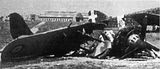
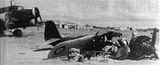
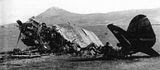
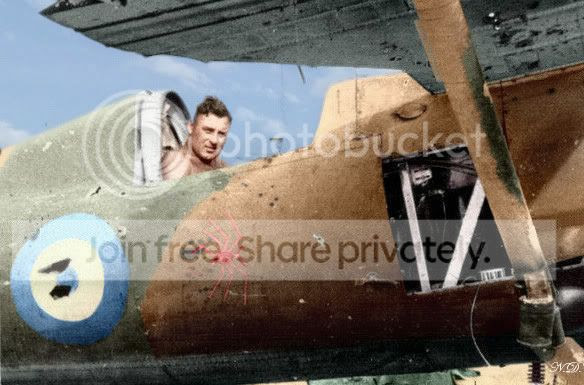
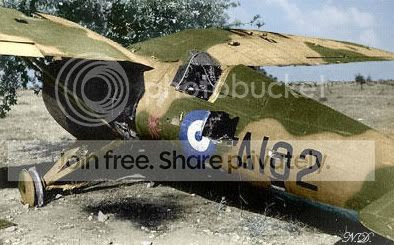
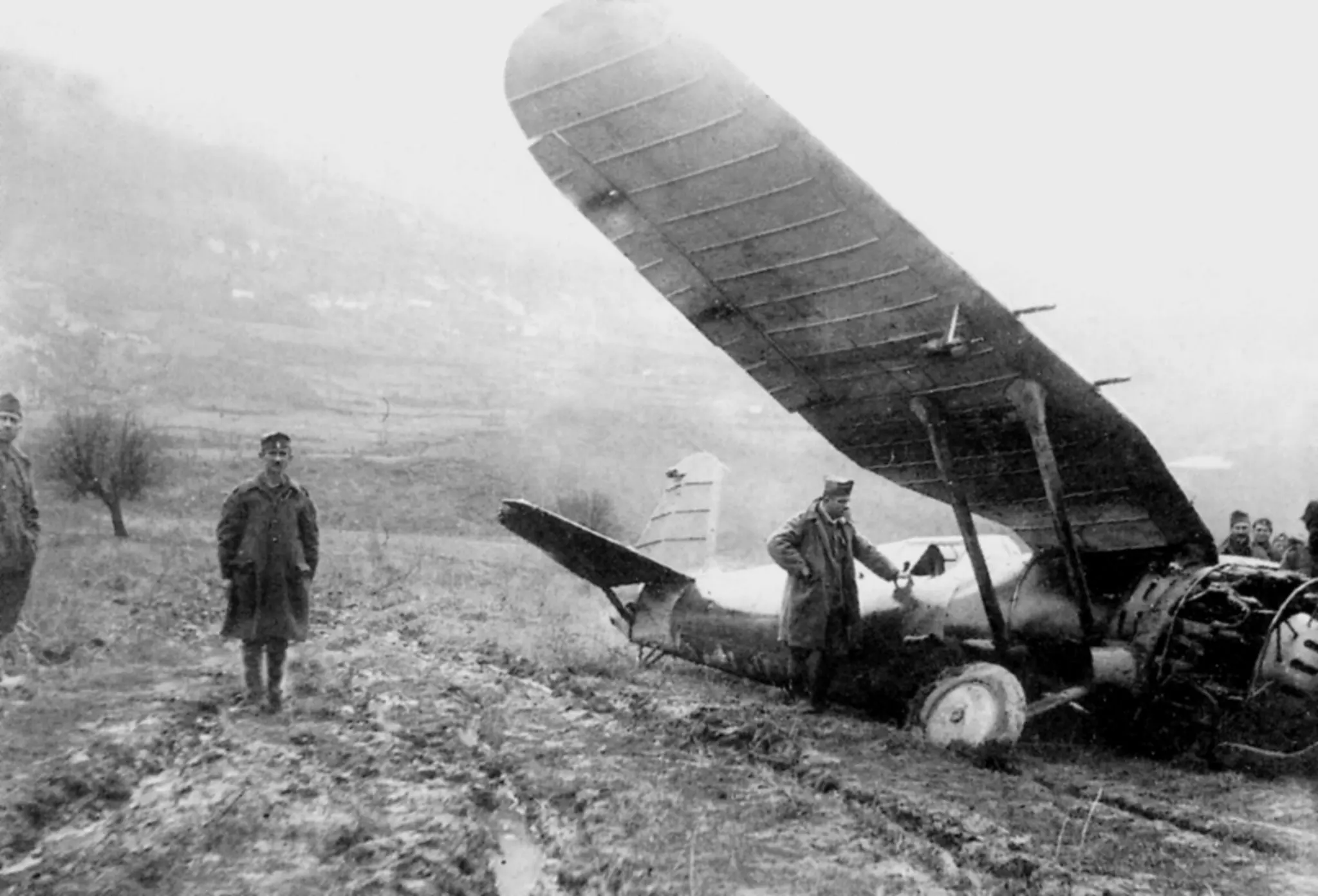
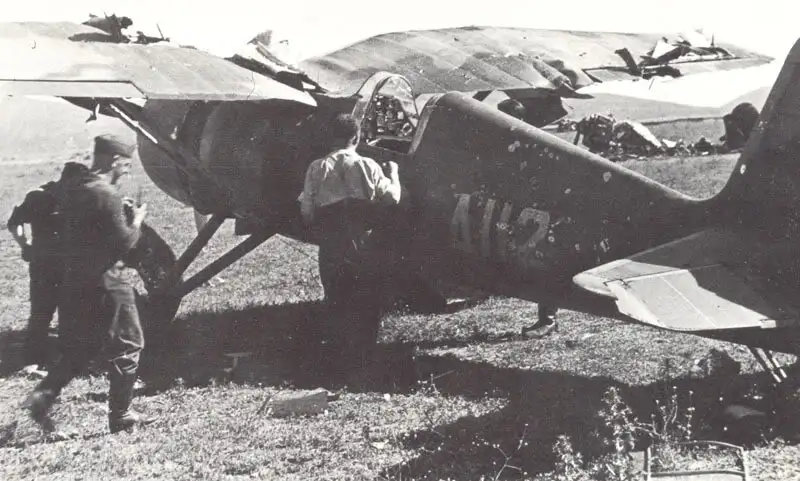
The situation worsened dramatically in April 1941 with the German invasion. Luftwaffe attacks devastated Greek airfields, destroying many P.24s on the ground. The few remaining aircraft continued to resist, managing to shoot down several German planes including Henschel Hs 126 reconnaissance aircraft, Ju 87 dive-bombers, and Do 17 bombers. By the end of the campaign, almost the entire fleet had been wiped out, with the last examples destroyed by their own crews to prevent them falling into enemy hands.
Enduring Legacy
Although technologically surpassed by newer fighters, the PZL P.24 proved highly effective in Greek service. Its pilots, often fresh from training, displayed remarkable bravery and resourcefulness. The aircraft helped slow the Italian offensive, protected ground troops, and lifted national spirit during the heroic stand of 1940.
The Greek experience with the P.24 illustrates both the constraints of pre-war export aircraft and the decisive importance of human factors in aerial warfare. It continues to be honored in Greek military history as a symbol of resistance against overwhelming odds.

Conclusion
The story of the PZL P.24F/G in Greek hands is one of ingenuity, sacrifice, and defiance. Greatly outnumbered and flying an aging fighter, Greek airmen transformed the Polish design into an instrument of national pride. Their efforts not only delayed the Axis advance but also contributed meaningfully to the broader Allied cause in the Mediterranean. Few aircraft better represent the spirit of “few against many” in the early years of the Second World War.
Sources
https://www.haf.gr/en/history/historical-aircraft/pzl-p-24fga/
PZL P.24 - Wikipedia
https://www.haf.gr/en/history/haf-history-timeline/world-war-2/
Γαλανόλευκα Φτερά – Blue White Wings
A history of military equipment of Modern Greece (1821 - today): (1937-1941) PZL P.24
PZL P.24 Monoplane Fighter Aircraft
Μαρίνος Μητραλέξης: Ο έλληνας καμικάζι - Βιογραφία - Σαν Σήμερα .gr
Δ136 – Το μυστηριώδες PZL 24F της αεροπορίας – Γαλανόλευκα Φτερά – Blue White Wings
The story of the Greek PZL P24 fighter aircraft, 1940-41 – WW2Wrecks.com
