- Yes
- No
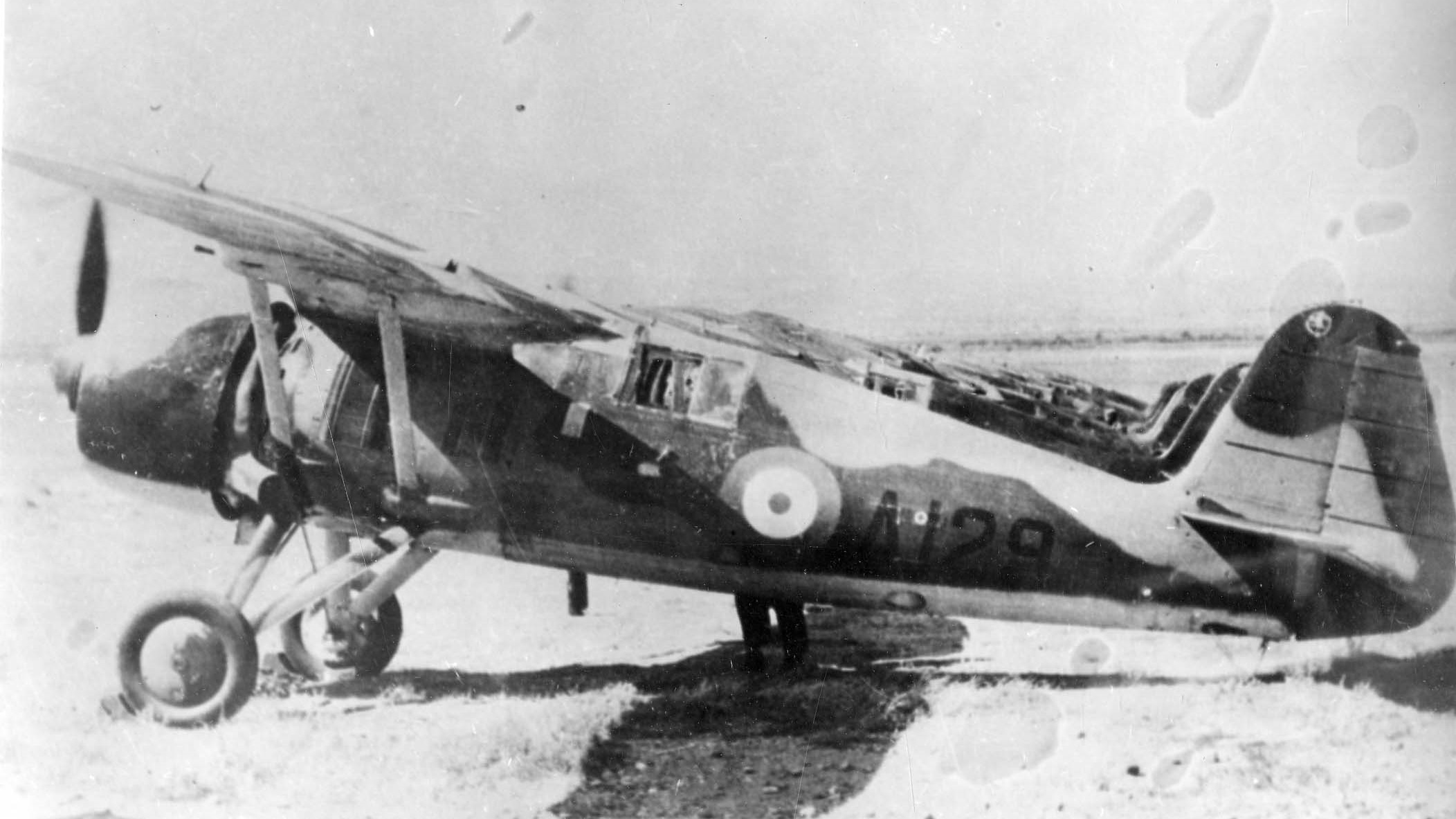
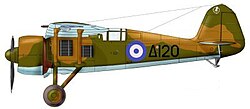
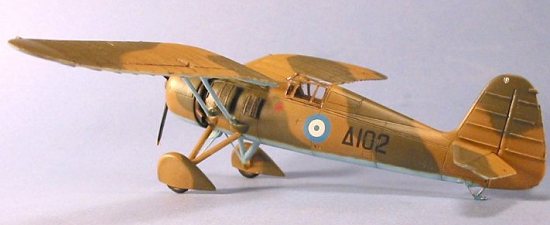
In the late 1930s, as Europe edged toward another global conflict, the Royal Hellenic Air Force (RHAF / Elliniki Vassiliki Aeroporia) faced the urgent need to modernize its fighter fleet. Greece selected the Polish PZL P.24, a gull-wing monoplane fighter developed by Państwowe Zakłady Lotnicze (PZL) as an export-oriented evolution of the successful PZL P.11. Though already somewhat outdated by the outbreak of war in 1940, the P.24—particularly the F and G variants supplied to Greece—became the backbone of Greek air defense during the Greco-Italian War and the subsequent German invasion. Greek pilots, often young and inexperienced but highly motivated, achieved remarkable results against numerically superior Italian and later German forces. The aircraft’s story embodies technical compromise, national resilience, and individual heroism.
Development and Acquisition by Greece
The PZL P.24 originated from the need to bypass export restrictions on the Bristol Mercury engine used in the P.11. French Gnome-Rhône offered financial and technical support for a version powered by their 14K radial engine. The resulting design featured a powerful engine, enclosed cockpit in production models, and strong armament options. Prototypes demonstrated excellent performance for the era, with the P.24/II setting a world speed record for radial-engine fighters (around 414 km/h).
Greece signed a contract in September 1936 for 36 aircraft (30 P.24F and 6 P.24G), with deliveries completed by May 1937 after delays related to armament (Skoda LK 32 machine guns). A license was also acquired, leading to one additional P.24F built locally at the State Aircraft Factory (K.E.A.).
Key Specifications:
- Engine: Gnome-Rhône 14N-07 (970 hp)
- Maximum Speed: ~430 km/h
- Range: ~700 km
- Service Ceiling: ~10,000 m (32,800 ft)
- Dimensions: Wingspan 10.68 m, length ~7.6–7.81 m, height 2.69 m
Its original speed was about 420 km/h, but due to modifications, such as engine, camouflage and armament, this quickly dropped to 400 km/h, and to 380 km/h after two months of intensive use in Greek service. The type’s two main weaknesses, as noted by the Greeks, were the bad cockpit visibility and the duration of flight, which was limited to 1 hour and 45 minutes. In practice, they would be able to patrol for 30-35 minutes over the front. Also, a pilot of average quality would need at least 600m of runway to land, which was difficult to find in Northern Epirus.
The P.24 had only slightly inferior performance in comparison to the Italian CR.42, but was completely outclassed by newer Italian and German fighter aircraft, such as Macchis and Messerschmitt BF109s.
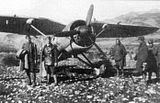
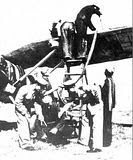
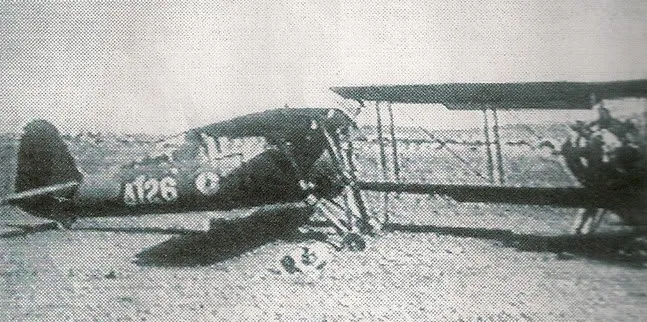
The aircraft were assigned to the 21st, 22nd, and 23rd Fighter Squadrons (Mires Dioxeos), based at Trikala, Thessaloniki (Sedes), and Larissa respectively.
Combat Performance in the Greco-Italian War (October 1940 – April 1941)
When Italy invaded Greece on 28 October 1940, the RHAF was severely outnumbered — roughly 77 front-line aircraft against hundreds of Italian planes. The P.24s formed the primary fighter force alongside a handful of Bloch MB.151s. Despite being slower than newer Italian fighters (Fiat G.50, Macchi MC.200, CR.42), the P.24 excelled in maneuverability and possessed a heavy initial armament.
Greek squadrons flew hundreds of sorties, claiming dozens of victories (mostly bombers) in the first months. The 22nd and 23rd Mira were especially active over Epirus, Thessaloniki, and the Albanian front. By early 1941, attrition, spare parts shortages, and re-armament (many cannons were removed due to ammunition scarcity) reduced effectiveness. British Gloster Gladiators later supplemented the force.
Estimates of victories vary. Polish sources credit Greek P.24s with around 40 enemy aircraft downed. Overall RHAF fighter claims reached 64 confirmed + 24 probable, with P.24s responsible for the majority.
The German Invasion and Final Stand (April 1941)
The arrival of the Luftwaffe in April 1941 overwhelmed the remaining Greek and British forces. Many P.24s were destroyed on the ground during airfield attacks. A handful of survivors continued fighting, claiming a few German aircraft (Hs 126, Ju 87, Do 17) before the campaign ended. By late April, virtually the entire Greek P.24 fleet had been lost — many deliberately destroyed to prevent capture.
Legacy and Historical Significance
The PZL P.24 was not the most advanced fighter of World War II, but in Greek hands it punched well above its weight. Its pilots — many young academy graduates and NCOs — flew with extraordinary bravery against impossible odds. The aircraft delayed Italian advances, protected key cities and troops, and boosted national morale during the “Epic of 1940.”
The Greek P.24 campaign highlighted the limitations of late-1930s export fighters in a rapidly evolving air war, while demonstrating the critical role of pilot skill and determination. Today, it remains a proud symbol in Hellenic Air Force history, commemorated in museums and dioramas.
Armament
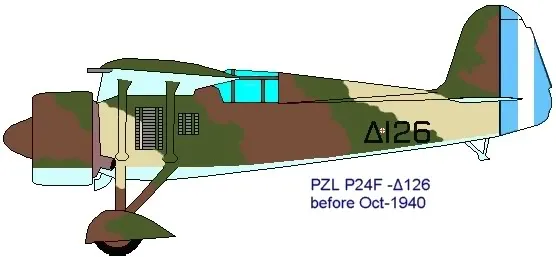
Guns: 2 x 7.92 mm LK32 and 2 x 20 mm Oerlikon FF.
Ground-Attack Weapons: They were capable of carrying bombs weighing up to 220 lb, a capability that was not utilized during Greek service
Later due to difficulties in obtaining ammunition for 20mm autocannons during the war, all F version planes were eventually rearmed with 4x Colt–Browning 7.7mm MGs.
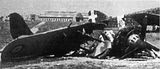
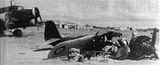
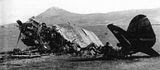
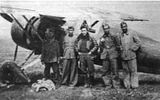
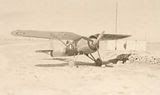
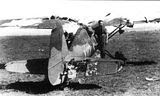
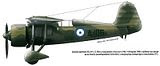
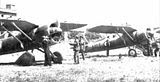
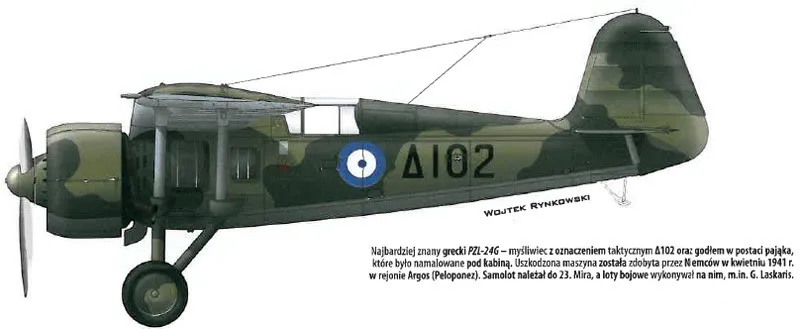
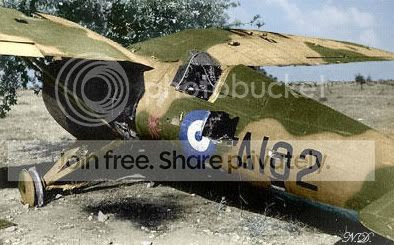
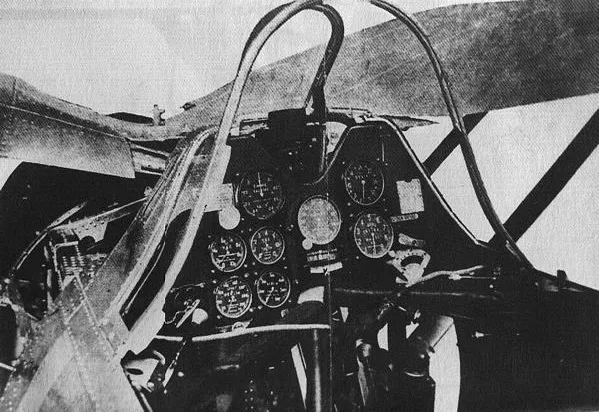
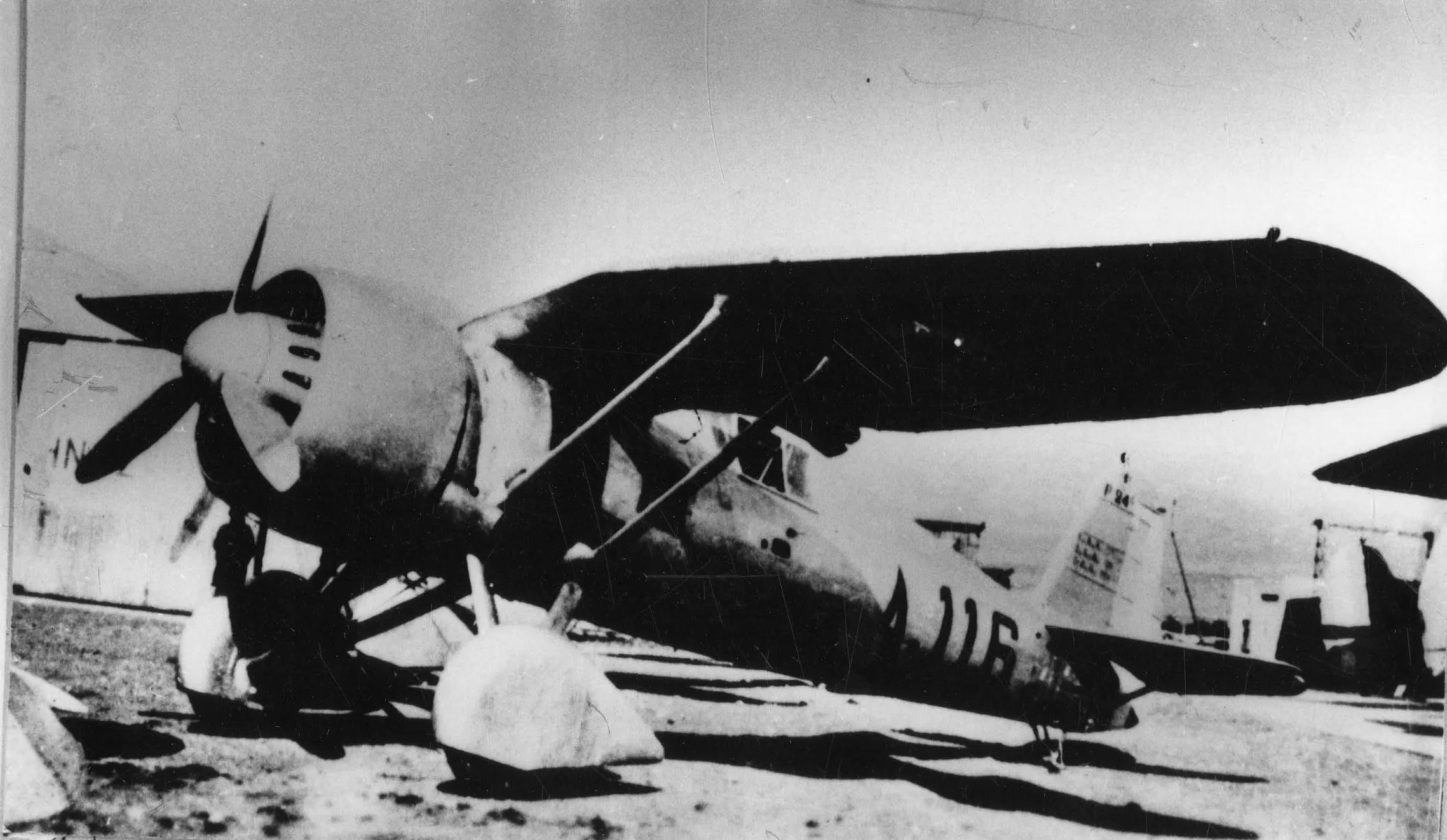

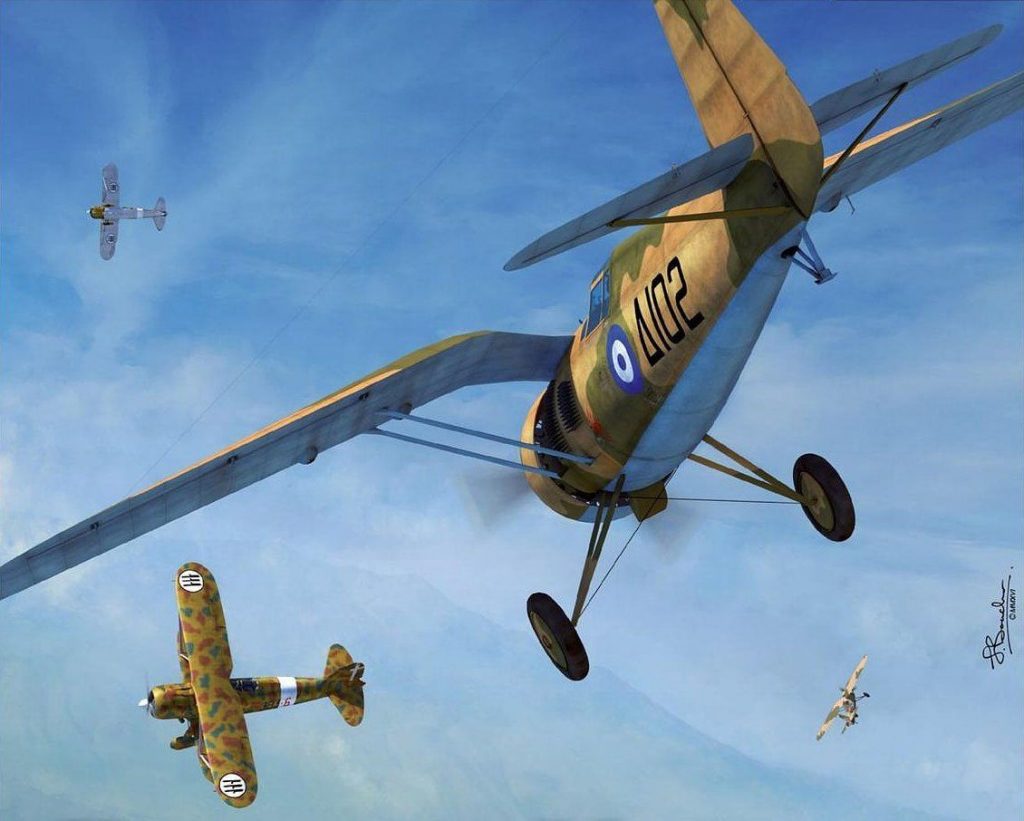
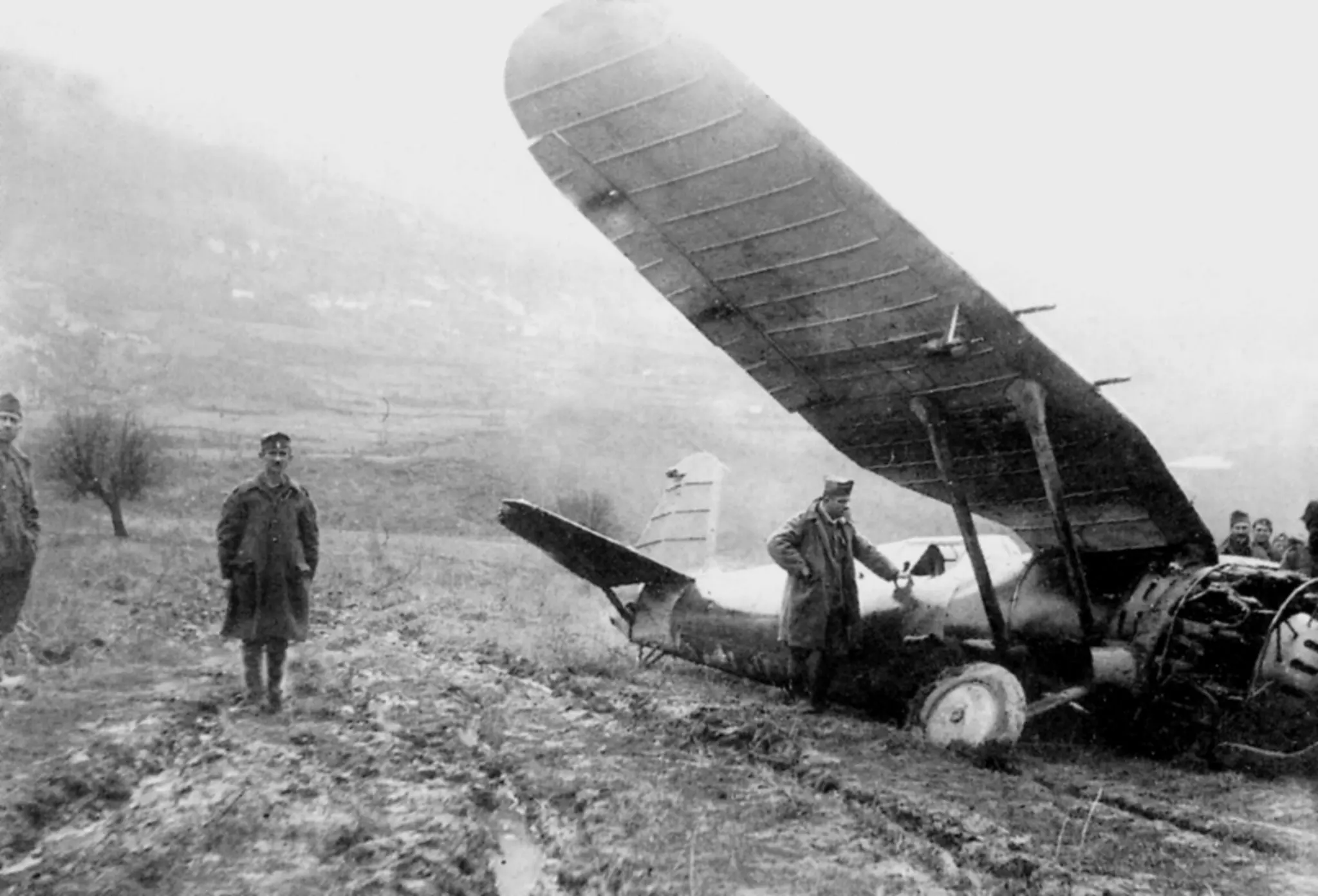
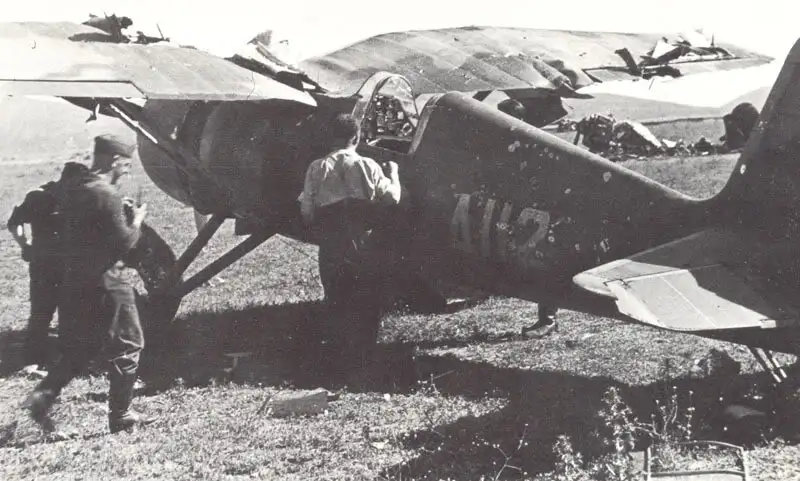
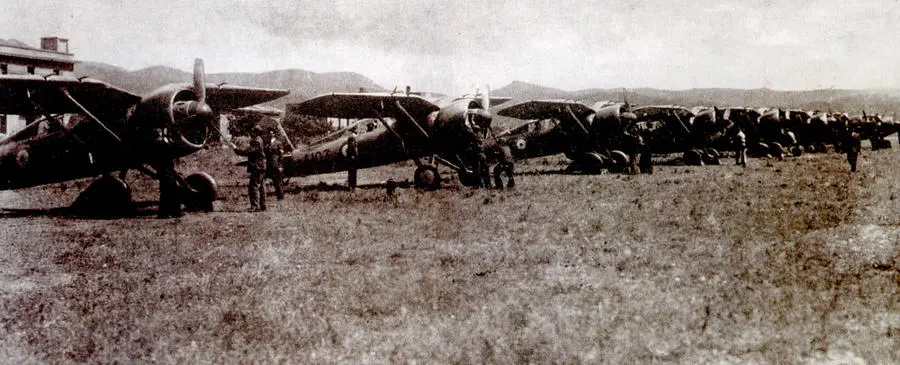
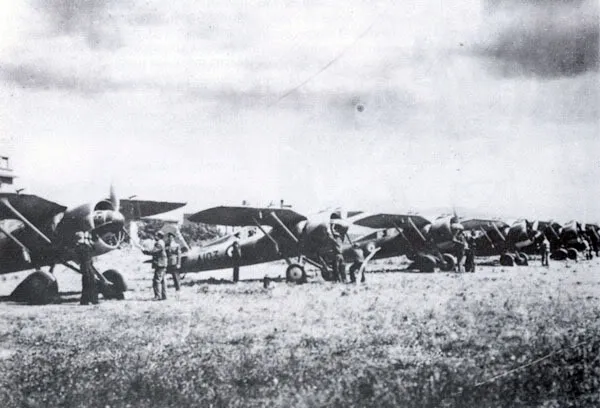
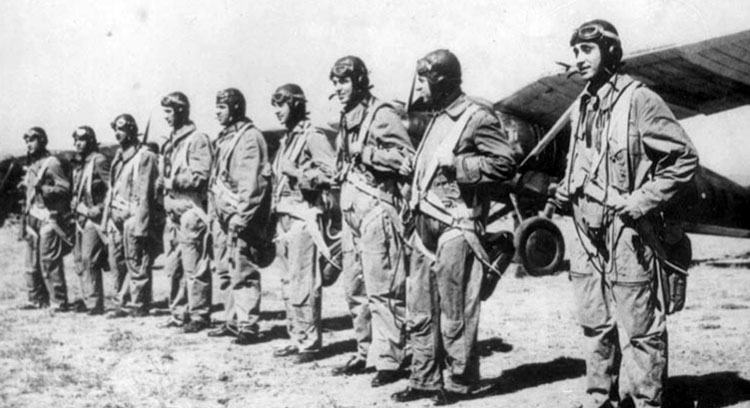
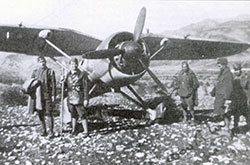
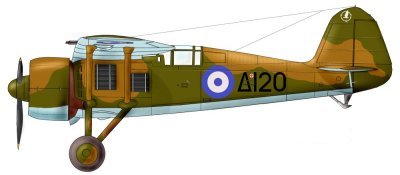
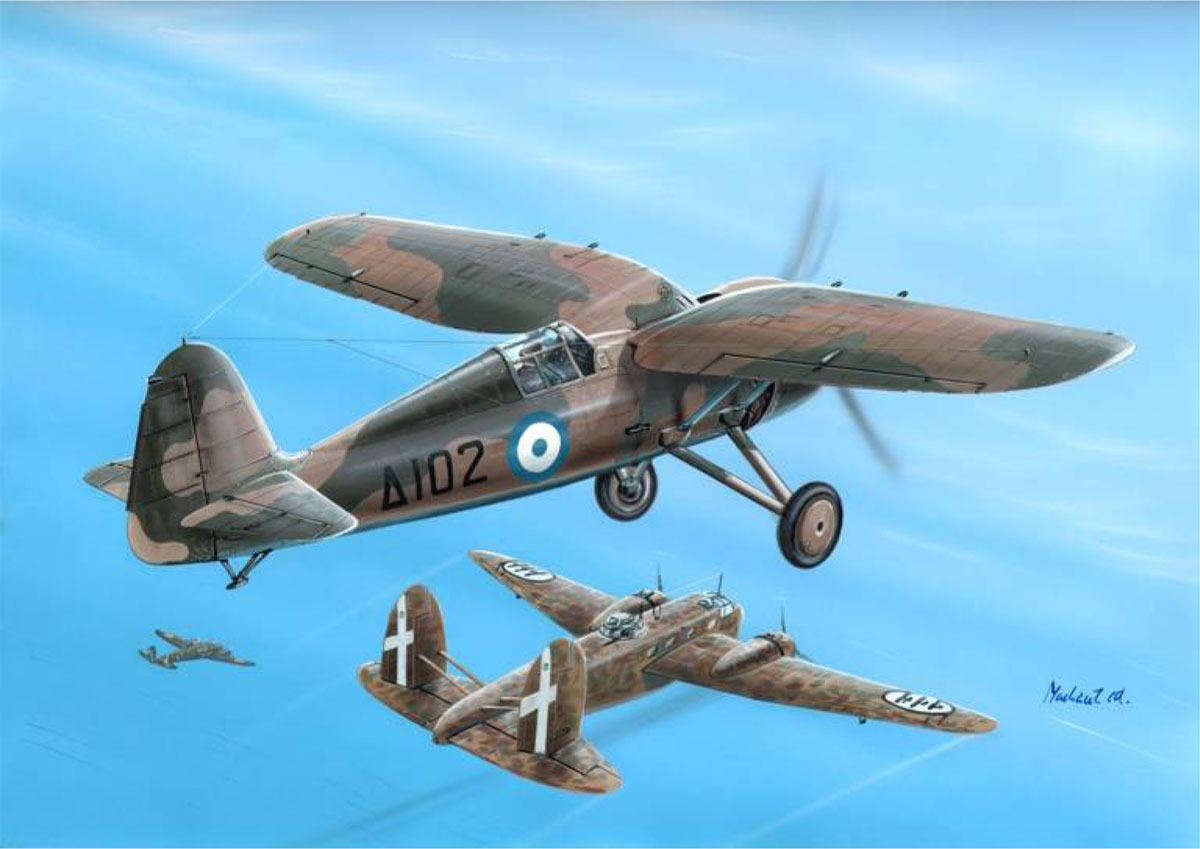
The Greek PZL P.24F/G campaign of 1940–41 stands as a testament to ingenuity meeting adversity. Outnumbered and outpaced, Greek aviators turned a solid but aging Polish design into a weapon of defiance. Their sacrifices contributed to the eventual Allied victory in the Mediterranean theater and delayed Axis plans elsewhere. In the annals of aviation history, few aircraft embody the phrase “few against many” as vividly as the Greek P.24s.
Sources
https://www.haf.gr/en/history/historical-aircraft/pzl-p-24fga/
PZL P.24 - Wikipedia
https://www.haf.gr/en/history/haf-history-timeline/world-war-2/
Γαλανόλευκα Φτερά – Blue White Wings
A history of military equipment of Modern Greece (1821 - today): (1937-1941) PZL P.24
PZL P.24 Monoplane Fighter Aircraft
Μαρίνος Μητραλέξης: Ο έλληνας καμικάζι - Βιογραφία - Σαν Σήμερα .gr
Δ136 – Το μυστηριώδες PZL 24F της αεροπορίας – Γαλανόλευκα Φτερά – Blue White Wings
The story of the Greek PZL P24 fighter aircraft, 1940-41 – WW2Wrecks.com
