- Yes
- No
- (independent) Poland tree
- Visegrad Tech Tree
- Polish Tech Tree with Czechoslovakia
- France
- Great Britain
- other
- no/negative
TL;DR: A heavily armed Polish minelayer (120 mm guns + AA), serving as the largest warship of the Polish Navy before WWII.
History
History
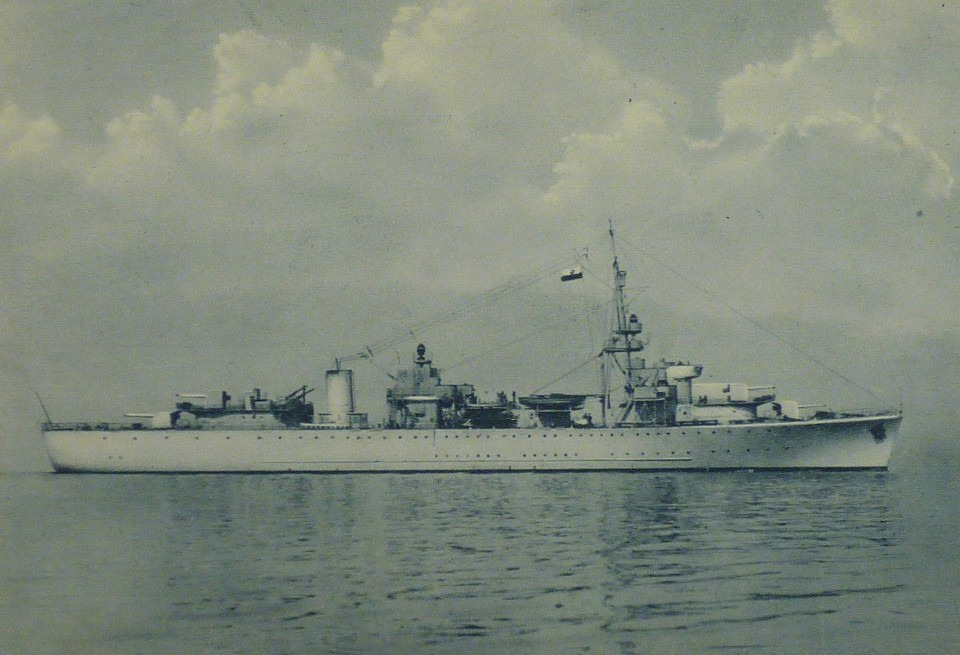
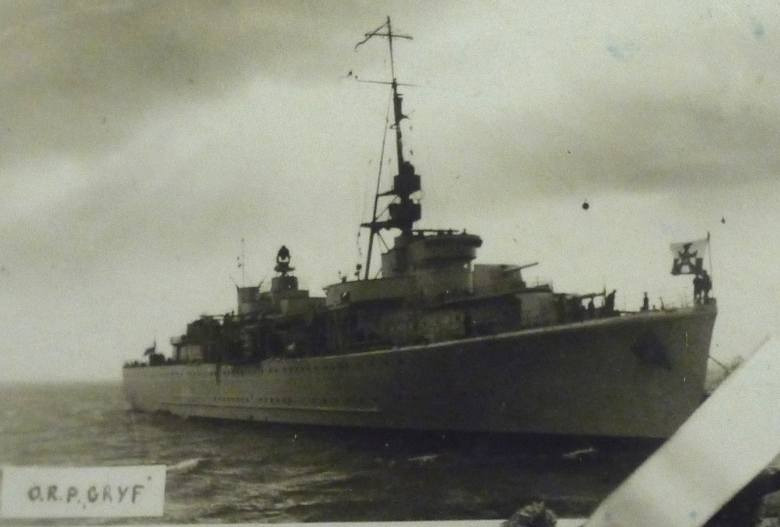
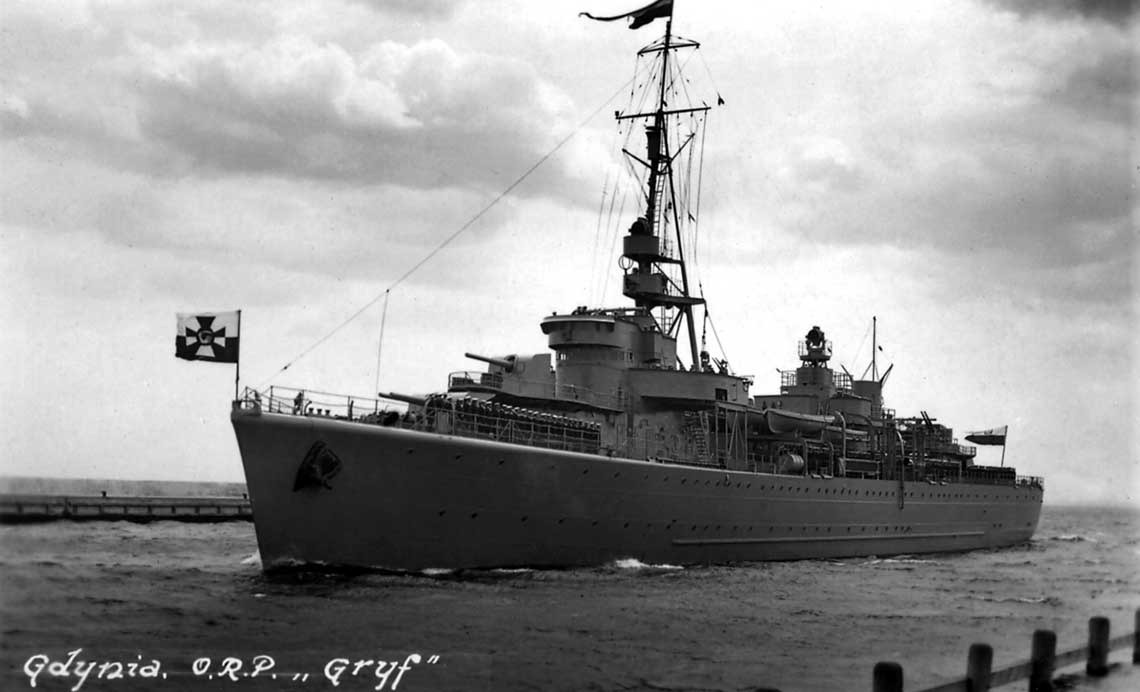
ORP Gryf was ordered in 1934 and constructed at the Chantiers et Ateliers A. Chantiers Navals Français shipyard in Caen, France. The Polish Navy wanted a multi-role minelayer-destroyer that could both support offensive mining operations in the Baltic and provide heavy gunfire. She was launched on 29 November 1936 and commissioned in 1938.
Role and Design
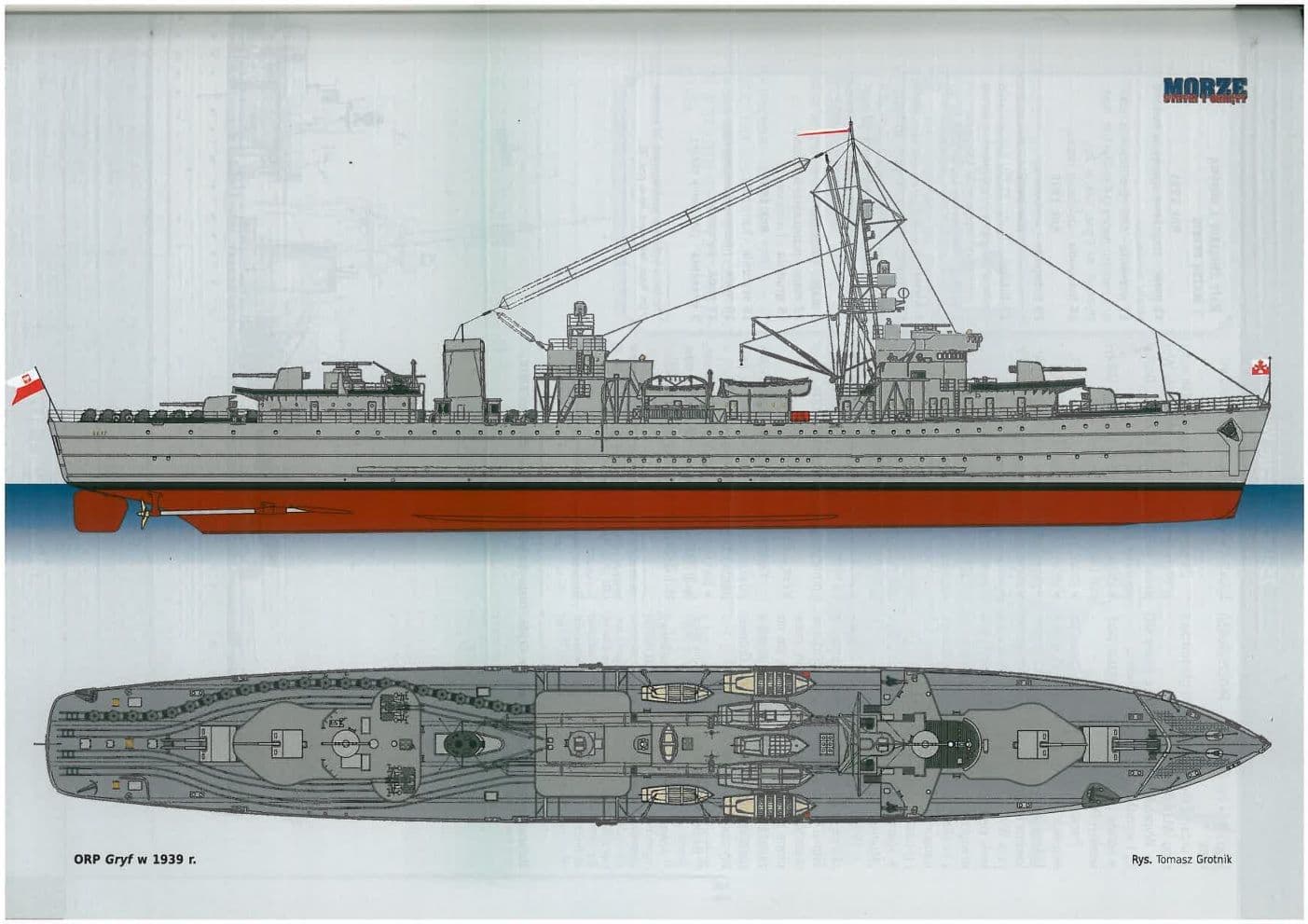
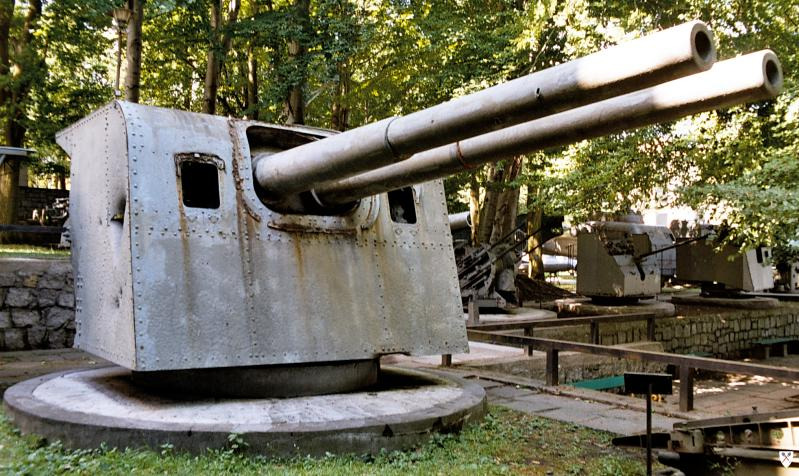
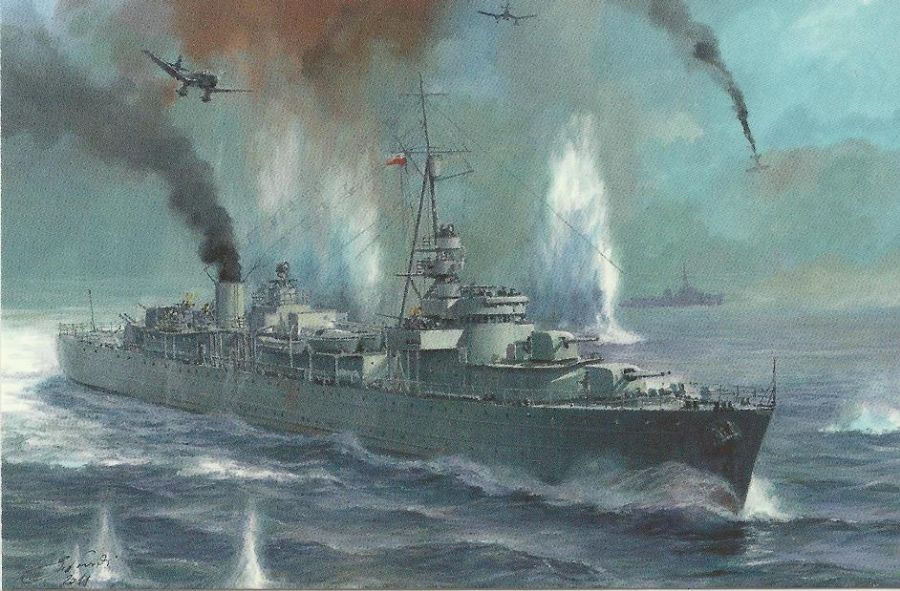
Gryf was designed to lay up to 600 naval mines, but also carried strong artillery to defend herself—something unusual for a minelayer. Her six Bofors 120 mm/50 M34 guns in two twin and twi single turrets gave her destroyer-like firepower. She also had AA guns, torpedo tubes, and depth charges, intended to make her a versatile flagship for mine operations.
September 1939 – Combat and Loss
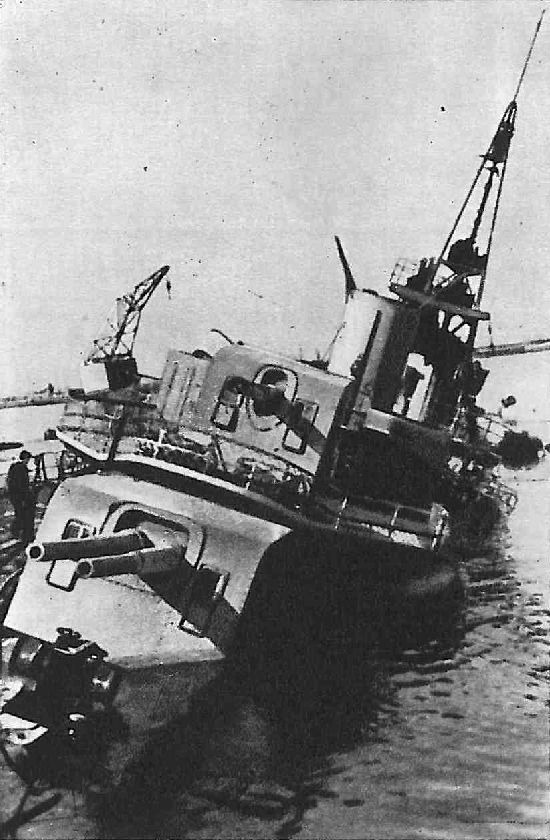
On 1 September 1939, Gryf was tasked with laying defensive minefields (Operation Rurka). However, the plan was disrupted by repeated German air attacks. During an air raid near the Hel Peninsula, Gryf was bombed by Ju 87 Stukas and sunk on 3 September 1939, before completing her mission. Her crew fought bravely, manning AA guns during the raid, but the ship was lost along with many sailors.
Gryf’s short but dramatic wartime career cemented her as a symbol of Polish naval sacrifice at the outbreak of World War II.
Specifications
Dimensions: 103 m length, 13 m beam, 3.7 m draught
Displacement: 2,200–2,400 tons (full load)
Propulsion: 2 geared steam turbines, 54,000 hp, 2 shafts
Speed: 20 knots (max, fully loaded with mines)
Crew: ~190
Armament Main guns 2 × 2 & 2 × 1 120 mm/50 Bofors M34 dual-purpose guns (6 total) AA guns 4 × 1 40 mm Bofors + 4 × 1 13.2 mm Hotchkiss MGs Torpedoes 2 × 3 533 mm torpedo tubes Mines 8 x 75 naval mine racks: Capacity for 600 naval mines Depth charges Yes
Equipment Fire control Basic optical rangefinders Armor Light (splinter protection only) Sensors Navigational only (no radar, pre-war ship)
Place in War Thunder
ORP Gryf would fit best as a Rank II–III Coastal Vessel, a hybrid between destroyers and large minelayers. While her mines might not be directly usable in-game, her six 120 mm guns and strong AA suite give her combat potential close to that of early destroyers.
She would represent Polish naval forces within either:
- a future independent Polish tech tree, or
- as part of a Visegrad Tech Tree (but naval)
- Polish Tech Tree with Czechoslovakia (but naval)
- As a Polish ship in the french tech tree (as she was built partially by the french)
- with the United Kingdom, as the ORP Garland is already there
In gameplay, Gryf would play similarly to a lightly armored destroyer with weaker speed, but with powerful broadside firepower.
Pictures
Sources
Sources
- Ciesielski, S. (2002). Polska flota wojenna 1918–1945. Gdańsk: AJ-Press.
- Friedman, N. (2011). Naval Weapons of World War One. Barnsley: Seaforth.
- Garliński, J. (1979). Poland in the Second World War. London: Macmillan.
- Stille, M. (2012). Naval Mines in World War II. Oxford: Osprey Publishing.
- Współtwórcy projektów Fundacji Wikimedia. (2005, August 28). ORP Gryf (1936). https://pl.wikipedia.org/wiki/ORP_Gryf_(1936)
- Zdzisław Golanek: Stawiacz min ORP Gryf. Warszawa: Wydawnictwo Ministerstwa Obrony Narodowej, 1979, seria: TBiU nr 62.